
SIBO, Candida & Dysbiosis: When Gut Health Supplements Aren't Enough
Written by Smart Supplements Editorial Team
Key takeaways
- SIBO, candida overgrowth and dysbiosis are distinct conditions that share overlapping symptoms but require different treatment approaches.
- Herbal antimicrobials (oregano oil, berberine, allicin) showed comparable efficacy to rifaximin for SIBO in a 2014 Johns Hopkins study, but are not a substitute for proper diagnosis.
- "Systemic candida overgrowth" as described in alternative medicine is largely unsupported by mainstream evidence — real candidiasis is well-established in immunocompromised patients.
- Self-treating chronic gut symptoms risks missing serious conditions including IBD, coeliac disease, and colorectal cancer.
- SIBO has a recurrence rate of 30–50% within 12 months, making prokinetic therapy and underlying cause correction essential.
- Supplements are best positioned as adjunctive support alongside medical treatment, not as standalone cures.
Table of contents
- Beyond Simple Dysbiosis: When Things Get Complicated
- SIBO: Small Intestinal Bacterial Overgrowth
- Herbal Antimicrobials: The Evidence
- Candida: Separating Fact from Fiction
- Dysbiosis: The Spectrum
- The Danger of Self-Diagnosis
- Red Flags That Need a Doctor
- Supplements That May Help (Adjunctive Support)
- What NOT to Do
- Working with Your Healthcare Team
- A Realistic Recovery Timeline
- The Elemental Diet: A Specialised Tool
- Frequently Asked Questions
- Affiliate Disclosure & Recommended Products
- Medical Disclaimer
- Related Articles
Beyond Simple Dysbiosis: When Things Get Complicated
If you have been reading about gut health for any length of time, you will have encountered the usual advice: take a probiotic, eat more fibre, reduce stress. And for many people, that advice is genuinely helpful. A healthy diet rich in diverse plant fibres, combined with sensible lifestyle choices, supports a thriving gut microbiome.
But what happens when you have done all of that and you are still bloated, exhausted, and miserable after every meal?
This article exists because there is a gap between the cheerful world of gut health supplements and the clinical reality of conditions like SIBO (Small Intestinal Bacterial Overgrowth), candida overgrowth, and severe dysbiosis. These are situations where supplements alone are rarely enough — and where self-treatment can sometimes cause real harm by delaying the diagnosis of something more serious.
We are going to walk through what each condition actually involves, what the evidence says about treatment options (both pharmaceutical and natural), and — critically — when you need to stop experimenting and see a gastroenterologist.
SIBO: Small Intestinal Bacterial Overgrowth
What SIBO Actually Is
Your gut contains trillions of microorganisms, but they are not evenly distributed. The large intestine (colon) is home to the vast majority of your gut bacteria — roughly 10¹¹ to 10¹² colony-forming units per millilitre. The small intestine, by contrast, should contain far fewer — typically below 10³ CFU/mL in the upper sections.
SIBO occurs when bacteria that normally reside in the colon migrate into or proliferate within the small intestine. This is not about having "bad" bacteria per se — it is about having normal bacteria in the wrong location. When colonic bacteria set up shop in the small intestine, they ferment carbohydrates before your body has had a chance to absorb them, producing hydrogen and methane gas in an area that is not designed to handle it.
The underlying causes of SIBO typically involve impaired motility or structural abnormalities:
- Migrating motor complex (MMC) dysfunction — the "cleansing wave" that sweeps bacteria downward between meals fails to function properly
- Ileocaecal valve incompetence — the valve between the small and large intestine does not close properly, allowing bacteria to migrate upward
- Anatomical causes — adhesions from surgery, diverticula, strictures, or blind loops
- Reduced gastric acid — long-term proton pump inhibitor (PPI) use removes a key barrier to bacterial overgrowth
- Immune deficiency — particularly IgA deficiency, which plays a crucial role in mucosal immunity
- Conditions affecting motility — diabetes, hypothyroidism, scleroderma, Ehlers-Danlos syndrome
Symptoms: The IBS Overlap Problem
SIBO symptoms are frustratingly non-specific, which is partly why it took so long to gain clinical recognition. The most common symptoms include:
| Symptom | Frequency in SIBO | Notes |
|---|---|---|
| Bloating and abdominal distension | Very common (80%+) | Often described as the most bothersome symptom |
| Flatulence | Very common | Excessive gas production from bacterial fermentation |
| Abdominal pain/cramping | Common (60–70%) | Typically worse after meals |
| Diarrhoea | Common (hydrogen-dominant) | Osmotic diarrhoea from malabsorbed carbohydrates |
| Constipation | Common (methane-dominant) | Methane slows intestinal transit |
| Nausea | Moderate | Especially after eating |
| Fatigue | Common | Partly from malabsorption, partly from systemic inflammation |
| Brain fog | Reported frequently | Mechanism not fully understood; may involve D-lactic acidosis |
| Nutrient deficiencies | Variable | B12, iron, fat-soluble vitamins (A, D, E, K) |
The overlap with irritable bowel syndrome (IBS) is significant. Studies suggest that 30–85% of IBS patients may have concurrent SIBO (depending on the diagnostic method used), leading some researchers to propose that SIBO may be an underlying cause of IBS in a subset of patients. However, this remains debated — the relationship may be bidirectional, with IBS-related dysmotility predisposing to SIBO rather than SIBO causing IBS.
Diagnosis: Breath Testing and Its Limitations
The current standard for non-invasive SIBO diagnosis is the hydrogen and methane breath test. After an overnight fast, you ingest a substrate — typically lactulose or glucose — and breath samples are collected at regular intervals over 90–180 minutes.
- Glucose breath test: More specific (fewer false positives) but only detects overgrowth in the proximal (upper) small intestine, as glucose is absorbed before reaching the distal sections
- Lactulose breath test: Can detect overgrowth throughout the small intestine but has a higher false-positive rate, as lactulose is naturally fermented in the colon
A positive result is defined by the 2017 North American Consensus as a rise of ≥20 ppm in hydrogen above baseline within 90 minutes, or any methane level ≥10 ppm.
The gold standard remains jejunal aspirate culture (taking a sample directly from the small intestine during endoscopy), but this is invasive, expensive, and prone to contamination. In practice, breath testing is the most widely used approach despite its imperfections.
Medical Treatment: Rifaximin and Beyond
The first-line pharmaceutical treatment for SIBO is rifaximin (Xifaxan), a non-absorbable antibiotic that acts locally in the gut. A typical course is 550 mg three times daily for 14 days. Rifaximin has several advantages: it is well-tolerated, does not significantly disrupt the colonic microbiome, and has a reasonable response rate of approximately 50–70%.
For methane-dominant presentations (now classified separately as IMO — see below), rifaximin alone is often insufficient. The combination of rifaximin plus neomycin (or metronidazole) is typically more effective against methane-producing archaea.
Critically, antibiotic treatment alone is rarely sufficient for long-term SIBO management. Without addressing the underlying cause, recurrence rates are high. Prokinetic agents — medications that stimulate the migrating motor complex — are considered essential for preventing relapse. Options include low-dose erythromycin (an antibiotic used at sub-antimicrobial doses for its prokinetic effect), prucalopride, or low-dose naltrexone.
IMO: A Distinct Condition
In recent years, the gastroenterology community has recognised that methane-dominant "SIBO" is actually a separate entity. The methane-producing organisms responsible — primarily Methanobrevibacter smithii — are not bacteria at all but archaea, and they are found throughout the entire intestinal tract, not just the small intestine.
This has led to the introduction of the term Intestinal Methanogen Overgrowth (IMO), which more accurately describes the condition. IMO is characterised by:
- Constipation as the predominant bowel pattern (methane directly slows intestinal transit)
- Bloating and abdominal distension
- Breath methane levels ≥10 ppm
- Often poorer response to rifaximin monotherapy
- A need for combination antimicrobial therapy targeting archaea specifically
The distinction matters because treatment protocols differ — what works for hydrogen-dominant SIBO may not work for IMO.
Herbal Antimicrobials: The Evidence
One of the most frequently cited studies in the SIBO community is a 2014 retrospective study from Johns Hopkins University published in Global Advances in Health and Medicine (Chedid et al., 2014). The study compared herbal antimicrobial therapy to rifaximin in 104 patients with lactulose breath test-confirmed SIBO.
The results were striking:
| Treatment | Response Rate | Notes |
|---|---|---|
| Rifaximin (1200 mg/day, 4 weeks) | 34% (23/67) | Standard pharmaceutical treatment |
| Herbal antimicrobials (4 weeks) | 46% (17/37) | Combination herbal protocols |
| Herbal rescue (after rifaximin failure) | 57% | Patients who failed rifaximin then tried herbs |
The herbal protocols used commercially available preparations containing combinations of:
- Oregano oil (carvacrol and thymol — potent antimicrobial compounds)
- Berberine (from goldenseal, Oregon grape, or barberry)
- Allicin (stabilised garlic extract)
- Neem (Azadirachta indica)
- Wormwood (Artemisia absinthium)
Important Caveats
Before you rush to order oregano oil, some critical context about this study:
- It was retrospective, not a randomised controlled trial — the gold standard for clinical evidence
- The sample size was small (37 patients in the herbal group)
- The herbal protocols were physician-supervised, using specific, standardised preparations at specific doses
- The study has not been replicated in a large-scale randomised trial
- Response was defined by breath test normalisation, which does not always correlate with symptom improvement
That said, the study provides a reasonable basis for considering herbal antimicrobials as part of a supervised treatment plan, particularly for patients who cannot tolerate or access rifaximin (which can be expensive and is not available in all countries).
Individual herbal compounds have varying levels of evidence:
| Compound | Evidence Level | Key Findings |
|---|---|---|
| Berberine | Moderate | Broad-spectrum antimicrobial; also improves blood sugar regulation; multiple in vitro studies confirm activity against common SIBO organisms |
| Oregano oil (carvacrol) | Moderate | Strong in vitro antimicrobial activity; some clinical data for intestinal infections |
| Allicin (garlic) | Low–Moderate | Antimicrobial and antifungal properties; limited clinical trial data for SIBO specifically |
| Neem | Low | Traditional use; some in vitro data; minimal clinical trial evidence for SIBO |
| Wormwood | Low | Anti-parasitic properties well-established; limited SIBO-specific data |
The key message: herbal antimicrobials are promising but should be used under professional guidance, not self-prescribed based on internet protocols. Dosing, duration, and combination strategies all matter.
Candida: Separating Fact from Fiction
Few topics in gut health generate more controversy than candida overgrowth. The gap between what mainstream medicine recognises and what alternative health practitioners claim is enormous — and patients are caught in the middle.
Real Candidiasis: What Medicine Agrees On
Candida species (most commonly Candida albicans) are normal commensal organisms — they live in the gut, mouth, and vaginal tract of most healthy people without causing problems. The immune system and competing microorganisms keep Candida populations in check.
Clinically recognised candidiasis includes:
- Oral thrush — white patches on the tongue and oral mucosa, common in infants, elderly, immunocompromised patients, inhaled corticosteroid users
- Vulvovaginal candidiasis — affects up to 75% of women at some point; well-established diagnosis with effective treatments
- Oesophageal candidiasis — an AIDS-defining illness; rare in immunocompetent individuals
- Invasive candidiasis/candidaemia — Candida in the bloodstream; a serious hospital-acquired infection with significant mortality; occurs almost exclusively in severely immunocompromised or critically ill patients
These are real, well-characterised conditions with established diagnostic criteria and evidence-based treatments.
The "Systemic Candida" Controversy
Where things get murky is the concept of "systemic candida overgrowth" or "candida hypersensitivity syndrome" as described by some functional and alternative medicine practitioners. The claim is that Candida overgrowth in the gut — even without invasive disease — causes a wide range of systemic symptoms including fatigue, brain fog, joint pain, skin problems, sugar cravings, and mood disorders.
Here is the honest assessment:
- Mainstream gastroenterology does not recognise intestinal candida overgrowth as a distinct clinical entity in immunocompetent individuals. There is no validated diagnostic test, no agreed-upon diagnostic criteria, and no high-quality clinical trials demonstrating that anti-candida treatment improves these vague systemic symptoms.
- However, there is emerging research suggesting that gut Candida populations can influence immune function, gut permeability, and systemic inflammation. The picture is more nuanced than either camp typically acknowledges.
- The danger of the "candida overgrowth" diagnosis (as used in alternative medicine) is that it can become a catch-all explanation for non-specific symptoms, potentially delaying investigation of other treatable conditions.
Anti-Candida Diets: Limited Evidence
The popular anti-candida diet — eliminating sugar, refined carbohydrates, alcohol, and sometimes fermented foods — has very limited scientific evidence supporting it. While reducing refined sugar intake is generally sensible health advice, the specific claim that dietary sugar "feeds" intestinal Candida and that eliminating it will resolve overgrowth is not well-supported.
Candida can metabolise a variety of substrates, and the relationship between dietary sugar and intestinal Candida populations is far more complex than "sugar feeds yeast." Some patients report improvement on restrictive diets, but this could be attributable to other factors — reduced FODMAPs, elimination of food intolerances, or placebo effect.
What Actually Works for Candidiasis
For genuine, diagnosed candidiasis:
- Pharmaceutical antifungals: Nystatin (topical/oral, not systemically absorbed), fluconazole, itraconazole — these are effective and well-studied
- Saccharomyces boulardii: This beneficial yeast has demonstrated anti-Candida activity in multiple studies, likely through competition for binding sites, secretion of anti-Candida factors, and immune modulation. It is one of the few probiotic interventions with reasonable evidence for candida management
- Biofilm disruption: Candida forms biofilms — structured communities that are resistant to both antifungals and immune attack. N-acetylcysteine (NAC) has shown promise as a biofilm-disrupting agent in vitro, though clinical evidence is still limited
- Restoring bacterial competition: A healthy bacterial microbiome naturally keeps Candida in check through competition for nutrients and production of antifungal compounds. Broad-spectrum antibiotic use is one of the strongest risk factors for candidiasis precisely because it removes this competition
Dysbiosis: The Spectrum
Dysbiosis is an umbrella term describing a disruption in the normal gut microbial ecosystem. Unlike SIBO or candidiasis, dysbiosis is not a single condition but a spectrum of imbalances that can manifest in several ways:
- Loss of diversity — reduced variety of microbial species, often seen after antibiotic use
- Loss of beneficial organisms — reduction in key species like Faecalibacterium prausnitzii, Akkermansia muciniphila, or Bifidobacterium species
- Pathobiont expansion — overgrowth of potentially harmful organisms that are normally present in small numbers (e.g., Klebsiella, Proteus, Enterococcus)
- Pathogen acquisition — colonisation by organisms not normally found in the healthy gut (e.g., Clostridioides difficile)
- Functional imbalance — changes in microbial metabolic output even without major compositional shifts
The challenge with dysbiosis is that there is no universally agreed-upon definition of a "normal" microbiome. Gut microbial composition varies enormously between individuals, populations, and cultures. What constitutes dysbiosis for one person may be normal variation for another.
Commercial gut microbiome tests (such as those offered by various direct-to-consumer companies) can provide interesting data about microbial composition, but their clinical utility remains limited. The tests are not standardised, results can vary between laboratories, and — most importantly — we do not yet have enough knowledge to reliably translate microbiome composition data into specific treatment recommendations.
That said, there are well-established patterns of dysbiosis associated with specific conditions:
| Pattern | Associated Conditions | Key Features |
|---|---|---|
| Post-antibiotic dysbiosis | C. difficile infection, antibiotic-associated diarrhoea | Reduced diversity, loss of colonisation resistance |
| IBD-associated dysbiosis | Crohn's disease, ulcerative colitis | Reduced Faecalibacterium, increased Enterobacteriaceae |
| Obesity-associated dysbiosis | Metabolic syndrome, type 2 diabetes | Altered Firmicutes/Bacteroidetes ratio (though this is oversimplified) |
| IBS-associated dysbiosis | Irritable bowel syndrome | Variable patterns; often reduced Bifidobacterium |
The Danger of Self-Diagnosis
This is perhaps the most important section of this article. The gut health supplement industry — including this website — exists to help people optimise their digestive health. But there is a critical line between supplementation for general wellness and self-treating symptoms that require medical investigation.
Chronic gut symptoms can be caused by serious conditions that look remarkably similar to "dysbiosis" or "SIBO" in their early stages:
- Inflammatory bowel disease (IBD) — Crohn's disease and ulcerative colitis cause bloating, pain, diarrhoea, and fatigue. Early IBD can be indistinguishable from IBS or SIBO based on symptoms alone. IBD requires specific medical treatment to prevent irreversible bowel damage.
- Coeliac disease — affects roughly 1% of the European population, but up to 75% of cases remain undiagnosed. Symptoms overlap extensively with SIBO and IBS. Untreated coeliac disease increases the risk of osteoporosis, infertility, and intestinal lymphoma.
- Colorectal cancer — the second leading cause of cancer death in Europe. Early symptoms (changes in bowel habits, bloating, fatigue) are easily dismissed as "gut health issues." Screening saves lives.
- Endometriosis — affects up to 10% of women of reproductive age and frequently causes gastrointestinal symptoms including bloating, pain, constipation, and diarrhoea. Average time to diagnosis is 7–10 years.
- Exocrine pancreatic insufficiency (EPI) — inadequate digestive enzyme production causes bloating, fatty stools, and malabsorption. Treatable with pancreatic enzyme replacement therapy but requires diagnosis.
- Small bowel neoplasms — rare but potentially serious, and can present with non-specific symptoms similar to SIBO.
The supplement industry does patients a disservice when it encourages self-treatment of chronic symptoms without first ruling out these conditions. If your symptoms are persistent, worsening, or accompanied by alarm features, you need medical investigation before reaching for supplements.
Red Flags That Need a Doctor
The following symptoms warrant prompt medical evaluation — do not self-treat if any of these are present:
| Red Flag | Possible Significance | Action |
|---|---|---|
| Unintentional weight loss (>5% in 6 months) | Malignancy, IBD, coeliac disease, EPI | Urgent GP referral |
| Rectal bleeding or blood in stool | Colorectal cancer, IBD, haemorrhoids | Urgent investigation |
| Iron deficiency anaemia | Coeliac disease, colorectal cancer, IBD | Blood tests and investigation |
| New onset symptoms after age 50 | Higher risk of malignancy | Colonoscopy consideration |
| Progressive dysphagia (difficulty swallowing) | Oesophageal pathology | Urgent endoscopy |
| Persistent vomiting | Obstruction, gastroparesis | Medical assessment |
| Nocturnal symptoms waking you from sleep | Organic disease (IBS rarely causes nocturnal symptoms) | Medical assessment |
| Family history of IBD, coeliac, or GI cancer | Increased personal risk | Screening discussion |
| Fever with GI symptoms | Infection, IBD flare, abscess | Medical assessment |
| Severe, sudden onset abdominal pain | Surgical emergency possible | A&E/Emergency department |
Supplements That May Help (Adjunctive Support)
With the appropriate caveats firmly in place — these supplements are best used alongside medical treatment, not as replacements for it — here is what the evidence supports:
Saccharomyces boulardii
This beneficial yeast is arguably the best-evidenced probiotic for the conditions discussed in this article. S. boulardii has demonstrated:
- Anti-Clostridium difficile activity — well-established in multiple clinical trials for preventing antibiotic-associated diarrhoea and C. difficile recurrence
- Anti-Candida properties — competes directly with pathogenic Candida species
- Anti-inflammatory effects — reduces pro-inflammatory cytokine production in the gut
- Biofilm disruption — may help break down pathogenic biofilms
- Safety during antimicrobial treatment — as a yeast, it is not affected by antibacterial antibiotics
Typical dose: 250–500 mg twice daily. S. boulardii does not permanently colonise the gut and needs to be taken consistently during the treatment period.
Digestive Enzymes
For patients with confirmed or suspected exocrine pancreatic insufficiency, or as post-treatment recovery support after SIBO, digestive enzymes can reduce symptoms of malabsorption. Look for broad-spectrum formulas containing lipase, protease, and amylase.
Enzyme support may be particularly helpful during the recovery phase after SIBO treatment, when the small intestinal brush border may still be healing and endogenous enzyme production may be suboptimal.
MADMONQ GREENS
Superfood powder with 77 nutrients — fruits, vegetables, vitamins, minerals, DigeZyme® digestive enzymes, and prebiotics. Each sachet delivers the equivalent of 1 serving of real vegetables and fruits using organic EU-grown ingredients. Includes Vitaberry® and Vitaveggie® proprietary blends, Spirulina, Kale, Broccoli, and Acai Berry.
- • 77 nutrients in one daily sachet
- • DigeZyme® enzymes for digestive support
- • Organic, EU-grown ingredients
Disclosure: We may earn a commission if you purchase via these links.
Prokinetics for SIBO Recurrence Prevention
Preventing SIBO recurrence may be as important as the initial treatment. Natural prokinetic agents include:
- Ginger (Zingiber officinale) — 1000–2000 mg daily has shown prokinetic effects in clinical studies, accelerating gastric emptying
- 5-HTP (5-hydroxytryptophan) — serotonin precursor; approximately 90% of the body's serotonin is produced in the gut, where it plays a crucial role in motility
- Artichoke leaf extract — stimulates bile production and has shown prokinetic properties in some studies
- Iberogast (STW 5) — a nine-herb combination with good clinical evidence for functional dyspepsia and IBS; includes bitter candytuft, chamomile, peppermint, and other herbs with prokinetic and spasmolytic properties
These should be taken between meals (ideally at bedtime) to support the migrating motor complex.
Anti-Inflammatory Support
Chronic gut conditions involve ongoing inflammation, and breaking the inflammatory cycle supports recovery. Omega-3 fatty acids are among the best-evidenced anti-inflammatory supplements, with particular relevance to gut health through their effects on mucosal inflammation and immune regulation.
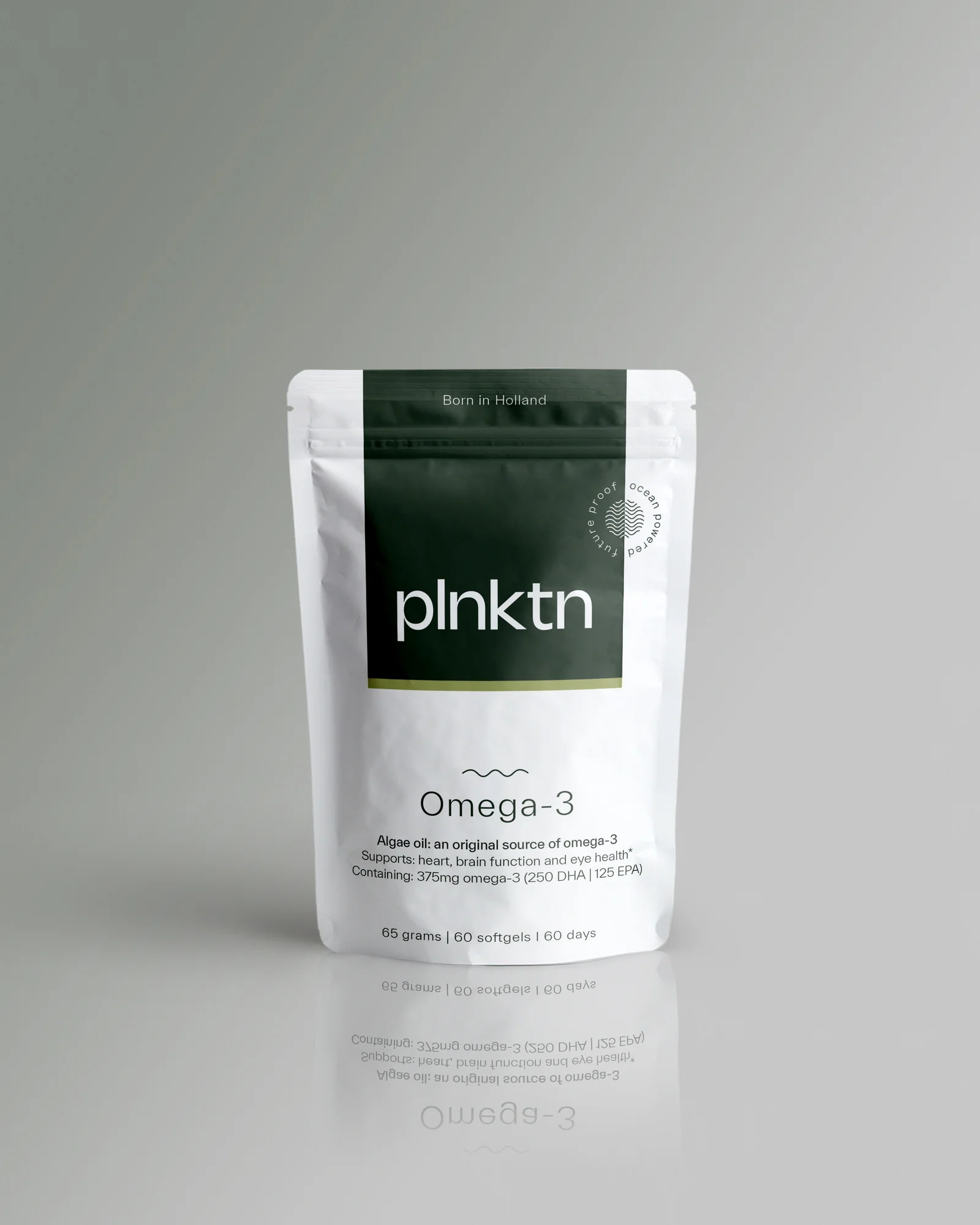

Omega-3 (algenolie)
Daily omega-3 from the original source: algae. With essential EPA and DHA for heart, brain and eyes.
- • 250 mg DHA and 125 mg EPA per capsule
- • 100% fish-free, plant-based algenolie
- • No fishy aftertaste, clean and controlled source
Disclosure: We may earn a commission if you purchase via these links.
Cannabigerol (CBG) is an emerging area of interest for gut inflammation. The endocannabinoid system plays a significant role in gut motility, secretion, and inflammation. CBG has shown anti-inflammatory properties in preclinical models of colitis and may support healthy gut motility, though clinical evidence in humans is still limited.

5% CBG & 2.5% CBD Oil
Cibdol's CBG & CBD combination oil — 5% CBG (cannabigerol) paired with 2.5% CBD in a full-spectrum formula. CBG is the precursor cannabinoid known as the "mother of cannabinoids", with emerging research pointing to anti-inflammatory, neuroprotective and gut-supportive properties. Swiss-produced, third-party tested.
- • 5% CBG + 2.5% CBD — dual-cannabinoid formula
- • CBG: anti-inflammatory and neuroprotective properties
- • Full-spectrum Swiss-produced oil
Disclosure: We may earn a commission if you purchase via these links.
Gut Lining Repair and Recovery
After treatment for SIBO, candidiasis, or significant dysbiosis, supporting gut lining recovery is an important part of the rehabilitation phase:
- L-glutamine — the primary fuel source for enterocytes (intestinal lining cells); 5–10 g daily is commonly used in clinical practice
- Zinc carnosine — has shown protective effects on the gastric and intestinal mucosa in several studies
- Butyrate (or butyrate-producing fibre) — the primary energy source for colonocytes; short-chain fatty acid production supports mucosal integrity
- Spermidine — a polyamine involved in autophagy (cellular renewal), which plays a role in gut epithelial cell turnover and mucosal repair. Emerging research suggests spermidine supplementation may support the natural renewal processes that maintain gut barrier integrity
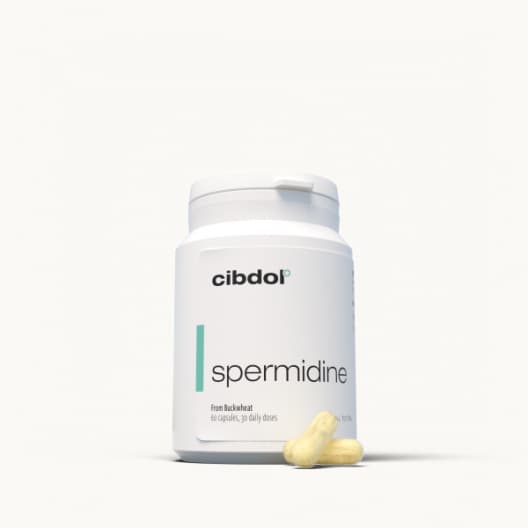
Spermidine
Spermidine supplement to support autophagy, cellular renewal, and healthy aging.
- • Promotes autophagy
- • Supports cellular renewal
- • Wheat germ extract source
Disclosure: We may earn a commission if you purchase via these links.
What NOT to Do
The internet is full of SIBO and candida "protocols" of varying quality. Here are the approaches most likely to cause harm:
Self-prescribing antibiotics. Purchasing rifaximin, metronidazole, or other prescription antibiotics online without medical supervision is dangerous. Incorrect dosing promotes antibiotic resistance, and you may be treating a condition you do not actually have whilst missing one you do.
Long-term restrictive diets without supervision. The low-FODMAP diet, specific carbohydrate diet (SCD), and anti-candida diets can be useful short-term tools under dietetic guidance. But extended unsupervised restriction risks nutritional deficiencies, disordered eating patterns, and paradoxically may worsen dysbiosis by reducing the dietary diversity that feeds beneficial bacteria.
Megadose supplements. More is not better. High-dose oregano oil can damage the intestinal mucosa. Excessive berberine can cause gastrointestinal distress and interact with medications (particularly those metabolised by CYP enzymes). Megadose probiotics in active SIBO may worsen symptoms.
Ignoring alarm symptoms. No supplement protocol is a substitute for investigation of red flag symptoms. If you have rectal bleeding, unexplained weight loss, or progressive symptoms, see a doctor — not a supplement website.
Relying on unvalidated tests. Live blood analysis, muscle testing, hair mineral analysis, and many "food sensitivity" panels lack scientific validation for diagnosing SIBO, candida, or dysbiosis. Spending money on these tests delays proper investigation and may lead to unnecessary dietary restrictions.
Working with Your Healthcare Team
Different practitioners bring different expertise to gut health management. Understanding who does what helps you assemble the right team:
| Practitioner | Best For | Limitations |
|---|---|---|
| GP / Family Doctor | Initial assessment, blood tests, referrals, prescriptions | Limited time per consultation; may not be up to date on SIBO/IMO |
| Gastroenterologist | Endoscopy, colonoscopy, IBD management, complex SIBO, breath testing | Wait times can be long; may focus on ruling out serious pathology rather than optimising gut health |
| Registered Dietitian | FODMAP guidance, nutritional assessment, elimination diets, eating disorder screening | May not be familiar with herbal antimicrobial protocols |
| Functional Medicine Practitioner | Comprehensive history, root-cause approach, integrative protocols | Variable training and evidence standards; some rely on unvalidated testing |
| Naturopath / Herbalist | Herbal antimicrobial protocols, holistic support | Regulation varies by country; evidence base varies widely |
The ideal approach for complex gut conditions often involves collaboration: a gastroenterologist to rule out serious pathology and manage pharmaceutical treatment, plus a registered dietitian for dietary guidance. If you choose to incorporate herbal antimicrobials, work with a practitioner experienced in their use.
In Europe, gastroenterology referral pathways vary by country. In the UK, your GP can refer you to an NHS gastroenterologist, though wait times may be significant. In the Netherlands, Germany, and many other EU countries, direct access to specialists may be available depending on your insurance arrangement. Breath testing for SIBO is increasingly available but is not yet universally offered across all European healthcare systems.
A Realistic Recovery Timeline
One of the greatest frustrations with SIBO, candida, and dysbiosis management is the time it takes. Social media is full of "I cured my SIBO in two weeks" stories, but the clinical reality is usually slower and messier.
Phase 1: Diagnosis and Initial Treatment (Weeks 1–6)
- Proper diagnostic workup (breath testing, blood work, possibly endoscopy)
- First round of antimicrobial treatment (pharmaceutical or herbal, typically 2–4 weeks)
- Dietary modifications (often low-FODMAP or elemental diet for SIBO)
- Symptom monitoring
Phase 2: Assessment and Possible Retreatment (Weeks 6–12)
- Follow-up breath testing (typically 2–4 weeks after treatment completion)
- Assessment of symptom response
- Second round of treatment if initial response was partial
- Introduction of prokinetic therapy for SIBO
Phase 3: Recovery and Rebuilding (Months 3–6)
- Gradual diet reintroduction and expansion
- Probiotic introduction (if appropriate — some practitioners prefer to wait until this phase)
- Gut lining support (L-glutamine, zinc carnosine, spermidine)
- Continued prokinetic therapy
- Addressing underlying causes (motility disorders, acid suppression, etc.)
Phase 4: Maintenance and Monitoring (Months 6–12+)
- Ongoing dietary diversity optimisation
- Maintenance prokinetic therapy (often long-term for SIBO)
- Monitoring for recurrence
- Stress management and lifestyle factors
SIBO recurrence rates are 30–50% within 12 months, even with appropriate treatment. This is not a failure of treatment — it reflects the fact that SIBO is often a consequence of an underlying motility or structural issue that cannot always be fully resolved. Long-term management, rather than one-off "cure," is the realistic framework for many patients.
The Elemental Diet: A Specialised Tool
Worth mentioning separately is the elemental diet — a medical nutrition therapy sometimes used for SIBO. This involves consuming only pre-digested nutrients (amino acids, simple sugars, and fats) for 2–3 weeks, which provides nutrition while starving bacteria of the complex carbohydrates they ferment.
A 2004 study by Pimentel et al. found that a 14-day elemental diet normalised breath testing in 80% of SIBO patients — a higher rate than rifaximin alone. However, the elemental diet is:
- Extremely restrictive and difficult to follow — no solid food for 2–3 weeks
- Expensive — elemental formulas are costly
- Requires medical supervision — nutritional monitoring is essential
- Not suitable for patients with eating disorder history — the extreme restriction can trigger or worsen disordered eating patterns
The elemental diet is a legitimate medical tool but should only be undertaken with professional guidance. It is not a DIY protocol.
Frequently Asked Questions
Can I cure SIBO with supplements alone?
In most cases, no. While herbal antimicrobials have shown promise (the Johns Hopkins study found comparable efficacy to rifaximin), SIBO treatment typically requires a comprehensive approach: antimicrobial therapy (pharmaceutical or herbal), addressing the underlying cause (often a motility disorder), prokinetic therapy to prevent recurrence, and dietary modifications. Supplements can play a supportive role, but SIBO is fundamentally a condition that benefits from professional diagnosis and management.
How do I know if I have candida overgrowth or SIBO?
The symptoms overlap significantly, which is why proper testing matters. SIBO is diagnosed via hydrogen and methane breath testing. Genuine candidiasis (oral, vaginal) has visible signs and can be confirmed with swabs or cultures. The broader concept of "intestinal candida overgrowth" in immunocompetent individuals lacks a validated diagnostic test, which is one reason it remains controversial. If you have persistent digestive symptoms, start with your GP, who can arrange appropriate investigations.
Are herbal antimicrobials safe to take long-term?
Generally, herbal antimicrobials are intended for treatment courses of 4–6 weeks, similar to pharmaceutical antibiotics. Long-term use of potent herbal antimicrobials like oregano oil or berberine is not well-studied and carries theoretical risks including disruption of beneficial gut flora and potential herb-drug interactions. Berberine in particular can interact with medications metabolised by cytochrome P450 enzymes. Always use herbal antimicrobials under professional guidance and for defined treatment periods.
Should I take probiotics during SIBO treatment?
This is debated among practitioners. Some clinicians avoid probiotics during active SIBO treatment, reasoning that adding more organisms to an already overgrown small intestine is counterproductive. Others use specific strains — particularly S. boulardii (a yeast, not affected by antibacterial treatment) and soil-based organisms — during treatment. The more common approach is to introduce probiotics after the antimicrobial phase, during the recovery and rebuilding phase. Discuss the timing with your treating practitioner.
Is the low-FODMAP diet necessary for SIBO?
The low-FODMAP diet can be helpful for managing SIBO symptoms during and after treatment, as it reduces the fermentable substrates that bacteria feed on. However, it is intended as a short-term tool (typically 2–6 weeks of strict elimination, followed by systematic reintroduction) rather than a permanent diet. Long-term FODMAP restriction can reduce beneficial Bifidobacterium populations and limit dietary diversity. Work with a registered dietitian experienced in FODMAPs for best results.
How long does it take for the gut to recover after SIBO treatment?
Recovery timelines vary considerably depending on the severity and duration of the SIBO, the underlying cause, and individual factors. Many patients notice symptom improvement within 1–2 weeks of starting antimicrobial treatment. Full gut lining recovery and microbiome restoration may take 3–6 months or longer. For patients with recurrent SIBO, ongoing prokinetic therapy and periodic retreatment may be necessary. Patience and realistic expectations are important — gut recovery is typically measured in months, not days.
Affiliate Disclosure & Recommended Products
Smart Supplements is reader-supported. When you purchase through links on our site, we may earn an affiliate commission at no extra cost to you. We only recommend products we believe offer genuine value, and our editorial content is never influenced by affiliate partnerships.
Medical Disclaimer
This article is for informational purposes only and does not constitute medical advice. SIBO, candida overgrowth, and dysbiosis are medical conditions that can require pharmaceutical treatment and professional supervision. The information presented here is based on current evidence as of the publication date but should not be used to self-diagnose or self-treat.
Do not delay seeking medical advice because of something you have read on this website. If you have persistent or worsening gastrointestinal symptoms, rectal bleeding, unexplained weight loss, or any of the red flag symptoms described above, consult a qualified healthcare professional promptly.
Supplements discussed in this article are not intended to diagnose, treat, cure, or prevent any disease. Always consult your doctor or pharmacist before starting any new supplement, particularly if you are taking medications, are pregnant or breastfeeding, or have pre-existing health conditions.
In case of emergency, contact your local emergency services immediately.
Related Articles
Related topics
Related articles
Gut Health for Kids: Safe Probiotics & Building a Healthy Microbiome Early
Your child's microbiome is largely established by age three — and what happens in those first 1,000 days shapes lifelong health. Here is everything parents
Microbiome Testing: Is It Worth It? Atlas, Ombre & Zoe Compared
Microbiome testing promises personalised nutrition insights from a stool sample — but is it actually worth the investment? We compare ZOE, Atlas Biomed, Om
The Gut Health Supplement Stack: Building Your Daily Protocol
A complete guide to building an evidence-based gut health supplement stack. Learn the five pillars of gut support — prebiotics, probiotics, anti-inflammato