
Microbiome Testing: Is It Worth It? Atlas, Ombre & Zoe Compared
Written by Smart Supplements Editorial Team
Key takeaways
- Microbiome testing uses DNA sequencing of a stool sample to identify gut bacteria, but the three main technologies — 16S rRNA, shotgun metagenomics and metatranscriptomics — vary enormously in depth and cost.
- No scientifically agreed "healthy microbiome" benchmark exists yet, so results are compared against population averages rather than a clinical standard.
- The best use case for at-home testing is tracking changes over time (e.g. before and after a dietary intervention), not drawing conclusions from a single snapshot.
- Among the six services reviewed, ZOE offers the most comprehensive programme but at the highest price; myBioma provides the best sequencing depth per euro; and Ombre is the most affordable entry point.
- Microbiome tests are not diagnostic tools — they cannot replace medical tests, and dietary recommendations are based on correlational data with limited clinical validation.
- For most people, spending the testing budget on a genuinely diverse, fibre-rich diet and proven prebiotics will deliver more measurable health improvements than a test result alone.
Table of contents
- What Is Microbiome Testing?
- The Technology: 16S rRNA vs Shotgun Metagenomics vs Metatranscriptomics
- The Major Testing Services Compared
- Master Comparison Table
- What Your Results Actually Tell You
- The Honest Limitations
- When Microbiome Testing IS Worth It
- When It's NOT Worth It
- What to Do After Your Test
- The Future of Microbiome Testing
- Frequently Asked Questions
- Where to Buy
- Related Articles
What Is Microbiome Testing?
Your gut harbours roughly 38 trillion microorganisms — bacteria, archaea, fungi and viruses that collectively form the gut microbiome. Over the past decade, research has linked this ecosystem to everything from immune function and mental health to metabolic disease and drug metabolism. Naturally, a consumer industry has sprung up around one compelling question: what's actually living inside me, and what should I do about it?
At-home microbiome testing kits attempt to answer that question. The process is broadly the same across providers:
- Sample collection — You collect a small stool sample at home using the kit provided (usually a swab or a collection tube with a stabilising buffer).
- DNA extraction — The lab breaks open microbial cells and isolates their genetic material.
- Sequencing — Depending on the technology (more on this below), the lab reads specific gene regions or the entire microbial genome.
- Bioinformatics — Algorithms compare your sequences against reference databases to identify which organisms are present and in what proportions.
- Report generation — You receive a personalised report — typically via an app or web dashboard — showing your microbial diversity, specific species detected, and dietary or supplement recommendations.
The promise is enticing: a molecular window into your gut health, complete with actionable advice. But as we will see, the gap between promise and scientific reality is wider than most marketing copy suggests.
The Technology: 16S rRNA vs Shotgun Metagenomics vs Metatranscriptomics
Not all sequencing is created equal. The three main approaches used by consumer testing services differ in what they measure, how deeply they measure it, and what conclusions you can reasonably draw.
16S rRNA Sequencing
16S rRNA sequencing targets a single gene — the 16S ribosomal RNA gene — that is present in all bacteria and archaea. Different species have slightly different versions of this gene, making it a useful barcode for identification. This is the oldest and most widely used approach in consumer testing.
How it works: The lab amplifies (copies) the 16S gene from your sample using PCR, then sequences the copies. Software matches the sequences to a database of known organisms.
Strengths: Cheap, fast, well-established. Sufficient for a broad overview of which bacterial groups are present.
Limitations: It only identifies bacteria and archaea (not fungi, viruses or parasites). Resolution is often limited to genus level rather than species or strain level. It tells you who is there but nothing about what they are doing. Different labs targeting different 16S variable regions (V1–V9) can produce different results from the same sample.
Shotgun Metagenomics
Shotgun metagenomics sequences all the DNA in your sample — not just one gene. This gives a far more comprehensive picture.
How it works: All microbial DNA is fragmented randomly ("shotgunned") and sequenced. Bioinformatics software assembles the fragments and matches them against whole-genome databases.
Strengths: Species- and strain-level identification. Detects bacteria, archaea, fungi, viruses and parasites. Can identify functional genes — meaning it can predict what metabolic pathways your microbes are capable of performing (e.g. producing short-chain fatty acids or metabolising certain drugs).
Limitations: More expensive. Requires more computational power and larger reference databases. Still tells you what microbes can do, not necessarily what they are doing at the moment of sampling.
Metatranscriptomics
Metatranscriptomics goes one step further by sequencing RNA instead of DNA. Since RNA is produced when genes are actively being expressed, this approach measures what your microbes are actually doing at the time of sampling.
How it works: RNA is extracted from the sample, converted to complementary DNA (cDNA), and sequenced. The results reveal which genes are actively being transcribed.
Strengths: Provides a functional snapshot — not just who is present, but who is active and what metabolic processes are occurring. This is the most informative approach from a biological standpoint.
Limitations: RNA degrades rapidly, making sample handling and shipping more challenging. Far more expensive and computationally intensive. Currently only one major consumer service (Viome) uses this approach.
Technology Comparison Table
| Feature | 16S rRNA | Shotgun Metagenomics | Metatranscriptomics |
|---|---|---|---|
| What it sequences | One bacterial gene | All microbial DNA | All microbial RNA |
| Organisms detected | Bacteria, archaea only | Bacteria, archaea, fungi, viruses | Bacteria, archaea, fungi, viruses |
| Resolution | Genus level (sometimes species) | Species and strain level | Species and strain level |
| Functional insight | None | Potential functions (gene presence) | Active functions (gene expression) |
| Typical cost | €100–200 | €150–250 | €200+ |
| Sample stability | Good (DNA is stable) | Good (DNA is stable) | Poor (RNA degrades quickly) |
| Best for | Basic overview | Detailed composition + functional potential | Real-time metabolic activity |
The Major Testing Services Compared
Six services dominate the European and transatlantic consumer microbiome testing market. Here is what each actually offers, what it costs, and where it falls short.
ZOE
Founded: 2017, London, UK | Technology: Shotgun metagenomics (gut) + continuous glucose monitor + blood fat test | Price: From £299 for the full programme (ongoing membership ~£24.99/month)
ZOE is the most ambitious service on this list. Co-founded by Professor Tim Spector — one of the world's most cited epidemiologists and author of The Diet Myth and Spoon-Fed — it goes well beyond microbiome testing. The full ZOE programme combines a gut microbiome test, a blood sugar response test (using a continuous glucose monitor worn for two weeks), and a blood fat test. The result is a personalised nutrition programme that scores foods based on how your body responds to them.
What you get:
- Gut microbiome analysis with species-level identification and "gut booster" and "gut suppressor" scores
- Blood sugar and blood fat response profiles
- Personalised food scores for thousands of foods via the ZOE app
- Ongoing daily meal logging and recommendations (requires subscription)
Pros:
- The most holistic approach — integrates three biological measurements, not just gut bacteria
- Backed by the ZOE PREDICT studies (among the largest personalised nutrition studies ever conducted)
- Genuinely useful food scoring system that goes beyond generic "eat more fibre" advice
- Strong scientific advisory board and peer-reviewed publications
Cons:
- The most expensive option by a significant margin, especially with the ongoing subscription
- The subscription model means you are paying for access to your own data long-term
- The gut microbiome component alone is not available separately
- UK-focused; limited availability across the rest of Europe (expanding but slowly)
- Some users report the CGM (continuous glucose monitor) is uncomfortable
EU availability: UK primarily. Expanding to select EU markets but not yet widely available continent-wide.
Best for: People who want a comprehensive, science-backed personalised nutrition programme and are willing to invest significantly. Most useful if you plan to use the app daily over several months.
Atlas Biomed
Founded: 2016, London, UK (with operations across the EU) | Technology: 16S rRNA sequencing | Price: ~€150–200 per test
Atlas Biomed offers a straightforward microbiome test using 16S rRNA sequencing. The report covers bacterial diversity, specific species identified, disease risk scores (based on published associations between certain microbial profiles and conditions like type 2 diabetes or Crohn's disease), vitamin synthesis potential, and personalised food recommendations.
What you get:
- Microbiome diversity score
- Breakdown of bacterial groups detected
- Disease protection scores (how your microbiome compares to profiles associated with various conditions)
- Personalised food recommendations to improve your profile
- Optional: DNA health test (separate product) that can be combined with microbiome results
Pros:
- Clean, well-designed app and dashboard
- Disease risk scoring adds a layer of interpretation beyond raw composition
- Food recommendations are specific and actionable
- Good European availability and shipping
- Offers a combined DNA + microbiome package for broader health insights
Cons:
- 16S rRNA technology limits resolution to genus level in many cases
- Disease risk scores are based on correlational studies, not clinical diagnostics — risk of over-interpretation
- Single-test pricing; no built-in longitudinal tracking programme
- The company has faced some operational challenges and customer service complaints in online reviews
EU availability: Good — ships across the EU and UK. Website and support available in English.
Best for: European users who want a solid microbiome overview with disease risk context at a mid-range price point. Best paired with a follow-up test 3–6 months later.
Ombre (formerly Thryve)
Founded: 2016, San Francisco, US | Technology: 16S rRNA sequencing | Price: $100–150 (€90–135)
Ombre (rebranded from Thryve in 2021) is one of the more affordable options. It uses 16S rRNA sequencing and provides a report covering microbial diversity, strain-level recommendations, and — notably — specific probiotic supplement recommendations based on your results. Ombre also sells its own line of targeted probiotic blends.
What you get:
- Microbial diversity and composition report
- Strain-level identification (within the limits of 16S technology)
- Personalised probiotic recommendations
- Food recommendations
- Access to the Ombre app for tracking
Pros:
- The most affordable testing option reviewed here
- Strain-level recommendations add specificity
- The app is user-friendly with clear visualisations
- Offers retesting discounts for longitudinal tracking
- Ships internationally (including EU, though with shipping costs)
Cons:
- The probiotic recommendations conveniently point toward Ombre's own supplement line — a conflict of interest worth noting
- 16S rRNA has inherent resolution limitations
- US-based lab means longer shipping times and potential customs considerations for EU customers
- Less robust scientific backing compared to ZOE or Atlas Biomed
- Customer support is US-timezone-focused
EU availability: Available with international shipping, but not optimised for the EU market. Customs duties may apply.
Best for: Budget-conscious users who want an accessible entry point into microbiome testing and are comfortable with the limitations of 16S sequencing.
Viome
Founded: 2016, Seattle, US | Technology: Metatranscriptomics (RNA-based) | Price: $200+ (€185+) for the Gut Intelligence test; up to $400+ for Full Body Intelligence
Viome stands apart technologically by using metatranscriptomics — sequencing microbial RNA rather than DNA. This means Viome measures which genes your gut microbes are actively expressing at the time of sampling, providing a functional snapshot rather than just a census.
What you get:
- Active microbial function analysis (not just who is there, but what they are doing)
- Health scores across categories like inflammatory activity, metabolic fitness, and digestive efficiency
- Personalised food recommendations (foods to enjoy, minimise, or avoid)
- Supplement recommendations (Viome sells its own precision supplements based on results)
- Multiple test tiers: Gut Intelligence, Health Intelligence (adds blood test), Full Body Intelligence
Pros:
- The most scientifically advanced sequencing technology available to consumers
- Functional data is far more informative than compositional data alone
- Comprehensive health scoring system
- Regular updates to recommendations as their database and algorithms improve
Cons:
- Premium pricing, especially for higher-tier tests
- RNA is less stable than DNA — sample handling during shipping can affect results
- Like Ombre, supplement recommendations channel users toward Viome's own product line
- US-based; EU shipping available but with longer timelines and potential customs fees
- The science of metatranscriptomics, while promising, is still maturing — interpretation algorithms are proprietary and not fully peer-reviewed
EU availability: Ships internationally. No EU-based lab or dedicated EU operations.
Best for: Users who want the most cutting-edge technology and are interested in functional microbiome data rather than just compositional analysis. Best suited for those comfortable with a higher price point and US-based service.
BIOMES
Founded: 2017, Wildau, Germany | Technology: 16S rRNA sequencing | Price: ~€130 for INTEST.pro
BIOMES is a German biotech company offering the INTEST.pro gut microbiome test. Being EU-based is a significant advantage for European customers — no customs, faster shipping, and GDPR-compliant data handling as standard.
What you get:
- Microbiome composition and diversity analysis
- Health scores across categories (immune system, digestive health, vitamin synthesis, caloric utilisation)
- Personalised nutrition recommendations
- Access to an online dashboard with detailed breakdowns
- Optional: INTEST.pro follow-up tests for longitudinal tracking
Pros:
- EU-based company — fast shipping within Europe, no customs issues
- GDPR-compliant data processing
- Competitive pricing for the EU market
- Clean, detailed dashboard with health category scoring
- German quality standards and laboratory processes
Cons:
- 16S rRNA technology with its inherent resolution limitations
- Smaller user base and reference database compared to larger US competitors
- Less brand recognition and fewer independent reviews available
- Limited English-language support (improving but primarily German-focused)
EU availability: Excellent — based in Germany, ships across the EU with no customs barriers.
Best for: EU-based users who prioritise data privacy (GDPR compliance), fast European shipping, and supporting a European company. A solid mid-range option.
myBioma
Founded: 2017, Vienna, Austria | Technology: Shotgun metagenomics | Price: ~€190
myBioma is the standout value proposition on this list. Based in Austria, it is one of the few consumer services offering full shotgun metagenomics — the same depth of sequencing technology as ZOE's gut component — at a price point closer to 16S-based services.
What you get:
- Species- and strain-level microbiome analysis via shotgun metagenomics
- Functional pathway analysis (what your microbes are capable of doing)
- Health category scores (metabolism, immune function, mental well-being, digestive health)
- Personalised food and lifestyle recommendations
- Detailed PDF report and online dashboard
Pros:
- Shotgun metagenomics at a 16S price point — the best sequencing depth per euro on this list
- Species- and strain-level resolution far exceeds what 16S can offer
- Functional gene analysis included
- EU-based (Austria) with excellent European shipping and GDPR compliance
- Reports available in multiple languages
- Strong scientific grounding with published research collaborations
Cons:
- Newer company with a smaller reference database than established US players
- The dashboard and app experience is functional but less polished than ZOE or Viome
- Limited brand recognition outside the DACH region (Germany, Austria, Switzerland)
- No integrated blood sugar or blood fat testing (gut-only)
EU availability: Excellent — Austrian company, ships across the EU.
Best for: European users who want the best sequencing technology (shotgun metagenomics) without paying ZOE-level prices. The strongest value proposition for science-focused consumers in the EU.
Master Comparison Table
| Service | Technology | Price (approx.) | EU Availability | What's Included | Best For |
|---|---|---|---|---|---|
| ZOE | Shotgun metagenomics + CGM + blood fat | £299+ (+ £24.99/mo) | UK mainly | Gut + blood sugar + blood fat + personalised nutrition app | Comprehensive personalised nutrition |
| Atlas Biomed | 16S rRNA | €150–200 | Good (UK + EU) | Diversity, disease risk scores, food recs | Mid-range overview with risk context |
| Ombre | 16S rRNA | $100–150 (~€90–135) | Ships internationally | Diversity, strain recs, probiotic suggestions | Budget entry point |
| Viome | Metatranscriptomics | $200–400+ (~€185–370) | Ships internationally | Active gene expression, health scores, supplement recs | Cutting-edge functional analysis |
| BIOMES | 16S rRNA | ~€130 | Excellent (Germany) | Diversity, health scores, nutrition recs | EU-based, GDPR-first option |
| myBioma | Shotgun metagenomics | ~€190 | Excellent (Austria) | Species/strain ID, functional pathways, health scores | Best sequencing depth per euro |
What Your Results Actually Tell You
You have taken the test, waited the requisite two to four weeks, and your results are in. But what do these numbers and charts actually mean?
Diversity Scores
Most services report a diversity score — typically based on metrics like the Shannon diversity index or Simpson's index. Higher diversity is generally associated with better health outcomes in population studies. However, "higher is better" is a simplification. Some healthy populations (e.g. those eating traditional diets) have different diversity profiles than Western populations, and the optimal level of diversity for any individual is unknown.
What it tells you: A rough indication of how varied your microbial ecosystem is compared to the service's reference population.
What it does not tell you: Whether your specific diversity level is "good" or "bad" for you personally, or what specific actions will reliably increase it.
Specific Species and Their Associations
Reports typically highlight specific bacteria and their known associations. You might see that you have high levels of Faecalibacterium prausnitzii (generally considered beneficial — a major butyrate producer) or low levels of Akkermansia muciniphila (associated with metabolic health and gut barrier integrity).
What it tells you: Which organisms the sequencing detected and what published research has associated them with.
What it does not tell you: Whether those associations are causal (most are correlational), whether the detected levels are accurate (sequencing has inherent biases), or whether changing those levels will actually improve your health.
Functional Pathways
Services using shotgun metagenomics or metatranscriptomics can report on functional pathways — the metabolic processes your microbiome is capable of (or actively performing). This might include short-chain fatty acid production, vitamin B12 synthesis, or tryptophan metabolism.
What it tells you: The metabolic potential (or activity) of your microbial community as a whole.
What it does not tell you: The rate at which these processes are occurring, whether they are clinically significant, or how to reliably modify them.
Food Recommendations
Nearly every service generates personalised food recommendations. These are typically derived from correlational data: "people with microbiome profiles similar to yours tend to respond well to these foods."
What it tells you: Foods that are statistically associated with healthier microbiome profiles in the service's reference database.
What it does not tell you: Whether those specific foods will improve your microbiome, how much of each food you would need to eat, or how long it would take to see changes.
The Honest Limitations
This is the section that most testing companies would prefer you skim past. But understanding these limitations is essential for getting genuine value from your results.
Your Microbiome Changes Constantly
Your gut microbiome is not a fixed entity. It shifts — sometimes dramatically — based on what you ate yesterday, how you slept, your stress levels, medications, exercise, and even the time of day you collected your sample. A 2014 study published in Nature demonstrated that diet can alter the microbiome within 24 hours. This means a single test is a snapshot of a moving target.
Implication: A single result tells you what was happening on that particular day, not your "baseline" microbiome state. Two tests taken a week apart from the same person, eating the same diet, can produce noticeably different results.
Reference Databases Are Incomplete
All microbiome tests compare your sequences against databases of known organisms. The problem? These databases are heavily biased toward organisms found in Western, industrialised populations. An estimated 40–50% of gut microbial species remain uncharacterised. If a bacterium in your gut is not in the reference database, it simply will not appear in your results.
Implication: Your results are a partial picture. "Unclassified" sequences are common and represent genuine organisms that the science has not yet catalogued.
No "Healthy Microbiome" Standard Exists
Unlike blood glucose or cholesterol, there is no clinically validated benchmark for a "healthy" microbiome. What is considered a good microbiome profile in one study may look entirely different in another, depending on the population studied, the sequencing method used, and the analysis pipeline applied. The Human Microbiome Project and similar large-scale efforts have shown that healthy individuals have vastly different microbial compositions.
Implication: When a testing service tells you that a certain species is "low" or "high," they are comparing you to their own reference population — not to a medical standard. This comparison is informative but not diagnostic.
Correlation Does Not Equal Causation
The vast majority of microbiome-health associations are correlational. We know, for instance, that people with inflammatory bowel disease tend to have different microbiome profiles than healthy controls. But we often do not know whether the microbial changes cause the disease, result from the disease, or are merely co-occurring with other factors (diet, genetics, medication).
Implication: Disease risk scores should be interpreted with significant caution. A "high risk" score for a condition based on your microbiome profile does not mean you have or will develop that condition.
The Actionability Gap
Perhaps the most significant limitation: knowing your microbiome composition does not always translate into clear, evidence-based interventions. Even if your test reveals low diversity or low levels of a supposedly beneficial species, the science on how to reliably change your microbiome in a targeted, lasting way is still in its early stages.
General advice — eat more fibre, consume diverse plant foods, include fermented foods — is well-supported by research. But you do not need a €200 test to receive that advice. The test's value lies in the specifics, and the specifics are where the evidence is thinnest.
Implication: The most honest answer to "what should I do with my results?" is often "eat a more diverse, fibre-rich diet" — advice that applies regardless of your test outcome.
When Microbiome Testing IS Worth It
Despite the limitations, there are genuine scenarios where microbiome testing provides real value.
Tracking Changes Over Time
This is the single strongest use case. If you are making a significant dietary change — switching to a plant-based diet, dramatically increasing your fibre intake, eliminating a food group, or starting a prebiotic regimen — testing before and after (with the same service) gives you measurable data on how your microbiome responded. A single snapshot is limited; a longitudinal series is genuinely informative.
Validating Dietary Interventions
If you have been consuming prebiotics or probiotics for several months and want to see whether they have had a measurable effect on your gut composition, a before-and-after test provides concrete data rather than subjective impressions.
Post-Antibiotic Recovery Monitoring
Antibiotics can significantly disrupt the gut microbiome. Testing after a course of antibiotics — and again several months later — can show you how your microbial ecosystem is recovering and whether targeted interventions (specific probiotics, prebiotics, dietary changes) are accelerating that recovery.
Curiosity and Education
There is genuine value in understanding your own biology, even if the actionable takeaways are limited. Seeing a detailed breakdown of your gut ecosystem can motivate dietary changes that you might not otherwise make. Many users report that simply seeing their low diversity score prompted them to eat more varied plant foods — a change that is unambiguously beneficial regardless of the test's scientific limitations.
Research Participation
Some services (notably ZOE) contribute anonymised data to ongoing research studies. By participating, you are contributing to the scientific understanding of the microbiome — value that extends beyond your personal results.
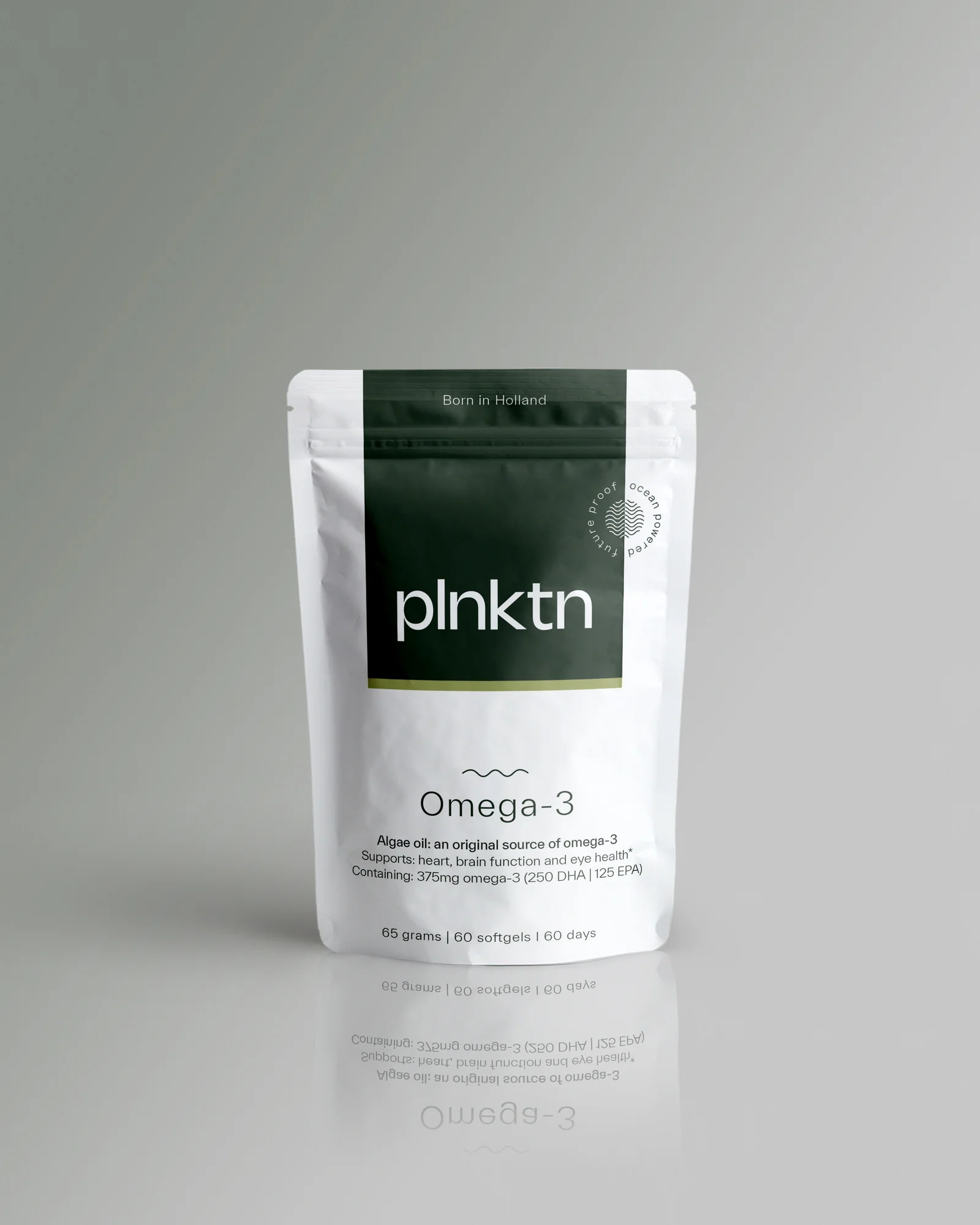
Omega-3 (algenolie)
Daily omega-3 from the original source: algae. With essential EPA and DHA for heart, brain and eyes.
- • 250 mg DHA and 125 mg EPA per capsule
- • 100% fish-free, plant-based algenolie
- • No fishy aftertaste, clean and controlled source
Disclosure: We may earn a commission if you purchase via these links.
When It's NOT Worth It
Equally important: recognising when microbiome testing will not serve you.
Diagnosing Medical Conditions
Microbiome tests are not diagnostic tools. If you suspect you have a gastrointestinal condition — IBS, IBD, coeliac disease, SIBO — you need proper medical investigation (endoscopy, colonoscopy, breath tests, blood panels), not a consumer microbiome kit. No consumer test is validated to diagnose any disease, and interpreting results as diagnostic can lead to harmful self-treatment or delayed medical care.
Making Decisions From a Single Snapshot
As discussed, a single test is a snapshot of a constantly shifting ecosystem. Making significant dietary or supplement decisions based on one result — especially from a 16S test — is premature. If you are only going to test once, the value is substantially diminished.
Getting Supplement Prescriptions
Several services (particularly Ombre and Viome) recommend specific supplements — conveniently, their own branded products. While some of these recommendations may be reasonable, the evidence base for "personalised" probiotic or supplement prescriptions based on microbiome sequencing is weak. The supplements may be fine products, but the personalisation layer adds limited validated value.
If You Are Anxiety-Prone About Health
Microbiome results can be alarming if taken out of context. Seeing "high risk" next to a disease name, or "low" levels of a bacterium you have just read a glowing article about, can trigger unnecessary health anxiety. If you are prone to over-interpreting medical-adjacent information, the ambiguous nature of microbiome results may cause more stress than benefit.
What to Do After Your Test
Whether your results are encouraging, concerning, or simply confusing, here are evidence-based steps that apply regardless of your specific microbiome profile.
Increase Microbial Diversity Through Diet
The single most reliable way to support a diverse microbiome is to eat a diverse diet. The American Gut Project found that people who ate 30 or more different plant foods per week had significantly more diverse microbiomes than those eating 10 or fewer. This includes fruits, vegetables, wholegrains, legumes, nuts, seeds, herbs and spices — each counts as one plant type.
Focus on:
- Prebiotic-rich foods: Onions, garlic, leeks, asparagus, bananas, oats, flaxseeds
- Fermented foods: Kefir, sauerkraut, kimchi, miso, live-culture yoghurt
- Polyphenol-rich foods: Berries, dark chocolate, green tea, olive oil, red cabbage
- Resistant starch: Cooked and cooled potatoes, green bananas, legumes
A comprehensive greens powder can help fill gaps in daily plant diversity, particularly on days when whole-food variety is limited.
MADMONQ GREENS
Superfood powder with 77 nutrients — fruits, vegetables, vitamins, minerals, DigeZyme® digestive enzymes, and prebiotics. Each sachet delivers the equivalent of 1 serving of real vegetables and fruits using organic EU-grown ingredients. Includes Vitaberry® and Vitaveggie® proprietary blends, Spirulina, Kale, Broccoli, and Acai Berry.
- • 77 nutrients in one daily sachet
- • DigeZyme® enzymes for digestive support
- • Organic, EU-grown ingredients
Disclosure: We may earn a commission if you purchase via these links.
Consider Targeted Prebiotic Support
If your results show low diversity or low levels of specific beneficial organisms, targeted prebiotics — the fibres and compounds that feed beneficial bacteria — may help. Key prebiotics include inulin, fructo-oligosaccharides (FOS), galacto-oligosaccharides (GOS), and resistant starch. Marine-derived nutrients can also provide a uniquely broad spectrum of micronutrients that support overall gut ecosystem health.
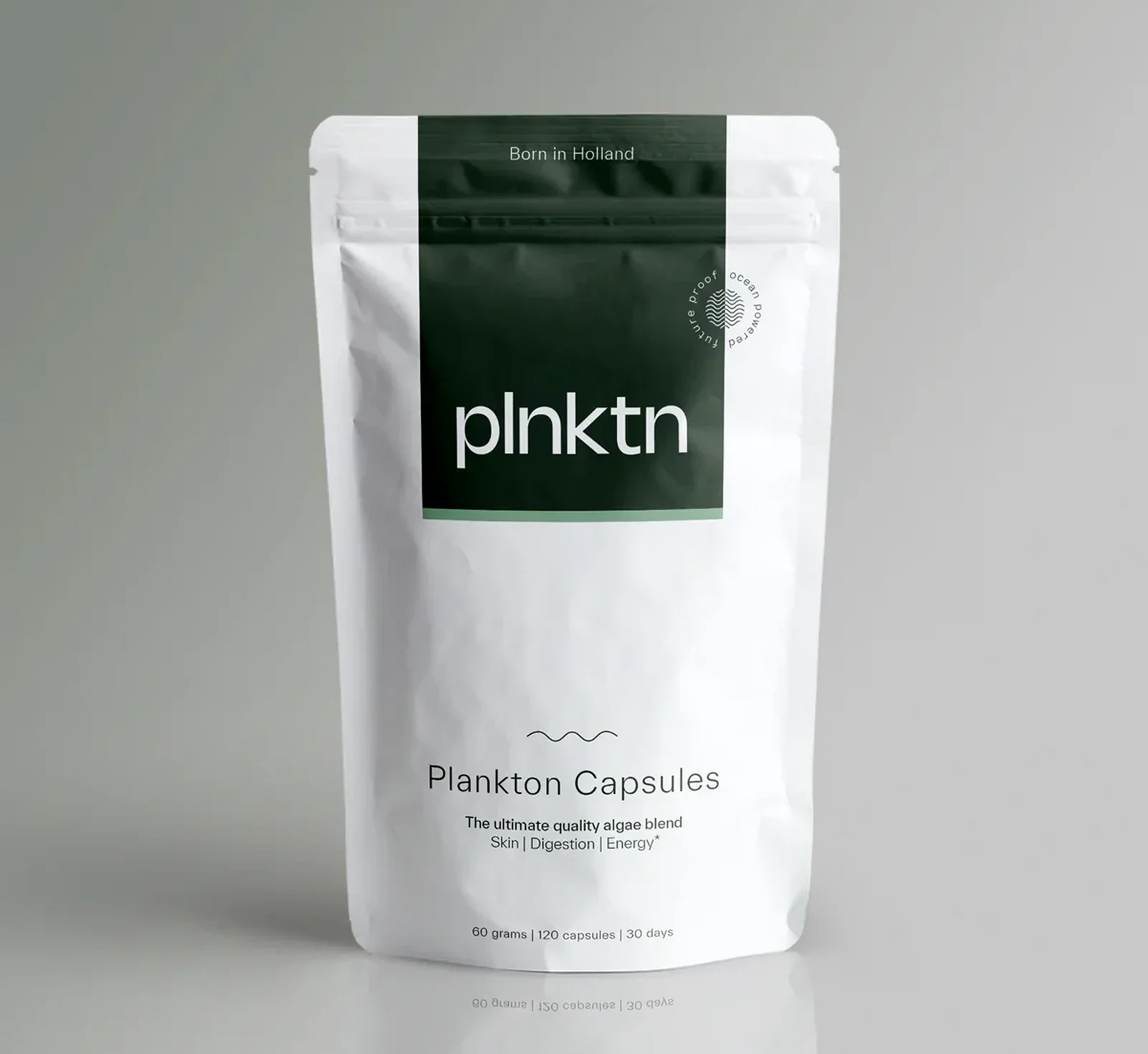
Plankton Capsules
Blend of 4 nutrient-dense micro- and macroalgae from European cultivation. Daily support for gut, skin and energy.
- • 75+ nutrients: minerals, vitamins, pigments, antioxidants and complete proteins
- • 100% natural, plant-based and responsibly grown
- • Supports digestion, energy metabolism and skin health
Disclosure: We may earn a commission if you purchase via these links.
Support Gut Barrier Integrity
Your gut lining is a single-cell-thick barrier that separates the microbial ecosystem from your bloodstream. Supporting its integrity is as important as supporting the microbes themselves. Key nutrients include L-glutamine, zinc, vitamin D, omega-3 fatty acids, and emerging evidence supports the role of cannabigerol (CBG) in modulating gut inflammatory pathways. A 2020 study in Biochemical Pharmacology found that cannabinoids interact with the endocannabinoid system in the gut, which plays a role in intestinal permeability and inflammation.

5% CBG & 2.5% CBD Oil
Cibdol's CBG & CBD combination oil — 5% CBG (cannabigerol) paired with 2.5% CBD in a full-spectrum formula. CBG is the precursor cannabinoid known as the "mother of cannabinoids", with emerging research pointing to anti-inflammatory, neuroprotective and gut-supportive properties. Swiss-produced, third-party tested.
- • 5% CBG + 2.5% CBD — dual-cannabinoid formula
- • CBG: anti-inflammatory and neuroprotective properties
- • Full-spectrum Swiss-produced oil
Disclosure: We may earn a commission if you purchase via these links.
Retest in 3–6 Months
If you are using your initial test as a baseline, the data only becomes truly valuable when you have a second data point. After making dietary or lifestyle changes for 3–6 months, retest with the same service (critical — different services use different methods and databases, making cross-service comparisons unreliable). Compare your diversity scores, specific species, and any functional pathway data.
Keep a Food Diary
To make your before-and-after comparison meaningful, track what you eat during the intervening months. This does not need to be obsessive calorie counting — a simple daily log of the plant foods, fermented foods, and supplements you consumed will help you correlate dietary changes with microbiome shifts.
The Future of Microbiome Testing
The field is evolving rapidly. Here is where it is heading over the next three to five years.
Metabolomics Integration
Future tests will likely combine microbiome sequencing with metabolomics — measuring the actual metabolites (short-chain fatty acids, bile acids, amino acid derivatives) that your microbes produce. This bridges the gap between "who is there" and "what are they actually doing" far more directly than metatranscriptomics alone.
AI-Driven Interpretation
As databases grow and machine learning models improve, the interpretation of microbiome data will become more sophisticated. Current recommendations are based on relatively simple correlational models. Future systems will integrate multiple data streams — microbiome, genetics, blood biomarkers, continuous glucose data, sleep patterns — to generate recommendations that are genuinely personalised rather than population-averaged.
Clinical-Grade Testing
Regulatory bodies including the European Medicines Agency (EMA) and the US FDA are beginning to engage with the microbiome diagnostics space. As clinical validation improves, we may see microbiome tests that are genuinely diagnostic — validated to predict drug responses, guide treatment for specific conditions, or monitor disease progression.
Pharmacomicrobiomics
One of the most promising applications is pharmacomicrobiomics — understanding how your microbiome affects drug metabolism. Your gut bacteria can activate, deactivate, or modify pharmaceutical drugs before they reach your bloodstream. Future microbiome tests may help clinicians predict how you will respond to specific medications, enabling truly personalised pharmacology.
At-Home Continuous Monitoring
Current testing requires sending a sample to a lab and waiting weeks for results. Emerging technologies — including biosensors and smart toilet systems — aim to provide continuous or near-continuous microbiome monitoring at home. This would solve the snapshot problem entirely, enabling real-time tracking of microbial shifts in response to diet, stress, sleep, and medication.
Frequently Asked Questions
How often should I test my microbiome?
For meaningful longitudinal data, test every 3–6 months. Testing more frequently than every 8 weeks is unlikely to show significant changes (unless you have undergone a major intervention like a course of antibiotics), and the natural day-to-day variability of the microbiome means that very frequent testing may reflect noise rather than genuine trends. Always use the same testing service for comparison.
Can a microbiome test diagnose IBS or other gut conditions?
No. Consumer microbiome tests are not validated to diagnose any medical condition. While research has identified microbial patterns associated with IBS, IBD, coeliac disease, and other conditions, these associations are not sufficiently specific or sensitive to serve as diagnostic tools. If you have persistent digestive symptoms, consult a gastroenterologist rather than relying on a consumer test.
Why do different testing services give different results?
Because they use different technologies (16S vs shotgun vs metatranscriptomics), target different gene regions, use different reference databases, and apply different bioinformatics pipelines. Two services testing the same stool sample can produce meaningfully different species lists and diversity scores. This is why cross-service comparisons are unreliable — always retest with the same provider.
Are the food recommendations from microbiome tests reliable?
They are informed educated guesses rather than clinically validated prescriptions. The recommendations are based on correlational data: "people with similar microbiome profiles who eat these foods tend to have healthier outcomes." This is useful as a general guide but should not be treated as a personalised dietary prescription. The general principles — eat diverse plant foods, include fermented foods, prioritise fibre — are well-supported regardless of your test results.
Is it worth retesting after taking probiotics?
Yes — this is actually one of the better use cases for microbiome testing. If you have been taking a specific probiotic strain for 2–3 months, a follow-up test can show whether the strain has established itself in your gut (many do not) and whether your broader microbial composition has shifted. This data can help you decide whether to continue, switch products, or discontinue supplementation. See our guide to choosing probiotics in Europe for specific strain recommendations.
Which microbiome test should I choose if I can only test once?
If you are only going to test once, choose a service that uses shotgun metagenomics (myBioma or ZOE) rather than 16S rRNA. The deeper sequencing provides more information per test, including functional pathway analysis that 16S cannot offer. For European users on a budget, myBioma (~€190) offers the best depth-per-euro ratio. If budget is not a constraint and you want the full personalised nutrition experience, ZOE is the most comprehensive but requires a UK address and ongoing subscription commitment.
Where to Buy
Affiliate disclosure: Smart Supplements earns a commission on purchases made through partner links. This doesn't affect our editorial content or recommendations.
Whether or not you decide to invest in microbiome testing, supporting your gut health with proven nutrients is always a sound decision. Here are our top picks for evidence-based gut support supplements available in Europe.
MADMONQ GREENS
Superfood powder with 77 nutrients — fruits, vegetables, vitamins, minerals, DigeZyme® digestive enzymes, and prebiotics. Each sachet delivers the equivalent of 1 serving of real vegetables and fruits using organic EU-grown ingredients. Includes Vitaberry® and Vitaveggie® proprietary blends, Spirulina, Kale, Broccoli, and Acai Berry.
- • 77 nutrients in one daily sachet
- • DigeZyme® enzymes for digestive support
- • Organic, EU-grown ingredients
Disclosure: We may earn a commission if you purchase via these links.
This article is for informational purposes only and is not intended as medical advice. Always consult a healthcare professional before starting any new supplement, especially if you take prescription medication.
Related Articles
Related topics
Related articles
SIBO, Candida & Dysbiosis: When Gut Health Supplements Aren't Enough
SIBO, candida overgrowth and dysbiosis are complex gut conditions that often require more than supplements alone. Learn the evidence-based differences betw
Gut Health for Kids: Safe Probiotics & Building a Healthy Microbiome Early
Your child's microbiome is largely established by age three — and what happens in those first 1,000 days shapes lifelong health. Here is everything parents
The Gut Health Supplement Stack: Building Your Daily Protocol
A complete guide to building an evidence-based gut health supplement stack. Learn the five pillars of gut support — prebiotics, probiotics, anti-inflammato