
Best Probiotics for IBS: Strain-Specific Guide for Bloating, Pain & Regularity
Written by Smart Supplements Editorial Team
Key takeaways
- Not all probiotics are equal for IBS — strain identity matters more than species. A probiotic labelled "Lactobacillus" without a strain number tells you almost nothing about whether it will help your symptoms.
- Bifidobacterium longum subsp. infantis 35624 has the strongest overall evidence for IBS, reducing pain, bloating, and bowel irregularity across multiple well-designed trials.
- Match the strain to your subtype: IBS-D responds best to B. coagulans GBI-30, 6086 and S. boulardii CNCM I-745, while bloating-dominant IBS responds well to L. plantarum 299v.
- Start low and build slowly — introducing probiotics too quickly is one of the most common reasons people abandon them before they work. Allow 4–8 weeks at the target dose before judging efficacy.
- Probiotics work best alongside dietary strategy, particularly a modified low-FODMAP approach.
- Stress is not just in your head — the gut–brain axis directly influences IBS symptoms, and addressing stress can meaningfully improve probiotic outcomes.
Table of contents
- Understanding IBS and the Microbiome Connection
- IBS Subtypes Matter for Probiotic Selection
- The Evidence: Which Strains Work for Which Symptoms?
- Strains by IBS Subtype: Quick-Reference Table
- The Low-FODMAP and Probiotic Interaction
- The Stress–IBS–Gut Axis
- How to Choose a Quality IBS Probiotic
- Complementary Approaches: Beyond Probiotics Alone
- Common Mistakes When Using Probiotics for IBS
- A Practical IBS Probiotic Protocol
- When to See a Doctor
- Frequently Asked Questions
- Disclaimer
- Related Articles
Understanding IBS and the Microbiome Connection
Irritable bowel syndrome (IBS) affects an estimated 10–15% of the global population, making it one of the most common functional gastrointestinal disorders worldwide. Despite its prevalence, IBS remains widely misunderstood — both by those who live with it and, historically, by the medical profession itself.
The Rome IV criteria, the current diagnostic standard, define IBS as recurrent abdominal pain occurring at least one day per week over the preceding three months, associated with two or more of the following: relation to defecation, change in stool frequency, or change in stool form. Critically, Rome IV reclassified IBS from a "functional bowel disorder" to a disorder of gut–brain interaction — a meaningful shift that acknowledges the bidirectional communication between the central nervous system and the enteric nervous system.
So where do probiotics fit into this picture?
Research over the past two decades has consistently demonstrated that people with IBS display patterns of dysbiosis — an imbalance in gut microbial composition — compared to healthy controls. Common findings include:
- Reduced diversity of Bifidobacterium and Lactobacillus species
- Increased abundance of Firmicutes relative to Bacteroidetes
- Elevated levels of gas-producing bacteria such as certain Clostridium species
- Altered short-chain fatty acid (SCFA) profiles, particularly reduced butyrate production
These microbial shifts are not merely correlational. They contribute to visceral hypersensitivity (the heightened pain response that characterises IBS), intestinal permeability (so-called "leaky gut"), low-grade mucosal inflammation, and altered gut motility.
This is precisely why probiotics have attracted so much research attention for IBS. The logic is straightforward: if the microbiome is disrupted, could reintroducing beneficial organisms help restore balance? The answer, as we shall see, is nuanced — certain strains show genuine benefit, while others show no effect or may even worsen symptoms.

IBS Subtypes Matter for Probiotic Selection
One of the most important — and most frequently overlooked — considerations in choosing a probiotic for IBS is your subtype. IBS is not one condition; it is an umbrella term covering distinct patterns of bowel dysfunction:
IBS-D (Diarrhoea-Predominant)
Characterised by frequent loose or watery stools, urgency, and often post-meal symptoms. IBS-D accounts for roughly one-third of IBS diagnoses. The microbiome in IBS-D patients often shows reduced microbial diversity and increased bile acid malabsorption.
Strains that work for IBS-D typically help by:
- Strengthening intestinal barrier function
- Reducing intestinal transit speed
- Modulating bile acid metabolism
- Competing with pathogenic organisms
IBS-C (Constipation-Predominant)
Marked by infrequent, hard stools and straining. IBS-C patients often have altered methane-producing archaea (particularly Methanobrevibacter smithii), which slows transit. Probiotics for IBS-C generally work through:
- Increasing stool water content via osmotic effects
- Producing organic acids that stimulate peristalsis
- Modulating the methane-producing ecosystem
IBS-M (Mixed Pattern)
The most frustrating subtype for many patients, IBS-M alternates between diarrhoea and constipation, sometimes within the same week. Probiotic selection here typically favours broad-spectrum, multi-strain formulations that modulate overall microbial ecology rather than targeting a single mechanism.
The critical takeaway: a probiotic that helps IBS-D may do nothing for IBS-C, and vice versa. Generic "gut health" probiotics without strain-specific evidence for your subtype are, more often than not, a waste of money.
The Evidence: Which Strains Work for Which Symptoms?
Let us examine the individual strains with the most robust clinical evidence for IBS. For each, we will look at the specific studies, the populations studied, and the magnitude of benefit observed.
Bifidobacterium longum subsp. infantis 35624 — The Gold Standard
If there is one strain that earns the title of "best-evidenced probiotic for IBS," it is B. infantis 35624, commercially available as Alflorex (Europe) and Align (North America).
Key evidence:
The landmark 2006 trial by Whorwell et al., published in the American Journal of Gastroenterology, randomised 362 women with IBS to one of three doses of B. infantis 35624 or placebo for four weeks. The 1 × 10⁸ CFU dose produced statistically significant improvements across all primary endpoints: abdominal pain, bloating, bowel dysfunction, incomplete evacuation, straining, and passage of gas. Notably, this was a dose-response study — the highest dose (1 × 10¹⁰ CFU) did not outperform the moderate dose, challenging the assumption that more CFUs always means better results.
A subsequent trial by O'Mahony et al. (2005) demonstrated that B. infantis 35624 normalised the ratio of IL-10 to IL-12 — anti-inflammatory to pro-inflammatory cytokines — in IBS patients, providing a mechanistic explanation for its benefits. The strain appears to exert its effects primarily through immune modulation rather than direct colonisation of the gut.
Best for: Overall IBS symptom relief across all subtypes, particularly when pain and bloating are prominent. Effective at a relatively modest dose (1 × 10⁸ CFU/day).
Lactiplantibacillus plantarum 299v — Bloating and Pain Specialist
L. plantarum 299v (formerly Lactobacillus plantarum 299v) has built a strong evidence base specifically for bloating and abdominal pain in IBS.
Key evidence:
A 2012 randomised controlled trial by Ducrotté et al. in the World Journal of Gastroenterology enrolled 214 IBS patients and found that L. plantarum 299v at 10 × 10⁹ CFU/day significantly reduced abdominal pain severity and frequency compared to placebo over four weeks. A striking 78.1% of patients in the treatment group rated their symptom relief as "excellent" or "good."
The mechanism appears to involve competition for mucosal adhesion sites, reducing pathogenic bacterial colonisation, and modulation of gas production in the intestinal lumen — which directly addresses the distension that causes bloating.
Best for: IBS with predominant bloating and abdominal pain. Particularly well-suited for IBS patients who identify gas and distension as their primary complaint.
Bacillus coagulans GBI-30, 6086 — IBS-D Specialist
B. coagulans GBI-30, 6086 (marketed as GanedenBC30) is a spore-forming probiotic with particular advantages for diarrhoea-predominant IBS.
Key evidence:
Hun (2009) conducted a randomised, double-blind trial in 44 IBS-D patients and found that B. coagulans GBI-30, 6086 at 2 × 10⁹ CFU/day significantly reduced abdominal pain and bloating compared to placebo. Majeed et al. (2016) confirmed these findings in a larger trial of 36 IBS-D patients, demonstrating reduced stool frequency and improved stool consistency over 80 days.
The spore-forming nature of B. coagulans offers a practical advantage: exceptional shelf stability without refrigeration and superior survival through gastric acid. This makes it one of the most resilient probiotics available, well-suited to travel or inconsistent storage conditions.
Best for: IBS-D, particularly when loose stools and urgency are the primary concerns. Also a good choice for those who have struggled with probiotic survival/delivery.
Saccharomyces boulardii CNCM I-745 — IBS-D and Post-Infectious IBS
S. boulardii CNCM I-745 is unique among probiotics — it is a beneficial yeast, not a bacterium. This distinction gives it several practical advantages: it is unaffected by antibiotics, does not contribute to antibiotic resistance, and occupies a different ecological niche.
Key evidence:
A 2015 meta-analysis by McFarland and Dublin pooled data from multiple IBS trials and concluded that S. boulardii significantly improved overall IBS symptoms, with the strongest effects in IBS-D. It has also shown particular promise in post-infectious IBS — the subset of IBS that develops after a gastrointestinal infection such as traveller's diarrhoea or food poisoning. A trial by Choi et al. (2011) demonstrated that S. boulardii improved quality of life scores and reduced daily stool frequency in IBS-D patients over four weeks.
The mechanism involves anti-inflammatory effects, pathogen binding (it physically binds to toxins produced by C. difficile and other pathogens), and trophic effects on the intestinal mucosa that enhance barrier function.
Best for: IBS-D, post-infectious IBS, IBS concurrent with antibiotic use. Excellent safety profile.
Lacticaseibacillus rhamnosus GG — The Most Studied, But Not for IBS Specifically
L. rhamnosus GG (LGG) is arguably the world's most researched probiotic strain, with hundreds of published trials. However, its evidence base for IBS specifically is less impressive than its reputation might suggest.
Key evidence:
While LGG has shown benefit in paediatric IBS (Francavilla et al., 2010, published in Pediatrics) and in preventing antibiotic-associated diarrhoea, adult IBS trials have produced mixed results. A 2013 Cochrane-adjacent review noted that LGG may help with pain in children with IBS but that adult data remain inconclusive.
Best for: Paediatric IBS, general gut health support, antibiotic-associated diarrhoea prevention. Not the first choice for adult IBS when better-evidenced alternatives exist.
VSL#3 / Vivomixx (Multi-Strain Formula) — Bloating and Flatulence
VSL#3 (now marketed as Vivomixx in some European markets) is a high-potency, multi-strain formulation containing eight bacterial strains at a combined dose of 450 billion CFU per sachet. The strains include L. acidophilus, L. plantarum, L. paracasei, L. delbrueckii subsp. bulgaricus, B. longum, B. infantis, B. breve, and Streptococcus thermophilus.
Key evidence:
Kim et al. (2003) demonstrated that VSL#3 significantly reduced flatulence and slowed colonic transit in IBS-D patients. A 2010 trial by Michail and Kenche in paediatric IBS showed improvements in bloating and abdominal pain scores. The multi-strain approach may provide broader ecological modulation than single-strain products.
Best for: IBS with prominent bloating and flatulence. The high CFU count and multi-strain approach suit patients who have not responded to single-strain probiotics. Note: the product is relatively expensive and requires refrigeration.
Lactobacillus acidophilus NCFM + Bifidobacterium lactis Bi-07 — Bloating Duo
This specific two-strain combination has been studied as a pair, and the evidence suggests synergistic effects on bloating.
Key evidence:
A 2011 trial by Ringel-Kulka et al. in the American Journal of Gastroenterology found that the combination of L. acidophilus NCFM and B. lactis Bi-07 significantly reduced bloating in a cohort of 60 IBS patients over eight weeks. The effect on pain was less pronounced, but the bloating reduction was consistent and clinically meaningful.
Best for: Bloating-dominant IBS, particularly in those who prefer a moderate-dose, well-tolerated combination product.
Bifidobacterium longum NCC3001 — IBS with Anxiety and Depression
B. longum NCC3001 represents one of the most fascinating developments in IBS probiotic research — a strain that targets the psychological comorbidities of IBS.
Key evidence:
Pinto-Sanchez et al. (2017), published in Gastroenterology, conducted a randomised controlled trial in 44 adults with IBS and elevated anxiety or depression scores. After six weeks of B. longum NCC3001 supplementation, depression scores improved significantly on the Hospital Anxiety and Depression Scale. Functional MRI scans showed altered brain activation patterns in areas involved in emotional processing — direct neuroimaging evidence that a probiotic can influence brain function via the gut–brain axis.
Best for: IBS with comorbid anxiety or depression. This is a psychobiotic in the truest sense — a probiotic with demonstrable effects on mental health.

Strains by IBS Subtype: Quick-Reference Table
| IBS Subtype | Recommended Strains | Primary Benefit | Evidence Strength |
|---|---|---|---|
| IBS-D | B. coagulans GBI-30, 6086 | Reduced stool frequency, firmer stools | Moderate |
| IBS-D | S. boulardii CNCM I-745 | Anti-diarrhoeal, barrier support | Moderate–Strong |
| IBS-D | B. infantis 35624 | Overall symptom relief | Strong |
| IBS-C | B. lactis DN-173 010 (Activia) | Improved transit time | Moderate |
| IBS-C | L. reuteri DSM 17938 | Stool frequency increase | Moderate (limited) |
| IBS-M | B. infantis 35624 | Balances overall dysfunction | Strong |
| IBS-M | VSL#3 multi-strain | Broad ecological modulation | Moderate |
| Bloating-dominant | L. plantarum 299v | Gas and distension reduction | Strong |
| Bloating-dominant | L. acidophilus NCFM + B. lactis Bi-07 | Bloating-specific relief | Moderate |
| IBS + Anxiety | B. longum NCC3001 | Mood improvement, brain–gut signalling | Moderate |
A note on evidence strength: "Strong" indicates multiple well-designed RCTs with consistent results. "Moderate" indicates at least one good-quality RCT with positive findings. Even "strong" probiotic evidence is weaker than pharmaceutical evidence — IBS probiotic trials tend to be smaller and shorter than drug trials.
The Low-FODMAP and Probiotic Interaction
If you have IBS, you have almost certainly encountered the low-FODMAP diet — the dietary approach with the strongest evidence base for IBS symptom management. But how do probiotics and low-FODMAP interact? The relationship is more complex than most guides acknowledge.
Timing Matters
The low-FODMAP diet has three phases: elimination (2–6 weeks), reintroduction (6–8 weeks), and personalisation (ongoing). Many gastroenterologists now recommend introducing a strain-specific probiotic during the reintroduction phase, once baseline symptoms have improved. The logic: if you introduce a probiotic during elimination, you cannot distinguish its effects from the dietary changes.
Some Probiotics Contain FODMAPs
This is a point that catches many people off guard. Certain probiotic products contain prebiotic fibres as excipients — inulin, FOS (fructo-oligosaccharides), or lactulose — which are themselves high-FODMAP ingredients. If you are in the elimination phase, always check the inactive ingredients list for these potential triggers.
PHGG: A Low-FODMAP Prebiotic Worth Considering
Partially hydrolysed guar gum (PHGG) is one of the few prebiotics classified as low-FODMAP at standard serving sizes. A 2012 trial by Niv et al. demonstrated that PHGG at 5g/day improved both bloating and bowel habits in IBS patients. Unlike inulin or FOS, PHGG rarely triggers gas or distension, making it an excellent companion to probiotic therapy during the reintroduction phase.
Practical Recommendations
- During FODMAP elimination: choose a probiotic with minimal excipients — no inulin, FOS, or lactose fillers
- During reintroduction: this is the ideal time to introduce your chosen strain
- Long-term: a personalised combination of low-FODMAP triggers to avoid + a well-matched probiotic strain often produces the best sustained results
The Stress–IBS–Gut Axis
It is a cruel irony of IBS: stress worsens symptoms, and symptoms cause stress, creating a self-reinforcing loop that can be extraordinarily difficult to break. Understanding the gut–brain axis is not optional for effective IBS management — it is essential.
How Stress Drives IBS Symptoms
The hypothalamic-pituitary-adrenal (HPA) axis — the body's central stress-response system — directly influences gut function through multiple pathways:
- Cortisol increases intestinal permeability, allowing bacterial products to cross the gut lining and trigger immune activation
- Corticotropin-releasing factor (CRF) alters gut motility — accelerating transit in some individuals (causing diarrhoea) and slowing it in others (causing constipation)
- Autonomic nervous system activation reduces blood flow to the gut and alters secretion patterns
- Mast cell degranulation near nerve endings in the gut wall increases visceral hypersensitivity — the amplified pain signalling that makes normal gut sensations feel painful in IBS
Psychobiotics: Probiotics That Influence the Brain
The emerging field of psychobiotics — probiotics with demonstrable effects on mental health — offers a compelling approach for IBS patients whose symptoms are heavily stress-modulated. Beyond B. longum NCC3001 (discussed above), several strains show promise:
- L. helveticus R0052 + B. longum R0175 (Cerebiome): reduced cortisol and anxiety scores in healthy volunteers (Messaoudi et al., 2011)
- L. rhamnosus JB-1: altered GABA receptor expression in animal models (Bravo et al., 2011), though human data remain limited
Adaptogens as Complementary Stress Support
For IBS patients whose symptoms are clearly stress-driven, combining a targeted probiotic with an adaptogen — a compound that modulates the stress response — can address both sides of the gut–brain axis simultaneously.
Ashwagandha (Withania somnifera), particularly the standardised KSM-66 extract, has demonstrated significant cortisol-reducing effects. A 2012 trial by Chandrasekhar et al. found that KSM-66 at 300mg twice daily reduced serum cortisol by 30% compared to placebo over 60 days. For IBS patients with elevated stress markers, this cortisol reduction may translate to meaningful improvements in gut symptoms — especially visceral hypersensitivity and altered motility.
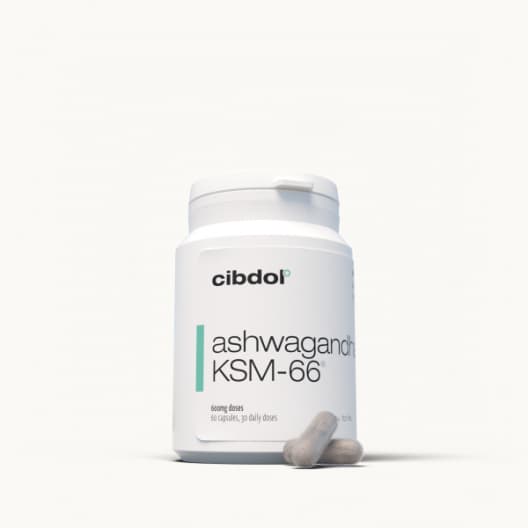

Ashwagandha KSM-66
Clinically studied KSM-66 ashwagandha extract for stress reduction and adrenal support.
- • KSM-66® branded extract
- • Highest concentration full-root extract
- • Reduces cortisol and stress
Disclosure: We may earn a commission if you purchase via these links.
Important: Ashwagandha is not a treatment for IBS itself. It is a supportive tool for the stress component of the gut–brain axis. Always discuss adaptogen use with your healthcare provider, particularly if you take thyroid medication or immunosuppressants.
How to Choose a Quality IBS Probiotic
The European probiotic market is crowded with products making vague "gut health" claims. Here is how to separate evidence-based products from marketing noise.
1. Demand Strain-Level Identification
This is the single most important criterion. A product labelled "Lactobacillus acidophilus" without a strain identifier (such as NCFM, La-5, or LA-14) is not providing enough information to assess its evidence base. Different strains of the same species can have entirely different clinical effects. Always look for the full nomenclature: genus + species + strain designation.
2. Check the CFU Count — But Do Not Assume More Is Better
The Whorwell trial on B. infantis 35624 is instructive here: 1 × 10⁸ CFU outperformed 1 × 10¹⁰ CFU. The optimal dose is strain-specific and should match the dose used in clinical trials. Common effective ranges:
- B. infantis 35624: 1 × 10⁸ CFU/day
- L. plantarum 299v: 10 × 10⁹ CFU/day
- B. coagulans GBI-30, 6086: 2 × 10⁹ CFU/day
- VSL#3: 450 × 10⁹ CFU/day (this is intentionally very high)
3. Verify Shelf Stability Claims
Many probiotics require refrigeration to maintain viability. If a product claims room-temperature stability, look for either:
- Spore-forming organisms (e.g., B. coagulans) — inherently stable
- Specific packaging technology — blister packs with moisture barriers outperform bottles
- Third-party testing confirming CFU counts at expiry, not just at manufacture
4. Look for EU Quality Standards
In the EU, probiotics are regulated as food supplements under Regulation (EC) No 178/2002. Look for:
- GMP (Good Manufacturing Practice) certification
- Country of manufacture within the EU or in countries with equivalent standards
- Absence of unnecessary additives — particularly high-FODMAP prebiotics if you are sensitive
5. What to Avoid
- Products listing only genus and species without strain identifiers
- "Proprietary blends" that hide individual strain doses
- Mega-dose products (50+ billion CFU) without strain-specific justification
- Products making medical claims about curing or treating IBS (this is a regulatory red flag in the EU)
Complementary Approaches: Beyond Probiotics Alone
Probiotics rarely work in isolation for IBS. The most successful management strategies combine microbial support with other evidence-based interventions.
Peppermint Oil (Mentha piperita)
Enteric-coated peppermint oil capsules have strong evidence for IBS-related abdominal pain. A 2019 meta-analysis in BMC Complementary Medicine and Therapies found that peppermint oil significantly reduced overall IBS symptoms, with a number needed to treat (NNT) of 3 for pain relief — a remarkably strong effect size. The active component, menthol, acts as a calcium channel blocker in smooth muscle, reducing intestinal spasm. Look for enteric-coated formulations to avoid heartburn.
Digestive Enzymes
For IBS patients with impaired digestion — particularly fat malabsorption or carbohydrate intolerance — digestive enzyme supplementation can reduce the substrate available for bacterial fermentation, thereby reducing gas production. The DigeZyme multi-enzyme complex, which provides amylase, protease, lipase, cellulase, and lactase, offers broad-spectrum digestive support that may complement probiotic therapy.
MADMONQ GREENS
Superfood powder with 77 nutrients — fruits, vegetables, vitamins, minerals, DigeZyme® digestive enzymes, and prebiotics. Each sachet delivers the equivalent of 1 serving of real vegetables and fruits using organic EU-grown ingredients. Includes Vitaberry® and Vitaveggie® proprietary blends, Spirulina, Kale, Broccoli, and Acai Berry.
- • 77 nutrients in one daily sachet
- • DigeZyme® enzymes for digestive support
- • Organic, EU-grown ingredients
Disclosure: We may earn a commission if you purchase via these links.
Fibre: Choose Wisely
Fibre recommendations for IBS are nuanced. Soluble fibre (psyllium husk, PHGG) generally helps both IBS-C and IBS-D by modulating stool consistency. Insoluble fibre (wheat bran) often worsens symptoms, particularly bloating and pain. If you are adding fibre, start with 2–3g of psyllium per day and increase gradually.
Cannabigerol (CBG) for Gut Motility
Emerging research on cannabigerol (CBG), a non-psychoactive cannabinoid, suggests potential benefits for gut motility and intestinal inflammation. CBG interacts with the endocannabinoid system (ECS), which plays a regulatory role in gut motility, secretion, and visceral sensation. Preclinical studies have demonstrated anti-inflammatory effects in colitis models (Borrelli et al., 2013, Biochemical Pharmacology), and its modulation of the ECS may help normalise the dysmotility seen in IBS.
Unlike CBD, which has received more mainstream attention, CBG appears to have a more direct affinity for CB1 and CB2 receptors in the gut, potentially making it more relevant for gastrointestinal applications. However, human clinical trials specifically in IBS populations are still lacking — this remains a promising but early-stage area of research.
5% CBG & 2.5% CBD Oil
Cibdol's CBG & CBD combination oil — 5% CBG (cannabigerol) paired with 2.5% CBD in a full-spectrum formula. CBG is the precursor cannabinoid known as the "mother of cannabinoids", with emerging research pointing to anti-inflammatory, neuroprotective and gut-supportive properties. Swiss-produced, third-party tested.
- • 5% CBG + 2.5% CBD — dual-cannabinoid formula
- • CBG: anti-inflammatory and neuroprotective properties
- • Full-spectrum Swiss-produced oil
Disclosure: We may earn a commission if you purchase via these links.
Nutrient Support for Gut Integrity
IBS can impair nutrient absorption, and nutrient deficiencies can in turn worsen gut function — another vicious cycle. Key nutrients for intestinal integrity include zinc (tight junction maintenance), vitamin D (immune modulation and barrier function), omega-3 fatty acids (anti-inflammatory), and B vitamins (mucosal cell turnover). A broad-spectrum, nutrient-dense supplement can help fill gaps that dietary restrictions — particularly low-FODMAP — may create.
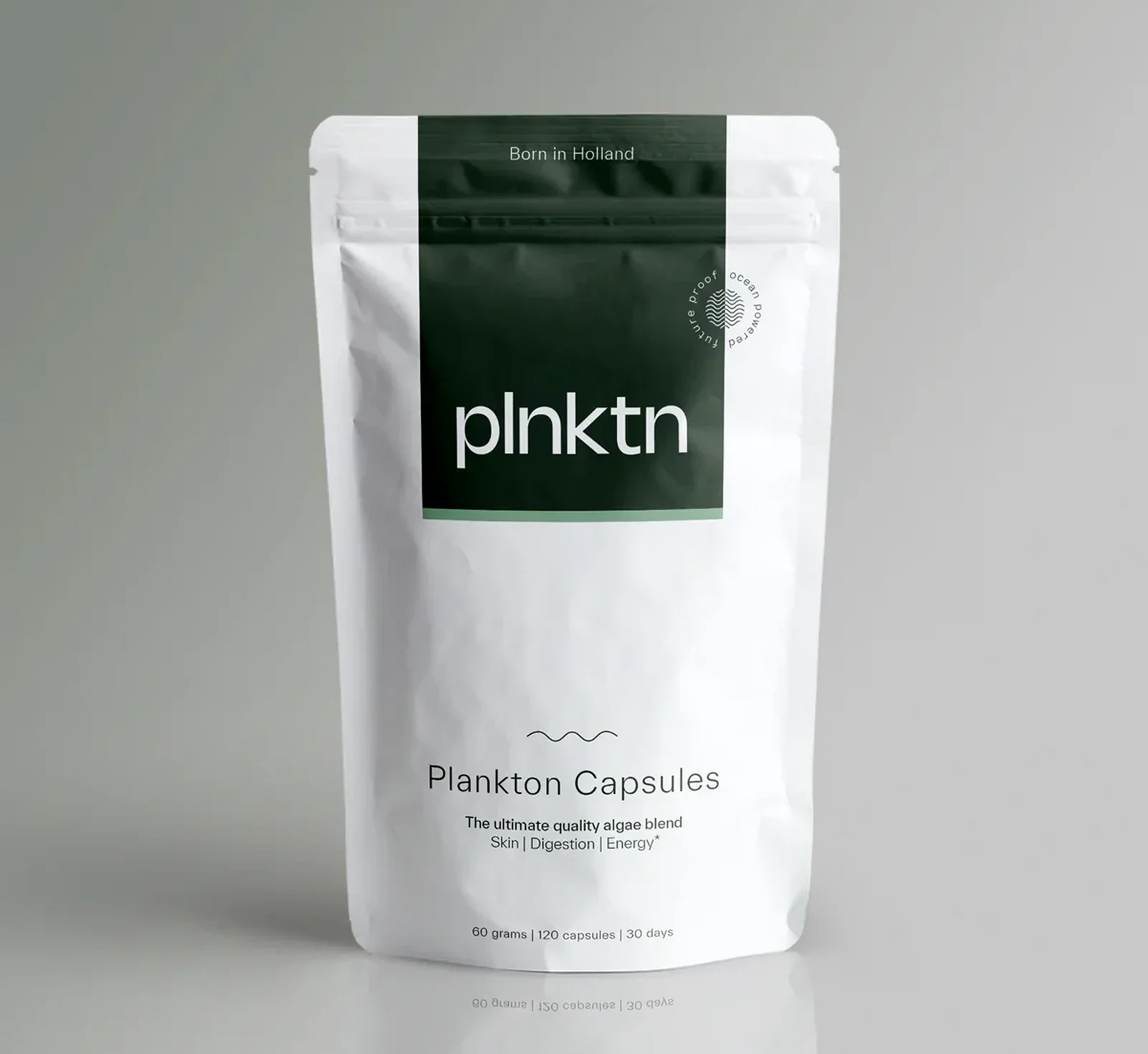

Plankton Capsules
Blend of 4 nutrient-dense micro- and macroalgae from European cultivation. Daily support for gut, skin and energy.
- • 75+ nutrients: minerals, vitamins, pigments, antioxidants and complete proteins
- • 100% natural, plant-based and responsibly grown
- • Supports digestion, energy metabolism and skin health
Disclosure: We may earn a commission if you purchase via these links.
Common Mistakes When Using Probiotics for IBS
Having reviewed the evidence, let us address the practical errors that most commonly derail probiotic therapy for IBS.
Mistake 1: Choosing the Wrong Strain
This is by far the most common error. Someone reads that "probiotics help IBS," buys the cheapest multi-strain product at the pharmacy, notices no improvement after two weeks, and concludes that "probiotics don't work for me." In reality, they may have taken strains with zero evidence for their specific subtype.
Fix: Match the strain to your subtype using the evidence table above. If in doubt, start with B. infantis 35624 — it has the broadest evidence across subtypes.
Mistake 2: Starting at Too High a Dose
IBS guts are, by definition, hypersensitive. Introducing a high-potency probiotic (say, 100 billion CFU) into a hypersensitive system often triggers a temporary worsening of bloating and gas — the so-called "die-off" or adjustment period. While some adjustment is normal, an excessive initial dose can cause sufficient discomfort to make people abandon the product.
Fix: Start at half the target dose for the first 1–2 weeks. If tolerated, increase to the full dose.
Mistake 3: Stopping Too Early
Most IBS probiotic trials run for 4–8 weeks, and many show benefits emerging only after week 3 or 4. Stopping at two weeks because you "don't feel anything yet" is premature.
Fix: Commit to a minimum of 8 weeks at the target dose before assessing whether a strain works for you. Keep a simple symptom diary to track changes objectively.
Mistake 4: Ignoring Dietary Triggers
No probiotic can overcome a diet that consistently triggers your symptoms. If you are consuming known FODMAP triggers daily while taking a probiotic, you are fighting a losing battle.
Fix: Address diet first (or simultaneously). The low-FODMAP elimination phase often provides enough symptom relief to create a clearer baseline for evaluating probiotic effects.
Mistake 5: Cycling Through Strains Too Quickly
Some people try a new probiotic every two weeks, never giving any single strain enough time to demonstrate benefit. This "probiotic roulette" approach wastes money and provides no useful information.
Fix: Choose one evidence-based strain, use it for 8 weeks, then assess. If it does not help, try a different strain with evidence for your subtype. Systematic is better than scattered.
A Practical IBS Probiotic Protocol
Based on the evidence reviewed above, here is a structured, week-by-week approach to introducing probiotics for IBS.

Weeks 1–2: Preparation and Baseline
- Begin a symptom diary recording daily pain (0–10 scale), bloating severity, stool frequency, and stool form (Bristol Stool Scale)
- If not already doing so, consider starting a low-FODMAP elimination during this period
- Select your target strain based on your subtype and the evidence table above
- Gather your product — confirm strain identity, CFU count, and storage requirements
Weeks 3–4: Low-Dose Introduction
- Start at half the target dose of your chosen probiotic
- Take it at a consistent time each day — with breakfast is a common choice, though timing is less critical than consistency
- Continue your symptom diary
- Expect some adjustment: mild changes in gas or stool pattern are normal and typically resolve within 5–7 days
Weeks 5–8: Full-Dose Assessment
- Increase to the full target dose
- Continue your symptom diary
- Look for trends rather than daily fluctuations — IBS symptoms naturally vary day to day, so focus on weekly averages
Week 9: Evaluation
- Compare your average symptom scores from weeks 5–8 to your baseline (weeks 1–2)
- A 30% or greater reduction in your primary symptom score is generally considered clinically meaningful
- If improved: continue the probiotic. Consider attempting to reduce the dose after 3 months to find the minimum effective dose
- If no improvement: discontinue and consider trying a different evidence-based strain for your subtype
Ongoing Considerations
- Probiotics are not necessarily lifelong. Some people maintain benefits after discontinuation; others find symptoms return. There is no harm in long-term use of well-studied strains, but it is worth periodically testing whether you still need them
- Reassess if your subtype changes. IBS-M patients in particular may find that their dominant pattern shifts over time, warranting a change in probiotic strategy
When to See a Doctor
While probiotics and dietary strategies are appropriate self-management tools for diagnosed IBS, certain symptoms should always prompt medical evaluation. Do not self-manage if you experience any of the following:
Red-Flag Symptoms
- Unintentional weight loss (more than 5% of body weight over 6–12 months)
- Rectal bleeding or blood in the stool
- Nocturnal symptoms that wake you from sleep (true IBS rarely causes night-time symptoms)
- Progressive worsening of symptoms despite adequate management
- New onset of symptoms after age 50 without prior IBS diagnosis
- Family history of colorectal cancer, inflammatory bowel disease, or coeliac disease
- Fever accompanying gastrointestinal symptoms
- Anaemia detected on blood tests
When to Seek Review Even Without Red Flags
- Symptoms that have not improved after 12 weeks of structured probiotic + dietary management
- Significant impact on quality of life, work, or social functioning
- Anxiety or depression related to your symptoms (treatable and worth addressing)
- Uncertainty about your diagnosis — IBS is a diagnosis of exclusion, and conditions such as coeliac disease, IBD, bile acid malabsorption, and small intestinal bacterial overgrowth (SIBO) can mimic IBS
Frequently Asked Questions
How long should I try a probiotic for IBS?
Give any single strain a minimum of 8 weeks at the full target dose before concluding it does not work for you. Most clinical trials showing benefit run for 4–8 weeks, with some improvements emerging gradually after week 3 or 4. If you see no benefit after 8 weeks, it is reasonable to discontinue and try a different evidence-based strain.
Can probiotics make IBS worse?
Yes, temporarily. A subset of IBS patients — particularly those with SIBO (small intestinal bacterial overgrowth) — may experience worsening of bloating and gas when introducing probiotics, especially high-dose or Lactobacillus-heavy formulations. If symptoms worsen significantly and persist beyond 7–10 days, discontinue the product and consult your healthcare provider. This reaction may itself be diagnostically useful, as it can suggest SIBO warranting further investigation.
Should I take a single-strain or multi-strain probiotic?
The evidence does not clearly favour one approach over the other. Single-strain products have the advantage of a cleaner evidence base — you know exactly what is working. Multi-strain products like VSL#3 may offer broader ecological effects but make it harder to identify which strains are responsible for any benefit. If you are trying probiotics for the first time, starting with a well-evidenced single strain is generally the more informative approach.
Do I need to refrigerate my probiotic?
It depends on the strain and formulation. Spore-forming probiotics (B. coagulans) and yeast-based probiotics (S. boulardii) are generally shelf-stable. Most Lactobacillus and Bifidobacterium products benefit from refrigeration, though some use moisture-barrier blister packaging that provides adequate protection at room temperature. Check the manufacturer's storage instructions and look for CFU guarantees at expiry rather than at manufacture.
Can I take probiotics with IBS medication?
In most cases, yes. Probiotics do not interact with common IBS medications including antispasmodics (mebeverine, hyoscine), loperamide, low-dose antidepressants (amitriptyline, SSRIs), or linaclotide. S. boulardii is notably safe to use alongside antibiotics (it is a yeast, so antibacterial agents do not affect it). However, always inform your prescribing doctor that you are taking a probiotic, particularly if you are immunocompromised — live organism supplements require caution in this population.
Are probiotics safe during pregnancy for IBS management?
Most well-studied probiotic strains have an excellent safety profile in pregnancy. L. rhamnosus GG and B. lactis BB-12 have the most extensive pregnancy safety data. However, IBS management during pregnancy involves additional considerations (many IBS medications are contraindicated), so work with your healthcare provider to develop an appropriate strategy. Avoid novel or poorly studied strains during pregnancy as a precaution.
Disclaimer
This article is provided for educational and informational purposes only and does not constitute medical advice, diagnosis, or treatment. Irritable bowel syndrome is a medical condition that should be diagnosed and managed in consultation with a qualified healthcare professional.
The probiotic strains and protocols discussed in this article are based on published clinical research, but individual responses to probiotics vary significantly. What works for one person with IBS may not work for another, even within the same subtype.
Do not use this article as a substitute for professional medical advice. If you suspect you have IBS, have undiagnosed gastrointestinal symptoms, or experience any red-flag symptoms described above, seek evaluation from your doctor or gastroenterologist.
Supplements mentioned in this article are not intended to diagnose, treat, cure, or prevent any disease. Product recommendations reflect our editorial assessment and may include affiliate relationships — see our disclosure policy for details.
Related Articles
Related topics
Related articles
Gut Health 101: Probiotics, Prebiotics, and Postbiotics Explained
Your gut contains 100 trillion microorganisms that influence everything from digestion to mood. Here's what probiotics, prebiotics and postbiotics actually
Gut Health for Kids: Safe Probiotics & Building a Healthy Microbiome Early
Your child's microbiome is largely established by age three — and what happens in those first 1,000 days shapes lifelong health. Here is everything parents
The Gut Health Supplement Stack: Building Your Daily Protocol
A complete guide to building an evidence-based gut health supplement stack. Learn the five pillars of gut support — prebiotics, probiotics, anti-inflammato