
Leaky Gut Syndrome: Separating Science from Hype (+ What Actually Helps)
Written by Smart Supplements Editorial Team
Key takeaways
- Increased intestinal permeability is a real, measurable phenomenon — but "leaky gut syndrome" as a standalone diagnosis is not recognised by mainstream gastroenterology.
- Tight junction proteins (claudins, occludin, zonula occludens) regulate the gut barrier; when compromised, LPS and other toxins can enter the bloodstream and trigger systemic inflammation.
- Conditions with strong evidence of increased permeability include IBD, coeliac disease, type 1 diabetes, and a subset of IBS patients.
- L-glutamine, zinc carnosine, specific probiotic strains (L. plantarum 299v, L. rhamnosus GG), omega-3 fatty acids, and vitamin D have the strongest evidence for supporting gut barrier integrity.
- Dietary changes — removing ultra-processed foods and alcohol while increasing fibre diversity and polyphenol-rich foods — remain the single most impactful intervention.
- Be cautious of expensive proprietary "leaky gut protocols" — the evidence-based approach is effective and considerably less costly.
Table of contents
- What Is "Leaky Gut"? The Science of Intestinal Permeability
- What the Research Actually Shows (vs What Wellness Influencers Claim)
- Conditions Associated with Increased Intestinal Permeability
- What Causes Increased Intestinal Permeability?
- Testing for Intestinal Permeability
- Evidence-Based Approaches to Supporting Gut Barrier Integrity
- What Doesn't Work (or Lacks Evidence)
- The Honest Assessment: What We Know and Don't Know
- A Practical Protocol for Gut Barrier Support
- Frequently Asked Questions
- Disclaimer
- Related Articles
What Is "Leaky Gut"? The Science of Intestinal Permeability
Few health topics generate as much confusion as leaky gut. Type it into any search engine and you will find everything from rigorous gastroenterology papers to wellness influencers hawking miracle cures. The truth, as usual, sits somewhere in the middle — and it is more nuanced than either camp typically admits.
Let us start with what is not controversial. Your intestinal lining is a single-cell-thick barrier — roughly the surface area of a studio flat — that performs one of the body's most demanding balancing acts. It must absorb nutrients from digested food while simultaneously keeping bacteria, toxins, and undigested food particles out of the bloodstream.

This barrier function depends on structures called tight junctions — protein complexes that act like molecular gatekeepers between adjacent epithelial cells. The key players include:
- Claudins — a family of over 20 proteins that form the structural backbone of tight junctions, some sealing gaps and others forming selective channels
- Occludin — helps regulate the stability and barrier function of tight junctions
- Zonula occludens (ZO-1, ZO-2, ZO-3) — scaffolding proteins that anchor tight junction strands to the cell's internal skeleton
When functioning properly, tight junctions allow water and small nutrients through (the "paracellular pathway") while blocking larger, potentially harmful molecules. But when these junctions become compromised — loosened, damaged, or dysregulated — the barrier becomes more permeable than it should be.
This is where zonulin enters the picture. Discovered by Dr Alessio Fasano at the University of Maryland, zonulin is a protein that modulates tight junction permeability. When zonulin is released in excess — triggered by factors like gluten (in susceptible individuals) or certain gut bacteria — it signals tight junctions to open wider than normal.
The downstream consequence of increased permeability is what makes this clinically relevant. When the barrier is compromised, lipopolysaccharides (LPS) — fragments of the outer membrane of Gram-negative bacteria — can translocate from the gut lumen into the bloodstream. This process, known as endotoxaemia, activates the innate immune system via toll-like receptor 4 (TLR4) and triggers a cascade of inflammatory cytokines including TNF-alpha, IL-6, and IL-1 beta.
In plain language: stuff that should stay inside the gut escapes into the blood, and the immune system sounds the alarm.
What the Research Actually Shows (vs What Wellness Influencers Claim)
Here is where we must be honest. The science of intestinal permeability is real, well-studied, and published in reputable journals like Gastroenterology, Gut, and The Lancet. Increased permeability has been measured in dozens of clinical conditions using validated laboratory methods.
What the evidence supports:
- Intestinal permeability can be objectively measured and is elevated in many disease states
- Compromised barrier function is associated with systemic inflammation
- Certain dietary and lifestyle factors can increase or decrease permeability
- Specific nutrients and compounds can support barrier integrity in clinical trials
What goes beyond the evidence:
- Claiming that "leaky gut" is the root cause of virtually every chronic disease
- Diagnosing leaky gut syndrome based on vague symptoms like fatigue, brain fog, and skin issues alone
- Selling expensive "leaky gut protocols" with proprietary blends at premium prices
- Suggesting that fixing permeability will cure autoimmune conditions, depression, or obesity
The distinction matters. Increased intestinal permeability is a measurable physiological state that appears in peer-reviewed literature. "Leaky gut syndrome" as a catch-all diagnosis for every unexplained symptom is a different proposition entirely — one that mainstream gastroenterology does not currently endorse.
A 2021 review in Nature Reviews Gastroenterology & Hepatology put it well: intestinal permeability likely plays a role in the pathogenesis of several diseases, but the "chicken-or-egg" question — does permeability cause disease, or does disease cause permeability? — remains unanswered for most conditions.
Conditions Associated with Increased Intestinal Permeability
Research has documented elevated intestinal permeability in a range of conditions. The strength of evidence varies considerably.
Strong Evidence
Inflammatory bowel disease (IBD): Both Crohn's disease and ulcerative colitis show significantly increased permeability. In Crohn's, barrier dysfunction may precede clinical relapse — a 2020 study in Gut found that first-degree relatives of Crohn's patients also show increased permeability, suggesting it may be a predisposing factor rather than purely a consequence.
Coeliac disease: Gluten triggers zonulin release in coeliac patients, directly increasing permeability. This is one of the clearest examples of a specific trigger causing measurable barrier dysfunction. A strict gluten-free diet restores barrier function in most patients.
Type 1 diabetes: Multiple studies have found increased intestinal permeability in T1D patients and even in at-risk individuals before clinical onset. The "leaky gut" hypothesis in T1D suggests that bacterial antigens crossing the barrier may trigger autoimmune destruction of pancreatic beta cells — though this remains an area of active research.
Moderate Evidence
Irritable bowel syndrome (IBS): A subset of IBS patients — particularly those with diarrhoea-predominant IBS (IBS-D) and post-infectious IBS — show measurably increased permeability. A meta-analysis published in 2019 found that roughly 40% of IBS patients had abnormal permeability, compared to about 12% of healthy controls.
Obesity and metabolic syndrome: Elevated LPS levels (so-called "metabolic endotoxaemia") have been consistently found in individuals with obesity. A high-fat, high-sugar diet appears to increase permeability in both animal and human studies, potentially contributing to the chronic low-grade inflammation seen in metabolic syndrome.
Non-alcoholic fatty liver disease (NAFLD): The gut-liver axis is well established, and increased permeability allowing LPS translocation to the liver via the portal vein is implicated in NAFLD progression.
Emerging/Preliminary Evidence
Autoimmune conditions: Rheumatoid arthritis, ankylosing spondylitis, and multiple sclerosis have all been linked to increased permeability in smaller studies, but large-scale prospective data is lacking.
Mental health conditions: The gut-brain axis literature has found associations between permeability markers and depression, anxiety, and even schizophrenia — though establishing causation is extremely difficult.
Chronic fatigue syndrome: Some studies report elevated LPS antibodies in CFS/ME patients, suggesting barrier compromise, but results are inconsistent.
What Causes Increased Intestinal Permeability?
Understanding the causes is arguably more useful than debating whether "leaky gut" is a diagnosis. If you can reduce the factors that damage barrier integrity, you are likely to benefit regardless of terminology.

Medications
Non-steroidal anti-inflammatory drugs (NSAIDs): Ibuprofen, naproxen, and aspirin are well-documented to increase intestinal permeability, sometimes within hours of ingestion. A landmark study by Bjarnason et al. showed that even short-term NSAID use increased small intestinal permeability by 2-3 fold. This occurs through direct damage to epithelial cells and disruption of tight junction proteins.
Proton pump inhibitors (PPIs): Long-term PPI use is associated with gut microbiome changes that may secondarily affect barrier function, though the evidence is less direct than for NSAIDs.
Antibiotics: By disrupting the microbiome — particularly reducing butyrate-producing bacteria — broad-spectrum antibiotics can indirectly compromise barrier integrity. The effect can persist for weeks to months after the course is completed.
Dietary Factors
Alcohol: Ethanol and its metabolite acetaldehyde directly damage tight junction proteins. Even moderate alcohol consumption (2-3 drinks) can measurably increase permeability in healthy volunteers. Chronic heavy drinking causes sustained barrier dysfunction.
Ultra-processed foods: Beyond their general inflammatory effects, specific additives used in processed foods have been shown to disrupt barrier function in laboratory studies. Emulsifiers — particularly polysorbate 80 and carboxymethylcellulose — thinned the protective mucus layer and increased permeability in animal studies published in Nature (2015). Whether the concentrations used in food have the same effect in humans is still debated, but the concern is legitimate.
High-sugar diets: Excess fructose and glucose have been shown to increase permeability through multiple mechanisms, including altering the microbiome and directly affecting tight junction expression.
Low-fibre diets: When the microbiome is deprived of fermentable fibre, butyrate production drops. Since butyrate is the primary fuel for colonocytes (the cells lining the colon), reduced butyrate means less energy for maintaining barrier integrity.
Lifestyle Factors
Chronic psychological stress: The gut-brain axis works in both directions. Chronic stress increases cortisol and activates mast cells in the gut lining, both of which can increase permeability. Studies in medical students during exam periods have shown measurable increases in permeability compared to low-stress periods.
Intense exercise: Endurance athletes — particularly marathon runners and triathletes — frequently experience increased intestinal permeability during prolonged exercise. This is driven by reduced blood flow to the gut (blood is redirected to muscles) and heat stress. Moderate exercise, by contrast, appears to benefit gut health.
Sleep deprivation: Emerging research suggests that disrupted circadian rhythms and insufficient sleep can compromise barrier function, potentially through altered microbiome composition and increased cortisol.
Infections and Dysbiosis
Gastrointestinal infections: Acute infections — food poisoning, traveller's diarrhoea, viral gastroenteritis — can damage the gut lining and increase permeability. In most cases this resolves, but some individuals develop persistent barrier dysfunction (post-infectious IBS).
Small intestinal bacterial overgrowth (SIBO): Bacterial overgrowth in the small intestine is associated with increased permeability, likely through direct bacterial effects on tight junctions and local inflammation.
Testing for Intestinal Permeability
If you suspect increased permeability, how do you actually test for it? Several methods exist, each with significant limitations.
Lactulose/Mannitol Test
The most established method. You drink a solution containing two sugars — lactulose (a large molecule that should not cross a healthy barrier) and mannitol (a small molecule that crosses freely). Urine is collected for 6 hours and the ratio of the two sugars is measured. A high lactulose-to-mannitol ratio suggests increased permeability.
Limitations: Results can vary significantly based on gastric emptying, kidney function, and urine collection accuracy. No universally agreed-upon cut-off values exist.
Zonulin Blood Test
Measures circulating zonulin levels as a proxy for permeability.
Limitations: The commercially available ELISA kits have been criticised for poor specificity — they may measure other proteins alongside zonulin, leading to false positives. A 2020 study in Gut found that some commercial zonulin assays actually measured complement C3 rather than true zonulin. This is a significant concern.
LPS and LPS-Binding Protein (LBP) Antibodies
Measuring antibodies to LPS or LBP levels in the blood can indicate endotoxin exposure.
Limitations: LPS is rapidly cleared from the blood, making timing of the test crucial. Levels also fluctuate with meals, particularly high-fat meals.
The Practical Reality
No single test reliably diagnoses "leaky gut" in a clinical setting. Most gastroenterologists rely on the overall clinical picture — symptoms, associated conditions, dietary history, and response to interventions — rather than a single biomarker. If a practitioner offers you a definitive "leaky gut test" for a significant fee, approach with caution.
Evidence-Based Approaches to Supporting Gut Barrier Integrity
Now for what you came here for. What actually works? We will move through the interventions from strongest evidence to weakest, being transparent about where each sits on the evidence spectrum.

1. Dietary Changes — The Foundation
No supplement can compensate for a diet that is actively damaging your gut barrier. Before reaching for any pill or powder, address the basics:
Remove or reduce known irritants:
- Minimise ultra-processed foods, particularly those containing emulsifiers
- Reduce or eliminate alcohol (the single most damaging dietary factor for barrier integrity)
- If you suspect gluten sensitivity (especially if you have an autoimmune condition), trial a 4-6 week elimination
- Reduce NSAID use where possible (consult your doctor about alternatives)
Add barrier-supporting foods:
- Polyphenol-rich foods: Berries, dark chocolate, green tea, and olive oil contain compounds that have been shown to support tight junction integrity in cell and animal studies. A 2022 clinical trial found that a polyphenol-rich diet improved markers of intestinal permeability over 8 weeks.
- Fibre diversity: Aim for 30+ different plant foods per week. Different fibres feed different bacterial species, promoting a diverse microbiome that produces a broader range of short-chain fatty acids. The American Gut Project found that plant diversity was the single strongest predictor of microbiome health.
- Fermented foods: Kimchi, sauerkraut, kefir, and other traditionally fermented foods provide both beneficial bacteria and postbiotic metabolites. The Stanford MACS study (2021) showed that a high-fermented-food diet increased microbiome diversity and reduced inflammatory markers.
- Bone broth and collagen-rich foods: While the evidence is preliminary, these provide glutamine, glycine, and proline — amino acids involved in gut repair.
2. L-Glutamine — The Most-Studied Barrier Supplement
L-glutamine is a conditionally essential amino acid and the primary fuel source for enterocytes (small intestinal cells). It is by far the most researched supplement for gut barrier support.
What the evidence shows:
- A 2017 randomised controlled trial published in Gut (n=106) found that L-glutamine significantly reduced intestinal permeability in post-infectious IBS patients compared to placebo, using a dose of 5g three times daily for 8 weeks.
- Multiple cell culture and animal studies demonstrate that glutamine supports tight junction protein expression, particularly claudin-1 and occludin.
- Critical illness research has consistently shown that glutamine supplementation reduces bacterial translocation in hospitalised patients.
Typical dosing: 5-15g per day, divided into 2-3 doses. Higher doses (up to 30g) have been used in clinical trials without significant adverse effects.
Practical note: Glutamine is inexpensive and widely available as a standalone powder. It is tasteless and mixes easily into water or smoothies. For gut barrier support specifically, the evidence favours taking it on an empty stomach.
3. Zinc Carnosine
Zinc carnosine (also marketed as PepZin GI) is a chelated form of zinc and the dipeptide L-carnosine. It was originally developed in Japan for gastric ulcer treatment and has an impressive body of evidence for gut barrier support.
What the evidence shows:
- A 2007 study in Gut demonstrated that zinc carnosine reduced NSAID-induced increases in intestinal permeability by 3-fold in healthy volunteers.
- It stabilises small-bowel integrity and reduces villous shortening caused by indomethacin.
- The zinc component is directly involved in tight junction protein synthesis, while carnosine provides antioxidant and anti-inflammatory effects.
Typical dosing: 75-150mg per day (of the zinc carnosine complex, typically providing 16-32mg elemental zinc). Often taken twice daily, 30 minutes before meals.
Caution: Supplemental zinc can deplete copper over time. If taking zinc long-term (beyond 8-12 weeks), consider including a copper supplement or monitoring levels.
4. Omega-3 Fatty Acids
Omega-3 fatty acids — particularly EPA and DHA — have well-established anti-inflammatory properties that extend to the gut.
What the evidence shows:
- A 2017 study in Gut found that omega-3 supplementation altered the microbiome composition in favour of butyrate-producing species, indirectly supporting barrier function.
- EPA and DHA reduce the production of pro-inflammatory cytokines (TNF-alpha, IL-6) that are known to disrupt tight junctions.
- Cell studies show that DHA can directly enhance tight junction assembly and reduce LPS-induced permeability.
- A 2020 systematic review concluded that omega-3 supplementation reduces markers of intestinal inflammation, though direct permeability measurements were not consistently included.
For a plant-based, sustainable source of omega-3, algae-derived options provide EPA and DHA without the environmental concerns of fish oil.
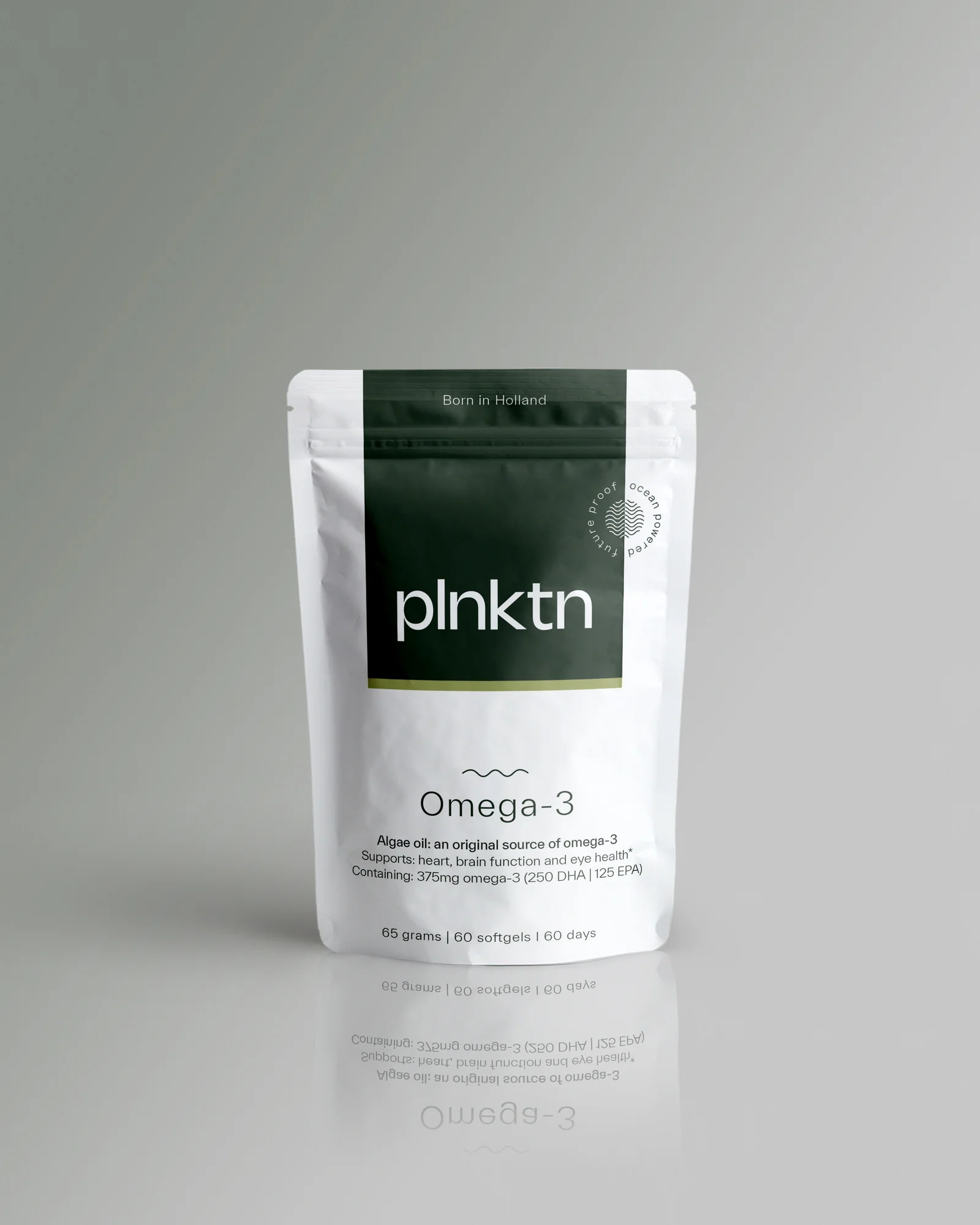

Omega-3 (algenolie)
Daily omega-3 from the original source: algae. With essential EPA and DHA for heart, brain and eyes.
- • 250 mg DHA and 125 mg EPA per capsule
- • 100% fish-free, plant-based algenolie
- • No fishy aftertaste, clean and controlled source
Disclosure: We may earn a commission if you purchase via these links.
Typical dosing: 1-3g combined EPA/DHA per day. Higher doses may be needed for therapeutic anti-inflammatory effects.
5. Probiotics — Strain-Specific Effects
Not all probiotics are equal when it comes to barrier support. The evidence is highly strain-specific, and using the wrong strain is essentially like taking a placebo.
Strains with evidence for barrier support:
Lactobacillus plantarum 299v: Perhaps the best-studied strain for barrier function. A 2018 study showed it enhanced tight junction protein expression and reduced permeability in both cell models and IBS patients. It also reduced bloating and abdominal pain scores in IBS trials.
Lactobacillus rhamnosus GG (LGG): One of the most-researched probiotic strains overall. It produces soluble proteins (p40 and p75) that have been shown to prevent cytokine-induced apoptosis of intestinal epithelial cells and support barrier function. Multiple paediatric studies demonstrate reduced gut permeability with LGG supplementation.
Bifidobacterium infantis 35624: This strain, studied extensively by Alimentary Health, reduced systemic inflammation and improved symptom scores in IBS. Its barrier effects are thought to be mediated through immune modulation rather than direct tight junction effects.
Saccharomyces boulardii: A beneficial yeast (technically not a bacterium) with good evidence for preventing antibiotic-associated diarrhoea. It produces proteases that break down C. difficile toxin and has been shown to reduce permeability in animal models of colitis.
Practical note: Multi-strain probiotics are not necessarily better. A product containing one well-studied strain at an adequate dose (typically 10-20 billion CFU) is more likely to deliver results than a product with 15 strains at inadequate individual doses.
6. Butyrate and Short-Chain Fatty Acids
Butyrate is a short-chain fatty acid (SCFA) produced by the fermentation of dietary fibre by gut bacteria — particularly Faecalibacterium prausnitzii, Roseburia species, and Eubacterium rectale. It is the primary energy source for colonocytes and plays a central role in maintaining barrier integrity.
What the evidence shows:
- Butyrate enhances tight junction assembly by upregulating claudin-1 expression
- It promotes mucin production, thickening the protective mucus layer
- Butyrate activates AMP-activated protein kinase (AMPK) in colonocytes, which stimulates tight junction assembly
- Patients with IBD consistently show reduced butyrate-producing bacteria
The catch: You can take butyrate supplements directly (typically as sodium butyrate or tributyrin), but the more physiological approach is to feed your own butyrate-producing bacteria with fermentable fibre. Resistant starch (from cooled potatoes, green bananas, and oats), inulin, and beta-glucans are all effective prebiotic substrates.
A quality greens powder that includes prebiotic fibres and digestive enzymes can help bridge the gap for those whose diets fall short on plant diversity.
MADMONQ GREENS
Superfood powder with 77 nutrients — fruits, vegetables, vitamins, minerals, DigeZyme® digestive enzymes, and prebiotics. Each sachet delivers the equivalent of 1 serving of real vegetables and fruits using organic EU-grown ingredients. Includes Vitaberry® and Vitaveggie® proprietary blends, Spirulina, Kale, Broccoli, and Acai Berry.
- • 77 nutrients in one daily sachet
- • DigeZyme® enzymes for digestive support
- • Organic, EU-grown ingredients
Disclosure: We may earn a commission if you purchase via these links.
Supplemental butyrate dosing: 300-600mg sodium butyrate, 2-3 times daily. Note: butyrate supplements have a distinctly unpleasant smell (rancid butter). Enteric-coated or tributyrin forms are more tolerable.
7. Vitamin D
Vitamin D receptors are abundant in the intestinal epithelium, and vitamin D plays a direct role in barrier function.
What the evidence shows:
- Vitamin D deficiency is associated with increased intestinal permeability in both animal and human studies
- Supplementation with vitamin D improved barrier function in Crohn's disease patients in a 2015 RCT
- Vitamin D enhances the expression of tight junction proteins, particularly claudin-2 and ZO-1
- A 2019 meta-analysis found that vitamin D supplementation reduced intestinal permeability markers in patients with IBD
The context: Vitamin D deficiency is extremely common in Northern Europe, with estimates suggesting 40-60% of the population is insufficient during winter months. Optimising vitamin D status is a straightforward, low-risk intervention with benefits extending well beyond gut health.
Typical dosing: 1,000-4,000 IU per day, ideally guided by blood testing (target serum 25(OH)D of 75-100 nmol/L). Take with a fat-containing meal for optimal absorption.
8. Collagen Peptides
Collagen peptides — particularly those rich in glycine, proline, and glutamine — have gained popularity as a gut health supplement, though the evidence base is less robust than some of the interventions above.
What the evidence shows:
- A 2017 in vitro study found that collagen peptides promoted intestinal epithelial cell migration and growth, suggesting a role in gut repair
- Glycine — the most abundant amino acid in collagen — has anti-inflammatory effects and has been shown to protect against oxidative stress in the gut lining
- A 2022 clinical study reported improvements in bloating and digestive comfort with daily collagen peptide supplementation, though permeability was not directly measured
- The glutamine content of collagen may contribute to its gut effects, but standalone glutamine supplements provide higher doses more efficiently
Honest assessment: Collagen peptides are not a bad choice, but they are probably not doing anything that adequate protein intake and targeted glutamine supplementation would not also achieve. The marketing often overpromises.
Typical dosing: 10-20g per day of hydrolysed collagen peptides, typically in powder form.
9. CBG and Cannabinoids
Cannabigerol (CBG) — the so-called "mother cannabinoid" — is emerging as a compound of interest for gut health, with properties distinct from the better-known CBD.
What the evidence shows:
- CBG has demonstrated anti-inflammatory effects in experimental colitis models, reducing TNF-alpha, IL-1 beta, and iNOS expression
- A 2013 study in Biochemical Pharmacology found that CBG reduced inflammation and nitric oxide production in intestinal cells, suggesting protective effects on the gut lining
- The endocannabinoid system plays a documented role in regulating intestinal permeability — CB1 receptor activation has been shown to reduce permeability in animal models
- CBG appears to interact with both CB1 and CB2 receptors, as well as TRPV1 channels, which are involved in pain signalling and inflammation in the gut
The honest caveat: Most CBG research is preclinical. We have good mechanistic evidence for why it should support gut barrier function, but large human RCTs specifically measuring permeability outcomes are still needed.

5% CBG & 2.5% CBD Oil
Cibdol's CBG & CBD combination oil — 5% CBG (cannabigerol) paired with 2.5% CBD in a full-spectrum formula. CBG is the precursor cannabinoid known as the "mother of cannabinoids", with emerging research pointing to anti-inflammatory, neuroprotective and gut-supportive properties. Swiss-produced, third-party tested.
- • 5% CBG + 2.5% CBD — dual-cannabinoid formula
- • CBG: anti-inflammatory and neuroprotective properties
- • Full-spectrum Swiss-produced oil
Disclosure: We may earn a commission if you purchase via these links.
10. Epithelial Cell Renewal and Autophagy
An often-overlooked aspect of gut barrier maintenance is the turnover rate of intestinal epithelial cells. Your gut lining replaces itself every 3-5 days — one of the fastest cellular turnover rates in the body. Supporting this renewal process is essential for maintaining barrier integrity.
Autophagy — the cellular recycling process that clears damaged proteins and organelles — plays a critical role in epithelial homeostasis. When autophagy is impaired, the gut lining's ability to repair itself is compromised.
Spermidine is a natural polyamine that has gained attention as a potent inducer of autophagy. Research shows that spermidine levels decline with age, and supplementation has been shown to:
- Enhance autophagy in intestinal cells, promoting the clearance of damaged cellular components
- Support mucosal immune function, which is closely linked to barrier integrity
- Reduce age-related decline in gut barrier function in animal models
- Promote cellular renewal processes that are essential for the rapid turnover of the intestinal lining
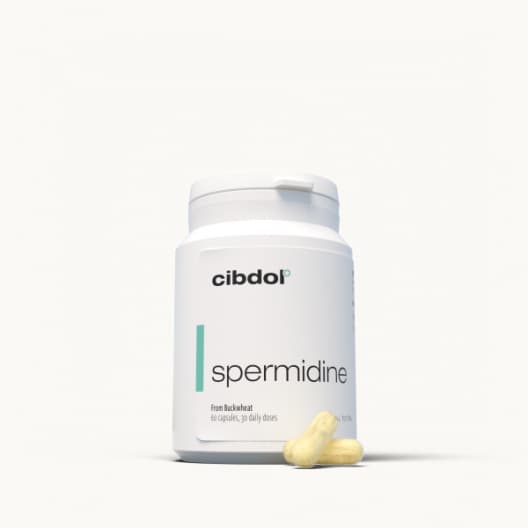
Spermidine
Spermidine supplement to support autophagy, cellular renewal, and healthy aging.
- • Promotes autophagy
- • Supports cellular renewal
- • Wheat germ extract source
Disclosure: We may earn a commission if you purchase via these links.
Intermittent fasting also induces autophagy and has been associated with improved gut barrier function in preliminary studies, though more human data is needed.
What Doesn't Work (or Lacks Evidence)
In the interest of balance, let us address some popular "leaky gut cures" that do not stand up to scrutiny.
Apple cider vinegar: Despite its ubiquity in wellness culture, there is no clinical evidence that apple cider vinegar improves intestinal permeability. The acetic acid content may actually irritate an already inflamed gut lining.
Activated charcoal: While charcoal can bind certain toxins in the gut lumen, there is no evidence it repairs barrier function. It can also bind medications and nutrients, making it counterproductive if taken with supplements.
Mega-dose vitamin C cleanses: No evidence for barrier repair, and high doses can cause osmotic diarrhoea, potentially worsening permeability.
"Detox" protocols: The gut and liver already detoxify continuously. Juice cleanses and herbal "detox" teas do not address the mechanisms of intestinal permeability and may deprive the microbiome of the fibre it needs.
Arbitrary food elimination: Removing entire food groups (dairy, grains, legumes, nightshades) without clinical justification can reduce dietary diversity, which actually harms microbiome health. Elimination should be targeted and time-limited.
Digestive enzymes as a standalone fix: While enzymes can help with specific digestive issues (lactose intolerance, exocrine pancreatic insufficiency), they do not repair tight junctions or address the underlying causes of increased permeability.
The Honest Assessment: What We Know and Don't Know
After reviewing the evidence, here is a fair summary of where the science stands in 2026:
What we know with reasonable confidence:
- Intestinal permeability is a real, measurable physiological parameter
- It is increased in several disease states and can be influenced by diet, lifestyle, and specific supplements
- L-glutamine, zinc carnosine, specific probiotic strains, omega-3s, and vitamin D have the strongest evidence for supporting barrier function
- Dietary changes (reducing alcohol, processed foods, and NSAIDs; increasing fibre diversity and polyphenols) are foundational
What remains uncertain:
- Whether increased permeability is a cause or consequence of most diseases
- Whether correcting permeability improves outcomes in conditions where it is elevated
- The optimal dosing and duration of supplementation for barrier support
- Whether the commercially available tests for "leaky gut" are clinically useful
- The long-term safety and efficacy of combined supplement protocols
What is likely overstated:
- The idea that leaky gut is the single root cause of most chronic diseases
- Claims that any single supplement can "heal" the gut barrier
- The diagnostic accuracy of zonulin and other biomarker tests currently available
- The necessity of expensive, multi-product "gut repair" protocols
A Practical Protocol for Gut Barrier Support
Based on the evidence reviewed above, here is a phased approach that prioritises the best-supported interventions:
Phase 1 — Foundation (Weeks 1-4)
Focus: Remove irritants, establish dietary foundations
- Eliminate or significantly reduce alcohol consumption
- Minimise ultra-processed foods, particularly those containing emulsifiers (check labels for polysorbate 80, carboxymethylcellulose, carrageenan)
- Reduce NSAID use where medically appropriate
- Increase plant diversity to 30+ types per week
- Add 2-3 servings of fermented foods daily
- Begin L-glutamine: 5g twice daily on an empty stomach
- Optimise vitamin D: test levels, supplement 2,000-4,000 IU daily if deficient
Phase 2 — Targeted Support (Weeks 5-8)
Focus: Add evidence-based supplements
- Add zinc carnosine: 75mg twice daily before meals
- Introduce a specific probiotic strain (L. plantarum 299v or L. rhamnosus GG) at 10+ billion CFU daily
- Add omega-3 supplementation: 2g combined EPA/DHA daily
- Consider adding a prebiotic fibre supplement or quality greens powder if dietary fibre intake remains below 30g per day
- Continue L-glutamine and vitamin D from Phase 1
Phase 3 — Assess and Optimise (Weeks 9-12+)
Focus: Evaluate response and fine-tune
- Assess symptom changes (digestive comfort, energy, skin, food tolerance)
- If response is positive, continue the protocol for a further 8-12 weeks
- If response is minimal, consider adding second-tier supplements: butyrate, collagen peptides, or CBG
- Consider whether underlying issues (SIBO, food intolerances, chronic stress) need addressing
- Gradually reintroduce any eliminated foods one at a time to identify specific triggers
Important: This is a general framework, not a medical prescription. If you have IBD, coeliac disease, or another diagnosed gastrointestinal condition, work with your gastroenterologist. If symptoms are severe or worsening, seek medical evaluation rather than self-treating.
Frequently Asked Questions
Is leaky gut a real medical diagnosis?
Not exactly. "Leaky gut syndrome" is not a recognised diagnosis in standard medical classification systems (such as ICD-11). However, increased intestinal permeability is a well-documented physiological finding that gastroenterologists and researchers take seriously. The distinction is important: the phenomenon is real, but the way it is framed as a standalone syndrome responsible for dozens of conditions goes beyond current evidence. Think of it this way — elevated blood pressure is real and measurable, but you would not diagnose someone with "high pressure syndrome" and attribute every symptom to it.
How long does it take to improve gut barrier function?
Based on the available clinical trials, measurable improvements in permeability markers can occur within 4-8 weeks of targeted intervention (dietary changes plus appropriate supplementation). The L-glutamine trial in IBS patients showed significant improvement at 8 weeks. However, the gut lining turns over every 3-5 days, so some cellular-level changes begin much sooner. Full restoration — particularly if the underlying causes are also addressed — likely takes 3-6 months for most individuals.
Can you heal leaky gut with diet alone?
For mild cases related to dietary factors (excess alcohol, processed foods, low fibre), dietary changes alone may be sufficient. A 2022 study found that switching from a Western diet to a Mediterranean-style diet improved permeability markers within 8 weeks without supplementation. However, for more significant barrier compromise — particularly in the context of chronic disease — targeted supplements like L-glutamine and zinc carnosine may accelerate recovery. Diet remains the foundation either way.
What is the best single supplement for gut barrier support?
If forced to choose one, L-glutamine has the strongest overall evidence base for directly supporting intestinal barrier function, backed by human RCTs, consistent mechanistic data, and a strong safety profile. It is also affordable and widely available. That said, gut health is multifactorial, and a combination of L-glutamine with either zinc carnosine or a targeted probiotic is likely to be more effective than any single supplement alone.
Are food sensitivity tests useful for identifying leaky gut triggers?
Most commercially available IgG food sensitivity tests have poor scientific validity. The presence of IgG antibodies to foods is a normal immune response and does not necessarily indicate intolerance or barrier dysfunction. A structured elimination and reintroduction protocol — removing suspected triggers for 4-6 weeks, then reintroducing them one at a time while monitoring symptoms — remains the gold standard for identifying individual food triggers. This approach is free, more reliable, and does not require sending your blood to a laboratory.
Should I take a "gut healing" protocol from social media?
Exercise extreme caution. Many social media "gut healing" protocols combine reasonable advice (reduce processed foods, manage stress) with expensive proprietary supplements, unfounded health claims, and unnecessary tests. If a protocol costs hundreds of euros per month and promises to cure multiple unrelated conditions, that is a red flag. The evidence-based approach outlined in this article — focusing on dietary foundations, targeted individual supplements, and working with qualified healthcare professionals — is both more effective and considerably less expensive.
Disclaimer
This article is for informational and educational purposes only and does not constitute medical advice. The content is based on published research and is intended to help readers make informed decisions about their health. It is not a substitute for professional medical advice, diagnosis, or treatment. Always consult a qualified healthcare professional before starting any new supplement regimen, particularly if you have a pre-existing medical condition, are taking medication, or are pregnant or breastfeeding. Smart Supplements has no affiliation with the researchers or institutions cited in this article.
Related Articles
- The Complete Guide to Probiotics, Prebiotics and Postbiotics
- Akkermansia muciniphila: The Next-Generation Probiotic
- Postbiotics vs Probiotics: What the Evidence Says
- The Gut-Brain Axis: How Your Microbiome Influences Your Mind
This article is for informational purposes only and is not intended as medical advice. Always consult a healthcare professional before starting any new supplement, especially if you take prescription medication.
Related topics
Related articles
Butyrate: The Postbiotic That Heals Your Gut Lining (and May Boost GLP-1)
Butyrate is a short-chain fatty acid that fuels your gut lining, calms inflammation, and may even stimulate GLP-1 release. Learn how to boost butyrate thro
Akkermansia Muciniphila: The Next-Gen Probiotic Revolutionising Gut Health
Akkermansia muciniphila is a keystone gut bacterium linked to metabolic health, gut barrier integrity, and natural GLP-1 production. Now EU-authorised as a
SIBO, Candida & Dysbiosis: When Gut Health Supplements Aren't Enough
SIBO, candida overgrowth and dysbiosis are complex gut conditions that often require more than supplements alone. Learn the evidence-based differences betw