
Gut Health for Kids: Safe Probiotics & Building a Healthy Microbiome Early
Written by Smart Supplements Editorial Team
Key takeaways
- The first 1,000 days (from conception to roughly age three) represent a critical window for microbiome development that shapes immune function, metabolism, and mental health for life.
- Birth mode, feeding method, and early antibiotic exposure are the three biggest factors determining a child's initial microbial colonisation patterns.
- Only a handful of probiotic strains have robust paediatric evidence — including L. rhamnosus GG, L. reuteri DSM 17938, S. boulardii CNCM I-745, and B. lactis BB-12.
- Diet remains the foundation — no supplement can replace a diverse, fibre-rich diet with 30+ different plant foods per week and age-appropriate fermented foods.
- Safety is generally excellent in healthy, full-term children, but premature infants and immunocompromised children require specialist guidance before any supplementation.
- Always consult a paediatrician before giving probiotics to children under one year of age or to any child with an underlying health condition.
Table of contents
- Why the First 1,000 Days Matter
- How a Child's Microbiome Develops
- The Hygiene Hypothesis and Modern Childhood
- Antibiotics and Children's Gut Health
- Evidence-Based Probiotics for Children
- Age-by-Age Guide to Probiotics for Children
- Safety Considerations
- Diet for Children's Gut Health
- For Parents: Supporting Your Own Gut Health Too
- When to See a Paediatrician
- Frequently Asked Questions
- Disclaimer
- Related Articles
Why the First 1,000 Days Matter
Few concepts in modern medicine have reshaped our understanding of child health as profoundly as the first 1,000 days — the period stretching from conception through to a child's second birthday (and, by some definitions, up to age three). During this window, a child's gut is colonised by trillions of microorganisms that collectively form the gut microbiome, and the composition of that community has far-reaching consequences.
Three overlapping processes make this period so critical:
Microbiome Seeding
At birth, a newborn's gastrointestinal tract transitions from a near-sterile environment to one teeming with bacteria, fungi, and viruses. The species that arrive first — the pioneer colonisers — gain a competitive advantage, occupying ecological niches and influencing which species can establish themselves afterwards. This is why the mode of delivery, the feeding method, and the immediate environment matter so much.
Immune Programming
Approximately 70–80 % of the body's immune tissue resides in the gut. During infancy, the developing immune system learns to distinguish between harmless commensal bacteria and genuine threats — a process called immune tolerance. Disruptions to early microbial colonisation have been linked to higher rates of allergic disease, asthma, eczema, and autoimmune conditions later in life.
Metabolic Imprinting
The gut microbiome influences how a child metabolises nutrients, synthesises vitamins (particularly B vitamins and vitamin K), and regulates fat storage. Research published in Nature Medicine suggests that microbial patterns established in infancy may predispose individuals to obesity or metabolic syndrome decades later.
Understanding these processes is not about creating anxiety for parents — it is about recognising that small, evidence-based actions during this window can have outsized positive effects.
How a Child's Microbiome Develops
The journey from a largely sterile gut to a complex microbial ecosystem follows a remarkably predictable sequence. Here is what the science tells us about each stage.
In Utero: Emerging Evidence of Prenatal Exposure
For decades, the prevailing view was that the womb is entirely sterile. More recent research has challenged this, with several studies detecting bacterial DNA in the placenta, amniotic fluid, and meconium (a newborn's first stool). However, this remains controversial — some researchers argue that these findings reflect contamination rather than true colonisation.
What is less debatable is the indirect influence of a mother's microbiome during pregnancy. Maternal gut bacteria produce short-chain fatty acids (SCFAs) and other metabolites that cross the placenta and may prime the foetal immune system. A mother's diet, stress levels, and antibiotic use during pregnancy can therefore shape the microbial environment her baby is born into.
Birth Mode: Vaginal Delivery vs Caesarean Section
The mode of delivery is one of the most well-documented influences on early microbial colonisation.
| Factor | Vaginal Birth | Caesarean Section |
|---|---|---|
| Initial colonisers | Lactobacillus, Prevotella, Sneathia (vaginal and faecal flora) | Staphylococcus, Corynebacterium, Propionibacterium (skin flora) |
| Bifidobacterium levels | Higher in first weeks | Lower, delayed colonisation |
| Microbial diversity at 1 month | Higher | Lower |
| Convergence to similar profile | Baseline | By 6–12 months (partial), full convergence debated |
Babies born vaginally are essentially "seeded" by their mother's vaginal and intestinal microbiota as they pass through the birth canal. Caesarean-born infants, by contrast, are first colonised by skin bacteria and environmental microbes from the operating theatre.
Vaginal seeding studies — where a gauze is placed in the mother's vagina before surgery and then swabbed over the C-section baby — have shown partial restoration of vaginal-type microbes. However, professional bodies including the British Medical Association currently advise against this practice outside of clinical trials due to the risk of transmitting pathogenic organisms such as Group B Streptococcus.
It is important to emphasise that C-section delivery is often medically necessary and can be life-saving. Parents who have had a caesarean should not feel guilty — breastfeeding, skin-to-skin contact, and a diverse weaning diet can all help bridge any initial microbial differences.
Breastfeeding vs Formula: HMOs and Bifidobacterium Dominance
If birth mode determines which microbes arrive first, feeding method determines which ones thrive.
Breast milk is far more than nutrition. It contains over 200 distinct human milk oligosaccharides (HMOs) — complex sugars that the infant cannot digest but that serve as a selective food source for beneficial bacteria, particularly species of Bifidobacterium. HMOs are, in effect, nature's prebiotics.
The result is striking: in exclusively breastfed infants, Bifidobacterium species (especially B. longum subsp. infantis, B. breve, and B. bifidum) can constitute up to 80–90 % of the total gut microbiota. This dominance creates a mildly acidic gut environment that suppresses the growth of potential pathogens.
Formula-fed infants develop a more diverse but less Bifidobacterium-dominated microbiome. Modern infant formulae increasingly include added prebiotics (galacto-oligosaccharides, or GOS, and fructo-oligosaccharides, or FOS) and, in some cases, HMO analogues such as 2'-fucosyllactose (2'-FL) to narrow this gap. While these additions are promising, they do not fully replicate the complexity of human breast milk.
Combination feeding (breast milk plus formula) produces an intermediate microbial profile.
Weaning and Solid Foods: The Diversity Explosion
The introduction of complementary foods — typically between four and six months — triggers a dramatic shift in microbial composition. As the infant encounters new substrates (plant fibres, starches, proteins), new bacterial groups expand, particularly Bacteroides, Roseburia, Faecalibacterium, and Ruminococcus.
This period is sometimes called the diversity explosion, and it is a prime opportunity for parents. Research from the TEDDY (The Environmental Determinants of Diabetes in the Young) study found that greater dietary diversity during weaning was associated with a more stable and resilient adult-like microbiome by age three.
Practical implications:
- Introduce a wide variety of vegetables, fruits, legumes, and whole grains during weaning.
- Do not shy away from mildly bitter or unfamiliar flavours — repeated exposure helps acceptance.
- Include soft-cooked legumes (lentils, chickpeas) as excellent sources of prebiotic fibre.
Age Three and Beyond: Stabilisation
By approximately age three, a child's microbiome begins to resemble that of an adult in terms of diversity and stability. The major phyla — Firmicutes and Bacteroidetes — become dominant, and the community becomes more resistant to perturbation (though still less stable than a healthy adult's).
This does not mean the window of opportunity closes entirely. Diet, antibiotic exposure, illness, and lifestyle factors continue to shape the microbiome throughout childhood and adolescence. But the foundational architecture is largely in place by the third birthday.
The Hygiene Hypothesis and Modern Childhood
In 1989, epidemiologist David Strachan observed that children in larger families — who presumably encountered more infections via older siblings — had lower rates of hay fever. This observation gave rise to the hygiene hypothesis, which has since evolved into the more nuanced "Old Friends" hypothesis.
From Hygiene Hypothesis to Old Friends
The original hygiene hypothesis suggested that reduced childhood infections in developed countries explained the rise of allergic and autoimmune diseases. The Old Friends hypothesis, proposed by Graham Rook at University College London, refined this: it is not infections per se that we are missing, but long-term co-evolutionary exposure to certain microorganisms — helminths, environmental mycobacteria, and diverse commensal bacteria — that trained the immune system to regulate itself.
In practical terms, this means that modern children in urban, industrialised environments encounter fewer of the microbial stimuli their immune systems evolved to expect. The result is immune dysregulation that manifests as:
- Allergic rhinitis and asthma
- Atopic eczema
- Inflammatory bowel disease
- Type 1 diabetes
What This Means for Parents
The Old Friends hypothesis does not mean that hygiene is bad or that children should be exposed to genuine pathogens. Rather, it suggests that certain aspects of modern life — over-sanitisation, reduced outdoor play, fewer animal contacts, and highly processed diets — may deprive children of beneficial microbial exposures.
Evidence-informed strategies include:
- Outdoor play: Children who spend more time outdoors are exposed to greater microbial diversity in soil and air. Finnish studies have shown that even adding forest-floor material to daycare playgrounds can alter children's skin and gut microbiomes and modulate immune markers.
- Pet exposure: Growing up with a dog (and to a lesser extent, a cat) has been associated with reduced risk of allergic disease. The mechanism likely involves microbial transfer from the animal to the household environment.
- Farm exposure: The so-called "farm effect" is one of the most consistent findings in allergy epidemiology. Children raised on traditional farms have dramatically lower rates of asthma and allergies, likely due to exposure to diverse animal and environmental microbes.
- Avoiding unnecessary antibacterial products: Routine household cleaning with regular soap and water is sufficient for most situations. Antibacterial hand gels are appropriate in medical settings and during outbreaks but are not needed for everyday domestic use.
The goal is not to return to pre-modern hygiene standards but to find a sensible middle ground — what some researchers call "targeted hygiene" — that protects against dangerous infections while allowing beneficial microbial exposure.
Antibiotics and Children's Gut Health
Antibiotics are the most commonly prescribed medications in paediatrics. They are indispensable tools when used appropriately — saving countless lives from bacterial meningitis, pneumonia, urinary tract infections, and sepsis. But their effect on the developing microbiome deserves careful consideration.
How Common Is Paediatric Antibiotic Use?
In the UK, approximately one in three children receives at least one antibiotic prescription per year, with the highest rates in children under five. Across Europe, antibiotic prescription rates in children vary considerably by country, with southern European nations historically prescribing more than northern ones.
A significant proportion of these prescriptions may be unnecessary. Upper respiratory tract infections, acute otitis media (ear infections), and bronchitis are overwhelmingly viral in origin, yet they frequently result in antibiotic prescriptions — particularly when parents expect them or when diagnostic uncertainty is high.
Effects on the Developing Microbiome
Broad-spectrum antibiotics do not discriminate between pathogenic and beneficial bacteria. A single course of amoxicillin (the most commonly prescribed antibiotic in children) can:
- Reduce microbial diversity by 25–50 % within days
- Eliminate entire populations of beneficial species, particularly Bifidobacterium
- Allow expansion of opportunistic organisms, including Clostridium difficile and antibiotic-resistant strains
- Take weeks to months for partial recovery — and some species may not return at all
The impact is greatest in the first year of life, when the microbiome is least stable. Epidemiological studies have linked early antibiotic exposure (particularly multiple courses in the first two years) with increased risk of:
- Obesity: A meta-analysis in the International Journal of Obesity found a modest but consistent association between antibiotic exposure before age two and later overweight.
- Allergic disease: Including eczema, asthma, and food allergy.
- Inflammatory bowel disease: Particularly with repeated courses.
What Parents Can Do
- Never pressure your GP for antibiotics. If your child's doctor says a condition is likely viral and does not require antibiotics, trust that judgement.
- Complete prescribed courses. If antibiotics are genuinely needed, ensure the full course is taken. Stopping early can promote resistance without reducing microbiome disruption.
- Ask about narrow-spectrum options. When antibiotics are necessary, narrow-spectrum agents (targeting specific bacteria) cause less collateral damage than broad-spectrum ones.
- Consider probiotics during and after antibiotic courses. The evidence for this approach is discussed in detail below.
- Focus on dietary recovery. After an antibiotic course, prioritise a diverse, fibre-rich diet to support microbial regrowth.
When Antibiotics Are Necessary
It is essential to state clearly: antibiotics save lives. This section is not about avoiding antibiotics when they are genuinely indicated. Bacterial meningitis, severe pneumonia, urinary tract infections, and many other conditions require prompt antibiotic treatment. The goal is to reduce unnecessary use while supporting gut recovery when antibiotics are needed.
Evidence-Based Probiotics for Children
The word probiotics — defined by the World Health Organization as "live microorganisms that, when administered in adequate amounts, confer a health benefit on the host" — has become ubiquitous in parenting circles. But the evidence base varies enormously from strain to strain, and paediatric evidence is not the same as adult evidence.
Below are the strains with the strongest clinical evidence in children, identified by their specific strain designations (because probiotic effects are strain-specific, not species-wide).
Limosilactobacillus reuteri DSM 17938 — Infant Colic
This is arguably the strain with the strongest evidence in the youngest age group. Multiple randomised controlled trials and a Cochrane review have examined L. reuteri DSM 17938 in breastfed infants with colic (defined as crying for more than three hours per day, more than three days per week).
Key findings:
- A landmark Italian trial by Savino et al. (2007) found that breastfed colicky infants given L. reuteri DSM 17938 (10⁸ CFU/day) had significantly reduced crying time compared to placebo — a median reduction of 51 minutes per day by day 21.
- Subsequent trials have confirmed these results in breastfed infants, with a 2018 meta-analysis in Pediatrics concluding that L. reuteri DSM 17938 is effective in reducing crying time in breastfed colicky infants.
- Evidence in formula-fed colicky infants is less consistent.
Typical dose: 10⁸ CFU (100 million) per day, delivered as drops.
Age range: From birth onwards (most trial data from infants aged 2 weeks to 4 months).
Lacticaseibacillus rhamnosus GG (LGG) — AAD, Gastroenteritis, and Eczema Prevention
LGG is the most extensively studied probiotic strain in children overall. Originally isolated in 1983 by Sherwood Gorbach and Barry Goldin (hence "GG"), it has accumulated a vast evidence base across multiple paediatric indications.
Antibiotic-associated diarrhoea (AAD):
- A 2019 Cochrane review of probiotics for preventing AAD in children found that LGG (alone or in combination) significantly reduced the risk of diarrhoea from 19 % to approximately 8 % (relative risk reduction of roughly 55 %).
- The European Society for Paediatric Gastroenterology, Hepatology and Nutrition (ESPGHAN) recommends LGG as one of the probiotic options for AAD prevention in children receiving antibiotics.
Acute gastroenteritis:
- LGG has been shown to reduce the duration of acute infectious diarrhoea by approximately one day, particularly in rotavirus-associated gastroenteritis. However, more recent large trials (e.g., the PROPS trial in the US) have shown more modest effects, prompting some guidelines to temper earlier enthusiasm.
Eczema prevention:
- The original Finnish trial by Kalliomäki et al. (2001), published in The Lancet, found that LGG given to pregnant mothers and then to their infants for six months halved the incidence of atopic eczema at age two. Follow-up data showed persistent effects at four and seven years.
Typical dose: 10⁹–10¹⁰ CFU (1–10 billion) per day.
Age range: From birth (for eczema prevention, starting with maternal supplementation in late pregnancy) through childhood.
Saccharomyces boulardii CNCM I-745 — AAD and Acute Diarrhoea
S. boulardii is unique among probiotics in that it is a yeast, not a bacterium. This gives it a natural advantage during antibiotic therapy: antibacterial antibiotics do not kill it.
Key findings:
- Multiple meta-analyses confirm that S. boulardii CNCM I-745 reduces the risk of AAD in children by approximately 50 %.
- It is also effective in reducing the duration of acute infectious diarrhoea in children, with ESPGHAN listing it alongside LGG as a recommended option.
- Because it is a yeast, it does not contribute to antibiotic resistance — a concern with some bacterial probiotics administered alongside antibiotics.
Typical dose: 250–500 mg per day (equivalent to approximately 5 × 10⁹ CFU).
Age range: Generally from age one onwards (limited data in younger infants).
Bifidobacterium animalis subsp. lactis BB-12 — Immune Support and Eczema Prevention
BB-12 is one of the most well-documented Bifidobacterium strains, with particular relevance to infant and child health.
Key findings:
- Trials in infants have shown that BB-12 supplementation can reduce the incidence of respiratory infections and the need for antibiotic prescriptions in daycare-attending children.
- A Danish trial found that BB-12 combined with LGG reduced the cumulative incidence of eczema in high-risk infants during the first two years of life.
- BB-12 has an excellent safety profile and is included in numerous infant formulae worldwide.
Typical dose: 10⁹ CFU (1 billion) per day.
Age range: From birth onwards.
Lacticaseibacillus rhamnosus HN001 — Eczema Prevention
This strain gained prominence through the New Zealand Probiotic Study, a large randomised controlled trial conducted at the University of Otago.
Key findings:
- Pregnant women received L. rhamnosus HN001 from 35 weeks' gestation, and their infants continued supplementation until age two.
- At two years, the incidence of eczema was approximately halved in the HN001 group compared to placebo (HR 0.51, 95% CI 0.30–0.85).
- Remarkably, follow-up data showed persistent protective effects at four and six years of age, and a secondary analysis suggested reduced rates of hay fever.
Typical dose: 6 × 10⁹ CFU per day.
Age range: From late pregnancy (maternal supplementation) through infancy.
Age-by-Age Guide to Probiotics for Children
One of the most common questions parents ask is: "Which probiotic should I give my child, and in what form?" The answer depends on the child's age, the clinical indication, and the available evidence.
| Age Group | Appropriate Forms | Key Strains with Evidence | Typical Dose Range | Notes |
|---|---|---|---|---|
| 0–6 months | Oil-based drops | L. reuteri DSM 17938, BB-12, LGG | 10⁸–10⁹ CFU/day | Always consult a paediatrician first. Drops can be placed on the nipple before breastfeeding or added to a small amount of expressed milk. |
| 6–12 months | Drops, powder (mixed into food) | L. reuteri DSM 17938, LGG, BB-12 | 10⁸–10⁹ CFU/day | Powder can be stirred into cool puréed food. Never add probiotics to hot food — heat kills the organisms. |
| 1–3 years | Powder, sachets, some chewables | LGG, S. boulardii CNCM I-745, BB-12 | 10⁹–10¹⁰ CFU/day | Chewable tablets should only be given once the child can chew safely. Powder mixed into yoghurt is well tolerated. |
| 3–12 years | Chewable tablets, powder, capsules (opened and sprinkled) | LGG, S. boulardii CNCM I-745, BB-12, L. rhamnosus HN001 | 10⁹–10¹⁰ CFU/day | Most commercially available children's probiotics target this age group. Check strain identity on the label — many products do not disclose the specific strain. |
| Teens (13+) | Capsules, tablets, powder | Adult strains at adult doses | 10⁹–10¹⁰ CFU/day | Adolescents can generally use adult probiotic formulations. Focus on diet first. |
Important notes:
- CFU counts are not everything. A product with 50 billion CFU of unstudied strains is less useful than one with 1 billion CFU of a well-evidenced strain.
- Check the strain, not just the species. The label should specify the strain designation (e.g., "LGG" or "ATCC 53103" for L. rhamnosus GG). If it only says "Lactobacillus rhamnosus" without a strain identifier, you cannot be sure it is the same organism used in clinical trials.
- Storage matters. Some probiotics require refrigeration; others are shelf-stable. Follow the manufacturer's instructions.
Safety Considerations
Probiotics have an excellent overall safety record in healthy children. However, several specific situations require caution or specialist input.
Premature Infants and Necrotising Enterocolitis (NEC)
Necrotising enterocolitis (NEC) is a devastating inflammatory condition of the bowel that primarily affects premature infants. The relationship between probiotics and NEC is complex:
- A large body of evidence (including meta-analyses of over 10,000 premature infants) suggests that certain probiotic combinations reduce the incidence of NEC and all-cause mortality in preterm infants.
- However, rare case reports of probiotic-associated sepsis (bloodstream infection caused by the probiotic organism itself) have been documented in extremely premature or immunocompromised infants.
- In 2023, the US FDA issued a warning after an infant death linked to a contaminated probiotic product in a neonatal intensive care unit.
- Current UK practice varies — some neonatal units administer probiotics to premature infants under protocol, while others do not.
Bottom line: Probiotic use in premature infants should only occur under direct medical supervision in a neonatal unit, never as a parental decision.
Immunocompromised Children
Children with primary immunodeficiency disorders, those receiving immunosuppressive therapy (e.g., organ transplant recipients, children on high-dose corticosteroids), and those with indwelling central venous catheters are at theoretically elevated risk of probiotic translocation — where live organisms cross from the gut into the bloodstream.
While documented cases are rare, probiotics should only be used in immunocompromised children under specialist medical supervision.
When NOT to Supplement
- Without a clear indication. Probiotics are not required for every healthy child. A balanced, diverse diet is the first-line strategy for supporting gut health.
- As a substitute for medical treatment. Probiotics do not treat serious bacterial infections, inflammatory bowel disease, or coeliac disease.
- Without professional guidance in infants under six months. While some strains have been studied in this age group, very young infants should not receive probiotics without a paediatrician's knowledge.
Diet for Children's Gut Health
No probiotic supplement can compensate for a poor diet. The most powerful, sustained way to support a child's microbiome is through what they eat every day.
The 30-Plant-Foods Challenge
Research from the American Gut Project found that adults who consumed 30 or more different plant foods per week had significantly more diverse gut microbiomes than those who consumed fewer than 10. While this study was conducted in adults, the principle — dietary diversity drives microbial diversity — applies across all ages.
For children, this does not mean 30 different vegetables. "Plant foods" includes:
- Fruits and vegetables
- Legumes (lentils, beans, chickpeas)
- Whole grains (oats, brown rice, wholemeal bread)
- Nuts and seeds (age-appropriate, avoiding whole nuts in under-fives due to choking risk)
- Herbs and spices
A practical approach: keep a weekly tally and aim to gradually increase variety. Even small additions — a different herb on scrambled eggs, a new grain in a soup — contribute.
Introducing Fermented Foods
Fermented foods contain live microorganisms that can transiently colonise the gut and produce beneficial metabolites. The Stanford MACS (Microbiota and Cytokines Study) trial in adults found that a high-fermented-food diet increased microbial diversity and reduced inflammatory markers over 10 weeks.
For children, age-appropriate fermented foods include:
| Food | Suitable From | Notes |
|---|---|---|
| Natural yoghurt (unsweetened) | 6 months | Choose full-fat, live-culture varieties. Avoid added-sugar products marketed at children. |
| Kefir | 12 months | Start with small amounts mixed into smoothies. More diverse microbial content than yoghurt. |
| Mild sauerkraut | 12–18 months | Introduce tiny amounts. High sodium — use sparingly. |
| Miso paste (in cooking) | 12 months | Adds umami flavour to soups and sauces. Use the unpasteurised variety for live cultures. |
| Aged cheese (e.g., Cheddar, Gouda) | 6 months (grated) | Contains live cultures and is generally well tolerated. |
Fibre Variety Over Fibre Quantity
Different gut bacteria ferment different types of fibre. Rather than fixating on total grams, focus on variety:
- Inulin and FOS: Found in onions, garlic, leeks, bananas, and asparagus — feeds Bifidobacterium.
- Resistant starch: Found in cooked and cooled potatoes, overnight oats, and green bananas — feeds Faecalibacterium prausnitzii, a key anti-inflammatory species.
- Pectin: Found in apples, pears, and citrus fruits — feeds a broad range of beneficial bacteria.
- Beta-glucan: Found in oats and mushrooms — supports immune function and feeds Lactobacillus and Bifidobacterium.
Reducing Ultra-Processed Foods
A growing body of evidence links ultra-processed food (UPF) consumption in childhood with reduced microbial diversity and increased markers of gut inflammation. UPFs — characterised by industrial additives, emulsifiers, artificial sweeteners, and minimal whole-food ingredients — are estimated to constitute up to 65 % of dietary energy intake in UK children.
Specific additives of concern include:
- Carboxymethylcellulose (CMC) and polysorbate-80: Emulsifiers shown in animal studies to disrupt the mucus layer protecting the gut lining.
- Artificial sweeteners (saccharin, sucralose, aspartame): Emerging evidence suggests these can alter gut microbial composition, even in children.
- Titanium dioxide (E171): A whitening agent found in some sweets and toothpastes, banned in EU food products since 2022 due to genotoxicity concerns.
This does not mean children can never have a biscuit. The goal is to reduce habitual, daily reliance on ultra-processed products and ensure the majority of dietary intake comes from whole or minimally processed foods.
For Parents: Supporting Your Own Gut Health Too
Children learn by watching. If you are encouraging your child to eat a diverse, plant-rich diet, it helps enormously if they see you doing the same. But beyond modelling behaviour, there are direct biological reasons for parents to attend to their own microbiome.
The Shared Family Microbiome
Research published in Nature (2023) demonstrated that cohabiting family members share a significant proportion of their gut microbial strains — far more than unrelated individuals living apart. This microbial sharing occurs through shared meals, physical contact, and a common household environment.
This means that when parents improve their own gut health, they are not only benefiting themselves — they are potentially enriching the microbial environment that their children are exposed to daily.
Practical Steps for Parents
- Eat the same meals as your children whenever possible. Family meals with shared dishes encourage dietary diversity for everyone.
- Add prebiotic-rich foods to your own diet — onions, garlic, leeks, Jerusalem artichokes, and oats are all excellent choices.
- Consider a quality greens powder to boost your own daily plant intake. Products containing prebiotic fibres and concentrated vegetable nutrients can complement (not replace) whole-food intake.
MADMONQ GREENS
Superfood powder with 77 nutrients — fruits, vegetables, vitamins, minerals, DigeZyme® digestive enzymes, and prebiotics. Each sachet delivers the equivalent of 1 serving of real vegetables and fruits using organic EU-grown ingredients. Includes Vitaberry® and Vitaveggie® proprietary blends, Spirulina, Kale, Broccoli, and Acai Berry.
- • 77 nutrients in one daily sachet
- • DigeZyme® enzymes for digestive support
- • Organic, EU-grown ingredients
Disclosure: We may earn a commission if you purchase via these links.
Family Nutrition: Omega-3 and Micronutrients
The gut microbiome does not operate in isolation — it interacts with nutritional status throughout the body. Omega-3 fatty acids, particularly EPA and DHA, have been shown to support a healthy gut barrier and may promote the growth of beneficial bacterial species including Bifidobacterium and Lactobacillus.
For parents seeking a sustainable, plant-based source of omega-3, algae-derived supplements offer an alternative to traditional fish oil — with the added benefit of avoiding heavy-metal contamination concerns and supporting marine sustainability.
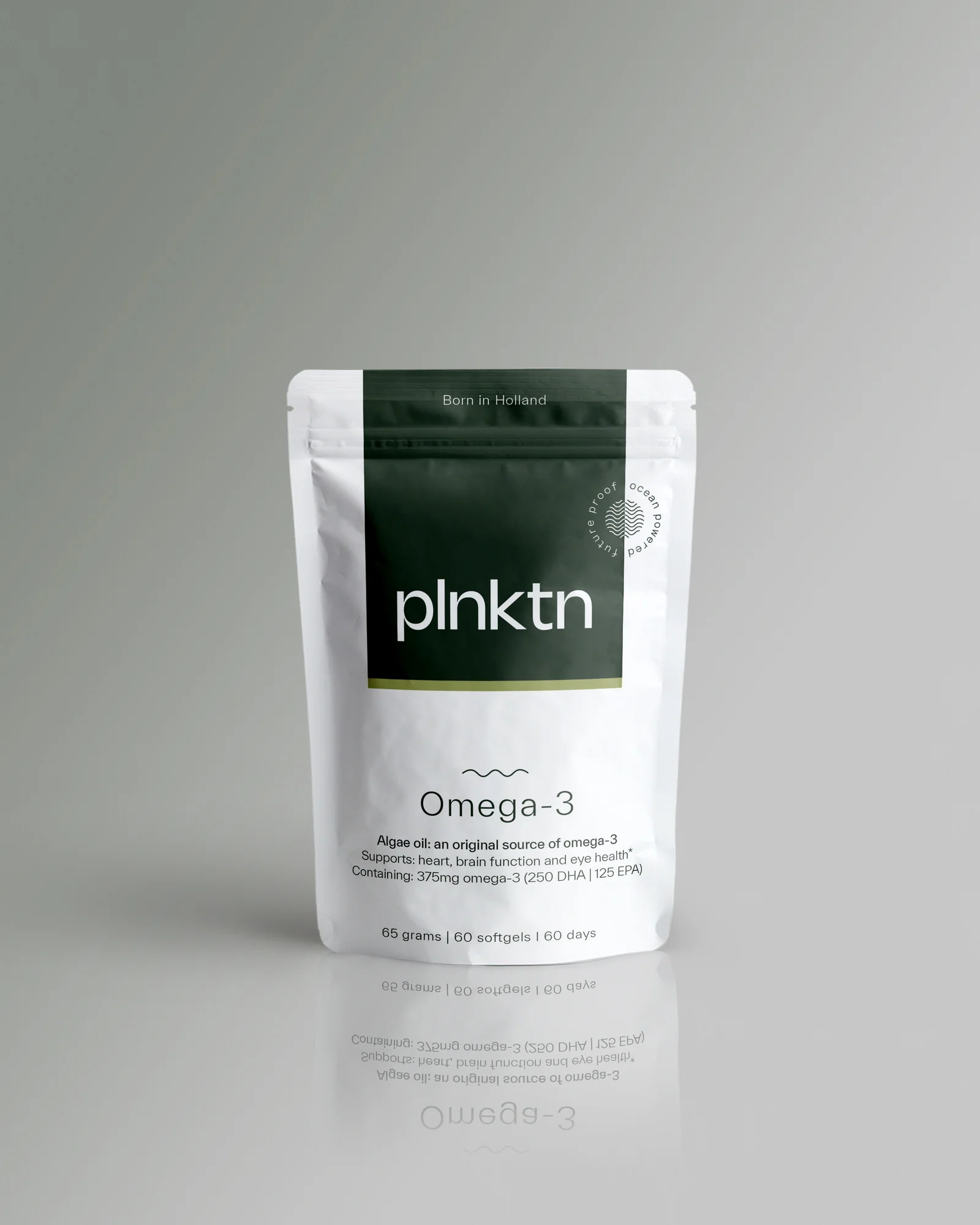

Omega-3 (algenolie)
Daily omega-3 from the original source: algae. With essential EPA and DHA for heart, brain and eyes.
- • 250 mg DHA and 125 mg EPA per capsule
- • 100% fish-free, plant-based algenolie
- • No fishy aftertaste, clean and controlled source
Disclosure: We may earn a commission if you purchase via these links.
Marine-derived nutrition extends beyond omega-3 alone. Phytoplankton — the microscopic organisms at the base of the ocean food chain — provide a unique nutritional profile rich in antioxidants, minerals, and essential fatty acids that can support overall family wellness.
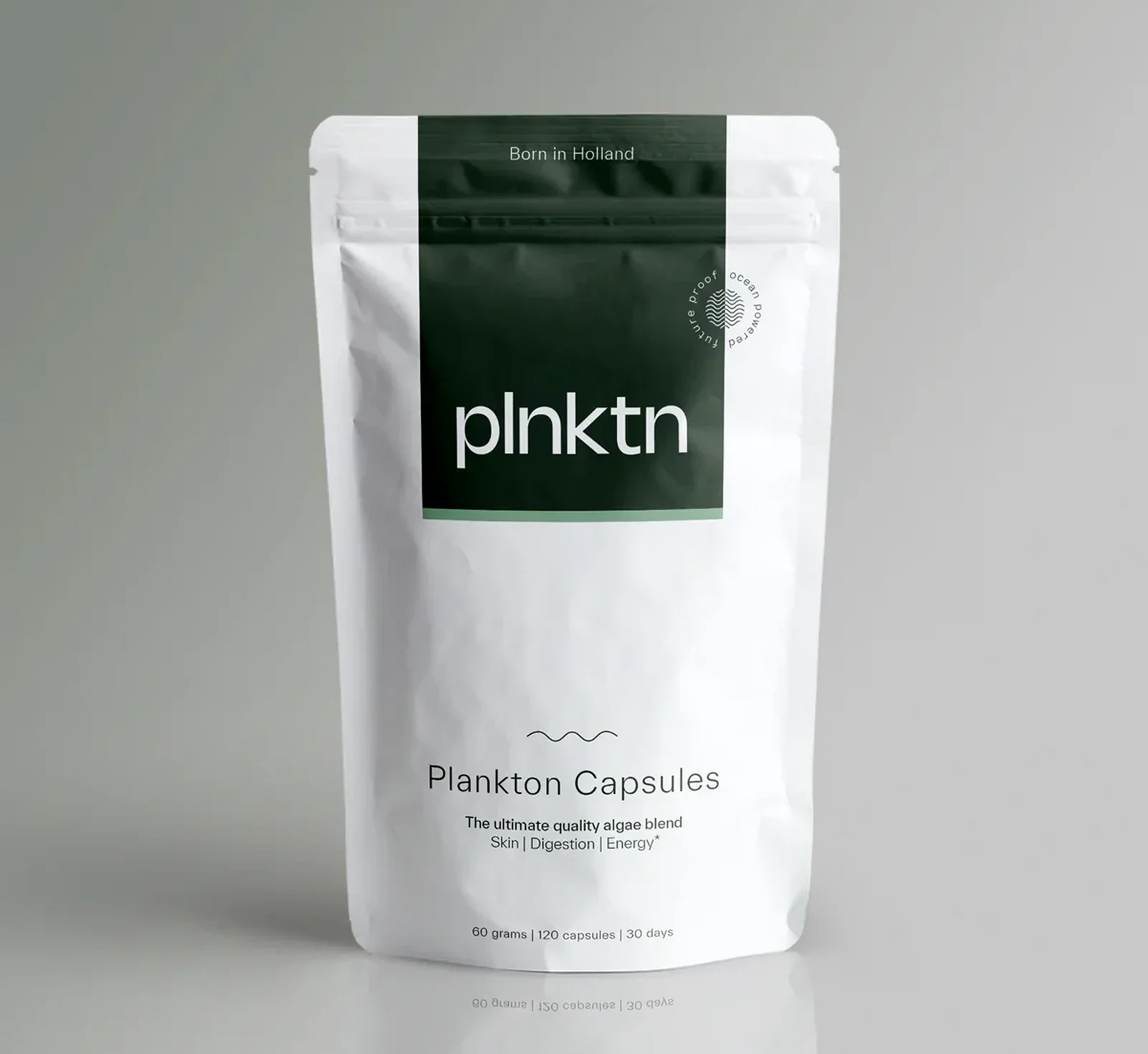
Plankton Capsules
Blend of 4 nutrient-dense micro- and macroalgae from European cultivation. Daily support for gut, skin and energy.
- • 75+ nutrients: minerals, vitamins, pigments, antioxidants and complete proteins
- • 100% natural, plant-based and responsibly grown
- • Supports digestion, energy metabolism and skin health
Disclosure: We may earn a commission if you purchase via these links.
Affiliate disclosure: Smart Supplements earns a commission on purchases made through partner links. This doesn't affect our editorial content or recommendations.
When to See a Paediatrician
While this article focuses on proactive gut-health strategies, it is essential to recognise when symptoms require professional evaluation. See your child's doctor if you notice:
- Chronic diarrhoea or constipation lasting more than two weeks
- Blood or mucus in the stool
- Unexplained weight loss or failure to thrive (falling off their growth centile)
- Persistent abdominal pain that interferes with daily activities or wakes the child at night
- Severe or recurrent vomiting
- Signs of food allergy or intolerance (hives, swelling, breathing difficulties after eating)
- Recurrent oral thrush or nappy rash that does not respond to standard treatment (may indicate microbial imbalance or immune issues)
Failure to thrive — defined as weight or height falling below the 3rd centile or crossing two centile lines downward — is a particular red flag that warrants prompt investigation.
Do not attempt to manage these symptoms with probiotics alone. They may indicate coeliac disease, inflammatory bowel disease, food protein-induced enterocolitis syndrome (FPIES), or other conditions requiring specific diagnosis and treatment.
Frequently Asked Questions
At what age can I give my child probiotics?
Specific strains such as L. reuteri DSM 17938 have been studied in infants as young as two weeks old. However, we recommend consulting a paediatrician before giving any probiotic to a child under one year of age. For children over one year, well-evidenced strains like LGG and S. boulardii CNCM I-745 have strong safety records. Always choose an age-appropriate form (drops for infants, powder for toddlers, chewables for older children).
Do probiotics help with infant colic?
The evidence is strongest for L. reuteri DSM 17938 in breastfed colicky infants. Multiple randomised controlled trials have shown a significant reduction in crying time. The evidence in formula-fed infants is less consistent. Colic typically resolves by four to five months of age regardless of treatment, so it is important to set realistic expectations.
Should I give my child probiotics during an antibiotic course?
There is reasonable evidence that LGG and S. boulardii CNCM I-745 can reduce the risk of antibiotic-associated diarrhoea in children. If you choose to use probiotics during antibiotic treatment, administer them at least two hours apart from the antibiotic dose. Continue for at least one to two weeks after the antibiotic course finishes. However, always discuss this with your prescribing doctor first.
Are probiotics safe for children with allergies?
Yes, in general. Most well-studied paediatric probiotic strains have been used safely in children with allergic conditions, and some (LGG, L. rhamnosus HN001, BB-12) have actually been studied for eczema prevention. However, check the inactive ingredients — some probiotic products contain milk derivatives, soy, or other allergens. If your child has a diagnosed allergy, choose a product that is certified free from the relevant allergen.
Can probiotics prevent eczema in my child?
Several strains — notably LGG, L. rhamnosus HN001, and BB-12 — have shown promising results for eczema prevention when given during pregnancy and continued in infancy. The effect appears strongest in children with a family history of allergic disease (i.e., one or both parents with eczema, asthma, or hay fever). However, probiotics are not a guarantee — they reduce risk rather than eliminate it.
What is the difference between probiotics and prebiotics for children?
Probiotics are live microorganisms (bacteria or yeasts) that confer a health benefit. Prebiotics are non-digestible food components (typically fibres such as inulin, FOS, and GOS) that selectively feed beneficial gut bacteria. Both are important. For most healthy children, a diet rich in prebiotic fibres (fruits, vegetables, legumes, whole grains) is more impactful than supplemental probiotics. Think of prebiotics as fertiliser for your child's existing beneficial bacteria. For a deeper exploration, see our guide to probiotics, prebiotics, and postbiotics.
Disclaimer
Important paediatric disclaimer: This article is for informational purposes only and is not intended as medical advice. Children's health needs are fundamentally different from those of adults, and the information presented here should never be used as a substitute for professional paediatric medical advice, diagnosis, or treatment. Always consult your child's paediatrician or GP before introducing any supplement — including probiotics — to your child's routine. This is particularly important for infants under one year of age, premature infants, immunocompromised children, and children with chronic health conditions. Never delay seeking professional medical advice because of something you have read on this website.
This article is for informational purposes only and is not intended as medical advice. Always consult a healthcare professional before starting any new supplement, especially if you take prescription medication.
Related Articles
Related topics
Related articles
Gut Health After Antibiotics: How to Rebuild Your Microbiome
Antibiotics save lives — but they also devastate your gut bacteria. Learn the evidence-based recovery protocol: which probiotic strains to take, when to st
The Gut Health Supplement Stack: Building Your Daily Protocol
A complete guide to building an evidence-based gut health supplement stack. Learn the five pillars of gut support — prebiotics, probiotics, anti-inflammato
Probiotics for Women: UTI, Vaginal Health & Hormonal Balance
The vaginal microbiome is a distinct ecosystem dominated by Lactobacillus species. From BV and recurrent UTIs to hormonal shifts during pregnancy and menop