
Gut Health After Antibiotics: How to Rebuild Your Microbiome
Written by Smart Supplements Editorial Team
Key takeaways
- Even a single antibiotic course can reduce gut bacterial diversity by 30–50%, with some species taking months or years to recover.
- Saccharomyces boulardii CNCM I-745 is the gold-standard probiotic during antibiotics — it is a yeast and unaffected by antibacterial drugs.
- Take probiotics at least 2 hours away from each antibiotic dose and continue supplementation for 1–2 weeks after the course finishes.
- Recovery happens in three phases: damage limitation during the course, active rebuilding in weeks 1–4, then diversity expansion over months 2–6.
- Aim for 30+ different plant foods per week — dietary fibre diversity is the most powerful driver of microbiome recovery.
- Failing to recover properly raises real risks including C. difficile infection, post-antibiotic IBS, fungal overgrowth, and reduced future antibiotic efficacy.
Table of contents
- What Antibiotics Do to Your Gut Microbiome
- The Scale of Disruption: Which Antibiotics Are Worst?
- How Long Does Recovery Actually Take?
- The Risks of Not Recovering
- Evidence-Based Recovery: Probiotics During and After Antibiotics
- Phase 1: During the Antibiotic Course
- Phase 2: The First 4 Weeks After Antibiotics
- Phase 3: Long-Term Recovery (Months 2–6)
- Diet for Microbiome Recovery
- What About Children?
- Common Mistakes in Post-Antibiotic Recovery
- Frequently Asked Questions
- Disclaimer
- Related Articles
What Antibiotics Do to Your Gut Microbiome
Antibiotics are among the most important inventions in medical history. They have saved hundreds of millions of lives and continue to be indispensable for treating bacterial infections. Nothing in this article should discourage you from taking a prescribed antibiotic course — finishing it as directed is critical for clearing the infection and reducing antibiotic resistance.
That said, antibiotics cannot distinguish between the pathogenic bacteria making you ill and the trillions of commensal (beneficial) bacteria living in your gut. This is what microbiologists call collateral damage, and it is an unavoidable consequence of how most antibiotics work.
Your gut microbiome — the complex ecosystem of bacteria, fungi, archaea, and viruses inhabiting your gastrointestinal tract — contains an estimated 38 trillion microbial cells, roughly matching the number of human cells in your body. These microbes are not passive passengers. They synthesise vitamins (B12, K2, folate), produce short-chain fatty acids like butyrate that fuel your gut lining, train your immune system, regulate neurotransmitter production, and compete with pathogens for resources and space.
When an antibiotic enters this ecosystem, three things happen in rapid succession:
- Population collapse. Total bacterial counts can drop by a factor of 10 to 1,000 within the first 48 hours, depending on the drug class and dosage.
- Diversity loss. Certain bacterial families — particularly the obligate anaerobes in the Firmicutes and Bacteroidetes phyla — are disproportionately affected. A 2019 study in Nature Microbiology found that a single course of broad-spectrum antibiotics reduced species-level diversity by an average of 33%.
- Resilience reduction. With key species eliminated, the ecosystem loses functional redundancy. Niches previously occupied by beneficial bacteria become available for opportunistic organisms — including antibiotic-resistant strains and fungi like Candida albicans.
The gut does not simply "bounce back" once the antibiotic course ends. Recovery is a gradual, multi-phase process that depends on which species survived, what you eat, your age, and whether you take proactive steps to support recolonisation.
The Scale of Disruption: Which Antibiotics Are Worst?
Not all antibiotics cause equal harm to the microbiome. The extent of disruption depends primarily on three factors: the spectrum of activity (broad vs. narrow), the route of administration (oral vs. intravenous), and the duration of the course.
Broad-Spectrum vs. Narrow-Spectrum
Broad-spectrum antibiotics target a wide range of bacterial families and cause the most significant collateral damage. Narrow-spectrum antibiotics focus on specific groups, generally sparing more of the commensal community.
| Antibiotic Class | Spectrum | Gut Impact | Common Uses |
|---|---|---|---|
| Clindamycin | Broad (anaerobes) | Very high — strongest C. difficile risk | Dental/skin infections |
| Fluoroquinolones (ciprofloxacin, levofloxacin) | Very broad | High — long-lasting diversity loss | UTIs, respiratory infections |
| Amoxicillin-clavulanate (co-amoxiclav) | Broad | High — frequent diarrhoea | Sinusitis, ear infections |
| Cephalosporins (cefuroxime, ceftriaxone) | Broad | Moderate–high | Pneumonia, surgical prophylaxis |
| Amoxicillin (alone) | Moderate | Moderate | Chest infections, H. pylori |
| Azithromycin | Moderate | Moderate — but prolonged effect | Respiratory, chlamydia |
| Metronidazole | Narrow (anaerobes) | Moderate | C. difficile, dental abscess |
| Nitrofurantoin | Narrow (urinary) | Low — minimal gut exposure | Uncomplicated UTIs |
| Penicillin V | Narrow | Low | Strep throat |
Clindamycin deserves special mention. Research published in Clinical Infectious Diseases identified it as carrying the highest risk of Clostridioides difficile infection — up to 8–10 times higher than narrow-spectrum alternatives. If your doctor prescribes clindamycin, proactive microbiome support is especially important.
Fluoroquinolones (ciprofloxacin, moxifloxacin, levofloxacin) are also notably destructive. A landmark 2018 study by Palleja et al. tracked gut microbiome composition before, during, and after a course of broad-spectrum antibiotics and found that while most species recovered within 6 months, some species had not returned even after 180 days.
How Long Does Recovery Actually Take?
This is the question most people ask first, and the honest answer is: longer than you probably think.
What the Research Shows
- 3–7 days: Early recolonisation begins. Fast-growing facultative anaerobes (Enterobacteriaceae, Enterococcus) move in first — these are often less desirable species.
- 1–3 months: Most major bacterial groups begin to return to detectable levels. Total bacterial load approaches pre-antibiotic levels.
- 3–6 months: Community composition stabilises for most people. Diversity metrics improve substantially.
- 6–12+ months: Some individuals still show reduced diversity, particularly after multiple antibiotic courses or broad-spectrum drugs.
A widely cited 2019 study in Nature Microbiology (Palleja et al.) followed healthy adults who received a cocktail of three antibiotics for four days. At the six-month mark, most gut species had recovered — but nine common species remained undetectable. The authors described this as a potential "permanent loss" of diversity from a single exposure.
Individual Variation
Recovery timelines vary enormously between individuals. Key factors include:
- Baseline diversity: People with a more diverse pre-antibiotic microbiome tend to recover faster, because more species survive to act as "seed populations."
- Age: Older adults and very young children tend to recover more slowly. The infant microbiome is still developing, while the elderly microbiome has less functional redundancy.
- Diet during and after the course: High-fibre, plant-diverse diets dramatically accelerate recovery compared to low-fibre, processed-food diets.
- Previous antibiotic exposure: Each successive course compounds the damage. People who have taken multiple courses in the preceding 12 months often show the slowest recovery.
- The specific antibiotic used: As outlined above, narrow-spectrum drugs allow faster rebound.
The takeaway: even a straightforward five-day course of amoxicillin will alter your microbiome for weeks to months. Broad-spectrum drugs or repeated courses can cause disruption lasting half a year or longer. This is not a reason to avoid antibiotics when they are medically necessary — it is a reason to take recovery seriously.
The Risks of Not Recovering
An unrecovered microbiome is not merely an academic concern. The period following antibiotic treatment carries several well-documented health risks.
Clostridioides difficile Infection
C. difficile is a spore-forming bacterium that can proliferate explosively when normal gut bacteria are suppressed. It causes severe diarrhoea, colitis, and in rare cases can be life-threatening. Antibiotic exposure is the single strongest risk factor for C. difficile infection (CDI), and the risk window extends for up to 90 days after a course finishes. In Europe, CDI affects an estimated 124,000 people annually, with a case-fatality rate of approximately 6.5%.
Post-Antibiotic Irritable Bowel Syndrome
A subset of people develop post-infectious IBS (PI-IBS) following antibiotic courses, characterised by bloating, altered bowel habits, and abdominal discomfort that persists for months. Estimates suggest 5–10% of antibiotic courses result in prolonged GI symptoms beyond the expected duration.
Small Intestinal Bacterial Overgrowth (SIBO)
When normal microbial ecology is disrupted, bacteria that normally reside in the large intestine can colonise the small intestine, leading to SIBO. Symptoms include excessive bloating, gas, and malabsorption of nutrients.
Fungal Overgrowth
Bacteria and fungi exist in a competitive balance. When antibiotics eliminate bacterial competitors, fungi — particularly Candida species — can overgrow. This can manifest as oral thrush, vaginal yeast infections, or intestinal candidiasis with symptoms overlapping IBS.
Reduced Immune Function
Approximately 70% of your immune tissue resides in the gut-associated lymphoid tissue (GALT). A depleted microbiome means fewer signals to train and calibrate immune responses, potentially increasing susceptibility to subsequent infections — creating a paradoxical cycle of infection and antibiotic use.
Increased Antibiotic Resistance
Perhaps most concerning from a public health perspective: an unrecovered microbiome harbours more antibiotic resistance genes. Studies have shown that resistance genes can persist in the gut for months after antibiotic exposure and can transfer horizontally to other bacterial species, contributing to the broader crisis of antimicrobial resistance.
Evidence-Based Recovery: Probiotics During and After Antibiotics
The evidence for probiotics after antibiotics has matured significantly over the past decade. Not all probiotics are equal — strain specificity matters enormously, and the best clinical data supports a small number of well-characterised strains.
The Gold Standard During Antibiotics: Saccharomyces boulardii CNCM I-745
Saccharomyces boulardii CNCM I-745 occupies a unique position in the probiotic world because it is a yeast, not a bacterium. This means it is inherently resistant to all antibacterial antibiotics — it will not be killed by the very drug you are taking.
The evidence base for S. boulardii is substantial:
- A Cochrane meta-analysis of 21 RCTs found that S. boulardii reduced the risk of antibiotic-associated diarrhoea (AAD) by 53% (RR 0.47, 95% CI 0.38–0.57).
- It significantly reduces the risk of C. difficile-associated diarrhoea when taken alongside antibiotics.
- It produces proteases that degrade C. difficile toxins A and B directly.
- Typical effective dose: 250–500 mg twice daily, started on the first day of the antibiotic course.
Most-Studied for AAD Prevention: Lactobacillus rhamnosus GG
Lactobacillus rhamnosus GG (LGG) is the most extensively studied probiotic strain in the world, with over 1,000 published studies. For antibiotic-associated diarrhoea specifically:
- A meta-analysis in JAMA found LGG reduced AAD incidence by approximately 50% in both adults and children.
- LGG adheres strongly to the intestinal mucosa, helping to maintain barrier integrity during antibiotic disruption.
- Unlike S. boulardii, LGG can be affected by certain antibiotics. Timing separation is therefore critical.
- Typical effective dose: 10–20 billion CFU daily.
Triple-Strain for C. difficile Prevention: L. acidophilus CL1285 + L. casei LBC80R + L. rhamnosus CLR2
This specific three-strain combination (marketed as Bio-K+) has been studied in hospital settings for prevention of C. difficile infection:
- A large RCT of 437 hospitalised patients showed a 73.6% reduction in AAD and a significant reduction in C. difficile colonisation.
- It is one of the few probiotic formulations specifically endorsed by some hospital infection-control protocols.
- Typical effective dose: 50 billion CFU daily.
Critical Timing Guidance
When taking probiotics alongside antibiotics, timing is everything:
- Take your probiotic dose at least 2 hours before or after your antibiotic dose. This gives the probiotic time to reach the gut before encountering the highest antibiotic concentrations.
- S. boulardii is the exception — it can be taken at the same time as the antibiotic, since it is unaffected by antibacterial drugs. However, spacing is still good practice for consistency.
- Continue probiotic supplementation for at least 1–2 weeks after finishing the antibiotic course. The gut remains vulnerable during this window, and continued probiotic support helps prevent opportunistic colonisation.
Phase 1: During the Antibiotic Course
The antibiotic course itself is not the time for aggressive microbiome rebuilding — that comes later. Phase 1 is about damage limitation.
What to Do
-
Start S. boulardii CNCM I-745 on Day 1 of the antibiotic course. Take 250–500 mg twice daily. This is the single most evidence-based action you can take.
-
Add L. rhamnosus GG if desired, taken 2+ hours away from each antibiotic dose. Together with S. boulardii, this provides both yeast-based and bacterial probiotic support.
-
Eat easily digestible, gut-friendly foods. Now is not the time for a radical dietary overhaul. Focus on:
- Bone broth or vegetable broth (supports gut lining)
- Cooked vegetables (easier to digest than raw)
- White rice or well-cooked oats
- Bananas (contain prebiotic fructooligosaccharides)
- Small amounts of natural yoghurt (if tolerated)
-
Stay well-hydrated. Antibiotic-associated diarrhoea causes fluid and electrolyte loss. Aim for 2+ litres of water daily, and consider an oral rehydration solution if diarrhoea occurs.
-
Avoid alcohol entirely. Many antibiotics interact with alcohol (metronidazole is particularly dangerous), and alcohol independently damages the gut lining and disrupts microbial balance.
-
Avoid unnecessary dietary fibre supplementation during the course. While fibre is crucial for recovery (Phase 2), large amounts during active antibiotic treatment can worsen bloating and discomfort as the microbiome is in flux.
What to Avoid
- Do not stop your antibiotic course early because of gut symptoms. Incomplete courses drive antibiotic resistance and may fail to clear the infection.
- Do not take antidiarrhoeal medications (loperamide) unless advised by your doctor — diarrhoea during antibiotics can serve a protective flushing function.
- Do not panic about temporary symptoms. Loose stools, mild bloating, and changes in stool colour are expected and usually resolve.
Phase 2: The First 4 Weeks After Antibiotics
This is the critical rebuilding window. The antibiotic is clearing from your system, surviving bacteria are beginning to repopulate, and the ecological niches left by eliminated species are up for grabs. What you do in these four weeks has an outsized impact on your long-term recovery.
Continue Probiotic Support
Maintain your probiotic regimen for at least 1–2 weeks after the antibiotic course finishes. Then consider transitioning to a broader-spectrum probiotic containing multiple strains, including:
- Bifidobacterium lactis BB-12 or HN019
- Lactobacillus plantarum 299v
- Bifidobacterium longum BB536
- Lactobacillus rhamnosus GG
A multi-strain formula with 10–25 billion CFU daily is appropriate for most adults during this phase.
Reintroduce Prebiotics Gradually
Prebiotics — the non-digestible fibres that feed beneficial bacteria — are now your most powerful tool. But reintroduce them gradually. A depleted microbiome cannot ferment large quantities of fibre efficiently, and jumping straight into high-dose supplementation can cause significant bloating and gas.
Start with gentle prebiotic sources:
- Partially hydrolysed guar gum (PHGG): 5g daily, well-tolerated even by IBS patients
- Cooked and cooled potatoes or rice (resistant starch)
- Bananas (especially slightly green — higher resistant starch)
- Oats (beta-glucan)
- Leeks, onions, garlic (fructooligosaccharides — start with cooked, small amounts)
Over weeks 2–4, gradually increase fibre intake and diversity. A comprehensive greens supplement can provide a broad spectrum of prebiotic fibres alongside digestive enzyme support to ease the transition.
MADMONQ GREENS
Superfood powder with 77 nutrients — fruits, vegetables, vitamins, minerals, DigeZyme® digestive enzymes, and prebiotics. Each sachet delivers the equivalent of 1 serving of real vegetables and fruits using organic EU-grown ingredients. Includes Vitaberry® and Vitaveggie® proprietary blends, Spirulina, Kale, Broccoli, and Acai Berry.
- • 77 nutrients in one daily sachet
- • DigeZyme® enzymes for digestive support
- • Organic, EU-grown ingredients
Disclosure: We may earn a commission if you purchase via these links.
Introduce Fermented Foods
The 2021 Stanford study by Sonnenburg et al. in Cell found that a high-fermented-food diet increased microbial diversity more effectively than a high-fibre diet alone over a 10-week period. Fermented foods introduce live cultures directly and provide a diversity of strains beyond what any single probiotic capsule can offer.
Aim for 2–3 servings daily from:
- Natural yoghurt (with live cultures — check the label)
- Kefir (contains 30+ microbial strains, far more than yoghurt)
- Sauerkraut (unpasteurised, from the chilled section)
- Kimchi (unpasteurised)
- Kombucha (choose low-sugar varieties)
- Miso (add to warm, not boiling, dishes to preserve cultures)
Replenish Depleted Nutrients
Antibiotic courses frequently deplete several micronutrients, either through malabsorption caused by gut disruption or through direct interference with microbial synthesis pathways:
- B vitamins — gut bacteria synthesise significant quantities of B1, B2, B6, B12, and folate. Post-antibiotic depletion can cause fatigue and brain fog.
- Vitamin K2 — produced by gut bacteria, essential for calcium metabolism and cardiovascular health.
- Magnesium — often depleted by diarrhoea and reduced absorption.
- Zinc — critical for gut barrier integrity and immune function.
A nutrient-dense whole-food supplement can help bridge these gaps while your microbiome recovers its synthetic capacity.
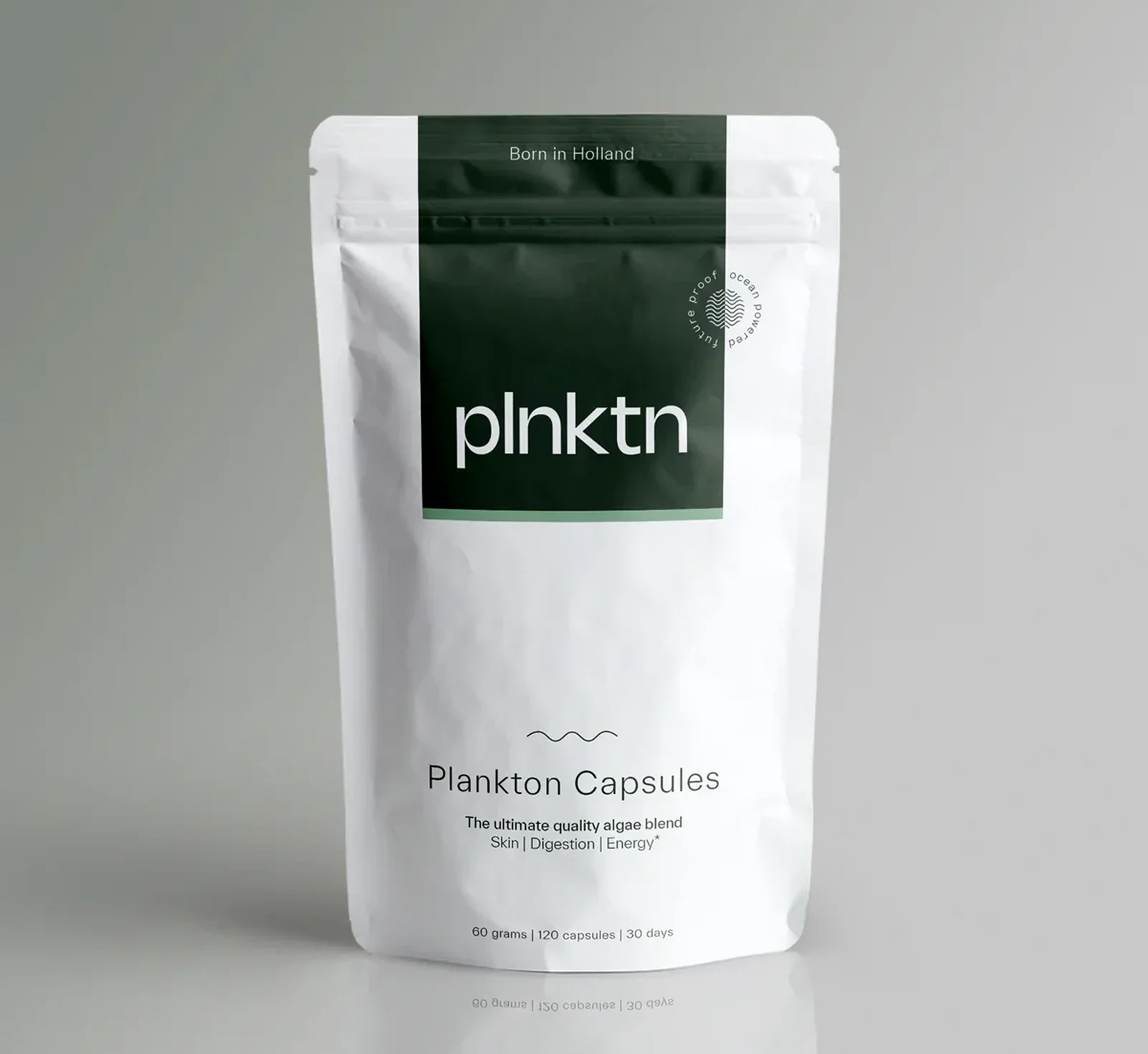

Plankton Capsules
Blend of 4 nutrient-dense micro- and macroalgae from European cultivation. Daily support for gut, skin and energy.
- • 75+ nutrients: minerals, vitamins, pigments, antioxidants and complete proteins
- • 100% natural, plant-based and responsibly grown
- • Supports digestion, energy metabolism and skin health
Disclosure: We may earn a commission if you purchase via these links.
Phase 3: Long-Term Recovery (Months 2–6)
By month two, the acute disruption is behind you. Phase 3 is about deepening diversity and supporting the return of slower-growing specialist species that form the backbone of a resilient microbiome.
Expand Dietary Diversity
The American Gut Project — the largest citizen-science microbiome study ever conducted — found that the single strongest predictor of microbial diversity was the number of different plant species consumed per week. People eating 30+ different plants weekly had significantly more diverse microbiomes than those eating 10 or fewer.
"Plants" in this context includes vegetables, fruits, whole grains, legumes, nuts, seeds, herbs, and spices. Variety matters more than volume.
Support Gut Lining Repair
The gut epithelial lining turns over every 3–5 days and requires significant cellular resources. Antibiotic disruption can impair this renewal process, leading to increased intestinal permeability (sometimes called "leaky gut," though the scientific community prefers the term increased permeability).
Nutrients and compounds that support epithelial renewal include:
- L-glutamine — the primary fuel source for enterocytes (gut lining cells). Doses of 5–10g daily have been used in clinical studies.
- Zinc carnosine — shown in multiple RCTs to support gut barrier integrity.
- Spermidine — a polyamine that promotes autophagy, the cellular recycling process that clears damaged components and supports the renewal of gut epithelial cells. Spermidine levels decline with age, and post-antibiotic recovery is an ideal time to support this pathway.
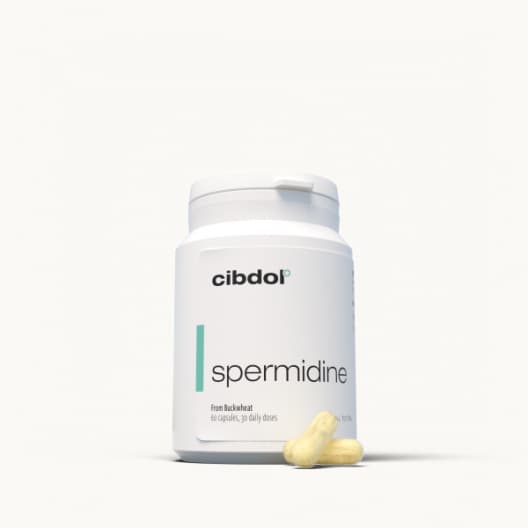

Spermidine
Spermidine supplement to support autophagy, cellular renewal, and healthy aging.
- • Promotes autophagy
- • Supports cellular renewal
- • Wheat germ extract source
Disclosure: We may earn a commission if you purchase via these links.
Address Lingering Inflammation
If you are experiencing persistent gut symptoms beyond the expected recovery window — ongoing bloating, discomfort, food sensitivities that were not present before the antibiotic course — low-grade intestinal inflammation may be a factor.
Cannabigerol (CBG) has emerged as a compound of interest for gut inflammation. Unlike CBD, CBG interacts directly with CB1 and CB2 receptors in the enteric nervous system. Preclinical studies have shown anti-inflammatory effects in models of colitis, and it may help modulate the gut immune response during recovery.
5% CBG & 2.5% CBD Oil
Cibdol's CBG & CBD combination oil — 5% CBG (cannabigerol) paired with 2.5% CBD in a full-spectrum formula. CBG is the precursor cannabinoid known as the "mother of cannabinoids", with emerging research pointing to anti-inflammatory, neuroprotective and gut-supportive properties. Swiss-produced, third-party tested.
- • 5% CBG + 2.5% CBD — dual-cannabinoid formula
- • CBG: anti-inflammatory and neuroprotective properties
- • Full-spectrum Swiss-produced oil
Disclosure: We may earn a commission if you purchase via these links.
When to Consider Microbiome Testing
Gut microbiome testing (16S rRNA or shotgun metagenomic sequencing) has become widely available and can provide useful snapshots of your microbial composition. Consider testing if:
- Symptoms persist beyond 3 months after the antibiotic course
- You have taken multiple antibiotic courses in the past year
- You suspect SIBO, fungal overgrowth, or C. difficile colonisation
- You want a baseline to track recovery progress
However, interpret results with caution. The science of microbiome testing is still maturing, reference ranges are not standardised, and results vary significantly between testing companies. A test is most useful when compared against your own previous results, not population averages.
Diet for Microbiome Recovery
Diet is the most powerful lever you have for microbiome recovery — more impactful than any supplement. Here is a structured approach.
Foods to Prioritise
High-fibre, diverse plant foods (aim for 30+ types per week):
| Category | Examples |
|---|---|
| Vegetables | Broccoli, cauliflower, sweet potato, beetroot, spinach, kale, carrots, courgettes, peppers, artichokes |
| Fruits | Berries (blueberries, raspberries), apples, pears, kiwi, pomegranate |
| Whole grains | Oats, barley, quinoa, buckwheat, brown rice, rye bread |
| Legumes | Lentils, chickpeas, black beans, kidney beans, butter beans |
| Nuts & seeds | Almonds, walnuts, flaxseeds, chia seeds, pumpkin seeds |
| Herbs & spices | Turmeric, ginger, oregano, rosemary, cinnamon, garlic |
Polyphenol-rich foods — these plant compounds act as selective prebiotics, favouring beneficial species:
- Dark chocolate (70%+ cocoa)
- Green tea
- Extra virgin olive oil
- Berries (especially blueberries and blackcurrants)
- Red cabbage
- Coffee (in moderation)
Fermented foods — as detailed in Phase 2 above.
Foods to Minimise or Avoid
During active recovery (especially the first 4–8 weeks), certain foods can hinder microbial rebuilding:
- Added sugars and refined carbohydrates — feed opportunistic bacteria and Candida species preferentially over beneficial commensals.
- Alcohol — directly damages the gut lining, increases intestinal permeability, and disrupts microbial balance. Avoid completely for the first 2 weeks; minimise for the first 2 months.
- Ultra-processed foods — emulsifiers (polysorbate 80, carboxymethylcellulose) used in processed foods have been shown to erode the protective mucus layer and promote inflammation in animal studies.
- Artificial sweeteners — saccharin, sucralose, and aspartame have been shown to alter gut microbial composition unfavourably. Stevia appears to be better tolerated.
- Excessive red meat — promotes growth of TMAO-producing bacteria. Moderate intake is fine; daily large portions are not ideal during recovery.
What About Children?
Antibiotic-associated diarrhoea is more common in children than adults, affecting up to 30% of paediatric antibiotic courses compared to roughly 5–35% in adults (depending on the antibiotic).
Children's microbiomes are still developing and are therefore both more vulnerable to disruption and — encouragingly — more resilient in their capacity to recover, provided the right support is given.
Age-Appropriate Guidance
- Infants under 6 months: Discuss probiotic supplementation with your paediatrician. Breastfeeding is the most powerful support for infant microbiome recovery, as breast milk contains hundreds of human milk oligosaccharides (HMOs) that selectively feed Bifidobacterium species.
- Children 6 months – 5 years: L. rhamnosus GG and S. boulardii CNCM I-745 both have strong safety and efficacy data in this age group. Use paediatric-appropriate doses (typically 5–10 billion CFU for LGG; 250 mg for S. boulardii).
- Children 5–12 years: Can follow a similar protocol to adults with age-adjusted probiotic doses. Focus on dietary diversity — introducing a wide variety of fruits, vegetables, and whole grains.
- Adolescents (12+): Can generally follow adult protocols.
Important Note
Always consult your child's paediatrician before starting probiotic supplementation, particularly for immunocompromised children, premature infants, or children with central venous catheters. While probiotics have an excellent safety record in healthy children, case reports of fungaemia (Saccharomyces) and bacteraemia (Lactobacillus) exist in severely immunocompromised paediatric patients.
Common Mistakes in Post-Antibiotic Recovery
Even well-intentioned recovery efforts can go wrong. Here are the most frequent mistakes:
1. Waiting Too Long to Start
Many people only think about gut health after the antibiotic course is finished. But the most effective interventions — particularly S. boulardii — should begin on the first day of the antibiotic course, not after it ends.
2. Taking the Wrong Strain
Not all probiotics are interchangeable. A strain that is excellent for general gut maintenance may have no evidence for antibiotic-associated diarrhoea prevention. Look specifically for S. boulardii CNCM I-745, L. rhamnosus GG, or the Bio-K+ triple-strain combination.
3. Not Separating Probiotic and Antibiotic Doses
Taking a bacterial probiotic at the same time as your antibiotic significantly reduces its effectiveness. Maintain at least a 2-hour gap — ideally taking your probiotic with a meal at the opposite end of the day from your antibiotic dose.
4. Insufficient Dietary Diversity
Relying solely on probiotic capsules while eating a narrow, processed diet is like planting seeds in concrete. The bacteria you introduce need the right substrates — diverse prebiotic fibres — to colonise and thrive. No supplement can compensate for a poor diet.
5. Mega-Dosing Probiotics
More is not always better. Extremely high CFU counts (100+ billion) can actually cause more bloating and discomfort, particularly in a depleted gut. Start moderate (10–25 billion CFU) and increase only if well-tolerated.
6. Ignoring Persistent Symptoms
If you are still experiencing significant GI symptoms — diarrhoea, severe bloating, abdominal pain — more than 2–3 weeks after finishing antibiotics, consult your doctor. Persistent symptoms could indicate C. difficile infection, SIBO, or another condition requiring specific treatment, not just general probiotic support.
7. Taking Multiple Antibiotic Courses Without Recovery Time
If you require repeated antibiotic courses in quick succession, speak with your doctor about whether narrow-spectrum alternatives are available and implement recovery protocols between each course. Cumulative microbiome damage is significantly harder to reverse.
Frequently Asked Questions
Should I take probiotics with every antibiotic course?
The evidence supports routine probiotic use alongside antibiotic courses, particularly with broad-spectrum drugs. The World Gastroenterology Organisation recommends S. boulardii CNCM I-745 and L. rhamnosus GG for AAD prevention. Given the excellent safety profile and modest cost, the risk-benefit ratio strongly favours supplementation.
Can probiotics make antibiotics less effective?
No. Probiotics do not interfere with the antibiotic's ability to kill the target pathogen. The antibiotic is absorbed into your bloodstream and reaches the infection site through systemic circulation. Probiotics work locally in the gut. The two operate in complementary, not competing, systems.
How do I know if my gut has recovered?
Subjective signs of recovery include regular bowel movements, absence of bloating or excess gas, stable energy levels, and no new food intolerances. Objectively, microbiome testing can provide a snapshot of diversity metrics, though this is not necessary for most people. If you feel well and are eating a diverse diet, your microbiome is likely recovering normally.
Is it possible to completely restore my microbiome after antibiotics?
For most people after a single course, yes — the microbiome can recover to near-baseline levels within 3–6 months with dietary support. However, some studies suggest that certain low-abundance specialist species may not return after elimination. The clinical significance of these losses is not yet fully understood. Repeated antibiotic exposure makes full recovery progressively harder.
Are fermented foods better than probiotic supplements?
They serve complementary roles. Probiotic supplements deliver specific, well-studied strains in precise doses — important during the acute recovery period. Fermented foods provide a broader diversity of live cultures and additional nutritional benefits (vitamins, bioactive peptides, organic acids). For optimal recovery, use both: targeted supplements in the first few weeks, then fermented foods as a long-term dietary staple.
What if I experience worse symptoms after starting probiotics?
Mild bloating or gas in the first 2–3 days of probiotic use is common and usually resolves as the gut adjusts. If symptoms are severe or persistent, reduce the dose by half and gradually increase. In rare cases, certain individuals may not tolerate specific strains. If probiotics consistently worsen your symptoms, discontinue and consult a gastroenterologist — there may be an underlying condition (such as SIBO) that needs addressing first.
Disclaimer
This article is for informational purposes only and does not constitute medical advice. Always consult a qualified healthcare professional before starting any supplement regimen, particularly if you are pregnant, breastfeeding, immunocompromised, or taking other medications. Never discontinue a prescribed antibiotic course without consulting your doctor. The information presented here reflects the available scientific evidence as of the date of publication and may be updated as new research emerges.
Related Articles
Related topics
Related articles
Gut Health for Kids: Safe Probiotics & Building a Healthy Microbiome Early
Your child's microbiome is largely established by age three — and what happens in those first 1,000 days shapes lifelong health. Here is everything parents
The Gut Health Supplement Stack: Building Your Daily Protocol
A complete guide to building an evidence-based gut health supplement stack. Learn the five pillars of gut support — prebiotics, probiotics, anti-inflammato
Probiotics for Women: UTI, Vaginal Health & Hormonal Balance
The vaginal microbiome is a distinct ecosystem dominated by Lactobacillus species. From BV and recurrent UTIs to hormonal shifts during pregnancy and menop