
The Gut Health Supplement Stack: Building Your Daily Protocol
Written by Smart Supplements Editorial Team
Key takeaways
- A gut health supplement stack works better than any single supplement because gut health is multifactorial — involving barrier integrity, microbiome diversity, inflammation control, motility, cellular renewal, and stress management.
- The minimum effective stack consists of three pillars: a prebiotic, a probiotic, and an omega-3 source — covering roughly 80% of foundational gut support for under €50 per month.
- Timing matters: prebiotics work best with meals, probiotics on an empty stomach, and anti-inflammatory supplements like omega-3 alongside dietary fats for absorption.
- Introduce supplements one at a time over several weeks to identify what works for your body and avoid overwhelming your digestive system.
- Budget stacks starting at €30–50/month can deliver meaningful results — you do not need the premium tier to see improvements in digestion, energy, and regularity.
- Certain combinations should be avoided: do not double up on high-dose zinc from multiple sources, and be cautious stacking multiple high-fibre prebiotics simultaneously if you are new to supplementation.
Table of contents
- Why Stack? The Case for a Multi-Angle Approach
- The Five Pillars of a Gut Health Stack
- The Essential Stack: 3 Supplements Everyone Should Consider
- The Optimised Stack: Adding Targeted Support
- The Premium Stack: Full Protocol
- Daily Timing Guide
- Budget Tiers
- Stack by Goal
- What NOT to Stack: Interactions, Redundancies, and Risks
- How to Build Your Stack Gradually
- Frequently Asked Questions
- Disclaimer
- Related Articles
Why Stack? The Case for a Multi-Angle Approach
If you have ever tried a single probiotic supplement and felt underwhelmed by the results, you are not alone. The reason is straightforward: gut health is not a single problem with a single solution. It is a complex, interconnected system influenced by at least six distinct factors.
Your gut must simultaneously maintain barrier integrity (keeping the intestinal lining sealed and functioning), support microbiome diversity (harbouring hundreds of bacterial species in the right proportions), manage inflammation (controlling immune responses that can damage tissue), regulate motility (moving food through the digestive tract at the right pace), perform cellular renewal (replacing the gut lining every three to five days), and handle the stress-gut axis (managing how cortisol and nervous system activity affect digestion).
A single supplement — no matter how well-formulated — can only address one or two of these factors. A thoughtfully constructed supplement stack, by contrast, targets multiple pathways simultaneously. This is why researchers increasingly study combination interventions rather than isolated nutrients.
The good news? You do not need dozens of pills. A well-designed gut health stack can be as simple as three core supplements, expanded gradually based on your specific needs and budget. This guide walks you through exactly how to build yours.
The Five Pillars of a Gut Health Stack
Think of your gut health stack as a building. Each pillar supports the structure, and while you can start with just the foundation, adding more pillars creates a stronger, more resilient system.
Pillar 1: Prebiotic Foundation
Prebiotics are the non-digestible fibres and compounds that feed your beneficial gut bacteria. Without them, even the best probiotic supplement is like planting seeds in barren soil — the bacteria arrive but have nothing to sustain them.
The key to effective prebiotic supplementation is fibre diversity. Different bacterial species thrive on different types of fibre. Inulin feeds Bifidobacteria, resistant starch supports Firmicutes involved in butyrate production, and fructo-oligosaccharides (FOS) promote a broad spectrum of beneficial species.
Rather than supplementing individual fibres, a greens powder or superfood blend that includes multiple prebiotic sources offers the broadest coverage. Look for products that combine plant-based fibres with digestive enzymes to minimise the bloating that can accompany increased fibre intake.
What to look for:
- Multiple fibre sources (not just inulin alone)
- Digestive enzyme support (like DigeZyme®) to reduce gas and bloating
- A broad nutrient profile that doubles as nutritional insurance
MADMONQ GREENS
Superfood powder with 77 nutrients — fruits, vegetables, vitamins, minerals, DigeZyme® digestive enzymes, and prebiotics. Each sachet delivers the equivalent of 1 serving of real vegetables and fruits using organic EU-grown ingredients. Includes Vitaberry® and Vitaveggie® proprietary blends, Spirulina, Kale, Broccoli, and Acai Berry.
- • 77 nutrients in one daily sachet
- • DigeZyme® enzymes for digestive support
- • Organic, EU-grown ingredients
Disclosure: We may earn a commission if you purchase via these links.
Spirulina and other blue-green algae also serve as excellent prebiotic substrates. Their unique polysaccharides and phycocyanin compounds feed bacterial species that other fibre sources miss, adding another dimension of microbiome diversity.
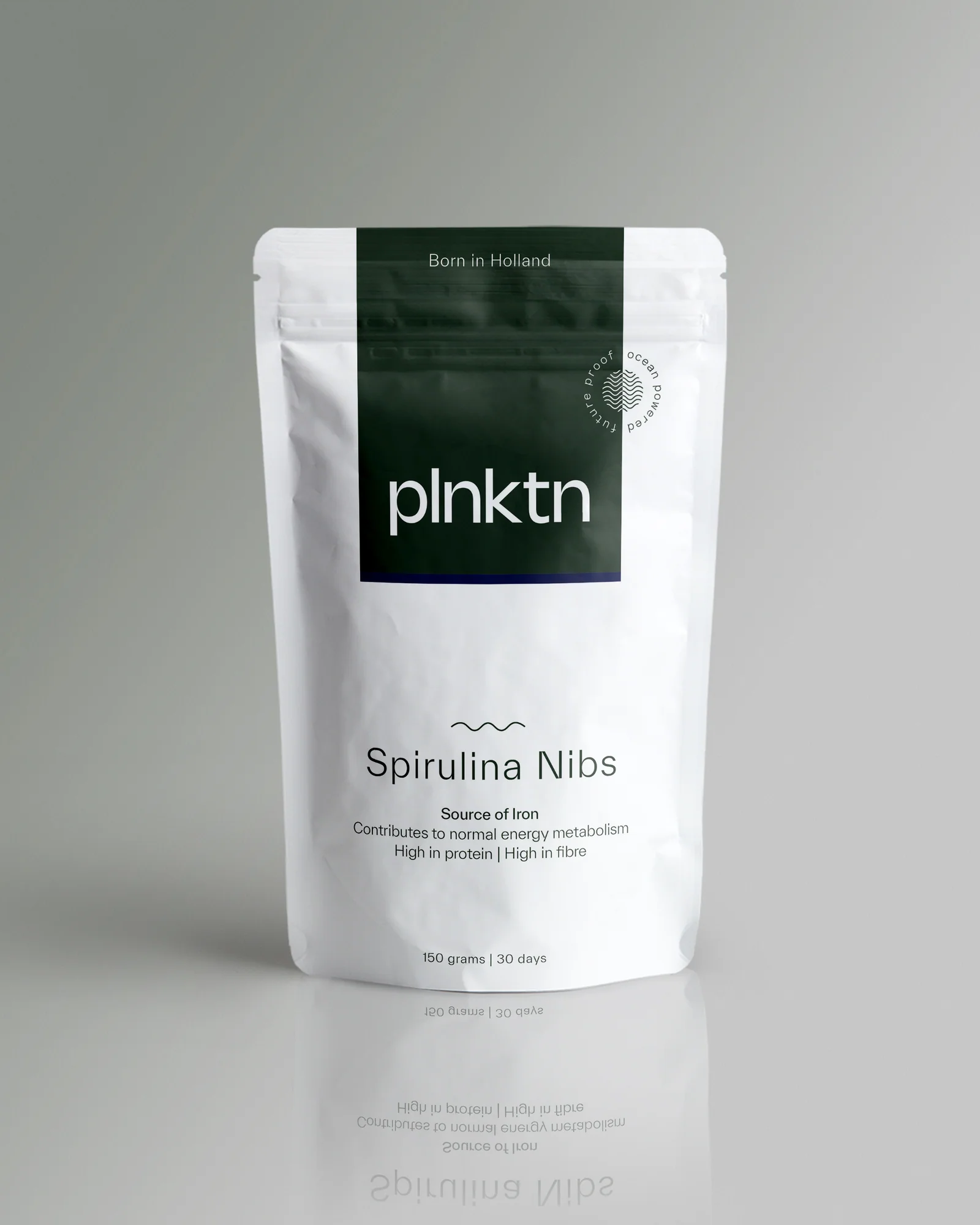

Spirulina Nibs
Crunchy spirulina nibs as an extra natural protein source from algae.
- • High in plant-based protein from spirulina
- • Easy to sprinkle over yoghurt, smoothies or bowls
- • Natural way to add algae to daily meals
Disclosure: We may earn a commission if you purchase via these links.
Pillar 2: Probiotic Support
Probiotics are live micro-organisms that confer a health benefit when consumed in adequate amounts. While this guide focuses on the supplemental stack, it is worth noting that fermented foods — yoghurt, kefir, sauerkraut, kimchi — remain the gold standard for daily probiotic intake.
When choosing a probiotic supplement, the strain matters far more than the colony count. Key considerations include:
| Factor | What to Look For |
|---|---|
| Strain specificity | Named strains (e.g., Lactobacillus rhamnosus GG, Bifidobacterium lactis BB-12) with clinical evidence |
| CFU count | 10–50 billion CFU for general maintenance; higher for specific therapeutic goals |
| Survivability | Acid-resistant capsules or spore-forming strains that survive stomach acid |
| Multi-strain vs single | Multi-strain for general health; single targeted strains for specific conditions |
| Storage | Shelf-stable formulations are more practical than those requiring refrigeration |
Strain-specific goals:
- General digestive comfort: L. rhamnosus GG, B. lactis BB-12
- Post-antibiotic recovery: Saccharomyces boulardii (a beneficial yeast resistant to antibiotics)
- IBS symptom management: B. infantis 35624, L. plantarum 299v
- Immune support: L. rhamnosus GG, L. casei Shirota
- Gut-brain axis: L. helveticus R0052 + B. longum R0175 (the "psychobiotic" combination)
Since probiotics are highly individual, we recommend starting with a well-researched multi-strain formula and adjusting based on your response over four to six weeks.
Pillar 3: Anti-Inflammatory Support
Chronic, low-grade inflammation in the gut — sometimes called "silent inflammation" — undermines every other aspect of gut health. It damages the intestinal barrier, disrupts microbial balance, and impairs nutrient absorption. Addressing inflammation is therefore not optional; it is foundational.
Three categories of anti-inflammatory support are particularly relevant for the gut:
Omega-3 fatty acids (EPA and DHA) are the most well-evidenced anti-inflammatory nutrients. They reduce pro-inflammatory cytokines, support the resolution of inflammation (an active process, not simply the absence of inflammation), and help maintain the fluidity of intestinal cell membranes. Plant-based algae-derived omega-3 offers a sustainable, contaminant-free alternative to fish oil.
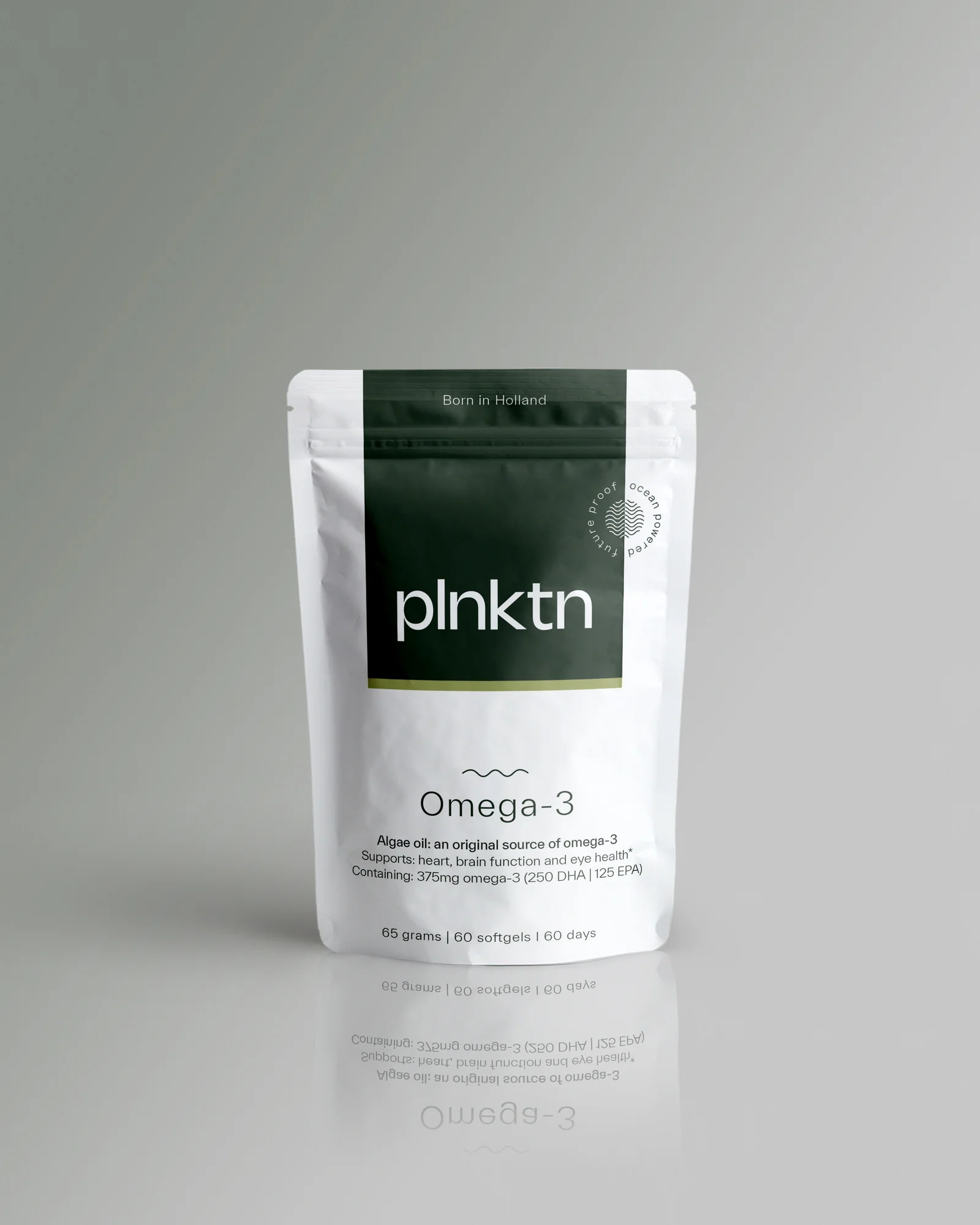
Omega-3 (algenolie)
Daily omega-3 from the original source: algae. With essential EPA and DHA for heart, brain and eyes.
- • 250 mg DHA and 125 mg EPA per capsule
- • 100% fish-free, plant-based algenolie
- • No fishy aftertaste, clean and controlled source
Disclosure: We may earn a commission if you purchase via these links.
Cannabigerol (CBG) is an emerging anti-inflammatory compound with particular affinity for the gut. Unlike CBD, CBG interacts directly with CB1 and CB2 receptors in the enteric nervous system — the "second brain" that governs gut motility and secretion. Early research suggests CBG may help regulate intestinal inflammation and support healthy gut transit times.

5% CBG & 2.5% CBD Oil
Cibdol's CBG & CBD combination oil — 5% CBG (cannabigerol) paired with 2.5% CBD in a full-spectrum formula. CBG is the precursor cannabinoid known as the "mother of cannabinoids", with emerging research pointing to anti-inflammatory, neuroprotective and gut-supportive properties. Swiss-produced, third-party tested.
- • 5% CBG + 2.5% CBD — dual-cannabinoid formula
- • CBG: anti-inflammatory and neuroprotective properties
- • Full-spectrum Swiss-produced oil
Disclosure: We may earn a commission if you purchase via these links.
Antioxidant compounds such as astaxanthin protect the gut lining from oxidative stress. Astaxanthin is one of nature's most potent antioxidants — roughly 6,000 times more powerful than vitamin C in certain assays — and accumulates in tissues where oxidative damage is most prevalent, including the gastrointestinal tract.
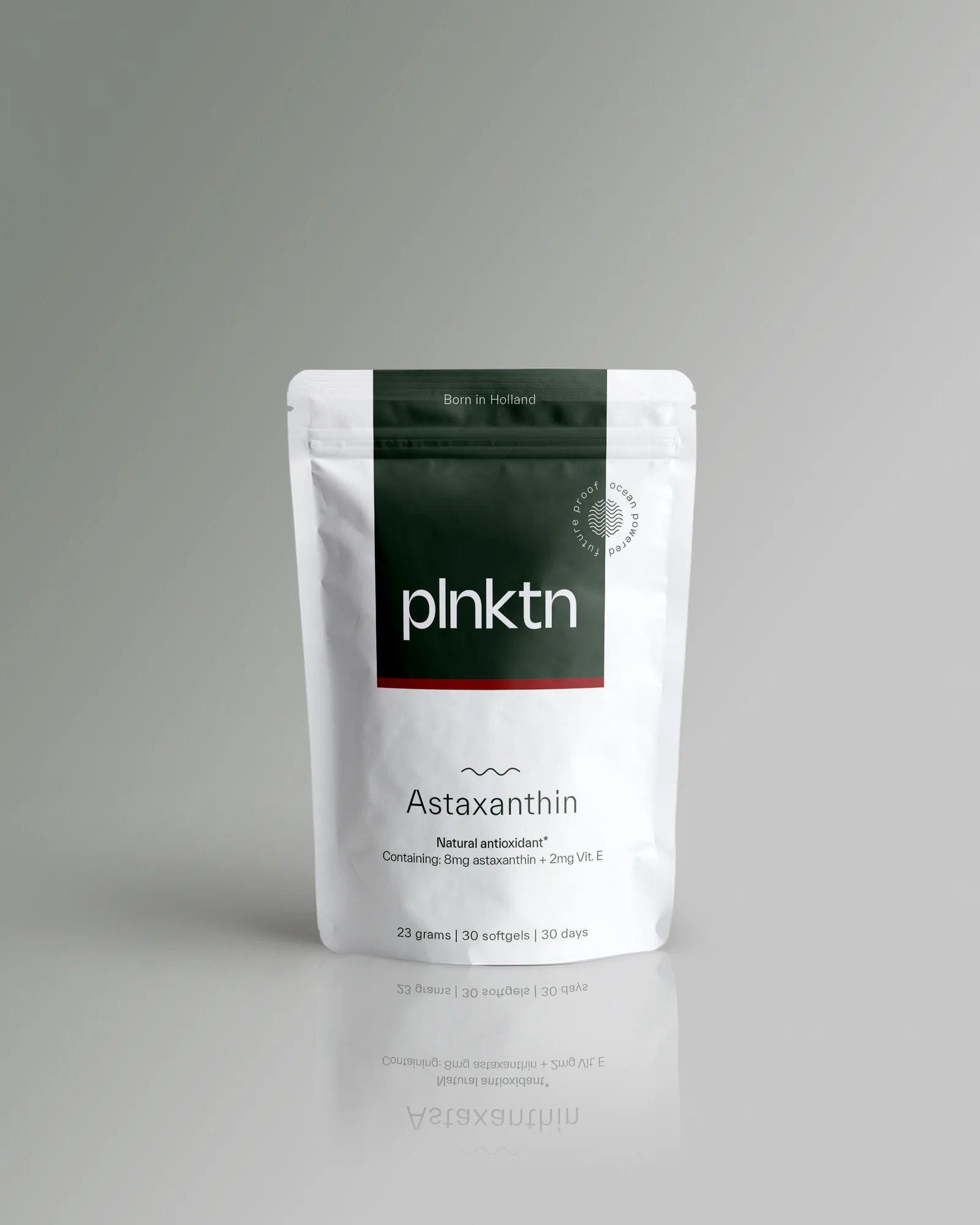
Astaxanthine
Powerful antioxidant from algae for protection from within, supporting skin and cells.
- • Natural astaxanthin from algae
- • Supports protection of cells against oxidative stress
- • Complements omega-3 and plankton in your routine
Disclosure: We may earn a commission if you purchase via these links.
Pillar 4: Gut Barrier and Cellular Renewal
Your intestinal lining replaces itself every three to five days — one of the fastest turnover rates of any tissue in the body. This remarkable renewal process requires specific nutrients and cellular mechanisms to function properly.
Key nutrients for barrier integrity:
| Nutrient | Role | Typical Dose |
|---|---|---|
| L-Glutamine | Primary fuel source for enterocytes (intestinal cells); supports tight junction integrity | 2–5 g/day |
| Zinc carnosine | Stabilises the gut lining; supports mucus production; shown to reduce intestinal permeability | 75–150 mg/day |
| Butyrate (or butyrate-producing fibres) | Short-chain fatty acid that fuels colonocytes; regulates inflammation; strengthens barrier function | 300–600 mg/day (or via resistant starch) |
| Spermidine | Induces autophagy — the cellular "clean-up" process that removes damaged proteins and organelles | 1–6 mg/day |
Spermidine deserves particular attention. This naturally occurring polyamine triggers autophagy, the mechanism by which cells recycle damaged components and renew themselves. In the gut, where cellular turnover is constant, autophagy is essential for maintaining a healthy, well-functioning lining. Spermidine levels decline with age, making supplementation increasingly relevant.
Spermidine
Spermidine supplement to support autophagy, cellular renewal, and healthy aging.
- • Promotes autophagy
- • Supports cellular renewal
- • Wheat germ extract source
Disclosure: We may earn a commission if you purchase via these links.
Pillar 5: Stress-Gut Axis Management
The connection between stress and gut health is not merely psychological — it is physiological and bidirectional. The vagus nerve provides a direct communication highway between the brain and the gut, while cortisol (the primary stress hormone) directly affects intestinal permeability, motility, and microbial composition.
Chronic stress:
- Increases intestinal permeability ("leaky gut") by weakening tight junctions
- Reduces blood flow to the digestive tract, impairing nutrient absorption
- Alters gut motility (either speeding it up or slowing it down)
- Shifts microbial composition away from beneficial species
- Suppresses secretory IgA, the gut's primary immune defence
Adaptogens — herbs that help the body resist and adapt to stress — offer targeted support for the stress-gut axis. Ashwagandha (specifically the clinically studied KSM-66 extract) has demonstrated cortisol-lowering effects in multiple randomised controlled trials, with reductions of 23–30% in serum cortisol levels over eight weeks.
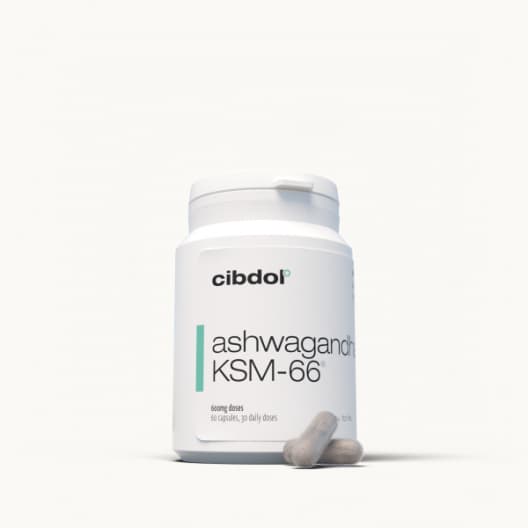
Ashwagandha KSM-66
Clinically studied KSM-66 ashwagandha extract for stress reduction and adrenal support.
- • KSM-66® branded extract
- • Highest concentration full-root extract
- • Reduces cortisol and stress
Disclosure: We may earn a commission if you purchase via these links.
Magnesium (particularly glycinate or threonate forms) supports both nervous system relaxation and gut motility. Many Europeans are mildly deficient in magnesium, making it a practical addition to any gut health protocol.
The Essential Stack: 3 Supplements Everyone Should Consider
Not everyone needs — or can afford — a comprehensive protocol. The essential stack covers the three most impactful pillars with just three supplements, delivering roughly 80% of the benefit at a fraction of the cost.
| Component | Purpose | Suggested Product | Monthly Cost |
|---|---|---|---|
| Prebiotic + nutrient foundation | Feeds beneficial bacteria, provides broad-spectrum micronutrients, includes digestive enzymes | MADMONQ Greens (with DigeZyme®) | ~€55 |
| Probiotic | Introduces and maintains beneficial bacterial populations | A quality multi-strain formula (10–30 billion CFU) | €15–30 |
| Omega-3 | Controls inflammation, supports intestinal cell membranes | PLNKTN Omega-3 Algae Oil | ~€27 |
Why these three? The prebiotic creates the environment. The probiotic populates it. The omega-3 protects it from inflammatory damage. Together, they address the most common drivers of poor gut health: insufficient fibre diversity, depleted beneficial bacteria, and chronic low-grade inflammation.
Expected timeline: Most people notice improvements in regularity and digestive comfort within two to four weeks. Broader benefits — improved energy, clearer skin, better mood — typically emerge over six to twelve weeks as the microbiome composition shifts.
The Optimised Stack: Adding Targeted Support
Once you have established the essential three and confirmed they agree with your system (give it at least four weeks), you can layer in targeted support based on your specific needs.
Add anti-inflammatory depth with CBG oil if you experience gut discomfort, irregular motility, or suspect inflammatory issues. CBG's direct interaction with the enteric nervous system makes it particularly useful for motility-related concerns.
Add cellular renewal support with spermidine if you are over 35 (when natural spermidine production begins declining), have a history of gut issues, or want to support the constant renewal process that keeps your intestinal lining functional.
Add stress-gut axis support with ashwagandha if stress, anxiety, or poor sleep are contributing to your digestive issues. The KSM-66 extract has the strongest clinical evidence base, with multiple trials demonstrating cortisol reduction and improved stress resilience.
Add nutrient diversity with a marine phytoplankton supplement. Plankton capsules provide over 75 bioavailable nutrients including trace minerals, antioxidants, and unique marine compounds that are difficult to obtain from terrestrial food sources. This nutritional breadth supports the diverse metabolic needs of a healthy microbiome.
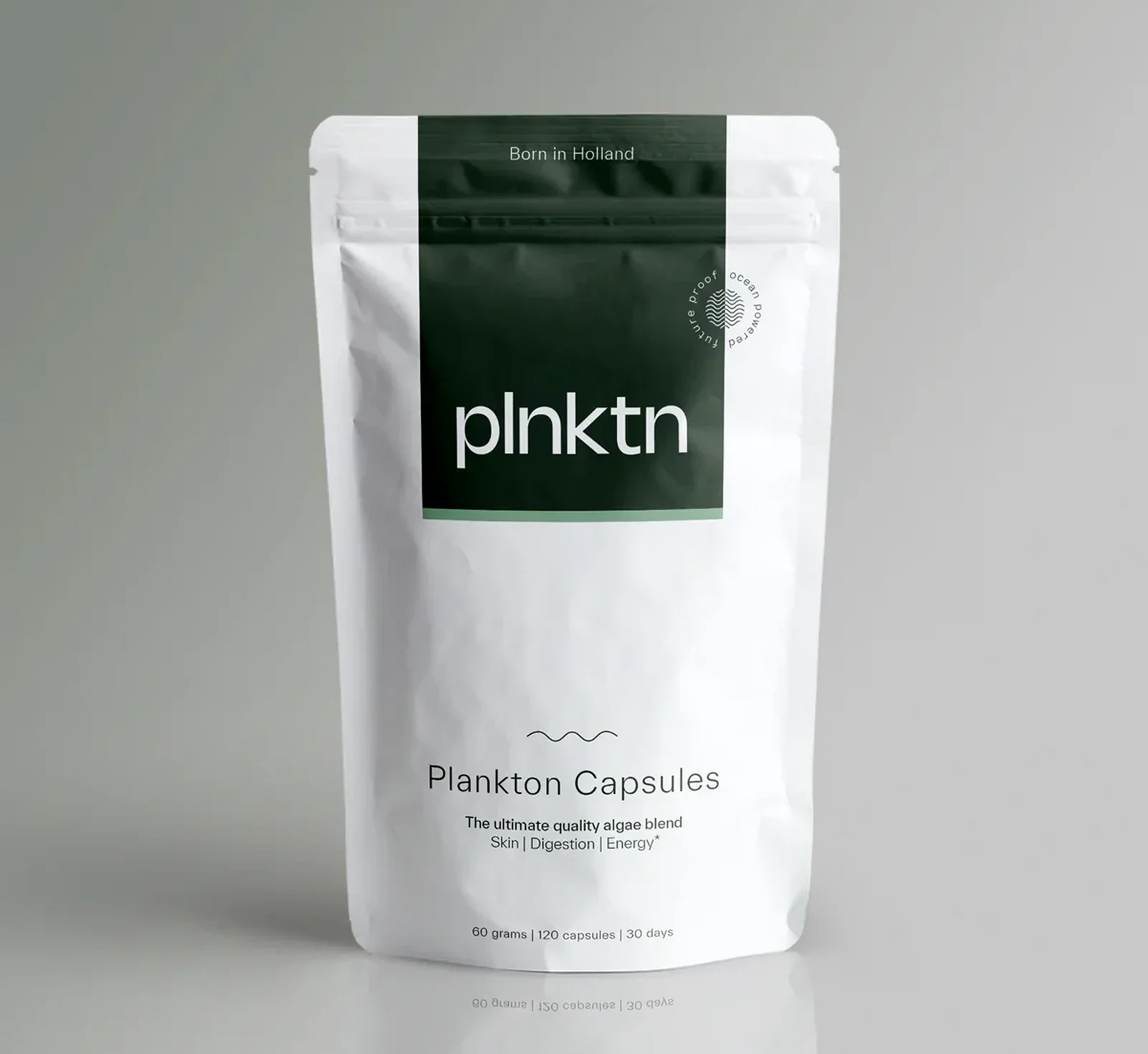
Plankton Capsules
Blend of 4 nutrient-dense micro- and macroalgae from European cultivation. Daily support for gut, skin and energy.
- • 75+ nutrients: minerals, vitamins, pigments, antioxidants and complete proteins
- • 100% natural, plant-based and responsibly grown
- • Supports digestion, energy metabolism and skin health
Disclosure: We may earn a commission if you purchase via these links.
The Premium Stack: Full Protocol
For those who want comprehensive gut support and are willing to invest accordingly, the premium stack covers all five pillars with optimised timing.
| Time | Supplement | Pillar | Purpose |
|---|---|---|---|
| Morning (empty stomach) | Probiotic (multi-strain, 30B CFU) | Pillar 2 | Best absorption on empty stomach; minimal competition with food |
| Morning (with breakfast) | MADMONQ Greens | Pillar 1 | Prebiotic fibres + enzymes work with food; nutrients absorb with meal |
| Morning (with breakfast) | PLNKTN Omega-3 | Pillar 3 | Requires dietary fat for absorption; take with breakfast fats |
| Morning (with breakfast) | Astaxanthin | Pillar 3 | Fat-soluble antioxidant; absorbs best with dietary fats |
| Midday (with lunch) | PLNKTN Plankton Capsules | Pillar 1+4 | Broad nutrient support; provides trace minerals for enzymatic processes |
| Midday (with lunch) | Spirulina Nibs | Pillar 1 | Unique prebiotic substrates; additional protein and micronutrients |
| Afternoon (between meals) | CBG Oil (sublingual) | Pillar 3 | Sublingual absorption bypasses digestive tract; take between meals |
| Evening (with dinner) | Spermidine | Pillar 4 | Autophagy is most active during overnight fasting; evening dosing aligns with circadian biology |
| Evening (after dinner) | Ashwagandha KSM-66 | Pillar 5 | Supports evening cortisol reduction; promotes restful sleep which benefits gut repair |
| Evening | Magnesium glycinate (400 mg) | Pillar 5 | Relaxation + gut motility support; helps with overnight bowel transit |
Total estimated monthly cost: €100–130 (excluding probiotic and magnesium, which vary by brand).
This is the "leave no stone unturned" approach. It is not necessary for everyone, but for those dealing with persistent gut issues or seeking optimal digestive function, the synergies between all five pillars can produce results that individual supplements simply cannot match.
Daily Timing Guide
Timing your supplements correctly can meaningfully improve their effectiveness. This table summarises the optimal windows and the reasoning behind each.
| Timing Window | Supplements | Why This Timing |
|---|---|---|
| First thing (empty stomach) | Probiotic | Minimal stomach acid competition; bacteria reach the intestine more readily |
| With breakfast | Greens powder, omega-3, astaxanthin, plankton capsules | Fat-soluble nutrients need dietary fats; prebiotics work synergistically with food fibre; enzymes aid meal digestion |
| With lunch | Spirulina, additional minerals | Splits nutrient intake across meals for sustained absorption; avoids overwhelming morning routine |
| Between meals (afternoon) | CBG oil (sublingual) | Sublingual delivery avoids first-pass metabolism; between-meal timing prevents interaction with food-based supplements |
| With dinner | Spermidine | Aligns with the onset of overnight fasting, when autophagy naturally upregulates |
| After dinner / bedtime | Ashwagandha, magnesium | Cortisol-lowering and relaxation effects support sleep quality; overnight gut repair benefits from reduced stress hormones |
Practical tip: Do not let perfect timing prevent consistent use. Taking a supplement at a slightly suboptimal time is vastly better than skipping it entirely. If you need to simplify, group everything into "with breakfast" and "with dinner" and you will still capture the majority of benefits.
Budget Tiers
Not everyone has the same budget, and that is perfectly fine. Here is how to build an effective stack at three price points.
| Tier | Monthly Budget | Core Supplements | What You Get |
|---|---|---|---|
| Budget | €30–50 | Omega-3 (PLNKTN, | Covers Pillars 2 and 3; rely on diet for Pillar 1 (onions, garlic, oats, bananas) |
| Mid-Range | €50–80 | Greens powder ( | Covers Pillars 1, 2, and 3 comprehensively; the "essential stack" described above |
| Premium | €80–130 | Essential stack + spermidine ( | Covers all 5 pillars; add astaxanthin ( |
Budget-tier strategy: If you are limited to €30–50 per month, prioritise omega-3 and a probiotic, then invest heavily in dietary prebiotics. Eating two servings daily of prebiotic-rich foods (leeks, asparagus, under-ripe bananas, cooked-and-cooled potatoes) can largely replicate the prebiotic pillar at near-zero cost.
Mid-range strategy: The greens powder replaces the need for separate prebiotic, enzyme, and multivitamin supplements — making it excellent value despite its higher unit price. Combined with omega-3 and a probiotic, this covers the foundational triangle effectively.
Premium strategy: Layer additional supplements one at a time over several months. Start with the essential stack, add spermidine in month two, ashwagandha in month three, and so on. This lets you assess each addition's individual impact.
Stack by Goal
Different gut health goals call for different emphases within the stack. Use this table to identify which supplements to prioritise based on your primary objective.
| Goal | Priority Supplements | Key Mechanism | Additional Notes |
|---|---|---|---|
| General gut health | Prebiotic + probiotic + omega-3 | Broad-spectrum support across the three core pillars | The essential stack; suitable for most people |
| Post-antibiotics recovery | High-dose probiotic (50B+ CFU) + prebiotic + spermidine | Rapid recolonisation, cellular repair of damaged lining | Use S. boulardii strain specifically; continue for 8–12 weeks |
| IBS symptom support | Low-FODMAP-compatible probiotic + CBG oil + ashwagandha | Motility regulation, stress reduction, inflammation control | Avoid high-inulin prebiotics initially; introduce fibre very gradually |
| Gut-brain connection | Psychobiotic strains + ashwagandha + omega-3 + magnesium | Vagus nerve support, cortisol reduction, neuroinflammation control | L. helveticus R0052 + B. longum R0175 are the best-studied psychobiotic strains |
| Gut-skin axis | Omega-3 + astaxanthin + probiotic + greens powder | Anti-inflammatory, antioxidant, microbiome balance | Skin improvements typically take 8–12 weeks to become visible |
| Athletic gut health | Greens powder + omega-3 + L-glutamine + probiotic | Exercise-induced permeability protection, anti-inflammatory, recovery | Athletes face higher gut permeability from intense training; L-glutamine is particularly important |
| Metabolic health | Prebiotic fibre + probiotic + omega-3 + spermidine | Short-chain fatty acid production, metabolic signalling, autophagy | Focus on resistant starch and Akkermansia muciniphila-supporting protocols |
What NOT to Stack: Interactions, Redundancies, and Risks
More is not always better. Here are the combinations and practices to avoid:
Zinc overload: If your greens powder already contains zinc and you add a separate zinc carnosine supplement, you may exceed the tolerable upper intake level (40 mg/day for adults). Chronic high-dose zinc depletes copper and can paradoxically suppress immune function. Check labels and add up your total zinc intake.
Excessive prebiotic fibre (too fast): Stacking multiple high-fibre prebiotics — a greens powder, inulin powder, psyllium husk, and resistant starch — simultaneously can cause severe bloating, gas, and discomfort, particularly if your gut is not adapted. The microbiome needs time to upregulate its fibre-processing capacity.
Probiotic + antibiotic timing: If you are taking antibiotics, separate your probiotic dose by at least two hours. Taking them simultaneously renders the probiotic largely ineffective (the antibiotic simply kills the introduced bacteria). S. boulardii is the exception — as a yeast, it is naturally antibiotic-resistant.
High-dose omega-3 + blood thinners: While standard omega-3 doses (250–500 mg EPA+DHA) are safe for most people, high doses (>3 g/day) may enhance the effects of anticoagulant medications. If you take blood thinners, consult your healthcare provider before adding omega-3.
Redundant antioxidant stacking: Taking astaxanthin, high-dose vitamin C, high-dose vitamin E, and CoQ10 simultaneously is likely redundant — these antioxidants share overlapping mechanisms. Choose one or two and save your budget for supplements targeting different pillars.
Ashwagandha cautions: Ashwagandha can interact with thyroid medications (it may mildly increase thyroid hormone levels) and sedatives (it has mild sedative properties). It should also be avoided during pregnancy. If you take thyroid medication, have your levels monitored after starting ashwagandha.
How to Build Your Stack Gradually
The single biggest mistake people make with supplement stacks is starting everything at once. When you introduce five new supplements simultaneously and feel different (better or worse), you have no idea which one is responsible.
The four-week introduction protocol:
Weeks 1–2: Start with your prebiotic. Begin with half the recommended dose and increase to full dose over seven days. This allows your microbiome to adapt to the increased fibre without excessive bloating. Note your baseline: stool consistency, digestive comfort, energy levels, and any symptoms.
Weeks 3–4: Add your probiotic. Again, start at half dose if possible. Pay attention to any changes — improved regularity, different stool quality, shifts in bloating patterns. Some people experience a brief "adjustment period" with mild gas or altered bowel habits that resolves within a week.
Weeks 5–6: Add your omega-3. This is typically the easiest addition, with few noticeable immediate effects. The anti-inflammatory benefits accumulate over weeks to months. If you experience fishy aftertaste or reflux (less common with algae-derived omega-3), try taking it in the middle of a meal rather than before.
Weeks 7–8: Assess and decide. After eight weeks with the core stack, evaluate your progress. Are your primary gut health concerns improving? If yes, you may not need additional supplements. If specific issues persist, consult the "Stack by Goal" table above to identify which additional pillar to address.
Weeks 9+: Add targeted supplements one at a time, with at least two weeks between each new addition. Keep a simple log — even a notes app entry every few days — tracking how you feel. This data is invaluable for identifying what genuinely works for your body.
Frequently Asked Questions
How much should I spend on gut health supplements?
A reasonable starting point is €30–50 per month for the essential stack. This covers the three most impactful pillars — prebiotics, probiotics, and anti-inflammatory support. Only expand beyond this if you have specific goals or persistent issues that the essential stack has not addressed after eight to twelve weeks. Spending more than €130/month on gut health supplements alone is rarely necessary and may indicate redundant products in your stack.
Can I take all my gut health supplements at the same time?
While you can, spreading them across the day improves absorption and reduces the risk of digestive discomfort. At minimum, take your probiotic separately from other supplements (ideally on an empty stomach), and take fat-soluble supplements (omega-3, astaxanthin) with a meal containing dietary fat. If simplicity is paramount, a "breakfast cluster" and "dinner cluster" approach works well enough.
How long before I notice results from a gut health stack?
Digestive comfort improvements (less bloating, better regularity) typically appear within two to four weeks. Broader systemic benefits — improved energy, clearer skin, better mood, stronger immunity — generally require six to twelve weeks as the microbiome composition gradually shifts. Cellular renewal benefits from supplements like spermidine may take three to six months to become apparent, as autophagy-driven improvements are cumulative.
Do I still need a gut health stack if I eat well?
A whole-food diet rich in fibre, fermented foods, and diverse plant matter covers many of the same bases. However, even health-conscious Europeans often fall short on fibre diversity (most people eat only 10–15 of the 30+ recommended weekly plant varieties), omega-3 intake (particularly if not eating oily fish twice weekly), and specific compounds like spermidine that decline with age. A minimal stack can fill these common gaps even alongside an excellent diet.
Should I cycle my gut health supplements or take them continuously?
Probiotics and prebiotics are generally taken continuously — they support an ongoing ecosystem that requires consistent input. Ashwagandha is commonly cycled (eight weeks on, two to four weeks off) to maintain the body's sensitivity to its adaptogenic effects. Spermidine, omega-3, and antioxidants are typically taken continuously. There is no strong evidence that cycling most gut health supplements provides advantages over consistent use.
Are gut health stacks safe to take alongside medications?
Most gut health supplements are safe alongside common medications, but there are exceptions. Probiotics should be separated from antibiotics by at least two hours. High-dose omega-3 can enhance blood-thinning medications. Ashwagandha may affect thyroid hormone levels and interact with sedatives. Fibre supplements can reduce the absorption of certain medications if taken simultaneously. Always consult your healthcare provider when adding supplements to an existing medication regimen, and separate fibre-based supplements from medications by at least one hour.
Disclaimer
This article is for informational and educational purposes only. It does not constitute medical advice, diagnosis, or treatment. Always consult a qualified healthcare professional before starting any supplement regimen, particularly if you are pregnant, nursing, taking medications, or managing a diagnosed medical condition. Individual results may vary. Supplements are not substitutes for a balanced diet and healthy lifestyle.
Related Articles
- The Complete Guide to Probiotics, Prebiotics, and Postbiotics for Gut Health
- Prebiotics Guide: Feeding Your Gut Microbiome
- Postbiotics vs Probiotics: Understanding the Difference
- The Best Probiotics Available in Europe
This article is for informational purposes only and is not intended as medical advice. Always consult a healthcare professional before starting any new supplement, especially if you take prescription medication.
Related topics
Related articles
Postbiotics vs Probiotics vs Prebiotics: Which Do You Actually Need?
Probiotics, prebiotics and postbiotics each play a distinct role in gut health — but most people don't need all three. We break down the science, compare s
Gut Health 101: Probiotics, Prebiotics, and Postbiotics Explained
Your gut contains 100 trillion microorganisms that influence everything from digestion to mood. Here's what probiotics, prebiotics and postbiotics actually
Gut Health for Kids: Safe Probiotics & Building a Healthy Microbiome Early
Your child's microbiome is largely established by age three — and what happens in those first 1,000 days shapes lifelong health. Here is everything parents