
Probiotics for Skin: The Gut-Skin Axis and Beauty From Within
Written by Smart Supplements Editorial Team
Key takeaways
- The gut-skin axis is a bidirectional communication pathway — gut dysbiosis can trigger or worsen skin conditions including acne, rosacea, eczema and psoriasis.
- Systemic inflammation caused by increased intestinal permeability is one of the primary mechanisms linking poor gut health to skin problems.
- Specific probiotic strains such as Lactobacillus rhamnosus GG and L. rhamnosus SP1 have demonstrated measurable improvements in clinical trials for eczema prevention and acne reduction.
- Oral and topical probiotics work through different mechanisms and may be most effective when used together as complementary approaches.
- The European nutricosmetics market is growing rapidly as consumers seek evidence-based beauty from within supplements targeting skin health via the gut.
- A comprehensive gut-skin protocol combines probiotics, omega-3 fatty acids, antioxidants and lifestyle modifications in a phased approach for lasting results.
Table of contents
- What Is the Gut-Skin Axis?
- How Your Gut Affects Your Skin
- Skin Conditions Linked to Gut Health
- Probiotic Strains Studied for Skin Health
- Beyond Probiotics: Nutrients for the Gut-Skin Axis
- Oral vs Topical Probiotics
- The Nutricosmetics Trend in Europe
- Cellular Renewal and Skin Ageing
- Building a Gut-Skin Protocol
- FAQ
- Disclaimer
- Related Articles
What Is the Gut-Skin Axis?
The idea that your digestive system influences the health of your skin is not a new one. As far back as 1930, dermatologists John H. Stokes and Donald M. Pillsbury proposed a connection between emotional states, gut flora and skin conditions — particularly acne. They even suggested cultured milk (an early probiotic concept) as a potential treatment. Nearly a century later, modern science has validated their hypothesis with a far more detailed picture of what we now call the gut-skin axis.
The gut-skin axis refers to the complex, bidirectional communication network between the gastrointestinal tract and the skin. These two organs share more in common than you might expect. Both are densely innervated, heavily vascularised, and home to diverse microbial communities. Both serve as primary barriers between the body's internal environment and the outside world. And both are profoundly influenced by the immune system.

Communication along this axis occurs through several overlapping pathways: the immune system, the endocrine (hormonal) system, the nervous system, and metabolic signalling via microbial metabolites. When the gut microbiome is balanced and the intestinal barrier is intact, these signals tend to favour skin homeostasis — clear, well-hydrated, resilient skin. When the gut is disrupted, the consequences can appear on the skin within days or weeks.
Understanding this relationship opens up a genuinely different approach to skincare — one that starts not with what you put on your face, but with what is happening inside your gut.
How Your Gut Affects Your Skin
To appreciate why probiotics for skin health have become such a significant area of research, it helps to understand the specific mechanisms through which gut health influences skin function. There are at least four major pathways, and they often operate simultaneously.
Systemic Inflammation and Gut Permeability
The intestinal barrier is a single-cell-thick layer that separates the contents of your gut from your bloodstream. When this barrier is compromised — a state often referred to as increased intestinal permeability or colloquially as "leaky gut" — bacterial fragments, particularly lipopolysaccharides (LPS), can cross into the circulation. The immune system recognises these fragments as threats and mounts an inflammatory response.
This is not a localised response. Once inflammatory cytokines such as tumour necrosis factor alpha (TNF-α), interleukin-6 (IL-6) and interleukin-1β (IL-1β) enter the bloodstream, they circulate throughout the body. The skin, with its rich blood supply, is particularly susceptible to this systemic inflammation. The result can be redness, swelling, increased sebum production, impaired barrier function and accelerated ageing.
Immune Modulation
Approximately 70–80% of the body's immune cells reside in the gut-associated lymphoid tissue (GALT). The gut microbiome plays a central role in "training" these immune cells — helping them distinguish between genuine threats and harmless substances. When the microbiome is disrupted (a state called dysbiosis), immune regulation can go awry.
This is particularly relevant for skin conditions with an autoimmune or hypersensitivity component. T-helper cell imbalances — particularly excessive Th1, Th2 or Th17 responses — have been implicated in psoriasis, eczema and rosacea. Probiotics can help restore appropriate immune balance by supporting regulatory T-cell (Treg) activity and dampening overactive inflammatory pathways.
Nutrient Absorption
A healthy gut is essential for absorbing the nutrients your skin needs to maintain itself. Zinc, vitamin A, vitamin D, essential fatty acids, B vitamins and vitamin C all play critical roles in skin barrier function, collagen synthesis and antioxidant defence. Gut inflammation, dysbiosis or conditions like small intestinal bacterial overgrowth (SIBO) can impair absorption of these nutrients, leaving the skin without the building blocks it requires.
Hormonal Pathways
The gut microbiome influences hormonal balance in several ways. It modulates the metabolism of oestrogens via the estrobolome — the collection of gut bacteria capable of metabolising oestrogen. It affects insulin sensitivity and insulin-like growth factor 1 (IGF-1) levels, both of which are directly linked to sebum production and acne. And it influences cortisol metabolism, connecting stress, gut function and skin health in a three-way relationship.
Skin Conditions Linked to Gut Health
Research has now established associations between gut dysbiosis and a wide range of dermatological conditions. For some of these conditions, the evidence goes beyond mere correlation — we have plausible mechanisms, epidemiological data and, in several cases, clinical trials showing that modifying the gut microbiome can improve skin outcomes.

Acne Vulgaris
Acne is arguably the condition where the gut-skin axis story began. The Stokes-Pillsbury hypothesis of 1930 suggested that emotional stress alters gut flora, increases intestinal permeability, and drives systemic inflammation that manifests as skin lesions. Modern research has largely confirmed this model, adding considerably more detail.
The pathway works roughly as follows: gut dysbiosis and increased permeability allow bacterial endotoxins to enter the circulation. These trigger a systemic inflammatory response. Simultaneously, disrupted gut function can elevate insulin and IGF-1 levels, which stimulate the sebaceous glands to produce more sebum and promote keratinocyte proliferation. The combination of excess sebum, inflammation and altered keratinisation creates the perfect environment for Cutibacterium acnes to thrive, leading to comedones and inflammatory lesions.
A notable clinical trial published in Beneficial Microbes found that supplementation with Lactobacillus rhamnosus SP1 over 12 weeks significantly reduced acne lesions compared to placebo, with particular improvements in adult acne. The researchers attributed the benefit to reduced systemic inflammation and improved insulin sensitivity.
Other studies have shown that acne patients tend to have lower microbial diversity in their gut compared to controls, with reductions in beneficial genera such as Lactobacillus and Bifidobacterium. Interestingly, the standard dermatological treatment for severe acne — oral antibiotics — may inadvertently worsen gut dysbiosis, creating a cycle that probiotics could help break.

5% CBG & 2.5% CBD Oil
Cibdol's CBG & CBD combination oil — 5% CBG (cannabigerol) paired with 2.5% CBD in a full-spectrum formula. CBG is the precursor cannabinoid known as the "mother of cannabinoids", with emerging research pointing to anti-inflammatory, neuroprotective and gut-supportive properties. Swiss-produced, third-party tested.
- • 5% CBG + 2.5% CBD — dual-cannabinoid formula
- • CBG: anti-inflammatory and neuroprotective properties
- • Full-spectrum Swiss-produced oil
Disclosure: We may earn a commission if you purchase via these links.
CBG (cannabigerol) has shown promising anti-inflammatory properties in preclinical research, with particular relevance to sebocyte regulation. While direct clinical trials for acne are still emerging, its ability to modulate inflammatory pathways makes it an interesting complementary option for those addressing skin inflammation via the gut-skin axis.
Rosacea
The link between rosacea and gut health is one of the most striking in dermatology. Multiple studies have found that patients with rosacea are significantly more likely to have small intestinal bacterial overgrowth (SIBO) than the general population. One landmark Italian study found SIBO in approximately 46% of rosacea patients compared to just 5% of controls.
Even more compelling, treating SIBO with the antibiotic rifaximin led to complete or near-complete resolution of rosacea lesions in a substantial proportion of patients — and the improvements lasted well beyond the treatment period. Those patients whose SIBO recurred also saw their rosacea return, providing strong evidence for a causal rather than merely correlational relationship.
The mechanism likely involves several factors. SIBO increases gut permeability and systemic inflammation. The overgrowth of bacteria in the small intestine produces excess metabolites that can trigger vascular changes in the skin, contributing to the flushing and persistent redness characteristic of rosacea. Additionally, Helicobacter pylori infection, which affects the stomach, has been independently associated with rosacea in some (though not all) studies.
For rosacea patients, restoring gut microbial balance through a combination of targeted antimicrobial treatment (where SIBO is confirmed), probiotics, and dietary modifications may offer benefits that topical treatments alone cannot achieve.
Eczema and Atopic Dermatitis
Atopic dermatitis (eczema) is the skin condition with the strongest body of evidence supporting probiotic intervention — particularly in prevention. The "hygiene hypothesis" and its modern successor, the "microbiome hypothesis," suggest that reduced microbial exposure in early life contributes to the immune dysregulation that underlies atopic conditions.
The most influential study in this area was conducted by Kalliomäki and colleagues in Finland. They gave Lactobacillus rhamnosus GG (LGG) to pregnant women during the final weeks of pregnancy and continued supplementation in infants for the first six months of life. At two years of age, eczema prevalence was reduced by 50% in the probiotic group compared to placebo. Remarkably, this protective effect persisted through to age seven in follow-up studies.
The mechanism appears to involve programming of the infant's immune system during a critical developmental window. LGG promotes the maturation of the gut barrier, supports the development of oral tolerance, and favours a balanced Th1/Th2 immune response rather than the Th2-skewed profile associated with atopic disease.
Other strains with evidence for eczema include Bifidobacterium lactis CECT 8145, which has shown benefits in both prevention and management, and various multi-strain formulations. It is worth noting that the evidence is strongest for prevention in high-risk infants (those with a family history of atopy) and somewhat more mixed for treatment of established eczema in older children and adults.
A 2023 meta-analysis covering over 6,000 participants concluded that prenatal and early postnatal probiotic supplementation significantly reduced eczema incidence, with the strongest effects seen when treatment began during pregnancy and continued for at least six months postnatally.
Psoriasis
Psoriasis is a chronic autoimmune condition characterised by accelerated skin cell turnover and thick, scaly plaques. The gut-skin axis connection in psoriasis centres on the Th17 immune pathway — a branch of the immune system that is both regulated by gut bacteria and heavily involved in psoriatic inflammation.
Patients with psoriasis have been shown to have altered gut microbiome composition compared to healthy controls. Of particular interest is the depletion of Akkermansia muciniphila, a beneficial bacterium that strengthens the gut barrier by maintaining the mucus layer. Reduced Akkermansia levels are associated with increased gut permeability — and gut permeability is elevated in a significant proportion of psoriasis patients.
The inflammatory cascade works through several channels. Gut-derived inflammatory signals can activate Th17 cells, which produce interleukin-17 (IL-17) — a cytokine central to psoriatic pathology. This is so well established that some of the most effective biologic drugs for psoriasis (such as secukinumab and ixekizumab) work specifically by blocking IL-17.
While probiotic trials for psoriasis are still in earlier stages than for eczema or acne, preliminary results are encouraging. Multi-strain probiotics containing Lactobacillus and Bifidobacterium species have shown modest improvements in PASI (Psoriasis Area and Severity Index) scores in small trials. Supporting gut barrier integrity through probiotics, prebiotic fibre and anti-inflammatory nutrients represents a logical complementary strategy.
Premature Skin Ageing
The relationship between gut health and skin ageing is perhaps the most commercially significant aspect of the gut-skin axis, given the size of the anti-ageing market. The mechanisms are well established: chronic, low-grade systemic inflammation (sometimes called "inflammageing") accelerates the breakdown of collagen and elastin, the structural proteins that give skin its firmness and elasticity.
Gut dysbiosis contributes to inflammageing by maintaining elevated levels of inflammatory cytokines. Additionally, an unhealthy gut microbiome produces fewer beneficial metabolites such as short-chain fatty acids (SCFAs), which have antioxidant and anti-inflammatory properties. SCFAs also support the production of ceramides — lipids that are essential for the skin's moisture barrier.
Oxidative stress is another factor. The gut microbiome influences the body's overall antioxidant capacity. A balanced microbiome supports the production and recycling of antioxidants such as glutathione, while dysbiosis tends to increase oxidative burden. Since oxidative stress is one of the primary drivers of photoageing and intrinsic ageing, the gut's role in antioxidant defence has direct implications for skin appearance.
Some probiotic strains have been shown to increase skin hydration, reduce transepidermal water loss (TEWL), and improve skin elasticity in clinical trials. Lactobacillus plantarum HY7714, for example, demonstrated significant improvements in skin hydration, wrinkle depth and skin elasticity after 12 weeks of oral supplementation in a randomised controlled trial.
Probiotic Strains Studied for Skin Health
Not all probiotics are created equal. Different strains have different effects, and the evidence for skin benefits varies considerably. The table below summarises the most studied strains for dermatological outcomes.
| Strain | Condition | Key Evidence | Proposed Mechanism |
|---|---|---|---|
| L. rhamnosus GG (LGG) | Eczema (prevention) | 50% reduction in eczema incidence when given prenatally and postnatally | Immune maturation, Th1/Th2 balance, gut barrier support |
| L. rhamnosus SP1 | Acne | Significant reduction in acne lesions after 12 weeks | Reduced systemic inflammation, improved insulin sensitivity |
| L. plantarum HY7714 | Skin ageing | Improved hydration, elasticity and wrinkle depth | Reduced TEWL, anti-inflammatory, antioxidant support |
| B. lactis CECT 8145 | Eczema, general skin | Reduced eczema severity; improved skin parameters | Immune modulation, gut barrier integrity |
| L. paracasei NCC 2461 (ST11) | Sensitive skin | Reduced skin sensitivity and TEWL in clinical trial | Gut barrier support, reduced systemic inflammation |
| L. acidophilus + B. bifidum | Acne | Improved acne outcomes when combined with standard treatment | Synergistic anti-inflammatory effects |
| B. breve Yakult | Skin hydration | Improved skin hydration and elasticity in UV-exposed skin | Phenol reduction, improved gut metabolite profile |
| Akkermansia muciniphila | Psoriasis (emerging) | Depleted in psoriasis patients; strengthens gut barrier | Mucin layer maintenance, reduced gut permeability |
It is important to note that probiotic effects are strain-specific. Lactobacillus rhamnosus GG is not interchangeable with Lactobacillus rhamnosus SP1 — they have different genetic profiles, different colonisation patterns and different clinical evidence. When selecting a probiotic supplement for skin benefits, look for products that specify strains, not just species.
Beyond Probiotics: Nutrients for the Gut-Skin Axis
While probiotics are the centrepiece of gut-skin axis interventions, several other nutrients play important supporting roles. These compounds either directly benefit the skin, support gut health, or — in the best cases — do both.
Omega-3 Fatty Acids
Omega-3 fatty acids (EPA and DHA) are potent anti-inflammatory agents that benefit both gut and skin. In the gut, they help maintain barrier integrity and support the growth of beneficial bacteria. In the skin, they reduce inflammatory signalling, support the lipid barrier and may offer some protection against UV damage. A 2020 systematic review found that omega-3 supplementation improved symptoms in inflammatory skin conditions including eczema and psoriasis.
For those seeking plant-based omega-3 sources, algae-derived supplements provide EPA and DHA without the environmental concerns associated with fish oil.
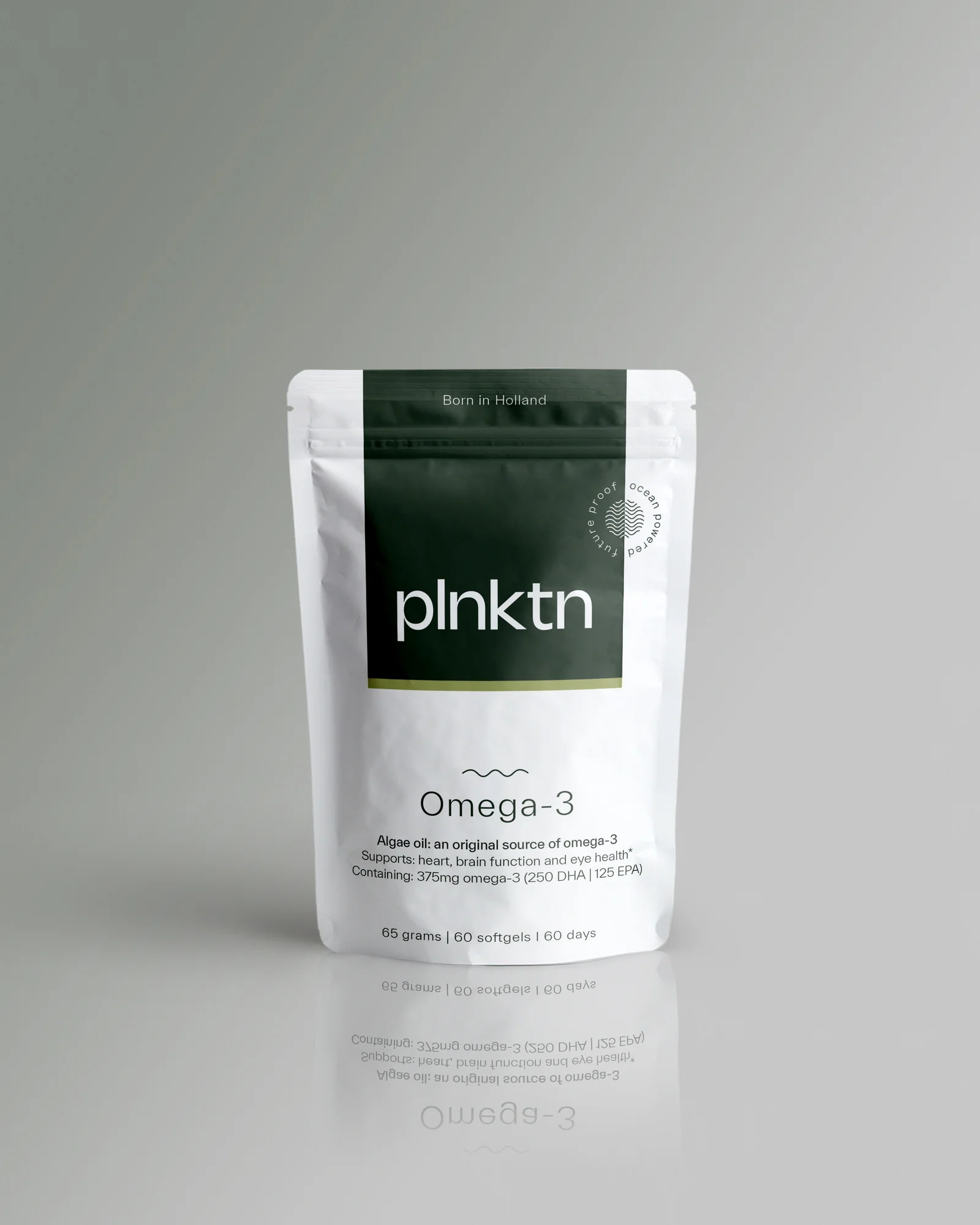

Omega-3 (algenolie)
Daily omega-3 from the original source: algae. With essential EPA and DHA for heart, brain and eyes.
- • 250 mg DHA and 125 mg EPA per capsule
- • 100% fish-free, plant-based algenolie
- • No fishy aftertaste, clean and controlled source
Disclosure: We may earn a commission if you purchase via these links.
Astaxanthin
Astaxanthin is a carotenoid antioxidant produced by microalgae, with an antioxidant capacity estimated to be 6,000 times greater than vitamin C and 550 times greater than vitamin E in certain assay systems. Its relevance to the gut-skin axis is twofold: it protects against oxidative stress systemically (including in the gut), and it accumulates in the skin where it provides protection against UV-induced damage.
Clinical trials have shown that oral astaxanthin supplementation can reduce wrinkle depth, improve skin elasticity, reduce age spot size, and improve skin moisture levels. A 2018 meta-analysis concluded that astaxanthin supplementation (typically 4–12 mg daily) significantly improved multiple parameters of skin health.
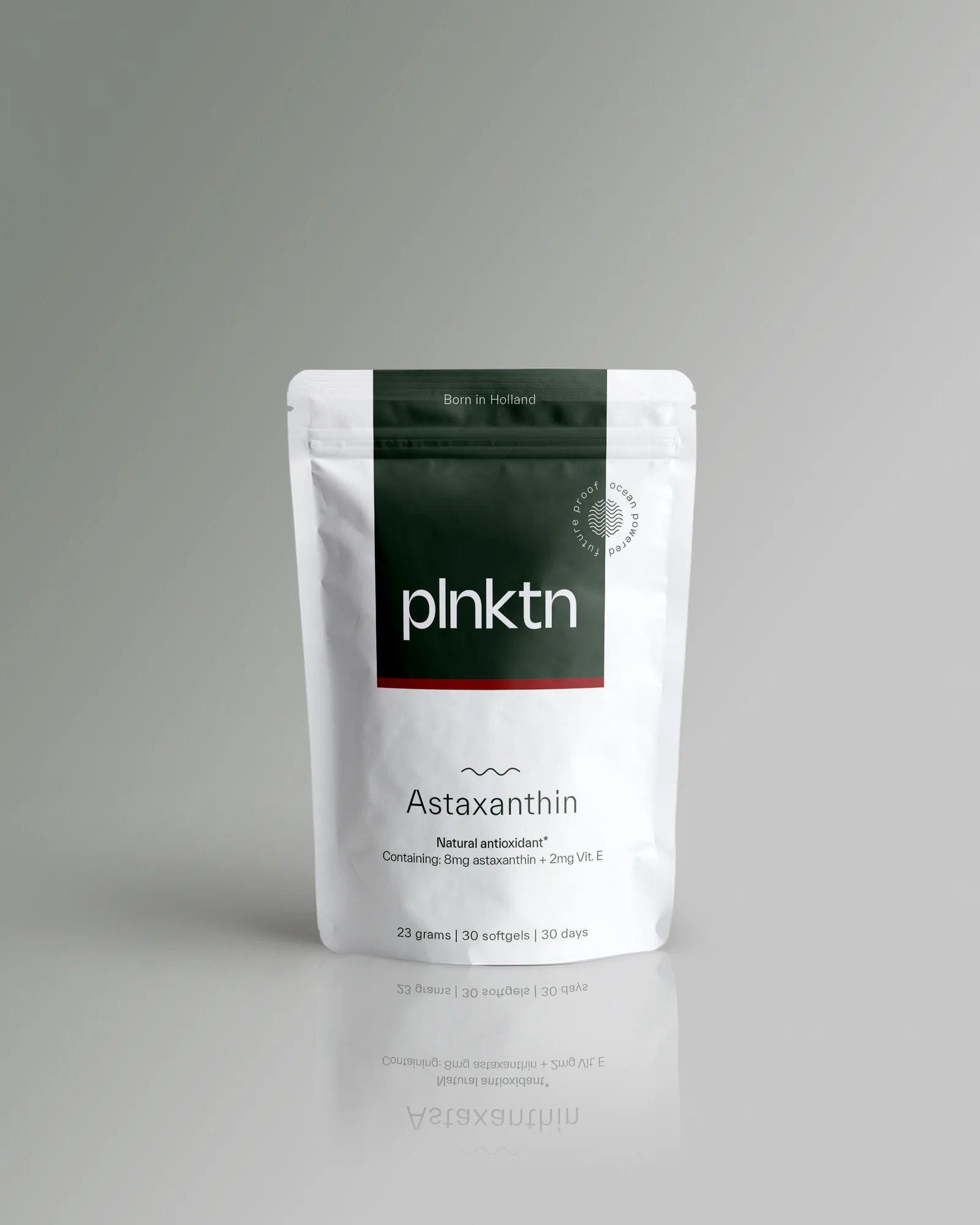
Astaxanthine
Powerful antioxidant from algae for protection from within, supporting skin and cells.
- • Natural astaxanthin from algae
- • Supports protection of cells against oxidative stress
- • Complements omega-3 and plankton in your routine
Disclosure: We may earn a commission if you purchase via these links.
Other Key Nutrients
| Nutrient | Gut Benefit | Skin Benefit |
|---|---|---|
| Zinc | Supports gut barrier integrity, antimicrobial | Essential for wound healing, anti-inflammatory, regulates sebum |
| Vitamin D | Modulates gut immune function, supports microbiome diversity | Anti-inflammatory, supports keratinocyte differentiation |
| Polyphenols | Prebiotic effect, promote beneficial bacteria | Antioxidant, UV protection, anti-ageing |
| Collagen peptides | May support gut lining (glycine, glutamine content) | Improved skin hydration and elasticity (well-studied) |
| Vitamin C | Antioxidant, supports gut barrier | Essential for collagen synthesis, antioxidant |
| Fibre (prebiotics) | Feeds beneficial gut bacteria, produces SCFAs | Indirect — via SCFA production and reduced inflammation |
Oral vs Topical Probiotics
The probiotics conversation for skin health actually encompasses two distinct approaches: oral probiotics (taken as supplements or in fermented foods) and topical probiotics (applied directly to the skin in creams, serums or masks). Understanding the differences is important, as they work through entirely different mechanisms.
Oral Probiotics
Oral probiotics exert their effects on the skin indirectly, by:
- Restoring gut microbial balance and reducing dysbiosis
- Strengthening the intestinal barrier to prevent endotoxin translocation
- Modulating systemic immune responses
- Improving nutrient absorption
- Reducing systemic inflammation and oxidative stress
- Influencing hormonal pathways (insulin, cortisol, oestrogen)
The effects of oral probiotics on skin typically take 4–12 weeks to become apparent, as the changes work through systemic pathways. However, because they address root causes, the benefits tend to be broad and sustained.
Topical Probiotics
The skin has its own microbiome — a diverse community of bacteria, fungi and viruses that colonise the skin surface and hair follicles. Topical probiotics aim to influence this cutaneous microbiome directly. They work by:
- Competing with pathogenic organisms for space and resources
- Producing antimicrobial peptides (bacteriocins)
- Strengthening the skin's acid mantle
- Directly modulating local immune responses
- Supporting the skin barrier through biofilm and metabolite production
Topical probiotics can produce more rapid effects on specific skin sites but do not address the systemic factors that drive many skin conditions. The regulatory landscape for topical probiotics is also more complex, as they straddle the boundary between cosmetics and therapeutics.
The Complementary Approach
The most logical strategy is to use both approaches in combination: oral probiotics to address the gut-skin axis systemically, and topical probiotics (where available and appropriate) to support the skin's own microbiome locally. This "inside-out and outside-in" approach reflects the bidirectional nature of the gut-skin axis itself.
The Nutricosmetics Trend in Europe
Europe has emerged as the global leader in the nutricosmetics category — supplements designed to improve beauty outcomes from within. The European nutricosmetics market was valued at over €2 billion in 2025 and continues to grow at approximately 8% annually, driven by several converging trends.
European consumers have shown a strong preference for ingestible beauty products backed by scientific evidence. Unlike some markets where bold claims and influencer endorsements drive purchasing, European buyers tend to favour products with clinical trial data, transparent ingredient lists and clear mechanisms of action. This aligns well with the gut-skin axis narrative, which is grounded in decades of peer-reviewed research.
Regulatory frameworks in the EU also play a role. The European Food Safety Authority (EFSA) maintains strict rules about health claims on food supplements, which means that products reaching the European market with skin health claims have typically undergone more rigorous scrutiny than in some other regions. While this creates higher barriers to entry for manufacturers, it ultimately benefits consumers by filtering out unsubstantiated products.
The convergence of probiotics, traditional nutrients (vitamins, minerals), and novel bioactives (astaxanthin, plant extracts, marine compounds) within the nutricosmetics space reflects a maturation of the category. Consumers are moving beyond single-ingredient approaches toward comprehensive "beauty from within" protocols that address multiple pathways simultaneously.
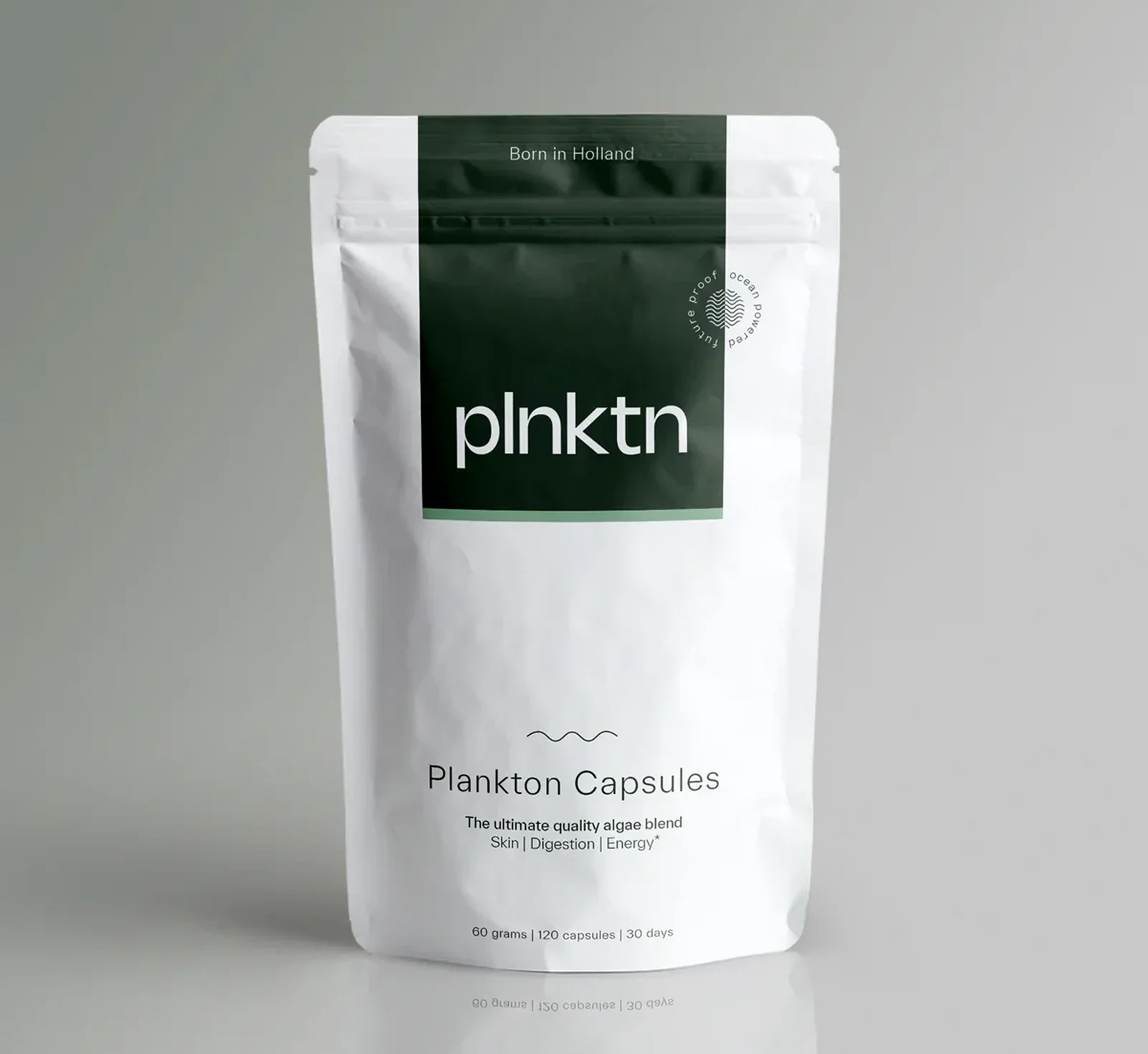
Plankton Capsules
Blend of 4 nutrient-dense micro- and macroalgae from European cultivation. Daily support for gut, skin and energy.
- • 75+ nutrients: minerals, vitamins, pigments, antioxidants and complete proteins
- • 100% natural, plant-based and responsibly grown
- • Supports digestion, energy metabolism and skin health
Disclosure: We may earn a commission if you purchase via these links.
Marine-sourced supplements, including those derived from microalgae and plankton, represent one of the fastest-growing segments within European nutricosmetics. These products appeal to environmentally conscious consumers while providing unique bioactive compounds — including rare antioxidants, omega-3 fatty acids and trace minerals — that are difficult to obtain from terrestrial sources.
Cellular Renewal and Skin Ageing
One of the most exciting frontiers in gut-skin axis research involves cellular renewal — specifically, the process of autophagy. Autophagy (from the Greek for "self-eating") is the body's mechanism for recycling damaged cellular components and replacing them with fresh, functional ones. It is essentially a cellular housekeeping process, and it declines with age.
In the skin, reduced autophagy contributes to the accumulation of damaged proteins, dysfunctional mitochondria and oxidative waste products. This accelerates the visible signs of ageing: wrinkles, loss of elasticity, uneven pigmentation and thinning of the dermal layer. The gut microbiome influences autophagy through several mechanisms, including SCFA production (butyrate is a known autophagy inducer) and regulation of the mTOR signalling pathway.
Spermidine is a naturally occurring polyamine that has emerged as one of the most promising autophagy-inducing compounds. Found in foods such as wheat germ, soybeans, aged cheese and mushrooms, spermidine declines with age — mirroring the decline in autophagy itself. Supplemental spermidine has been shown in preclinical and early clinical studies to:
- Induce autophagy in multiple cell types, including skin cells
- Improve mitochondrial function
- Reduce markers of cellular ageing
- Support immune function (which connects back to the gut-skin axis)
- Promote cell renewal and tissue regeneration
A 2018 epidemiological study published in the American Journal of Clinical Nutrition found that higher dietary spermidine intake was associated with reduced overall mortality, suggesting systemic anti-ageing benefits that would logically extend to the skin.
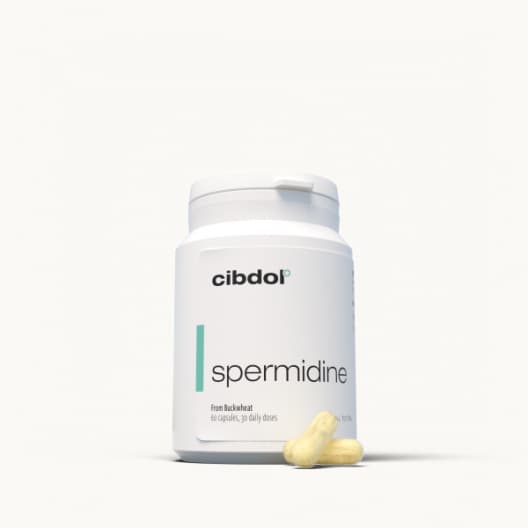
Spermidine
Spermidine supplement to support autophagy, cellular renewal, and healthy aging.
- • Promotes autophagy
- • Supports cellular renewal
- • Wheat germ extract source
Disclosure: We may earn a commission if you purchase via these links.
By supporting autophagy, spermidine supplementation may complement probiotic and antioxidant strategies by addressing skin ageing at the cellular level — clearing out damaged components and promoting the regeneration of healthy skin tissue.
Building a Gut-Skin Protocol

Given the complexity of the gut-skin axis, a structured, phased approach is more likely to yield results than randomly adding supplements. The following protocol is based on the current evidence and is designed to be adapted to individual needs.
Phase 1: Gut Repair (Weeks 1–4)
The first priority is to address any existing gut dysfunction. This phase focuses on:
- Remove potential irritants: identify and temporarily eliminate common dietary triggers (highly processed foods, excess refined sugar, excessive alcohol)
- Restore digestive function: ensure adequate stomach acid and enzyme production; consider digestive enzyme supplementation if needed
- Reinoculate with beneficial bacteria: begin a broad-spectrum probiotic containing well-studied strains (look for L. rhamnosus, B. lactis, L. plantarum at minimum 10 billion CFU)
- Repair the gut lining: support gut barrier integrity with L-glutamine, zinc and omega-3 fatty acids
- Increase prebiotic fibre intake gradually (aim for 25–30g fibre daily from diverse plant sources)
Phase 2: Targeted Supplementation (Weeks 5–12)
Once foundational gut health is improving, add targeted nutrients for skin outcomes:
- Continue the probiotic, potentially adding or switching to strains with specific skin evidence (e.g., L. rhamnosus SP1 for acne, L. plantarum HY7714 for ageing)
- Add antioxidant support: astaxanthin (4–12 mg daily), vitamin C (500–1,000 mg daily)
- Add omega-3 fatty acids: EPA + DHA (1,000–2,000 mg combined daily)
- Consider spermidine supplementation for cellular renewal support
- Support with adequate zinc (15–30 mg daily) and vitamin D (1,000–2,000 IU daily, ideally guided by blood levels)
Phase 3: Maintenance (Ongoing)
- Maintain a diverse, fibre-rich diet to support gut microbial diversity
- Continue probiotic supplementation or transition to regular consumption of fermented foods (kefir, sauerkraut, kimchi, live yoghurt)
- Maintain key supplements at maintenance doses
- Monitor and adjust based on skin outcomes, seasonal changes and any new research
Lifestyle Factors
No gut-skin protocol is complete without addressing lifestyle factors that influence both gut and skin health:
| Factor | Impact on Gut | Impact on Skin |
|---|---|---|
| Sleep (7–9 hours) | Supports microbiome diversity and gut repair | Essential for skin cell turnover and repair |
| Stress management | Reduces cortisol-driven dysbiosis | Prevents stress-related flare-ups |
| Exercise (moderate) | Increases microbial diversity | Improves circulation and skin oxygenation |
| Hydration | Supports mucus layer and digestion | Maintains skin hydration and plumpness |
| Sun protection | Indirect — via vitamin D balance | Prevents photoageing and oxidative damage |
FAQ
Can fixing my gut clear my acne?
For many people, improving gut health can meaningfully reduce acne severity, particularly when gut dysbiosis or increased permeability is a contributing factor. Clinical trials with strains like L. rhamnosus SP1 have demonstrated significant acne reduction. However, acne is multifactorial — genetics, hormones, topical care and diet all play roles. Gut health optimisation is best viewed as one important piece of a comprehensive strategy rather than a standalone cure.
How long before probiotics improve my skin?
Most clinical trials report visible skin improvements after 8–12 weeks of consistent probiotic supplementation. Some individuals notice changes sooner (4–6 weeks), particularly if gut-related inflammation was a major contributor to their skin issues. Patience and consistency are important — the gut microbiome shifts gradually, and downstream effects on the skin take time to manifest.
Which probiotic strain is best for skin?
There is no single "best" strain — the ideal choice depends on your specific skin concern. For eczema prevention, L. rhamnosus GG has the strongest evidence. For acne, L. rhamnosus SP1 has shown positive results. For general skin ageing and hydration, L. plantarum HY7714 is the most studied. Multi-strain formulations may offer broader benefits by addressing multiple pathways simultaneously.
Are topical probiotics better than oral ones for skin?
They work through different mechanisms and are not directly comparable. Oral probiotics address the gut-skin axis systemically, tackling root causes like inflammation and immune dysregulation. Topical probiotics act locally on the skin's own microbiome. For conditions driven by gut dysfunction (such as SIBO-related rosacea), oral approaches are more logical. For localised skin microbiome imbalances, topical may be more direct. The best approach is often to combine both.
Can probiotics help with psoriasis?
Evidence is still emerging, but preliminary studies are encouraging. Psoriasis patients frequently show altered gut microbiome composition, increased gut permeability and depletion of beneficial species like Akkermansia muciniphila. Multi-strain probiotics have shown modest improvements in PASI scores in small trials. Given the established role of gut-derived inflammation in psoriatic pathology, supporting gut health is a rational complementary strategy alongside conventional treatment.
Do fermented foods provide the same benefits as probiotic supplements?
Fermented foods such as kefir, sauerkraut, kimchi and live yoghurt provide beneficial bacteria along with prebiotics, postbiotics and other bioactive compounds. They can certainly support gut and skin health. However, the strains and doses in fermented foods are less standardised than in supplements, making it harder to replicate the specific effects seen in clinical trials. For therapeutic purposes, supplements with defined strains and guaranteed CFU counts offer more predictable results. For maintenance, a combination of both is ideal.
Disclaimer
This article is for informational purposes only and does not constitute medical advice. The information presented is based on published scientific research, but individual results may vary. Probiotics and other supplements are not intended to diagnose, treat, cure or prevent any disease. If you have a skin condition, consult a qualified dermatologist or healthcare provider before making changes to your treatment plan. Always discuss new supplements with your healthcare provider, particularly if you are pregnant, breastfeeding, taking medication or managing a chronic condition.
Related Articles
Related topics
Related articles
Gut Health for Kids: Safe Probiotics & Building a Healthy Microbiome Early
Your child's microbiome is largely established by age three — and what happens in those first 1,000 days shapes lifelong health. Here is everything parents
The Gut Health Supplement Stack: Building Your Daily Protocol
A complete guide to building an evidence-based gut health supplement stack. Learn the five pillars of gut support — prebiotics, probiotics, anti-inflammato
Probiotics for Women: UTI, Vaginal Health & Hormonal Balance
The vaginal microbiome is a distinct ecosystem dominated by Lactobacillus species. From BV and recurrent UTIs to hormonal shifts during pregnancy and menop