
Probiotics for Women: UTI, Vaginal Health & Hormonal Balance
Written by Smart Supplements Editorial Team
Key takeaways
- The vaginal microbiome is dominated by Lactobacillus species — particularly L. crispatus — which maintain a protective acidic environment (pH 3.8–4.5) through lactic acid and hydrogen peroxide production.
- Bacterial vaginosis affects 1 in 3 women and has recurrence rates up to 50% with antibiotics alone — adjunctive probiotics significantly improve cure rates and reduce recurrence.
- L. rhamnosus GR-1 + L. reuteri RC-14 is the most studied probiotic combination for vaginal and urinary tract health, with multiple RCTs supporting oral use.
- Oestrogen drives vaginal Lactobacillus colonisation via glycogen metabolism, meaning hormonal shifts during menstruation, pregnancy, and menopause directly reshape the vaginal microbiome.
- Oral probiotics can reach the vaginal tract within 7–14 days via rectal migration, as demonstrated in clinical studies.
- Emerging research connects the gut microbiome to PCOS, endometriosis, and hormonal balance through the gut-brain-ovary axis and the oestrobolome.
Table of contents
- The Vaginal Microbiome: A Different Ecosystem
- The Gut–Vaginal Connection
- Bacterial Vaginosis: The Most Common Vaginal Infection
- UTI Prevention: Breaking the Recurrence Cycle
- Hormonal Life Stages and the Microbiome
- Probiotic Strains for Women's Health
- PCOS and the Gut–Brain–Ovary Axis
- Endometriosis and Gut Health
- Practical Guide: Choosing Probiotics for Women's Health
- Complementary Approaches
- Frequently Asked Questions
- Disclaimer
- Related Articles
The Vaginal Microbiome: A Different Ecosystem
When most people hear the word "microbiome," they think of the gut — that densely populated, extraordinarily diverse community of trillions of microorganisms. The vaginal microbiome, however, operates under fundamentally different rules. Where gut health thrives on diversity, vaginal health is characterised by the dominance of a single genus: Lactobacillus.
A healthy vaginal microbiome is remarkably low in diversity compared to other body sites. In most women of reproductive age, one or two Lactobacillus species account for the overwhelming majority of all bacteria present. This dominance is not a sign of imbalance — it is the very definition of vaginal health.
Why Lactobacillus Dominates
Lactobacillus species maintain vaginal health through several complementary mechanisms:
- Lactic acid production — Lactobacillus ferments glycogen (deposited in vaginal epithelial cells under oestrogen's influence) into lactic acid, maintaining a vaginal pH of 3.8–4.5. This acidic environment is inhospitable to most pathogenic bacteria and viruses.
- Hydrogen peroxide (H₂O₂) production — certain species, particularly L. crispatus, produce H₂O₂, which has direct antimicrobial activity against pathogens including Gardnerella vaginalis and Escherichia coli.
- Bacteriocin production — these antimicrobial peptides directly kill or inhibit competing bacteria.
- Competitive exclusion — by adhering to vaginal epithelial cells, Lactobacillus physically blocks pathogen attachment.
- Immune modulation — Lactobacillus species interact with the vaginal immune system, promoting anti-inflammatory responses while maintaining readiness against genuine threats.
Community State Types (CSTs)
Researchers have classified the vaginal microbiome into five Community State Types (CSTs), a framework that has transformed our understanding of vaginal health:
| CST | Dominant Species | Characteristics | Prevalence |
|---|---|---|---|
| CST I | L. crispatus | Most protective; highest lactic acid and H₂O₂ production; lowest pH | ~26% of women |
| CST II | L. gasseri | Protective; moderate acid production | ~6% of women |
| CST III | L. iners | Less protective; L. iners can transition to BV-associated states | ~34% of women |
| CST V | L. jensenii | Protective; less common | ~5% of women |
| CST IV | Mixed anaerobes | Low Lactobacillus; higher diversity; associated with BV | ~29% of women |
CST I, dominated by L. crispatus, is generally considered the most protective state. Women with CST I have the lowest rates of BV, sexually transmitted infections (STIs), and adverse pregnancy outcomes. L. crispatus produces both the D- and L- isomers of lactic acid, with D-lactic acid being particularly potent against HIV and other sexually transmitted pathogens.
CST III, dominated by L. iners, is more complex. While still Lactobacillus-dominant, L. iners is considered a transitional species — it can coexist with BV-associated bacteria and is frequently the last Lactobacillus species remaining before a shift to CST IV (dysbiosis). It produces only L-lactic acid and does not generate H₂O₂, making it less protective overall.
CST IV lacks Lactobacillus dominance and is characterised by a diverse community of anaerobic bacteria, including Gardnerella, Atopobium, Prevotella, and Megasphaera. While CST IV is associated with BV, it is important to note that some women with CST IV remain asymptomatic — the relationship between microbiome composition and clinical symptoms is not always straightforward.
The Gut–Vaginal Connection
One of the most clinically relevant discoveries in recent years is that oral probiotics can colonise the vaginal tract. This may seem counterintuitive — how does a bacterium swallowed as a capsule end up in the vagina? The answer lies in what researchers call the gut–vaginal axis.
How Oral Probiotics Reach the Vaginal Tract
The primary route is rectal migration. After passing through the gastrointestinal tract, probiotic bacteria are excreted in faeces. Given the anatomical proximity of the anus and the vaginal introitus, bacteria can migrate from the perianal skin to the vaginal opening. This is, incidentally, the same route by which E. coli — the leading cause of UTIs — reaches the urinary tract.
Clinical evidence supporting this pathway is compelling. In a landmark study, women who consumed L. rhamnosus GR-1 and L. reuteri RC-14 orally showed vaginal colonisation by these strains within one to two weeks. Multiple subsequent trials have confirmed that oral administration of specific Lactobacillus strains can meaningfully alter vaginal microbiome composition.
The Gut as a Reservoir
The gut serves as a reservoir for vaginal bacteria — both beneficial and harmful. Women with recurrent BV often harbour BV-associated organisms in their gut, which may explain the frustratingly high recurrence rates even after successful antibiotic treatment. Conversely, maintaining a healthy gut microbiome rich in Lactobacillus species may support ongoing vaginal colonisation.
Systemic Immune Effects
Beyond direct colonisation, gut probiotics influence vaginal health through systemic immune modulation. The gut-associated lymphoid tissue (GALT) is the largest immune organ in the body. Probiotics that interact with GALT can shift systemic immune responses — reducing pro-inflammatory cytokines and enhancing mucosal immunity throughout the body, including at the vaginal mucosa.
Bacterial Vaginosis: The Most Common Vaginal Infection
Bacterial vaginosis (BV) is the most prevalent vaginal infection in women of reproductive age, affecting an estimated 23–29% of women globally. Despite its frequency, BV remains poorly understood, under-discussed, and frustratingly difficult to cure permanently.
What Happens in BV
BV represents a shift from a Lactobacillus-dominated vaginal microbiome to a polymicrobial community dominated by anaerobic bacteria. The key players include:
- Gardnerella vaginalis — the hallmark organism, which produces a biofilm that adheres to the vaginal epithelium
- Atopobium vaginae — strongly associated with recurrence
- Prevotella species — contribute to the characteristic fishy odour (through amine production)
- Mobiluncus species — highly motile bacteria associated with more severe cases
The Gardnerella biofilm is central to BV's persistence. This structured community of bacteria encased in a protective matrix is highly resistant to antibiotics — metronidazole, the first-line treatment, kills planktonic (free-floating) bacteria effectively but penetrates biofilms poorly.
The Recurrence Problem
This is where BV becomes genuinely problematic. Standard antibiotic therapy (oral or vaginal metronidazole, or clindamycin) achieves initial cure rates of 70–80%. However, recurrence rates reach 40–50% within three months and up to 58% within twelve months. Many women experience a devastating cycle of treatment, temporary relief, and recurrence.
Why do antibiotics alone fail? Several reasons:
- Biofilm persistence — antibiotics reduce the bacterial load but often fail to eradicate the Gardnerella biofilm entirely
- Loss of protective Lactobacillus — antibiotics are indiscriminate; they kill protective Lactobacillus alongside pathogens
- Gut reservoir — BV-associated organisms in the gut can recolonise the vagina
- Sexual transmission — growing evidence suggests BV-associated bacteria can be harboured by sexual partners and retransmitted
Probiotics as Adjunctive Therapy for BV
This is where probiotics enter the picture — not as a replacement for antibiotics, but as a strategy to restore and maintain the vaginal Lactobacillus population after antibiotic treatment.
A 2019 meta-analysis published in the Journal of Clinical Medicine examined 30 randomised controlled trials and found that probiotics used alongside antibiotics significantly improved BV cure rates and reduced recurrence compared to antibiotics alone. The effect was most pronounced when probiotics were continued for several weeks after completing antibiotic therapy.
The most effective approach appears to be:
- Antibiotics first — to reduce the pathogenic bacterial load
- Probiotics during and after — to recolonise the vagina with protective Lactobacillus
- Maintenance therapy — continued probiotic use for 2–3 months to prevent recurrence
Key strains with clinical evidence for BV include L. rhamnosus GR-1 + L. reuteri RC-14 (oral), L. crispatus CTV-05 (vaginal, marketed as Lactin-V), and L. acidophilus La-14 + L. rhamnosus HN001 (oral).
UTI Prevention: Breaking the Recurrence Cycle
Urinary tract infections (UTIs) are among the most common bacterial infections in women — roughly 50–60% of women will experience at least one UTI in their lifetime, and 20–30% will suffer recurrent episodes. The connection between the vaginal microbiome and UTI risk is direct and well-established.
The Gut–Vaginal–Urinary Axis
The vast majority of UTIs (80–90%) are caused by uropathogenic Escherichia coli (UPEC). The infection pathway follows a predictable route:
- UPEC colonises the gut
- UPEC migrates to the perianal and periurethral skin
- UPEC ascends through the urethra to the bladder
- Infection establishes when UPEC adheres to bladder epithelial cells
The vaginal microbiome acts as a gatekeeper in this process. A Lactobacillus-dominated vaginal environment creates a hostile barrier — the acidic pH, H₂O₂, and bacteriocins produced by vaginal Lactobacillus inhibit E. coli colonisation of the periurethral area, reducing the likelihood of ascending infection.
The Antibiotic Resistance Crisis
Recurrent UTIs present a growing public health challenge. Standard management involves repeated courses of antibiotics, often leading to:
- Antibiotic resistance — UPEC strains resistant to trimethoprim-sulfamethoxazole, fluoroquinolones, and even third-generation cephalosporins are increasingly common
- Gut microbiome disruption — repeated antibiotics devastate the protective gut flora
- Vaginal dysbiosis — antibiotics disrupt vaginal Lactobacillus, paradoxically increasing susceptibility to the next UTI
- Candidal infections — antibiotic-induced yeast overgrowth is a common and distressing side effect
Probiotic Evidence for UTI Prevention
The evidence for probiotics in UTI prevention is strongest for the combination of L. rhamnosus GR-1 and L. reuteri RC-14. In a pivotal randomised controlled trial published in Archives of Internal Medicine, women with recurrent UTIs who took this combination daily experienced a significant reduction in UTI episodes compared to the control group.
A 2022 systematic review in Frontiers in Cellular and Infection Microbiology concluded that Lactobacillus probiotics reduced the risk of recurrent UTI by approximately 50% compared to placebo, with the best evidence for oral L. rhamnosus GR-1 + L. reuteri RC-14 and vaginal L. crispatus CTV-05.
Cranberry and D-Mannose
Cranberry products (juice or extract containing proanthocyanidins, or PACs) have a long history in UTI prevention. The evidence is mixed but leans positive — a 2023 Cochrane review found that cranberry products reduced UTI risk by about 25%, with the most consistent benefits seen with high-PAC standardised extracts rather than juice.
D-mannose, a simple sugar, works by a different mechanism — it competitively binds to the FimH adhesin on E. coli, preventing the bacteria from attaching to bladder epithelial cells. A randomised trial found 2g of D-mannose daily was as effective as prophylactic nitrofurantoin for preventing recurrent UTIs, with significantly fewer side effects.
The most comprehensive approach to recurrent UTI prevention may combine probiotics, D-mannose, and cranberry extract — addressing gut colonisation, vaginal barrier function, and bladder adhesion simultaneously.

5% CBG & 2.5% CBD Oil
Cibdol's CBG & CBD combination oil — 5% CBG (cannabigerol) paired with 2.5% CBD in a full-spectrum formula. CBG is the precursor cannabinoid known as the "mother of cannabinoids", with emerging research pointing to anti-inflammatory, neuroprotective and gut-supportive properties. Swiss-produced, third-party tested.
- • 5% CBG + 2.5% CBD — dual-cannabinoid formula
- • CBG: anti-inflammatory and neuroprotective properties
- • Full-spectrum Swiss-produced oil
Disclosure: We may earn a commission if you purchase via these links.
CBG (cannabigerol) has demonstrated anti-inflammatory and antimicrobial properties in preclinical research, which may complement probiotic strategies for managing UTI-related inflammation and discomfort.
Hormonal Life Stages and the Microbiome
The vaginal microbiome is not static — it shifts throughout a woman's life in direct response to hormonal changes. Understanding this relationship is key to effective probiotic supplementation.
The Oestrogen–Lactobacillus Connection
Oestrogen is the master regulator of the vaginal microbiome. Here is how the pathway works:
- Oestrogen stimulates vaginal epithelial cells to accumulate glycogen
- Glycogen is released as epithelial cells shed
- Lactobacillus species ferment glycogen (via α-amylase) into lactic acid
- Lactic acid maintains vaginal pH at 3.8–4.5
- The acidic environment selectively favours Lactobacillus over competing organisms
This elegant feedback loop means that any change in oestrogen levels directly affects the vaginal microbiome. More oestrogen → more glycogen → more Lactobacillus → lower pH → better protection. Less oestrogen → the entire system weakens.
Menstrual Cycle Fluctuations
The vaginal microbiome shifts subtly throughout the menstrual cycle:
- Follicular phase (days 1–14): rising oestrogen supports increasing Lactobacillus abundance
- Ovulation (day 14): peak oestrogen; cervical mucus changes may temporarily alter the local environment
- Luteal phase (days 14–28): progesterone dominates; Lactobacillus levels remain stable but may decline slightly
- Menstruation: the most disruptive phase — menstrual blood raises vaginal pH (blood pH is ~7.4), introduces iron that supports pathogen growth, and physically washes away Lactobacillus
BV symptoms commonly flare during or immediately after menstruation, reflecting this cyclical disruption. Women prone to menstrual-related BV flares may benefit from targeted probiotic use during the perimenstrual window.
Pregnancy
Pregnancy represents a paradox for the vaginal microbiome. On one hand, the sustained high oestrogen levels of pregnancy generally promote a stable, Lactobacillus-dominant vaginal microbiome — many women with a history of BV experience fewer episodes during pregnancy. The vaginal microbiome typically becomes less diverse and more Lactobacillus-enriched, particularly with L. crispatus, L. jensenii, and L. gasseri.
On the other hand, the stakes of vaginal dysbiosis during pregnancy are significantly higher:
- Group B Streptococcus (GBS) colonisation — affects 10–30% of pregnant women; can cause life-threatening neonatal sepsis
- Preterm birth risk — BV during pregnancy is associated with a 2-fold increased risk of preterm delivery
- Premature rupture of membranes — vaginal dysbiosis may weaken foetal membranes through inflammatory pathways
Safe and well-studied probiotic strains during pregnancy include L. rhamnosus GG (LGG) and B. lactis BB-12, both of which have extensive safety data in pregnant populations. L. rhamnosus HN001, taken during pregnancy and breastfeeding, has been shown to reduce the risk of gestational diabetes in some studies and may reduce eczema in infants when taken by the mother during late pregnancy and early lactation.
Important: While the strains mentioned above have good safety profiles in pregnancy, women should always discuss probiotic supplementation with their healthcare provider before starting any new supplement during pregnancy.
Perimenopause and Menopause
The menopausal transition brings the most dramatic and lasting change to the vaginal microbiome. As ovarian oestrogen production declines:
- Vaginal glycogen decreases → less substrate for Lactobacillus
- Lactobacillus populations decline → vaginal pH rises from ~4.0 to ~5.0–7.0
- Vaginal epithelium thins (vaginal atrophy) → reduced mucosal barrier function
- Diverse anaerobic bacteria increase → higher susceptibility to BV and UTIs
This constellation of changes — vaginal dryness, thinning, increased pH, and recurrent infections — is now formally recognised as the genitourinary syndrome of menopause (GSM), affecting up to 50–70% of postmenopausal women.
The loss of Lactobacillus protection helps explain why UTI rates increase dramatically after menopause. Postmenopausal women experience UTIs at 2–4 times the rate of premenopausal women, and the recurrence rate is even higher.
Probiotic supplementation during and after menopause aims to partially compensate for the oestrogen-driven loss of Lactobacillus. While probiotics cannot fully replicate the effects of oestrogen, clinical evidence suggests that oral L. rhamnosus GR-1 + L. reuteri RC-14 can improve vaginal Lactobacillus colonisation in postmenopausal women, even without concurrent hormone replacement therapy (HRT).
For women who use vaginal oestrogen (the first-line treatment for GSM), probiotics may provide complementary support — oestrogen restores the glycogen substrate, while probiotics provide the Lactobacillus species to utilise it.
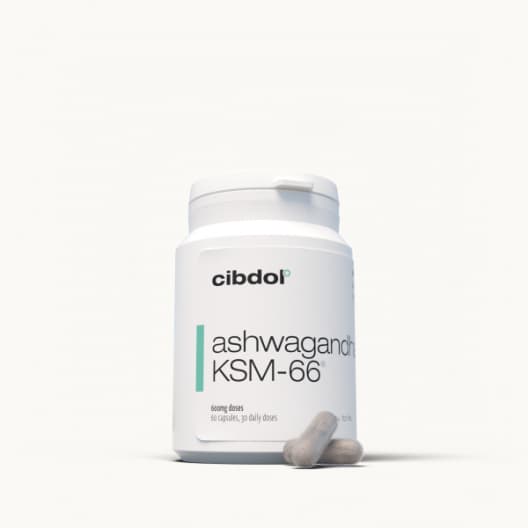
Ashwagandha KSM-66
Clinically studied KSM-66 ashwagandha extract for stress reduction and adrenal support.
- • KSM-66® branded extract
- • Highest concentration full-root extract
- • Reduces cortisol and stress
Disclosure: We may earn a commission if you purchase via these links.
Ashwagandha (KSM-66) is an adaptogen with evidence for reducing cortisol levels and modulating the hypothalamic-pituitary-adrenal (HPA) axis. Since chronic stress can disrupt hormonal balance and exacerbate perimenopausal symptoms, ashwagandha may complement probiotic strategies for hormonal support during the menopausal transition.
Probiotic Strains for Women's Health
Not all probiotics are equal — strain specificity matters enormously. The table below summarises the most evidence-backed strains for women's health.
| Strain | Target Condition | Evidence Level | Key Mechanism |
|---|---|---|---|
| L. rhamnosus GR-1 + L. reuteri RC-14 | BV, UTI prevention, vaginal health | Strong (multiple RCTs) | Vaginal colonisation via oral route; H₂O₂ production; competitive exclusion of UPEC and Gardnerella |
| L. crispatus CTV-05 (Lactin-V) | BV recurrence prevention | Strong (phase 2b RCT) | Restores CST I dominance; produces D- and L-lactic acid; robust H₂O₂ production |
| L. acidophilus La-14 + L. rhamnosus HN001 | General vaginal health | Moderate (RCTs) | Vaginal colonisation; immune modulation; acid production |
| L. rhamnosus GG (LGG) | Pregnancy support; infant eczema prevention | Strong (multiple RCTs) | Gut immune modulation; anti-inflammatory; extensive pregnancy safety data |
| B. lactis BB-12 | Immune support during pregnancy | Strong (multiple RCTs) | Enhanced mucosal immunity; IgA production; well-studied safety profile |
| L. rhamnosus HN001 | Gestational diabetes; postpartum mood | Moderate (RCTs) | Blood glucose regulation; gut-brain axis modulation |
| L. plantarum P17630 | Vaginal candidiasis prevention | Moderate (RCTs) | Adhesion to vaginal epithelium; antifungal activity |
The Gold Standard: L. rhamnosus GR-1 + L. reuteri RC-14
This combination, developed by Dr Gregor Reid at the University of Western Ontario, is the most extensively researched probiotic formulation for women's urogenital health. Key findings include:
- BV treatment: when combined with metronidazole, cure rates improved from ~40% (antibiotics alone) to ~88% (antibiotics + probiotics) in one trial
- UTI prevention: daily oral use reduced recurrent UTI episodes in multiple trials
- Vaginal colonisation: detected in vaginal samples within 7–14 days of oral supplementation
- Postmenopausal health: improved vaginal Lactobacillus counts and reduced vaginal pH in postmenopausal women
Lactin-V: L. crispatus CTV-05
Lactin-V made headlines with the publication of a phase 2b randomised trial in the New England Journal of Medicine in 2020. This vaginally applied live biotherapeutic containing L. crispatus CTV-05 reduced BV recurrence from 45% (placebo) to 30% over 12 weeks when used after standard antibiotic treatment. While the effect size was modest, Lactin-V represents an important proof of concept — directly restoring the most protective vaginal Lactobacillus species.
Pregnancy-Safe Strains
For pregnant women, strain selection must prioritise safety above all else. The strains with the most extensive pregnancy safety data are:
- L. rhamnosus GG (LGG) — decades of use; no adverse pregnancy outcomes reported in systematic reviews
- B. lactis BB-12 — well-studied in pregnancy; supports immune function
- L. rhamnosus HN001 — studied specifically in pregnant populations; associated with reduced gestational diabetes risk
PCOS and the Gut–Brain–Ovary Axis
Polycystic ovary syndrome (PCOS) affects an estimated 8–13% of women of reproductive age and is characterised by hormonal imbalance (androgen excess), insulin resistance, irregular menstruation, and ovarian cysts. Emerging research suggests the gut microbiome plays a significant role in PCOS pathophysiology through what researchers are calling the gut–brain–ovary axis.
The Microbiome Connection
Women with PCOS consistently show reduced gut microbiome diversity compared to healthy controls. Several patterns have emerged:
- Lower Lactobacillus and Bifidobacterium abundance in the gut
- Higher levels of Bacteroides, Escherichia, and Shigella
- Increased intestinal permeability ("leaky gut") — allowing bacterial lipopolysaccharide (LPS) to enter the bloodstream
- Chronic low-grade inflammation — LPS-driven immune activation contributes to insulin resistance and androgen production
How Gut Dysbiosis May Drive PCOS
The proposed mechanism links the gut microbiome to PCOS through a cascade:
- Gut dysbiosis → increased intestinal permeability
- LPS translocation → systemic inflammation
- Inflammation → worsened insulin resistance
- Insulin resistance → hyperinsulinaemia → stimulates ovarian androgen production
- Androgen excess → disrupted ovulation, hirsutism, acne
Probiotic Evidence in PCOS
Several randomised controlled trials have examined probiotics in women with PCOS, with promising but preliminary results:
- Insulin sensitivity: probiotic supplementation (various strains including L. acidophilus, L. casei, B. bifidum) improved fasting insulin and HOMA-IR in multiple trials
- Androgen levels: some studies report modest reductions in free testosterone with probiotic use
- Inflammatory markers: reductions in hs-CRP and other inflammatory markers
- Mental health: improvements in depression and anxiety scores (relevant given the high prevalence of mood disorders in PCOS)
The evidence is still emerging, and no specific probiotic strain has yet been established as a standard PCOS treatment. However, the theoretical framework is compelling, and probiotics targeting gut barrier function and inflammation represent a plausible adjunctive strategy.
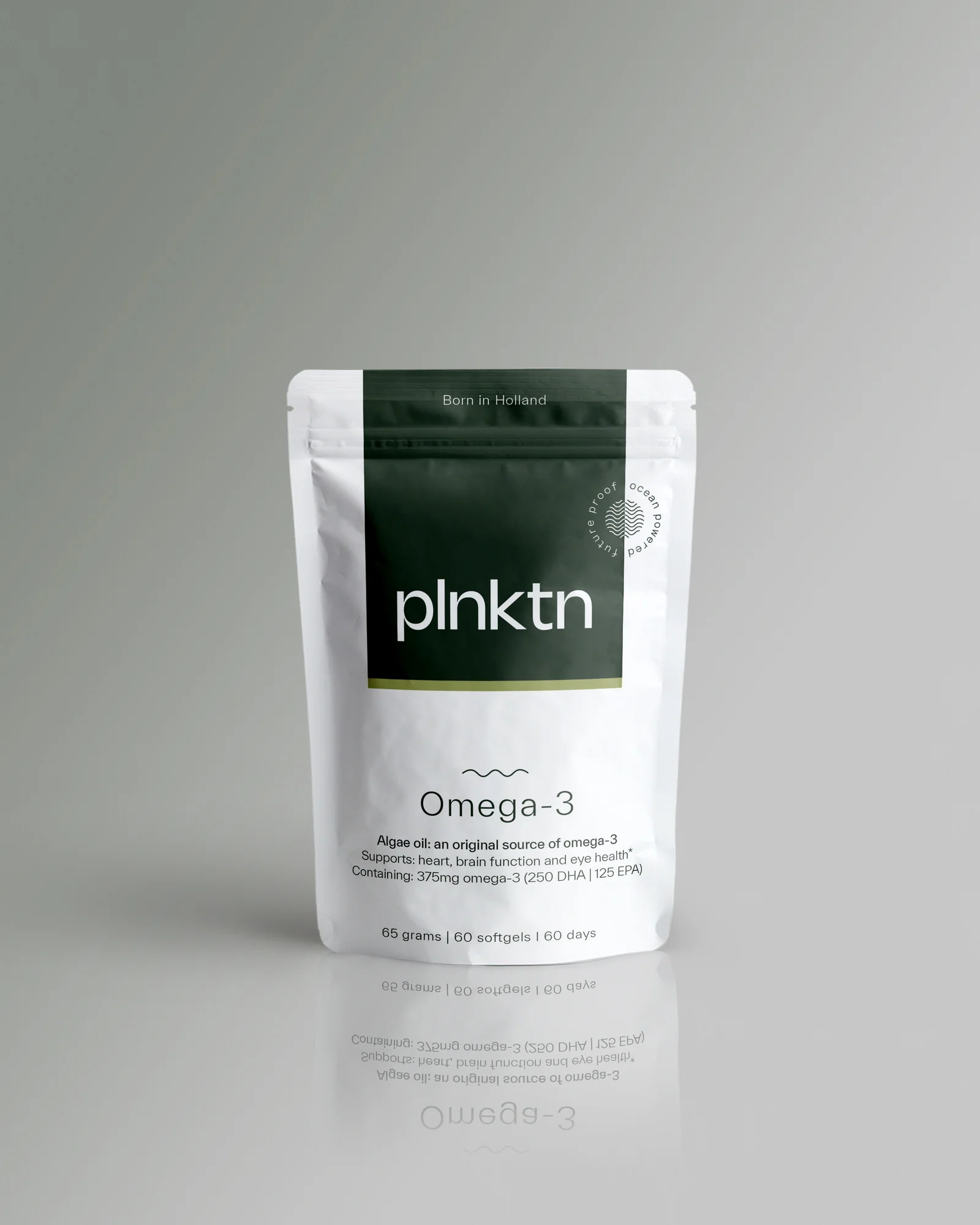

Omega-3 (algenolie)
Daily omega-3 from the original source: algae. With essential EPA and DHA for heart, brain and eyes.
- • 250 mg DHA and 125 mg EPA per capsule
- • 100% fish-free, plant-based algenolie
- • No fishy aftertaste, clean and controlled source
Disclosure: We may earn a commission if you purchase via these links.
Omega-3 fatty acids from algae oil have demonstrated anti-inflammatory effects and may support hormonal balance. In women with PCOS, omega-3 supplementation has been associated with improvements in insulin sensitivity, lipid profiles, and inflammatory markers in several clinical trials — complementing probiotic approaches to managing systemic inflammation.
Endometriosis and Gut Health
Endometriosis — a condition where tissue similar to the uterine lining grows outside the uterus — affects approximately 10% of women of reproductive age and is a leading cause of chronic pelvic pain and infertility. The relationship between the gut microbiome and endometriosis is an area of active research, with several intriguing connections emerging.
The Oestrobolome Connection
The oestrobolome — the collection of gut bacteria that metabolise oestrogen — is particularly relevant to endometriosis. Certain gut bacteria produce β-glucuronidase, an enzyme that deconjugates oestrogen metabolites, allowing them to be reabsorbed into circulation rather than excreted. An overactive oestrobolome can lead to higher circulating oestrogen levels, which may fuel the growth of endometrial implants.
Women with endometriosis have been found to have altered gut microbiome compositions, with some studies reporting:
- Increased Proteobacteria and reduced Lactobacillus in gut samples
- Elevated β-glucuronidase activity — potentially contributing to oestrogen-driven disease progression
- Higher levels of inflammatory cytokines linked to gut dysbiosis
Inflammation and Gut Barrier Function
Endometriosis is fundamentally an inflammatory condition. Gut dysbiosis may contribute to the systemic inflammatory milieu through:
- Increased intestinal permeability — allowing bacterial products to enter the bloodstream
- Immune dysregulation — altered T-cell responses and elevated pro-inflammatory cytokines
- Visceral hypersensitivity — gut dysbiosis may worsen the abdominal and pelvic pain experienced by women with endometriosis
Probiotics for Endometriosis: Where We Stand
Research on probiotics specifically for endometriosis is in its early stages. Animal studies have shown promising results — Lactobacillus supplementation reduced the size of endometrial implants and inflammatory markers in mouse models. However, human clinical trial data remains limited.
What we can say is that maintaining a healthy gut microbiome through probiotic supplementation, along with anti-inflammatory dietary strategies, is a reasonable approach for women with endometriosis. The focus should be on:
- Supporting gut barrier function — strains with evidence for reducing intestinal permeability
- Reducing systemic inflammation — anti-inflammatory probiotic strains
- Oestrobolome modulation — though this is still largely theoretical as a therapeutic target
Practical Guide: Choosing Probiotics for Women's Health
Selecting the right probiotic depends on your specific health goal. Here is a practical framework:
By Health Goal
| Goal | Recommended Strains | Delivery | Duration |
|---|---|---|---|
| BV prevention/recurrence | L. rhamnosus GR-1 + L. reuteri RC-14; or L. crispatus CTV-05 | Oral (GR-1/RC-14) or vaginal (CTV-05) | 2–3 months minimum after antibiotic treatment |
| UTI prevention | L. rhamnosus GR-1 + L. reuteri RC-14 | Oral | Ongoing daily use; minimum 3–6 months |
| Pregnancy support | L. rhamnosus GG; B. lactis BB-12; L. rhamnosus HN001 | Oral | Throughout pregnancy (consult healthcare provider) |
| Menopause/GSM | L. rhamnosus GR-1 + L. reuteri RC-14 | Oral | Ongoing; combine with vaginal oestrogen if appropriate |
| General vaginal health | L. acidophilus La-14 + L. rhamnosus HN001 | Oral | Ongoing daily use |
| PCOS support | Multi-strain Lactobacillus + Bifidobacterium | Oral | Minimum 3 months to assess response |
What to Look for on the Label
- Strain-level identification — the label should list strains (e.g., L. rhamnosus GR-1), not just species. If a product says only "Lactobacillus rhamnosus" without a strain identifier, the evidence for specific health benefits does not apply.
- CFU count at expiry — look for products guaranteeing colony-forming units (CFU) at the date of expiry, not at the time of manufacture. A count of 1–10 billion CFU per day is typical for vaginal/urinary health.
- Evidence-backed strains — choose strains with published clinical trial data for your specific concern.
- Proper storage — some strains require refrigeration; others are shelf-stable. Follow manufacturer guidance.
- No unnecessary additives — avoid products with excessive fillers, sweeteners, or allergens.
Oral vs Vaginal Probiotics
Both routes have evidence, but they work differently:
- Oral probiotics are more convenient, better studied, and address the gut reservoir simultaneously. They reach the vaginal tract via rectal migration within 1–2 weeks.
- Vaginal probiotics deliver bacteria directly to the target site, achieving higher local concentrations more quickly. They are less convenient and less well-studied for long-term use.
For most women, oral probiotics represent the most practical long-term strategy, with vaginal probiotics reserved for acute interventions (such as post-antibiotic restoration after BV treatment).
Complementary Approaches
Probiotics work best as part of a broader strategy for women's health. Several complementary approaches have clinical evidence:
D-Mannose for UTI Prevention
D-mannose (2g daily) has shown efficacy comparable to low-dose prophylactic antibiotics for preventing recurrent UTIs, without antibiotic resistance concerns. It works by preventing E. coli from adhering to the bladder wall — a different mechanism from probiotics, making the two approaches complementary.
Omega-3 Fatty Acids
Omega-3 fatty acids (EPA and DHA) have broad anti-inflammatory effects relevant to multiple women's health conditions:
- Menstrual pain (dysmenorrhoea) — omega-3 supplementation reduced pain severity in multiple trials
- PCOS — improved insulin sensitivity and lipid profiles
- Endometriosis — may reduce inflammatory mediators that drive disease progression
- Pregnancy — supports foetal brain development; may reduce preterm birth risk
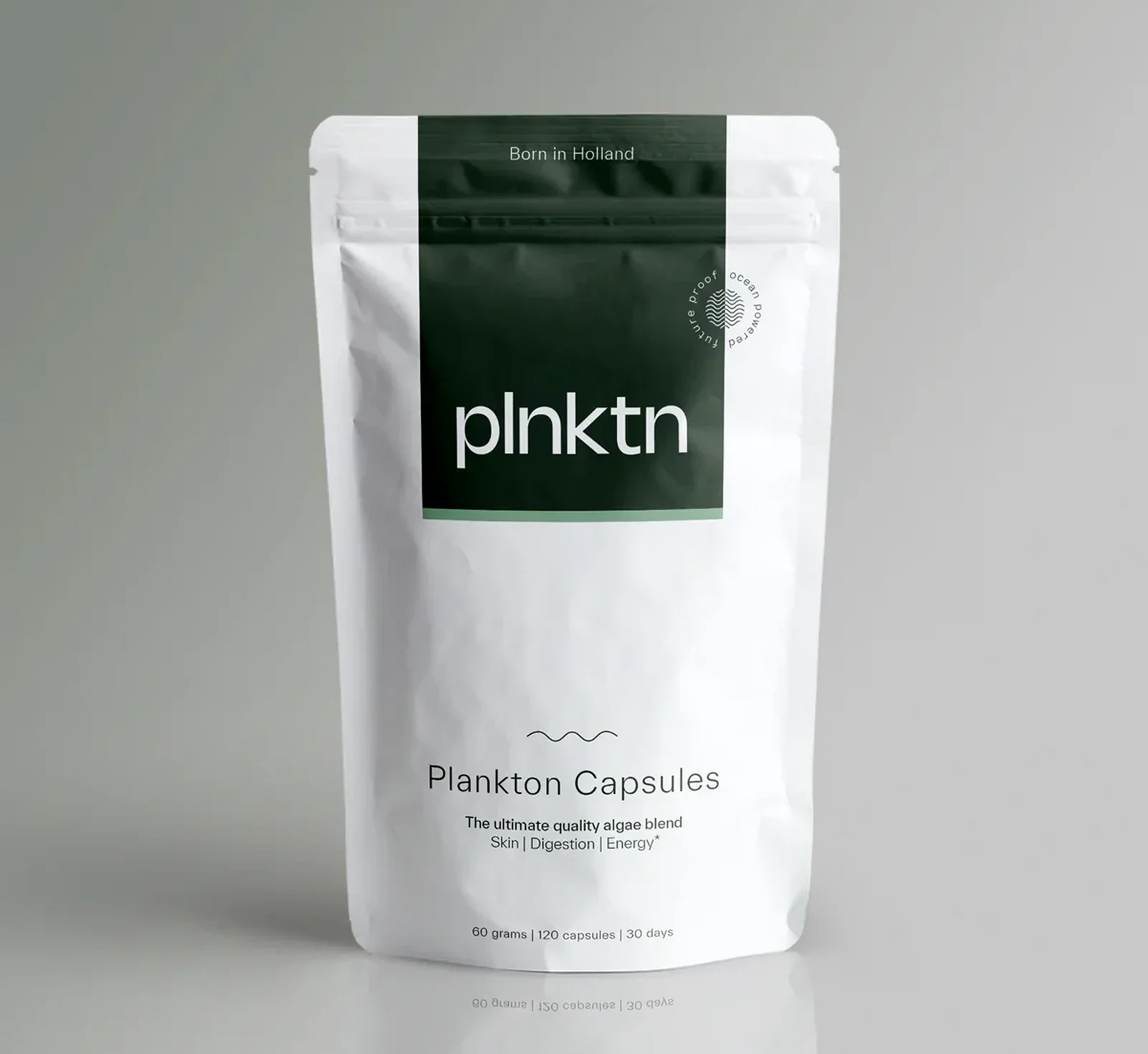
Plankton Capsules
Blend of 4 nutrient-dense micro- and macroalgae from European cultivation. Daily support for gut, skin and energy.
- • 75+ nutrients: minerals, vitamins, pigments, antioxidants and complete proteins
- • 100% natural, plant-based and responsibly grown
- • Supports digestion, energy metabolism and skin health
Disclosure: We may earn a commission if you purchase via these links.
Marine plankton capsules provide a comprehensive nutritional foundation with over 75 bioavailable nutrients, including essential fatty acids, minerals, and antioxidants. This broad-spectrum nutritional support complements targeted probiotic supplementation by addressing the foundational nutrient needs that support both gut and hormonal health.
Ashwagandha for Hormonal Stress
Ashwagandha (Withania somnifera), particularly the standardised KSM-66 extract, has demonstrated cortisol-lowering effects in multiple randomised controlled trials. Since chronic stress and elevated cortisol can:
- Disrupt the hypothalamic-pituitary-ovarian (HPO) axis
- Worsen insulin resistance (relevant to PCOS)
- Exacerbate perimenopausal symptoms
- Potentially impair gut barrier function
…adaptogenic support may indirectly benefit the vaginal microbiome by reducing the hormonal disruptions that destabilise it.
Prebiotic Fibre
Prebiotic fibres (inulin, FOS, GOS) nourish beneficial gut bacteria, including Lactobacillus and Bifidobacterium species. While prebiotics do not directly affect the vaginal microbiome, they support the gut reservoir of Lactobacillus that seeds vaginal colonisation.
Frequently Asked Questions
Can I take probiotics during pregnancy?
Yes — specific strains have extensive safety data in pregnancy, particularly L. rhamnosus GG, B. lactis BB-12, and L. rhamnosus HN001. These strains have been used in numerous clinical trials involving pregnant women with no reported adverse effects. However, you should always inform your midwife or obstetrician about any supplements you are taking, and avoid unresearched strains or very high-dose formulations without professional guidance.
How long does it take for oral probiotics to reach the vaginal tract?
Clinical studies have detected orally consumed Lactobacillus strains in vaginal samples within 7–14 days of starting supplementation. However, meaningful shifts in vaginal microbiome composition may take 4–8 weeks of consistent daily use. Patience and consistency are key.
Should I take probiotics during or after antibiotics for BV/UTI?
Ideally, both. Taking probiotics during antibiotic treatment may reduce side effects (including antibiotic-associated diarrhoea and yeast infections), though you should separate doses by 2–3 hours to avoid the antibiotic killing the probiotic. Continuing probiotics for at least 2–3 months after completing antibiotics is critical for preventing BV recurrence.
Are vaginal probiotic suppositories better than oral probiotics?
Not necessarily. Each route has advantages. Vaginal suppositories deliver bacteria directly to the target site, achieving faster local colonisation. Oral probiotics are more convenient, address the gut reservoir (which is a source of both pathogens and protective bacteria), and have more clinical trial evidence for long-term use. For most women, oral probiotics are the practical first choice, with vaginal suppositories considered for acute restoration after BV treatment.
Can probiotics help with recurrent thrush (vaginal candidiasis)?
The evidence is modest but growing. Certain Lactobacillus strains (including L. rhamnosus GR-1 + L. reuteri RC-14 and L. plantarum P17630) have shown potential to reduce Candida colonisation and recurrence in small clinical trials. Lactobacillus species inhibit Candida through lactic acid production, competitive exclusion, and direct antifungal activity. Probiotics should be considered as adjunctive to, not a replacement for, antifungal treatment.
Do I need to refrigerate my probiotics?
It depends on the formulation. Some probiotic strains are available in shelf-stable formulations using protective technologies (microencapsulation, freeze-drying with cryoprotectants), while others require refrigeration to maintain viability. Always follow the manufacturer's storage instructions. Regardless of formulation type, avoid exposing probiotics to heat, moisture, or direct sunlight.
Disclaimer
This article is for informational purposes only and does not constitute medical advice, diagnosis, or treatment. The information presented is based on published scientific research and is intended to support, not replace, the relationship between a patient and their healthcare provider.
Women who are pregnant, breastfeeding, or planning pregnancy should consult their midwife, obstetrician, or GP before starting any new supplement, including probiotics. While certain probiotic strains have established safety profiles in pregnancy, individual circumstances vary.
If you are experiencing symptoms of BV, UTI, or other vaginal/urinary conditions, please seek assessment from a qualified healthcare professional. Probiotics are best used as part of a comprehensive treatment plan, not as a standalone therapy for active infections.
Smart Supplements may earn a commission from products featured in this article. This does not influence our editorial recommendations, which are based solely on published evidence.
Related Articles
Related topics
Related articles
Gut Health for Kids: Safe Probiotics & Building a Healthy Microbiome Early
Your child's microbiome is largely established by age three — and what happens in those first 1,000 days shapes lifelong health. Here is everything parents
The Gut Health Supplement Stack: Building Your Daily Protocol
A complete guide to building an evidence-based gut health supplement stack. Learn the five pillars of gut support — prebiotics, probiotics, anti-inflammato
Probiotics for Skin: The Gut-Skin Axis and Beauty From Within
Discover how the gut-skin axis connects your digestive health to conditions like acne, rosacea, eczema and premature ageing. Explore the science behind pro