
Akkermansia Muciniphila: The Next-Gen Probiotic Revolutionising Gut Health
Written by Smart Supplements Editorial Team
Key takeaways
- Akkermansia muciniphila is a keystone gut bacterium (1–4% of a healthy microbiome) that plays an outsized role in gut barrier integrity, metabolic regulation, and immune signalling.
- Lower Akkermansia abundance is consistently found in obesity, type 2 diabetes, metabolic syndrome, and inflammatory bowel disease.
- A 2019 Nature Medicine trial showed pasteurised (heat-killed) Akkermansia improved insulin sensitivity over 12 weeks — outperforming the live form.
- Pasteurised Akkermansia received EU Novel Food authorisation in 2023 (Regulation 2023/1411), the first next-gen probiotic to clear this regulatory hurdle.
- Emerging research links Akkermansia to natural GLP-1 stimulation, the same satiety hormone targeted by semaglutide (Ozempic).
- You can support Akkermansia growth naturally through polyphenols, omega-3 fatty acids, prebiotic fibre, exercise, and intermittent fasting.
Table of contents
- What Is Akkermansia Muciniphila?
- Why Akkermansia Is Called a Keystone Species
- The Metabolic Health Connection
- The GLP-1 Connection: Akkermansia and Weight Management
- The Landmark Research: The 2019 Nature Medicine Trial
- EU Regulatory Status: Novel Food Authorisation
- Pasteurised vs Live: Why Dead Bacteria Work Better
- How to Increase Akkermansia Naturally
- Who Might Benefit Most from Akkermansia Supplementation?
- Safety and Side Effects
- The Future of Next-Gen Probiotics
- Frequently Asked Questions
- Disclaimer
- Related Articles
What Is Akkermansia Muciniphila?
If you have spent any time reading about gut health in the past few years, you will have noticed that the conversation has moved well beyond yoghurt and Lactobacillus. Scientists are now turning their attention to a class of organisms sometimes called next-generation probiotics — bacteria that were historically difficult to culture outside the body but that appear to play pivotal roles in human health. At the very top of that list sits Akkermansia muciniphila.
Akkermansia muciniphila was first isolated and formally described in 2004 by a team led by Professor Muriel Derrien at Wageningen University in the Netherlands. The bacterium was named in honour of the late Dutch microbiologist Antoon Akkermans, while muciniphila translates to "mucin-loving" — a fitting name, as we shall see.
Where does it live?
Unlike most gut bacteria that reside in the lumen (the open interior of the intestine), Akkermansia has carved out a rather unique ecological niche. It lives within the mucus layer that lines the intestinal wall — a gel-like barrier composed primarily of mucin glycoproteins secreted by goblet cells. This mucus layer serves as the critical interface between the contents of your gut and the single layer of epithelial cells that separates your body from the outside world.
What does it do with mucus?
Here is where the biology becomes genuinely elegant. Akkermansia feeds on mucin — it is one of very few organisms in the gut capable of degrading this complex glycoprotein. At first glance, a bacterium that eats your protective mucus layer might sound counterproductive. In reality, the opposite is true: by carefully grazing on mucin, Akkermansia sends chemical signals to goblet cells that stimulate fresh mucus production. The result is a thicker, healthier, more resilient mucus barrier.
Think of it as a gardener pruning a hedge. The trimming itself removes material, but it triggers vigorous new growth that leaves the hedge denser and healthier than before. This mucus-turnover cycle is fundamental to gut barrier integrity, and it is one of the primary reasons Akkermansia has attracted so much clinical interest.
A quick taxonomy note
Akkermansia muciniphila belongs to the phylum Verrucomicrobia, which makes it taxonomically distinct from the Lactobacillus, Bifidobacterium, and other Firmicutes or Actinobacteria species that have traditionally dominated the probiotic market. In a healthy adult gut, Akkermansia typically accounts for 1–4 % of all bacteria by relative abundance — a substantial proportion for a single species.
Why Akkermansia Is Called a Keystone Species
In ecology, a keystone species is one whose influence on the ecosystem is disproportionately large relative to its abundance. Wolves in Yellowstone are the classic textbook example: a relatively small population that shapes the behaviour of herbivores, the course of rivers, and the composition of entire forests. Akkermansia plays a comparable role in the gut microbiome.
Cross-feeding other beneficial bacteria
When Akkermansia degrades mucin, the breakdown products — principally short-chain fatty acids like acetate and propionate — do not simply vanish. They become fuel for other beneficial species, most notably Faecalibacterium prausnitzii, a major butyrate producer. Butyrate, in turn, is the preferred energy source for colonocytes (the cells lining the colon) and a powerful anti-inflammatory signal. This cross-feeding network means that Akkermansia supports an entire downstream community of beneficial microbes.
Reinforcing the gut barrier
Beyond mucus renewal, Akkermansia contributes to gut barrier function through several mechanisms:
- Tight junction protein expression — studies in mice have shown that Akkermansia supplementation upregulates the expression of tight junction proteins such as occludin and claudin-3, which seal the gaps between epithelial cells.
- Reduced endotoxaemia — by maintaining a robust mucus layer and tight junctions, Akkermansia helps prevent the translocation of lipopolysaccharides (LPS) — bacterial toxins — from the gut into the bloodstream. Elevated circulating LPS, sometimes called metabolic endotoxaemia, is a well-established driver of chronic low-grade inflammation.
- Immune modulation — Akkermansia interacts with toll-like receptor 2 (TLR2) and other pattern recognition receptors, helping to calibrate the immune system's response to gut microbes.
When Akkermansia abundance drops, this entire cascade weakens. The mucus layer thins, barrier permeability increases, inflammatory signals rise, and the conditions that favour metabolic disease begin to take hold.
The Metabolic Health Connection
The link between Akkermansia and metabolic health has become one of the most consistent findings in modern microbiome research. Study after study, across different populations and methodologies, arrives at the same pattern: lower Akkermansia abundance correlates with poorer metabolic outcomes.
Obesity
Multiple large-scale metagenomic studies have found that individuals with obesity tend to harbour significantly less Akkermansia than their lean counterparts. A 2013 study published in Gut analysed the microbiome composition of over 150 Danish adults and found that those classified as having a "low gene count" microbiome — associated with metabolic dysfunction — had markedly reduced Akkermansia levels.
Type 2 diabetes
The association extends to type 2 diabetes (T2D). A 2017 meta-analysis of gut microbiome studies in T2D patients consistently identified Akkermansia depletion as one of the most reliable microbial signatures of the disease. The relationship appears bidirectional: poor metabolic health reduces Akkermansia, and reduced Akkermansia may further impair metabolic regulation.
Metabolic syndrome
Metabolic syndrome — the cluster of conditions including elevated blood sugar, excess abdominal fat, abnormal cholesterol levels, and high blood pressure — shows a similarly strong inverse relationship with Akkermansia abundance. Researchers at the French National Institute for Agricultural Research (INRAE) demonstrated that Akkermansia levels could partially predict how well patients responded to dietary interventions for metabolic syndrome.
Inflammatory bowel disease
The picture extends beyond metabolism. Patients with inflammatory bowel disease (IBD), particularly Crohn's disease, also tend to show reduced Akkermansia. This aligns with the bacterium's role in maintaining mucus layer integrity — a process that is fundamentally compromised in IBD.
It is important to emphasise that these are primarily observational findings. Correlation does not equal causation, and microbiome research is notorious for confounding variables. However, the consistency of the pattern across independent studies, combined with strong mechanistic plausibility, has made the case for Akkermansia's causal role increasingly compelling — a case substantially strengthened by the intervention trials we will discuss next.
The GLP-1 Connection: Akkermansia and Weight Management
If there is one topic that has catapulted Akkermansia from niche microbiology journals into mainstream health conversations, it is the connection to GLP-1 (glucagon-like peptide-1) — the same incretin hormone that underlies the dramatic weight-loss effects of semaglutide (Ozempic, Wegovy) and tirzepatide (Mounjaro).
What is GLP-1?
GLP-1 is a hormone produced by L-cells in the gut lining. When you eat, these cells release GLP-1, which signals the pancreas to produce insulin, slows gastric emptying (making you feel full longer), and acts on the brain to reduce appetite. The blockbuster GLP-1 receptor agonist drugs essentially mimic this hormone at far higher and more sustained levels than the body normally produces.
How Akkermansia may stimulate GLP-1
Emerging preclinical research suggests that Akkermansia can naturally enhance the body's own GLP-1 production. The proposed mechanisms include:
- Short-chain fatty acid signalling — the acetate and propionate produced by Akkermansia's mucin degradation activate free fatty acid receptors (FFAR2 and FFAR3) on L-cells, directly stimulating GLP-1 secretion.
- Gut barrier improvement — by reducing low-grade inflammation and endotoxaemia, Akkermansia may improve the overall function and responsiveness of enteroendocrine cells, including L-cells.
- Endocannabinoid system modulation — a particularly intriguing line of research has linked Akkermansia to changes in the endocannabinoid system, which regulates appetite, energy balance, and gut motility. Animal studies have shown that Akkermansia administration alters endocannabinoid tone in ways that favour reduced fat storage and improved metabolic signalling.
Putting it in perspective
It would be irresponsible to suggest that an Akkermansia supplement can replicate the effects of GLP-1 agonist drugs. The pharmacological doses of synthetic GLP-1 delivered by medications like semaglutide vastly exceed anything the body produces naturally. However, the idea that supporting Akkermansia levels could optimise endogenous GLP-1 production — helping the body's own appetite-regulation system work more effectively — is a credible hypothesis with growing evidence behind it. For individuals who are not candidates for GLP-1 drugs, or who are looking for complementary strategies, this is a space worth watching.
The Landmark Research: The 2019 Nature Medicine Trial
The single most important study in the Akkermansia story was published in July 2019 in Nature Medicine by Depommier, Everard, Cani, and colleagues — building on earlier preclinical work by Plovier et al. (2017). This was the first randomised, double-blind, placebo-controlled human trial of Akkermansia muciniphila supplementation.
Study design
The trial enrolled 40 overweight or obese volunteers with insulin resistance. Participants were randomly assigned to one of three groups for 12 weeks:
- Live Akkermansia (10 billion CFU per day)
- Pasteurised Akkermansia (10 billion heat-killed cells per day)
- Placebo
All participants maintained their usual diet and exercise habits throughout the trial.
Key findings
The results were striking:
- Insulin sensitivity improved significantly in the pasteurised Akkermansia group compared to placebo. Insulin levels dropped, and the insulinogenic index improved.
- Total cholesterol decreased in the pasteurised group.
- Body weight showed a slight reduction in the Akkermansia groups versus placebo (approximately 2.3 kg less weight gain over the study period), though this was a secondary outcome.
- Liver function markers improved, with a reduction in relevant liver enzymes.
- White blood cell counts decreased slightly, suggesting reduced systemic inflammation.
The pasteurised paradox
Perhaps the most surprising finding was that the pasteurised (heat-killed) form outperformed the live bacteria on several metabolic parameters. This was not entirely unexpected — the same team's earlier mouse studies had hinted at this — but seeing it confirmed in humans was a genuine paradigm shift. We will explore why dead bacteria might work better in the next section.
Safety
Crucially, the trial found that Akkermansia supplementation was well-tolerated with no serious adverse events. There were no significant differences in gastrointestinal symptoms between the treatment and placebo groups. This safety profile was an essential prerequisite for regulatory approval.
EU Regulatory Status: Novel Food Authorisation
On 14 July 2023, the European Commission adopted Implementing Regulation (EU) 2023/1411, authorising pasteurised Akkermansia muciniphila as a Novel Food under Regulation (EU) 2015/2283. This was a watershed moment — the first time a next-generation probiotic had cleared the EU's rigorous Novel Food framework.
What does Novel Food authorisation mean?
The EU Novel Food Regulation covers foods that were not consumed to a significant degree within the EU before May 1997. Because Akkermansia muciniphila had never been used as a food ingredient prior to that date, any company wishing to market it as a supplement in Europe had to submit a comprehensive safety dossier to the European Food Safety Authority (EFSA), demonstrating that the product is safe for human consumption at the proposed dose.
The authorised product
The authorisation is specific:
- Organism: Akkermansia muciniphila strain WB-STR-0001
- Form: Pasteurised (heat-treated, non-viable)
- Maximum dose: 3.4 x 10^10 cells per day
- Target population: Adults in the general population
- Applicant: The Akkermansia Company, based in Oss, the Netherlands
The Akkermansia Company
The Akkermansia Company was co-founded by Professor Willem de Vos, a renowned microbiologist at Wageningen University & Research, alongside Professor Patrice Cani of UCLouvain in Belgium. The company is the commercial arm of over a decade of academic research and holds the exclusive licence for the WB-STR-0001 strain. Their product is manufactured under pharmaceutical-grade conditions and undergoes rigorous quality control.
Why the regulatory milestone matters
The Novel Food authorisation is significant for several reasons:
- Consumer confidence — it provides an independent, science-based confirmation that the product is safe.
- Market access — supplements containing pasteurised Akkermansia can now be legally sold across all 27 EU member states (plus EEA countries).
- Precedent — it paves the way for other next-generation probiotics to seek authorisation, signalling to the industry that the regulatory pathway is viable.
- Quality assurance — only the specific strain (WB-STR-0001) in the specific form (pasteurised) at the specific dose has been authorised. This discourages untested knock-offs.
Pasteurised vs Live: Why Dead Bacteria Work Better
This is perhaps the most counterintuitive aspect of the Akkermansia story, and it deserves a thorough explanation. We are conditioned to think of probiotics as living organisms — the whole point, we assume, is that they colonise the gut and proliferate. So how can dead bacteria be more effective?
The Amuc_1100 protein
The answer lies largely in a specific protein on the outer membrane of Akkermansia called Amuc_1100. This protein interacts with toll-like receptor 2 (TLR2) on intestinal epithelial cells, triggering a cascade of beneficial effects:
- Strengthening of tight junctions between epithelial cells
- Modulation of immune responses (reducing pro-inflammatory signalling)
- Improvement of gut barrier function
Critically, Amuc_1100 is thermostable — it survives the pasteurisation process intact. When the bacteria are heat-killed, the Amuc_1100 protein remains exposed and accessible on the bacterial surface, ready to interact with host receptors. In fact, some researchers believe that pasteurisation may make Amuc_1100 more accessible by breaking down other surface structures that partially obscure it in the live form.
Stability advantages
The practical advantages of a pasteurised product are substantial:
- No cold chain required — live Akkermansia is an obligate anaerobe (it dies rapidly in the presence of oxygen) and requires careful cold storage. The pasteurised form is stable at room temperature with a longer shelf life.
- Consistent dosing — with live bacteria, viability can vary enormously depending on storage conditions and time since manufacture. Pasteurised products deliver a consistent number of cells with each dose.
- Safety margin — because the cells are non-viable, there is zero risk of unintended colonisation or overgrowth, which may be relevant for immunocompromised individuals.
Reclassifying our understanding
The success of pasteurised Akkermansia has prompted some researchers to reclassify it not as a probiotic (which by definition involves live organisms) but as a postbiotic — a preparation of inactivated microorganisms and/or their components that confers a health benefit. This aligns with the broader trend towards postbiotic products, which we have discussed in our guide to postbiotics vs probiotics.
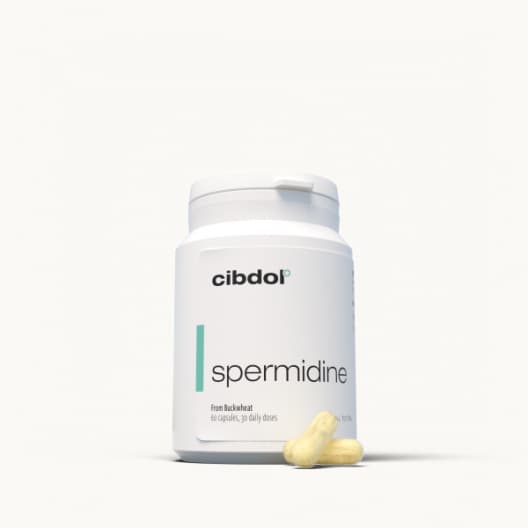

Spermidine
Spermidine supplement to support autophagy, cellular renewal, and healthy aging.
- • Promotes autophagy
- • Supports cellular renewal
- • Wheat germ extract source
Disclosure: We may earn a commission if you purchase via these links.
Spermidine complements Akkermansia's gut barrier work through a different mechanism: it promotes autophagy, the cellular housekeeping process that clears damaged proteins and renews the gut lining. Supporting both mucus turnover (via Akkermansia) and cellular renewal (via autophagy-promoting compounds like spermidine) creates a more comprehensive approach to intestinal health.
How to Increase Akkermansia Naturally
While direct supplementation with pasteurised Akkermansia is now available in Europe, there is also a substantial body of evidence on dietary and lifestyle factors that can support your existing Akkermansia population. Whether you choose to supplement or not, these strategies form a solid foundation for gut health.
1. Polyphenol-rich foods
Polyphenols are among the most potent and well-documented Akkermansia boosters. These plant compounds are poorly absorbed in the small intestine, meaning they reach the colon intact, where they selectively promote the growth of beneficial bacteria — including Akkermansia.
The standout polyphenol sources for Akkermansia include:
- Pomegranate — ellagitannins in pomegranate are converted by gut bacteria into urolithins, which have been shown to increase Akkermansia abundance in both animal and human studies.
- Cranberry — a 2015 study in Gut found that cranberry extract dramatically increased Akkermansia levels in mice and improved metabolic outcomes. Proanthocyanidins appear to be the active compounds.
- Green tea — epigallocatechin gallate (EGCG) and other catechins in green tea have prebiotic-like effects that favour Akkermansia growth.
- Grapes and red wine — resveratrol and other grape polyphenols have been linked to increased Akkermansia in several animal studies.
- Concord grape, blueberry, and dark chocolate — all rich in polyphenols with demonstrated microbiome-modulating effects.
2. Omega-3 fatty acids
Omega-3 fatty acids — particularly EPA and DHA — have been shown to support Akkermansia abundance. A 2017 study in Scientific Reports found that omega-3 supplementation increased Akkermansia levels in the gut, potentially through anti-inflammatory effects on the intestinal environment that create more favourable conditions for the bacterium.
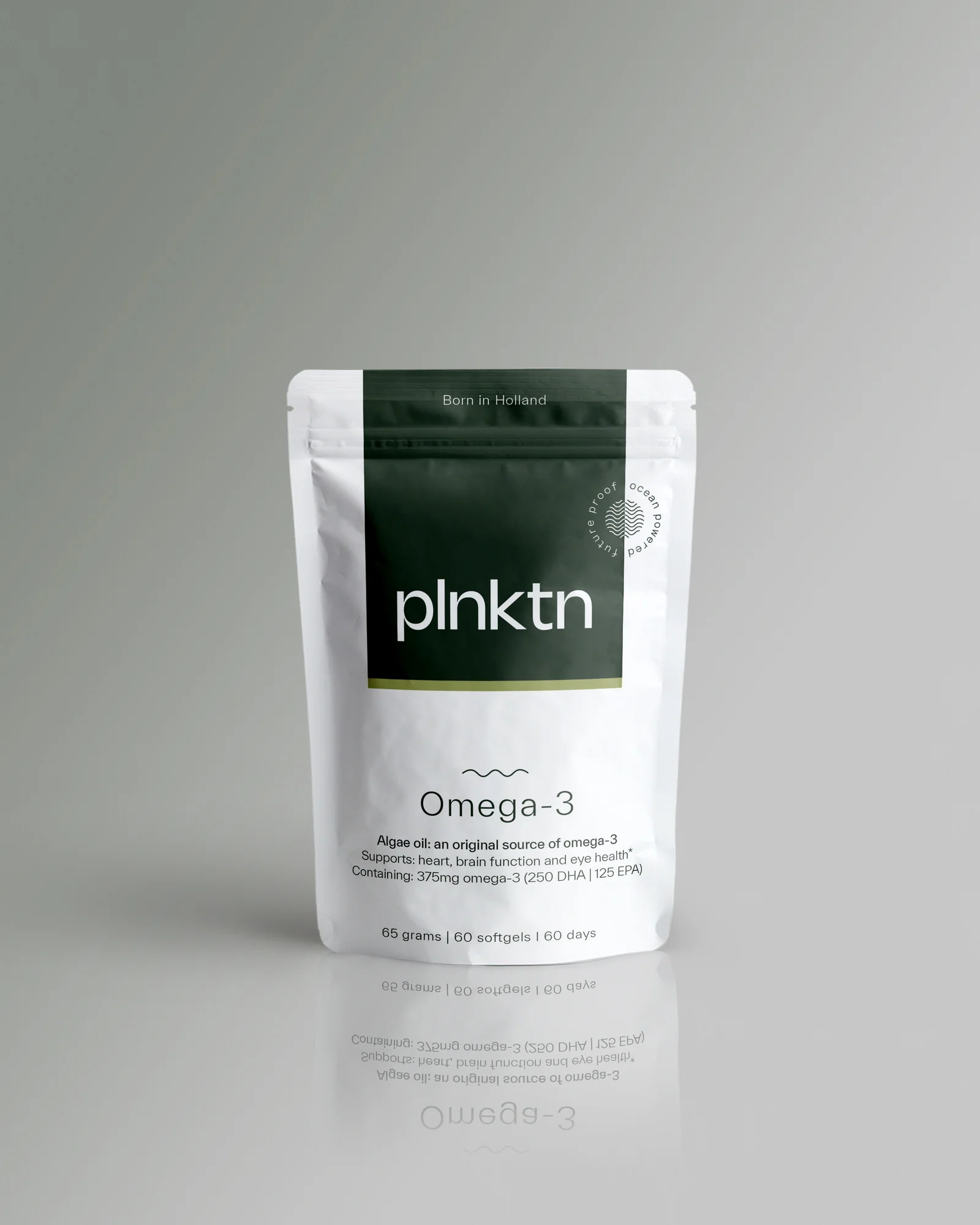

Omega-3 (algenolie)
Daily omega-3 from the original source: algae. With essential EPA and DHA for heart, brain and eyes.
- • 250 mg DHA and 125 mg EPA per capsule
- • 100% fish-free, plant-based algenolie
- • No fishy aftertaste, clean and controlled source
Disclosure: We may earn a commission if you purchase via these links.
This algae-derived omega-3 provides EPA and DHA from a sustainable, plant-based source. Beyond its well-known cardiovascular and cognitive benefits, omega-3 supplementation represents one of the more accessible ways to support a gut environment where Akkermansia can thrive.
3. Prebiotic fibre
Inulin and fructo-oligosaccharides (FOS) — fermentable fibres found in chicory root, Jerusalem artichoke, garlic, onion, and leeks — have been shown to increase Akkermansia levels. The mechanism is likely indirect: these fibres promote butyrate-producing bacteria, which in turn create an intestinal environment (lower pH, reduced oxygen) that favours Akkermansia.
Other fibres worth noting include resistant starch (found in cooked and cooled potatoes, green bananas, and oats) and pectin (abundant in apples and citrus peel).
4. Caloric restriction and intermittent fasting
Several animal studies have found that caloric restriction and various forms of intermittent fasting increase Akkermansia abundance. A 2018 study in Gut Microbes showed that every-other-day fasting in mice significantly boosted Akkermansia levels and improved metabolic markers. The proposed mechanism involves changes in mucus production and composition during fasting periods that selectively benefit mucin-degrading species.
5. Regular exercise
Physical activity has been independently associated with higher Akkermansia levels, even after controlling for diet. A landmark 2014 study of professional rugby players found significantly elevated Akkermansia compared to sedentary controls. While the athletes' diet was also different, subsequent controlled studies have confirmed that exercise itself appears to promote Akkermansia growth.
6. A note on metformin
Interestingly, metformin — the most widely prescribed drug for type 2 diabetes — has been shown to increase Akkermansia abundance as a side effect of its mechanism of action. Some researchers have proposed that part of metformin's therapeutic benefit may actually be mediated through its effects on the gut microbiome, including Akkermansia enrichment. This is not a reason to take metformin for gut health (it is a prescription medication with its own side effect profile), but it does add another piece to the puzzle linking Akkermansia to metabolic regulation.
5% CBG & 2.5% CBD Oil
Cibdol's CBG & CBD combination oil — 5% CBG (cannabigerol) paired with 2.5% CBD in a full-spectrum formula. CBG is the precursor cannabinoid known as the "mother of cannabinoids", with emerging research pointing to anti-inflammatory, neuroprotective and gut-supportive properties. Swiss-produced, third-party tested.
- • 5% CBG + 2.5% CBD — dual-cannabinoid formula
- • CBG: anti-inflammatory and neuroprotective properties
- • Full-spectrum Swiss-produced oil
Disclosure: We may earn a commission if you purchase via these links.
Cannabigerol (CBG) is gaining attention for its anti-inflammatory properties in the gut. While research on CBG and Akkermansia specifically is still early, CBG's ability to modulate intestinal inflammation and support gut barrier function makes it a complementary addition to a gut-focused supplement regimen.
Who Might Benefit Most from Akkermansia Supplementation?
While a healthy Akkermansia population benefits everyone, certain groups may have the most to gain from targeted support — whether through supplementation, dietary strategies, or both.
Individuals with metabolic syndrome
Given the robust association between low Akkermansia and metabolic dysfunction, people with elevated blood sugar, insulin resistance, or central obesity represent the most evidence-based target population. The 2019 Nature Medicine trial specifically enrolled this group, and the results were encouraging.
Post-antibiotic recovery
Broad-spectrum antibiotics are notoriously indiscriminate — they can decimate beneficial bacteria alongside pathogens. Some research suggests that Akkermansia is particularly vulnerable to certain antibiotic classes. Supporting Akkermansia recovery after a course of antibiotics could help restore gut barrier function more quickly.
People taking GLP-1 receptor agonists
For individuals already using GLP-1 medications like semaglutide, there is a logical case for supporting Akkermansia as a complementary strategy. If Akkermansia enhances endogenous GLP-1 production and improves the gut environment, it may support the broader metabolic goals that GLP-1 therapy aims to achieve. This is speculative but physiologically plausible, and some integrative practitioners are already exploring this combination.
Those with low microbiome diversity
Gut microbiome testing has become increasingly accessible, and many people are discovering that their Akkermansia levels are low. If a validated stool test shows reduced Akkermansia abundance, targeted support — through diet, prebiotics, or direct supplementation — is a reasonable approach.
IBD and gut barrier concerns
While people with active inflammatory bowel disease should always work with their gastroenterologist before adding new supplements, the connection between Akkermansia depletion and compromised gut barrier function suggests potential benefit for those with leaky gut concerns. Our guide to leaky gut supplements explores this topic in more detail.
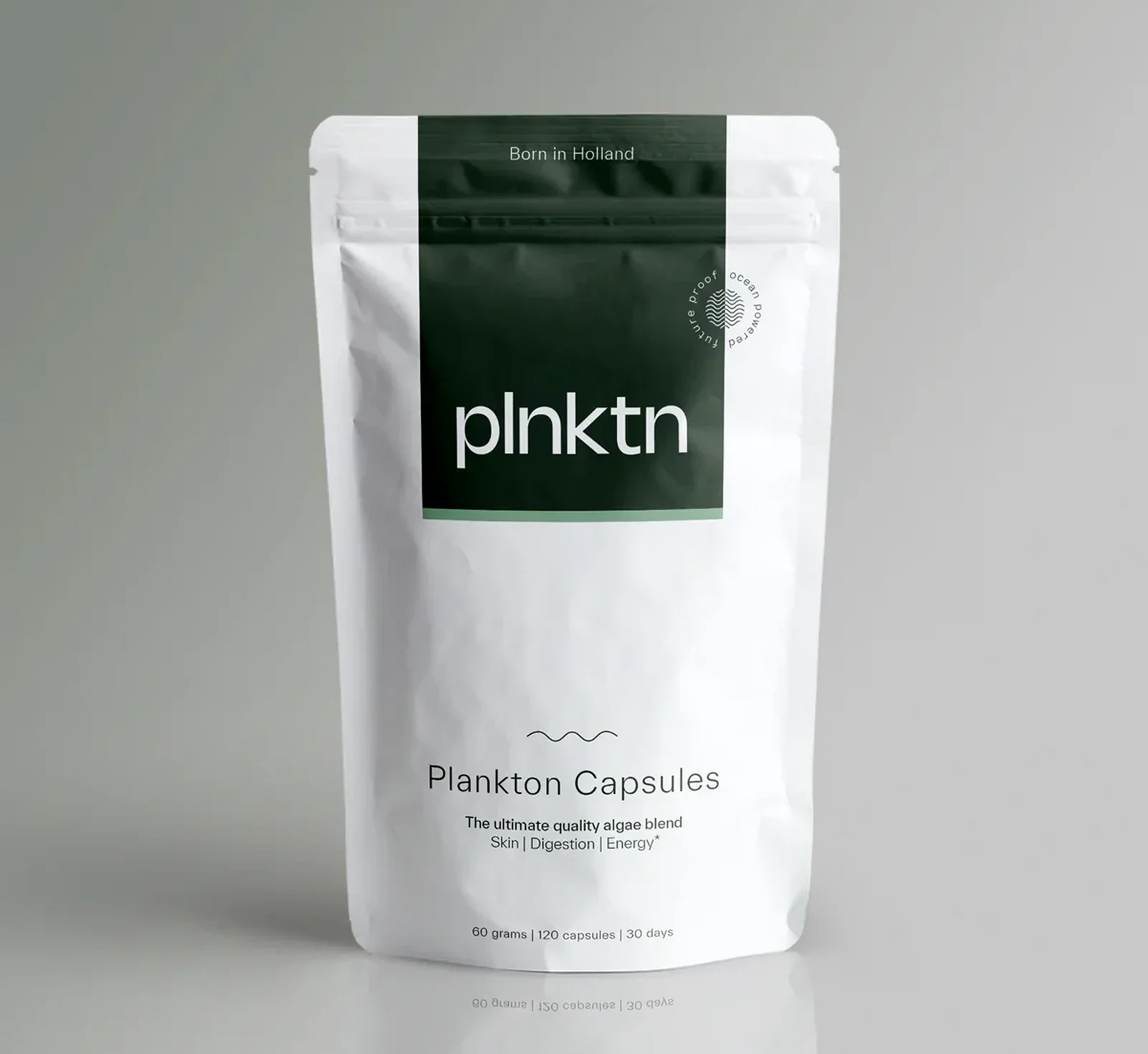
Plankton Capsules
Blend of 4 nutrient-dense micro- and macroalgae from European cultivation. Daily support for gut, skin and energy.
- • 75+ nutrients: minerals, vitamins, pigments, antioxidants and complete proteins
- • 100% natural, plant-based and responsibly grown
- • Supports digestion, energy metabolism and skin health
Disclosure: We may earn a commission if you purchase via these links.
Marine phytoplankton provides a unique nutrient profile that supports overall gut diversity. These capsules deliver trace minerals, antioxidants, and omega-3s in a whole-food format — contributing to the kind of nutrient-rich internal environment where keystone species like Akkermansia are more likely to flourish.
Safety and Side Effects
One of the most reassuring aspects of the Akkermansia evidence base is its safety profile.
What the trials show
The 2019 Nature Medicine trial reported no serious adverse events in either the live or pasteurised Akkermansia groups. Gastrointestinal symptoms (bloating, gas, changes in stool consistency) were no more frequent in the treatment groups than in the placebo group. This is noteworthy because many conventional probiotics can cause transient digestive discomfort, particularly at the start of supplementation.
The EFSA assessment
The European Food Safety Authority's evaluation for the Novel Food application concluded that pasteurised Akkermansia muciniphila (strain WB-STR-0001) is safe for the general adult population at the proposed maximum dose of 3.4 x 10^10 cells per day. EFSA specifically noted the absence of antibiotic resistance genes of concern and the non-viable nature of the pasteurised product as positive safety factors.
Who should exercise caution?
Despite the favourable safety data, certain groups should consult a healthcare professional before supplementing:
- Severely immunocompromised individuals — while the pasteurised form is non-viable (and therefore cannot cause infection), immune system interactions via TLR2 signalling mean that caution is warranted.
- Pregnant or breastfeeding women — there is insufficient data in this population to make definitive safety claims.
- People with active IBD or significant GI disease — the gut barrier is already compromised in these conditions, and any intervention should be discussed with a specialist.
- Children — the Novel Food authorisation is for adults only.
Dosing
The typical dose used in clinical research and reflected in commercially available products is 10 billion cells per day of pasteurised Akkermansia, usually taken as a single capsule with or without food. Given the stability of the pasteurised form, timing relative to meals is unlikely to be critical.
The Future of Next-Gen Probiotics
Akkermansia muciniphila is the vanguard, but it is not the endpoint. The broader shift from traditional probiotics (Lactobacillus, Bifidobacterium) towards next-generation probiotics — species identified through modern metagenomics rather than historical fermentation use — is reshaping the entire field.
Beyond Lactobacillus
Traditional probiotics were selected largely because they were easy to culture, already present in fermented foods, and had a long history of safe use. These are valid criteria, but they do not necessarily identify the bacteria that matter most for human health. Many of the species now emerging as clinically significant — Akkermansia, Faecalibacterium, Christensenella, Roseburia — were unknown or unculturable when the probiotic industry was established.
Faecalibacterium prausnitzii: the next candidate?
If Akkermansia is the first next-generation probiotic to achieve regulatory approval, Faecalibacterium prausnitzii may well be the second. This bacterium is the most abundant butyrate producer in the healthy human gut and shows even stronger depletion patterns in IBD than Akkermansia. Several biotech companies are working on culturable strains, though the extreme oxygen sensitivity of F. prausnitzii makes formulation challenging.
Precision probiotics
The long-term vision is precision microbiome therapy — using stool testing or other diagnostics to identify which specific keystone species an individual is deficient in, then supplementing accordingly. Akkermansia muciniphila is the proof of concept that this approach can work, from basic science through clinical trials to regulatory approval and commercial product.
The postbiotic revolution
Akkermansia's success as a pasteurised product has also validated the postbiotic concept — the idea that you do not necessarily need live bacteria to achieve health benefits. This opens up possibilities for heat-stable, shelf-stable products that are far easier to manufacture, ship, and store than traditional live-culture probiotics. Expect to see many more postbiotic products entering the market in the coming years.
Frequently Asked Questions
Is Akkermansia muciniphila a probiotic?
Technically, the pasteurised form does not meet the WHO definition of a probiotic, which specifies "live microorganisms." It is more accurately classified as a postbiotic — a preparation of inactivated microorganisms that confers a health benefit. However, in everyday language, it is often grouped with next-generation probiotics.
Can I get Akkermansia from food?
Unlike Lactobacillus (found in yoghurt, kefir, and sauerkraut), Akkermansia muciniphila is not present in any common food. It is an endogenous gut bacterium — meaning it is already in your intestine, and the goal is to support its growth through diet, lifestyle, or direct supplementation.
How long does it take to see results from Akkermansia supplementation?
The 2019 Nature Medicine trial ran for 12 weeks and measured improvements in insulin sensitivity, cholesterol, and body weight markers over that period. Most experts suggest giving Akkermansia supplementation at least 8–12 weeks before assessing results, as metabolic changes take time to manifest.
Can I take Akkermansia alongside other probiotics?
Yes. There is no evidence of negative interactions between Akkermansia supplementation and traditional probiotics. In fact, given Akkermansia's role as a keystone species that cross-feeds other beneficial bacteria, combining it with a quality multi-strain probiotic may be complementary.
How do I know if my Akkermansia levels are low?
Several direct-to-consumer gut microbiome testing services now include Akkermansia abundance in their reports. Companies operating in Europe include Atlas Biomed and MyMicroZoo. A typical result will show your Akkermansia percentage relative to a healthy reference range.
Is Akkermansia safe to take long-term?
The available evidence supports long-term safety, but it is important to note that the longest human trial to date ran for 12 weeks. The EFSA assessment did not identify any signals of concern for ongoing use. Anecdotally, many users in the European market have been taking pasteurised Akkermansia for over two years without reported issues, but longer-term controlled data would be welcome.
Disclaimer
This article is for informational purposes only and does not constitute medical advice. The content is based on published peer-reviewed research, regulatory documents, and expert commentary available as of the date of publication. Supplement use should be discussed with a qualified healthcare professional, particularly if you have a pre-existing medical condition, are taking medication, or are pregnant or breastfeeding. Smart Supplements does not diagnose, treat, cure, or prevent any disease.
Related Articles
Related topics
Related articles
Butyrate: The Postbiotic That Heals Your Gut Lining (and May Boost GLP-1)
Butyrate is a short-chain fatty acid that fuels your gut lining, calms inflammation, and may even stimulate GLP-1 release. Learn how to boost butyrate thro
Gut Health and Weight Loss: The Microbiome–GLP-1 Connection Explained
GLP-1 receptor agonists like Ozempic have transformed weight management — but your gut microbiome has been producing GLP-1 naturally all along. We explore
Best Probiotic Supplements in Europe 2026: Honest Brand Comparison
We tested and compared the top probiotic brands available in Europe — from Seed and Optibac to newcomers like The Akkermansia Company. Here is our honest,