
The Gut-Brain Axis: How Your Microbiome Controls Your Mood, Memory & More
Written by Smart Supplements Editorial Team
Key takeaways
- Your gut and brain communicate bidirectionally through the vagus nerve, immune signalling, and microbial metabolites — a system known as the gut-brain axis.
- Roughly 90% of the body's serotonin is produced in the gut, alongside significant quantities of GABA, dopamine, and norepinephrine.
- Specific probiotic strains called psychobiotics — such as Lactobacillus rhamnosus JB-1 and Bifidobacterium longum 1714 — have demonstrated measurable effects on stress, anxiety, and mood in clinical trials.
- Chronic stress reshapes your microbiome through cortisol and HPA axis activation, creating a vicious cycle that targeted supplementation can help interrupt.
- Supplements including omega-3 fatty acids, lion's mane, ashwagandha, and CBG oil each support the gut-brain axis through distinct, complementary mechanisms.
- A phased protocol — starting with diet and lifestyle foundations, then layering in targeted supplements — offers the most evidence-based approach to gut-brain optimisation.
Table of contents
- What Is the Gut-Brain Axis?
- The Neurotransmitter Factory in Your Gut
- How Gut Bacteria Influence Mood and Mental Health
- Psychobiotics: Probiotic Strains That Affect the Brain
- The Stress–Gut Connection
- Cognitive Function and the Microbiome
- Supplements That Support the Gut-Brain Axis
- Diet and Lifestyle for Gut-Brain Health
- What the Science Doesn't Yet Support
- Building a Gut-Brain Protocol: A Phased Approach
- Frequently Asked Questions
- Disclaimer
- Related Articles
What Is the Gut-Brain Axis?
The idea that your stomach "feels" emotions is not merely poetic. When you experience butterflies before a presentation or lose your appetite during grief, you are witnessing the gut-brain axis in real time — a sophisticated, bidirectional communication network that links your central nervous system (CNS) to the roughly 100 trillion microorganisms residing in your gastrointestinal tract.
This is not a single pathway but rather a multi-lane motorway of signals flowing in both directions. Understanding its components helps explain why what happens in your gut rarely stays in your gut.
The Vagus Nerve: Your Body's Information Superhighway
The vagus nerve is the longest cranial nerve in the body, running from the brainstem all the way down to the abdomen. It serves as the primary physical conduit between gut and brain, carrying an estimated 80% of its signals upward — from gut to brain — rather than the other way around. This means your gut is doing far more "talking" than "listening."
When gut bacteria produce metabolites such as short-chain fatty acids (SCFAs), these molecules stimulate vagal afferent neurons, transmitting information about the intestinal environment directly to the brain. Animal studies have shown that severing the vagus nerve eliminates many of the behavioural effects of probiotic supplementation, confirming it as a critical communication channel (Bravo et al., 2011).
The Enteric Nervous System
Your gut houses its own independent nervous system — the enteric nervous system (ENS) — containing approximately 500 million neurons. Often called the "second brain," the ENS can operate autonomously, coordinating digestion without any input from the CNS. But it also sends a constant stream of status reports upward, influencing everything from mood to motivation.
Immune Signalling
Approximately 70–80% of the body's immune cells reside in the gut-associated lymphoid tissue (GALT). When the gut microbiome falls out of balance — a state called dysbiosis — immune cells may release pro-inflammatory cytokines such as interleukin-6 (IL-6) and tumour necrosis factor-alpha (TNF-α). These inflammatory molecules can cross the blood-brain barrier and directly affect brain function, contributing to what researchers now call "sickness behaviour": fatigue, social withdrawal, cognitive fog, and low mood.
Microbial Metabolites
Gut bacteria are prolific chemical factories. Beyond SCFAs like butyrate, propionate, and acetate, they produce neurotransmitters, vitamins (particularly B-group and vitamin K), tryptophan metabolites, and bile acid derivatives. Each of these can influence brain function through various direct and indirect pathways.
The Neurotransmitter Factory in Your Gut
Perhaps the most striking revelation from microbiome research is the sheer volume of neurotransmitter production happening outside the brain. Your gut is, in essence, a neurotransmitter factory — and its bacterial workforce plays a starring role.
Serotonin: The 90% Statistic
Serotonin (5-hydroxytryptamine, or 5-HT) is best known for its role in mood regulation, but it also governs gut motility, appetite, sleep, and pain perception. The commonly cited figure — that roughly 90% of the body's serotonin is produced in the gut — is well supported by research (Yano et al., 2015).
Specialised cells in the gut lining called enterochromaffin cells are the primary producers, but they do not work alone. Specific bacterial species, including Streptococcus, Escherichia, and Enterococcus species, directly stimulate serotonin synthesis. In germ-free mice (raised without any gut bacteria), serotonin levels are approximately 60% lower than normal — a deficit that is reversed when bacteria are reintroduced.
It is worth noting that gut-produced serotonin does not directly cross the blood-brain barrier in meaningful quantities. Instead, it influences brain serotonin levels indirectly — through vagal signalling, by modulating tryptophan availability (the amino acid precursor to serotonin), and via immune pathways.
GABA: Calm From the Colon
Gamma-aminobutyric acid (GABA) is the brain's primary inhibitory neurotransmitter, responsible for calming neural activity. Several Lactobacillus and Bifidobacterium species produce GABA directly. Lactobacillus brevis and Bifidobacterium dentium are among the most prolific bacterial GABA producers identified to date.
Research led by Philip Strandwitz at Northeastern University even identified bacterial species that require GABA to grow, suggesting an entire ecosystem of GABA-producing and GABA-consuming microbes exists within your gut (Strandwitz et al., 2019).
Dopamine and Norepinephrine
Roughly 50% of the body's dopamine is produced in the gastrointestinal tract, primarily by enterochromaffin cells influenced by bacterial activity. Certain Bacillus species produce dopamine directly, while others produce its precursor, L-DOPA.
Norepinephrine (noradrenaline) production in the gut is similarly influenced by Escherichia, Bacillus, and Saccharomyces species. While these gut-derived catecholamines primarily act locally on gut motility and immune function, their production affects systemic levels of precursor molecules available to the brain.
| Neurotransmitter | % Produced in Gut | Key Bacterial Producers | Primary Brain Function |
|---|---|---|---|
| Serotonin (5-HT) | ~90% | Streptococcus, Escherichia, Enterococcus | Mood, sleep, appetite |
| GABA | Significant (exact % debated) | Lactobacillus brevis, Bifidobacterium dentium | Calming, anti-anxiety |
| Dopamine | ~50% | Bacillus spp., Serratia spp. | Motivation, reward, focus |
| Norepinephrine | ~50% | Escherichia, Bacillus, Saccharomyces | Alertness, attention |
| Acetylcholine | Produced locally | Lactobacillus plantarum | Memory, learning |
How Gut Bacteria Influence Mood and Mental Health
The connection between gut health and mental health has moved from fringe theory to mainstream science remarkably quickly. Multiple large-scale population studies have now confirmed significant associations between microbiome composition and psychiatric conditions.
The Depression–Dysbiosis Link
A landmark 2019 study published in Nature Microbiology analysed the gut microbiomes of over 1,000 participants and found that people with depression consistently showed depleted levels of Coprococcus and Dialister species — even after controlling for antidepressant use (Valles-Colomer et al., 2019). Both genera produce butyrate, a short-chain fatty acid with anti-inflammatory and neuroactive properties.
Conversely, individuals with higher levels of Faecalibacterium and Coprococcus reported higher quality of life scores. The researchers also found that bacterial pathways involved in dopamine metabolism correlated with better mental health outcomes.
The Inflammation Hypothesis
One of the most compelling explanations for how gut dysbiosis contributes to depression centres on neuroinflammation. When intestinal permeability increases — colloquially termed "leaky gut" — bacterial endotoxins such as lipopolysaccharide (LPS) enter the bloodstream. LPS triggers systemic inflammation and can cross the blood-brain barrier, activating microglia (the brain's resident immune cells) and promoting neuroinflammation.
This inflammatory state has been shown to reduce serotonin synthesis, impair neuroplasticity, and contribute to the anhedonia (loss of pleasure) and fatigue characteristic of major depressive disorder. Meta-analyses consistently show elevated inflammatory markers in depressed individuals, and anti-inflammatory interventions have demonstrated antidepressant effects in clinical trials.
HPA Axis Dysregulation
The hypothalamic-pituitary-adrenal (HPA) axis is your body's central stress response system. Gut dysbiosis can chronically activate the HPA axis, leading to persistently elevated cortisol levels. This creates a self-reinforcing loop: stress alters the microbiome, the altered microbiome amplifies the stress response, and the amplified stress response further damages the microbiome.
A pivotal 2004 study by Sudo et al. demonstrated that germ-free mice had exaggerated HPA axis responses to stress compared to conventionally colonised mice — and that colonisation with a single strain, Bifidobacterium infantis, was sufficient to normalise the stress response.
Psychobiotics: Probiotic Strains That Affect the Brain
The term psychobiotics was coined in 2013 by Ted Dinan and John Cryan at University College Cork to describe "live organisms that, when ingested in adequate amounts, produce a health benefit in patients suffering from psychiatric illness." The definition has since broadened to include any probiotic or prebiotic that influences the brain.
Not all probiotics are psychobiotics. The effects are highly strain-specific — meaning the precise strain identifier matters, not just the species name.
Lactobacillus rhamnosus JB-1
This is perhaps the most studied psychobiotic strain. In a seminal 2011 study, Bravo et al. showed that L. rhamnosus JB-1 reduced anxiety- and depression-related behaviours in mice, altered GABA receptor expression in the brain, and lowered corticosterone (the mouse equivalent of cortisol). Crucially, these effects were abolished when the vagus nerve was severed, providing direct evidence for the vagal communication pathway.
Human trials have been more mixed, with a 2017 study by Kelly et al. finding no significant anxiolytic effect in healthy volunteers. This highlights an important nuance: psychobiotics may be most effective in individuals with existing dysbiosis or elevated stress, rather than in already-healthy populations.
Bifidobacterium longum 1714
This strain has shown more consistent results in human trials. A 2016 study by Allen et al. at University College Cork found that B. longum 1714 reduced stress levels and improved memory performance in healthy volunteers. Participants taking the strain showed attenuated cortisol output and reported lower subjective stress during a social stress test. EEG recordings also showed enhanced neural processing related to memory and learning.
The Lactobacillus helveticus R0052 + Bifidobacterium longum R0175 Combination
Marketed as Cerebiome (formerly Probio'Stick), this combination has the strongest human clinical evidence. A double-blind, placebo-controlled trial by Messaoudi et al. (2011) showed significant reductions in psychological distress scores after 30 days, including decreases in somatisation, depression, and anger-hostility. A subsequent study in petrochemical workers confirmed reductions in depression, anxiety, and anger scores, alongside improved metabolic markers.
Lactobacillus plantarum PS128
Developed by Professor Ying-Chieh Tsai at National Yang Ming University, PS128 has shown promise in reducing anxiety-like behaviours and modulating dopamine and serotonin metabolism in animal models. Human trials in children with autism spectrum disorder showed improvements in opposition/defiance behaviours and reduced anxiety. It is one of the few psychobiotic strains with ongoing clinical research specifically targeting neurodevelopmental conditions.
| Psychobiotic Strain | Key Evidence | Primary Effects | Human Trial Quality |
|---|---|---|---|
| L. rhamnosus JB-1 | Bravo et al., 2011 | GABA receptor modulation, cortisol reduction | Mixed (strong animal, weaker human) |
| B. longum 1714 | Allen et al., 2016 | Stress reduction, memory improvement | Moderate (healthy volunteers) |
| L. helveticus R0052 + B. longum R0175 | Messaoudi et al., 2011 | Psychological distress reduction | Strong (multiple RCTs) |
| L. plantarum PS128 | Liu et al., 2019 | Dopamine/serotonin modulation | Moderate (ASD population) |
The Stress–Gut Connection
Stress is perhaps the single most potent disruptor of the gut-brain axis. Understanding this bidirectional relationship is essential for anyone seeking to optimise their gut-brain health.
How Cortisol Reshapes Your Microbiome
When you experience psychological stress, your HPA axis releases cortisol, which has profound effects on the gastrointestinal environment. Cortisol increases intestinal permeability, alters gut motility, changes the composition of mucus secretions, and redirects blood flow away from the digestive system. Each of these changes shifts the competitive landscape within the microbiome, typically favouring pro-inflammatory species at the expense of beneficial butyrate producers.
A 2017 study in university students showed that the diversity of their gut microbiome declined significantly during examination periods, with measurable reductions in Lactobacillus populations (Knowles et al., 2008). This stress-induced dysbiosis was associated with increased susceptibility to infection and elevated inflammatory markers.
The Vicious Cycle
The bidirectional nature of the stress-gut relationship creates a genuine vicious cycle:
- Stress increases cortisol and activates the sympathetic nervous system
- Cortisol increases intestinal permeability and disrupts the microbiome
- Dysbiosis triggers immune activation and inflammatory cytokine release
- Inflammation signals back to the brain via vagal and humoral pathways
- Brain inflammation amplifies the stress response and lowers mood
- Lowered mood increases perceived stress, returning to step 1
Breaking this cycle at any point can create positive cascading effects. This is where targeted supplementation can play a meaningful role — not as a cure, but as one lever among several.
Ashwagandha and HPA Axis Support
Ashwagandha (Withania somnifera), particularly the standardised KSM-66 extract, has demonstrated consistent cortisol-lowering effects in human clinical trials. A 2012 study by Chandrasekhar et al. showed a 27.9% reduction in serum cortisol levels after 60 days of supplementation with 300 mg twice daily. More recent trials have confirmed reductions in perceived stress, improvement in sleep quality, and attenuation of stress-related food cravings.
By moderating cortisol output at the HPA axis level, ashwagandha may indirectly protect the gut microbiome from stress-induced damage — addressing the cycle at its hormonal root rather than at the gut level alone.
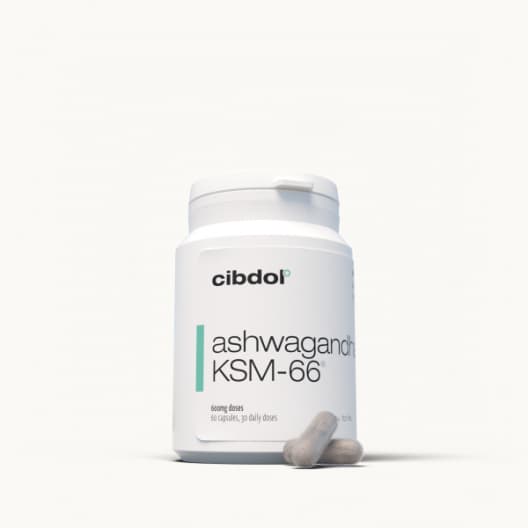

Ashwagandha KSM-66
Clinically studied KSM-66 ashwagandha extract for stress reduction and adrenal support.
- • KSM-66® branded extract
- • Highest concentration full-root extract
- • Reduces cortisol and stress
Disclosure: We may earn a commission if you purchase via these links.
Cognitive Function and the Microbiome
The gut-brain axis does not only influence mood — it has profound effects on cognitive function, including memory, learning, attention, and the brain's capacity for structural change (neuroplasticity).
BDNF: The Brain's Growth Factor
Brain-derived neurotrophic factor (BDNF) is a protein essential for neuronal growth, synaptic plasticity, and long-term memory formation. Low BDNF levels are associated with depression, cognitive decline, and neurodegenerative diseases including Alzheimer's.
The gut microbiome influences BDNF expression through multiple pathways. SCFAs — particularly butyrate — have been shown to increase BDNF production in animal models. Germ-free mice consistently show reduced BDNF levels in the hippocampus and cortex, which are restored upon microbial colonisation.
Certain psychobiotic strains, including B. longum 1714 and the L. helveticus R0052 + B. longum R0175 combination, have been shown to upregulate BDNF expression, providing a plausible mechanism for their cognitive benefits.
Neuroinflammation and Cognitive Fog
When gut-derived inflammatory signals reach the brain, they activate microglia — the brain's resident immune cells. Chronically activated microglia release inflammatory mediators that impair synaptic function, reduce neurogenesis, and contribute to the subjective experience many people describe as "brain fog."
This microglial activation has been linked to gut-derived LPS and pro-inflammatory cytokines, reinforcing the importance of intestinal barrier integrity for cognitive health.
SCFAs Crossing the Blood-Brain Barrier
Short-chain fatty acids, particularly butyrate, can cross the blood-brain barrier via monocarboxylate transporters. Once in the brain, butyrate acts as a histone deacetylase (HDAC) inhibitor — an epigenetic mechanism that increases gene transcription associated with memory formation, neuroprotection, and anti-inflammatory responses.
This means that the fibre you eat today, fermented into butyrate by your gut bacteria, can literally change gene expression in your brain. It is a remarkable example of how diet, microbiome, and brain function are inextricably linked.
Lion's Mane and Nerve Growth
Lion's mane (Hericium erinaceus) occupies a unique position at the intersection of gut health and cognitive function. This medicinal mushroom contains two groups of compounds — hericenones and erinacines — that stimulate the synthesis of nerve growth factor (NGF), a protein closely related to BDNF that supports neuronal survival and growth.
A 2009 double-blind trial by Mori et al. showed that older adults with mild cognitive impairment who took lion's mane for 16 weeks demonstrated significantly improved cognitive function scores compared to placebo. Importantly, lion's mane also has prebiotic properties, supporting the growth of beneficial gut bacteria — making it a true gut-brain axis supplement that works from both ends simultaneously.

Lion's Mane Mushroom
Lion's Mane (Hericium erinaceus) extract for cognitive support and neuroprotection. Key ingredient in the Stamets Stack.
- • Supports Nerve Growth Factor (NGF) production
- • Key component of the Stamets Stack protocol
- • Available as capsules and powder
Disclosure: We may earn a commission if you purchase via these links.
Supplements That Support the Gut-Brain Axis
With the science established, let us turn to practical supplementation strategies. The following compounds each support the gut-brain axis through distinct mechanisms, making them potentially complementary rather than redundant.
1. Psychobiotic Probiotics
As detailed above, strain-specific psychobiotics remain the most direct way to influence the gut-brain axis. When selecting a psychobiotic supplement, prioritise products that:
- List specific strain identifiers (not just genus and species)
- Guarantee CFU counts at expiry, not at time of manufacture
- Have been stored and transported under appropriate conditions
- Have at least some human clinical evidence behind the specific strains
Look for formulations containing L. helveticus R0052 + B. longum R0175, B. longum 1714, or L. plantarum PS128 if targeting mood and cognitive outcomes specifically.
2. Omega-3 Fatty Acids
Omega-3 fatty acids — particularly EPA (eicosapentaenoic acid) and DHA (docosahexaenoic acid) — support the gut-brain axis through several convergent mechanisms:
- Anti-inflammatory action: EPA competes with arachidonic acid for incorporation into cell membranes, reducing the production of pro-inflammatory eicosanoids. This dampens systemic and neuroinflammation.
- Gut barrier support: DHA has been shown to improve intestinal barrier integrity, reducing the translocation of endotoxins that trigger neuroinflammation.
- Microbiome modulation: Omega-3 supplementation increases the abundance of butyrate-producing bacteria, including Roseburia, Coprococcus, and Bifidobacterium species — the very genera associated with better mental health outcomes.
- Direct neuroprotection: DHA constitutes approximately 40% of the polyunsaturated fatty acids in the brain and is essential for neuronal membrane fluidity and synaptic function.
A 2021 meta-analysis of 26 randomised controlled trials found that omega-3 supplementation had a small but significant antidepressant effect, with EPA-predominant formulations showing the strongest results (Liao et al., 2021).
Plant-based omega-3 from algae oil provides the same EPA and DHA found in fish oil, without the sustainability concerns or heavy metal contamination risks associated with marine sources.
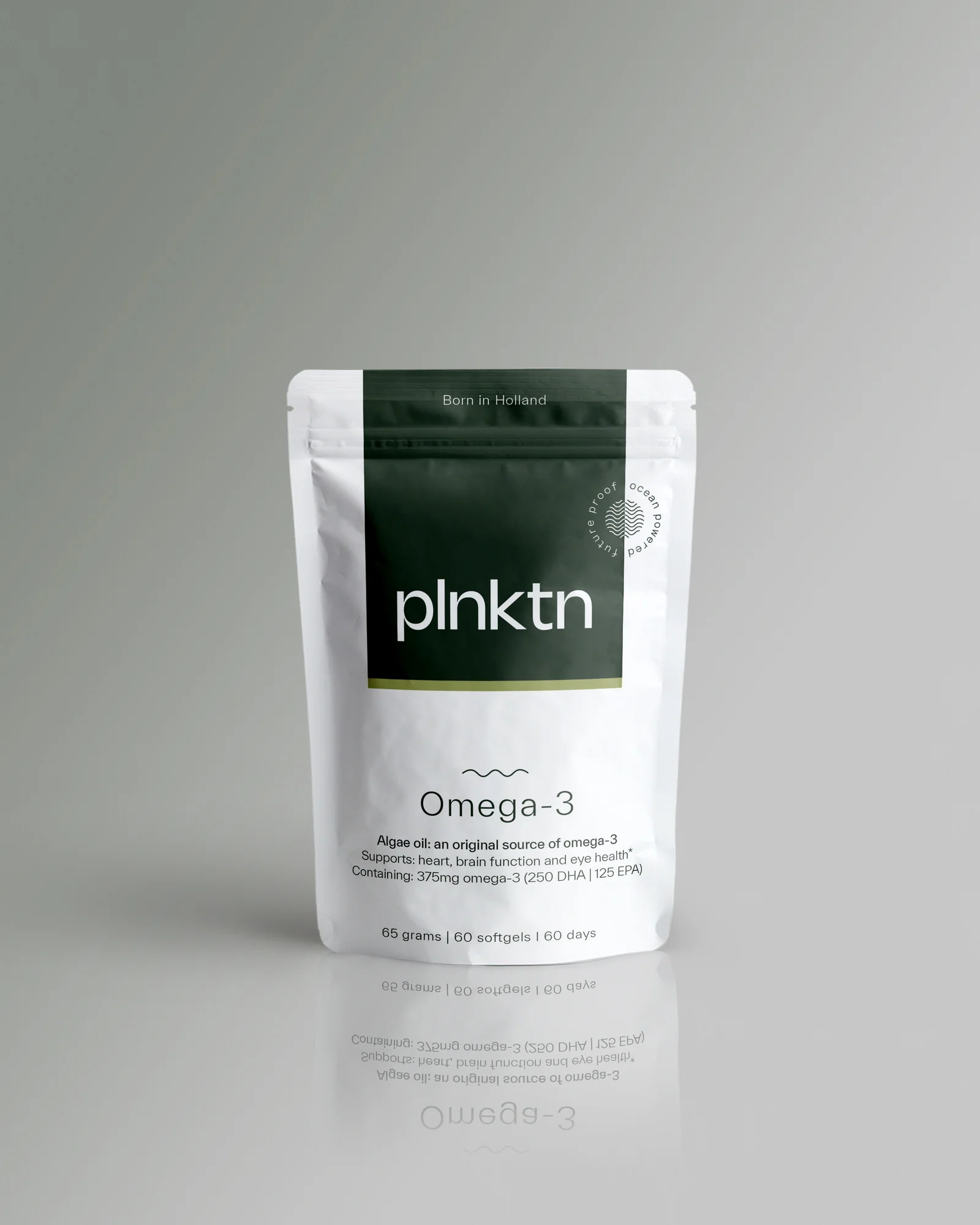

Omega-3 (algenolie)
Daily omega-3 from the original source: algae. With essential EPA and DHA for heart, brain and eyes.
- • 250 mg DHA and 125 mg EPA per capsule
- • 100% fish-free, plant-based algenolie
- • No fishy aftertaste, clean and controlled source
Disclosure: We may earn a commission if you purchase via these links.
3. Lion's Mane (Hericium erinaceus)
As discussed in the cognitive section, lion's mane offers the rare combination of NGF stimulation in the brain and prebiotic activity in the gut. For gut-brain axis support, a dose of 500–1,000 mg of fruiting body extract standardised for hericenones is typical in clinical research.
4. Ashwagandha (KSM-66)
Ashwagandha's role in HPA axis modulation makes it a valuable gut-brain axis support supplement, particularly for individuals whose gut symptoms are driven by or exacerbated by chronic stress. By lowering cortisol, it may help protect the microbiome from stress-induced disruption while simultaneously supporting cognitive function — studies have shown improvements in working memory, reaction time, and attention alongside the stress-reduction benefits.
5. CBG Oil (Cannabigerol)
Cannabigerol (CBG) is a non-psychoactive cannabinoid that is gaining attention for its gut-brain axis relevance. Unlike its more famous cousin CBD, CBG appears to have particularly strong affinity for the gut:
- Anti-inflammatory effects in the gut: CBG has shown potent anti-inflammatory activity in models of inflammatory bowel disease, reducing nitric oxide production and oxidative stress in colonic tissue (Borrelli et al., 2013).
- Neuroprotective properties: CBG protects neurons against excitotoxicity and oxidative stress, with particular promise in models of neurodegeneration.
- Gut motility regulation: CBG modulates intestinal motility, potentially benefiting those with stress-related digestive disturbances.
- Endocannabinoid system modulation: The endocannabinoid system (ECS) is densely expressed in both the gut and the brain, acting as another communication layer in the gut-brain axis. CBG interacts with CB1 and CB2 receptors throughout this system.
CBG oil at 5% concentration provides a meaningful dose for both gut and brain support, and its non-intoxicating nature makes it suitable for daily use.
5% CBG & 2.5% CBD Oil
Cibdol's CBG & CBD combination oil — 5% CBG (cannabigerol) paired with 2.5% CBD in a full-spectrum formula. CBG is the precursor cannabinoid known as the "mother of cannabinoids", with emerging research pointing to anti-inflammatory, neuroprotective and gut-supportive properties. Swiss-produced, third-party tested.
- • 5% CBG + 2.5% CBD — dual-cannabinoid formula
- • CBG: anti-inflammatory and neuroprotective properties
- • Full-spectrum Swiss-produced oil
Disclosure: We may earn a commission if you purchase via these links.
6. Prebiotics and Butyrate Support
Prebiotics — non-digestible fibres that feed beneficial gut bacteria — deserve mention as foundational gut-brain axis support. Galactooligosaccharides (GOS) have the strongest evidence for psychobiotic effects among prebiotics, with a 2015 study by Schmidt et al. showing that GOS supplementation reduced cortisol awakening response and shifted attention away from negative stimuli (effects comparable to anti-anxiety medications in some measures).
Spermidine is a naturally occurring polyamine that supports autophagy — the cellular recycling process that clears damaged proteins and organelles. In the gut, autophagy is essential for maintaining the integrity of the intestinal epithelial barrier and for the healthy turnover of gut lining cells. Emerging research suggests spermidine also supports brain autophagy, with potential benefits for cognitive ageing and neuroprotection. As both a gut lining protector and a brain-supportive compound, spermidine fits neatly into a gut-brain axis protocol.
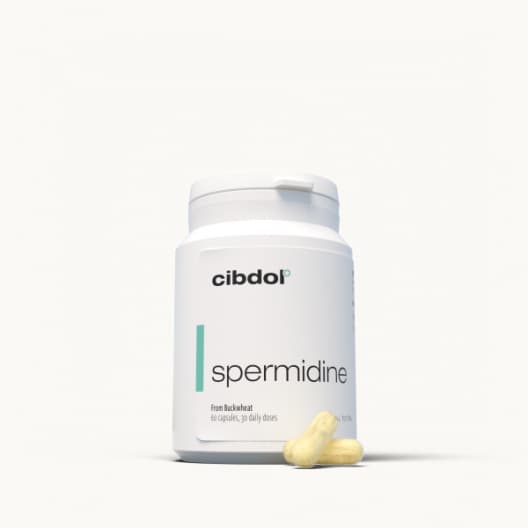
Spermidine
Spermidine supplement to support autophagy, cellular renewal, and healthy aging.
- • Promotes autophagy
- • Supports cellular renewal
- • Wheat germ extract source
Disclosure: We may earn a commission if you purchase via these links.
| Supplement | Primary Gut-Brain Mechanism | Typical Dose | Evidence Level |
|---|---|---|---|
| Psychobiotic probiotics | Direct neurotransmitter/vagal modulation | Strain-dependent (1–10 billion CFU) | Moderate–Strong |
| Omega-3 (EPA/DHA) | Anti-inflammatory, barrier support, microbiome modulation | 1,000–2,000 mg combined EPA/DHA | Strong |
| Lion's mane | NGF stimulation + prebiotic activity | 500–1,000 mg extract | Moderate |
| Ashwagandha KSM-66 | HPA axis modulation, cortisol reduction | 300–600 mg daily | Strong |
| CBG oil | ECS modulation, gut anti-inflammatory, neuroprotection | 15–50 mg daily | Emerging |
| Spermidine | Autophagy support, gut lining integrity | 1–6 mg daily | Emerging–Moderate |
| Prebiotic GOS | Selective feeding of beneficial bacteria | 5–10 g daily | Moderate |
Diet and Lifestyle for Gut-Brain Health
Supplements work best when layered onto a solid foundation of diet and lifestyle practices. No capsule can compensate for a diet that starves your beneficial bacteria or a lifestyle that chronically activates your stress response.
The Mediterranean Diet: Gold Standard for the Gut-Brain Axis
The Mediterranean diet consistently emerges as the dietary pattern most strongly associated with both gut microbiome diversity and mental health outcomes. The landmark SMILES trial (Jacka et al., 2017) demonstrated that dietary counselling emphasising Mediterranean diet principles produced significant improvements in depression scores — with a number needed to treat (NNT) of 4.1, rivalling many pharmaceutical interventions.
The key components from a gut-brain perspective are:
- High fibre diversity: Vegetables, legumes, whole grains, nuts, and seeds provide a wide range of prebiotic fibres, each feeding different bacterial populations. Aim for 30+ different plant foods per week — a target associated with maximal microbiome diversity in the American Gut Project data.
- Polyphenol-rich foods: Olive oil, berries, dark chocolate, green tea, and red wine (in moderation) contain polyphenols that selectively promote beneficial bacteria while inhibiting pathogenic species.
- Omega-3 rich fish: Fatty fish 2–3 times per week provides the EPA and DHA discussed above.
- Limited ultra-processed food: Emulsifiers, artificial sweeteners, and other additives common in ultra-processed food have been shown to disrupt the gut barrier and alter microbiome composition unfavourably.
Fermented Foods
A 2021 Stanford study by Sonnenburg et al. demonstrated that a diet high in fermented foods — yoghurt, kefir, kimchi, sauerkraut, kombucha, and similar products — increased microbiome diversity and reduced inflammatory markers more effectively than a high-fibre diet alone. The researchers recommended 6+ servings of fermented foods per day for optimal effects, though even 2–3 servings showed benefits.
Exercise
Physical activity is one of the most potent modulators of the gut microbiome available. A 2018 study showed that just 6 weeks of moderate exercise (30–60 minutes, three times per week) significantly increased butyrate-producing bacteria in previously sedentary individuals — and that these gains reversed when exercise ceased (Allen et al., 2018).
The mechanism appears to involve both direct effects on gut motility and blood flow, and indirect effects through stress reduction and immune modulation. Both aerobic exercise and resistance training appear to benefit the microbiome.
Sleep
The gut microbiome follows a circadian rhythm, with bacterial populations and metabolite production fluctuating over a 24-hour cycle. Sleep disruption — whether through shift work, jet lag, or chronic insomnia — desynchronises these rhythms and promotes dysbiosis.
A 2019 study found that even two nights of partial sleep deprivation significantly altered the gut microbiome composition, with increases in bacteria associated with insulin resistance and metabolic dysfunction. Prioritising 7–9 hours of consistent sleep is not merely a lifestyle recommendation — it is a direct gut-brain axis intervention.
What the Science Doesn't Yet Support
Intellectual honesty demands that we temper enthusiasm with realism. The gut-brain axis field is genuinely exciting, but it is also young and susceptible to hype. Here is what the evidence does not yet support:
Specific Probiotic Strains for Specific Psychiatric Diagnoses
While psychobiotics show promise for reducing symptoms of depression and anxiety, no probiotic strain has been validated as a treatment for clinical psychiatric conditions. Existing studies are mostly small, short-term, and conducted in mildly symptomatic or healthy populations. Anyone managing a diagnosed psychiatric condition should continue working with their healthcare provider and not substitute probiotics for prescribed medication.
Microbiome Testing to Guide Supplement Choices
Commercial gut microbiome tests (16S rRNA sequencing) can tell you which bacteria are present, but the science is not yet sophisticated enough to make personalised supplement recommendations based on these results. The relationship between specific bacterial compositions and health outcomes is correlational, and test-to-test variability is high. These tests are interesting but premature as clinical decision-making tools.
Instant Results
The gut microbiome responds to interventions over weeks and months, not days. Most clinical trials of psychobiotics use intervention periods of 4–8 weeks minimum. Anyone expecting overnight transformation from a probiotic supplement will be disappointed. Patience and consistency are essential.
Universal Responses
The gut microbiome is as individual as a fingerprint. A probiotic strain that produces profound effects in one person may do nothing in another, depending on their existing microbiome composition, diet, genetics, and stress levels. This individual variability is one of the field's greatest challenges and explains many of the inconsistencies in clinical trial results.
Building a Gut-Brain Protocol: A Phased Approach
Rather than launching into a dozen supplements simultaneously, a phased approach allows you to establish foundations first and then identify which additions provide meaningful personal benefit.
Phase 1: Foundations (Weeks 1–4)
Focus exclusively on diet and lifestyle:
- Increase plant food diversity to 25–30+ types per week
- Add 2–3 servings of fermented foods daily
- Establish consistent sleep schedule (7–9 hours)
- Begin or maintain regular exercise (150+ minutes/week)
- Identify and begin addressing major stressors
Cost: £0 in supplements.
Phase 2: Core Supplementation (Weeks 5–8)
Layer in foundational supplements one at a time, spacing introductions by at least 7 days to identify individual responses:
- Omega-3 algae oil — for anti-inflammatory and microbiome support
- Psychobiotic probiotic — containing evidence-based strains (R0052 + R0175 combination or B. longum 1714)
- Prebiotic fibre — GOS or partially hydrolysed guar gum if dietary fibre intake remains below 30 g/day
Phase 3: Targeted Support (Weeks 9–12)
Based on your primary concerns, add one or two of the following:
- For stress/cortisol: Ashwagandha KSM-66 (300 mg twice daily)
- For cognitive function: Lion's mane (500–1,000 mg daily)
- For gut inflammation/ECS support: CBG oil (start low, titrate up)
- For cellular renewal/gut lining: Spermidine (1–3 mg daily)
Phase 4: Assess and Adjust (Week 13+)
After 12 weeks, evaluate your protocol honestly:
- Which supplements produced noticeable benefits?
- Which made no discernible difference?
- Have your primary concerns (mood, cognition, digestion, stress) improved?
Drop anything that has not contributed meaningfully. The best protocol is the simplest one that delivers results.
Frequently Asked Questions
How long does it take for gut-brain axis supplements to work?
Most clinical trials of psychobiotics and gut-brain supplements use intervention periods of 4–8 weeks before measuring outcomes. Some individuals report subjective improvements within 2–3 weeks, but meaningful microbiome shifts generally require at least a month of consistent use. Omega-3 fatty acids may take 8–12 weeks to reach tissue saturation and full effect. Patience is essential — the microbiome remodels gradually, not overnight.
Can probiotics replace antidepressants?
No. While psychobiotic research is promising, no probiotic has been validated as a replacement for prescribed psychiatric medication. Probiotics may be a useful adjunct — something that supports mental health alongside conventional treatment — but they should not be substituted for medication without medical supervision. If you are currently taking antidepressants, discuss any supplement additions with your prescribing physician.
Are there side effects from psychobiotic supplements?
Most people tolerate psychobiotics well. The most common side effects are mild digestive symptoms — bloating, gas, or changes in bowel habits — particularly during the first 1–2 weeks as the microbiome adjusts. These typically resolve on their own. Starting with a lower dose and increasing gradually can minimise initial discomfort. Serious adverse effects from probiotic supplementation are rare in immunocompetent individuals.
Which is more important for the gut-brain axis — probiotics or diet?
Diet is foundational. A diverse, fibre-rich diet provides the substrate that beneficial bacteria need to thrive and produce neuroactive metabolites. Probiotics introduce specific beneficial strains but cannot compensate for a diet that fails to support microbial diversity. The 2021 Stanford study found that fermented foods increased microbiome diversity more effectively than fibre alone, suggesting that the combination of dietary diversity plus fermented foods (a form of whole-food probiotics) may be the most powerful dietary strategy.
Do gut-brain supplements interact with medications?
Some gut-brain supplements can interact with medications. Ashwagandha may potentiate the effects of sedatives, thyroid medications, and immunosuppressants. Omega-3s at high doses can enhance the effects of blood thinners. CBG may interact with drugs metabolised by cytochrome P450 enzymes. Probiotics are generally safe with most medications but should be spaced apart from antibiotics. Always disclose all supplements to your healthcare provider, particularly if you take prescription medication.
Is the gut-brain axis relevant for children?
Yes, the gut-brain axis is active from birth — indeed, early microbial colonisation appears to be a critical window for brain development. However, supplement recommendations for children differ significantly from those for adults, and evidence for psychobiotics in paediatric populations is more limited. L. plantarum PS128 has shown promise in children with autism spectrum disorder, but supplementation in children should always be guided by a paediatrician or qualified healthcare practitioner.
Disclaimer
This article is for informational purposes only and does not constitute medical advice. The information presented is based on published research available at the time of writing and is subject to change as new evidence emerges. Supplements are not intended to diagnose, treat, cure, or prevent any disease. Always consult a qualified healthcare professional before beginning any new supplement regimen, particularly if you are pregnant, nursing, taking medication, or managing a diagnosed medical condition. Individual results may vary.
Related Articles
Related topics
Related articles
Probiotics for Anxiety & Depression: What the Science Says About Psychobiotics
Can gut bacteria really influence your mood? We examine the clinical evidence for psychobiotics — specific probiotic strains studied for anxiety and depres
Gut Health 101: Probiotics, Prebiotics, and Postbiotics Explained
Your gut contains 100 trillion microorganisms that influence everything from digestion to mood. Here's what probiotics, prebiotics and postbiotics actually
Gut Health for Kids: Safe Probiotics & Building a Healthy Microbiome Early
Your child's microbiome is largely established by age three — and what happens in those first 1,000 days shapes lifelong health. Here is everything parents