
Probiotics for Athletes: Performance, Recovery & Immune Support
Written by Smart Supplements Editorial Team
Key takeaways
- Elite athletes harbour a distinct gut microbiome with higher diversity and unique bacteria such as Veillonella atypica, which converts exercise-produced lactate into propionate — a usable fuel source.
- Intense training is a double-edged sword for the gut, boosting microbial diversity at moderate loads but triggering increased intestinal permeability, GI distress and immune suppression at high volumes.
- Specific probiotic strains reduce upper-respiratory-tract infections (URTIs) in athletes by up to 27–50%, addressing the "open window" of post-exercise immunosuppression.
- GI symptoms during endurance events — cramps, nausea, runner's diarrhoea — can be mitigated by targeted probiotic supplementation started 4–12 weeks before competition.
- Recovery benefits include reduced inflammation, lower oxidative stress markers and improved protein absorption, though direct ergogenic effects remain modest in current research.
- Probiotics are not on the WADA Prohibited List, but athletes should choose products with third-party batch-testing certifications to avoid contamination risk.
Table of contents
- The Athlete's Microbiome: Different by Design
- Exercise and the Gut: A Double-Edged Sword
- The Three Pillars: Immunity, GI Comfort, Performance
- Immunity: The Open Window Theory
- GI Comfort: Runner's Gut and Exercise-Induced GI Distress
- Performance and Recovery
- Practical Considerations for Athletes
- Sport-Specific Considerations
- Diet for the Athletic Microbiome
- Overtraining Syndrome and the Gut
- The Athlete's Gut Health Protocol: A Periodised Approach
- Our Top Picks for Athlete Gut Support
- Frequently Asked Questions
- Related Articles
The Athlete's Microbiome: Different by Design
If you have ever wondered whether elite athletes are built differently on the inside, the answer is yes — right down to their gut bacteria. A landmark 2019 study published in Nature Medicine by Scheiman et al. found that marathon runners harboured significantly higher levels of Veillonella atypica in the days following the Boston Marathon compared to sedentary controls. This bacterium performs a remarkable metabolic trick: it converts lactate — the very molecule that accumulates during intense exercise and contributes to muscular fatigue — into propionate, a short-chain fatty acid (SCFA) that can re-enter the metabolic cycle as fuel.
This finding hinted at something profound: the relationship between exercise and the gut microbiome is not a one-way street. Training shapes the microbiome, and in turn, the microbiome may shape athletic capacity.
Research from the American Gut Project and studies on professional rugby players (Clarke et al., 2014) consistently demonstrates that athletes possess greater microbial diversity than sedentary individuals. Diversity, in microbiome science, is broadly associated with resilience — a more diverse ecosystem is better equipped to resist perturbation, metabolise a wider range of substrates and maintain immune homeostasis.
Yet this rosy picture comes with caveats. The same training loads that cultivate diversity also expose the gut to repeated physiological stress. Blood flow is diverted away from the splanchnic (gut) circulation during exercise, core temperature rises, and mechanical jarring — particularly in running — places direct physical stress on the intestinal lining. The athletic microbiome, then, is a paradox: richer in potential, yet more frequently challenged.
Understanding this paradox is the key to using probiotics for athletes intelligently. Rather than reaching for a generic supplement, the goal is to select strains with clinical evidence in exercising populations and to time their use around the specific demands of training and competition.

Exercise and the Gut: A Double-Edged Sword
The Benefits of Moderate Exercise
Regular moderate-intensity exercise — roughly 150–300 minutes per week at a conversational pace — is one of the most reliable ways to improve gut health without any supplement at all. It increases microbial diversity, raises SCFA production (particularly butyrate, the preferred fuel of colonocytes) and modulates systemic inflammation favourably.
A 2018 study by Allen et al. demonstrated that six weeks of moderate endurance exercise altered the gut microbiome composition of previously sedentary adults, increasing SCFA-producing taxa. Remarkably, these changes reversed when participants returned to a sedentary lifestyle, confirming that the microbiome responds dynamically to physical activity levels.
Exercise-Induced Gut Syndrome
At the other end of the spectrum, prolonged high-intensity exercise triggers what researchers now call exercise-induced gut syndrome. The mechanism follows a predictable cascade:
- Splanchnic hypoperfusion — During intense exercise, up to 80 % of blood flow is redirected from the gut to working muscles, skin and the heart. The intestinal mucosa becomes temporarily ischaemic (oxygen-starved).
- Ischaemia-reperfusion injury — When exercise ceases and blood flow returns, the sudden reoxygenation generates reactive oxygen species (ROS) that damage the tight junctions between enterocytes (intestinal lining cells).
- Increased intestinal permeability — Damaged tight junctions allow bacterial endotoxins (lipopolysaccharide, or LPS) to translocate from the gut lumen into the bloodstream.
- Systemic inflammatory response — Circulating LPS activates toll-like receptor 4 (TLR4) on immune cells, triggering pro-inflammatory cytokine release (TNF-α, IL-6, IL-1β).
This cascade explains why endurance athletes frequently report GI symptoms during and after competition. Studies suggest that 30–50 % of endurance athletes experience exercise-related GI complaints, with prevalence rising to 70 % or more during ultra-endurance events.
| Factor | Effect on the Gut |
|---|---|
| Exercise duration > 2 hours | Significant increase in intestinal permeability |
| Exercise intensity > 70 % VO₂max | Measurable splanchnic hypoperfusion |
| Heat stress (ambient > 30 °C) | Compounds permeability by 2–3× |
| Dehydration (> 2 % body mass loss) | Further reduces splanchnic blood flow |
| NSAIDs (ibuprofen) during exercise | Doubles intestinal permeability vs exercise alone |
| Running vs cycling | Higher mechanical GI stress in running |
The practical implication is clear: athletes who train hard and compete in endurance events are systematically exposing their gut to stress. Probiotics cannot prevent splanchnic hypoperfusion, but they may help maintain barrier integrity, modulate the immune response to translocated endotoxins and reduce symptom severity.

5% CBG & 2.5% CBD Oil
Cibdol's CBG & CBD combination oil — 5% CBG (cannabigerol) paired with 2.5% CBD in a full-spectrum formula. CBG is the precursor cannabinoid known as the "mother of cannabinoids", with emerging research pointing to anti-inflammatory, neuroprotective and gut-supportive properties. Swiss-produced, third-party tested.
- • 5% CBG + 2.5% CBD — dual-cannabinoid formula
- • CBG: anti-inflammatory and neuroprotective properties
- • Full-spectrum Swiss-produced oil
Disclosure: We may earn a commission if you purchase via these links.
The Three Pillars: Immunity, GI Comfort, Performance
The clinical evidence for probiotics in athletes clusters around three domains. Rather than making sweeping claims, it is more useful to evaluate each pillar separately, because the strength of evidence varies considerably.
| Pillar | Strength of Evidence | Key Outcomes |
|---|---|---|
| Immunity (URTI reduction) | Strong — multiple RCTs, meta-analyses | Reduced incidence, duration and severity of respiratory infections |
| GI comfort | Moderate — growing RCT base | Reduced GI symptoms during training and competition |
| Performance (ergogenic) | Emerging — mechanistic data strong, human outcome data limited | Modest improvements in recovery markers, VO₂max inconclusive |
This honest appraisal matters. If a probiotic company promises you a faster 10K time, be sceptical. If it claims to reduce your sick days during a hard training block, the science is genuinely supportive.
Immunity: The Open Window Theory
Why Athletes Get Sick More Often
It sounds counterintuitive: surely fit people should have stronger immune systems? At moderate training loads, they do. But elite and high-volume recreational athletes experience a well-documented phenomenon called the open window theory. After prolonged intense exercise (typically > 90 minutes at high intensity), multiple immune parameters are transiently suppressed for 3–72 hours:
- Natural killer (NK) cell cytotoxicity decreases
- Salivary immunoglobulin A (sIgA) concentrations fall — sIgA is the mucosal immune system's first line of defence against respiratory pathogens
- Neutrophil oxidative burst capacity is reduced
- T-cell proliferation is blunted
During this window, athletes are more susceptible to upper-respiratory-tract infections (URTIs) — the common cold, pharyngitis, sinusitis. URTIs are the most common illness in athletes and a leading cause of missed training days. Studies on marathon runners, for instance, report URTI rates roughly double those of matched controls in the two weeks following a race.
Probiotic Strains with Evidence for Athlete Immunity
Several strains have been tested specifically in athletic populations, with promising results:
Lactobacillus rhamnosus GG (LGG) — Perhaps the most extensively studied probiotic strain in the world, LGG has been shown to reduce the duration and severity of URTIs in physically active individuals. A 2011 study by Kekkonen et al. found that marathon runners supplementing with LGG experienced fewer respiratory infection episodes during a three-month training period compared to placebo.
Lacticaseibacillus casei Shirota (formerly L. casei Shirota) — Research in elite athletes demonstrated that this strain maintained NK cell activity during periods of heavy training, effectively narrowing the "open window." A study in university athletes showed that daily consumption of a fermented milk drink containing L. casei Shirota preserved immune cell counts that typically decline during intensive training blocks.
Limosilactobacillus fermentum VRI-003 (PCC) — An Australian study in competitive distance runners found that supplementation with this strain reduced the number of days with respiratory illness symptoms by approximately 50 % compared to placebo over a four-month winter training period.
Bifidobacterium animalis subsp. lactis Bl-04 — A large randomised controlled trial (n = 465) demonstrated a 27 % reduction in the risk of URTI episodes in physically active adults supplementing with Bl-04 over a five-month period. This is one of the most robust data points in the field, owing to the study's sample size and duration.

| Strain | Study Population | Key Finding | Reference |
|---|---|---|---|
| L. rhamnosus GG | Marathon runners | Fewer URTI episodes during training | Kekkonen et al., 2011 |
| L. casei Shirota | University athletes | Maintained NK cell activity | Gleeson et al., 2011 |
| L. fermentum VRI-003 | Distance runners | ~50 % fewer days with respiratory symptoms | Cox et al., 2010 |
| B. animalis Bl-04 | Active adults (n=465) | 27 % reduction in URTI risk | West et al., 2014 |
| L. helveticus Lafti L10 | Elite athletes | Shorter URTI duration | Michalickova et al., 2016 |
Practical Implications
The evidence suggests that athletes training more than 10 hours per week, especially during winter months or in the lead-up to major competitions, stand to benefit most from probiotic supplementation targeting immunity. A reasonable protocol is to begin supplementation at least four weeks before a period of intensified training and to continue through the competition window.
GI Comfort: Runner's Gut and Exercise-Induced GI Distress
The Scale of the Problem
Exercise-induced gastrointestinal syndrome encompasses a spectrum of symptoms that plague endurance athletes:
- Upper GI: nausea, vomiting, gastric bloating, acid reflux
- Lower GI: abdominal cramping, flatulence, urgency, diarrhoea ("runner's trots")
These symptoms are not merely uncomfortable — they are performance-limiting. In Ironman triathlons, GI distress is the single most common reason for withdrawal, ahead of musculoskeletal injury. A survey of ultramarathon runners found that 96 % reported GI symptoms at some point during racing.
Probiotic Evidence for GI Symptom Reduction
Lactobacillus rhamnosus GG has shown efficacy beyond its immune benefits. A study in recreational runners preparing for a marathon found that 12 weeks of LGG supplementation significantly reduced the severity of GI symptoms during long training runs compared to placebo.
Multi-strain formulations have also demonstrated benefit. A 2014 study in trained triathletes used a multi-strain probiotic containing Lactobacillus, Bifidobacterium and Streptococcus species over 12 weeks and reported significant reductions in both the incidence and severity of GI complaints during training and racing.
The Zonulin Connection
Zonulin is a protein that modulates tight-junction permeability in the intestinal lining. Exercise-induced rises in serum zonulin have been documented as a biomarker of increased intestinal permeability. Emerging research suggests that certain probiotic strains — particularly those producing butyrate or enhancing its production — may help maintain tight-junction integrity by downregulating zonulin release.
A 2017 study by Lamprecht et al. found that a multi-species probiotic supplement reduced faecal zonulin concentrations in trained athletes over 14 weeks, suggesting improved intestinal barrier function. This is significant because it provides a mechanistic explanation for the symptom-based improvements observed in other trials.
Supporting gut barrier integrity goes beyond probiotics alone. Anti-inflammatory compounds may work synergistically. Omega-3 fatty acids, for instance, have been shown to modulate tight-junction protein expression and reduce exercise-induced inflammation — making them a logical complement to a probiotic protocol.
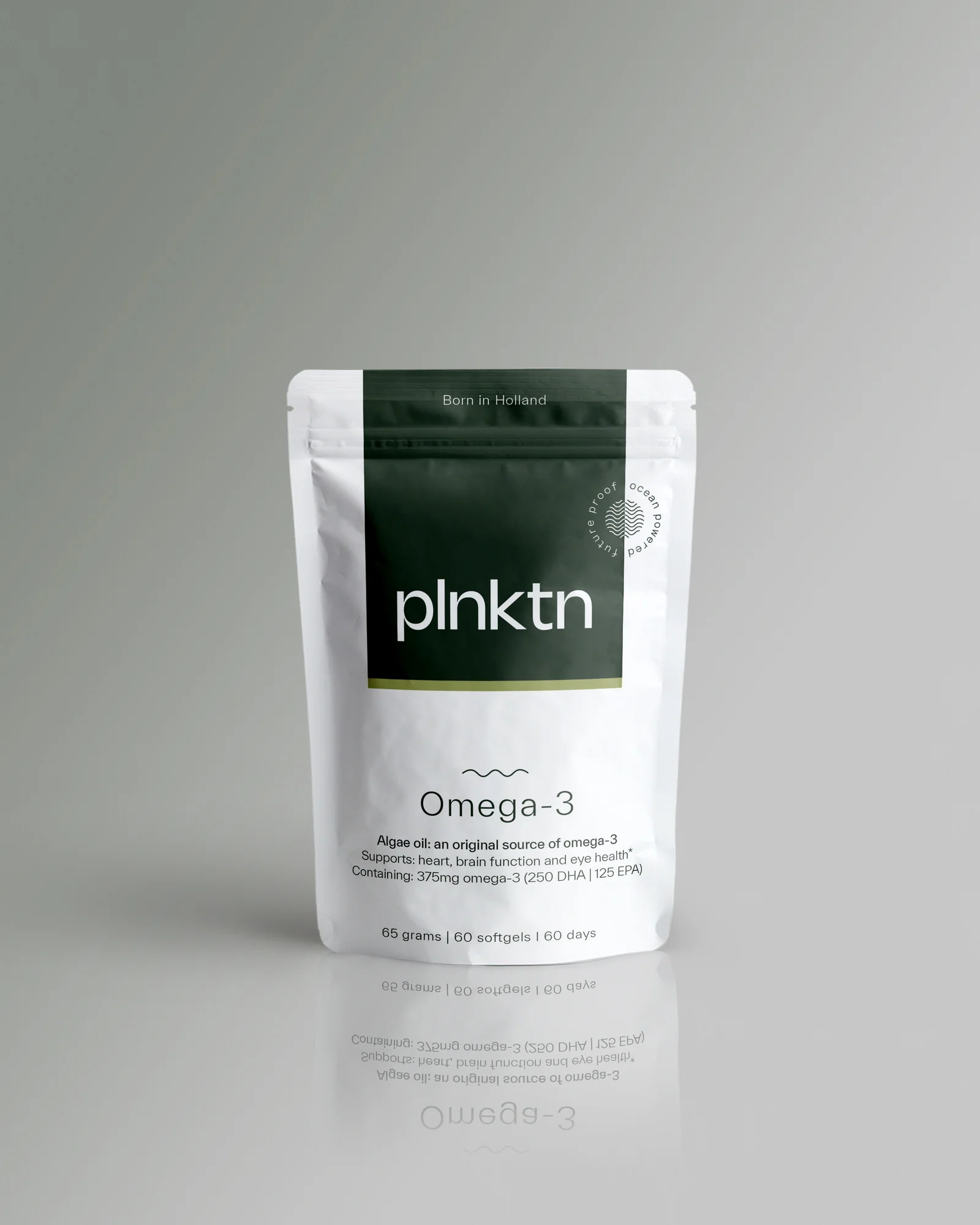

Omega-3 (algenolie)
Daily omega-3 from the original source: algae. With essential EPA and DHA for heart, brain and eyes.
- • 250 mg DHA and 125 mg EPA per capsule
- • 100% fish-free, plant-based algenolie
- • No fishy aftertaste, clean and controlled source
Disclosure: We may earn a commission if you purchase via these links.
Performance and Recovery
Can Probiotics Actually Make You Faster?
Let us be direct: the evidence that probiotics will shave seconds off your personal best is limited. However, the indirect mechanisms by which gut health supports performance are increasingly well understood, and some human data is emerging.
Protein Absorption and Amino Acid Availability
The gut microbiome plays a significant role in protein metabolism. Certain bacterial species produce proteases that assist in the breakdown of dietary protein, while others synthesise amino acids de novo. A healthier, more diverse microbiome may improve the efficiency of protein digestion and absorption — a factor particularly relevant for athletes consuming high-protein diets to support muscle protein synthesis.
A 2020 study demonstrated that probiotic supplementation (Bacillus coagulans GBI-30, 6086) enhanced protein absorption from plant-based sources and reduced exercise-induced muscle damage markers (creatine kinase) in resistance-trained individuals.
SCFA Production and Energy Metabolism
Short-chain fatty acids — acetate, propionate and butyrate — are produced by the fermentation of dietary fibre by gut bacteria. Beyond their role in colonocyte nutrition, SCFAs enter systemic circulation and contribute to energy metabolism:
- Acetate can serve as a fuel source for peripheral tissues, including muscle
- Propionate contributes to hepatic gluconeogenesis — the synthesis of new glucose
- Butyrate supports intestinal barrier integrity and has anti-inflammatory properties
The Veillonella story mentioned earlier illustrates how specific microbes might directly influence exercise metabolism. While supplementation with Veillonella is not yet commercially available, the principle supports maintaining a diverse, SCFA-producing microbiome through diet and targeted probiotics.
Ensuring adequate intake of diverse micronutrients and plant compounds supports the substrate availability your gut bacteria need to produce these beneficial metabolites. A nutrient-dense supplement can help fill gaps, particularly for athletes with restricted or repetitive diets.
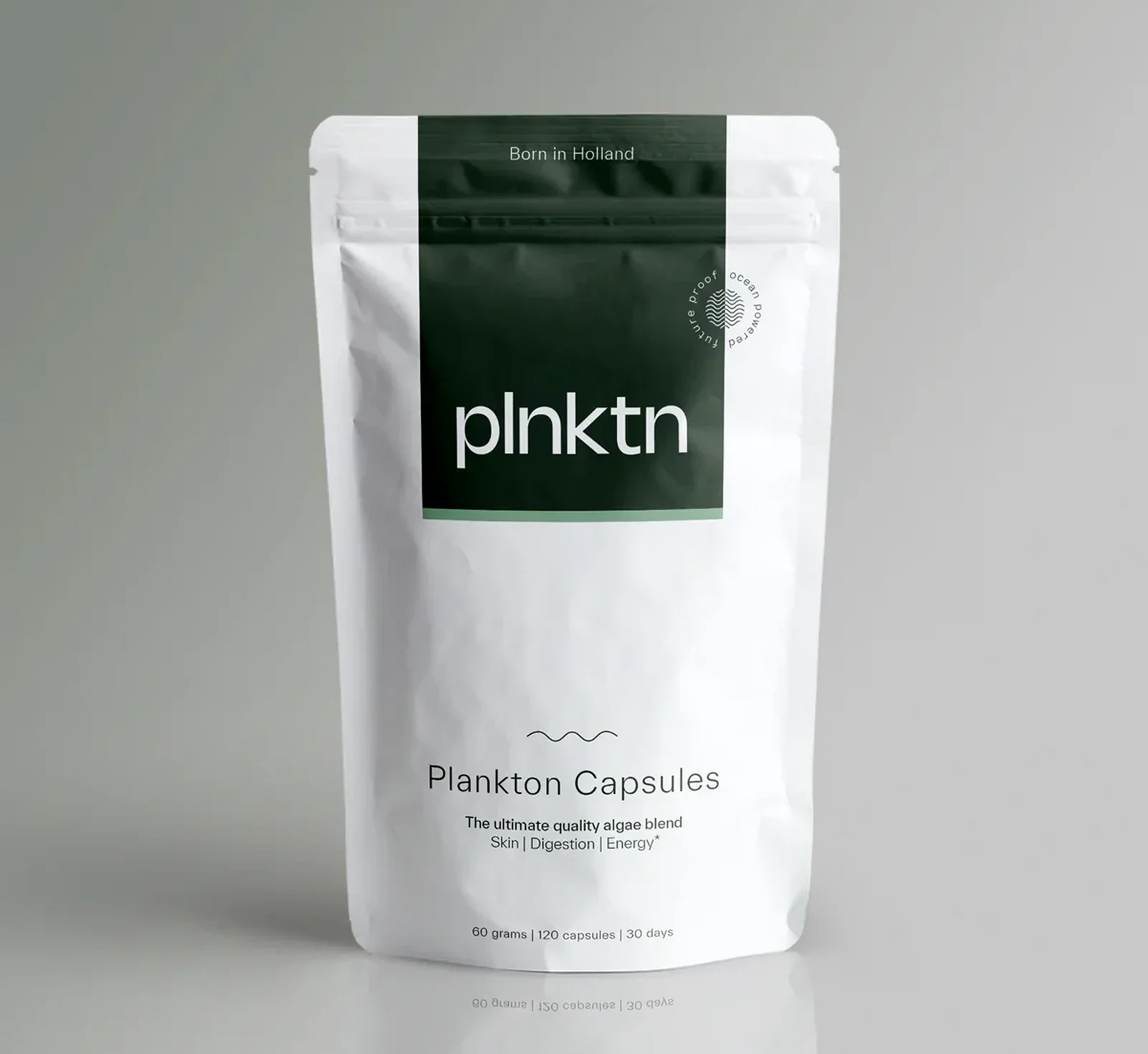
Plankton Capsules
Blend of 4 nutrient-dense micro- and macroalgae from European cultivation. Daily support for gut, skin and energy.
- • 75+ nutrients: minerals, vitamins, pigments, antioxidants and complete proteins
- • 100% natural, plant-based and responsibly grown
- • Supports digestion, energy metabolism and skin health
Disclosure: We may earn a commission if you purchase via these links.
Anti-Inflammatory Effects Post-Exercise
Exercise-induced inflammation is a normal and necessary stimulus for adaptation. However, excessive or prolonged inflammation impairs recovery. Several probiotic strains have been shown to modulate post-exercise inflammatory markers:
- Reduced IL-6 and TNF-α concentrations following exhaustive exercise
- Attenuated C-reactive protein (CRP) elevations during intensified training blocks
- Modulation of the Th1/Th2 immune balance away from excessive pro-inflammatory signalling
Oxidative Stress Reduction
Intense exercise generates reactive oxygen species (ROS) that, in excess, cause oxidative damage to cells, proteins and DNA. Certain probiotic strains have demonstrated antioxidant capacity, either through direct ROS scavenging or by upregulating endogenous antioxidant enzyme systems (superoxide dismutase, catalase, glutathione peroxidase).
A meta-analysis of probiotic supplementation and exercise-induced oxidative stress (Taverniti & Guglielmetti, 2021) concluded that probiotics modestly but consistently reduced markers of oxidative damage in exercising individuals, though the clinical significance of these reductions for performance outcomes requires further investigation.
| Recovery Marker | Effect of Probiotics | Evidence Level |
|---|---|---|
| Creatine kinase (muscle damage) | Reduced post-exercise elevation | Moderate (several RCTs) |
| IL-6 (inflammation) | Lower post-exercise peak | Moderate |
| Delayed-onset muscle soreness | Modest reduction in severity | Limited |
| Time to return to baseline performance | Possibly shorter | Preliminary |
Practical Considerations for Athletes
Timing and Dosing
The question of when to take probiotics is more important for athletes than for the general population:
- With meals — Most probiotic strains survive gastric transit better when consumed with food, particularly food containing some fat. A study by Tompkins et al. (2011) found that probiotic survival was highest when taken with a meal or 30 minutes before a meal.
- Not immediately pre-workout — Taking probiotics on an empty stomach right before training means they encounter the gut during a period of reduced blood flow and potentially increased gastric acidity from stress hormones. Allow at least 60–90 minutes between probiotic ingestion and intense exercise.
- Morning with breakfast or evening with dinner — These are the most practical windows for most athletes.
Dosing
Effective doses in athlete studies typically range from 1 × 10⁹ to 4 × 10¹⁰ CFU/day (colony-forming units). Higher is not necessarily better — the dose-response relationship for probiotics is strain-specific and does not follow a linear pattern.
Travel Considerations
Athletes who travel frequently for competitions face additional microbiome challenges: jet lag disrupts circadian regulation of the gut, unfamiliar water and food introduce novel microbial exposures, and travel stress elevates cortisol. Probiotic supplementation during travel periods may be particularly valuable, with some sports science bodies now recommending it as standard practice for travelling squads.
WADA Compliance
Probiotics are not on the World Anti-Doping Agency (WADA) Prohibited List and are not considered a doping risk in themselves. However, the supplement industry's cross-contamination problem means that any supplement an athlete takes carries a non-zero risk of containing trace amounts of prohibited substances.
To mitigate this risk, athletes subject to anti-doping testing should choose probiotic products that carry one of the following certifications:
- Informed Sport — batch-tested for banned substances
- NSF Certified for Sport — independently verified
- Cologne List — tested by the German Sport University Cologne
Sport-Specific Considerations
Not all athletes face the same gut challenges. The demands of different sports create distinct microbiome stress profiles:
Endurance Sports (Marathon, Triathlon, Cycling)
Endurance athletes face the highest burden of exercise-induced gut syndrome. Prolonged splanchnic hypoperfusion, heat stress, and the mechanical jarring of running make GI distress a near-universal concern. For these athletes, the priority is barrier integrity and GI symptom reduction, with immunity a close second.
Power and Strength Sports (Weightlifting, Sprinting)
While GI distress is less common, power athletes often consume very high-protein diets that can reduce microbial diversity and increase putrefactive fermentation (producing ammonia, hydrogen sulphide and other less desirable metabolites). Here, the focus shifts to digestive efficiency and diversity maintenance.
Digestive enzyme complexes that support the breakdown of proteins, fats and carbohydrates can complement a probiotic regimen — particularly for athletes consuming large volumes of food to meet caloric demands.
MADMONQ GREENS
Superfood powder with 77 nutrients — fruits, vegetables, vitamins, minerals, DigeZyme® digestive enzymes, and prebiotics. Each sachet delivers the equivalent of 1 serving of real vegetables and fruits using organic EU-grown ingredients. Includes Vitaberry® and Vitaveggie® proprietary blends, Spirulina, Kale, Broccoli, and Acai Berry.
- • 77 nutrients in one daily sachet
- • DigeZyme® enzymes for digestive support
- • Organic, EU-grown ingredients
Disclosure: We may earn a commission if you purchase via these links.
Team Sports (Football, Rugby, Basketball)
Team-sport athletes face a mixed profile: moderate endurance demands, frequent travel, dense fixture schedules and the immune challenge of close contact with teammates and opponents. Immunity support is typically the primary goal, with GI comfort secondary.
Altitude Training and Heat Acclimatisation
Both altitude exposure and heat acclimatisation place additional stress on the gut:
- Altitude (> 2,500 m) reduces splanchnic blood flow independently of exercise, compounding the effects of training at altitude camps
- Heat acclimatisation protocols deliberately raise core temperature, increasing intestinal permeability as a side effect
Athletes undertaking altitude camps or heat training blocks may benefit from beginning probiotic supplementation 2–4 weeks before the camp commences.
Diet for the Athletic Microbiome
Probiotics work best as part of a broader dietary strategy that supports microbial diversity. Unfortunately, many common athletic dietary patterns inadvertently harm the microbiome:
The Carbohydrate-Heavy, Low-Fibre Problem
Endurance athletes often consume refined carbohydrates for rapid fuelling — white rice, white bread, sports gels, maltodextrin drinks. While these serve their purpose for glycogen replenishment, they provide minimal substrate for gut bacteria. A diet consistently low in dietary fibre (the primary fuel for SCFA-producing bacteria) leads to reduced microbial diversity over time.
The fix: Include at least 25–35 g of fibre daily from varied sources — oats, legumes, vegetables, fruit, nuts and seeds. During heavy training blocks, prioritise fibre at meals furthest from training to avoid GI distress.
High-Protein Diets and Putrefaction
Athletes consuming 2–3 g of protein per kilogram of body weight daily may overwhelm the small intestine's absorptive capacity, allowing undigested protein to reach the colon where it undergoes putrefactive fermentation. This produces potentially harmful metabolites including ammonia, p-cresol and hydrogen sulphide, and is associated with reduced butyrate production.
The fix: Distribute protein intake across 4–5 meals, pair protein with fibre-rich foods, and consider digestive enzyme support during periods of very high protein intake.
Polyphenols: The Overlooked Prebiotics
Polyphenols — found in berries, dark chocolate, green tea, coffee and red wine — are poorly absorbed in the small intestine. The majority reach the colon intact, where gut bacteria metabolise them into bioactive compounds. In return, polyphenols promote the growth of beneficial bacteria (particularly Bifidobacterium and Lactobacillus species) and inhibit pathogenic species.
For athletes, polyphenol-rich foods offer a dual benefit: direct antioxidant and anti-inflammatory effects plus prebiotic support for the microbiome.
| Dietary Factor | Effect on Microbiome | Recommendation for Athletes |
|---|---|---|
| Dietary fibre (> 25 g/day) | Increases SCFA production, diversity | Include at meals away from training |
| Polyphenols | Prebiotic effect, promotes beneficial taxa | Berries, green tea, dark chocolate |
| Excessive protein (> 2.5 g/kg) | Putrefactive fermentation | Distribute across meals, pair with fibre |
| Artificial sweeteners | May reduce diversity (evidence mixed) | Moderate intake, prefer natural options |
| Fermented foods | Direct source of live microbes | Yoghurt, kefir, sauerkraut, kimchi daily |
| Emulsifiers (processed foods) | May disrupt mucus layer | Minimise ultra-processed food intake |
Overtraining Syndrome and the Gut
Overtraining syndrome (OTS) — also termed unexplained underperformance syndrome — is a condition of chronic performance decline, fatigue and mood disturbance that does not resolve with normal rest. It typically results from a sustained imbalance between training load and recovery.
The gut plays a central, under-appreciated role in the OTS cascade:
- Chronic elevated cortisol from sustained high training loads damages the intestinal barrier, increasing permeability.
- Increased gut permeability allows bacterial endotoxins (LPS) to enter the bloodstream — a state called metabolic endotoxaemia.
- Circulating LPS triggers chronic low-grade inflammation, contributing to the fatigue, mood disturbance and immunosuppression characteristic of OTS.
- Chronic inflammation suppresses the hypothalamic-pituitary-adrenal (HPA) axis, further dysregulating cortisol and creating a self-perpetuating cycle.
This mechanistic understanding reframes OTS as partly a gut-mediated condition. Supporting gut barrier integrity through probiotics, dietary strategies and stress management may help prevent the cascade from initiating — or interrupt it once established.
Adaptogenic herbs that modulate the cortisol response can complement a gut-focused approach to overtraining prevention. Ashwagandha (Withania somnifera), particularly the clinically studied KSM-66 extract, has been shown to reduce cortisol levels by up to 30 % in chronically stressed individuals and may support both the hormonal and gut-barrier dimensions of overtraining risk.
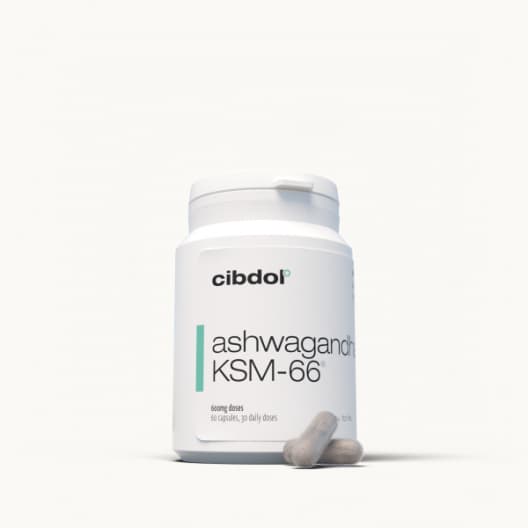
Ashwagandha KSM-66
Clinically studied KSM-66 ashwagandha extract for stress reduction and adrenal support.
- • KSM-66® branded extract
- • Highest concentration full-root extract
- • Reduces cortisol and stress
Disclosure: We may earn a commission if you purchase via these links.
The Athlete's Gut Health Protocol: A Periodised Approach
Just as athletes periodise their training — cycling through phases of base building, intensification and tapering — gut health interventions should be adapted to the training phase. A one-size-fits-all approach misses the opportunity to match support to need.
Phase 1: Base Training (Weeks 1–8)
Goal: Build microbial diversity and establish baseline gut health.
- Begin daily probiotic supplementation (multi-strain, 10–20 billion CFU)
- Focus on dietary diversity: aim for 30+ different plant foods per week
- Include fermented foods daily (kefir, yoghurt, sauerkraut, kimchi)
- Establish fibre intake at 30–40 g/day
- Avoid unnecessary antibiotics and NSAIDs
Phase 2: Competition Preparation (Weeks 9–12)
Goal: Fortify the gut barrier and immune defences ahead of peak demands.
- Continue probiotic supplementation; consider adding a strain with specific immune evidence (e.g., B. animalis Bl-04 or L. rhamnosus GG)
- Practise race-day nutrition during training to identify and address GI triggers
- Reduce NSAID use — train the gut's tolerance to race-day nutrition instead
- If travelling for competition: begin probiotic 2 weeks before departure
Phase 3: Competition Day
Goal: Minimise GI distress risk and maintain immune function.
- Take probiotic with pre-race breakfast (2–3 hours before start)
- Avoid novel foods — eat only practised, familiar options
- Use well-tolerated carbohydrate sources during the event
- Avoid NSAIDs (ibuprofen) during competition — they double intestinal permeability
- Stay hydrated: dehydration > 2 % body mass significantly worsens gut permeability
Phase 4: Recovery (Post-Competition, 1–3 Weeks)
Goal: Restore gut barrier integrity and immune function during the "open window."
- Continue probiotic supplementation through the recovery period
- Increase polyphenol-rich foods (berries, cherries, green tea) for anti-inflammatory support
- Prioritise sleep: circadian disruption from travel and competition affects gut motility and microbial rhythms
- Gradually reintroduce dietary fibre if it was reduced pre-competition

Our Top Picks for Athlete Gut Support
Affiliate disclosure: Smart Supplements earns a commission on purchases made through partner links. This does not affect our editorial content or recommendations.
The products featured in this article have been selected for their relevance to the specific challenges athletes face. Each addresses a different dimension of the gut-performance axis:
- DigeZyme® enzyme complex for digestive support during high-calorie intakes
- Marine omega-3 for anti-inflammatory recovery support
- KSM-66 ashwagandha for cortisol modulation and overtraining prevention
- Phytoplankton capsules for broad-spectrum nutrient density
- CBG oil for gut barrier and inflammatory support
Frequently Asked Questions
Will probiotics improve my race times?
Current evidence does not support probiotics as a direct ergogenic aid — you should not expect them to shave minutes off your marathon time. However, by reducing sick days, easing GI distress during competition and supporting recovery between sessions, probiotics may allow you to train more consistently and arrive at race day in better condition. Consistency, over time, absolutely does improve race times.
How long before I notice benefits?
Most clinical trials showing positive results in athletes used supplementation periods of 4–14 weeks. Immune benefits (reduced URTI frequency) typically require at least 4 weeks to manifest. GI comfort improvements may appear within 2–4 weeks. Be patient and consistent — probiotics are not an acute intervention.
Can I get enough probiotics from food alone?
Fermented foods (yoghurt, kefir, sauerkraut, kimchi, kombucha) provide live microbes and are an excellent foundation. However, the specific strains studied in athletes (e.g., B. animalis Bl-04, L. fermentum VRI-003) are generally not present in food sources. For targeted benefits, a combination of fermented foods and a well-chosen supplement is the most evidence-based approach.
Should I take probiotics during a course of antibiotics?
Yes, with appropriate timing. The Cochrane Collaboration's meta-analysis supports probiotic use during antibiotic therapy to reduce antibiotic-associated diarrhoea. Take the probiotic at least 2 hours apart from the antibiotic dose and continue for at least one week after completing the antibiotic course. Saccharomyces boulardii CNCM I-745 is particularly well-evidenced in this context as it is a yeast and therefore unaffected by antibacterial antibiotics.
Are there any risks or side effects?
Probiotics have an excellent safety profile in healthy individuals, including athletes. The most common side effects are transient bloating and flatulence during the first few days of supplementation, which typically resolve within a week. Athletes with compromised immune systems or those recovering from serious illness should consult a healthcare professional before starting supplementation.
Do I need to cycle probiotics or can I take them year-round?
There is no evidence that probiotics lose effectiveness with continuous use, and no physiological rationale for cycling them. Most sports nutrition researchers recommend year-round supplementation for athletes training at high volumes, with potential adjustments to strain selection based on the training phase and individual needs.
This article is for informational purposes only and is not intended as medical advice. Always consult a healthcare professional before starting any new supplement, especially if you take prescription medication.
Related Articles
Related topics
Related articles
Gut Health for Kids: Safe Probiotics & Building a Healthy Microbiome Early
Your child's microbiome is largely established by age three — and what happens in those first 1,000 days shapes lifelong health. Here is everything parents
The Gut Health Supplement Stack: Building Your Daily Protocol
A complete guide to building an evidence-based gut health supplement stack. Learn the five pillars of gut support — prebiotics, probiotics, anti-inflammato
Probiotics for Women: UTI, Vaginal Health & Hormonal Balance
The vaginal microbiome is a distinct ecosystem dominated by Lactobacillus species. From BV and recurrent UTIs to hormonal shifts during pregnancy and menop