
Fermented Foods vs Probiotic Supplements: Which Is Better for Your Gut?
Written by Smart Supplements Editorial Team
Key takeaways
- Fermented foods offer broader microbial diversity and additional nutritional co-factors, making them ideal for long-term gut maintenance.
- Probiotic supplements deliver standardised, clinically studied strains at precise doses — they excel for targeted conditions like IBS and post-antibiotic recovery.
- The 2021 Stanford study found fermented foods significantly increased microbiome diversity, while high fibre alone did not in the short term.
- Not all fermented foods contain live cultures — pasteurised sauerkraut and shelf-stable miso lose their probiotic benefit through heat processing.
- People with histamine intolerance may need to limit fermented foods and rely on specific low-histamine probiotic strains instead.
- A combined approach — regular fermented foods plus targeted probiotics when needed — offers the broadest gut health benefits for most people.
Table of contents
- The Core Question: Food vs Pill
- What Makes a Food "Fermented"?
- The Major Fermented Foods: A Detailed Guide
- The Stanford Study: A Turning Point
- Probiotic Supplements: Advantages and Limitations
- Head-to-Head Comparison
- When Fermented Foods Win
- When Supplements Win
- The Histamine Problem
- The Best of Both Worlds: A Combined Approach
- European Fermented Food Traditions
- Frequently Asked Questions
- Disclaimer
- Related Articles
The Core Question: Food vs Pill
Walk into any health food shop in Europe and you will find an entire aisle dedicated to gut health. Kefir sits in the chiller beside functional yoghurts. Shelf after shelf of probiotic capsules promise billions of colony-forming units. Kombucha lines the drinks section. The sheer volume of choice has created a genuine dilemma for consumers: should you invest in fermented foods, probiotic supplements, or both?
It is a question that matters more than ever. Research over the past decade has firmly established the gut microbiome as a central player in immunity, metabolism, mental health, and chronic disease risk. The global probiotics market is projected to exceed €85 billion by 2028, and fermented food sales across Europe have grown by double digits year on year.
Yet the marketing noise often drowns out the science. Supplement brands claim their strains are "clinically proven." Fermented food advocates insist that pills can never replicate what real food delivers. The truth, as with most things in nutrition, sits somewhere in the middle — and depends heavily on your individual goals, health status, and budget.
This guide breaks down the evidence behind both options, compares them head to head, and helps you build a practical strategy that actually works for your gut.

What Makes a Food "Fermented"?
Before diving into comparisons, it helps to understand what fermentation actually is. At its core, fermentation is a metabolic process in which microorganisms — bacteria, yeasts, or moulds — convert sugars and starches into other compounds. The most common pathways include:
- Lactic acid fermentation — carried out by lactic acid bacteria (LAB) such as Lactobacillus, Leuconostoc, and Pediococcus. This is what transforms cabbage into sauerkraut and milk into yoghurt.
- Acetic acid fermentation — performed by Acetobacter species, which convert ethanol into acetic acid (vinegar). This drives kombucha production.
- Alcoholic fermentation — yeasts like Saccharomyces convert sugars into ethanol and carbon dioxide. Beer, wine, and kefir all involve this pathway to varying degrees.
- Alkaline fermentation — less common in Europe but central to foods like natto (fermented soybeans), where Bacillus subtilis breaks down proteins in an alkaline environment.
The critical point for gut health is this: not all fermented foods contain live microorganisms at the point of consumption. Bread is fermented by yeast, but baking kills every organism. Most commercial sauerkraut sold in jars has been pasteurised. Many kombuchas are heat-treated or filtered to stabilise shelf life. Wine and beer are filtered and sometimes pasteurised.
If you are eating fermented foods specifically for their probiotic potential, you need to seek out products that are raw, unpasteurised, and ideally refrigerated. The label should state "contains live cultures" or "unpasteurised." Without live organisms, you still get the beneficial metabolites (organic acids, vitamins, bioactive peptides) produced during fermentation — which have their own health value — but you lose the direct microbial benefit.
The Major Fermented Foods: A Detailed Guide
Yoghurt and Kefir
Yoghurt is the most widely consumed fermented food in Europe. By legal definition in the EU, yoghurt must be fermented by two specific species: Streptococcus thermophilus and Lactobacillus delbrueckii subsp. bulgaricus. Many commercial yoghurts add additional strains — Lactobacillus acidophilus, Bifidobacterium lactis, Lactobacillus rhamnosus — to bolster their probiotic credentials.
Kefir is yoghurt's more complex cousin. Traditional kefir is made by adding kefir grains — a symbiotic matrix of bacteria and yeasts — to milk. The resulting drink contains a far broader microbial community than yoghurt, typically including:
- Multiple Lactobacillus species (L. kefiranofaciens, L. kefiri, L. acidophilus)
- Leuconostoc species
- Acetobacter species
- Yeasts such as Saccharomyces cerevisiae and Kluyveromyces marxianus
This diversity is one of kefir's key advantages. A 2019 meta-analysis published in Nutrition Research Reviews found that kefir consumption was associated with improved lactose digestion, antimicrobial activity, and modest improvements in cholesterol levels. The presence of both bacteria and yeasts gives kefir a broader functional profile than standard yoghurt.
Practical tip: Choose plain, unsweetened varieties. Flavoured yoghurts and kefirs often contain 15-20g of added sugar per serving, which may partially offset their gut health benefits by feeding less desirable microbial populations.
Sauerkraut and Kimchi
Sauerkraut — fermented cabbage — is one of the oldest preserved foods in the European tradition. When made traditionally (shredded cabbage + salt, left to ferment at room temperature), it develops a rich community of lactic acid bacteria dominated by Leuconostoc mesenteroides in the early stages, succeeded by Lactobacillus plantarum and Lactobacillus brevis as acidity increases.
Kimchi, the Korean equivalent, adds complexity through its ingredients: napa cabbage, radish, garlic, ginger, gochugaru (chilli flakes), and often fermented seafood. The microbial profile is similar to sauerkraut but even more diverse, with studies identifying over 100 bacterial species in traditionally made kimchi. Leuconostoc, Lactobacillus, and Weissella species dominate.
The crucial caveat: the sauerkraut or kimchi must be unpasteurised to deliver live cultures. The vast majority of sauerkraut sold in European supermarkets — the shelf-stable jars in the canned goods aisle — has been heat-treated. You need to look in the refrigerated section for products labelled "raw" or "unpasteurised."
Beyond live cultures, both foods are excellent sources of fibre, vitamin C, and vitamin K2. Kimchi also provides capsaicin, allicin (from garlic), and sulforaphane precursors from the brassica vegetables — all compounds with independent anti-inflammatory and antioxidant properties.
Miso and Tempeh
Miso is a fermented soybean paste central to Japanese cuisine. Its production involves inoculating cooked soybeans (often mixed with rice or barley) with Aspergillus oryzae — a filamentous fungus known as koji. The fermentation can last from weeks to years, during which enzymes break down proteins into amino acids, creating miso's characteristic umami flavour.
Tempeh uses a different mould — Rhizopus oligosporus — to ferment whole soybeans into a firm cake. The fungal mycelium binds the beans together and dramatically increases their digestibility and nutrient bioavailability.
These foods offer a fundamentally different microbial profile to dairy- or vegetable-based ferments. The fungi involved are not traditional probiotics in the Lactobacillus/Bifidobacterium sense, but they produce enzymes, B vitamins (including B12 in some tempeh preparations), and bioactive compounds that support digestive function.
Note on miso: Adding miso to boiling water kills its live organisms. For maximum benefit, dissolve miso into warm (not boiling) broth, or use it as a raw condiment in dressings and marinades.
Kombucha
Kombucha is fermented sweetened tea, produced using a SCOBY (Symbiotic Culture of Bacteria and Yeast). The SCOBY contains acetic acid bacteria (Acetobacter species, primarily Komagataeibacter xylinus) and various yeasts (Saccharomyces, Brettanomyces, Zygosaccharomyces).
The fermentation converts sugar into organic acids (acetic, gluconic, glucuronic), B vitamins, and a small amount of alcohol (typically 0.5-2% in home-brewed versions, below 0.5% in most commercial products to avoid alcohol regulations).
Kombucha's health claims have outpaced its clinical evidence. While in-vitro and animal studies suggest antioxidant and antimicrobial properties, human clinical trials remain limited. The main concerns with kombucha include:
- Residual sugar — many commercial kombuchas contain 8-15g of sugar per serving, sometimes more than a comparable volume of cola
- Alcohol content — variable and sometimes higher than labelled
- Contamination risk in home-brewed versions
If you enjoy kombucha, look for brands that list sugar content below 4g per 100ml and ideally contain no added juices or flavourings post-fermentation.
Aged Cheese
Often overlooked in probiotic discussions, certain aged cheeses harbour significant microbial populations. Gouda, cheddar, Parmigiano-Reggiano, Gruyere, and Roquefort all contain live bacteria that survive the ageing process. Key species include:
- Propionibacterium freudenreichii (responsible for the "eyes" in Swiss-type cheeses)
- Brevibacterium linens (surface-ripened cheeses)
- Lactobacillus and Leuconostoc species
A 2020 study in Nature Communications found that regular cheese consumption was associated with a distinct gut microbial signature and increased levels of butyrate-producing bacteria. Aged cheeses also provide vitamin K2 (menaquinone), conjugated linoleic acid (CLA), and highly bioavailable calcium and phosphorus.
The Stanford Study: A Turning Point
In 2021, the Sonnenburg laboratory at Stanford University published a landmark study in the journal Cell that reshaped how scientists and clinicians think about fermented foods and gut health.
The study, titled "Gut-microbiota-targeted diets modulate human immune status," randomly assigned 36 healthy adults to one of two dietary interventions over 10 weeks:
- High-fermented-food diet — participants consumed 6+ servings per day of foods like yoghurt, kefir, kimchi, kombucha, and other fermented vegetables
- High-fibre diet — participants increased their fibre intake through fruits, vegetables, whole grains, and legumes
The results surprised many in the nutrition community:
- The fermented food group showed a significant increase in overall microbiome diversity — a marker consistently associated with better health outcomes. They also showed decreased markers of inflammation, including reduced levels of interleukin-6 (IL-6), IL-10, and IL-12b.
- The high-fibre group did not show increased microbiome diversity in the short term, though they did show changes in microbial function and increased short-chain fatty acid production. Importantly, individuals who started with lower baseline diversity showed even less response to the high-fibre intervention.
The researchers hypothesised that fermented foods introduce new microbial species and metabolites that can "seed" the gut, while high fibre feeds existing populations but may not establish new ones — at least not within a 10-week window.
This study has been widely cited as evidence that fermented foods offer something supplements and fibre alone cannot: a broad, diverse introduction of novel microorganisms into the gut ecosystem. However, it is worth noting the study's limitations — small sample size, short duration, and reliance on self-reported dietary adherence.

Probiotic Supplements: Advantages and Limitations
Probiotic supplements take a fundamentally different approach to gut health. Rather than introducing a complex, variable microbial community, they deliver specific, well-characterised strains at standardised doses.
The Advantages
Strain specificity. The strongest clinical evidence for probiotics comes from studies using individual strains for specific conditions. For example:
- Lactobacillus rhamnosus GG — one of the most studied strains globally, with evidence for preventing antibiotic-associated diarrhoea, reducing the duration of acute gastroenteritis in children, and supporting immune function
- Saccharomyces boulardii — a probiotic yeast with strong evidence for preventing Clostridioides difficile recurrence and traveller's diarrhoea
- Bifidobacterium infantis 35624 — shown to reduce symptoms in IBS patients in multiple randomised controlled trials
- Lactobacillus reuteri DSM 17938 — evidence for reducing infant colic and supporting oral health
Dose control. Supplements deliver a known quantity of organisms — typically 1-100 billion CFU (colony-forming units) per capsule. This precision is impossible with food, where microbial counts vary based on batch, age, storage temperature, and preparation method.
Convenience and consistency. A capsule travels easily, requires no refrigeration (for shelf-stable formulations), and delivers the same product every time. For people who dislike the taste of fermented foods or have dietary restrictions (dairy-free, soy-free), supplements provide an alternative route.
Clinical evidence base. The majority of probiotic research has been conducted using supplements, not foods. This means the evidence base for specific health claims is generally stronger for supplements than for fermented foods as a category.
The Limitations
Transient colonisation. Most supplemental probiotics do not permanently colonise the gut. They pass through, exerting effects during transit, but typically disappear from stool samples within 1-2 weeks of stopping supplementation. This means benefits usually require ongoing use.
Narrow diversity. Even a multi-strain supplement contains 5-15 species at most. Compare this to kefir (50+ species) or kimchi (100+ species). Supplements cannot replicate the ecological complexity of fermented foods.
Variable quality. Independent testing has repeatedly shown that many probiotic supplements do not contain what their labels claim. A 2023 analysis by the European Food Safety Authority (EFSA) found that nearly 30% of tested products fell short of their labelled CFU count. Look for brands that provide third-party testing certificates or are verified by organisations like NSF International.
Missing co-factors. Fermented foods come packaged with nutrients: protein, calcium, fibre, vitamins, enzymes, and bioactive peptides. A supplement delivers organisms in isolation, without these synergistic compounds.
Regulatory ambiguity. In the EU, EFSA has not approved any general health claims for probiotics, which means supplement labels cannot legally state benefits like "supports digestive health" — even when clinical evidence exists. This regulatory gap can make it harder for consumers to identify genuinely effective products.
Head-to-Head Comparison
| Factor | Fermented Foods | Probiotic Supplements |
|---|---|---|
| Microbial diversity | High — dozens to hundreds of species | Low — typically 1-15 strains |
| Dose standardisation | Variable, batch-dependent | Precise, labelled CFU count |
| Clinical evidence for specific conditions | Moderate (mostly observational) | Strong (RCTs for specific strains) |
| Cost per month | €15-40 (depending on variety) | €15-50 (quality-dependent) |
| Convenience | Requires refrigeration, preparation | Capsule, easy to travel with |
| Taste | Varied — not everyone enjoys | Neutral |
| Nutritional co-factors | Rich — protein, vitamins, fibre, enzymes | None (organisms only) |
| Shelf life | Short (weeks) | Long (months to years) |
| Safety for immunocompromised | Some risk with raw/unpasteurised foods | Generally safer with studied strains |
| Histamine content | Often high | Can choose low-histamine strains |
| Sustainability | Generally lower environmental impact | Packaging, manufacturing footprint |
| Cultural/social value | Part of food traditions, meals | Medical/supplement context |
When Fermented Foods Win
For the majority of healthy adults looking to support long-term gut health, fermented foods have compelling advantages:
Building and Maintaining Diversity
The Stanford study highlighted what many microbiome researchers had long suspected: the gut thrives on microbial diversity, and fermented foods are uniquely positioned to deliver it. Each batch of traditionally made kefir or kimchi introduces a slightly different microbial community, continuously exposing the gut to novel organisms.
Nutritional Synergy
A cup of kefir delivers not just probiotics but also protein (8-11g), calcium (300mg+), vitamin B12, vitamin K2, conjugated linoleic acid, and bioactive peptides produced during fermentation. Some of these peptides have demonstrated ACE-inhibitory activity (relevant to blood pressure) and antioxidant properties in clinical studies.
Fermented vegetables add fibre (a prebiotic that feeds beneficial bacteria), vitamin C, polyphenols, and phytochemicals that support gut barrier integrity.
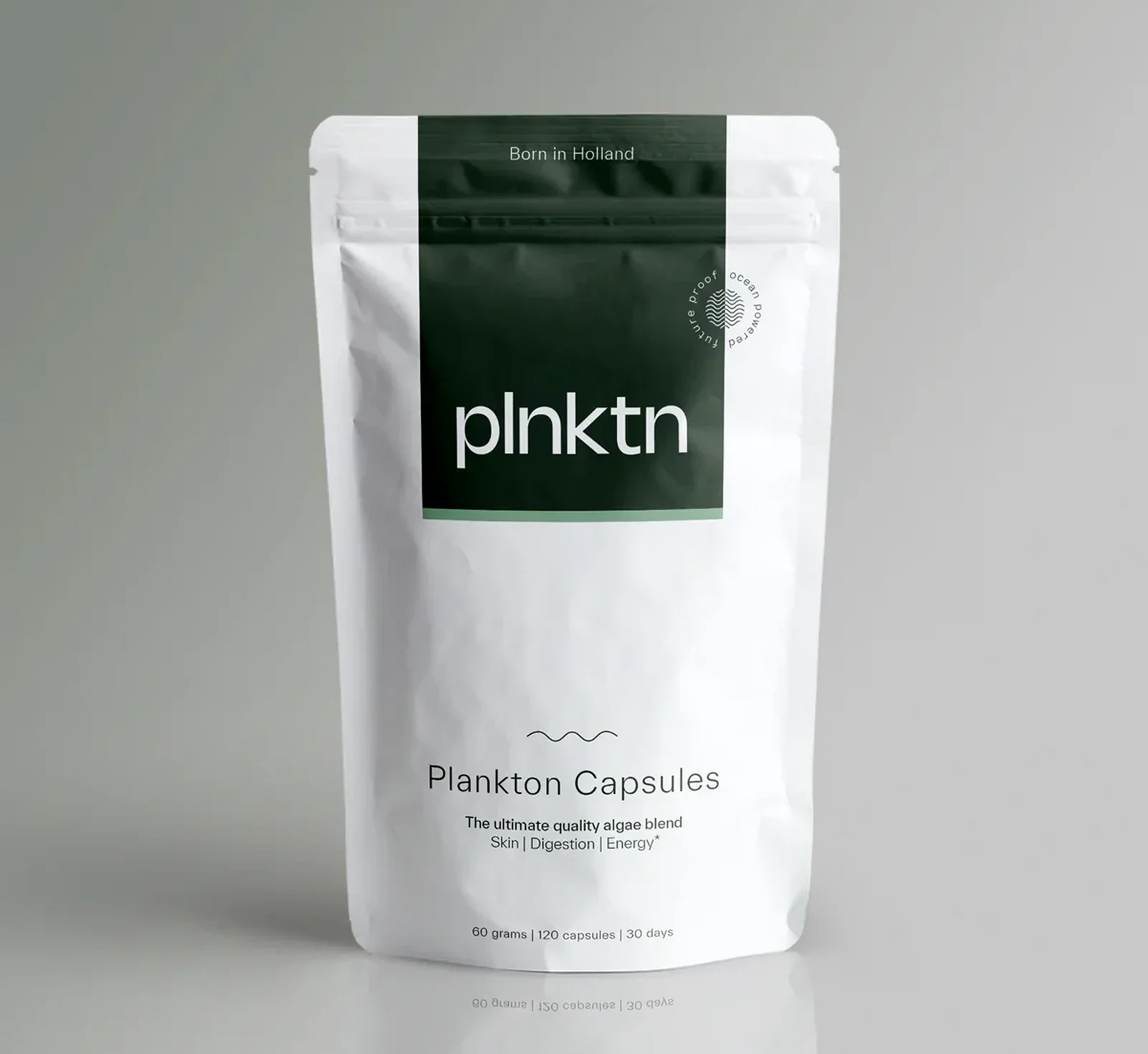

Plankton Capsules
Blend of 4 nutrient-dense micro- and macroalgae from European cultivation. Daily support for gut, skin and energy.
- • 75+ nutrients: minerals, vitamins, pigments, antioxidants and complete proteins
- • 100% natural, plant-based and responsibly grown
- • Supports digestion, energy metabolism and skin health
Disclosure: We may earn a commission if you purchase via these links.
Cost-Effectiveness
Making sauerkraut at home costs pennies — a head of cabbage and salt. Even purchased, a jar of quality unpasteurised sauerkraut (€3-5) provides 10-15 servings. A litre of kefir (€2-4) provides 4-5 servings. Over a month, a diverse fermented food habit can cost less than a single bottle of premium probiotics.
Cultural and Social Value
Fermented foods have been part of European food culture for millennia. Incorporating them into your diet is not a medical intervention — it is a return to traditional eating patterns. Sharing a cheese board, enjoying yoghurt at breakfast, or adding sauerkraut to a meal are social, pleasurable acts that support compliance in a way that swallowing a capsule never can.
Postbiotic Benefits
Even when live organisms do not survive (as in pasteurised sauerkraut or cooked miso), fermented foods still contain postbiotics — the metabolic byproducts of fermentation. These include short-chain fatty acids, bacteriocins, enzymes, and cell wall fragments that have demonstrated immune-modulating and anti-inflammatory effects.
When Supplements Win
There are clear scenarios where probiotic supplements are the better — or only — practical choice:
Post-Antibiotic Recovery
Antibiotics can devastate the gut microbiome, reducing diversity by 30-50% and creating an environment vulnerable to opportunistic pathogens like C. difficile. Specific probiotic strains — particularly Saccharomyces boulardii and Lactobacillus rhamnosus GG — have strong evidence for preventing antibiotic-associated diarrhoea and supporting microbiome recovery. The dose precision of supplements matters here: clinical studies typically use 5-10 billion CFU daily, started alongside the antibiotic course.
Targeted Condition Management
If you have been diagnosed with irritable bowel syndrome (IBS), inflammatory bowel disease (IBD), small intestinal bacterial overgrowth (SIBO), or other specific gut conditions, your gastroenterologist may recommend particular strains at particular doses. This level of precision is only achievable through supplements.
Travel
Taking a pot of kefir through airport security is impractical. Shelf-stable probiotic capsules travel easily and can help prevent traveller's diarrhoea — S. boulardii has the strongest evidence for this use.
Dietary Restrictions
If you are dairy-free, soy-free, or follow a low-FODMAP diet, your fermented food options become limited. Supplements offer a way to access specific strains without the dietary constraints.
Immunocompromised Individuals
People with weakened immune systems (due to chemotherapy, organ transplantation, HIV/AIDS, or immunosuppressive medications) need to exercise caution with raw, unpasteurised fermented foods. The variable and sometimes unpredictable microbial content of these foods carries a small but real infection risk. Well-characterised, clinically tested probiotic strains in supplement form are generally considered safer for this population — though even supplements should be used under medical supervision.

5% CBG & 2.5% CBD Oil
Cibdol's CBG & CBD combination oil — 5% CBG (cannabigerol) paired with 2.5% CBD in a full-spectrum formula. CBG is the precursor cannabinoid known as the "mother of cannabinoids", with emerging research pointing to anti-inflammatory, neuroprotective and gut-supportive properties. Swiss-produced, third-party tested.
- • 5% CBG + 2.5% CBD — dual-cannabinoid formula
- • CBG: anti-inflammatory and neuroprotective properties
- • Full-spectrum Swiss-produced oil
Disclosure: We may earn a commission if you purchase via these links.
The Histamine Problem
One important consideration that is often overlooked in the fermented foods conversation is histamine. Many fermented foods are naturally high in biogenic amines, including histamine, tyramine, and putrescine. These compounds are produced by bacterial decarboxylation of amino acids during fermentation.
Foods particularly high in histamine include:
- Aged cheeses (especially blue cheese, Parmesan, Gouda)
- Sauerkraut and kimchi
- Wine and beer
- Fermented soy products (soy sauce, miso)
- Kombucha
- Cured meats (salami, prosciutto)
For most people, dietary histamine is efficiently broken down by the enzyme diamine oxidase (DAO) in the small intestine. However, an estimated 1-3% of the European population has histamine intolerance — a reduced capacity to degrade histamine, leading to symptoms such as:
- Headaches and migraines
- Nasal congestion and sneezing
- Skin flushing, hives, or eczema flare-ups
- Digestive symptoms (bloating, diarrhoea, abdominal pain)
- Heart palpitations
- Anxiety and sleep disturbance
If you suspect histamine intolerance, loading up on fermented foods could make your symptoms significantly worse. In this case, probiotic supplements offer a targeted alternative. Certain strains are considered low-histamine or histamine-degrading, including:
- Bifidobacterium infantis
- Lactobacillus rhamnosus GG
- Bifidobacterium longum
- Lactobacillus plantarum
Conversely, some strains are known histamine producers and should be avoided by sensitive individuals:
- Lactobacillus casei
- Lactobacillus bulgaricus
- Streptococcus thermophilus
- Lactobacillus helveticus
This is a scenario where the strain specificity of supplements becomes genuinely important — and where blanket advice to "eat more fermented foods" can backfire.
The Best of Both Worlds: A Combined Approach
For most people, the optimal strategy is not an either/or choice but a thoughtful combination of both fermented foods and targeted supplementation.
A Practical Framework
Daily foundation — fermented foods:
- Include 2-3 servings of fermented foods per day from diverse sources
- Rotate between dairy ferments (yoghurt, kefir), vegetable ferments (sauerkraut, kimchi), and others (miso, kombucha)
- Prioritise unpasteurised, refrigerated products with live cultures
- Make your own where practical — home-fermented vegetables and kefir are cost-effective and simple
Targeted supplementation — when needed:
- During and after antibiotic courses (continue for 2-4 weeks after finishing antibiotics)
- When managing specific digestive conditions under medical guidance
- During travel to regions with unfamiliar food and water
- If dietary restrictions limit your fermented food options
- During periods of high stress, which can disrupt microbiome balance
Complementary digestive support: Consider digestive enzyme supplements that complement both approaches. Enzyme blends containing amylase, protease, lipase, and cellulase can improve the breakdown and absorption of nutrients from both fermented foods and your broader diet.
MADMONQ GREENS
Superfood powder with 77 nutrients — fruits, vegetables, vitamins, minerals, DigeZyme® digestive enzymes, and prebiotics. Each sachet delivers the equivalent of 1 serving of real vegetables and fruits using organic EU-grown ingredients. Includes Vitaberry® and Vitaveggie® proprietary blends, Spirulina, Kale, Broccoli, and Acai Berry.
- • 77 nutrients in one daily sachet
- • DigeZyme® enzymes for digestive support
- • Organic, EU-grown ingredients
Disclosure: We may earn a commission if you purchase via these links.
Supporting Gut Health Beyond Probiotics
A robust gut health strategy extends beyond microbial supplementation. Omega-3 fatty acids play an increasingly recognised role in gut health, with research showing they support gut barrier integrity, reduce intestinal inflammation, and may favourably modulate the gut microbiome composition. A 2022 systematic review in Gut Microbes found that omega-3 supplementation increased the abundance of butyrate-producing bacteria — the same beneficial populations that fermented foods help support.
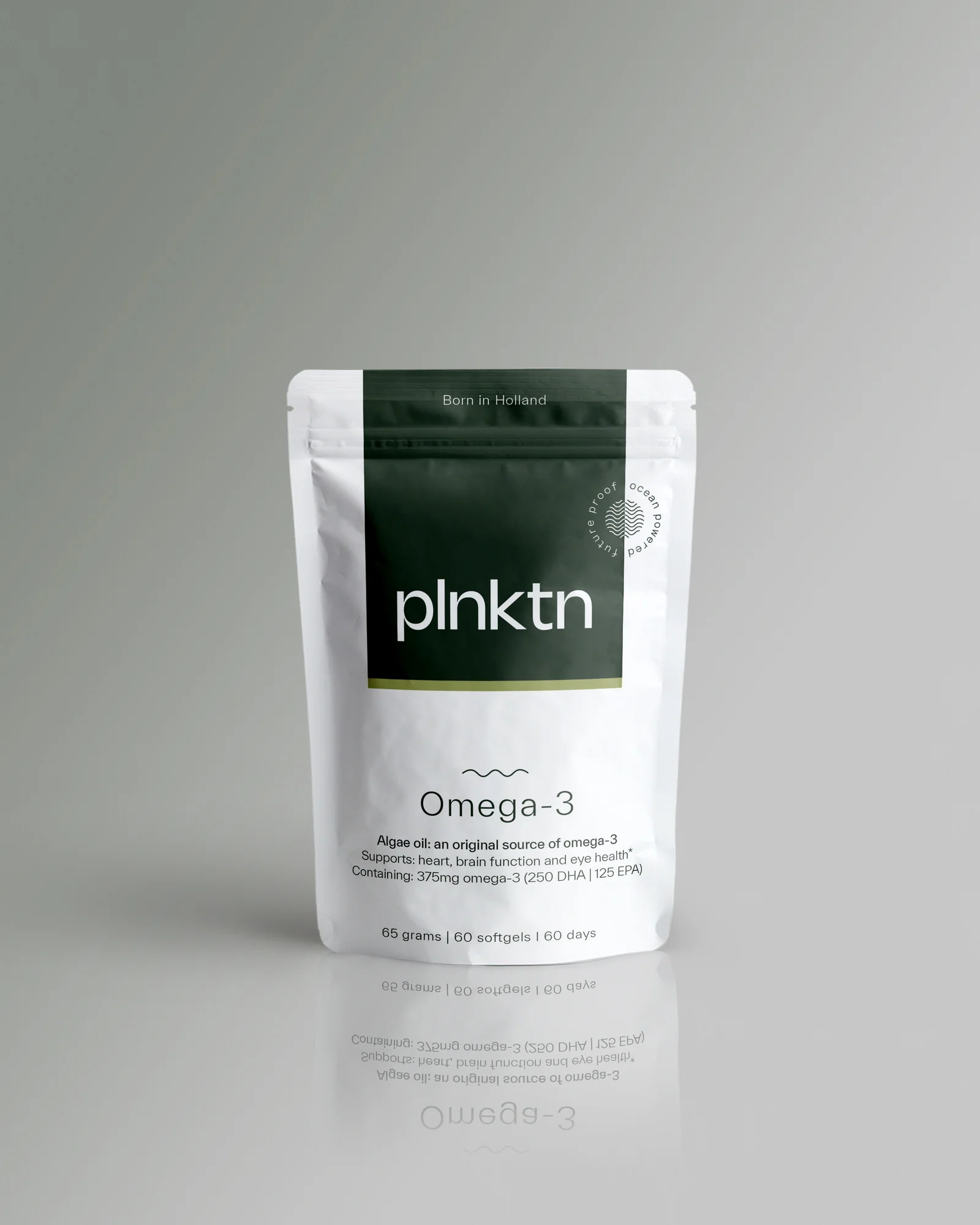
Omega-3 (algenolie)
Daily omega-3 from the original source: algae. With essential EPA and DHA for heart, brain and eyes.
- • 250 mg DHA and 125 mg EPA per capsule
- • 100% fish-free, plant-based algenolie
- • No fishy aftertaste, clean and controlled source
Disclosure: We may earn a commission if you purchase via these links.
European Fermented Food Traditions
Europe has some of the richest and most diverse fermented food traditions in the world. Understanding this cultural context can help you incorporate more variety into your diet.
Eastern Europe: The Kefir Belt
Kefir originated in the Caucasus Mountains and remains a dietary staple across Russia, Ukraine, Poland, and the Baltic states. Traditional kefir is made with kefir grains — a complex symbiotic community that has been passed down through families for generations. In Poland, kefir consumption per capita exceeds that of any Western European country, and it is commonly consumed as a breakfast drink or used as a base for cold soups like chlodnik.
DACH Region: Sauerkraut Country
Germany, Austria, and Switzerland have the deepest sauerkraut traditions in Europe. In Germany alone, annual per capita consumption of sauerkraut averages around 1.5 kg. Traditional German sauerkraut is fermented for 4-6 weeks and served as a side dish with pork, sausages, and potatoes. Regional variations include Weinsauerkraut (fermented with white wine) and Bayrisches Kraut (Bavarian-style with caraway seeds and apple).
Nordic Countries: Skyr and Beyond
Skyr — technically a fresh acid-set cheese rather than a yoghurt, though marketed as the latter — has been produced in Iceland for over a thousand years. It is exceptionally high in protein (typically 10-12g per 100g) and contains Streptococcus thermophilus and Lactobacillus delbrueckii subsp. bulgaricus. Across Scandinavia, filmjolk (Swedish fermented milk), viili (Finnish ropy fermented milk), and kefir are traditional fermented dairy products that remain widely consumed.
France: The Cheese Tradition
France's contribution to fermented foods centres on its extraordinary cheese tradition — over 1,600 distinct varieties, many containing live cultures. From the Penicillium roqueforti in Roquefort to the complex surface flora of Camembert and Brie, French cheeses represent some of the most microbiologically diverse fermented foods available. A 2019 study in Nature Food found that regular consumers of traditional French cheeses had significantly higher gut microbial diversity than non-consumers.
Mediterranean: Fermented Vegetables and Olives
Southern Europe contributes fermented olives (which involve Lactobacillus plantarum and Leuconostoc mesenteroides), fermented capers, and a variety of pickled vegetables. These Mediterranean ferments combine probiotic potential with the anti-inflammatory benefits of olive polyphenols and Mediterranean dietary patterns.

Frequently Asked Questions
Can I get enough probiotics from food alone?
For general gut health maintenance, yes — most healthy adults can support a diverse, resilient microbiome through regular consumption of varied fermented foods. The Stanford study demonstrated that 6+ daily servings of fermented foods significantly improved microbiome diversity. However, for specific clinical conditions (IBS, post-antibiotic recovery, C. difficile prevention), targeted supplementation with clinically studied strains offers benefits that food alone may not match.
Are all yoghurts probiotic?
No. All yoghurts are fermented, but not all meet the threshold for "probiotic" — which, by scientific consensus, requires live organisms in adequate amounts to confer a health benefit. Many commercial yoghurts are heat-treated after fermentation, killing the cultures. Look for labels stating "contains live active cultures" and check for added strains beyond the standard S. thermophilus and L. bulgaricus.
How long does it take for fermented foods to improve gut health?
The Stanford study observed measurable changes in microbiome diversity within 4-6 weeks of increasing fermented food intake. However, individual responses vary considerably based on baseline microbiome composition, overall diet quality, and the specific fermented foods consumed. Consistency matters more than quantity — daily consumption of moderate amounts is more effective than occasional large servings.
Should I take probiotics and eat fermented foods at the same time?
Absolutely. There is no evidence of negative interactions between probiotic supplements and fermented foods. In fact, they complement each other: fermented foods provide broad diversity and nutritional co-factors, while supplements deliver targeted strains at therapeutic doses. Taking both is the approach most microbiome researchers personally follow.
Can fermented foods cause digestive problems?
Yes, particularly when first introducing them or when consuming large quantities. Common initial symptoms include bloating, gas, and changes in bowel habits as the gut microbiome adjusts. Start with small portions (a tablespoon of sauerkraut, half a cup of kefir) and increase gradually over 1-2 weeks. If symptoms persist, consider histamine intolerance as a potential factor (see the histamine section above).
Are fermented foods safe during pregnancy?
Most commercially produced fermented foods are safe during pregnancy. Pasteurised yoghurt, kefir, and commercially produced kombucha (low alcohol) are generally fine. However, pregnant women should avoid unpasteurised soft cheeses (risk of Listeria), home-brewed kombucha (variable alcohol and contamination risk), and excessive amounts of high-histamine ferments. Always consult your midwife or obstetrician for personalised advice.
Disclaimer
This article is for informational purposes only and does not constitute medical advice. The content is based on published research and expert opinion available at the time of writing. Individual responses to fermented foods and probiotic supplements vary. If you have a diagnosed digestive condition, are immunocompromised, are pregnant, or are taking medications, consult your healthcare provider before making significant dietary changes or starting supplementation. Product recommendations are independently selected; Smart Supplements may earn a commission on qualifying purchases at no extra cost to you.
Related Articles
Related topics
Related articles
Gut Health for Kids: Safe Probiotics & Building a Healthy Microbiome Early
Your child's microbiome is largely established by age three — and what happens in those first 1,000 days shapes lifelong health. Here is everything parents
The Gut Health Supplement Stack: Building Your Daily Protocol
A complete guide to building an evidence-based gut health supplement stack. Learn the five pillars of gut support — prebiotics, probiotics, anti-inflammato
Probiotics for Women: UTI, Vaginal Health & Hormonal Balance
The vaginal microbiome is a distinct ecosystem dominated by Lactobacillus species. From BV and recurrent UTIs to hormonal shifts during pregnancy and menop