
Postbiotics vs Probiotics vs Prebiotics: Which Do You Actually Need?
Written by Smart Supplements Editorial Team
Key takeaways
- Probiotics are live micro-organisms that confer a health benefit, but most strains are transient and do not permanently colonise the gut.
- Prebiotics selectively feed beneficial bacteria you already harbour, making them a strong foundational first step for general gut wellness.
- Postbiotics — including SCFAs, bacteriocins and cell wall fragments — offer superior stability and are safe for immunocompromised individuals.
- Benefits of probiotic strains are strain-specific and dose-specific; a generic multi-strain product may not address your particular condition.
- The EU bans the word "probiotic" on supplement labels, so look for "live cultures" and specific strain designations when shopping in Europe.
- A phased approach — starting with prebiotic fibre, then adding targeted probiotics or postbiotics — is more effective than taking everything at once.
Table of contents
- The Three Biotics: A Quick Overview
- Probiotics In Depth
- Prebiotics In Depth
- Postbiotics In Depth
- Head-to-Head Comparison
- Synbiotics: When Prebiotics and Probiotics Work Together
- The EU Regulatory Picture
- Who Should Take What?
- Common Mistakes People Make
- Building Your Personal Biotic Protocol
- Frequently Asked Questions
- Where to Buy
- Related Articles
The Three Biotics: A Quick Overview
Walk into any health shop in Amsterdam, Berlin or London and you will find shelves groaning with products labelled "live cultures," "microbiome support" and "gut-friendly fibre." The terminology is deliberately vague — partly because of EU labelling rules we will explore later, and partly because the science itself has only recently drawn clear boundaries between these categories.
Let us start with definitions that actually mean something.
Probiotics are live micro-organisms which, when administered in adequate amounts, confer a health benefit on the host. That is the definition agreed upon by the World Health Organisation and the International Scientific Association for Probiotics and Prebiotics (ISAPP). The key word is live — if the organisms are dead on arrival, you do not have a probiotic.
Prebiotics are substrates that are selectively utilised by host micro-organisms and confer a health benefit. In plain language, they are food for your existing gut bacteria. The most familiar examples are inulin, fructo-oligosaccharides (FOS) and galacto-oligosaccharides (GOS), but the definition has expanded to include compounds like polyphenols and resistant starch.
Postbiotics were formally defined by the ISAPP in 2021 as "a preparation of inanimate micro-organisms and/or their components that confers a health benefit on the host." This includes short-chain fatty acids (SCFAs), bacteriocins, cell wall fragments, exopolysaccharides (EPS) and certain vitamins produced by bacterial metabolism.
Here is how they compare at a glance:
| Feature | Probiotics | Prebiotics | Postbiotics |
|---|---|---|---|
| What they are | Live bacteria/yeasts | Fibres and fermentable compounds | Bacterial metabolites and cell fragments |
| Alive? | Yes — must be viable | N/A (not organisms) | No — inanimate by definition |
| Storage | Often require refrigeration | Shelf-stable | Shelf-stable |
| Mechanism | Colonisation resistance, immune modulation, pathogen exclusion | Selectively feed beneficial species | Direct signalling to gut epithelium and immune cells |
| Onset | Days to weeks | 1–4 weeks (gradual shift in microbiome composition) | Hours to days (direct metabolic effects) |
| Key risk | Rare infections in immunocompromised individuals | Gas and bloating if dose is too high | Very few reported adverse effects |
Probiotics In Depth
What Actually Happens When You Swallow a Probiotic?
The journey of a probiotic capsule is more perilous than most marketing materials suggest. The bacteria must survive stomach acid (pH 1.5–3.5), bile salts in the duodenum, competition from roughly 38 trillion resident micro-organisms, and — if they are lucky — find a niche where they can temporarily set up shop.
The word temporarily matters. The majority of commercial probiotic strains are transient colonisers. A landmark 2018 study by Zmora et al., published in Cell, used endoscopies and colonoscopies to show that standard probiotic supplements colonised the gut mucosa in only a subset of participants — and even in those "permissive" individuals, the strains disappeared within weeks of stopping supplementation.
This does not mean probiotics are useless. It means their benefits come from what they do while passing through — producing antimicrobial compounds, stimulating immune receptors, reinforcing the mucus layer — rather than from permanent residency.
Strain Specificity: Why "Lactobacillus" Is Not Enough
One of the most common mistakes consumers make is treating probiotics as interchangeable. The health benefits of Lactobacillus rhamnosus GG (arguably the most studied probiotic strain on earth) do not automatically apply to Lactobacillus rhamnosus from a different culture collection. Benefits are strain-specific, and often dose-specific as well.
A 2020 meta-analysis in The Lancet Gastroenterology & Hepatology confirmed that certain strains show robust evidence for specific conditions:
| Strain | Condition | Evidence Level |
|---|---|---|
| L. rhamnosus GG | Antibiotic-associated diarrhoea | Strong (multiple RCTs) |
| S. boulardii CNCM I-745 | C. difficile prevention | Strong |
| B. infantis 35624 | IBS symptom relief | Moderate–Strong |
| L. reuteri DSM 17938 | Infant colic | Strong |
| L. plantarum 299v | IBS (bloating, pain) | Moderate |
If your supplement label says "Lactobacillus acidophilus" without a strain designation, you have no way of knowing whether it matches any studied strain.
The Cold Chain Problem
Many probiotic strains require refrigeration to maintain viability. Yet products routinely ship unrefrigerated, sit in warm warehouses and spend days in postal vans during summer. A 2019 audit by ConsumerLab found that nearly half of tested probiotic supplements contained fewer colony-forming units (CFUs) than claimed on the label.
Some manufacturers have addressed this with microencapsulation, freeze-drying and delayed-release capsules, but the fundamental fragility of live organisms remains a limitation that prebiotics and postbiotics simply do not share.
Prebiotics In Depth
Feeding the Bacteria You Already Have
Rather than introducing foreign strains, prebiotics take a fundamentally different approach: they nourish the beneficial bacteria already resident in your gut. This is a more ecological strategy — you are tending your existing garden rather than importing plants that may not survive in your soil.
The concept of selective fermentation is central. Not all fibres are prebiotics. To qualify, a substrate must be preferentially metabolised by health-promoting species (primarily Bifidobacterium and certain Lactobacillus species) rather than by potentially harmful organisms.
Types of Prebiotics
| Prebiotic Type | Source | Primary Bacteria Fed | Typical Dose |
|---|---|---|---|
| Inulin | Chicory root, Jerusalem artichoke, garlic | Bifidobacterium spp. | 5–10 g/day |
| FOS (fructo-oligosaccharides) | Onions, bananas, asparagus | Bifidobacterium, Lactobacillus | 5–15 g/day |
| GOS (galacto-oligosaccharides) | Human breast milk, legumes | Bifidobacterium | 3–7 g/day |
| Resistant starch | Cooked-and-cooled potatoes, green bananas | Ruminococcus, Eubacterium | 15–30 g/day |
| PHGG (partially hydrolysed guar gum) | Guar bean | Broad-spectrum bifidogenic | 5–7 g/day |
| Polyphenols | Berries, green tea, cocoa | Akkermansia, Bifidobacterium | Varies |
The Dose-Response Curve
Prebiotics follow a clear dose-response relationship, but the curve is not linear. Research consistently shows that 5–10 g/day of inulin-type fructans significantly increases faecal Bifidobacterium counts within two weeks. Go above 15–20 g/day too quickly, however, and you will likely experience the gas and bloating that gives prebiotics their bad reputation.
The trick is to start low and increase gradually — a principle that applies whether you are eating more onions and garlic or taking a supplement containing prebiotic fibres.
Comprehensive greens powders that include prebiotic compounds alongside digestive enzymes can offer a gentler introduction. The enzymatic support helps break down fibres more gradually, reducing the sudden gas production that puts many people off prebiotic supplementation.
MADMONQ GREENS
Superfood powder with 77 nutrients — fruits, vegetables, vitamins, minerals, DigeZyme® digestive enzymes, and prebiotics. Each sachet delivers the equivalent of 1 serving of real vegetables and fruits using organic EU-grown ingredients. Includes Vitaberry® and Vitaveggie® proprietary blends, Spirulina, Kale, Broccoli, and Acai Berry.
- • 77 nutrients in one daily sachet
- • DigeZyme® enzymes for digestive support
- • Organic, EU-grown ingredients
Disclosure: We may earn a commission if you purchase via these links.
Postbiotics In Depth
The ISAPP 2021 Definition
For years, "postbiotic" was a loosely used marketing term. That changed in May 2021 when the ISAPP published a consensus statement in Nature Reviews Gastroenterology & Hepatology establishing a formal definition: a preparation of inanimate micro-organisms and/or their components that confers a health benefit on the host.
This definition is deliberately broad, encompassing several distinct categories of bioactive compounds.
Key Types of Postbiotics
Short-chain fatty acids (SCFAs) are the headline act. When colonic bacteria ferment prebiotic fibres, they produce acetate, propionate and — most importantly — butyrate. Butyrate is the preferred energy source for colonocytes (the cells lining your colon), and it plays critical roles in maintaining gut barrier integrity, modulating inflammation and even influencing gene expression through histone deacetylase inhibition.
Bacteriocins are antimicrobial peptides produced by certain bacterial strains. They act as natural antibiotics, selectively inhibiting pathogenic species while leaving beneficial bacteria unharmed. Nisin, produced by Lactococcus lactis, is the best-known example and has been used as a food preservative for decades.
Cell wall fragments — including muramyl dipeptide and lipoteichoic acid — interact directly with pattern recognition receptors on immune cells. This is one reason why even heat-killed bacteria can produce measurable immune effects.
Heat-killed bacteria (sometimes called "tyndallised" preparations) represent a growing product category. Studies on heat-killed Lactobacillus strains have shown benefits for immune function, allergy prevention and even metabolic parameters — all without the viability concerns of live probiotics.
Exopolysaccharides (EPS) are sugar polymers secreted by certain bacteria. They have demonstrated prebiotic-like properties, immunomodulatory effects and even antioxidant activity in preclinical models.
Vitamins produced by gut bacteria — including vitamin K2 (menaquinone), several B vitamins and folate — are technically postbiotics, though they are rarely marketed under that label.
Why Postbiotics Are Generating So Much Interest
The appeal is straightforward: postbiotics deliver many of the benefits attributed to probiotics, but without the logistical headaches. They are shelf-stable, heat-resistant, safe for immunocompromised individuals and have a consistent dose (you are not hoping that enough bacteria survive to produce the metabolites — you are delivering the metabolites directly).
Cellular renewal processes, including autophagy, are closely linked to postbiotic signalling. Compounds like spermidine — a polyamine produced by gut bacteria and found in aged cheese, wheat germ and soybean — have been shown to induce autophagy and support cellular housekeeping. While spermidine sits at the intersection of postbiotic science and longevity research, supplementing it directly bypasses the uncertainty of relying on your microbiome to produce adequate amounts.
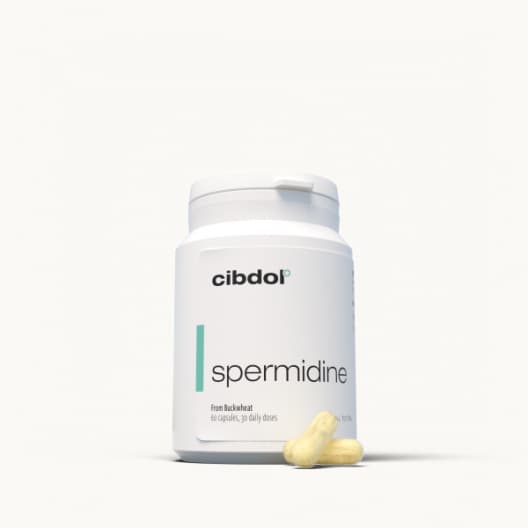

Spermidine
Spermidine supplement to support autophagy, cellular renewal, and healthy aging.
- • Promotes autophagy
- • Supports cellular renewal
- • Wheat germ extract source
Disclosure: We may earn a commission if you purchase via these links.
Head-to-Head Comparison
| Criterion | Probiotics | Prebiotics | Postbiotics |
|---|---|---|---|
| Stability | Low–Moderate (strain-dependent) | High | High |
| Mechanism | Live organisms interact with host | Selective fermentation by resident bacteria | Direct metabolite signalling |
| Evidence level | Strong for specific strains/conditions | Strong for bifidogenic fibres | Moderate–Growing (newer field) |
| Safety profile | Excellent for healthy individuals; caution in immunocompromised | Excellent; GI discomfort at high doses | Excellent; very few adverse effects reported |
| Cost (monthly) | €15–€50 | €10–€30 | €15–€45 |
| Best for | Targeted conditions (AAD, IBS, specific infections) | General microbiome support, increasing diversity | Gut barrier support, immune modulation, when probiotics are contraindicated |
| Regulatory clarity (EU) | Cannot use "probiotic" on labels | Fibre claims permitted | Novel Food route may apply |
Synbiotics: When Prebiotics and Probiotics Work Together
A synbiotic is a product that combines probiotics and prebiotics. But not just any combination qualifies. The ISAPP distinguishes between two types:
Complementary synbiotics contain a probiotic and a prebiotic that each independently confer benefits, but the prebiotic is not specifically designed to feed the included probiotic strain. Think of it as two useful ingredients in one capsule.
Synergistic synbiotics are designed so that the prebiotic component specifically enhances the survival, growth or activity of the co-administered probiotic strain. This is the more scientifically rigorous approach and, unsurprisingly, the rarer one on the market.
Design Considerations
A well-designed synergistic synbiotic should demonstrate that:
- The probiotic strain can actually metabolise the included prebiotic
- The prebiotic selectively favours the probiotic strain over competing species
- The combination produces measurably better outcomes than either component alone
One example with good evidence is Bifidobacterium animalis subsp. lactis combined with GOS — the strain efficiently ferments GOS, and the combination has shown enhanced bifidobacterial engraftment compared with the probiotic alone.
Nutrient Diversity and the Microbiome
Beyond dedicated synbiotic products, there is growing recognition that micronutrient diversity itself supports microbial diversity. Marine-derived nutrients — including unique omega-3 profiles, trace minerals and antioxidants not found in terrestrial foods — can contribute to a broader substrate base for gut bacteria. This is one reason why marine phytoplankton supplements have attracted interest from microbiome researchers.
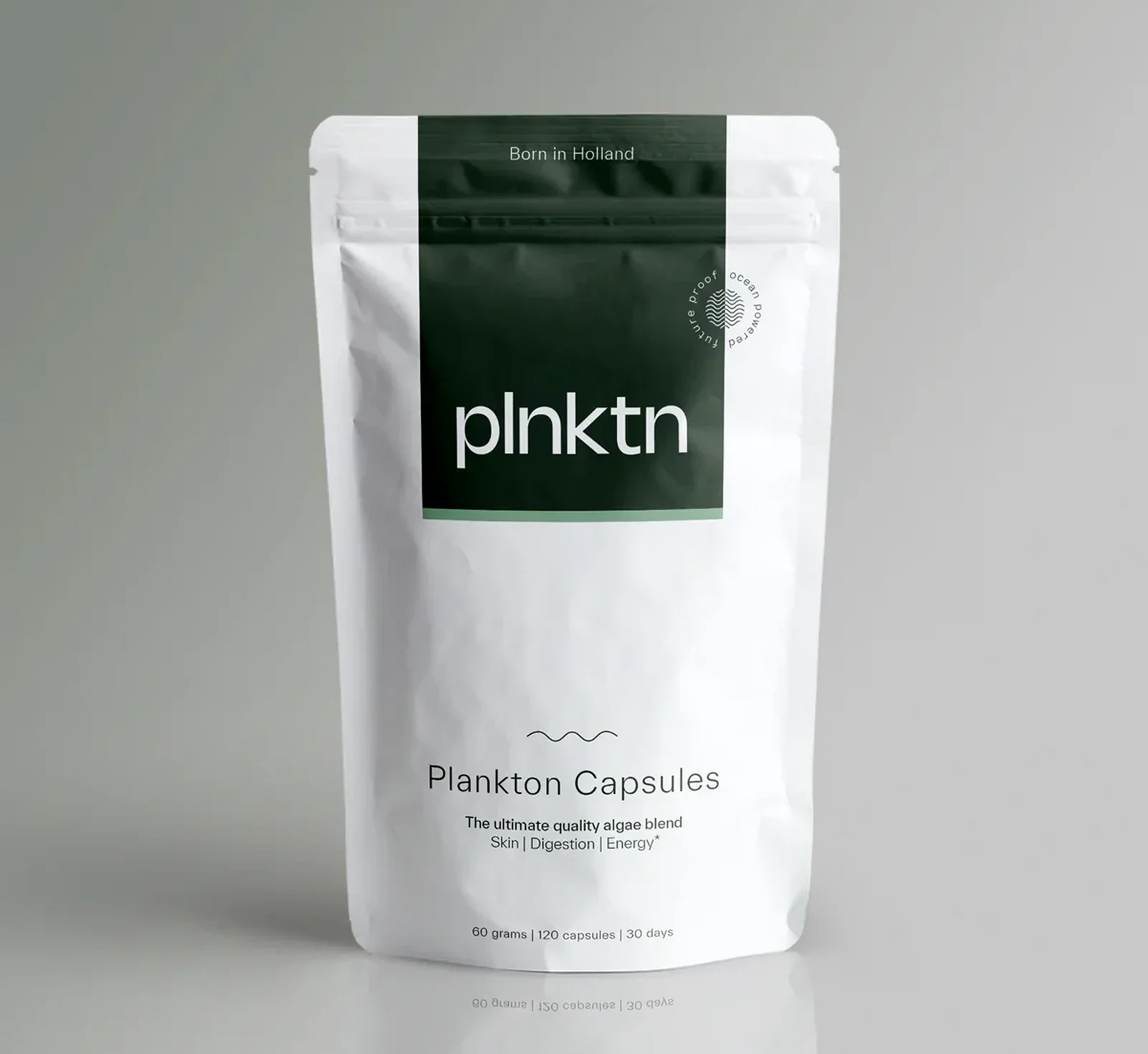

Plankton Capsules
Blend of 4 nutrient-dense micro- and macroalgae from European cultivation. Daily support for gut, skin and energy.
- • 75+ nutrients: minerals, vitamins, pigments, antioxidants and complete proteins
- • 100% natural, plant-based and responsibly grown
- • Supports digestion, energy metabolism and skin health
Disclosure: We may earn a commission if you purchase via these links.
The EU Regulatory Picture
If you buy supplements in Europe, you have almost certainly noticed something odd: products that are clearly probiotics never actually use the word "probiotic" anywhere on the label. This is not an oversight — it is the law.
The "Probiotic" Label Ban
In 2012, the European Food Safety Authority (EFSA) rejected all submitted health claims related to probiotics, on the grounds that the evidence did not meet their stringent requirements. As a consequence, the term "probiotic" is effectively banned from product labels and marketing materials in the EU, because EFSA considers the word itself to constitute an implicit health claim.
Manufacturers work around this by using phrases like "live cultures," "live bacteria," "contains Lactobacillus and Bifidobacterium" or simply listing the strain names without any functional claims. It is an absurd situation — the scientific community universally uses the term "probiotic," consumers understand what it means, but labels cannot say it.
Postbiotics and Novel Food Regulation
Postbiotics face a different regulatory challenge. Many postbiotic preparations — particularly heat-killed bacterial preparations and isolated metabolites — may fall under the EU Novel Food Regulation (EU 2015/2283). If a postbiotic ingredient was not consumed to a significant degree in the EU before May 1997, it requires Novel Food authorisation before it can be sold.
This creates a two-speed market: traditional fermented foods (which naturally contain postbiotics) are freely sold, while concentrated postbiotic supplements may require years of regulatory approval.
What This Means for You
When shopping for gut health supplements in Europe:
- Look for specific strain designations (e.g., L. rhamnosus GG, not just L. rhamnosus)
- Check whether the product guarantees CFU count at end of shelf life, not just at manufacture
- Be aware that "live cultures" and "contains bacteria" are the EU-compliant ways of saying "probiotic"
- For postbiotic products, check whether the ingredients have Novel Food approval
Who Should Take What?
There is no single answer to the "which biotic do I need?" question. It depends on your health status, goals and — frankly — your budget and patience. Here is a condition-specific guide based on the current evidence.
IBS (Irritable Bowel Syndrome)
First line: A low-FODMAP diet (which temporarily reduces prebiotic intake) combined with targeted probiotic strains — B. infantis 35624 or L. plantarum 299v have the strongest evidence. Once symptoms stabilise, gradually reintroduce prebiotic fibres, prioritising PHGG (which is well-tolerated even in IBS patients).
Consider adding: Butyrate supplements (a postbiotic) for gut barrier support, particularly if you have IBS-D (diarrhoea-predominant).
Post-Antibiotic Recovery
First line: Saccharomyces boulardii during and for one week after the antibiotic course. This yeast-based probiotic is naturally resistant to antibacterial agents.
Then: Prebiotic-rich foods or a moderate-dose inulin/FOS supplement (starting at 3 g/day) to help re-establish commensal populations.
General Gut Wellness
First line: Increase dietary prebiotic intake — aim for 25–30 g of total fibre daily, with an emphasis on diverse plant foods. If supplementing, a greens powder or standalone prebiotic fibre is the most cost-effective starting point.
Consider adding: A well-designed synbiotic if you want comprehensive support, or a postbiotic (particularly butyrate) if you have signs of compromised gut barrier function.
Immunocompromised Individuals
Avoid: Live probiotics. While rare, cases of Lactobacillus bacteraemia and Saccharomyces fungaemia have been reported in severely immunocompromised patients.
Prefer: Postbiotics (heat-killed preparations, SCFAs) and prebiotics, which carry no infection risk.
Children
For infant colic: L. reuteri DSM 17938 has the strongest evidence.
For general health: Prebiotic-enriched formulas (containing GOS/FOS) have been shown to promote a more bifidogenic gut profile in formula-fed infants.
Note: Always consult a paediatrician before giving supplements to children.
Common Mistakes People Make
Choosing the Wrong Strain
This is the most expensive mistake in the probiotic world. Buying a generic "10-strain, 50 billion CFU" product for a specific condition like IBS is like buying a mixed bag of seeds and hoping one of them is the herb you need. Match the strain to the condition, or you are wasting money.
Too Much Prebiotic, Too Fast
Enthusiasm meets intestinal gas. Starting with 10–15 g of inulin on day one is a reliable recipe for bloating, cramps and the kind of flatulence that empties rooms. Begin with 3 g/day and increase by 1–2 g every three to five days. Your bacteria need time to upregulate the enzymes needed to ferment these substrates.
Ignoring Diet
No supplement can compensate for a diet devoid of plant diversity. A 2021 study in Nature Medicine (as part of the PREDICT programme) found that people who ate more than 30 different plant species per week had significantly more diverse gut microbiomes than those eating fewer than 10 — regardless of supplement use.
CFU Obsession
More is not always better. A product with 100 billion CFU is not necessarily superior to one with 10 billion. What matters is whether the specific strain at the specific dose has been shown to produce the desired effect. Some of the best-studied probiotic interventions use relatively modest CFU counts.
Forgetting the Gut-Brain Connection
Many people focus exclusively on digestive symptoms and overlook the gut-brain axis. The vagus nerve, microbial neurotransmitter production and systemic inflammation all connect gut health to mood, cognition and stress resilience. Compounds that support gut barrier integrity — including certain cannabinoids like cannabigerol (CBG), which has shown gut-supportive properties in preclinical research — may offer benefits that extend well beyond the digestive tract.
5% CBG & 2.5% CBD Oil
Cibdol's CBG & CBD combination oil — 5% CBG (cannabigerol) paired with 2.5% CBD in a full-spectrum formula. CBG is the precursor cannabinoid known as the "mother of cannabinoids", with emerging research pointing to anti-inflammatory, neuroprotective and gut-supportive properties. Swiss-produced, third-party tested.
- • 5% CBG + 2.5% CBD — dual-cannabinoid formula
- • CBG: anti-inflammatory and neuroprotective properties
- • Full-spectrum Swiss-produced oil
Disclosure: We may earn a commission if you purchase via these links.
Building Your Personal Biotic Protocol
Rather than throwing every supplement at the wall, consider a phased approach.
Phase 1: Foundation (Weeks 1–4)
- Increase dietary fibre to 25–30 g/day from diverse plant sources
- Add a prebiotic supplement if dietary intake is insufficient — start with 3–5 g/day of inulin, FOS or PHGG
- Track symptoms — a simple daily log of energy, digestion and bowel habits gives you a baseline
Phase 2: Targeted Support (Weeks 5–8)
- If you have a specific condition (IBS, post-antibiotics, recurrent infections), add a targeted probiotic strain with evidence for that condition
- If you are generally healthy, consider a synbiotic or continue with prebiotics alone
- Adjust prebiotic dose based on tolerance — most people stabilise at 5–10 g/day
Phase 3: Optimisation (Weeks 9–12 and Beyond)
- Introduce postbiotics if gut barrier support is a priority — butyrate supplements or heat-killed bacterial preparations
- Consider microbiome testing (providers like Atlas Biomed or Biomesight offer consumer kits in Europe) to identify specific deficiencies
- Rotate or adjust strains every 2–3 months based on response
A Note on Patience
The gut microbiome is an ecosystem, and ecosystems do not change overnight. Most interventional studies run for 4–12 weeks before measuring outcomes. Give any new protocol at least four weeks before judging its effectiveness, and avoid the temptation to add multiple new supplements simultaneously — if something works (or does not), you want to know which change was responsible.
Frequently Asked Questions
Can I take probiotics and postbiotics at the same time?
Yes. There is no contraindication to combining them, and they work through different mechanisms. The probiotic contributes live organisms that interact with your immune system and resident microbiota, while the postbiotic delivers bioactive metabolites directly. Some researchers argue this combination may be more effective than either alone, though head-to-head trials are still limited.
Do I need to refrigerate all probiotics?
Not all, but many. Spore-forming probiotics (such as Bacillus coagulans) and certain freeze-dried formulations are stable at room temperature. However, most Lactobacillus and Bifidobacterium products perform better when refrigerated. Always follow the storage instructions on the specific product you buy, and be wary of products that should be refrigerated but were shipped unrefrigerated.
Are postbiotics safe during pregnancy?
Current evidence suggests postbiotics have an excellent safety profile, as they do not contain live organisms. However, data specifically on postbiotic supplementation during pregnancy is limited. Prebiotic fibres are generally considered safe during pregnancy. As with all supplements, consult your midwife or obstetrician before starting anything new.
How long does it take for prebiotics to work?
Most studies show measurable changes in faecal Bifidobacterium counts within two to four weeks of consistent prebiotic supplementation at adequate doses (5–10 g/day of inulin-type fructans). Subjective improvements in digestion may take slightly longer. If you experience initial bloating, it typically resolves within 7–10 days as your microbiome adapts.
Can postbiotics replace probiotics entirely?
For some applications, yes. If you are immunocompromised, travelling without access to refrigeration, or simply want a low-maintenance gut health supplement, postbiotics offer many of the same signalling benefits without viability concerns. However, for conditions where specific live strains have strong clinical evidence (such as S. boulardii for antibiotic-associated diarrhoea), probiotics remain the first choice.
What is the difference between fermented foods and probiotic supplements?
Fermented foods (yoghurt, kefir, sauerkraut, kimchi) contain live micro-organisms, but they do not always meet the technical definition of probiotics because the strains may not be characterised or present in clinically studied doses. That said, a 2021 Stanford study found that a high-fermented-food diet increased microbiome diversity more effectively than a high-fibre diet over a 10-week period. Fermented foods also naturally contain postbiotic metabolites, making them a two-for-one investment.
Where to Buy
Affiliate disclosure: Smart Supplements earns a commission on purchases made through partner links. This doesn't affect our editorial content or recommendations.
If you are looking to start or upgrade your gut health protocol, here are our top picks across the biotic categories:
MADMONQ GREENS
Superfood powder with 77 nutrients — fruits, vegetables, vitamins, minerals, DigeZyme® digestive enzymes, and prebiotics. Each sachet delivers the equivalent of 1 serving of real vegetables and fruits using organic EU-grown ingredients. Includes Vitaberry® and Vitaveggie® proprietary blends, Spirulina, Kale, Broccoli, and Acai Berry.
- • 77 nutrients in one daily sachet
- • DigeZyme® enzymes for digestive support
- • Organic, EU-grown ingredients
Disclosure: We may earn a commission if you purchase via these links.
Plankton Capsules
Blend of 4 nutrient-dense micro- and macroalgae from European cultivation. Daily support for gut, skin and energy.
- • 75+ nutrients: minerals, vitamins, pigments, antioxidants and complete proteins
- • 100% natural, plant-based and responsibly grown
- • Supports digestion, energy metabolism and skin health
Disclosure: We may earn a commission if you purchase via these links.
This article is for informational purposes only and is not intended as medical advice. Always consult a healthcare professional before starting any new supplement, especially if you take prescription medication.
Related Articles
Related topics
Related articles
Gut Health 101: Probiotics, Prebiotics, and Postbiotics Explained
Your gut contains 100 trillion microorganisms that influence everything from digestion to mood. Here's what probiotics, prebiotics and postbiotics actually
The Gut Health Supplement Stack: Building Your Daily Protocol
A complete guide to building an evidence-based gut health supplement stack. Learn the five pillars of gut support — prebiotics, probiotics, anti-inflammato
Butyrate: The Postbiotic That Heals Your Gut Lining (and May Boost GLP-1)
Butyrate is a short-chain fatty acid that fuels your gut lining, calms inflammation, and may even stimulate GLP-1 release. Learn how to boost butyrate thro