
Butyrate: The Postbiotic That Heals Your Gut Lining (and May Boost GLP-1)
Written by Smart Supplements Editorial Team
Key takeaways
- Butyrate is a short-chain fatty acid (SCFA) produced when gut bacteria ferment dietary fibre — it supplies roughly 70% of the energy your colon cells need to function and renew themselves.
- It strengthens the gut barrier by up-regulating tight junction proteins and stimulating mucus production, helping prevent leaky gut and systemic inflammation.
- Butyrate is a potent anti-inflammatory agent that inhibits NF-κB signalling and acts as a histone deacetylase (HDAC) inhibitor, with emerging links to regulatory T-cell induction and cancer prevention.
- New research connects butyrate to GLP-1 secretion via GPR41/GPR43 receptors on intestinal L-cells — a pathway relevant to appetite regulation and metabolic health.
- You can raise butyrate levels naturally by eating resistant starch, inulin, FOS, PHGG, and oat beta-glucan, or supplement directly with sodium butyrate, calcium/magnesium butyrate, or tributyrin.
- Butyrate supplements are generally well tolerated, though they carry a distinctive odour — tributyrin and enteric-coated formulations help minimise this issue.
Table of contents
- What Is Butyrate?
- How Your Gut Makes Butyrate
- Butyrate as Fuel: The Colonocyte Connection
- Gut Barrier Integrity
- The Anti-Inflammatory Powerhouse
- Butyrate and GLP-1: The Metabolic Connection
- The Cancer Connection: The Butyrate Paradox
- Brain and Mood Effects
- How to Increase Butyrate Naturally
- Butyrate Supplements: Types and Considerations
- Who Might Benefit Most
- Safety and Side Effects
- Frequently Asked Questions
- Disclaimer
- Related Articles
What Is Butyrate?
If you have spent any time reading about gut health, you have almost certainly encountered the term short-chain fatty acids (SCFAs). These small organic acids — principally acetate, propionate, and butyrate — are the metabolic end-products of bacterial fermentation in the large intestine. Of the three, butyrate (also written as butyric acid or its conjugate base, butanoate) has attracted the most scientific attention, and for good reason.
Butyrate is a four-carbon fatty acid that serves as the preferred fuel source for colonocytes, the epithelial cells lining your colon. While most cells in the body run primarily on glucose, colonocytes are unusual: they derive an estimated 60–70% of their energy from butyrate oxidation. This metabolic quirk has profound implications for gut barrier integrity, immune regulation, and even systemic health.
The typical healthy colon produces roughly 10–30 mmol of butyrate per day, though this figure varies enormously depending on fibre intake, microbiome composition, and transit time. In the luminal environment of the colon, the three major SCFAs are present in an approximate molar ratio of 60:20:20 (acetate : propionate : butyrate). Despite being the least abundant of the trio, butyrate exerts disproportionately large effects on host physiology.
Butyrate is increasingly classified as a postbiotic — a bioactive compound produced by probiotic organisms that confers a health benefit on the host. Unlike probiotics (live bacteria) or prebiotics (the fibres that feed them), postbiotics are the functional outputs of microbial metabolism. Understanding butyrate through this lens helps explain why simply taking a probiotic capsule does not always deliver the gut-healing benefits people expect: the real magic often lies downstream, in what those bacteria produce.
How Your Gut Makes Butyrate
The production of butyrate begins with dietary fibre arriving in the colon largely undigested. Human digestive enzymes cannot break down most complex plant polysaccharides, but your resident gut bacteria can. This process — saccharolytic fermentation — is one of the core functions of the colonic microbiota.
Key Butyrate-Producing Bacteria
Several bacterial species are recognised as major butyrate producers:
| Species | Phylum | Notes |
|---|---|---|
| Faecalibacterium prausnitzii | Firmicutes | One of the most abundant bacteria in the healthy human gut; reduced in IBD patients |
| Roseburia intestinalis | Firmicutes | Strongly associated with dietary fibre intake; declines on low-carb diets |
| Eubacterium rectale | Firmicutes | A dominant member of the colonic microbiota; important cross-feeder |
| Clostridium clusters IV and XIVa | Firmicutes | Broad groups containing many butyrate-producing species |
| Anaerostipes spp. | Firmicutes | Utilises lactate produced by other bacteria to generate butyrate |
Most of these organisms belong to the Firmicutes phylum and use one of two metabolic pathways to produce butyrate: the butyryl-CoA:acetate CoA-transferase pathway (the dominant route) or the butyrate kinase pathway.
Cross-Feeding Networks
Butyrate production is rarely a solo act. The gut microbiome operates through intricate cross-feeding networks in which the metabolic waste of one species becomes the substrate for another. For example, Bifidobacterium species (common probiotic organisms) ferment fibre to produce acetate and lactate, which are then consumed by butyrate producers like Anaerostipes and Roseburia to generate butyrate.
This cross-feeding dynamic is one reason why diverse fibre intake matters more than any single "superfood." The broader the range of fermentable substrates you provide, the more robust and resilient your butyrate-producing ecosystem becomes.
Which Fibres Produce the Most Butyrate?
Not all fibres are created equal when it comes to butyrate yield. Research consistently shows that resistant starch is the most potent butyrate-boosting substrate, followed by other fermentable fibres:
| Fibre Type | Butyrate Yield | Key Food Sources |
|---|---|---|
| Resistant starch (RS2/RS3) | High | Cooked-then-cooled potatoes, green bananas, legumes, oats |
| Inulin | Moderate–High | Chicory root, Jerusalem artichoke, garlic, onion |
| Fructo-oligosaccharides (FOS) | Moderate | Bananas, asparagus, leeks |
| Partially hydrolysed guar gum (PHGG) | Moderate | Supplement form (Sunfiber) |
| Oat beta-glucan | Moderate | Oats, barley |
| Pectin | Low–Moderate | Apples, citrus peel, berries |
| Psyllium | Low | Psyllium husk supplements |
The key point is that soluble, fermentable fibres drive butyrate production far more effectively than insoluble fibres like wheat bran, which primarily add bulk and speed transit.
Butyrate as Fuel: The Colonocyte Connection
The relationship between butyrate and colonocytes is one of the most elegant examples of host-microbe symbiosis in human biology. Your colon lining renews itself every 3–5 days — one of the fastest cell turnover rates in the body. This constant renewal requires enormous amounts of energy, and butyrate is the primary currency.
When colonocytes oxidise butyrate through beta-oxidation in their mitochondria, they consume large quantities of oxygen. This oxygen consumption creates a paradoxical but critical effect: it maintains the hypoxic (low-oxygen) environment in the colonic lumen that butyrate-producing anaerobic bacteria need to thrive. In other words, butyrate feeds the cells that create the conditions for butyrate-producing bacteria to survive. It is a self-reinforcing loop.
When this loop breaks — through antibiotic use, a low-fibre diet, or chronic inflammation — the consequences cascade. Reduced butyrate means less oxygen consumption by colonocytes, which raises luminal oxygen levels, which favours the growth of facultative anaerobes like Enterobacteriaceae (including pathogenic E. coli strains) at the expense of beneficial anaerobes. This process, sometimes called dysbiosis blooming, is increasingly recognised as a key mechanism in conditions ranging from inflammatory bowel disease (IBD) to metabolic syndrome.
Gut Barrier Integrity
Your intestinal barrier is a single layer of epithelial cells held together by protein complexes called tight junctions. This barrier must perform two seemingly contradictory tasks: absorb nutrients efficiently while preventing bacteria, toxins, and undigested food particles from crossing into the bloodstream. When the barrier fails — a state colloquially known as "leaky gut" and more formally as increased intestinal permeability — the result is low-grade systemic inflammation that has been linked to autoimmune conditions, metabolic disease, and even neurological disorders.
Butyrate supports gut barrier integrity through several mechanisms:
- Tight junction up-regulation: Butyrate increases the expression of tight junction proteins including claudin-1, ZO-1, and occludin, physically strengthening the seals between epithelial cells.
- Mucus production: Butyrate stimulates goblet cells to produce MUC2 mucin, the glycoprotein that forms the protective mucus layer overlying the epithelium. This mucus layer serves as a physical buffer that keeps bacteria at a safe distance from the epithelial surface.
- Epithelial cell turnover: By fuelling colonocyte proliferation and differentiation, butyrate ensures the constant renewal of the barrier surface. Damaged or senescent cells are efficiently replaced.
- HIF-1α stabilisation: Butyrate stabilises hypoxia-inducible factor 1-alpha in intestinal epithelial cells, which in turn activates genes involved in barrier protection and antimicrobial defence.
For individuals dealing with gut permeability issues, combining butyrate support with anti-inflammatory compounds can be a sensible strategy. CBG (cannabigerol), for instance, has shown promising anti-inflammatory activity in the gastrointestinal tract in preclinical studies.

5% CBG & 2.5% CBD Oil
Cibdol's CBG & CBD combination oil — 5% CBG (cannabigerol) paired with 2.5% CBD in a full-spectrum formula. CBG is the precursor cannabinoid known as the "mother of cannabinoids", with emerging research pointing to anti-inflammatory, neuroprotective and gut-supportive properties. Swiss-produced, third-party tested.
- • 5% CBG + 2.5% CBD — dual-cannabinoid formula
- • CBG: anti-inflammatory and neuroprotective properties
- • Full-spectrum Swiss-produced oil
Disclosure: We may earn a commission if you purchase via these links.
The Anti-Inflammatory Powerhouse
One of butyrate's most well-characterised roles is as an anti-inflammatory agent. It achieves this through multiple, overlapping mechanisms that collectively dampen excessive immune activation in the gut and beyond.
NF-κB Inhibition
Nuclear factor kappa-B (NF-κB) is a master transcription factor that controls the expression of dozens of pro-inflammatory genes. When activated — by bacterial components, oxidative stress, or inflammatory cytokines — NF-κB drives the production of molecules like TNF-α, IL-6, and IL-1β that perpetuate inflammation. Butyrate inhibits NF-κB activation in intestinal epithelial cells and macrophages, effectively turning down the inflammatory volume.
HDAC Inhibition
Perhaps butyrate's most scientifically intriguing property is its role as a histone deacetylase (HDAC) inhibitor. HDACs are enzymes that remove acetyl groups from histone proteins, causing DNA to coil more tightly and reducing gene expression. By inhibiting HDACs, butyrate keeps chromatin in a more open, accessible state — specifically promoting the expression of anti-inflammatory and tumour-suppressor genes.
This epigenetic mechanism is so potent that pharmaceutical HDAC inhibitors (such as vorinostat) are used in cancer treatment. Butyrate achieves a milder version of the same effect through dietary means — a compelling example of food-as-medicine at the molecular level.
Regulatory T-Cell Induction
Butyrate promotes the differentiation of regulatory T cells (Tregs) in the colonic lamina propria. Tregs are specialised immune cells that suppress excessive immune responses and maintain immune tolerance — the ability to distinguish between harmless substances (food proteins, commensal bacteria) and genuine threats. Through HDAC inhibition, butyrate enhances the acetylation of the Foxp3 gene promoter, increasing Treg numbers and their production of the anti-inflammatory cytokine IL-10.
This Treg-promoting effect has implications far beyond the gut. Reduced Treg function is implicated in allergies, autoimmune diseases, and chronic inflammatory conditions. The fact that a simple bacterial metabolite can modulate systemic immune tolerance is one of the most remarkable findings in modern immunology.
Butyrate and GLP-1: The Metabolic Connection
One of the most exciting recent developments in butyrate research is its connection to glucagon-like peptide-1 (GLP-1) — the same incretin hormone targeted by blockbuster medications like semaglutide (Ozempic/Wegovy) and tirzepatide (Mounjaro).
How Butyrate Stimulates GLP-1
Enteroendocrine L-cells scattered throughout the intestinal epithelium are responsible for secreting GLP-1. These cells express free fatty acid receptors on their surface, specifically GPR41 (FFAR3) and GPR43 (FFAR2). When butyrate and other SCFAs bind to these receptors, they trigger a signalling cascade that stimulates GLP-1 release into the bloodstream.
The effects of GLP-1 are wide-ranging:
- Appetite suppression — GLP-1 acts on hypothalamic centres to promote satiety
- Insulin secretion — GLP-1 potentiates glucose-dependent insulin release from pancreatic beta cells
- Gastric emptying — GLP-1 slows stomach emptying, prolonging the feeling of fullness
- Glucagon suppression — reducing hepatic glucose output
What the Evidence Says
Several human studies have demonstrated that increased SCFA production — through resistant starch or inulin supplementation — is associated with elevated GLP-1 levels. A 2019 randomised controlled trial published in Gut Microbes found that 12 weeks of resistant starch supplementation (40 g/day) significantly increased fasting GLP-1 concentrations and improved insulin sensitivity in overweight adults.
It is important to maintain perspective here. The magnitude of GLP-1 stimulation from butyrate is considerably smaller than what pharmaceutical GLP-1 receptor agonists achieve. Nobody should expect butyrate supplements to replicate the effects of semaglutide. However, as part of a broader strategy that includes dietary fibre, regular physical activity, and metabolic health optimisation, supporting endogenous GLP-1 production through butyrate is a physiologically sound approach.
The Cancer Connection: The Butyrate Paradox
One of the most fascinating chapters in butyrate research involves its relationship with colorectal cancer — and a phenomenon known as the butyrate paradox.
How Healthy Colonocytes Use Butyrate
In normal, non-cancerous colonocytes, butyrate is efficiently metabolised through beta-oxidation in the mitochondria. It is consumed as fuel, and very little reaches the nucleus. The cell thrives, the barrier stays intact, and the cycle continues.
The Warburg Effect Changes Everything
Cancer cells, however, undergo a metabolic shift known as the Warburg effect: they preferentially use glucose through aerobic glycolysis, even when oxygen is available. This means cancerous colonocytes no longer efficiently oxidise butyrate as fuel. Instead, butyrate accumulates in the nucleus, where it acts as an HDAC inhibitor — activating tumour-suppressor genes, inducing apoptosis (programmed cell death), and inhibiting cancer cell proliferation.
In essence, the same molecule that nourishes healthy cells kills cancerous ones. This is the butyrate paradox, and it has been demonstrated in multiple in vitro and animal studies. The epidemiological data is broadly supportive too: populations consuming high-fibre diets consistently show lower rates of colorectal cancer, and butyrate production is one of the leading mechanistic explanations for this association.
A 2024 meta-analysis in The Lancet Gastroenterology & Hepatology estimated that each 10 g/day increase in dietary fibre intake was associated with a 10% reduction in colorectal cancer risk — an effect likely mediated in part through increased butyrate production.
For those interested in broader cellular health strategies, compounds that support autophagy — the body's cellular recycling process — can complement butyrate's protective effects. Spermidine is one such compound with growing research support.
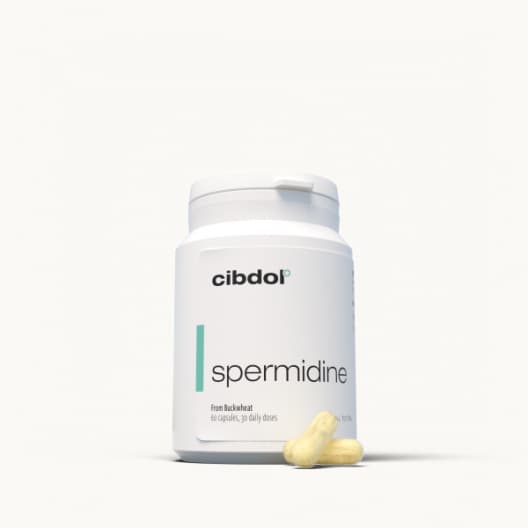
Spermidine
Spermidine supplement to support autophagy, cellular renewal, and healthy aging.
- • Promotes autophagy
- • Supports cellular renewal
- • Wheat germ extract source
Disclosure: We may earn a commission if you purchase via these links.
Brain and Mood Effects
Butyrate's influence extends well beyond the gut, reaching the brain through what researchers call the gut-brain axis. This bidirectional communication network connects the enteric nervous system of the gastrointestinal tract with the central nervous system, and SCFAs — particularly butyrate — are emerging as key signalling molecules in this pathway.
Crossing the Blood-Brain Barrier
Unlike many molecules, butyrate can cross the blood-brain barrier (BBB) via monocarboxylate transporters. Once in the brain, it exerts several notable effects:
- Neuroinflammation reduction: Butyrate inhibits NF-κB and HDAC activity in microglial cells (the brain's resident immune cells), reducing neuroinflammation that is implicated in depression, Alzheimer's disease, and other neurodegenerative conditions.
- BBB integrity: In animal models, butyrate has been shown to strengthen the blood-brain barrier itself by up-regulating tight junction proteins — mirroring its effects on the intestinal barrier.
- BDNF expression: Butyrate increases the expression of brain-derived neurotrophic factor (BDNF), a protein critical for neuronal survival, growth, and synaptic plasticity. Low BDNF levels are consistently associated with depression and cognitive decline.
- Serotonin precursor modulation: Through its effects on gut enterochromaffin cells, butyrate influences the availability of tryptophan, the amino acid precursor to serotonin. Approximately 90% of the body's serotonin is produced in the gut.
Human Evidence
While much of the brain-related research remains in preclinical stages, human observational studies consistently link higher fibre intake and SCFA-producing microbiome profiles with better mood outcomes. A 2022 systematic review in Nutritional Neuroscience found that interventions increasing gut SCFA production were associated with modest but significant improvements in anxiety and depressive symptoms.
Ensuring a broad nutrient foundation — including trace minerals, omega-3 fatty acids, and antioxidants — supports both gut and brain health. Marine-sourced nutrients can be particularly valuable here.
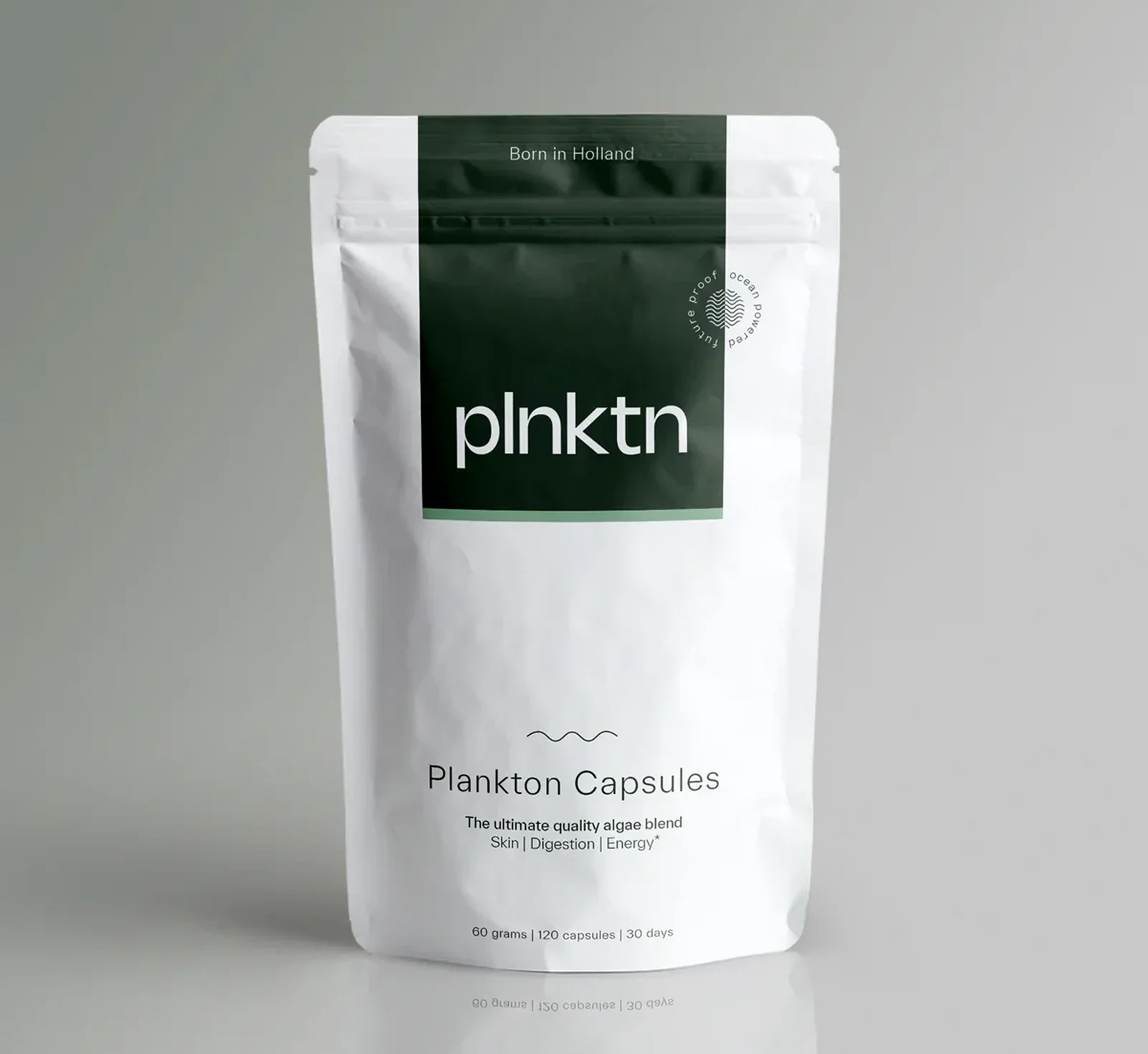

Plankton Capsules
Blend of 4 nutrient-dense micro- and macroalgae from European cultivation. Daily support for gut, skin and energy.
- • 75+ nutrients: minerals, vitamins, pigments, antioxidants and complete proteins
- • 100% natural, plant-based and responsibly grown
- • Supports digestion, energy metabolism and skin health
Disclosure: We may earn a commission if you purchase via these links.
How to Increase Butyrate Naturally
Before reaching for supplements, it is worth noting that the most physiologically effective way to raise colonic butyrate levels is through dietary fibre. Supplements deliver butyrate directly, but dietary fibre feeds the entire butyrate-producing ecosystem — supporting microbial diversity and the cross-feeding networks that sustain long-term SCFA production.
Resistant Starch: The Butyrate Champion
Resistant starch is the single most effective dietary substrate for butyrate production. There are several types:
- RS1 — physically trapped starch (whole grains, seeds, legumes)
- RS2 — raw granular starch (green/unripe bananas, raw potatoes)
- RS3 — retrograded starch (cooked-then-cooled potatoes, rice, pasta)
- RS4 — chemically modified starch (some processed foods)
The cooked-then-cooled method for RS3 is particularly practical. When you cook starchy foods and then refrigerate them, the starch molecules rearrange into crystalline structures that resist digestion. This works for potatoes, rice, pasta, and oats. Reheating does not fully reverse the process — so yesterday's leftover potatoes, gently rewarmed, still contain more resistant starch than freshly cooked ones.
Other Butyrate-Boosting Fibres
| Fibre Source | How to Incorporate | Daily Target |
|---|---|---|
| Inulin | Chicory root coffee, Jerusalem artichoke, garlic, onion, leeks | 5–10 g |
| FOS | Bananas, asparagus, wheat (small amounts); supplement form | 5–10 g |
| PHGG | Supplement form (mixes into liquids without thickening) | 5–10 g |
| Oat beta-glucan | Porridge, overnight oats, oat bran | 3–4 g (from ~75 g oats) |
| Pectin | Apples (with skin), citrus, berries, plums | Eat whole fruits daily |
| Green banana flour | Smoothies, baking (partial flour substitute) | 10–15 g |
Practical Tips for Maximising Butyrate Production
- Diversity matters — Eat a wide variety of plant foods. The "30 plants per week" guideline promotes the microbial diversity needed for robust cross-feeding.
- Build up gradually — Rapidly increasing fibre intake can cause bloating and gas. Increase by 5 g per week.
- Include prebiotic-rich powders — Superfood blends that combine multiple prebiotic fibres with digestive enzymes can simplify the process of diversifying your fibre intake.
MADMONQ GREENS
Superfood powder with 77 nutrients — fruits, vegetables, vitamins, minerals, DigeZyme® digestive enzymes, and prebiotics. Each sachet delivers the equivalent of 1 serving of real vegetables and fruits using organic EU-grown ingredients. Includes Vitaberry® and Vitaveggie® proprietary blends, Spirulina, Kale, Broccoli, and Acai Berry.
- • 77 nutrients in one daily sachet
- • DigeZyme® enzymes for digestive support
- • Organic, EU-grown ingredients
Disclosure: We may earn a commission if you purchase via these links.
- Stay hydrated — Fibre absorbs water. Insufficient fluid intake with high fibre can cause constipation.
- Fermented foods — Kefir, sauerkraut, kimchi, and yoghurt introduce lactic acid-producing bacteria that cross-feed butyrate producers.
Butyrate Supplements: Types and Considerations
When dietary approaches are insufficient — or when targeted therapeutic support is needed — butyrate supplements offer a direct route. However, not all forms are equal.
Supplement Forms Compared
| Form | Pros | Cons | Typical Dose |
|---|---|---|---|
| Sodium butyrate | Most studied; affordable; widely available | Strong unpleasant odour; may affect sodium intake; absorbed in upper GI (may not reach colon) | 300–600 mg, 2–3× daily |
| Calcium/magnesium butyrate | Mineral-buffered; slightly less odour | Still absorbed proximally; limited colonic delivery | 300–600 mg, 2–3× daily |
| Tributyrin | Prodrug — three butyrate molecules linked to glycerol; better absorption; delayed release reaches more of the intestine; less odour | More expensive; fewer products available | 300–1,000 mg, 2–3× daily |
Tributyrin: The Preferred Form
Tributyrin deserves special attention. As a triglyceride (glycerol backbone with three butyrate molecules attached), it is hydrolysed by pancreatic lipase throughout the small and large intestine, providing a more sustained and distributed release of butyrate than sodium butyrate, which is rapidly absorbed in the proximal gut. Some research suggests tributyrin may deliver 3–6 times more butyrate to the distal colon compared with equivalent doses of sodium butyrate.
Practical Considerations
- The smell: There is no way around it — butyric acid smells like rancid butter (the name "butyric" literally derives from the Latin butyrum, meaning butter). Enteric-coated capsules and tributyrin formulations substantially reduce this issue. Store supplements in a cool, dry place and close the container promptly.
- Timing: Most practitioners recommend taking butyrate supplements with meals to slow gastric emptying and improve distribution along the intestine.
- Enteric coating: Look for supplements with enteric or delayed-release coatings if colonic delivery is your goal. Without coating, most of the butyrate is absorbed in the stomach and proximal small intestine.
Who Might Benefit Most
While butyrate is relevant to general gut health, certain populations may derive particular benefit from targeted butyrate support:
- Inflammatory bowel disease (IBD): Patients with Crohn's disease and ulcerative colitis consistently show reduced butyrate-producing bacteria and lower mucosal butyrate concentrations. Several small clinical trials have demonstrated improvement in ulcerative colitis symptoms with butyrate enemas and oral supplementation, though larger trials are needed.
- Irritable bowel syndrome (IBS): A 2023 randomised controlled trial in Alimentary Pharmacology & Therapeutics found that 12 weeks of sodium butyrate supplementation (300 mg/day) significantly reduced abdominal pain and bloating in IBS patients compared with placebo.
- Post-antibiotic recovery: Antibiotic courses can devastate butyrate-producing populations. Targeted prebiotic fibre and/or butyrate supplementation may help accelerate microbiome recovery.
- Metabolic syndrome: Given butyrate's effects on GLP-1 secretion, insulin sensitivity, and systemic inflammation, individuals with metabolic syndrome or type 2 diabetes risk factors represent a logical target population.
- Low-fibre diets: People consuming fewer than 15 g of fibre daily (common in Western diets) are likely to have suboptimal butyrate production. Supplementation can bridge the gap while dietary changes are implemented.
- Older adults: Ageing is associated with reduced microbial diversity and declining butyrate production, which may contribute to increased intestinal permeability and inflammageing.
Safety and Side Effects
Butyrate supplements have a strong safety profile. As a naturally occurring metabolite produced in gram quantities in the healthy colon daily, butyrate is well recognised by the body.
Common Side Effects
- Gastrointestinal discomfort: At higher doses (>2 g/day), some individuals report bloating, gas, nausea, or loose stools. These effects are usually transient and resolve with dose reduction.
- The odour: This is the most frequently cited complaint. Butyric acid has a penetrating, unpleasant smell reminiscent of rancid butter or parmesan cheese. Enteric-coated capsules and tributyrin formulations substantially mitigate this.
Contraindications and Cautions
- Individuals with severe kidney disease should be cautious with sodium butyrate due to the sodium load.
- Those on sodium-restricted diets may prefer calcium/magnesium butyrate or tributyrin.
- Butyrate supplements are not a substitute for medical treatment of IBD or other serious gastrointestinal conditions. Always consult a healthcare professional before adding supplements to a treatment regimen.
- Pregnant or breastfeeding women should consult their healthcare provider before supplementing, as clinical data in these populations is limited.
Drug Interactions
No significant drug interactions have been documented for butyrate supplements at standard doses. However, given its HDAC-inhibiting properties, individuals taking other HDAC inhibitors (used in certain cancer treatments) should discuss butyrate supplementation with their oncologist.
Frequently Asked Questions
What does butyrate do for your gut?
Butyrate is the primary energy source for the cells lining your colon, supplying up to 70% of their fuel. It strengthens the gut barrier by up-regulating tight junction proteins and stimulating mucus production, reduces inflammation by inhibiting NF-κB, and helps maintain the low-oxygen environment that beneficial anaerobic bacteria need to thrive. In essence, butyrate keeps the entire colonic ecosystem functioning properly.
Can butyrate supplements help with leaky gut?
There is promising evidence that butyrate can improve intestinal permeability. By increasing tight junction protein expression and stimulating mucus production, butyrate directly addresses two key mechanisms underlying increased permeability. However, "leaky gut" is typically a symptom of underlying issues (poor diet, dysbiosis, chronic stress), so butyrate works best as part of a comprehensive gut-healing strategy rather than a standalone fix.
Is tributyrin better than sodium butyrate?
For most people, tributyrin is the preferred supplemental form. Because it is structured as a triglyceride, it is hydrolysed gradually by pancreatic lipase throughout the intestine, delivering butyrate more evenly along the gut than sodium butyrate, which is largely absorbed in the upper GI tract. Tributyrin also has significantly less odour. The main downside is cost — tributyrin supplements tend to be more expensive.
How much butyrate should I take per day?
Clinical studies have used doses ranging from 150 mg to 4 g per day, with most finding benefits in the 300–600 mg range taken two to three times daily. Start at the lower end and increase gradually. For dietary butyrate production, aim for at least 25–30 g of fibre per day from diverse sources, with an emphasis on resistant starch and fermentable fibres.
Does butyrate really boost GLP-1?
Butyrate and other SCFAs do stimulate GLP-1 release from intestinal L-cells via GPR41/GPR43 receptors — this is well established in both cell culture and animal studies, with supportive human data. However, the magnitude of this effect is modest compared with pharmaceutical GLP-1 receptor agonists. Think of butyrate as supporting your body's natural GLP-1 production rather than replicating the effects of medications like semaglutide.
Why do butyrate supplements smell so bad?
Butyric acid is literally the compound responsible for the smell of rancid butter — the name comes from the Latin word for butter. This odour is an inherent chemical property and cannot be entirely eliminated. Enteric-coated capsules and tributyrin formulations minimise exposure to the free acid and significantly reduce the smell. Storing supplements in airtight containers in a cool location also helps.
Disclaimer
This article is for informational purposes only and does not constitute medical advice. The information provided here is based on published scientific research and is not intended to diagnose, treat, cure, or prevent any disease. Always consult a qualified healthcare professional before starting any new supplement, especially if you have a pre-existing medical condition, are pregnant or breastfeeding, or are taking medication. Individual results may vary.
Related Articles
Related topics
Related articles
Gut Health and Weight Loss: The Microbiome–GLP-1 Connection Explained
GLP-1 receptor agonists like Ozempic have transformed weight management — but your gut microbiome has been producing GLP-1 naturally all along. We explore
The Complete Prebiotics Guide: Types, Foods & Supplements for a Thriving Gut
A comprehensive, evidence-based guide to prebiotics — the specialised fibres that fuel your beneficial gut bacteria. Learn about the different types, the b
Postbiotics vs Probiotics vs Prebiotics: Which Do You Actually Need?
Probiotics, prebiotics and postbiotics each play a distinct role in gut health — but most people don't need all three. We break down the science, compare s