
The Complete Prebiotics Guide: Types, Foods & Supplements for a Thriving Gut
Written by Smart Supplements Editorial Team
Key takeaways
- Prebiotics are selectively fermented substrates — mostly specialised fibres — that feed beneficial gut bacteria and promote the production of short-chain fatty acids (SCFAs).
- Not all dietary fibre is prebiotic — it must resist digestion, be selectively fermented by beneficial microbes, and produce a measurable health benefit.
- The most well-studied types include inulin, FOS, GOS, and resistant starch, but newer substrates like XOS and HMOs show strong promise.
- Eating 30 or more different plant foods per week is one of the simplest ways to diversify your prebiotic intake naturally.
- Start low and go slow with supplements (2–3 g per day, building over 2–4 weeks) to minimise gas and bloating.
- Prebiotics and probiotics are complementary — combining them in a synbiotic approach often produces better outcomes than either alone.
Table of contents
- What Are Prebiotics?
- How Prebiotics Work
- Types of Prebiotic Fibres
- Prebiotic Food Sources: The Complete List
- The 30-Plant-Foods-Per-Week Rule
- Prebiotic Supplements: When Food Isn't Enough
- Prebiotics and the FODMAP Dilemma
- Prebiotics vs Probiotics: Complementary, Not Competing
- Marine and Algae-Based Sources: Emerging Prebiotic Diversity
- Side Effects and How to Avoid Them
- Complementary Gut Support
- Building a Prebiotic-Rich Protocol
- FAQ
- Disclaimer
- Related Articles
What Are Prebiotics?
For decades, the conversation around gut health focused almost exclusively on probiotics — the live microorganisms you introduce into your digestive tract. But there is a growing recognition that what you feed those microorganisms matters just as much as which ones you swallow. That is where prebiotics come in.
The International Scientific Association for Probiotics and Prebiotics (ISAPP) defines a prebiotic as "a substrate that is selectively utilised by host microorganisms conferring a health benefit." In plain language, prebiotics are specific compounds — usually specialised dietary fibres — that your beneficial gut bacteria preferentially consume, producing metabolites that support your overall health.
Three criteria distinguish a true prebiotic from ordinary dietary fibre:
- Resistance to host digestion. The compound must survive stomach acid and enzymatic breakdown in the small intestine, arriving largely intact in the colon.
- Selective fermentation. It must be preferentially consumed by beneficial microbes (such as Bifidobacterium and Lactobacillus species) rather than by potentially harmful organisms.
- Measurable health benefit. The fermentation must produce outcomes — like increased SCFA production, improved mineral absorption, or enhanced immune function — that can be objectively measured.
This is an important distinction. Many forms of fibre, such as cellulose from leafy greens, provide bulk and support regularity but are not selectively fermented by beneficial bacteria. They are valuable for digestive health, certainly, but they are not prebiotics in the strict scientific sense.
The prebiotic concept has also expanded beyond fibre. Researchers now recognise that certain polyphenols (found in berries, dark chocolate, and green tea), polyunsaturated fatty acids, and even specific human milk oligosaccharides (HMOs) can function as prebiotics. The field is evolving rapidly, but the core principle remains: prebiotics are food for your good bacteria.
How Prebiotics Work
Understanding the mechanism behind prebiotics helps explain why they are so effective — and why simply eating "more fibre" is not the same thing.
Step 1: Surviving the Upper GI Tract
When you eat a prebiotic fibre — say, the inulin found in a raw chicory root or a clove of garlic — your stomach acid and pancreatic enzymes cannot break it down. The molecular bonds that link fructose units in inulin (beta-2,1 bonds) are simply not recognised by human digestive enzymes. The fibre passes through your stomach and small intestine essentially unchanged.
Step 2: Selective Fermentation in the Colon
Once the prebiotic reaches your large intestine, specific bacterial species possess the enzymes needed to break those bonds. Bifidobacterium species are particularly adept at fermenting inulin-type fructans, while Lactobacillus and Faecalibacterium prausnitzii also benefit. These bacteria metabolise the prebiotic and, in doing so, outcompete less desirable species for resources.
Step 3: SCFA Production
The primary products of this fermentation are short-chain fatty acids (SCFAs) — principally acetate, propionate, and butyrate. Each plays a distinct role:
| SCFA | Primary Producers | Key Functions |
|---|---|---|
| Acetate | Bifidobacterium, Prevotella | Energy source for peripheral tissues; regulates appetite signalling; supports immune function |
| Propionate | Bacteroidetes, Veillonella | Gluconeogenesis in the liver; cholesterol-lowering effects; satiety signalling |
| Butyrate | Faecalibacterium prausnitzii, Roseburia | Primary fuel for colonocytes; maintains gut barrier integrity; anti-inflammatory; may reduce colorectal cancer risk |
Butyrate deserves special attention. It is the preferred energy source for the cells lining your colon (colonocytes), providing up to 70% of their energy needs. Without adequate butyrate, the gut lining can become permeable — the phenomenon loosely termed "leaky gut" — allowing bacterial fragments to enter the bloodstream and trigger systemic inflammation.
Step 4: Cross-Feeding
One of the most elegant aspects of prebiotic fermentation is cross-feeding. When one bacterial species partially breaks down a prebiotic, the intermediate products become food for other species. For example, Bifidobacterium ferments inulin and releases acetate and lactate, which Faecalibacterium prausnitzii then converts into butyrate. This cascade effect means that a single prebiotic can benefit multiple bacterial communities — amplifying its impact far beyond its initial target species.
Types of Prebiotic Fibres
Not all prebiotics are created equal. They differ in chain length, fermentation speed, which bacteria they feed, and how well they are tolerated. Here is a detailed breakdown of the most important types.
| Prebiotic Type | Chain Length | Key Sources | Primary Bacteria Fed | Typical Dose | FODMAP Status |
|---|---|---|---|---|---|
| Inulin | 10–60 units | Chicory root, garlic, onion, Jerusalem artichoke | Bifidobacterium, Lactobacillus | 5–10 g/day | High FODMAP |
| FOS | 2–10 units | Same as inulin (shorter chains), banana, asparagus | Bifidobacterium | 5–10 g/day | High FODMAP |
| GOS | 2–8 units | Derived from lactose; legumes | Bifidobacterium, Lactobacillus | 5–15 g/day | Low–moderate FODMAP (dose-dependent) |
| Resistant Starch | Varies | Cooked-then-cooled potato/rice, green banana, legumes | Ruminococcus, Bifidobacterium | 15–30 g/day | Generally low FODMAP |
| PHGG | Varies | Partially hydrolysed guar gum (supplement) | Bifidobacterium, Lactobacillus, butyrate producers | 5–7 g/day | Low FODMAP |
| Pectin | Varies | Apple, citrus peel, berries | Diverse communities | 5–10 g/day | Generally low FODMAP |
| Beta-glucan | Varies | Oats, barley, mushrooms | Bacteroidetes, Prevotella | 3–5 g/day | Low FODMAP |
| XOS | 2–7 units | Xylan-rich plants; supplement | Bifidobacterium | 1–4 g/day | Low FODMAP |
| HMOs | Varies | Breast milk; emerging supplements | Bifidobacterium infantis | 1–5 g/day | Low FODMAP |
Inulin — The Most Studied Prebiotic
Inulin is a long-chain fructan found naturally in over 36,000 plant species, though commercially it is extracted primarily from chicory root (Cichorium intybus). A single chicory root can contain up to 20% inulin by weight, making it the most concentrated natural source.
Inulin has the deepest evidence base of any prebiotic. A 2019 meta-analysis in the British Journal of Nutrition found that inulin supplementation at 5–10 g per day consistently increased Bifidobacterium counts while reducing markers of intestinal permeability. It has also been shown to improve calcium absorption — a benefit of particular interest for postmenopausal women and anyone concerned about bone density.
The trade-off? Inulin is rapidly fermented, which means it can cause significant gas and bloating in sensitive individuals, especially at higher doses or when introduced too quickly.
FOS (Fructooligosaccharides)
FOS are essentially shorter-chain versions of inulin, typically containing 2–10 fructose units. They occur in many of the same foods — garlic, onions, bananas, asparagus — and are often found alongside inulin in supplement blends.
Because of their shorter chain length, FOS are fermented even more rapidly than inulin, which means they produce a quicker burst of SCFAs but may also cause more immediate GI symptoms. Many supplement manufacturers combine inulin and FOS to provide both rapid and sustained fermentation — a strategy sometimes called a "full-spectrum fructan" approach.
GOS (Galactooligosaccharides)
GOS are derived from lactose and consist of galactose units linked in short chains. They hold a unique place in prebiotic research because of their connection to infant nutrition — they structurally resemble some of the oligosaccharides found in human breast milk.
GOS have been shown to increase Bifidobacterium and Lactobacillus populations, improve stool consistency, and support immune function. In the landmark GOS/FOS infant formula studies, infants receiving GOS-enriched formula developed microbiome profiles closer to those of breastfed infants compared to standard formula.
For adults, GOS are moderately well tolerated, though individuals with severe lactose intolerance should start cautiously despite the minimal residual lactose in commercial GOS products.
Resistant Starch
Resistant starch is starch that resists digestion in the small intestine and reaches the colon intact. It comes in four main types:
- RS1: Physically inaccessible starch (whole grains, seeds)
- RS2: Raw, high-amylose starch (green bananas, raw potatoes)
- RS3: Retrograded starch (cooked-then-cooled potatoes, rice, pasta)
- RS4: Chemically modified starch (used in food manufacturing)
RS3 is the most practical for everyday use — simply cooking starchy foods and allowing them to cool creates retrograded starch. Reheating does not destroy it. This means that yesterday's leftover rice or a cold potato salad delivers significantly more prebiotic benefit than freshly cooked versions.
Resistant starch is a powerful butyrate producer, and because it is fermented more slowly than inulin or FOS, it tends to cause less bloating. Effective doses are higher (15–30 g per day), but this is easily achievable through diet.
PHGG (Partially Hydrolysed Guar Gum)
PHGG is produced by enzymatically breaking down guar gum into smaller, water-soluble fragments. It has emerged as one of the most exciting prebiotics for people with sensitive guts, because it is certified low FODMAP by Monash University.
Clinical trials have shown PHGG to be effective for both constipation-predominant and diarrhoea-predominant irritable bowel syndrome (IBS) — a rare feat for any single intervention. It is fermented slowly and evenly, producing steady SCFA output without the gas spikes associated with inulin and FOS. Typical doses are 5–7 g per day, usually dissolved in water or a smoothie.
Pectin
Pectin is a complex polysaccharide found in the cell walls of fruits, with particularly high concentrations in apples, citrus peel, and berries. Unlike most prebiotics that selectively favour one or two bacterial groups, pectin feeds a remarkably diverse range of species — making it an excellent choice for promoting overall microbiome diversity.
A 2022 study in Gut Microbes found that apple pectin supplementation increased the abundance of Faecalibacterium, Roseburia, and Eubacterium — all of which are major butyrate producers. The researchers noted that pectin's complex branching structure requires multiple bacterial enzymes to break down, creating extensive cross-feeding networks.
Beta-Glucan
Beta-glucans are glucose polymers found in the cell walls of oats, barley, and certain mushrooms (particularly reishi, shiitake, and maitake). They are best known for their immune-modulating properties and their ability to lower LDL cholesterol, but they also function as prebiotics.
Oat beta-glucan in particular has been shown to increase Bacteroidetes populations and stimulate butyrate production. The European Food Safety Authority (EFSA) has approved health claims for oat beta-glucan at doses of 3 g per day related to cholesterol reduction — an unusual endorsement that speaks to the strength of the evidence.
XOS (Xylooligosaccharides)
XOS are a newer class of prebiotics derived from xylan, a component of plant cell walls. What makes them interesting is their potency at very low doses — studies have shown significant bifidogenic effects at just 1–2 g per day, compared to the 5–10 g typically needed for inulin or FOS.
This low effective dose means fewer GI side effects, making XOS an appealing option for people who struggle with the bloating and gas caused by other prebiotics. XOS are also remarkably stable across a wide pH range and at high temperatures, which makes them easy to incorporate into foods and beverages.
HMOs (Human Milk Oligosaccharides)
Human milk oligosaccharides are the third most abundant solid component of breast milk, after lactose and fat. They are not digestible by the infant — they exist solely to feed the infant's developing microbiome, particularly Bifidobacterium infantis.
The most studied HMO, 2'-fucosyllactose (2'-FL), is now being produced through microbial fermentation for use in adult supplements. Early clinical trials suggest that 2'-FL may improve gut barrier function, reduce markers of inflammation, and selectively boost Bifidobacterium even in adults. This is a rapidly developing field, and HMO-based supplements are likely to become much more widely available over the next few years.
Prebiotic Food Sources: The Complete List
Before reaching for a supplement, it is worth recognising that many everyday foods are rich in prebiotics. The table below lists the most significant sources, organised by prebiotic type.
| Food | Primary Prebiotic | Approximate Amount per Serving | Serving Size |
|---|---|---|---|
| Chicory root (raw) | Inulin | 11.8 g | 60 g |
| Jerusalem artichoke | Inulin | 9.6 g | 75 g |
| Dandelion greens | Inulin | 3.5 g | 50 g (raw) |
| Garlic | Inulin, FOS | 2.0 g | 3 cloves (9 g) |
| Leeks | Inulin, FOS | 1.8 g | 75 g (raw) |
| Onion | FOS | 1.7 g | 75 g (raw) |
| Asparagus | FOS | 1.5 g | 100 g |
| Banana (slightly green) | FOS, resistant starch | 1.0–2.5 g | 1 medium |
| Barley | Beta-glucan | 2.5 g | 75 g (cooked) |
| Oats | Beta-glucan | 2.3 g | 40 g (dry) |
| Apple (with skin) | Pectin | 1.5 g | 1 medium |
| Flaxseeds | Mucilage, pectin-like | 1.3 g | 15 g |
| Cooked-then-cooled potato | Resistant starch (RS3) | 3–5 g | 150 g |
| Cooked-then-cooled rice | Resistant starch (RS3) | 2–4 g | 150 g |
| Legumes (lentils, chickpeas) | Resistant starch, GOS | 4–6 g | 100 g (cooked) |
| Cocoa powder | Polyphenol prebiotics | Varies | 10 g |
| Seaweed (various) | Polysaccharides | Varies | 5–10 g (dried) |
A practical takeaway from this list: allium vegetables (garlic, onions, leeks, shallots) and root vegetables are consistently the richest everyday sources. If you cook regularly with garlic and onions — as most European cuisines do — you are already getting a meaningful prebiotic dose.
The 30-Plant-Foods-Per-Week Rule
In 2018, the American Gut Project — one of the largest citizen-science microbiome studies ever conducted — published a finding that reshaped nutritional thinking: people who ate 30 or more different plant foods per week had significantly more diverse gut microbiomes than those who ate fewer than 10, regardless of whether they identified as omnivore, vegetarian, or vegan.
Professor Tim Spector and the ZOE research programme have since popularised this as the "30-plant rule." The logic is straightforward: different plant foods contain different types of prebiotic fibre, polyphenols, and resistant starches. By diversifying your intake, you feed a wider range of bacterial species, which builds a more resilient and functional microbial ecosystem.
Crucially, the 30-plant target counts every distinct plant food: fruits, vegetables, grains, legumes, nuts, seeds, herbs, and spices. A pinch of cumin counts. A handful of walnuts counts. This makes the target far more achievable than it initially sounds.
Practical strategies for hitting 30 per week:
- Mixed salads with 5–6 different leaves, vegetables, and seeds
- Stir-fries combining multiple vegetables, garlic, ginger, and sesame seeds
- Grain bowls with a base of quinoa or brown rice, topped with 3–4 different vegetables and a legume
- Smoothies blending fruits, leafy greens, flaxseeds, and oats
- Herb and spice diversity — rotating through turmeric, cumin, coriander, rosemary, thyme, and oregano across the week
- Snacking on variety — trail mix with different nuts and dried fruits, or rotating your fruit choices daily
The beauty of this approach is that it inherently diversifies your prebiotic intake. You are not relying on a single fibre type but providing your microbiome with a broad substrate menu — which is exactly what produces the most robust SCFA output and the healthiest microbial communities.
Prebiotic Supplements: When Food Isn't Enough
For most people, a diverse, plant-rich diet provides adequate prebiotic intake. But there are situations where supplementation makes genuine sense:
- Restrictive diets. If you follow a low-FODMAP diet, have multiple food intolerances, or simply dislike many high-prebiotic foods, a targeted supplement can fill the gap.
- Therapeutic doses. Some clinical benefits — such as the calcium absorption improvements seen with inulin — require doses that are difficult to achieve through food alone.
- Specific microbiome goals. If testing reveals low Bifidobacterium or Lactobacillus populations, a prebiotic supplement targeting those species can accelerate restoration.
- Convenience and consistency. Life gets busy. A daily scoop of prebiotic powder in your morning smoothie guarantees a baseline intake regardless of what else you eat.
What to Look for in a Prebiotic Supplement
- Identified prebiotic type. The label should specify exactly which prebiotic(s) are included — inulin, FOS, GOS, PHGG, etc. Vague terms like "prebiotic fibre blend" without specifics are a red flag.
- Clinically relevant dose. Check that the amount per serving aligns with the doses used in clinical studies (see the table above).
- Minimal fillers. The best products contain the prebiotic fibre and little else.
- Complementary nutrients. Some of the most effective prebiotic supplements combine prebiotics with digestive enzymes or other gut-supportive ingredients for a more comprehensive approach.
MADMONQ GREENS
Superfood powder with 77 nutrients — fruits, vegetables, vitamins, minerals, DigeZyme® digestive enzymes, and prebiotics. Each sachet delivers the equivalent of 1 serving of real vegetables and fruits using organic EU-grown ingredients. Includes Vitaberry® and Vitaveggie® proprietary blends, Spirulina, Kale, Broccoli, and Acai Berry.
- • 77 nutrients in one daily sachet
- • DigeZyme® enzymes for digestive support
- • Organic, EU-grown ingredients
Disclosure: We may earn a commission if you purchase via these links.
For those seeking a multi-nutrient approach, superfood powders that include both prebiotic fibres and digestive enzyme blends (like DigeZyme®) can offer convenience alongside targeted gut support. The combination ensures you are not only feeding your beneficial bacteria but also optimising the breakdown and absorption of the other nutrients in your diet.
Dosing: Start Low, Go Slow
This principle cannot be overstated. Even well-tolerated prebiotics can cause significant gas and bloating if you jump straight to a full dose. Your gut bacteria need time to upregulate the enzymes required to ferment the new substrate efficiently.
Recommended ramp-up protocol:
| Week | Daily Dose | Notes |
|---|---|---|
| Week 1 | 2–3 g | Take with a meal; expect minimal symptoms |
| Week 2 | 4–5 g | Some mild gas is normal |
| Week 3 | 6–8 g | Most people are well-adapted by now |
| Week 4+ | 8–15 g (depending on type) | Full therapeutic dose |
If you experience persistent discomfort at any stage, hold that dose for an extra week before increasing. There is no rush — the adaptation period is itself a sign that your microbiome is changing.
Prebiotics and the FODMAP Dilemma
If you have irritable bowel syndrome (IBS), the relationship with prebiotics can feel paradoxical. Many of the most effective prebiotics — inulin, FOS, and to some extent GOS — are classified as FODMAPs (Fermentable Oligosaccharides, Disaccharides, Monosaccharides, and Polyols). These are the very compounds that a low-FODMAP diet aims to restrict.
This creates a genuine clinical tension. People with IBS often have lower Bifidobacterium populations and reduced microbial diversity — precisely the issues that prebiotics can address. But the very prebiotics most likely to help are also most likely to trigger symptoms.
Low-FODMAP-Compatible Prebiotic Options
Fortunately, several prebiotic options are well tolerated even during the restrictive phase of a low-FODMAP protocol:
- PHGG — Monash University certified low FODMAP at 5 g per serving. This is often the first-choice prebiotic for IBS patients.
- Resistant starch (RS3) — Cooked-then-cooled starches are generally well tolerated and produce butyrate with minimal gas.
- Pectin — Apple pectin in supplement form is usually well tolerated at moderate doses.
- Beta-glucan — Oat and barley beta-glucans are low FODMAP in standard serving sizes.
- XOS — Effective at very low doses (1–2 g), which minimises fermentation-related symptoms.
The key insight is that during the reintroduction phase of a low-FODMAP diet, you are essentially testing your tolerance to specific prebiotics. GOS and fructans are two of the FODMAP subgroups tested during reintroduction. Many IBS patients discover they can tolerate meaningful doses of specific prebiotics — they simply needed to identify which types work for their individual microbiome.
Prebiotics vs Probiotics: Complementary, Not Competing
The "prebiotics or probiotics?" framing is a false dichotomy. They serve fundamentally different — and complementary — functions:
| Aspect | Prebiotics | Probiotics |
|---|---|---|
| What they are | Non-digestible substrates (usually fibre) | Live microorganisms |
| How they work | Feed existing beneficial bacteria | Introduce new beneficial bacteria |
| Shelf stability | Very stable; no refrigeration needed | Many strains require refrigeration |
| Survival | Reach the colon intact by definition | Variable survival through stomach acid |
| Persistence | Feed resident bacteria long-term | Most strains do not permanently colonise |
| Specificity | Feed multiple related species | Strain-specific effects |
The most powerful approach is a synbiotic — a combination of prebiotics and probiotics designed to work together. The prebiotic component provides the substrate that helps the probiotic strain survive, colonise, and thrive. Many clinical trials have found that synbiotic formulations outperform either component alone, particularly for conditions like antibiotic-associated diarrhoea, IBS symptom management, and immune function in elderly populations.
There is also a third player entering the conversation: postbiotics — the beneficial metabolites (like SCFAs and certain peptides) produced by bacterial fermentation. In a sense, prebiotics are the input, probiotics are the workforce, and postbiotics are the output. All three matter.
Marine and Algae-Based Sources: Emerging Prebiotic Diversity
An often-overlooked source of prebiotic compounds comes from the ocean. Marine polysaccharides — including alginate, fucoidan, and laminarin from seaweeds — have demonstrated prebiotic properties in recent research, selectively promoting Bacteroidetes and Bifidobacterium species while producing SCFAs.
Spirulina and other microalgae are particularly interesting. Their cell walls contain unique polysaccharides that resist human digestion but are fermentable by colonic bacteria. Beyond their prebiotic potential, they deliver a dense matrix of vitamins, minerals, and antioxidants that support the gut epithelium independently of fermentation.
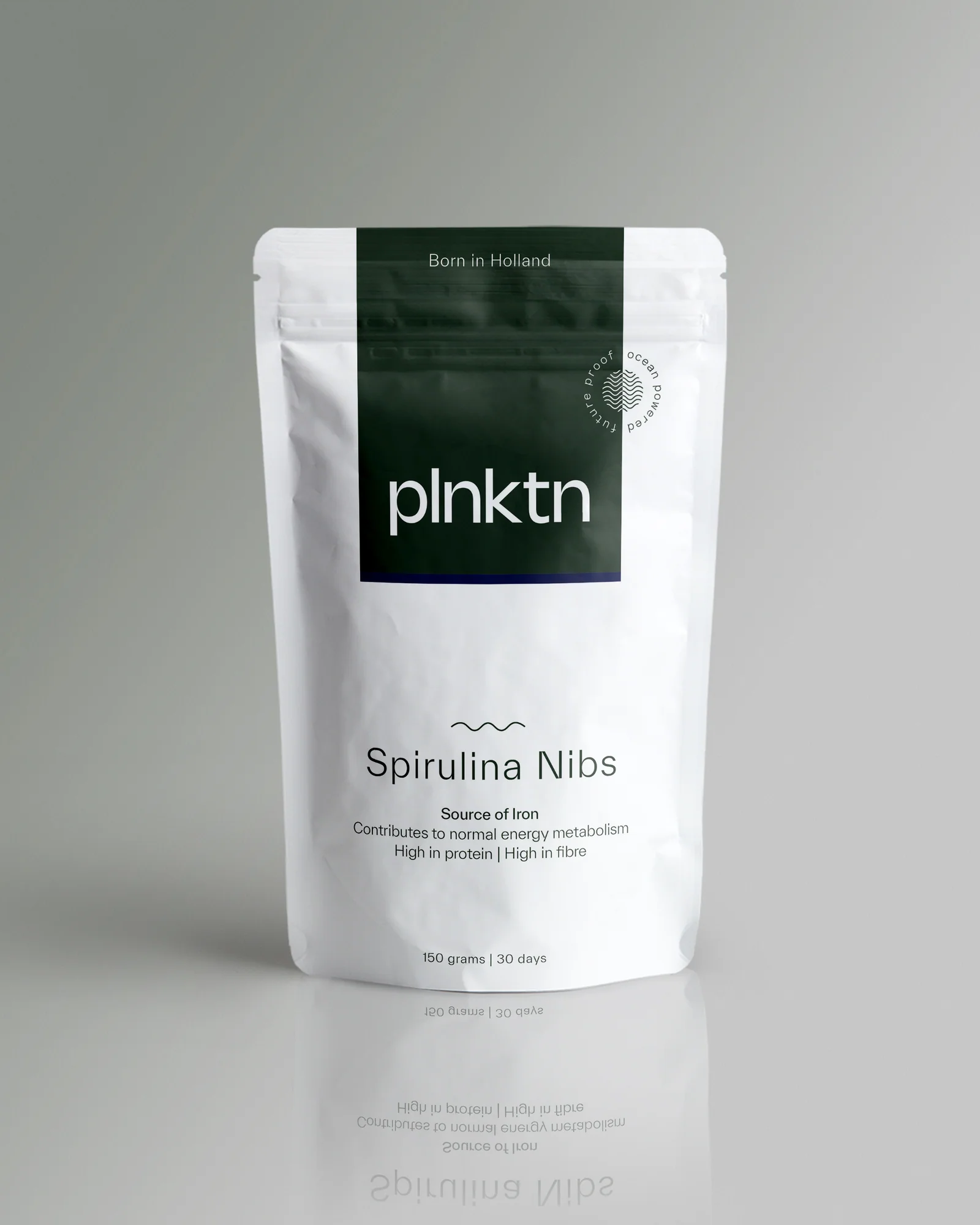

Spirulina Nibs
Crunchy spirulina nibs as an extra natural protein source from algae.
- • High in plant-based protein from spirulina
- • Easy to sprinkle over yoghurt, smoothies or bowls
- • Natural way to add algae to daily meals
Disclosure: We may earn a commission if you purchase via these links.
Spirulina nibs offer a convenient way to introduce algae-derived prebiotic diversity alongside complete protein and chlorophyll — adding a dimension of microbial substrate that most land-based diets lack entirely.
Marine-sourced supplements more broadly can contribute to what researchers call substrate diversity — the idea that your microbiome benefits most when it receives a wide variety of fermentable compounds, not just large doses of a single type.
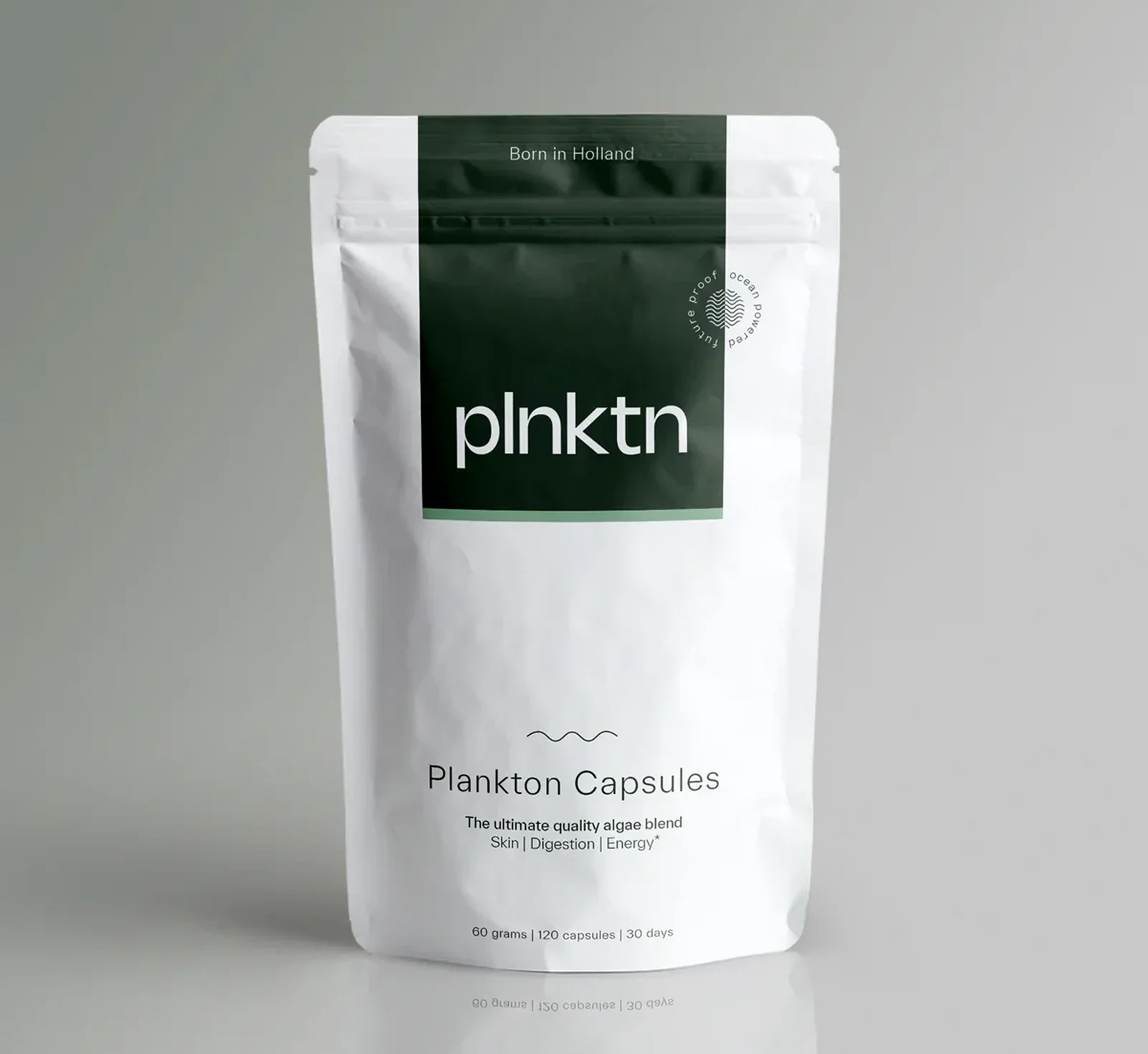
Plankton Capsules
Blend of 4 nutrient-dense micro- and macroalgae from European cultivation. Daily support for gut, skin and energy.
- • 75+ nutrients: minerals, vitamins, pigments, antioxidants and complete proteins
- • 100% natural, plant-based and responsibly grown
- • Supports digestion, energy metabolism and skin health
Disclosure: We may earn a commission if you purchase via these links.
Plankton-based supplements represent another frontier in nutrient diversity. With over 75 nutrients in a bioavailable marine matrix, they support the gut environment through both prebiotic polysaccharides and the broad-spectrum micronutrients that colonocytes and immune cells need to function optimally.
Side Effects and How to Avoid Them
Let us be honest: the most common reason people abandon prebiotic supplementation is gas and bloating. This is not a sign that something is wrong — it is a sign that fermentation is happening. But it can be genuinely uncomfortable, especially in the first week or two.
Why Prebiotics Cause Gas
When bacteria ferment prebiotic fibre, they produce SCFAs (beneficial), but also carbon dioxide, hydrogen, and in some individuals methane (less comfortable). The volume of gas produced depends on:
- The type of prebiotic. Rapidly fermented prebiotics (FOS, inulin) produce more gas than slowly fermented ones (resistant starch, PHGG).
- Your existing microbiome. If you have been eating a low-fibre diet, your bacteria are not equipped to handle a sudden influx of fermentable substrate.
- The dose. Higher doses = more fermentation = more gas.
- Where fermentation occurs. Prebiotics fermented in the proximal (right-side) colon tend to cause less discomfort than those fermented distally.
Practical Strategies
- Start low, go slow — Begin with 2–3 g per day and increase by 1–2 g per week.
- Choose slowly fermented prebiotics — PHGG, resistant starch, and pectin are gentler than inulin and FOS.
- Take with meals — Mixing prebiotics into food slows their transit and distributes fermentation.
- Stay hydrated — Fibre absorbs water. Inadequate fluid intake worsens constipation and bloating.
- Consider timing — Some people tolerate prebiotics better in the morning; others prefer evening. Experiment.
- Pair with movement — Light physical activity after meals accelerates gas transit and reduces distension.
- Be patient — Adaptation typically takes 2–4 weeks. Most people report that initial symptoms resolve substantially by week 3.
If gas and bloating persist beyond 4 weeks despite gradual introduction, it may be worth investigating underlying issues such as small intestinal bacterial overgrowth (SIBO), where prebiotics can genuinely exacerbate symptoms. Consult a gastroenterologist or registered dietitian in this case.
Complementary Gut Support
While prebiotics address the microbial dimension of gut health, the gut ecosystem also depends on factors like inflammation regulation, motility, and the integrity of the gut-brain axis. Some people find value in complementary approaches alongside their prebiotic protocol.
Cannabigerol (CBG), a non-psychoactive cannabinoid, has attracted research attention for its gut-supportive properties. Preclinical studies suggest CBG may help modulate intestinal inflammation and support healthy gut motility through interaction with the endocannabinoid system — which is densely expressed throughout the GI tract.

5% CBG & 2.5% CBD Oil
Cibdol's CBG & CBD combination oil — 5% CBG (cannabigerol) paired with 2.5% CBD in a full-spectrum formula. CBG is the precursor cannabinoid known as the "mother of cannabinoids", with emerging research pointing to anti-inflammatory, neuroprotective and gut-supportive properties. Swiss-produced, third-party tested.
- • 5% CBG + 2.5% CBD — dual-cannabinoid formula
- • CBG: anti-inflammatory and neuroprotective properties
- • Full-spectrum Swiss-produced oil
Disclosure: We may earn a commission if you purchase via these links.
While the evidence for cannabinoids in gut health is still maturing, CBG oil represents an interesting complementary option for those building a comprehensive gut-support protocol — particularly when inflammation or motility concerns sit alongside microbial imbalances.
Building a Prebiotic-Rich Protocol
Rather than making dramatic overnight changes, a phased approach tends to produce the best long-term results — both for your microbiome and your comfort.
Phase 1: Food Foundation (Weeks 1–4)
Focus on increasing prebiotic food diversity:
- Add garlic and onions to daily cooking
- Include one serving of legumes (lentils, chickpeas, beans) at least 4 days per week
- Eat oats or barley regularly for beta-glucan
- Make cooked-then-cooled starches a regular feature (cold potato salad, overnight oats, leftover rice)
- Aim for 20+ different plant foods per week, building towards 30
Phase 2: Targeted Supplementation (Weeks 5–8)
If your food-based intake is solid but you want additional support:
- Start with a well-tolerated prebiotic like PHGG or resistant starch at 2–3 g per day
- Gradually increase to the target dose over 2–3 weeks
- Consider a multi-nutrient approach that includes digestive enzymes and prebiotic fibres
- Track symptoms and stool quality (apps like Bristol Stool Scale trackers can help)
Phase 3: Diversification and Optimisation (Weeks 9+)
Once you are well-adapted:
- Introduce a second prebiotic type for broader microbial coverage
- Consider adding algae or marine-sourced substrates for polysaccharide diversity
- Experiment with synbiotic combinations (prebiotic + probiotic)
- If available, use microbiome testing to assess changes in diversity and key species
- Continue expanding your plant food variety — the 30-plant target is a floor, not a ceiling
Ongoing Principles
- Consistency beats intensity. A moderate daily dose is more effective than sporadic high doses.
- Diversity beats volume. Three grams each of three different prebiotics will generally produce better outcomes than nine grams of one.
- Food first, supplements second. Whole foods provide prebiotics alongside cofactors (vitamins, minerals, polyphenols) that supplements cannot fully replicate.
- Listen to your body. Persistent discomfort is a signal, not something to push through indefinitely.
FAQ
How long does it take for prebiotics to work?
Most people notice changes in stool consistency and regularity within 1–2 weeks. Measurable shifts in microbiome composition — increased Bifidobacterium, improved SCFA production — typically appear within 2–4 weeks of consistent intake. However, the full benefits for immune function, metabolic health, and inflammation may take 8–12 weeks to become apparent. Patience and consistency are more important than dose.
Can I take prebiotics and probiotics at the same time?
Absolutely — in fact, this is often ideal. The prebiotic feeds and supports the probiotic, increasing its likelihood of survival and colonisation. This combination is called a synbiotic. You can take them together or separately; there is no evidence that timing matters significantly. Some products are formulated as synbiotics, combining both in a single supplement.
Are prebiotics safe during pregnancy?
Prebiotic-rich foods are considered safe and are, in fact, encouraged during pregnancy as part of a high-fibre diet. For prebiotic supplements specifically, the evidence suggests they are safe, but it is always advisable to consult your midwife or obstetrician before starting any new supplement during pregnancy. Some studies have found that maternal prebiotic intake may positively influence the infant's developing microbiome.
Do prebiotics help with weight management?
The evidence is promising but not definitive. Prebiotics — particularly inulin and FOS — have been shown in several randomised controlled trials to increase satiety hormones (GLP-1 and PYY) and modestly reduce caloric intake. A 2021 systematic review found that prebiotic supplementation produced small but statistically significant reductions in body weight and waist circumference. The mechanism likely involves SCFA-mediated appetite signalling rather than any direct metabolic effect. Prebiotics should be considered a supportive tool within a broader dietary strategy, not a weight-loss supplement per se.
What is the difference between soluble fibre and prebiotics?
All prebiotics are forms of soluble fibre (or at least soluble compounds), but not all soluble fibre is prebiotic. Soluble fibre is a broad category that includes any fibre that dissolves in water — this encompasses psyllium, methylcellulose, and many other fibres that provide bulk and support regularity but are not selectively fermented by beneficial bacteria. A prebiotic specifically must be selectively utilised by host microorganisms in a way that confers a measurable health benefit. Think of prebiotics as a specialised subset of the larger fibre family.
Should I take prebiotics if I have SIBO?
This requires caution. In small intestinal bacterial overgrowth (SIBO), bacteria that should primarily reside in the colon have proliferated in the small intestine. Adding fermentable substrates can worsen symptoms — gas, bloating, pain — because fermentation occurs in the wrong location. If you suspect or have been diagnosed with SIBO, work with a healthcare professional to address the overgrowth first. Once SIBO is resolved, gradually reintroducing prebiotics (starting with low-FODMAP options like PHGG or resistant starch) can help re-establish a healthy colonic microbiome.
Disclaimer
This article is for informational purposes only and does not constitute medical advice. The information presented is based on published scientific research and is intended for educational use. Always consult a qualified healthcare professional before starting any new supplement, particularly if you are pregnant, nursing, taking medication, or managing a diagnosed medical condition. Individual responses to prebiotics vary, and what works for one person may not be appropriate for another.
Related Articles
Related topics
Related articles
Butyrate: The Postbiotic That Heals Your Gut Lining (and May Boost GLP-1)
Butyrate is a short-chain fatty acid that fuels your gut lining, calms inflammation, and may even stimulate GLP-1 release. Learn how to boost butyrate thro
The Gut Health Supplement Stack: Building Your Daily Protocol
A complete guide to building an evidence-based gut health supplement stack. Learn the five pillars of gut support — prebiotics, probiotics, anti-inflammato
Fermented Foods vs Probiotic Supplements: Which Is Better for Your Gut?
Fermented foods and probiotic supplements both promise gut health benefits — but which delivers more? We compare the science, cost, convenience, and real-w