
Best Probiotic Supplements in Europe 2026: Honest Brand Comparison
Written by Smart Supplements Editorial Team
Key takeaways
- Optibac Probiotics offers the best overall value for most Europeans, with clinically studied strain-specific formulas from €12/month and a 4.7/5 Trustpilot rating.
- Seed DS-01® leads on innovation and research transparency, but at €49.99/month with US shipping it is a premium commitment for EU buyers.
- The Akkermansia Company offers the first EU Novel Food-approved pasteurised Akkermansia muciniphila product — cutting-edge next-gen microbiome science.
- EU labelling regulations prevent brands from using the word "probiotic" on packaging — look for "live cultures" instead and always check strain-level identification.
- No single probiotic suits everyone — choose based on your specific health goals, budget, and whether you need general maintenance or targeted clinical support.
- Pairing your probiotic with prebiotic fibre, omega-3 fatty acids, and foundational micronutrients can significantly enhance outcomes.
Table of contents
- How We Evaluated These Brands
- The Top European Probiotic Brands — Detailed Reviews
- Master Comparison Table
- Best For... Quick Picks
- The EU Probiotic Labelling Problem
- What to Look for in a European Probiotic
- Complementary Supplements to Pair with Probiotics
- Frequently Asked Questions
- Disclaimer
- Related Articles
How We Evaluated These Brands
Choosing a probiotic in Europe is harder than it should be. Between restrictive labelling laws, a flood of underdosed products, and influencer-driven marketing that rarely mentions actual clinical evidence, consumers deserve a clearer picture. We spent over three months evaluating the major probiotic brands available to European consumers, and here is our methodology.
Strain identification. We checked whether each brand identifies its bacteria to the strain level — not just genus and species. A product listing "Lactobacillus acidophilus" tells you almost nothing; a product listing "Lactobacillus acidophilus LA-5" tells you exactly which organism has been studied and what evidence supports it.
Clinical evidence. We prioritised brands that cite specific, published clinical trials — ideally randomised controlled trials (RCTs) — for the exact strains and dosages in their products, not merely for the species in general.
Third-party testing. Does an independent lab verify that the product contains what the label claims? This is especially important for probiotics, where viability at the time of consumption matters more than CFU counts at manufacture.
EU manufacturing standards. We favoured brands manufactured under EU GMP (Good Manufacturing Practice) or equivalent pharmaceutical-grade standards, with transparent supply chains.
Price per day. We calculated the real daily cost, including any subscription discounts, shipping to the EU, and recommended dosing.
Transparency. How openly does the brand share its research, sourcing, and manufacturing processes? Can you actually find the clinical papers they reference?
Consumer reviews. We checked Trustpilot ratings, Amazon reviews where applicable, and community feedback across forums like Reddit and health-focused communities.

The Top European Probiotic Brands — Detailed Reviews
1. Seed — DS-01® Daily Synbiotic
Headquarters: Los Angeles, USA (ships to EU) Key product: DS-01® Daily Synbiotic Strains: 24 clinically studied strains across Lactobacillaceae, Bifidobacteriaceae, and other families CFU: 53.6 billion AFU (Active Fluorescent Units — Seed uses AFU rather than CFU) Price: €49.99/month (subscription only) Delivery technology: ViaCap® — a capsule-within-a-capsule designed to protect organisms through stomach acid
Seed has positioned itself as the "science-first" probiotic, and to their credit, the research backing is genuinely impressive. Their Seed University and SeedLabs divisions publish and fund peer-reviewed research, and the DS-01 formula has undergone multiple clinical trials assessing gastrointestinal function, dermatological health, cardiovascular markers, and micronutrient synthesis.
The ViaCap® delivery system is a nested capsule technology — an outer prebiotic capsule made from Indian pomegranate and Nordic pine bark encases an inner probiotic capsule. Independent testing has shown significantly higher survival rates through gastric transit compared to standard vegetarian capsules.
Pros:
- Exceptional strain-level transparency and published research
- 24 diverse, clinically studied strains
- Innovative ViaCap® delivery with demonstrated acid resistance
- Sustainable packaging (refill system, no single-use plastic)
- Includes prebiotic outer capsule
Cons:
- Expensive at €49.99/month — one of the priciest options
- Subscription-only model (no one-off purchases)
- Ships from the US, which means longer delivery times and potential customs delays for EU customers
- The AFU metric, while arguably more accurate, makes direct CFU comparisons difficult
- No condition-specific formulas — it is a one-size-fits-all approach
Best for: Health-conscious consumers who want a premium, research-backed daily synbiotic and do not mind the subscription commitment or US shipping.
2. Optibac Probiotics
Headquarters: Dorset, United Kingdom Key products: 12+ targeted formulas including Every Day, For Women, For Babies & Children, For Those on Antibiotics, Bifido & Fibre Strains: Varies by product — all identified to strain level (e.g., Lactobacillus rhamnosus Rosell-11, Lactobacillus acidophilus Rosell-52) CFU: Ranges from 2.5 billion to 50 billion depending on formula Price: €12–25 per month depending on product Delivery technology: Standard capsules, optimised for room-temperature stability
Optibac is the brand that consistently flies under the radar despite doing almost everything right. Founded in 2004 and headquartered in the UK, they take a strain-specific approach — rather than cramming dozens of strains into one capsule, each formula targets a specific population or health concern with strains that have been clinically studied for that exact purpose.
Their For Women formula, for instance, uses Lactobacillus rhamnosus GR-1 and Lactobacillus reuteri RC-14 — arguably the two most well-researched strains for vaginal and urinary tract health, with over 25 years of clinical evidence behind them. Their For Those on Antibiotics formula uses Saccharomyces boulardii, the only yeast-based probiotic and one of the few organisms with robust evidence for preventing antibiotic-associated diarrhoea.
Pros:
- Excellent strain-level transparency with clinical references for each formula
- Targeted, condition-specific approach backed by published research
- Very affordable — among the cheapest clinically studied options in Europe
- Room-temperature stable (no refrigeration needed for most products)
- 4.7/5 Trustpilot rating from thousands of verified reviews
- UK-based with easy EU availability
Cons:
- Lower CFU counts compared to premium brands (though clinically appropriate for each formula)
- Packaging and branding feel less premium than competitors like Seed
- Standard capsule delivery — no advanced acid-protection technology
- Limited presence in physical pharmacies outside the UK
- Some formulas contain trace amounts of soya and milk proteins
Best for: Budget-conscious consumers who want clinically studied, strain-specific probiotics without paying premium prices. Particularly strong choices for women, children, and those taking antibiotics.
3. The Akkermansia Company
Headquarters: Oss, Netherlands Key product: The Akkermansia™ (pasteurised Akkermansia muciniphila) Strains: Akkermansia muciniphila MucT (pasteurised) CFU: Not applicable — pasteurised (non-live) organisms, measured by cell count Price: ~€29.95/month Delivery technology: Standard capsules (pasteurisation eliminates the need for acid-protection)
This is where probiotics meet the frontier of microbiome science. The Akkermansia Company was founded by Professor Willem de Vos, the researcher who first isolated Akkermansia muciniphila from the human gut in 2004. The company holds the first and only EU Novel Food authorisation for pasteurised Akkermansia muciniphila, granted in 2023.
Here is the counterintuitive part: the organism is pasteurised — meaning heat-killed. It is technically a postbiotic, not a probiotic. Research suggests that a specific protein on the outer membrane of A. muciniphila (called Amuc_1100) is responsible for its beneficial effects on gut barrier function and metabolic markers, and this protein remains active after pasteurisation. Multiple studies, including a landmark 2019 RCT published in Nature Medicine, showed that the pasteurised form was actually more effective than the live form for improving insulin sensitivity and reducing cholesterol markers in overweight individuals.
Pros:
- Pioneering, science-driven product from the original research team
- EU Novel Food approved — rigorous safety evaluation
- Strong clinical evidence for metabolic health markers
- No viability concerns (pasteurised product is shelf-stable by design)
- Dutch-made, fully EU-compliant
- Accessible price point for a next-generation product
Cons:
- Narrow focus — only one organism, targeting metabolic health primarily
- Not a traditional probiotic (no live organisms), which may confuse consumers
- Still relatively early-stage compared to established probiotic research
- Limited long-term human data beyond the initial clinical trials
- May not address general digestive symptoms the way traditional multi-strain probiotics do
Best for: Those specifically interested in metabolic health, gut barrier support, or next-generation microbiome science. Not a replacement for a traditional probiotic if your goal is general digestive wellness.
4. OMNi-BiOTiC
Headquarters: Graz, Austria Key products: OMNi-BiOTiC® Stress Release, OMNi-BiOTiC® 10, OMNi-BiOTiC® TRAVEL, OMNi-BiOTiC® METABOLIC Strains: Multi-strain formulas with strains identified to strain level; typically 8–10 strains per product CFU: 5–20 billion per dose depending on product Price: €25–45 per month depending on product Delivery technology: Powder sachets dissolved in water (activates bacteria before ingestion)
OMNi-BiOTiC is the pharmaceutical-grade probiotic brand that dominates the DACH region (Germany, Austria, Switzerland) but remains surprisingly unknown in the rest of Europe. Manufactured by the Institut Allergosan in Graz, Austria, their products are sold in pharmacies and developed to pharmaceutical rather than food-supplement standards.
Their unique selling point is the powder-in-water activation method. Rather than swallowing a capsule and hoping organisms survive stomach acid, you dissolve the powder in water and let it sit for one minute. During this activation period, the bacteria "wake up" from their lyophilised state, begin metabolising, and are ingested in an already-active form. OMNi-BiOTiC argues — with some supporting evidence — that this significantly improves colonisation rates.
The Stress Release formula is particularly noteworthy, containing strains specifically studied for the gut-brain axis, including research on perceived stress levels and cortisol markers. Their TRAVEL formula targets the specific disruptions caused by travel — time zone changes, unfamiliar food, and altered routines.
Pros:
- Pharmaceutical-grade manufacturing in Austria
- Unique powder activation method with evidence for improved viability
- Condition-specific formulas backed by clinical research
- Well-established in European pharmacies (especially DACH region)
- Excellent quality control and batch testing
Cons:
- More expensive than basic alternatives
- Powder format is less convenient than capsules for travel or busy lifestyles
- Limited availability outside DACH countries (though improving)
- Requires water and a waiting period for activation
- Branding can feel overly clinical and intimidating
Best for: Those who want pharmaceutical-grade quality and do not mind the powder format. Excellent for stress-related gut issues, travel, and metabolic support. Ideal if you are based in or near the DACH region.
5. Symprove
Headquarters: Farnborough, United Kingdom Key product: Symprove Original (water-based liquid probiotic) Strains: Four strains of Lacticaseibacillus (formerly Lactobacillus): L. rhamnosus NCIMB 30174, L. acidophilus NCIMB 30175, L. plantarum NCIMB 30173, Enterococcus faecium NCIMB 30176 CFU: 10 billion per 70ml dose Price: ~£49.99/month (subscription), approximately €58 Delivery technology: Water-based liquid — bacteria arrive already active, no stomach acid trigger for release
Symprove takes a fundamentally different approach. Rather than freeze-dried organisms in a capsule, it delivers bacteria in a water-based barley extract, meaning the organisms are already alive and active when you drink them. This matters because many capsule-based probiotics rely on moisture in the gut to "reactivate" lyophilised bacteria — a process that can trigger the stomach to release more acid, potentially killing the very organisms you are trying to deliver.
Symprove performed well in the 2014 UCL (University College London) independent evaluation, which tested eight leading probiotic products for their ability to survive gastric transit, arrive alive, and thrive in the gut. Symprove was one of only two products to pass all three stages.
The brand has also been studied in a randomised, double-blind, placebo-controlled trial in patients with irritable bowel syndrome (IBS), published in the World Journal of Gastroenterology, showing significant improvements in symptom severity scores.
Pros:
- Unique water-based delivery — bacteria arrive already active
- Passed the rigorous UCL three-stage evaluation
- Published RCT evidence in IBS patients
- No capsules to swallow (good for those who struggle with pills)
- Strong brand reputation in the UK functional medicine community
Cons:
- Among the most expensive options (around €58/month)
- Must be refrigerated — not travel-friendly
- Contains barley extract (not suitable for those with coeliac disease or severe gluten sensitivity, though tested below 20ppm)
- Only four strains — less diversity than competitors
- Taste can be divisive (slightly tangy, malt-like flavour)
- UK-based with limited direct EU distribution
Best for: Those who prefer liquid formats, have difficulty swallowing capsules, or want a product with strong independent evaluation data. Particularly relevant for IBS sufferers.
6. YourBiology — Gut+
Headquarters: United Kingdom (ships EU-wide) Key product: Gut+ with MAKtrek® Bypass Technology Strains: Four strains including Lactobacillus acidophilus, Bifidobacterium lactis, Lactobacillus plantarum, Lactobacillus paracasei CFU: 40 billion Price: ~€44.99 for a one-month supply (discounts on multi-month) Delivery technology: MAKtrek® marine polysaccharide bypass technology
YourBiology markets primarily through direct-to-consumer channels and has gained considerable traction through influencer partnerships and social media. Their MAKtrek® Bypass Technology uses a marine polysaccharide complex (derived from brown seaweed) to form a protective gel around the capsule contents, shielding bacteria from stomach acid.
The brand makes bold claims about 250x better survival rates compared to standard capsules, citing in-vitro testing of the MAKtrek® technology. However, it is worth noting that in-vitro acid resistance does not always translate directly to in-vivo superiority, and independent human clinical trials specifically on the YourBiology Gut+ formula are limited compared to brands like Seed or Optibac.
Pros:
- Competitive pricing, especially on multi-month packages
- MAKtrek® bypass technology is a legitimate acid-protection system
- High CFU count (40 billion)
- Ships easily throughout the EU from the UK
- 60-day money-back guarantee
Cons:
- Limited published clinical trials on the specific formula (relies on component-level evidence)
- Heavy influencer marketing can feel less credible than science-led brands
- Strain identification is less detailed than competitors
- Relatively new brand without the long track record of established players
- Some consumer reports of inconsistent customer service
Best for: Budget-conscious consumers who want a high-CFU probiotic with acid-protection technology and are comfortable with a DTC brand.
7. Vivomixx (formerly VSL#3)
Headquarters: Italy Key product: Vivomixx sachets / capsules Strains: Eight strains across Lactobacillus, Bifidobacterium, and Streptococcus thermophilus CFU: 112 billion (capsules) to 450 billion (sachets) — among the highest potencies available Price: ~€35–55/month depending on format and pharmacy Delivery technology: Standard sachets/capsules (no specialised acid protection)
Vivomixx occupies a unique position in the European probiotic market. It is a pharmacy-only product in most EU countries — you will not find it on Amazon or in health food shops. The formulation was previously marketed as VSL#3, one of the most clinically studied probiotic formulations in history, with particular evidence in inflammatory bowel disease (IBD), including ulcerative colitis and pouchitis.
The sheer potency is staggering: the sachet form delivers 450 billion CFU per dose, which dwarfs the typical 10–50 billion range of consumer probiotics. This ultra-high dose has been studied specifically in clinical settings, and several gastroenterologists recommend it as an adjunct therapy for IBD management.
However, the brand history is complicated. A trademark dispute between the original formulator (Professor Claudio De Simone) and the company that held the VSL#3 name led to the creation of Vivomixx as a separate product. Professor De Simone now markets his original formulation under different names in different markets. Consumers should be aware of this distinction.
Pros:
- Ultra-high potency (up to 450 billion CFU)
- Extensive clinical evidence, particularly for IBD and ulcerative colitis
- Pharmacy-only distribution suggests pharmaceutical-grade positioning
- Italian-made with strong EU regulatory compliance
- Recommended by gastroenterologists in clinical practice
Cons:
- Pharmacy-only — less accessible than consumer brands
- Requires refrigeration
- Complex brand history (VSL#3 trademark dispute) can be confusing
- High potency may cause initial bloating or discomfort
- More expensive than general-purpose probiotics
- Not ideal for general wellness — designed for clinical applications
Best for: Those with diagnosed IBD, ulcerative colitis, or pouchitis who are working with a gastroenterologist. Not a first-choice general wellness probiotic.
Honourable Mentions
Bio-Kult (UK) — A well-established multi-strain probiotic with 14 strains, room-temperature stable, and widely available in EU health food shops and pharmacies. Their Bio-Kult Migréa formula, which adds magnesium and vitamin B6, has gained attention for gut-brain axis support. Affordable at around €15–20/month. A solid all-rounder, though clinical evidence for the specific multi-strain combination is less robust than for Optibac's strain-specific approach.
Culturelle (US/EU distribution) — Built around Lactobacillus rhamnosus GG (LGG), one of the most researched probiotic strains in existence with over 1,000 published studies. Culturelle keeps things simple — one well-studied strain at an effective dose. Available in many EU pharmacies. A good choice for those who prefer a single-strain, evidence-based approach.
Nordic Biotics (Scandinavia) — A growing Nordic brand with formulas tailored to Scandinavian consumers. Uses well-documented strains and follows Nordic quality standards. Limited availability outside Scandinavia but worth watching as they expand.

Master Comparison Table
| Brand | HQ | Key Product | Strains | CFU | Price/Month | Evidence Level | Best For | Delivery Tech |
|---|---|---|---|---|---|---|---|---|
| Seed | USA | DS-01® Synbiotic | 24 | 53.6B AFU | €49.99 | ★★★★★ | Premium daily use | ViaCap® nested capsule |
| Optibac | UK | Multiple targeted | 1–12 per formula | 2.5–50B | €12–25 | ★★★★★ | Best value, targeted needs | Standard capsule |
| Akkermansia Co. | Netherlands | The Akkermansia™ | 1 (pasteurised) | N/A | €29.95 | ★★★★☆ | Metabolic health | Standard capsule |
| OMNi-BiOTiC | Austria | Stress Release | 8–10 | 5–20B | €25–45 | ★★★★☆ | Stress, travel, DACH region | Powder activation |
| Symprove | UK | Symprove Original | 4 | 10B | ~€58 | ★★★★☆ | IBS, liquid format | Water-based liquid |
| YourBiology | UK | Gut+ | 4 | 40B | ~€44.99 | ★★★☆☆ | DTC, affordable bypass tech | MAKtrek® marine |
| Vivomixx | Italy | Vivomixx sachets | 8 | 112–450B | €35–55 | ★★★★★ | IBD, clinical use | Standard sachet |
| Bio-Kult | UK | Bio-Kult Original | 14 | 2B | €15–20 | ★★★☆☆ | General wellness | Standard capsule |
| Culturelle | US/EU | Digestive Health | 1 (LGG) | 10B | €15–20 | ★★★★★ | Single-strain evidence | Standard capsule |
Best For... Quick Picks
Best Overall for Most People: Optibac Probiotics — The combination of strain-level transparency, clinical evidence, targeted formulas, affordability, and consistent consumer satisfaction makes Optibac the easiest recommendation for the majority of European consumers.
Best for IBS: Symprove — Published RCT evidence specifically in IBS, unique liquid delivery, and strong UCL evaluation results. If budget allows, this is the specialist choice. Vivomixx is the clinical-grade alternative if you are working with a gastroenterologist.
Best Budget Option: Optibac Every Day or Bio-Kult Original — Both under €20/month, room-temperature stable, and widely available. Optibac edges ahead on strain-specific evidence.
Best Premium: Seed DS-01® — If you want the most comprehensive, research-transparent daily synbiotic and budget is not a concern, Seed is the gold standard for a premium daily probiotic.
Best for Travel: OMNi-BiOTiC TRAVEL — Specifically formulated for travel-related gut disruption, pharmaceutical-grade quality, and the powder sachets are easy to pack (though you will need water for activation).
Best Next-Generation: The Akkermansia Company — For those interested in the frontier of microbiome science, with EU Novel Food approval and clinical evidence from the original research team.
Best for Women: Optibac For Women — Uses L. rhamnosus GR-1 and L. reuteri RC-14, the two most-studied strains for vaginal and urinary health, at clinically effective doses.
The EU Probiotic Labelling Problem
If you have ever shopped for probiotics in Europe and felt confused by the labelling, you are not alone — and it is not your fault.
Under current EU food labelling regulations, the word "probiotic" is classified as a health claim. Since EFSA (the European Food Safety Authority) has not approved any general health claims for probiotics, manufacturers cannot legally use the word "probiotic" on product labels sold in the EU. This is why you will see terms like "live cultures," "live bacteria," "microbiotic," or "bacterial cultures" instead.
This creates an absurd situation. The World Health Organisation defines probiotics as "live microorganisms which, when administered in adequate amounts, confer a health benefit on the host." Thousands of clinical trials support this definition. Yet the term itself is banned from EU product labels.
What this means for you as a consumer:
- Do not assume a product is inferior because it does not say "probiotic." It is a regulatory issue, not a quality issue.
- Look for strain-level identification on the back of the pack or on the brand's website, regardless of front-of-pack terminology.
- Brands that clearly identify strains, cite clinical research, and provide CFU counts at expiry (not just at manufacture) are generally more trustworthy, regardless of what marketing language they use.
- UK-based brands (post-Brexit) have slightly more flexibility with labelling terminology, which is why some UK products are more explicit about probiotic content.
This regulatory environment is one reason we value transparency so highly in our evaluations. When labels cannot tell the full story, brands that go above and beyond with online education, published research access, and detailed strain information deserve recognition.

What to Look for in a European Probiotic
Whether you choose one of our top picks or discover another brand, here are the non-negotiable criteria for a quality probiotic.
Must-Haves
- Strain-level identification. The label should list organisms to the strain level (e.g., Lactobacillus rhamnosus GG), not just genus and species. Different strains of the same species can have entirely different effects.
- CFU count at expiry, not at manufacture. Probiotic bacteria die over time. A reputable brand guarantees a minimum CFU count through the expiry date, not just at the time of manufacturing.
- Clear storage instructions. Some products require refrigeration; others are shelf-stable. This should be clearly stated. A product that needs refrigeration but is sold off the shelf is a red flag.
- EU GMP or equivalent manufacturing standards. Look for products manufactured in facilities that follow Good Manufacturing Practice, ideally with third-party quality certifications.
- Clinically studied strains at effective doses. The strains used should have published clinical evidence, and the dose in the product should match the dose used in the studies.
Red Flags to Avoid
- Proprietary blends that hide individual strain amounts behind a combined total
- Products that list only genus and species without strain identification
- Unrealistic marketing claims ("cures all digestive problems," "lose weight fast")
- No expiry date or no CFU guarantee at expiry
- Products stored at room temperature that should be refrigerated
- Brands that cannot provide certificates of analysis (CoA) when requested
Complementary Supplements to Pair with Probiotics
Probiotics do not work in isolation. Your gut microbiome is an ecosystem, and several complementary supplements can enhance the benefits of your probiotic regimen.
Prebiotic Fibre — Feeding Your Good Bacteria
Prebiotics are non-digestible fibres that serve as fuel for beneficial gut bacteria. Without adequate prebiotic intake, even the best probiotic may struggle to colonise effectively. Foods like garlic, onions, leeks, asparagus, and bananas are natural prebiotic sources, but supplementation can help fill gaps — particularly if your diet is low in diverse plant fibre.
A quality greens powder that includes prebiotic fibre and digestive enzymes can serve double duty: providing the prebiotic substrate your probiotic organisms need while also supporting overall nutrient intake and digestive efficiency.
MADMONQ GREENS
Superfood powder with 77 nutrients — fruits, vegetables, vitamins, minerals, DigeZyme® digestive enzymes, and prebiotics. Each sachet delivers the equivalent of 1 serving of real vegetables and fruits using organic EU-grown ingredients. Includes Vitaberry® and Vitaveggie® proprietary blends, Spirulina, Kale, Broccoli, and Acai Berry.
- • 77 nutrients in one daily sachet
- • DigeZyme® enzymes for digestive support
- • Organic, EU-grown ingredients
Disclosure: We may earn a commission if you purchase via these links.
Omega-3 Fatty Acids — Reducing Gut Inflammation
Omega-3 fatty acids (EPA and DHA) have well-documented anti-inflammatory properties, and emerging research suggests they may positively influence gut microbiome composition. A 2017 study published in Scientific Reports found that omega-3 supplementation increased the abundance of beneficial bacteria including Bifidobacterium, Roseburia, and Lactobacillus in the gut.
For those following a plant-based diet or seeking a sustainable alternative to fish oil, algae-derived omega-3 provides the same EPA and DHA without the environmental or contaminant concerns associated with fish-sourced products.
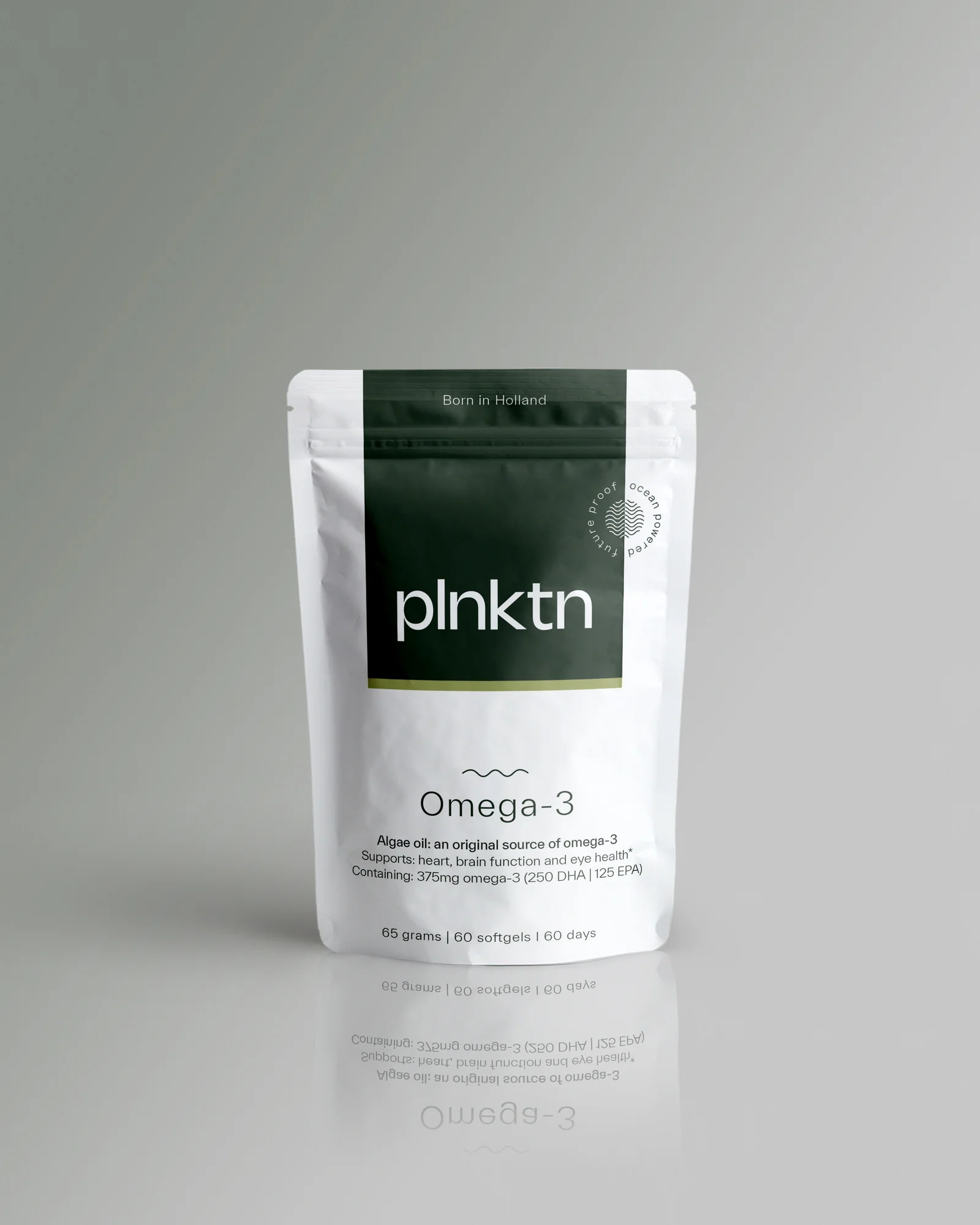

Omega-3 (algenolie)
Daily omega-3 from the original source: algae. With essential EPA and DHA for heart, brain and eyes.
- • 250 mg DHA and 125 mg EPA per capsule
- • 100% fish-free, plant-based algenolie
- • No fishy aftertaste, clean and controlled source
Disclosure: We may earn a commission if you purchase via these links.
CBG — An Emerging Gut-Support Cannabinoid
Cannabigerol (CBG) is gaining attention as a complementary compound for gut health. Unlike its more famous cousin CBD, CBG interacts more directly with CB1 and CB2 receptors in the gut, and preclinical research suggests potential benefits for gut motility, inflammation modulation, and appetite regulation. While human clinical data is still emerging, CBG represents an interesting complementary approach for those already investing in gut health.

5% CBG & 2.5% CBD Oil
Cibdol's CBG & CBD combination oil — 5% CBG (cannabigerol) paired with 2.5% CBD in a full-spectrum formula. CBG is the precursor cannabinoid known as the "mother of cannabinoids", with emerging research pointing to anti-inflammatory, neuroprotective and gut-supportive properties. Swiss-produced, third-party tested.
- • 5% CBG + 2.5% CBD — dual-cannabinoid formula
- • CBG: anti-inflammatory and neuroprotective properties
- • Full-spectrum Swiss-produced oil
Disclosure: We may earn a commission if you purchase via these links.
Foundational Micronutrients — The Nutrient Base Layer
A well-functioning gut requires adequate levels of zinc, vitamin D, vitamin A, and selenium — all of which support gut barrier integrity and immune function within the gut-associated lymphoid tissue (GALT). Before optimising your microbiome with probiotics, ensuring your foundational nutrient status is solid can make a meaningful difference to outcomes. A comprehensive micronutrient supplement or nutrient-dense whole-food supplement can provide this base layer.
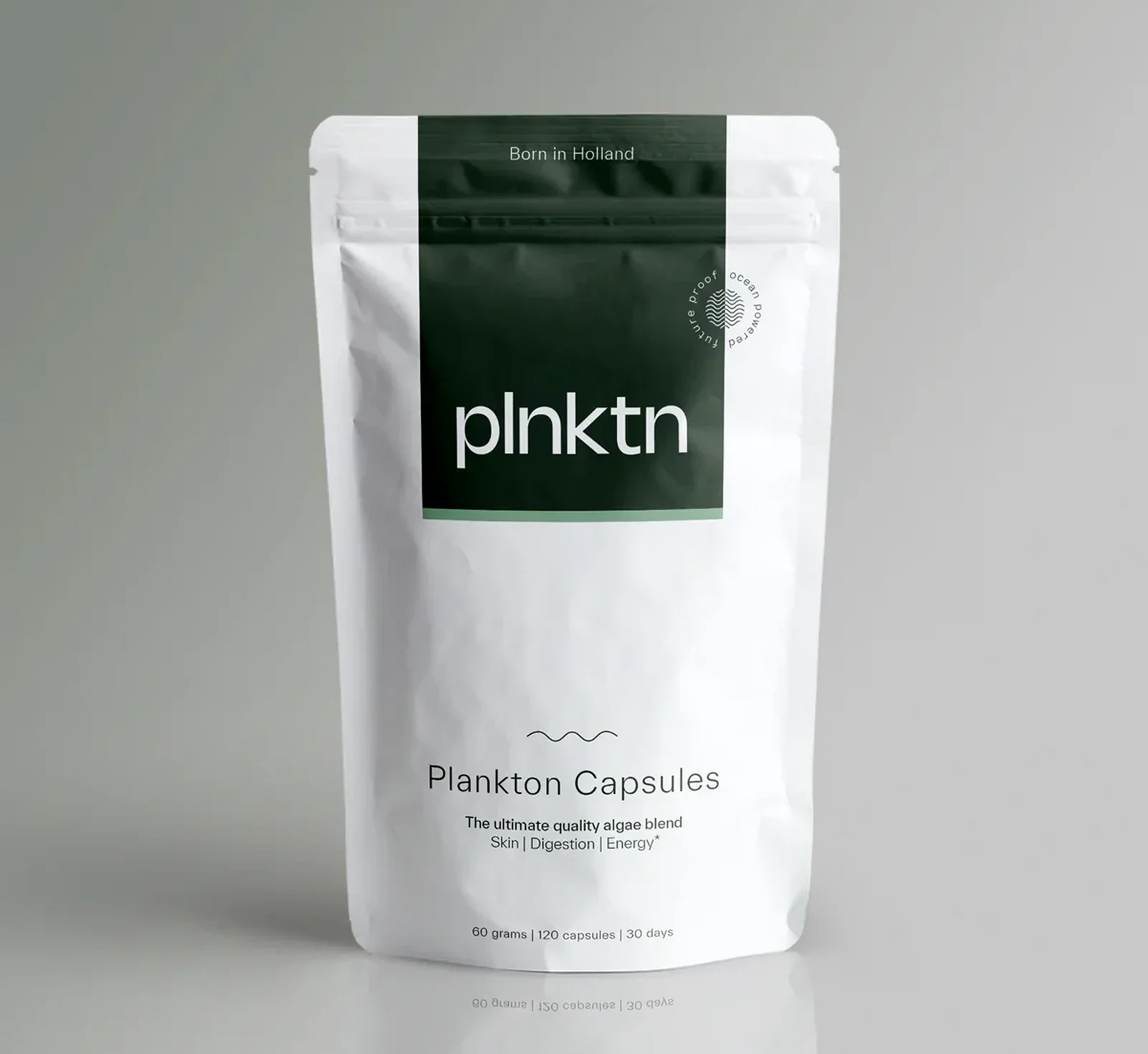
Plankton Capsules
Blend of 4 nutrient-dense micro- and macroalgae from European cultivation. Daily support for gut, skin and energy.
- • 75+ nutrients: minerals, vitamins, pigments, antioxidants and complete proteins
- • 100% natural, plant-based and responsibly grown
- • Supports digestion, energy metabolism and skin health
Disclosure: We may earn a commission if you purchase via these links.
Frequently Asked Questions
Are European probiotics better than American ones?
Neither is inherently better. European probiotics benefit from stricter manufacturing regulations (EU GMP) and are often developed with pharmaceutical-grade standards, particularly brands like OMNi-BiOTiC and Vivomixx. American brands like Seed invest heavily in research and innovation. The key difference lies in regulatory frameworks: the EU restricts health claims more aggressively, which can make European products appear less impressive on the label even when the formulation is excellent. Choose based on strain evidence and manufacturing quality, not geography.
How many CFU do I actually need?
It depends entirely on the strains and your health goals. Some strains are effective at 1 billion CFU; others require 100 billion or more. The common marketing claim that "more is better" is misleading. A well-studied strain at the right dose will outperform a random blend of 100 billion CFU every time. Look for products that use the same CFU count that was effective in clinical trials for the strains they contain.
Should I take probiotics with food or on an empty stomach?
Research is mixed, and it depends on the product format. Generally, probiotics in standard capsules survive better when taken with or just before a meal — the food buffers stomach acid. However, enteric-coated capsules (like Seed's ViaCap®) and liquid formats (like Symprove) are designed to be taken on an empty stomach. Always follow the brand's specific instructions, as they should be based on how the product was tested.
Can I take probiotics while on antibiotics?
Yes — and there is good evidence that specific strains can help prevent antibiotic-associated diarrhoea. Saccharomyces boulardii (found in Optibac For Those on Antibiotics) has the strongest evidence, as it is a yeast and therefore unaffected by antibacterial antibiotics. If using a bacterial probiotic, take it at least two hours apart from your antibiotic dose. Always consult your healthcare provider.
How long before I notice results from a probiotic?
Most clinical trials assess outcomes at 4–12 weeks. Some people notice digestive changes within the first week (sometimes including temporary bloating as the microbiome adjusts), but meaningful, sustained benefits typically take at least four weeks. We recommend committing to a minimum 8-week trial before judging whether a probiotic is working for you.
Do I need to refrigerate my probiotic?
It depends on the product. Lyophilised (freeze-dried) organisms in well-formulated capsules — such as those from Optibac, Seed, and Bio-Kult — are typically stable at room temperature. Liquid probiotics like Symprove must be refrigerated. Vivomixx sachets should be refrigerated for optimal potency. Always check the label. If a product says "refrigerate after opening" or "store below 25°C," take that seriously — heat is the number-one killer of probiotic viability.
Disclaimer
This article contains affiliate links. If you purchase through our links, we may earn a small commission at no additional cost to you. This does not influence our editorial opinions or ratings — every brand above was evaluated using the same objective methodology regardless of any commercial relationship.
The information in this article is intended for educational purposes only and is not a substitute for professional medical advice. If you have a diagnosed gastrointestinal condition such as IBD, IBS, or SIBO, please consult your gastroenterologist or healthcare provider before starting any new supplement regimen.
All prices were accurate at the time of writing (April 2026) and may vary by retailer, subscription status, and shipping destination. Prices for UK-based brands have been converted to euros at the approximate exchange rate at time of publication.
Related Articles
- The Complete Guide to Probiotics, Prebiotics, and Postbiotics
- Postbiotics vs Probiotics: What the Science Actually Says
- Best Probiotics for IBS: Strain-by-Strain Evidence Review
- Fermented Foods vs Probiotic Supplements: Do You Need Both?
This article is for informational purposes only and is not intended as medical advice. Always consult a healthcare professional before starting any new supplement, especially if you take prescription medication.
Related topics
Related articles
Gut Health 101: Probiotics, Prebiotics, and Postbiotics Explained
Your gut contains 100 trillion microorganisms that influence everything from digestion to mood. Here's what probiotics, prebiotics and postbiotics actually
Gut Health for Kids: Safe Probiotics & Building a Healthy Microbiome Early
Your child's microbiome is largely established by age three — and what happens in those first 1,000 days shapes lifelong health. Here is everything parents
The Gut Health Supplement Stack: Building Your Daily Protocol
A complete guide to building an evidence-based gut health supplement stack. Learn the five pillars of gut support — prebiotics, probiotics, anti-inflammato