
Gut Health and Weight Loss: The Microbiome–GLP-1 Connection Explained
Written by Smart Supplements Editorial Team
Key takeaways
- GLP-1 (glucagon-like peptide-1) is a hormone your gut already produces naturally — the same molecule that drugs like Ozempic and Wegovy are designed to mimic.
- Specific gut bacteria, particularly Akkermansia muciniphila, have been shown to stimulate GLP-1 secretion from intestinal L-cells, improving metabolic markers in clinical trials.
- Butyrate and other short-chain fatty acids, produced when gut bacteria ferment dietary fibre, directly activate GLP-1 and PYY release — your body's built-in satiety signalling system.
- The difference in scale matters: natural microbiome-driven GLP-1 production is modest compared to pharmaceutical doses — this is not "natural Ozempic."
- Microbiome composition genuinely influences energy harvest, fat storage, appetite regulation, and systemic inflammation — all of which affect body weight over time.
- A fibre-diverse diet, regular exercise, adequate sleep, and targeted supplementation can meaningfully support your gut–metabolism axis, even if the effects are gradual rather than dramatic.
Table of contents
- The GLP-1 Revolution: What Ozempic Actually Does
- Your Gut Already Makes GLP-1
- The Microbiome–Metabolism Connection
- Akkermansia: The GLP-1 Connection
- Butyrate: The SCFA That Activates GLP-1
- The Firmicutes/Bacteroidetes Story
- Let's Be Honest: This Is Not "Natural Ozempic"
- What the Research Actually Supports
- Practical Approaches to Supporting Metabolic Gut Health
- Supplements for Metabolic Gut Support
- GLP-1 Medications and the Microbiome
- Frequently Asked Questions
- Where to Buy
- Related Articles
The GLP-1 Revolution: What Ozempic Actually Does
If you have followed health news at any point over the past three years, you will have encountered GLP-1 receptor agonists — a class of medications that has fundamentally changed the conversation around obesity treatment. Brand names like Ozempic, Wegovy (both semaglutide), and Mounjaro (tirzepatide) have become household words, and for good reason: clinical trials have demonstrated average weight loss of 15–22% of body weight over 68 weeks, results that were previously achievable only through bariatric surgery.
But what exactly is GLP-1, and why does it matter for gut health?
Glucagon-like peptide-1 is an incretin hormone — a signalling molecule released by your digestive system in response to food. When you eat, specialised cells in your intestinal lining called L-cells release GLP-1 into the bloodstream. This hormone then:
- Stimulates insulin secretion from the pancreas (in a glucose-dependent manner)
- Slows gastric emptying, keeping food in your stomach longer
- Signals to the brain's appetite centres, promoting feelings of fullness
- Reduces glucagon secretion, helping to regulate blood sugar
The pharmaceutical versions — semaglutide, tirzepatide, and liraglutide — are modified versions of this natural hormone, engineered to resist enzymatic breakdown (natural GLP-1 has a half-life of roughly 2 minutes; semaglutide lasts about a week). They are administered at doses that produce GLP-1 receptor activation far beyond what your body achieves naturally.
This is where things get interesting for gut health. Because the very cells that produce GLP-1 — those intestinal L-cells — are sitting right there in your gut lining, surrounded by trillions of bacteria. And those bacteria have a great deal of influence over how much GLP-1 gets produced.

Your Gut Already Makes GLP-1
Before GLP-1 became a pharmaceutical phenomenon, it was simply a gut hormone — one of several that your enteroendocrine cells produce every time you eat. These cells make up only about 1% of the intestinal epithelium, yet they collectively form the largest endocrine organ in the body.
L-cells are concentrated in the ileum (the final section of the small intestine) and throughout the colon. When nutrients reach them — particularly glucose, fatty acids, and amino acids — they release GLP-1 into the surrounding tissue and bloodstream. But nutrients are not the only trigger.
The SCFA Pathway
When your gut bacteria ferment dietary fibre — the complex carbohydrates that human enzymes cannot break down — they produce short-chain fatty acids (SCFAs): primarily acetate, propionate, and butyrate. These SCFAs are not waste products; they are active signalling molecules.
SCFAs interact with specific receptors on L-cells, particularly GPR41 (FFAR3) and GPR43 (FFAR2). When these receptors are activated, the L-cell releases GLP-1 and another satiety hormone called peptide YY (PYY). This is a direct, well-documented mechanism by which your gut bacteria influence appetite and blood sugar regulation.
| SCFA | Primary Bacterial Producers | Key Receptor | Effect on L-Cells |
|---|---|---|---|
| Acetate | Bifidobacteria, Bacteroides | GPR43 (FFAR2) | Stimulates GLP-1 and PYY release |
| Propionate | Bacteroidetes, Negativicutes | GPR41 (FFAR3), GPR43 | Stimulates GLP-1, reduces hepatic glucose production |
| Butyrate | Faecalibacterium, Roseburia, Eubacterium | GPR41 (FFAR3), GPR109A | Strong GLP-1 stimulation, supports gut barrier |
In other words, every time you eat a fibre-rich meal, your gut bacteria are producing metabolites that trigger your body's own GLP-1 production. The system has been there all along — it is just that the pharmaceutical approach delivers the signal at a vastly different magnitude.
The Microbiome–Metabolism Connection
The relationship between gut bacteria and body weight extends well beyond GLP-1. Your gut microbiome — the collective community of roughly 38 trillion microorganisms living in your digestive tract — influences metabolism through several interconnected pathways.
Energy Harvest
Not all gut microbiomes extract the same number of calories from identical meals. Some bacterial communities are more efficient at breaking down complex carbohydrates, potentially harvesting an additional 150–200 kilocalories per day from the same diet. This was demonstrated in landmark germ-free mouse studies by Jeffrey Gordon's laboratory at Washington University, where colonising sterile mice with microbiota from obese donors led to greater fat gain than colonisation from lean donors — even on identical diets.
SCFA Signalling and Fat Storage
Beyond triggering GLP-1, SCFAs influence fat metabolism directly. Propionate activates GPR43 on adipocytes (fat cells), which can inhibit fat accumulation and promote the release of stored fat for energy. Acetate crosses the blood-brain barrier and has been shown to directly influence hypothalamic appetite regulation in animal models.
Bile Acid Metabolism
Your gut bacteria play a central role in transforming primary bile acids (produced by the liver) into secondary bile acids. These secondary bile acids activate the FXR (farnesoid X receptor) and TGR5 receptors, both of which influence glucose metabolism, lipid handling, and energy expenditure. Disruptions to this bile acid cycling have been linked to metabolic dysfunction, and certain microbial profiles are associated with more favourable bile acid profiles.
Inflammation and Metabolic Endotoxaemia
A compromised gut barrier — often described colloquially as "leaky gut" — allows bacterial components, particularly lipopolysaccharide (LPS), to enter the bloodstream. This triggers a low-grade inflammatory response known as metabolic endotoxaemia, which contributes to insulin resistance and metabolic dysfunction. Maintaining a robust gut barrier is therefore not just a digestive concern; it is directly relevant to metabolic health.
Gut Permeability and the Endocannabinoid System
Emerging research has highlighted the role of the endocannabinoid system (ECS) in regulating gut permeability and metabolic function. The ECS interacts with gut bacteria to modulate intestinal barrier integrity, and cannabinoid receptors in the gut influence motility, inflammation, and nutrient absorption. Cannabigerol (CBG), a non-psychoactive cannabinoid, has shown particular promise in preclinical studies for supporting gut barrier function and modulating inflammatory responses in the gastrointestinal tract.

5% CBG & 2.5% CBD Oil
Cibdol's CBG & CBD combination oil — 5% CBG (cannabigerol) paired with 2.5% CBD in a full-spectrum formula. CBG is the precursor cannabinoid known as the "mother of cannabinoids", with emerging research pointing to anti-inflammatory, neuroprotective and gut-supportive properties. Swiss-produced, third-party tested.
- • 5% CBG + 2.5% CBD — dual-cannabinoid formula
- • CBG: anti-inflammatory and neuroprotective properties
- • Full-spectrum Swiss-produced oil
Disclosure: We may earn a commission if you purchase via these links.
Akkermansia: The GLP-1 Connection
Of all the bacteria in the human gut, Akkermansia muciniphila has attracted perhaps the most attention in the context of metabolic health. This mucin-degrading bacterium lives in the mucus layer that lines your intestinal wall, and its abundance is consistently associated with better metabolic outcomes.
What the Research Shows
A landmark 2019 study published in Nature Medicine by Patrice Cani's group at UCLouvain demonstrated that supplementation with pasteurised Akkermansia muciniphila in overweight and obese human subjects improved several metabolic markers:
- Reduced insulin resistance (as measured by HOMA-IR)
- Lowered total cholesterol
- Decreased relevant inflammatory markers
- Slightly reduced body weight (though this was modest and not the primary endpoint)
Crucially, the pasteurised form was more effective than the live bacterium — a finding that pointed to a specific mechanism.
The Amuc_1100 Protein
The key appears to be a protein on the outer membrane of Akkermansia called Amuc_1100. This protein survives pasteurisation and interacts with Toll-like receptor 2 (TLR2) on intestinal cells, strengthening the gut barrier and reducing inflammation. More relevantly for our discussion, Amuc_1100 has been shown to stimulate GLP-1 secretion from L-cells in both in vitro and animal studies.
| Akkermansia Form | Gut Barrier Effect | GLP-1 Stimulation | Metabolic Improvement | Human Trial Data |
|---|---|---|---|---|
| Live | Moderate | Moderate | Some | Yes (2019 RCT) |
| Pasteurised | Strong | Strong | Significant | Yes (2019 RCT) |
| Amuc_1100 protein (isolated) | Strong | Yes (preclinical) | Yes (preclinical) | Not yet |
The mechanism appears to work like this: Akkermansia maintains the mucus layer → strengthens gut barrier → reduces LPS translocation → reduces inflammation → simultaneously stimulates L-cells via Amuc_1100 → increases native GLP-1 production. It is a multi-pronged effect, which is why researchers are so interested.
Supporting Akkermansia Naturally
Akkermansia feeds on mucin — the glycoprotein that makes up your intestinal mucus layer. Paradoxically, consuming prebiotic fibres and polyphenols (particularly from cranberries, grapes, and pomegranate) has been shown to increase Akkermansia abundance, likely by stimulating mucin production and creating a more favourable environment for the bacterium.
For a deeper look at this bacterium and the supplement landscape around it, see our dedicated guide: Akkermansia Muciniphila: The Next-Generation Probiotic.
Butyrate: The SCFA That Activates GLP-1
Among the three major SCFAs, butyrate deserves special attention. It is the primary energy source for colonocytes (the cells lining your colon), and it plays a central role in maintaining gut barrier integrity, regulating inflammation, and — most relevant here — stimulating GLP-1 secretion.
How Butyrate Triggers GLP-1
Butyrate activates GPR41 (FFAR3) and GPR109A (also known as HCA2 or HCAR2) on L-cells, triggering the release of both GLP-1 and PYY. Animal studies using direct colonic infusion of butyrate have shown significant increases in circulating GLP-1 levels, and human studies using inulin-propionate ester (a fibre designed to deliver propionate to the colon) have demonstrated increased PYY and GLP-1 alongside reduced energy intake.
The Fibre → Butyrate Pipeline
Butyrate is produced primarily by bacteria in the Firmicutes phylum, particularly:
- Faecalibacterium prausnitzii — one of the most abundant bacteria in a healthy colon
- Roseburia intestinalis — a key butyrate producer
- Eubacterium rectale — another major contributor
These bacteria ferment various types of dietary fibre, but they have preferences. Resistant starch (found in cooled potatoes, green bananas, and legumes), inulin (chicory root, garlic, onions), and pectin (apples, citrus fruits) are particularly effective at driving butyrate production.
Practical Fibre Sources for Butyrate Production
| Fibre Type | Food Sources | Primary SCFA Produced | Butyrate Yield |
|---|---|---|---|
| Resistant starch | Cooled potatoes, green bananas, oats, legumes | Butyrate | High |
| Inulin/FOS | Chicory root, garlic, onions, asparagus, Jerusalem artichoke | Butyrate, acetate | Moderate–high |
| Pectin | Apples, citrus peel, berries | Acetate, butyrate | Moderate |
| Beta-glucan | Oats, barley, mushrooms | Propionate, butyrate | Moderate |
| Arabinoxylan | Whole wheat, rye, rice bran | Butyrate, propionate | Moderate |
The diversity of fibre sources matters as much as the total amount. Different fibres feed different bacterial communities, and a diverse microbiome produces a more balanced SCFA profile. This is one reason why a diet rich in varied plant foods consistently outperforms isolated fibre supplements in microbiome studies.
A convenient way to increase your intake of diverse plant compounds alongside digestive enzyme support is through a comprehensive greens formula that combines prebiotic fibres with broad-spectrum nutrients.
MADMONQ GREENS
Superfood powder with 77 nutrients — fruits, vegetables, vitamins, minerals, DigeZyme® digestive enzymes, and prebiotics. Each sachet delivers the equivalent of 1 serving of real vegetables and fruits using organic EU-grown ingredients. Includes Vitaberry® and Vitaveggie® proprietary blends, Spirulina, Kale, Broccoli, and Acai Berry.
- • 77 nutrients in one daily sachet
- • DigeZyme® enzymes for digestive support
- • Organic, EU-grown ingredients
Disclosure: We may earn a commission if you purchase via these links.
The Firmicutes/Bacteroidetes Story
You may have encountered the claim that obese individuals have a higher ratio of Firmicutes to Bacteroidetes bacteria, and that shifting this ratio could promote weight loss. This narrative emerged from early microbiome research, particularly studies by Jeffrey Gordon's group in the mid-2000s, and it became enormously popular in health media.
The Original Hypothesis
The original findings were striking: obese mice and humans showed a higher proportion of Firmicutes and a lower proportion of Bacteroidetes compared to lean counterparts. When obese individuals lost weight through calorie restriction, their Firmicutes/Bacteroidetes ratio shifted to resemble that of lean subjects. The implication seemed clear — this ratio was a biomarker for obesity, and perhaps a target for intervention.
Why It Is Now Considered Oversimplified
Subsequent large-scale human studies — including the Human Microbiome Project and the Flemish Gut Flora Project — have painted a far more nuanced picture:
- Inconsistent results: Many studies have failed to replicate the F/B ratio difference between lean and obese individuals.
- Phylum-level analysis is too crude: Firmicutes is an enormous phylum containing bacteria with vastly different metabolic functions. Some Firmicutes (like Faecalibacterium prausnitzii) are strongly associated with metabolic health, not obesity.
- Individual variation is massive: The "healthy" microbiome varies enormously between individuals, populations, and dietary patterns.
- Correlation vs. causation: Even where differences exist, the direction of causality is unclear — does the microbiome composition cause obesity, or does obesity (via diet and metabolic changes) alter the microbiome?
What Actually Matters
Current understanding suggests that rather than a simple ratio, what matters for metabolic health is:
- Microbial diversity — lower diversity is consistently associated with metabolic dysfunction
- Functional capacity — what the bacteria do (e.g., produce butyrate, maintain the mucus layer) matters more than their taxonomic classification
- Specific keystone species — the presence or absence of specific organisms like Akkermansia muciniphila and Faecalibacterium prausnitzii appears more predictive than broad phylum ratios
- Gut barrier integrity — regardless of which bacteria are present, a robust gut barrier prevents metabolic endotoxaemia
The F/B ratio is not entirely irrelevant — it captures a real signal — but treating it as a simple dial to turn for weight loss is a significant oversimplification. For a comprehensive overview of how different bacterial types contribute to gut health, see our guide on probiotics, prebiotics, and postbiotics.
Let's Be Honest: This Is Not "Natural Ozempic"
This is the section that many supplement marketing articles would rather skip. But honesty matters, especially when we are discussing something as sensitive and emotionally charged as weight loss.
The Scale Difference
Semaglutide (Ozempic/Wegovy) is administered at doses that produce sustained GLP-1 receptor activation far beyond anything the body produces naturally. Consider the comparison:
| Parameter | Natural GLP-1 (from L-cells) | Semaglutide (Wegovy 2.4 mg) |
|---|---|---|
| Half-life | ~2 minutes | ~7 days |
| Peak levels | Brief postprandial spike | Sustained, continuous |
| Receptor activation | Physiological, pulsatile | Supraphysiological, constant |
| Average weight loss | Not applicable (baseline) | 15–17% of body weight over 68 weeks |
| Appetite suppression | Moderate, meal-related | Strong, continuous |

The natural GLP-1 produced by your L-cells — even if optimally supported by a thriving microbiome rich in Akkermansia and producing abundant butyrate — operates at a fundamentally different magnitude than pharmaceutical GLP-1 receptor agonists. The drugs work precisely because they deliver supraphysiological stimulation that overrides normal appetite regulation.
What This Means for Expectations
If you see a supplement, food, or protocol marketed as "natural Ozempic," treat that claim with significant scepticism. Supporting your gut microbiome can:
- Modestly improve satiety signalling after meals
- Improve metabolic markers (insulin sensitivity, cholesterol, inflammation)
- Support overall digestive and immune health
- Potentially contribute to small, gradual changes in body composition over months
What it cannot do is replicate the dramatic, rapid weight loss produced by pharmaceutical GLP-1 agonists. And that is fine — these are different tools for different purposes. Supporting your microbiome is a long-term health strategy, not a weight-loss hack.
What the Research Actually Supports
With expectations properly calibrated, let us look at what the evidence genuinely supports regarding gut health interventions and metabolic outcomes.
Prebiotic Fibre and Satiety
A 2019 systematic review and meta-analysis in the American Journal of Clinical Nutrition found that prebiotic supplementation (primarily inulin-type fructans) produced statistically significant but modest reductions in energy intake and body weight. The average weight loss attributable to prebiotics was approximately 0.4 kg over study periods of 2–16 weeks — real, but hardly transformative.
However, the satiety improvements were more consistent. Subjects consistently reported reduced hunger and increased fullness, particularly when prebiotic intake exceeded 10 g per day. This is consistent with the SCFA → GLP-1/PYY pathway described above.
Akkermansia and Metabolic Markers
The UCLouvain trial mentioned earlier showed improvements in insulin resistance, cholesterol, and inflammatory markers — clinically meaningful changes — but the weight loss was modest (average of ~1 kg over 3 months). A follow-up analysis suggested that the metabolic improvements were the primary benefit, with body composition changes being secondary.
Omega-3 Fatty Acids and Gut Inflammation
Omega-3 polyunsaturated fatty acids (EPA and DHA) have well-established anti-inflammatory properties, and emerging evidence suggests they also influence gut microbiome composition. A 2019 study in Gut Microbes found that omega-3 supplementation increased the abundance of butyrate-producing bacteria, including Roseburia and Bifidobacterium. This creates an indirect pathway: omega-3s → more butyrate producers → more butyrate → more GLP-1 stimulation. Marine-derived omega-3 sources, particularly those from sustainable algae, offer these benefits without the environmental concerns associated with fish oil.
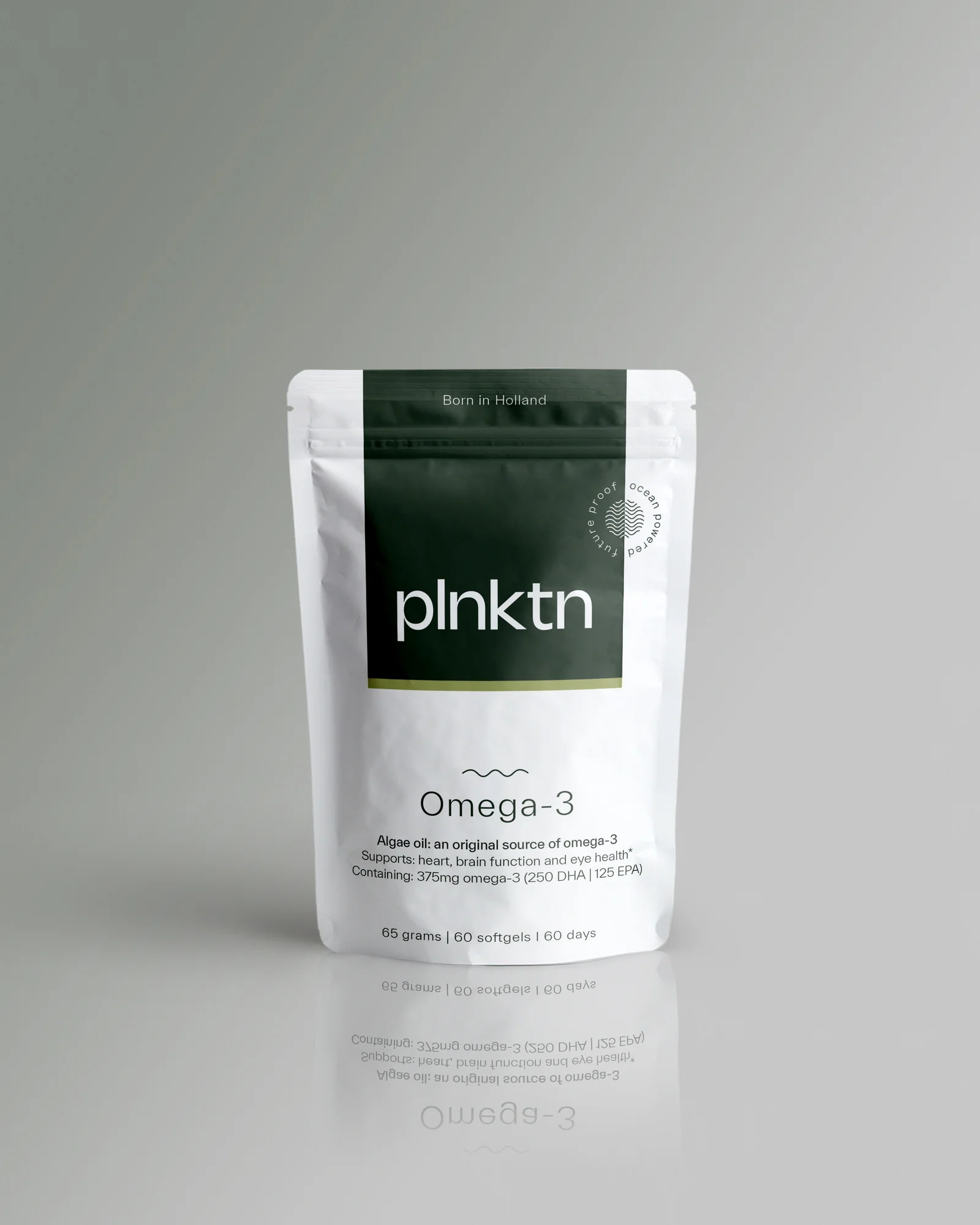

Omega-3 (algenolie)
Daily omega-3 from the original source: algae. With essential EPA and DHA for heart, brain and eyes.
- • 250 mg DHA and 125 mg EPA per capsule
- • 100% fish-free, plant-based algenolie
- • No fishy aftertaste, clean and controlled source
Disclosure: We may earn a commission if you purchase via these links.
The Inflammation–Metabolism Link
Chronic low-grade inflammation — driven partly by gut barrier dysfunction — is increasingly recognised as a driver of metabolic syndrome. Interventions that reduce this inflammation (whether through microbiome support, anti-inflammatory nutrients, or lifestyle changes) show consistent improvements in insulin sensitivity, even when weight loss itself is minimal. This suggests that some of the metabolic benefits of gut health interventions are independent of changes in body weight.
Practical Approaches to Supporting Metabolic Gut Health
Based on the evidence reviewed above, here are evidence-supported strategies for supporting the gut–metabolism axis.
1. Prioritise Fibre Diversity
Aim for 30+ different plant foods per week (a target supported by the American Gut Project data, which found that individuals consuming 30+ species had significantly more diverse microbiomes). This does not mean 30 large servings — even small amounts of herbs, spices, seeds, and varied vegetables count.
2. Include Polyphenol-Rich Foods
Polyphenols — found in berries, dark chocolate, green tea, red wine, olive oil, and colourful vegetables — serve as prebiotics for beneficial bacteria, particularly Akkermansia. A 2020 review in Nutrients found that polyphenol-rich dietary patterns were associated with increased microbial diversity and improved metabolic markers.
3. Eat Fermented Foods Regularly
The Stanford MACS trial (2021, published in Cell) demonstrated that a diet high in fermented foods — including yoghurt, kefir, kimchi, sauerkraut, and kombucha — increased microbial diversity and reduced inflammatory markers more effectively than a high-fibre diet alone. Six servings per day of fermented foods over 10 weeks produced measurable immune and inflammatory benefits.
4. Exercise Consistently
Aerobic exercise independently increases microbial diversity and SCFA production. A 2018 study in Gut Microbes showed that six weeks of moderate exercise increased butyrate-producing bacteria in previously sedentary individuals — and these changes reversed when exercise ceased. The microbiome benefits appear to require sustained, regular physical activity.
5. Protect Your Sleep
Sleep disruption alters the gut microbiome within 48 hours, reducing diversity and increasing the abundance of bacteria associated with metabolic dysfunction. A 2019 study in Molecular Metabolism demonstrated that two nights of partial sleep deprivation reduced insulin sensitivity and altered the Firmicutes/Bacteroidetes ratio in healthy subjects.
6. Build a Nutrient Foundation
Microbiome health depends on adequate intake of micronutrients — zinc, vitamin D, vitamin A, and various B vitamins all influence gut barrier function and microbial ecology. Ensuring comprehensive micronutrient coverage provides the substrate your gut ecosystem needs to function optimally.
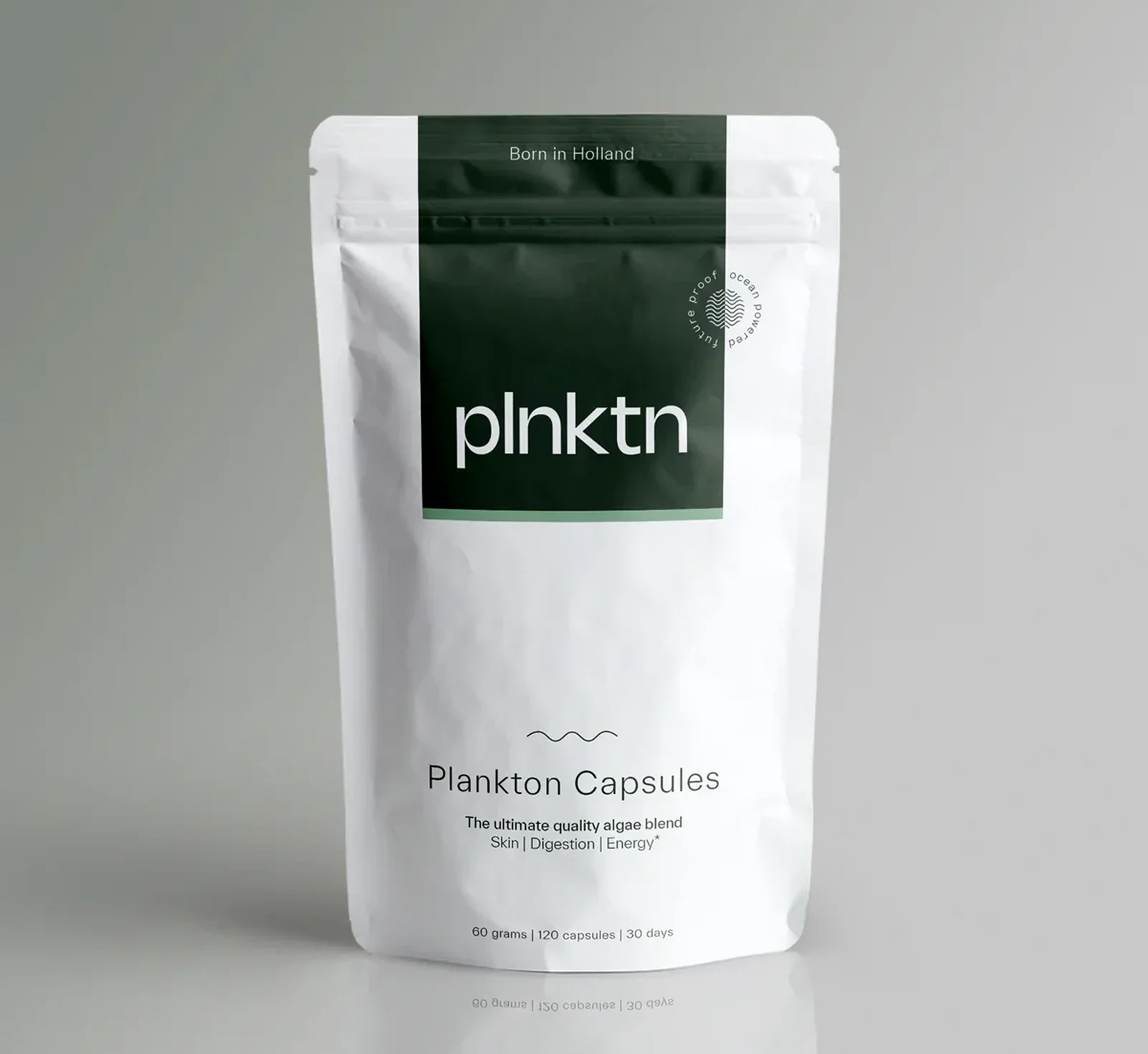
Plankton Capsules
Blend of 4 nutrient-dense micro- and macroalgae from European cultivation. Daily support for gut, skin and energy.
- • 75+ nutrients: minerals, vitamins, pigments, antioxidants and complete proteins
- • 100% natural, plant-based and responsibly grown
- • Supports digestion, energy metabolism and skin health
Disclosure: We may earn a commission if you purchase via these links.

Supplements for Metabolic Gut Support
While diet and lifestyle form the foundation, certain supplements have evidence supporting their role in the gut–metabolism connection.
Prebiotic Fibres
Inulin, galacto-oligosaccharides (GOS), and partially hydrolysed guar gum (PHGG) are well-studied prebiotic fibres that increase SCFA production. Start with low doses (3–5 g/day) and increase gradually to minimise bloating and gas — a common side effect as your microbiome adjusts.
Akkermansia Supplements
Pasteurised Akkermansia muciniphila supplements are now commercially available. The clinical evidence is promising but still limited to relatively small trials. If you choose to supplement, look for products specifying pasteurised Akkermansia with a defined colony count. See our full review: Akkermansia Muciniphila Supplement Guide.
Omega-3 Fatty Acids
As discussed, omega-3s support both gut microbial composition and systemic inflammation. Plant-based algae-derived omega-3 supplements provide EPA and DHA without the sustainability concerns of fish oil, and emerging evidence suggests they may be better tolerated by those with sensitive digestion.
Polyphenol Extracts
Concentrated polyphenol supplements (grape seed extract, green tea extract, berberine) have shown prebiotic effects in clinical studies. However, whole food sources of polyphenols typically provide a broader spectrum of beneficial compounds.
Cellular Renewal: Spermidine and Autophagy
An often-overlooked aspect of metabolic gut health is cellular renewal. Autophagy — the process by which cells recycle damaged components — plays a critical role in maintaining intestinal cell function and metabolic efficiency. Spermidine, a naturally occurring polyamine found in aged cheese, wheat germ, and soybeans, is one of the most well-studied autophagy inducers. Research published in Nature Medicine has linked spermidine intake to improved metabolic health markers, and its role in supporting cellular turnover in the gut lining may indirectly support the function of enteroendocrine cells, including the L-cells that produce GLP-1.
Spermidine
Spermidine supplement to support autophagy, cellular renewal, and healthy aging.
- • Promotes autophagy
- • Supports cellular renewal
- • Wheat germ extract source
Disclosure: We may earn a commission if you purchase via these links.
For a broader overview of prebiotic supplementation strategies, see our Complete Guide to Prebiotics.
GLP-1 Medications and the Microbiome
An increasingly important question — and one that affects millions of people currently taking GLP-1 receptor agonists — is how these medications themselves affect the gut microbiome.
How Semaglutide Affects Gut Bacteria
GLP-1 receptor agonists slow gastric emptying significantly, which alters the nutrient environment throughout the digestive tract. Early research suggests this produces measurable shifts in microbiome composition:
- A 2023 study in Diabetes Care found that semaglutide treatment altered the abundance of several bacterial genera, including increases in Bacteroides and decreases in certain Firmicutes species.
- The reduced food intake associated with GLP-1 medications — often dramatically reduced — inevitably decreases fibre intake, which may reduce SCFA production and microbial diversity over time.
- Gastrointestinal side effects (nausea, constipation, diarrhoea) — experienced by 40–70% of patients — likely reflect and contribute to microbiome disruption.
Supporting Gut Health While on GLP-1 Medications
If you are taking semaglutide, tirzepatide, or another GLP-1 receptor agonist, supporting your gut microbiome becomes arguably more important, not less:
- Prioritise fibre in your reduced diet: When eating less overall, the proportion of fibre-rich foods becomes even more critical.
- Consider prebiotic supplementation: A concentrated prebiotic fibre supplement can help maintain SCFA production even when total food volume is low.
- Stay hydrated: GLP-1 medications increase the risk of constipation; adequate water intake supports both gut motility and microbial function.
- Monitor for deficiencies: Reduced food intake can lead to micronutrient deficiencies that affect gut barrier function.
- Discuss with your prescriber: Always coordinate supplement use with the healthcare professional managing your GLP-1 medication.
It is worth noting that the long-term microbiome effects of GLP-1 receptor agonists are still poorly understood. This is an active area of research, and recommendations may evolve as more data becomes available.
Frequently Asked Questions
Can probiotics replace Ozempic?
No. While certain probiotics — particularly pasteurised Akkermansia muciniphila — can modestly stimulate natural GLP-1 production and improve metabolic markers, the scale of effect is fundamentally different from pharmaceutical GLP-1 receptor agonists. Semaglutide produces sustained, supraphysiological GLP-1 receptor activation that results in 15–17% average weight loss. Probiotic interventions have shown improvements in insulin sensitivity and cholesterol, with weight changes typically under 1–2 kg. These are complementary approaches, not substitutes.
How long does it take for gut health changes to affect metabolism?
Microbiome composition can shift measurably within 24–48 hours of dietary changes, but metabolic improvements typically require 4–12 weeks of consistent dietary or supplement interventions. The 2019 Akkermansia trial showed metabolic marker improvements after 12 weeks. Patience and consistency matter more than any single intervention.
What is the best prebiotic fibre for GLP-1 production?
There is no single "best" fibre. Evidence supports resistant starch, inulin, and beta-glucans as particularly effective at driving SCFA (especially butyrate) production, which in turn stimulates GLP-1 from L-cells. However, fibre diversity appears to be more important than any single type. Aim for a variety of sources — legumes, whole grains, vegetables, fruits — rather than relying on one supplement.
Does the Firmicutes/Bacteroidetes ratio predict obesity?
Not reliably. While early research suggested a correlation between a high Firmicutes/Bacteroidetes ratio and obesity, subsequent large-scale studies have produced inconsistent results. Current evidence suggests that microbial diversity, functional capacity, and the abundance of specific keystone species (like Akkermansia and Faecalibacterium) are better indicators of metabolic health than broad phylum-level ratios.
Can I take Akkermansia supplements alongside GLP-1 medications?
There is currently no clinical evidence of adverse interactions between pasteurised Akkermansia supplements and GLP-1 receptor agonists. However, this specific combination has not been studied in controlled trials. If you are taking prescription medication, always consult your prescribing healthcare professional before adding supplements. The theoretical rationale — supporting gut barrier function and natural metabolic signalling — is sound, but evidence-based guidance requires actual clinical data.
Are fermented foods better than probiotic supplements for gut health?
The Stanford MACS trial (2021) provided strong evidence that fermented foods increase microbial diversity and reduce inflammation. However, this does not mean fermented foods are universally "better" — they serve different purposes. Fermented foods provide a broad range of live microorganisms alongside nutrients and bioactive compounds. Specific probiotic supplements deliver defined strains at known doses for targeted effects. Ideally, a metabolic gut health strategy includes both regular fermented food consumption and, where evidence supports it, targeted supplementation.
Where to Buy
Affiliate disclosure: Smart Supplements earns a commission on purchases made through partner links. This doesn't affect our editorial content or recommendations.
For further reading on gut barrier function and targeted supplement strategies, see our guide on Leaky Gut Supplements: What Actually Works.
This article is for informational purposes only and is not intended as medical advice. Always consult a healthcare professional before starting any new supplement, especially if you take prescription medication.
Related Articles
Related topics
Related articles
Butyrate: The Postbiotic That Heals Your Gut Lining (and May Boost GLP-1)
Butyrate is a short-chain fatty acid that fuels your gut lining, calms inflammation, and may even stimulate GLP-1 release. Learn how to boost butyrate thro
Akkermansia Muciniphila: The Next-Gen Probiotic Revolutionising Gut Health
Akkermansia muciniphila is a keystone gut bacterium linked to metabolic health, gut barrier integrity, and natural GLP-1 production. Now EU-authorised as a
Gut Health 101: Probiotics, Prebiotics, and Postbiotics Explained
Your gut contains 100 trillion microorganisms that influence everything from digestion to mood. Here's what probiotics, prebiotics and postbiotics actually