
Probiotics for Anxiety & Depression: What the Science Says About Psychobiotics
Written by Smart Supplements Editorial Team
Key takeaways
- Psychobiotics are specific probiotic strains that may influence mental health through the gut-brain axis, but the field is still young and effect sizes tend to be modest.
- The best-studied strains for mood include L. helveticus R0052 + B. longum R0175, B. longum 1714, and L. plantarum PS128 — each with different mechanisms and varying levels of human evidence.
- Current evidence is stronger for reducing perceived stress and mild anxiety symptoms than for treating clinical depression, and probiotics should never replace professional mental health care.
- Gut bacteria can influence mood through multiple pathways: short-chain fatty acid production, tryptophan metabolism, vagus nerve signalling, neuroinflammation modulation, and BDNF expression.
- A holistic gut-brain approach — combining targeted probiotics with omega-3 fatty acids, a Mediterranean-style diet, regular exercise, and adequate sleep — is likely more effective than any single intervention.
- Always consult a healthcare professional before starting probiotics if you are taking psychiatric medication, are pregnant, or have a compromised immune system.
Table of contents
- What Are Psychobiotics?
- The Gut-Brain Axis and Mental Health
- The Microbiome in Depression and Anxiety
- Clinical Evidence: Strains Studied for Mental Health
- What the Evidence Actually Supports
- Mechanisms: How Gut Bacteria Could Influence Mood
- Beyond Probiotics: Complementary Approaches
- The Mediterranean Diet Connection
- Cellular Health and the Gut-Brain Connection
- Important Caveats and Red Flags
- Building a Gut-Brain Mood Protocol
- Frequently Asked Questions
- Disclaimer
- Related Articles
What Are Psychobiotics?
The term psychobiotics was first coined by psychiatrist Ted Dinan and neuroscientist John Cryan at University College Cork in 2013. In their original definition, psychobiotics were "live organisms that, when ingested in adequate amounts, produce a health benefit in patients suffering from psychiatric illness." It was a bold claim at the time — the idea that swallowing bacteria could meaningfully shift your mental state struck many clinicians as implausible.
Since then, the definition has broadened considerably. Researchers now use the term to encompass not just live probiotics but also prebiotics (fibres that feed beneficial gut bacteria), postbiotics (metabolic byproducts of bacterial fermentation), and even specific dietary patterns that reshape the gut microbiome in ways that influence brain function. The common thread is the gut-brain axis: a bidirectional communication highway linking your enteric nervous system to your central nervous system.
But let us be precise about what psychobiotics are not. They are not a cure for depression. They are not a replacement for therapy or medication. And the vast majority of commercial probiotic products on shop shelves have never been tested for mental health outcomes. When we talk about psychobiotics in this article, we are referring to specific, identified strains — down to the strain-level identifier — that have been evaluated in controlled studies for their effects on mood, anxiety, or stress.
The distinction matters because not all probiotics are psychobiotics. A strain of Lactobacillus acidophilus that helps with lactose digestion may do absolutely nothing for your anxiety. Strain specificity is one of the most important — and most frequently overlooked — principles in probiotic science. Two strains of the same species can have entirely different metabolic capabilities, colonisation patterns, and health effects.
The Gut-Brain Axis and Mental Health
Before diving into specific strains, it helps to understand the infrastructure that makes psychobiotics even theoretically plausible. The gut-brain axis is a complex, bidirectional communication network involving neural, endocrine, immune, and metabolic pathways.
The Vagus Nerve
The vagus nerve — the longest cranial nerve in the body — serves as a direct information superhighway between the gut and the brain. Roughly 80% of its fibres are afferent, meaning they carry signals from the gut to the brain, not the other way around. This is significant: your gut is sending far more information to your brain than your brain is sending to your gut.
Animal studies have shown that certain probiotic effects on behaviour are entirely dependent on an intact vagus nerve. When researchers severed the vagus nerve in mice (vagotomy), the anxiolytic effects of Lactobacillus rhamnosus JB-1 completely disappeared. This suggests that at least some psychobiotic mechanisms require vagal signalling as an intermediary.
Immune Signalling and Neuroinflammation
Your gut houses approximately 70% of your immune system. The gut microbiome profoundly shapes immune function, and immune signalling molecules — particularly pro-inflammatory cytokines such as interleukin-6 (IL-6), tumour necrosis factor-alpha (TNF-α), and interleukin-1β (IL-1β) — can cross the blood-brain barrier and influence brain function.
There is now robust evidence linking elevated systemic inflammation to depression. A meta-analysis published in JAMA Psychiatry found that people with depression have significantly higher levels of C-reactive protein (CRP) and IL-6 compared to non-depressed controls. This "inflammatory hypothesis of depression" provides a plausible mechanism by which gut bacteria — through their effects on immune regulation — could influence mood.
The HPA Axis
The hypothalamic-pituitary-adrenal (HPA) axis is your body's central stress-response system. When activated, it triggers the release of cortisol, the primary stress hormone. Chronic HPA axis dysregulation — characterised by elevated baseline cortisol or a blunted cortisol awakening response — is one of the most consistent biological findings in depression research.
Gut bacteria appear to influence HPA axis activity. Germ-free mice (raised without any gut bacteria) show exaggerated HPA axis responses to stress, and colonising them with specific bacterial strains can normalise this response. In humans, certain probiotic strains have been shown to modestly reduce salivary cortisol, though the clinical significance of these reductions is still debated.
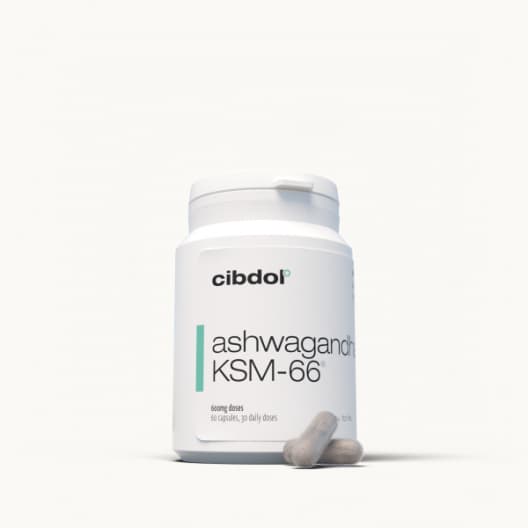

Ashwagandha KSM-66
Clinically studied KSM-66 ashwagandha extract for stress reduction and adrenal support.
- • KSM-66® branded extract
- • Highest concentration full-root extract
- • Reduces cortisol and stress
Disclosure: We may earn a commission if you purchase via these links.
Neurotransmitter Production
Here is a fact that surprises many people: approximately 90-95% of your body's serotonin is produced in the gut, not the brain. Gut bacteria are directly involved in tryptophan metabolism — the biochemical pathway that produces serotonin. They also produce or modulate other neuroactive compounds including gamma-aminobutyric acid (GABA), dopamine, noradrenaline, and acetylcholine.
However, there is an important caveat. Serotonin produced in the gut does not cross the blood-brain barrier, so gut-derived serotonin cannot directly increase brain serotonin levels. The relationship is more nuanced: gut bacteria influence the availability of tryptophan (the amino acid precursor to serotonin), and that tryptophan can cross the blood-brain barrier and be converted to serotonin in the brain. Gut bacteria can also shift tryptophan metabolism away from serotonin production and towards the kynurenine pathway, which produces neuroactive and potentially neurotoxic metabolites.
The Microbiome in Depression and Anxiety
If the gut-brain axis provides the infrastructure for psychobiotics, dysbiosis provides the rationale. Multiple studies have now documented consistent differences in the gut microbiome composition of people with depression and anxiety compared to healthy controls.
Dysbiosis Patterns
A large-scale study published in Nature Communications in 2022, drawing on data from the Flemish Gut Flora Project and two replication cohorts, identified several bacterial genera consistently associated with depression. People with depression tended to have:
- Reduced levels of Faecalibacterium and Coprococcus — both butyrate-producing genera associated with anti-inflammatory effects
- Reduced levels of Lactobacillus and Bifidobacterium species
- Increased levels of pro-inflammatory species, including certain Eggerthella strains
- Reduced overall microbial diversity — a general marker of gut ecosystem health
Gut Permeability
Intestinal permeability — colloquially known as "leaky gut" — may be another piece of the puzzle. When the tight junctions between intestinal epithelial cells become compromised, bacterial components such as lipopolysaccharides (LPS) can translocate into the bloodstream, triggering systemic inflammation. Several studies have found elevated markers of intestinal permeability in people with depression, and LPS itself can induce depressive-like behaviour in animal models.
A Causal Question
The critical question, of course, is causality. Does dysbiosis cause depression, or does depression cause dysbiosis? Depression is associated with changes in diet, physical activity, sleep, and medication use — all of which profoundly affect the gut microbiome. The relationship is almost certainly bidirectional: a vicious cycle in which poor mental health degrades the microbiome, and a degraded microbiome further impairs mental health.
Faecal microbiota transplant (FMT) studies in germ-free mice offer some of the most compelling evidence for a causal role. When researchers transplant the gut microbiome from depressed humans into germ-free mice, those mice develop depressive-like behaviours. This does not prove causation in humans, but it is suggestive.
Clinical Evidence: Strains Studied for Mental Health
This is where things get specific — and where the quality of evidence varies enormously. Let us examine the strains with the most robust data.
Lactobacillus helveticus R0052 + Bifidobacterium longum R0175
This two-strain combination — marketed as Cerebiome (formerly Probio'Stick) by Lallemand Health Solutions — is arguably the best-studied psychobiotic formulation in humans.
The landmark study, published by Messaoudi et al. in 2011 in the British Journal of Nutrition, was a randomised, double-blind, placebo-controlled trial in 55 healthy volunteers. After 30 days of supplementation, the probiotic group showed significant reductions in the Hopkins Symptom Checklist (measuring somatisation, depression, and anger-hostility) and the Hospital Anxiety and Depression Scale compared to placebo. Urinary free cortisol was also significantly lower in the probiotic group.
A subsequent study by Kazemi et al. (2019) in patients with diagnosed major depressive disorder found that the same combination significantly improved Beck Depression Inventory scores compared to both placebo and prebiotic (galactooligosaccharide) groups over eight weeks. Crucially, participants in this trial were taking antidepressant medication, so the probiotic was tested as an adjunct to standard treatment — which is how most researchers believe psychobiotics should be positioned.
Strength of evidence: Moderate. Multiple RCTs in both healthy and clinical populations. Consistent direction of effect. The main limitations are small sample sizes and the need for larger, multi-centre replication.
Typical dose studied: 3 × 10⁹ CFU/day (roughly 3 billion CFU).
Bifidobacterium longum 1714
Developed at the APC Microbiome Institute in Cork, Ireland, B. longum 1714 (marketed as 1714-Serenitas by Alimentary Health/PrecisionBiotics) has been studied primarily for stress resilience rather than clinical depression.
Allen et al. (2016), in a placebo-controlled crossover trial in 22 healthy male volunteers, found that four weeks of B. longum 1714 supplementation attenuated the rise in cortisol output during the Trier Social Stress Test and was associated with subtle improvements in electroencephalography (EEG) profiles linked to improved vitality and reduced mental fatigue. A larger follow-up study (Wang et al., 2019) in 40 healthy adults confirmed reductions in perceived stress measured by the Perceived Stress Scale (PSS).
Strength of evidence: Moderate for stress resilience in healthy adults. Limited data in clinical populations with diagnosed anxiety or depression. The EEG findings are intriguing but require replication.
Typical dose studied: 1 × 10⁹ CFU/day.
Lactiplantibacillus plantarum PS128
L. plantarum PS128, developed by Professor Ying-Chieh Tsai at National Yang Ming Chiao Tung University in Taiwan, has been branded as a "neurobiotic" — a term emphasising its effects on the nervous system.
In animal models, PS128 has shown consistent effects on dopamine and serotonin metabolism. Mice supplemented with PS128 showed increased levels of dopamine in the prefrontal cortex and serotonin in the striatum, along with reduced anxiety- and depression-like behaviours. The proposed mechanism involves modulation of the dopaminergic system rather than the serotonergic system that most antidepressants target.
Human evidence is more limited but growing. A randomised controlled trial in children with autism spectrum disorder (Liu et al., 2019) found improvements in opposition/defiance behaviours and anxiety subscale scores after 28 days of PS128 supplementation. A study in Parkinson's disease patients showed improvements in motor and non-motor symptoms. However, large-scale trials in adults with primary anxiety or depression are still lacking.
Strength of evidence: Strong in animal models, preliminary in humans. The dopaminergic mechanism is distinctive and potentially complementary to serotonin-focused interventions.
Typical dose studied: 3 × 10^10 CFU/day (30 billion CFU) — notably higher than many other psychobiotic strains.
Lacticaseibacillus rhamnosus JB-1
L. rhamnosus JB-1 is one of the most celebrated strains in preclinical psychobiotic research. The landmark study by Bravo et al. (2011), published in Proceedings of the National Academy of Sciences, showed that this strain altered GABA receptor expression in the brains of mice in a manner consistent with anxiolytic and antidepressant effects. The effects were entirely abolished by vagotomy, establishing the vagus nerve as the critical communication channel.
However, the translation to humans has been disappointing. A well-designed RCT by Kelly et al. (2017) in 29 healthy male volunteers found no significant effects on stress, cognition, or immune measures after eight weeks of JB-1 supplementation. This is a sobering reminder that impressive animal data does not always translate to humans.
Strength of evidence: Strong in animals, weak in humans. The GABA/vagus nerve mechanism is well-established in rodents but has not been confirmed in human trials.
Typical dose studied: 1 × 10⁹ CFU/day.
Lacticaseibacillus casei Shirota
L. casei Shirota — the strain found in Yakult — has a long history of research, primarily in digestive health. However, several studies have explored its effects on mood.
Benton et al. (2007) found that three weeks of L. casei Shirota supplementation improved self-reported mood scores in participants whose baseline mood was in the lower third of the range, but not in those with already-good mood. Rao et al. (2009) reported significant reductions in anxiety symptoms in patients with chronic fatigue syndrome after two months of supplementation.
More recently, a Japanese study (Takada et al., 2016) in healthy medical students facing examination stress found that L. casei Shirota reduced salivary cortisol and maintained the proportion of Lactobacillus and Bifidobacterium in the gut during the stress period.
Strength of evidence: Moderate for stress-related mood changes. The strain benefits from extensive safety data due to decades of commercial use.
Typical dose studied: 1 × 10^10 CFU/day (typically via fermented milk).
Multi-Strain Combinations
Several trials have tested multi-strain probiotic formulations. A meta-analysis by Liu et al. (2019) in Neuroscience & Biobehavioral Reviews, pooling data from 34 controlled trials, concluded that probiotics produced a small but statistically significant improvement in depression symptoms (SMD = -0.24, 95% CI: -0.36 to -0.12). The effect was more pronounced in studies using multi-strain formulations, in participants with mild-to-moderate depression, and in trials lasting eight weeks or longer.
| Strain | Primary Evidence | Population Studied | Key Outcome | Evidence Strength |
|---|---|---|---|---|
| L. helveticus R0052 + B. longum R0175 | Multiple RCTs | Healthy adults + MDD patients | Reduced depression scores, cortisol | Moderate |
| B. longum 1714 | RCTs | Healthy adults | Reduced perceived stress, EEG changes | Moderate |
| L. plantarum PS128 | Animal + limited human | ASD children, animal models | Dopamine/serotonin modulation | Preliminary |
| L. rhamnosus JB-1 | Animal + 1 negative human RCT | Healthy males | GABA receptor changes (animals only) | Weak in humans |
| L. casei Shirota | Multiple RCTs | Healthy adults, CFS patients | Mood improvement in low-mood subgroups | Moderate |
What the Evidence Actually Supports
It is time for an honest assessment. After reviewing the available evidence, here is what we can and cannot say about psychobiotics.
What the evidence reasonably supports:
- Certain specific probiotic strains can produce modest reductions in perceived stress and mild anxiety symptoms in healthy adults. The effect sizes are small — comparable to the lower end of effects seen with relaxation techniques or light exercise.
- In people with diagnosed depression who are already taking antidepressant medication, specific probiotic strains may provide small adjunctive benefits. The Kazemi et al. (2019) trial with L. helveticus R0052 + B. longum R0175 is the strongest evidence here.
- Probiotics may be more effective in people with existing gut dysbiosis or gastrointestinal symptoms co-occurring with mood disturbance. This makes biological sense: if the gut-brain axis is a bidirectional feedback loop, restoring gut health in someone with gut dysfunction should have downstream effects on brain function.
- Longer supplementation periods (8+ weeks) appear to produce more consistent results than shorter trials.
What the evidence does not support:
- Probiotics as a standalone treatment for moderate-to-severe depression or anxiety disorders. There is simply no evidence base for this, and suggesting otherwise would be irresponsible.
- Any generic probiotic product being effective for mental health. Strain specificity matters enormously, and the vast majority of commercial probiotics have never been tested for mood outcomes.
- Probiotics producing effects comparable to antidepressant medication or cognitive-behavioural therapy. The effect sizes observed in trials are consistently smaller than those seen with first-line treatments.
The dose and duration question
Most positive trials have used doses in the range of 1-30 billion CFU per day, with supplementation periods of 4-12 weeks. There is no established dose-response curve for psychobiotic effects, and "more is better" has not been demonstrated. Quality of the formulation — including survival through gastric acid and bile — likely matters more than raw CFU count.
Mechanisms: How Gut Bacteria Could Influence Mood
Understanding the mechanisms helps evaluate whether the psychobiotic hypothesis is biologically plausible — and it is. Multiple independent pathways have been identified.
Short-Chain Fatty Acid Production
When gut bacteria ferment dietary fibre, they produce short-chain fatty acids (SCFAs) — primarily butyrate, propionate, and acetate. Butyrate is particularly interesting in the context of mental health:
- It strengthens the intestinal barrier, reducing LPS translocation and systemic inflammation
- It has histone deacetylase (HDAC) inhibitor activity, which can influence gene expression in the brain — including genes related to brain-derived neurotrophic factor (BDNF)
- It modulates microglial activity in the brain, reducing neuroinflammation
- Animal studies have shown that sodium butyrate has antidepressant-like effects comparable to fluoxetine
Tryptophan Metabolism
Gut bacteria influence the fate of dietary tryptophan through several pathways:
- Serotonin pathway: Certain bacteria promote the conversion of tryptophan to serotonin via tryptophan hydroxylase in enterochromaffin cells
- Kynurenine pathway: Under inflammatory conditions, the enzyme indoleamine 2,3-dioxygenase (IDO) shunts tryptophan towards kynurenine, potentially producing the neurotoxic metabolite quinolinic acid
- Indole pathway: Bacteria can convert tryptophan to indole derivatives, some of which act as aryl hydrocarbon receptor (AhR) ligands with anti-inflammatory properties
By shifting the balance between these pathways, psychobiotics could theoretically increase tryptophan availability for brain serotonin synthesis while reducing the production of neurotoxic kynurenine metabolites.
Vagal Signalling
As discussed earlier, the vagus nerve provides a direct neural link between gut bacteria and the brain. Psychobiotics may activate vagal afferent fibres through several mechanisms:
- Production of neuroactive metabolites that stimulate vagal sensory endings in the gut wall
- Modulation of enteric nervous system activity
- Alteration of gut hormone secretion (e.g., GLP-1, PYY) that activates vagal receptors
Neuroinflammation
Chronic low-grade neuroinflammation is increasingly recognised as a feature of depression. Gut bacteria influence neuroinflammation through:
- Regulation of peripheral cytokine production (which can signal to the brain)
- Modulation of microglial activation states
- Maintenance of blood-brain barrier integrity (which can be compromised by systemic inflammation)
5% CBG & 2.5% CBD Oil
Cibdol's CBG & CBD combination oil — 5% CBG (cannabigerol) paired with 2.5% CBD in a full-spectrum formula. CBG is the precursor cannabinoid known as the "mother of cannabinoids", with emerging research pointing to anti-inflammatory, neuroprotective and gut-supportive properties. Swiss-produced, third-party tested.
- • 5% CBG + 2.5% CBD — dual-cannabinoid formula
- • CBG: anti-inflammatory and neuroprotective properties
- • Full-spectrum Swiss-produced oil
Disclosure: We may earn a commission if you purchase via these links.
BDNF and Neuroplasticity
Brain-derived neurotrophic factor (BDNF) is a protein critical for neuronal survival, growth, and synaptic plasticity. Reduced BDNF levels are consistently found in people with depression, and antidepressant medications tend to increase BDNF expression. Several probiotic strains have been shown to increase BDNF levels in animal models — likely through SCFA-mediated HDAC inhibition and reduced neuroinflammation.

Lion's Mane Mushroom
Lion's Mane (Hericium erinaceus) extract for cognitive support and neuroprotection. Key ingredient in the Stamets Stack.
- • Supports Nerve Growth Factor (NGF) production
- • Key component of the Stamets Stack protocol
- • Available as capsules and powder
Disclosure: We may earn a commission if you purchase via these links.
Beyond Probiotics: Complementary Approaches
Psychobiotics do not operate in isolation. The gut-brain axis is influenced by multiple modifiable factors, and a comprehensive approach is likely to be more effective than relying on any single supplement.
Omega-3 Fatty Acids
Omega-3 fatty acids — particularly EPA (eicosapentaenoic acid) — have the strongest evidence base of any nutritional intervention for depression. A 2019 meta-analysis in Translational Psychiatry found that omega-3 supplementation produced a significant antidepressant effect, with EPA-predominant formulations (≥60% EPA) showing the largest benefits.
Omega-3s are also potent anti-inflammatory agents and can modify the gut microbiome composition. There is a plausible synergy between omega-3 supplementation and psychobiotics: omega-3s may reduce the systemic inflammation that contributes to gut barrier dysfunction, while psychobiotics restore the microbial balance that supports anti-inflammatory immune regulation.
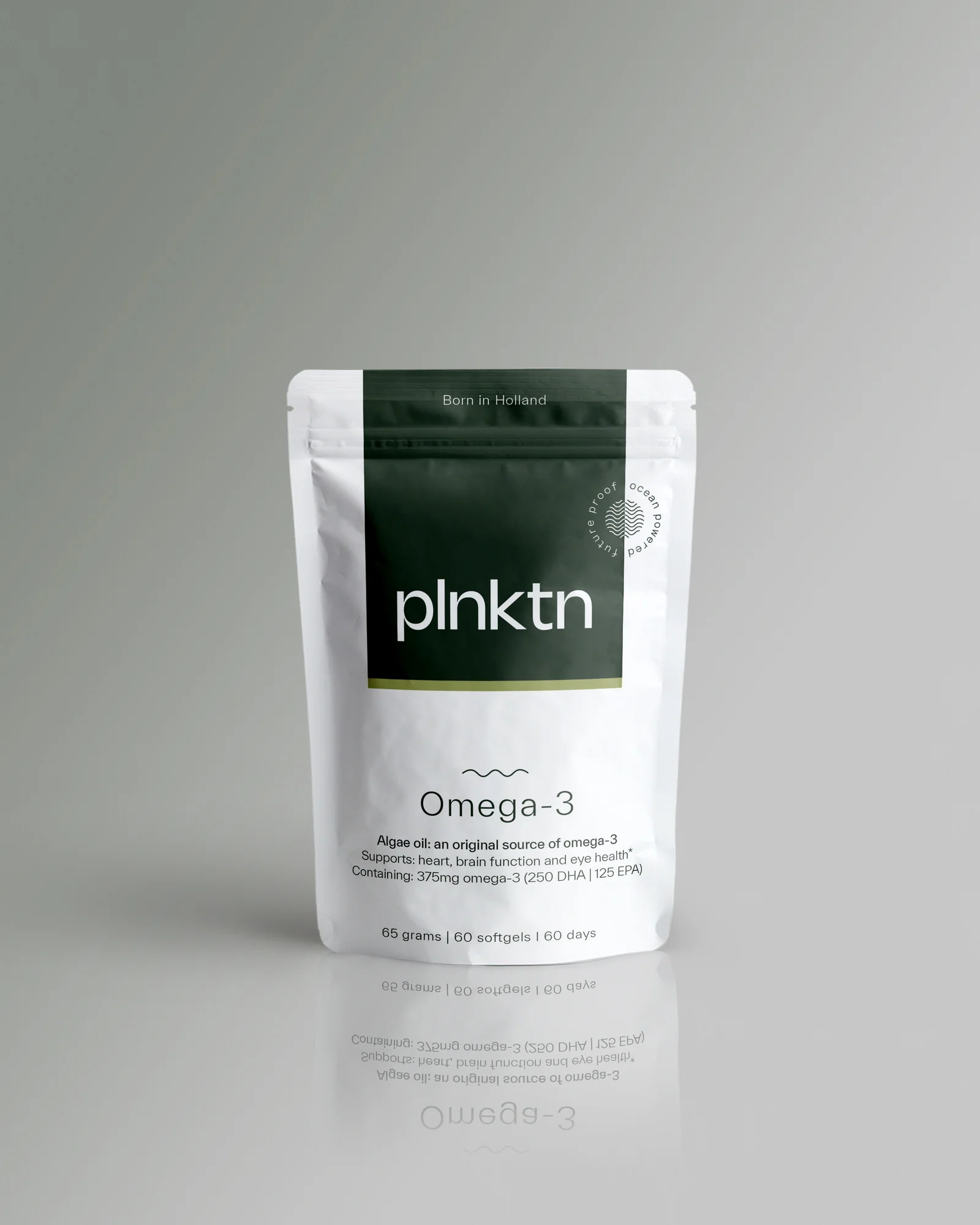

Omega-3 (algenolie)
Daily omega-3 from the original source: algae. With essential EPA and DHA for heart, brain and eyes.
- • 250 mg DHA and 125 mg EPA per capsule
- • 100% fish-free, plant-based algenolie
- • No fishy aftertaste, clean and controlled source
Disclosure: We may earn a commission if you purchase via these links.
Adaptogenic Herbs
Ashwagandha (Withania somnifera), particularly the standardised KSM-66 extract, has demonstrated anxiolytic effects in multiple RCTs. A 2021 meta-analysis found significant reductions in both anxiety and stress scores compared to placebo. The primary mechanism involves modulation of the HPA axis and cortisol regulation — complementing the gut-focused approach of psychobiotics.
Nootropic Mushrooms
Lion's mane (Hericium erinaceus) stimulates the production of nerve growth factor (NGF) and BDNF, supporting neuroplasticity through a mechanism distinct from probiotic-mediated BDNF enhancement. A 2020 RCT found that lion's mane supplementation significantly reduced depression and anxiety scores in overweight individuals after eight weeks.
Exercise
Physical activity is one of the most effective non-pharmacological interventions for depression, with effect sizes comparable to antidepressant medication in some meta-analyses. Exercise also independently reshapes the gut microbiome, increasing the abundance of SCFA-producing bacteria. The combination of regular exercise and psychobiotic supplementation could theoretically produce additive benefits through overlapping mechanisms.
Sleep Hygiene
Poor sleep is both a symptom and a cause of depression, and sleep disruption profoundly affects the gut microbiome. Addressing sleep quality through consistent sleep schedules, limiting blue light exposure, and managing caffeine intake supports both mental health and microbial health simultaneously.
The Mediterranean Diet Connection
The relationship between diet quality, the gut microbiome, and mental health has been cemented by the SMILES trial (Supporting the Modification of Lifestyle in Lowered Emotional States), published in BMC Medicine in 2017. This landmark RCT randomised people with moderate-to-severe depression to either dietary counselling (encouraging a modified Mediterranean diet) or social support. After 12 weeks, the dietary intervention group showed significantly greater improvement in depression scores, with 32% achieving remission compared to 8% in the control group.
The Mediterranean diet — rich in vegetables, fruits, legumes, whole grains, nuts, olive oil, and fish — is associated with greater gut microbial diversity, higher abundance of SCFA-producing bacteria, and lower levels of inflammatory markers. It provides the prebiotic substrate that beneficial gut bacteria need to thrive, making it a natural complement to probiotic supplementation.
A practical way to think about it: psychobiotics introduce beneficial strains, but those strains need the right nutritional environment to colonise and function. A diet low in fibre and high in ultra-processed foods creates a hostile environment for psychobiotic bacteria, potentially undermining the benefits of supplementation.
Key dietary principles for gut-brain health:
- Diversity of plant fibres: Aim for 30 different plant foods per week to support microbial diversity
- Fermented foods: Yoghurt, kefir, sauerkraut, kimchi, and kombucha provide live bacteria and postbiotic compounds
- Polyphenol-rich foods: Berries, green tea, dark chocolate, and extra virgin olive oil feed beneficial bacteria and have independent anti-inflammatory effects
- Limit ultra-processed foods: High-sugar, high-emulsifier foods can damage the gut barrier and promote dysbiosis
- Adequate protein: Ensures sufficient tryptophan availability for serotonin synthesis
Cellular Health and the Gut-Brain Connection
Emerging research highlights the role of autophagy — the cellular "housekeeping" process that clears damaged proteins and organelles — in both gut barrier integrity and neuronal health. Impaired autophagy has been linked to increased intestinal permeability and neurodegenerative changes that may contribute to mood disorders.
Spermidine, a naturally occurring polyamine found in foods such as wheat germ, aged cheese, and mushrooms, is a potent inducer of autophagy. Preclinical research suggests that spermidine supplementation supports gut epithelial renewal and may protect against age-related neuronal decline. While the direct evidence linking spermidine to mood improvement is still emerging, its role in maintaining the cellular infrastructure that underpins gut-brain communication makes it a compound of interest in this space.
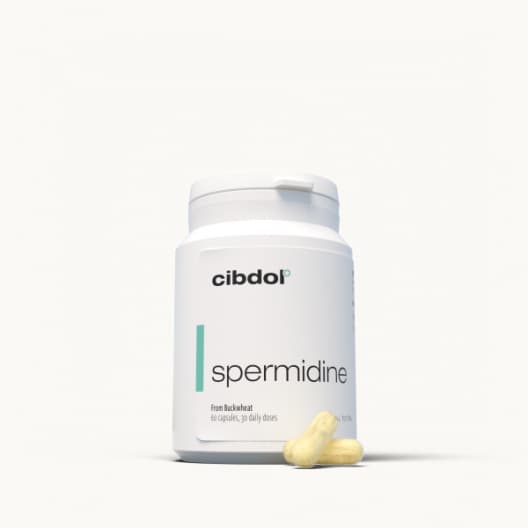
Spermidine
Spermidine supplement to support autophagy, cellular renewal, and healthy aging.
- • Promotes autophagy
- • Supports cellular renewal
- • Wheat germ extract source
Disclosure: We may earn a commission if you purchase via these links.
Important Caveats and Red Flags
Mental health is serious. While we believe the psychobiotic field holds genuine promise, responsible reporting demands that we highlight several important caveats.
Probiotics Are Not a Replacement for Professional Care
If you are experiencing symptoms of depression or anxiety that interfere with your daily functioning, relationships, or work, please seek professional help. This means speaking to your GP, a psychiatrist, or a psychologist. Evidence-based treatments for depression and anxiety — including cognitive-behavioural therapy (CBT), selective serotonin reuptake inhibitors (SSRIs), and other established interventions — have far stronger evidence than any probiotic.
Psychobiotics are best positioned as a complementary approach — one layer of a comprehensive mental health strategy that includes professional support, lifestyle modifications, and social connection.
When to Seek Help Immediately
If you or someone you know is experiencing suicidal thoughts, please contact emergency services or a crisis helpline immediately. In the UK, you can call the Samaritans on 116 123 (free, 24/7). In the Netherlands, call 113 Zelfmoordpreventie (0900-0113). In other EU countries, contact your local emergency services or the EU-wide emergency number 112.
Drug Interactions
While probiotics are generally considered safe, there are specific situations requiring caution:
- Immunosuppressive medication: People with compromised immune systems (e.g., transplant recipients, those undergoing chemotherapy) should consult their doctor before taking live probiotics
- Monoamine oxidase inhibitors (MAOIs): Certain fermented probiotic products contain tyramine, which can interact with MAOIs. This is primarily a concern with fermented foods rather than encapsulated probiotics, but it is worth mentioning
- Antibiotic use: Taking probiotics concurrently with antibiotics may reduce probiotic efficacy. It is generally recommended to space them 2-3 hours apart
Quality Concerns
The probiotic supplement market is poorly regulated compared to pharmaceuticals. Independent testing has found that many products contain fewer viable organisms than claimed on the label, or contain strains that differ from those listed. Look for products that:
- Specify the exact strain designation (e.g., L. helveticus R0052, not just "Lactobacillus helveticus")
- Guarantee CFU count at the time of expiration, not just at the time of manufacture
- Have been tested by an independent laboratory
- Come from reputable manufacturers with published clinical research
Building a Gut-Brain Mood Protocol
If you are interested in exploring psychobiotics as part of a broader mental health strategy, here is a phased, conservative approach. This is not medical advice — it is a framework for informed self-experimentation, ideally undertaken in consultation with a healthcare professional.
Phase 1: Foundation (Weeks 1-4)
- Diet: Shift towards a Mediterranean-style pattern. Increase vegetable and fibre intake gradually (rapid increases can cause bloating). Include fermented foods daily.
- Exercise: Establish a consistent routine of moderate-intensity exercise, 150 minutes per week minimum.
- Sleep: Prioritise 7-9 hours of sleep with a consistent sleep-wake schedule.
- Stress management: Introduce a daily stress-reduction practice (e.g., breathwork, meditation, nature exposure).
Phase 2: Targeted Supplementation (Weeks 5-12)
- Psychobiotic: Choose a clinically studied strain or combination. Based on current evidence, L. helveticus R0052 + B. longum R0175 has the most robust human data for mood outcomes.
- Omega-3: Add an EPA-predominant omega-3 supplement (aim for ≥1 g EPA/day).
- Track your response: Use a validated mood tracking tool (e.g., the PHQ-9 for depression, the GAD-7 for anxiety) to monitor changes over time. Expect at least 4-8 weeks before evaluating efficacy.
Phase 3: Optimise (Weeks 12+)
- Evaluate: Review your tracking data. If you have noticed meaningful improvement, continue. If not, consider switching to a different strain or adjusting your protocol.
- Add complementary supplements: Consider ashwagandha KSM-66 for stress/cortisol management, lion's mane for cognitive support and BDNF enhancement.
- Review with a professional: Share your tracking data with your GP or mental health professional to inform ongoing care decisions.
Frequently Asked Questions
Can probiotics cure depression?
No. There is no evidence that probiotics can cure depression, and framing them as a cure would be irresponsible. Depression is a complex, multifactorial condition that typically requires professional treatment. Specific probiotic strains have shown modest benefits as an adjunct to standard care, but they should not be used as a replacement for evidence-based treatments such as therapy and medication.
How long do psychobiotics take to work?
Most clinical trials showing positive results have used supplementation periods of 4-12 weeks. Some studies report initial changes in stress biomarkers (such as cortisol) within 2-3 weeks, but subjective improvements in mood typically require longer. If you have not noticed any benefit after 8-12 weeks, the strain you are taking may not be effective for you.
Which probiotic strain is best for anxiety?
The combination of Lactobacillus helveticus R0052 and Bifidobacterium longum R0175 (marketed as Cerebiome) has the most human clinical evidence for anxiety and mood outcomes. Bifidobacterium longum 1714 has also shown promise for stress resilience specifically. However, individual responses vary, and the "best" strain depends on your specific situation.
Are there side effects of psychobiotics?
Probiotics are generally well-tolerated. The most common side effects are mild and transient gastrointestinal symptoms — bloating, gas, or mild changes in bowel habits — typically resolving within the first 1-2 weeks. Serious adverse effects are rare but can occur in severely immunocompromised individuals. If you experience persistent or severe symptoms, discontinue use and consult a healthcare professional.
Can I take probiotics with antidepressant medication?
In general, probiotics are considered safe to take alongside antidepressant medications, and several clinical trials have specifically tested this combination. However, you should always inform your prescribing doctor before adding any supplement to your regimen. This is particularly important if you are taking MAOIs, as some fermented probiotic products (though not typically encapsulated supplements) may contain tyramine.
Do I need to take probiotics forever for them to work?
Current evidence suggests that the effects of psychobiotics may not persist indefinitely after discontinuation. Most probiotic strains do not permanently colonise the gut — they exert their effects while present and are gradually cleared after supplementation stops. Some researchers recommend continuous supplementation for sustained benefits, though this has not been rigorously studied for mental health outcomes. Focusing on long-term dietary and lifestyle changes that support your endogenous microbiome may provide more durable effects.
Disclaimer
This article is for informational and educational purposes only. It is not intended as medical advice, diagnosis, or treatment. The information presented here should not be used as a substitute for professional medical guidance. If you are experiencing symptoms of depression, anxiety, or any other mental health condition, please consult a qualified healthcare professional.
Mental health conditions can be serious and, in some cases, life-threatening. Never discontinue prescribed medication or delay seeking professional help based on information in this or any other article. Supplements, including probiotics, are not regulated to the same standard as pharmaceutical medications and should be discussed with your doctor before use — particularly if you are pregnant, breastfeeding, taking medication, or have a pre-existing health condition.
Smart Supplements is a participant in affiliate programmes and may earn commissions from qualifying purchases. This does not influence our editorial content or recommendations. We do not accept payment from supplement manufacturers in exchange for favourable reviews.
Related Articles
- The Gut-Brain Axis: How Your Gut Microbiome Influences Mental Health
- Probiotics, Prebiotics & Postbiotics: A Complete Guide to Gut Health
- Best Probiotics for IBS: Strains, Dosages & What Actually Works
- Postbiotics vs Probiotics: Which Is Better for Your Gut?
This article is for informational purposes only and is not intended as medical advice. Always consult a healthcare professional before starting any new supplement, especially if you take prescription medication.
Related topics
Related articles
The Gut-Brain Axis: How Your Microbiome Controls Your Mood, Memory & More
Your gut produces over 90% of your body's serotonin and communicates directly with your brain via the vagus nerve. Discover how psychobiotics, omega-3s, an
Gut Health 101: Probiotics, Prebiotics, and Postbiotics Explained
Your gut contains 100 trillion microorganisms that influence everything from digestion to mood. Here's what probiotics, prebiotics and postbiotics actually
Gut Health for Kids: Safe Probiotics & Building a Healthy Microbiome Early
Your child's microbiome is largely established by age three — and what happens in those first 1,000 days shapes lifelong health. Here is everything parents