
Kratom vs CBD: Which Is Better for Relaxation?
Written by Smart Supplements Editorial Team
Key takeaways
- Kratom activates opioid receptors; CBD modulates the endocannabinoid system — zero pharmacological overlap
- Red vein kratom produces strong sedation at high doses but carries real dependency risk
- CBD has stronger clinical evidence for anxiety and is safe for daily long-term use
- CBD co-administration increases kratom alkaloid exposure by 2.8x — use caution if combining
- CBD is broadly legal across the EU; kratom is legal in the Netherlands but banned in the UK, Sweden, and Denmark
- For beginners, always start with CBD — the safety profile is significantly better
Table of contents
Kratom and CBD are both used for relaxation, anxiety, and sleep — but they are not remotely similar plants, and the choice between them is not a toss-up. One works gently on your endocannabinoid system with a clean safety profile; the other hits opioid receptors hard, with effects that change dramatically depending on how much you take. Knowing the difference could save you a lot of confusion — and some real risk.
Two Very Different Plants
Kratom (Mitragyna speciosa) is a tropical tree native to Southeast Asia, from the same botanical family as coffee. Its leaves contain active alkaloids — primarily mitragynine and 7-hydroxymitragynine — that bind directly to opioid receptors in the brain. That pharmacological mechanism is what makes kratom potent, and it is also what gives it a real risk profile.
CBD (cannabidiol) is one of over 100 cannabinoids found in the Cannabis sativa plant. Unlike THC, it produces no intoxication. It works by interacting with your endocannabinoid system (ECS) — a regulatory network that modulates pain, mood, sleep, and inflammation — alongside serotonin receptors, GABA signalling, and a range of other molecular targets.
Zero pharmacological overlap. These are completely different plants, acting through completely different systems. Any comparison has to start from that baseline.
How Kratom Promotes Relaxation
Kratom's effects are heavily dose-dependent, which makes it unusual among supplements.
Low Doses (1–5g)
At lower doses, kratom functions more like a stimulant. Users report increased energy, alertness, reduced fatigue, and greater sociability — similar in character to a strong coffee. Relaxation is not the primary effect at this level.
Higher Doses (5–15g)
At higher doses, kratom's opioid receptor activity dominates. The alkaloid 7-hydroxymitragynine produces sedation, pain relief, and a heavy sense of physical calm. Red vein strains are most associated with this effect profile — red Bali, red Borneo, and red Maeng Da are the most commonly recommended for relaxation.
Onset is typically 15–30 minutes, with effects lasting 4–6 hours.
The relaxation kratom produces is real and fast. But it comes with important caveats: tolerance builds quickly with regular use, and physical dependence can develop with opioid-like withdrawal symptoms when stopping. A 2019 analysis in Psychopharmacology (Veltri & Grundmann) documented withdrawal symptoms including muscle aches, insomnia, irritability, and anxiety in regular kratom users (Veltri & Grundmann, 2019, Psychopharmacology).
For a full breakdown of strain types, see Kratom Strains Explained: Red, Green, and White Vein Differences.

Kratom Powder
Raw kratom leaf powder in multiple strains: Green Malay, Red Bali, White Borneo and more.
- • Multiple strain selection
- • Flexible dosing
- • Freshly sourced
Disclosure: We may earn a commission if you purchase via these links.
How CBD Promotes Relaxation
CBD's relaxation mechanism is subtler — and considerably more consistent.
CBD is thought to interact with 5-HT1A serotonin receptors (the same receptor target as the anti-anxiety medication buspirone), modulate GABA signalling to reduce nervous system excitability, and indirectly increase endocannabinoid tone by inhibiting FAAH, the enzyme that breaks down anandamide — sometimes called the "bliss molecule."
The result is a gentle, non-sedating calm. Most users describe it as taking the edge off without impairing focus or daily function. No intoxication, no high, no next-day grogginess.
Research supports these effects. A 2015 review published in Neurotherapeutics (Blessing et al.) concluded that CBD demonstrates anxiolytic properties across multiple anxiety subtypes, with a favourable side-effect profile compared to existing pharmacological treatments (Blessing et al., 2015, Neurotherapeutics).
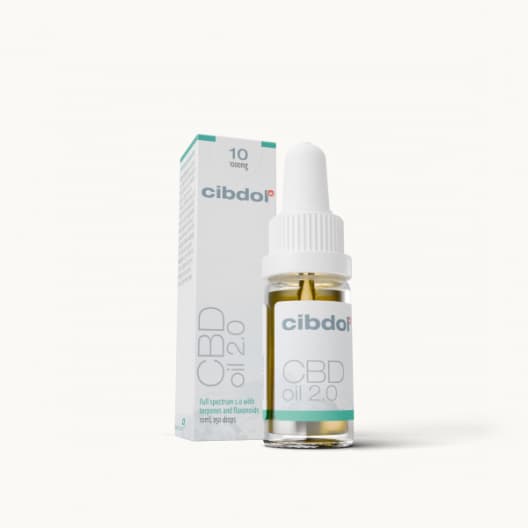

CBD Oil 2.0 10% (1000mg)
The most popular strength — 1000mg full-spectrum CBD oil for balanced, noticeable daily support without going too strong too fast.
- • 1000mg CBD per 10ml bottle
- • Full-spectrum entourage formula
- • Hemp seed oil base
Disclosure: We may earn a commission if you purchase via these links.
Head-to-Head Comparison
| Kratom (Red Vein, high dose) | CBD | |
|---|---|---|
| Mechanism | Opioid receptor agonist | ECS modulator, 5-HT1A, GABA |
| Onset | 15–30 minutes | 15–45 minutes (sublingual) |
| Duration | 4–6 hours | 4–6 hours |
| Relaxation intensity | High (dose-dependent) | Moderate, consistent |
| Anxiety relief | Moderate | Strong |
| Sleep support | Yes — direct sedation | Yes — anxiety-mediated |
| Pain relief | Strong | Mild to moderate |
| Intoxication risk | Possible at high doses | None |
| Dependency risk | High with regular use | Very low |
| Drug interactions | Significant (opioid + CYP450) | Moderate (CYP450) |
| Legal in Netherlands | ✅ Yes | ✅ Yes |
| Legal across EU | ⚠️ Varies by country | ✅ Broadly yes |
Which Is Better for Anxiety?
CBD is the stronger choice for anxiety — by a clear margin.
There is substantially more clinical evidence for CBD's anxiolytic effects. A 2019 clinical study published in The Permanente Journal (Shannon et al.) found that CBD reduced anxiety scores in 79% of patients within the first month of use, with a sustained effect maintained over three months (Shannon et al., 2019, The Permanente Journal).
Kratom can reduce social anxiety at low doses due to its stimulant and mood-lifting properties — for a dedicated overview of this use case, see Kratom for Anxiety. But the mechanism — opioid receptor activation — is not appropriate for long-term anxiety management. Tolerance develops relatively quickly, meaning the dose required to achieve the same effect rises over time. This escalation pattern carries obvious risks.
For ongoing anxiety management, CBD is both more evidence-based and significantly safer. For a full overview of how CBD works: What Is CBD? The Complete Beginner's Guide.
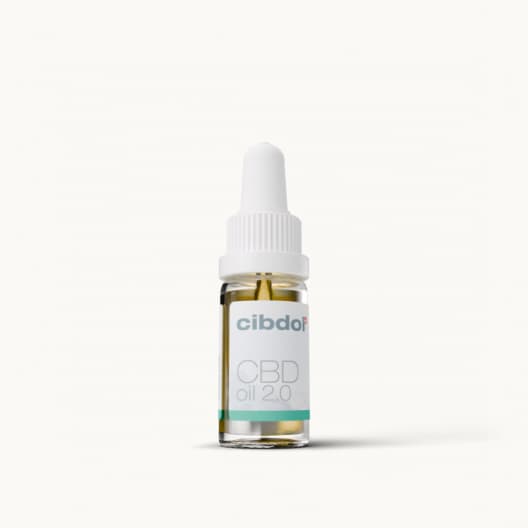
CBD oils
Premium Swiss CBD oils from Cibdol — available in multiple concentrations with full certificates of analysis.
Disclosure: We may earn a commission if you purchase via these links.
Which Is Better for Sleep?
Both can help with sleep — but the mechanisms and long-term risk profiles differ substantially.
Red vein kratom produces direct sedation at higher doses and is frequently used as a sleep aid. The effect is strong and fast. However, regular nightly use is where problems emerge: tolerance, dependence, and rebound insomnia when stopping are well-documented. Users who attempt to quit after regular kratom use often find that insomnia is among the most persistent withdrawal symptoms — the exact problem they were trying to solve.
CBD addresses sleep more indirectly, primarily by reducing the anxiety and racing thoughts that prevent sleep onset. It does not induce sedation directly. The same 2019 Shannon et al. study found that 66% of patients reported improved sleep in the first month, though this was somewhat less consistent than anxiety improvements.
CBD's practical advantage for sleep: no dependence, no hangover effect, and no rebound insomnia if you stop. For a detailed evidence review: CBD for Sleep: How It Works and What to Expect.
| Red Kratom for Sleep | CBD for Sleep | |
|---|---|---|
| Speed of onset | Fast (15–30 min) | Moderate (30–90 min) |
| How it works | Direct sedation | Anxiety and stress reduction |
| Dependency risk | High with regular use | Very low |
| Rebound insomnia | Yes (with regular use) | No |
| Long-term suitability | Poor | Good |
Which Is Better for Pain?
Kratom has a significantly stronger immediate analgesic effect.
The alkaloid 7-hydroxymitragynine binds directly to mu-opioid receptors, producing pain relief that some chronic pain patients and opioid tapering programmes have found genuinely useful. Research suggests kratom is used by some people as a self-managed pain alternative to prescription opioids (Grundmann, 2017, Drug and Alcohol Dependence).
CBD's evidence for pain is more modest. It works best for inflammatory and neuropathic pain through anti-inflammatory and ECS mechanisms. A 2020 systematic review in Frontiers in Pharmacology found moderate evidence for CBD in chronic neuropathic pain, with a good safety profile.
If pain management is the primary goal, kratom is more potent — but that potency comes with the full risk profile of an opioid-receptor agonist. CBD is the more sustainable, lower-risk option for mild to moderate ongoing pain. For context on how different supplements interact: Supplement and Drug Interactions.
Kratom Capsules
Pre-dosed kratom capsules for convenient, consistent dosing without measuring powder.
- • Pre-measured doses
- • No taste/mess
- • Multiple strains available
Disclosure: We may earn a commission if you purchase via these links.
Can You Combine CBD and Kratom?
Some users do combine them — and there is now specific research worth understanding before you do.
A 2024 pharmacokinetic study published in Pharmaceutics (Ní Fhearraigh et al.) investigated the interaction when CBD and kratom are co-administered in rats. The finding: CBD increased exposure to mitragynine — kratom's primary alkaloid — by 2.8-fold, with a delayed peak plasma concentration (Ní Fhearraigh et al., 2024, Pharmaceutics). The proposed mechanism is CYP enzyme inhibition by CBD, which slows kratom's metabolism and increases its systemic exposure.
In practical terms: if you take your usual kratom dose alongside CBD, the kratom will likely feel stronger and last longer than you expect. A separate 2024 survey study in Drug and Alcohol Dependence confirmed that cannabinoid use is one of the strongest predictors of kratom use in the US population — many kratom users already combine the two (Garcia-Romeu et al., 2024, Drug and Alcohol Dependence).
If you do combine them: reduce your kratom dose significantly. The interaction is pharmacologically real, not theoretical.
Legal Status in Europe
For many European users, legal status is the practical deciding factor.
CBD across the EU:
- Legal to buy and use as a food supplement in most EU member states
- EU Novel Food status applies — full authorisation still pending as of early 2026
- EFSA proposed a conservative provisional safe daily intake of 2mg/day (September 2025), though higher doses are widely sold and used
Kratom country by country:
| Country | Status |
|---|---|
| Netherlands | ✅ Legal — sold in licensed smartshops |
| Belgium | ✅ Legal |
| France | ✅ Not explicitly banned |
| Spain | ✅ Legal (personal use) |
| Italy | ✅ Legal |
| Germany | ⚠️ Grey area — Novel Food status uncertain |
| UK | ❌ Illegal — Psychoactive Substances Act 2016 |
| Sweden | ❌ Illegal — listed hazardous substance |
| Denmark | ❌ Illegal |
If you are outside the Netherlands, check your country's specific laws before ordering kratom. CBD remains the legally straightforward choice across most of Europe. For the full picture on kratom legality: What Is Kratom? Benefits, Risks, and Everything You Need to Know.
Which Should You Choose?
A practical decision framework:
Choose CBD if you:
- Are new to either substance and want to start safely
- Want daily relaxation or anxiety support without dependency risk
- Are managing anxiety as your primary concern
- Take prescription medications (CBD's interaction profile is better characterised)
- Live outside the Netherlands and kratom's legal status in your country is uncertain
Consider kratom if you:
- Have prior supplement experience and understand opioid-receptor pharmacology
- Need stronger pain relief or direct sedation than CBD provides
- Are in the Netherlands or another country where kratom is clearly legal
- Intend to use it intermittently rather than daily, to limit tolerance and dependency risk
- Understand and accept the risk profile going in
For beginners: always start with CBD. The safety evidence is stronger, the legal status is clearer, and the risk of developing a problem with regular use is substantially lower.
See also: Full-Spectrum vs Broad-Spectrum vs CBD Isolate: What's the Difference? to understand which CBD type fits your goals.
Frequently Asked Questions
Is kratom safer than CBD?
No. CBD has a significantly better safety profile. It is non-addictive, non-intoxicating, and well-tolerated at doses up to 1,500mg per day in clinical studies. Kratom carries real risks of tolerance, physical dependence, and opioid-like withdrawal symptoms with regular use. For most people — particularly beginners — CBD is the safer option by a wide margin.
Can you take kratom and CBD together?
You can, but proceed with caution. A 2024 pharmacokinetic study found that CBD increases exposure to kratom's primary alkaloid (mitragynine) by approximately 2.8-fold, likely by inhibiting the CYP enzymes that metabolise kratom. This means kratom will feel stronger and last longer when taken alongside CBD. If you do combine them, use a significantly reduced kratom dose.
Does kratom work better than CBD for relaxation?
It depends what you mean by relaxation. Red vein kratom produces stronger, faster sedation at higher doses — but this comes with intoxication risk and the potential for dependence with regular use. CBD delivers consistent, gentle relaxation without those downsides. For daily, sustainable relaxation, CBD is the better choice. For occasional heavy-duty sedation, kratom is more potent.
Is kratom legal in the Netherlands?
Yes. Kratom is legal in the Netherlands and sold openly in licensed smartshops. It is one of a handful of European countries where kratom is clearly legal for purchase and personal use. This stands in contrast to the UK, Sweden, and Denmark, where kratom is prohibited.
What is the best CBD product for relaxation?
CBD oil taken sublingually (held under the tongue for 60–90 seconds) is the fastest-acting format, with onset in 15–45 minutes and bioavailability of 12–35%. Softgels and capsules provide a more sustained effect over 6–8 hours and suit a daily routine well. A 10% oil (1000mg per 10ml bottle) is a good starting point — begin with 5–10mg and adjust based on your response.
What is the best kratom strain for relaxation?
Red vein strains are the standard recommendation: Red Bali, Red Borneo, and Red Maeng Da are most used for relaxation and sedation. For someone new to kratom, start with 2–3g and wait a full hour before considering more. Never combine with alcohol, prescription opioids, or benzodiazepines.
Where to Buy
For CBD: Cibdol is our recommended EU-based brand. Their CBD Oil 2.0 range uses CO₂ extraction, is third-party tested, and ships across Europe. The 10% oil is a good starting point for relaxation and anxiety.
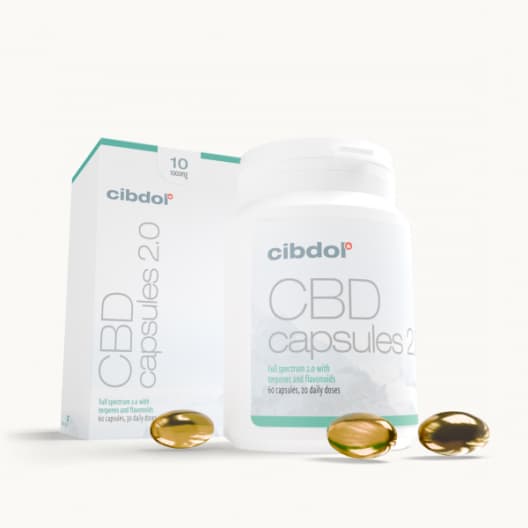
CBD Softgels 10% (1000mg)
The best-selling softgel strength — 1000mg full-spectrum CBD in 60 pre-dosed capsules for convenient daily dosing without any taste or measuring.
- • 1000mg CBD per box (60 caps)
- • Tasteless and odourless
- • Full-spectrum oil formula
Disclosure: We may earn a commission if you purchase via these links.
For kratom (Netherlands and EU countries where it is legal): Azarius is a well-established Amsterdam-based smartshop with transparent sourcing and a consistent product range across red, green, and white vein kratom.
Affiliate disclosure: Smart Supplements earns a commission on purchases made through partner links. This doesn't affect our editorial content or recommendations.
This article is for informational purposes only and is not intended as medical advice. Always consult a healthcare professional before starting any new supplement, especially if you take prescription medication.
Last updated: March 2026 | Written by Smart Supplements Editorial Team
Related topics
Where to buy
Affiliate links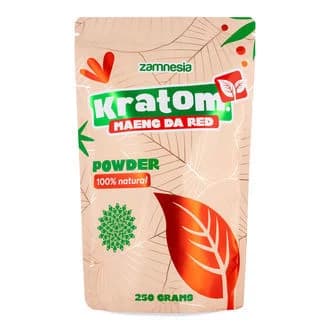
Red Maeng Da Kratom Powder
100% natural Red Maeng Da Kratom Powder from true red-veined Thai kratom leaves. Strong relaxation and sedating profile — one of the most popular red vein strains for evening use and sleep. Available in 25g, 50g, 100g and 250g. 271 reviews, 4.5/5. Zamnesia house brand.
- • Red Maeng Da — premium Thai strain
- • Strong relaxation and sedation
- • 4 sizes from 25g to 250g
Kratom
Kratom powders, capsules, and extracts from established suppliers. Multiple strains for different effects.
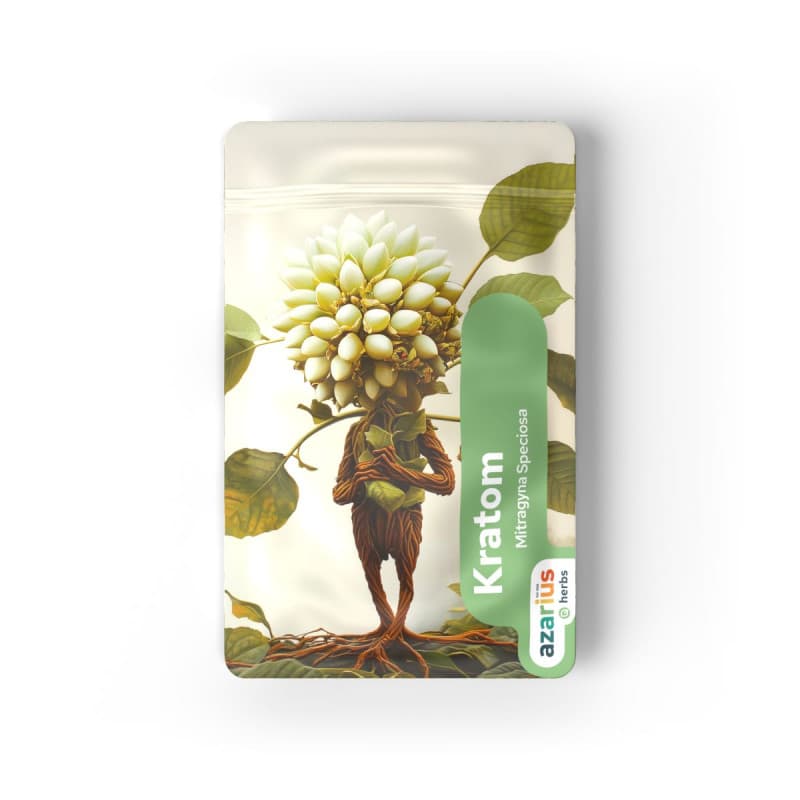
Kratom Extract
A concentrated kratom extract powder that delivers stronger effects in smaller quantities than regular leaf powder. Made from Maeng Da leaves, this extract offers enhanced focus, clean energy, and a sense of well-being — ideal for experienced kratom users looking for a more potent and efficient format.
- • Highly concentrated — stronger effects than standard powder
- • Maeng Da variety — known for focus, energy, and well-being
- • Versatile powder format — mix into tea, smoothie, or capsules
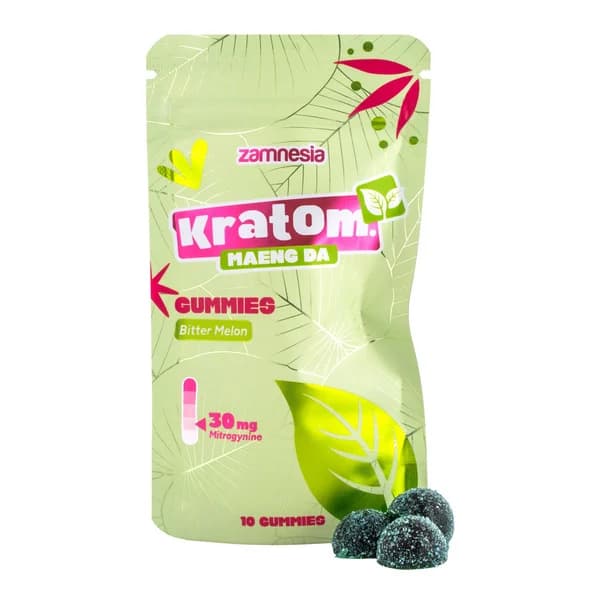
Kratom Gummies
Full-spectrum Maeng Da kratom gummies with 30mg mitragynine each. No powder, no capsules — just bold natural flavour and clean effects.
- • 30mg mitragynine per gummy
- • Full-spectrum kratom extract
- • 4 fruit flavours with 33%+ real fruit content
Disclosure: We may earn a commission if you purchase via these links.
Related articles
Kratom vs Kava: Two Paths to Natural Relaxation
Kratom and kava both promise relaxation, but they work through completely different mechanisms. We compare effects, safety, legal status in Europe, and who should choose which.
Red Vein Kratom for Sleep and Relaxation: A Deep Dive
Red vein kratom for sleep: how the alkaloid profile differs, which strains work best, evening dosage protocol, and the dependency risk.
Kratom Alternatives in Europe: Legal Options That Work Similarly
Kratom is banned or restricted in several European countries, but legal alternatives exist. We honestly compare kanna, Mitragyna hirsuta, blue lotus, akuam