
Full-Spectrum vs Broad-Spectrum vs CBD Isolate: What's the Difference?
Written by Smart Supplements Editorial Team
Key takeaways
- Full-spectrum CBD contains all cannabinoids, terpenes, and flavonoids including trace THC (below 0.2% in the EU)
- Broad-spectrum removes THC while keeping other compounds — a middle ground for those concerned about drug tests
- CBD isolate is 99%+ pure CBD with no other plant compounds — predictable but may miss the entourage effect
- Research suggests full-spectrum products may be more effective at lower doses due to compound synergy
- Choose full-spectrum for maximum effect, broad-spectrum to avoid THC, or isolate for precise CBD-only dosing
Table of contents
- The Three Types of CBD Extract
- Full-Spectrum CBD
- Broad-Spectrum CBD
- CBD Isolate
- The Entourage Effect Explained
- Full-Spectrum vs Broad-Spectrum vs Isolate: Comparison Table
- Does THC at 0.2% Show Up on Drug Tests?
- Which CBD Extract Should You Choose?
- How to Read a CBD Certificate of Analysis (COA)
- Cibdol CBD Oil 2.0: Full-Spectrum Done Right
- Frequently Asked Questions
- The Bottom Line
- Keep Reading
Walk into any health shop or scroll through any CBD brand's website and you'll hit the same wall: full-spectrum, broad-spectrum, isolate. Three different products, all called "CBD oil." Which one are you actually supposed to buy?
It's not just marketing fluff. The type of CBD extract you choose changes what compounds you're getting, how they interact with your body, and whether you'll pass a drug test. Understanding the difference takes about five minutes — and it'll save you from buying the wrong thing.
Here's the clear breakdown.
The Three Types of CBD Extract
Every CBD product starts from the same place: hemp plant material goes through an extraction process — usually CO2 or ethanol — to pull out the valuable compounds. What happens after that extraction determines whether you end up with full-spectrum, broad-spectrum, or isolate.
Think of it like squeezing an orange. Full-spectrum is the whole juice — pulp, enzymes, vitamin C, everything. Broad-spectrum is juice with the seeds removed. Isolate is pure vitamin C powder: precise, concentrated, but missing everything else the fruit had to offer.
Let's look at each one in detail.
Full-Spectrum CBD
Full-spectrum extract keeps everything the hemp plant naturally produces: CBD, minor cannabinoids (CBG, CBN, CBC, CBDV), terpenes, flavonoids, essential oils, and trace amounts of THC.
In Europe, hemp-derived full-spectrum CBD products must contain below 0.2% THC (some countries apply stricter thresholds). This amount is not enough to produce any psychoactive effect — you can't get high from it — but it is enough to contribute to what researchers call the entourage effect.
What's actually in full-spectrum CBD?
- CBD — the primary cannabinoid, non-psychoactive, most researched
- CBG (cannabigerol) — sometimes called the "mother cannabinoid"; early research suggests anti-inflammatory and neuroprotective properties
- CBN (cannabinol) — a mildly sedating cannabinoid formed as THC ages; popular in sleep formulations
- CBC (cannabichromene) — studied for mood and inflammation
- Terpenes — aromatic compounds like myrcene, limonene, and linalool that also interact with the endocannabinoid system
- Trace THC — below 0.2%, contributes to entourage effect
Who it's best for
Full-spectrum is the most popular choice for everyday CBD users seeking general wellness support. It gives you the most complete extract from the plant, and the research that does exist tends to favour whole-plant extracts over isolated compounds.
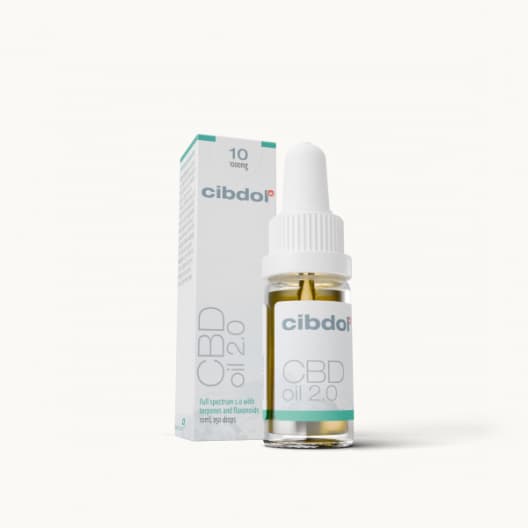

CBD Oil 2.0 10% (1000mg)
The most popular strength — 1000mg full-spectrum CBD oil for balanced, noticeable daily support without going too strong too fast.
- • 1000mg CBD per 10ml bottle
- • Full-spectrum entourage formula
- • Hemp seed oil base
Disclosure: We may earn a commission if you purchase via these links.
Broad-Spectrum CBD
Broad-spectrum is full-spectrum with the THC removed. After the initial extraction, manufacturers run an additional processing step — typically chromatography or selective distillation — to strip out THC while keeping the other cannabinoids and terpenes as intact as possible.
The result: a product that still contains CBG, CBN, CBC, terpenes, and flavonoids, but registers as undetectable for THC on lab testing.
The trade-off
The extra processing required to remove THC does introduce some variability. Minor cannabinoids and terpenes can be partially lost or altered during the THC-removal step, depending on the method used. A high-quality broad-spectrum product from a transparent brand with a certificate of analysis (COA) should still retain a meaningful cannabinoid profile — but it's worth checking.
Who it's best for
- People subject to drug testing at work (athletes, drivers, certain professions)
- Those who are THC-sensitive or live in regions with stricter THC regulations
- Anyone who wants entourage effect benefits without any THC whatsoever
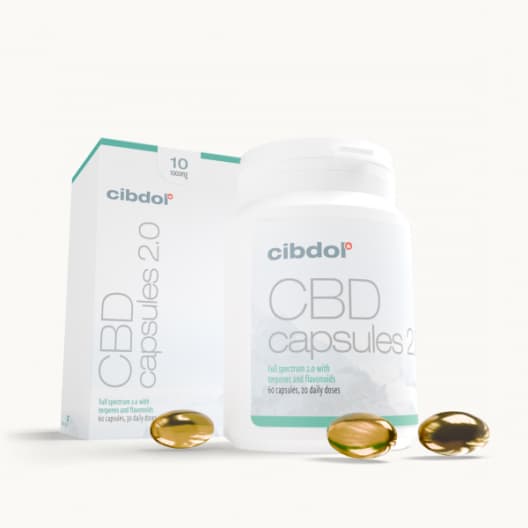
CBD Softgels 10% (1000mg)
The best-selling softgel strength — 1000mg full-spectrum CBD in 60 pre-dosed capsules for convenient daily dosing without any taste or measuring.
- • 1000mg CBD per box (60 caps)
- • Tasteless and odourless
- • Full-spectrum oil formula
Disclosure: We may earn a commission if you purchase via these links.
CBD Isolate
CBD isolate is the purest form of cannabidiol available. After extraction, the CBD is separated from everything else — all other cannabinoids, terpenes, waxes, chlorophyll — through a crystallisation process. The end result is a white crystalline powder that is typically 99%+ pure CBD.
Isolate has no smell, no taste, and no other active compounds. One gram of high-quality isolate contains roughly 990mg of CBD.
What CBD isolate lacks
Without the supporting cast of minor cannabinoids and terpenes, isolate cannot produce an entourage effect. Research from the Lautenberg Center (2015) found that test subjects reported better outcomes with full-spectrum extracts than with isolated CBD — particularly at higher doses, where isolate showed a plateau effect (the "biphasic response").
That said, CBD isolate isn't without value:
- Precise dosing — you know exactly how much CBD you're getting
- Zero THC — suitable for people with THC sensitivity or zero-tolerance drug testing
- Flavour-neutral — easy to add to food, drinks, or cosmetics without affecting taste
- Lower cost — typically cheaper per milligram than full or broad-spectrum products
Who it's best for
CBD isolate suits people who need to control their dosage precisely, have sensitivities to other plant compounds, or work in environments with zero-THC drug testing policies.
The Entourage Effect Explained
The entourage effect is the central reason why full-spectrum tends to outperform isolate in most research and user reports. The term was coined by Israeli researcher Raphael Mechoulam — widely considered the father of cannabinoid science — and developed through work by Dr. Ethan Russo.
The theory: cannabinoids, terpenes, and flavonoids don't just act independently. They modulate each other's effects through shared receptor pathways, creating a combined response that's greater than any single compound alone.
A 2019 review by Russo published in Cannabis and Cannabinoid Research presented evidence that terpenes like myrcene, linalool, and pinene can enhance CBD's effects on anxiety, inflammation, and pain — and that CBN contributes meaningfully to sedation in sleep formulations. A 2015 study from Gallily et al. showed that full-spectrum extracts produced dose-dependent anti-inflammatory effects, while isolated CBD showed a plateau, suggesting the minor cannabinoids amplify CBD's efficacy at higher doses.
It's important to note: the entourage effect is still an active area of research. The evidence is promising but not yet conclusive in large-scale human trials. What we have is a mechanistic theory supported by animal studies, smaller human trials, and substantial anecdotal evidence.
Full-Spectrum vs Broad-Spectrum vs Isolate: Comparison Table
| Feature | Full-Spectrum | Broad-Spectrum | Isolate |
|---|---|---|---|
| CBD content | Moderate–high | Moderate–high | Very high (99%+) |
| THC content | Trace (<0.2% EU) | None (undetectable) | None |
| Minor cannabinoids | Yes (CBG, CBN, CBC) | Yes (most retained) | No |
| Terpenes | Yes | Yes (most retained) | No |
| Entourage effect | Full | Partial | No |
| Drug test risk | Low but possible | Very low | None |
| Taste/smell | Earthy/herbal | Mild earthy | Odourless/tasteless |
| Typical price | Higher | Mid | Lower |
| Best for | General wellness, maximum benefit | THC-sensitive users, athletes | Precise dosing, zero-THC needs |
Does THC at 0.2% Show Up on Drug Tests?
This is one of the most common concerns — and the honest answer is: possibly, but it's unlikely with normal doses.
Standard drug tests screen for THC-COOH, a metabolite produced when your body processes THC. At 0.2% THC, even a 10ml bottle of full-spectrum CBD oil contains only about 20mg of THC total. Regular use at moderate doses is unlikely to trigger a positive. However, heavy use, individual metabolism, and test sensitivity all introduce variables.
If you're subject to workplace drug testing and a positive result would have serious consequences, broad-spectrum or isolate is the safer choice. The marginal benefit of trace THC is not worth the professional risk in that situation.
Which CBD Extract Should You Choose?
Here's a simple decision framework:
Choose full-spectrum if:
- You want the most complete CBD experience
- Drug testing isn't a concern
- You prefer whole-plant extracts
- You're using CBD for general wellness, sleep support, or stress
Choose broad-spectrum if:
- You're subject to workplace drug testing
- You live in a region with stricter THC regulations
- You're THC-sensitive but still want some entourage effect
- You want a THC-free option without sacrificing all plant compounds
Choose isolate if:
- You need absolute zero THC
- You want to add CBD to food or drinks without affecting flavour
- Precise, consistent dosing matters most
- You're on a budget or need high-concentration CBD
How to Read a CBD Certificate of Analysis (COA)
Regardless of which type you choose, a certificate of analysis (COA) from a third-party lab is your most important quality signal. Here's what to look for:
On the cannabinoid panel: You should see CBD listed as the dominant compound. Full-spectrum products should show detectable CBG, CBN, and THC (below 0.2%). Broad-spectrum should show CBG and CBN but report THC as "ND" (not detected). Isolate should show CBD at 99%+ with everything else ND.
On the contaminant panel: Check for heavy metals, pesticides, residual solvents, and microbials. All should come back clean or below safe thresholds.
Batch matching: The COA should correspond to the batch number on your product. Brands that post a single COA for all products are not being transparent — each production run can vary.
Cibdol publishes individual batch COAs for all their products, which is exactly the kind of transparency to look for when choosing a CBD brand.
CBD oils
Premium Swiss CBD oils from Cibdol — available in multiple concentrations with full certificates of analysis.
Disclosure: We may earn a commission if you purchase via these links.
Cibdol CBD Oil 2.0: Full-Spectrum Done Right
For readers based in the Netherlands and wider Europe, Cibdol's CBD Oil 2.0 range is a reliable full-spectrum option. It uses Swiss-grown hemp, CO2 extraction, and publishes third-party lab results for each batch. The oil is available in strengths from 5% (500mg) to 40% (4000mg), making it suitable whether you're starting out or working with a higher therapeutic dose.
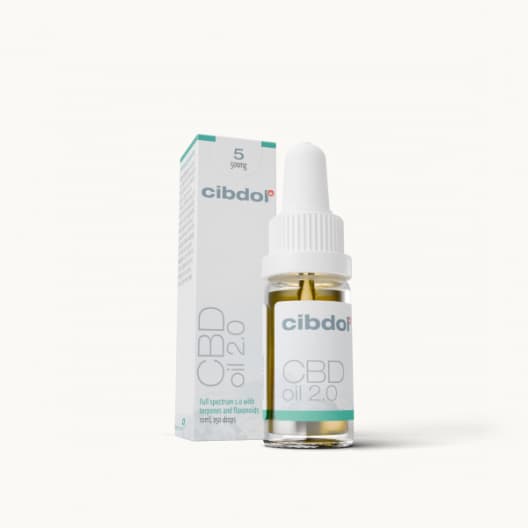
CBD Oil 2.0 5% (500mg)
The ideal starting point for CBD beginners. 500mg full-spectrum CBD oil with enhanced cannabinoid ratio for gentle, daily wellness support.
- • 500mg CBD per 10ml bottle
- • Full-spectrum entourage formula
- • Hemp seed oil base
Disclosure: We may earn a commission if you purchase via these links.
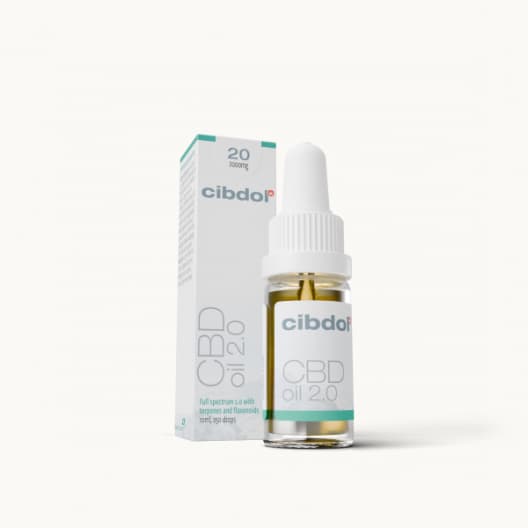
CBD Oil 2.0 20% (2000mg)
Mid-to-high strength full-spectrum CBD oil. 2000mg CBD per 10ml bottle with enhanced cannabinoid ratio for a stronger entourage effect.
- • 2000mg CBD per bottle
- • Full-spectrum entourage formula
- • Hemp seed oil base
Disclosure: We may earn a commission if you purchase via these links.
Affiliate disclosure: Smart Supplements may earn a commission on purchases made through partner links. This does not affect our editorial independence.
Frequently Asked Questions
Is full-spectrum CBD legal in the Netherlands?
Yes. Hemp-derived CBD products containing less than 0.2% THC are legal to buy and use in the Netherlands. Full-spectrum CBD oil from reputable European brands complies with these limits. Always check the COA of any product you purchase.
Will full-spectrum CBD get me high?
No. At 0.2% THC or below, there is not enough THC in a standard dose to produce any psychoactive effect. The "high" associated with cannabis requires THC concentrations typically above 5–10%. Full-spectrum CBD oil is non-intoxicating.
Is CBD isolate less effective than full-spectrum?
Research suggests full-spectrum extracts may be more effective for most use cases due to the entourage effect. However, isolate is not ineffective — CBD itself has meaningful pharmacological activity. For people who cannot use any THC, isolate is a reasonable alternative.
Can I mix CBD isolate with a carrier oil to make my own full-spectrum product?
No — adding isolate to a carrier oil creates a CBD oil, but not a full-spectrum one. Full-spectrum properties come from the whole-plant extract containing naturally occurring cannabinoids and terpenes, which can't be replicated by adding isolated CBD to oil.
How do I know if a broad-spectrum product truly contains no THC?
Look for the COA and check that THC appears as "ND" (not detected) rather than a percentage. Be aware that "ND" means below the lab's detection limit — typically 0.01% — not necessarily absolute zero. For most people this distinction doesn't matter, but it's worth knowing.
Which type of CBD is best for sleep?
Full-spectrum products that include CBN are often reported to be most effective for sleep, since CBN has mild sedating properties and the entourage effect may enhance CBD's calming action. Cibdol's sleep-specific products combine CBD with melatonin for added support.
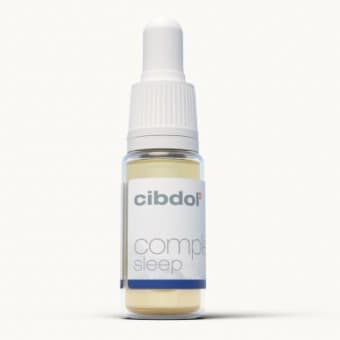
Complete Sleep
CBD, CBN, chamomile, lavender — no melatonin. All-in-one sleep support.
- • CBD + CBN + botanicals
- • No melatonin
- • 10ml or 30ml
Disclosure: We may earn a commission if you purchase via these links.
The Bottom Line
Full-spectrum, broad-spectrum, and isolate aren't just marketing labels — they describe meaningfully different products with different compound profiles and different use cases.
For most people, full-spectrum offers the most complete CBD experience, backed by the best available evidence on the entourage effect. Broad-spectrum is the smart middle ground for anyone with THC concerns. Isolate has its place for precision dosers and those who need absolute certainty on THC content.
Whatever you choose, prioritise transparency: look for brands that publish batch-specific COAs, use CO2 extraction, and clearly state their cannabinoid profile. The label tells you the type — the COA tells you the truth.
This content is for informational purposes only and is not medical advice. Consult a healthcare professional before starting any supplement.
Written by Smart Supplements Editorial Team Last updated: March 2026
Home / Blog / CBD & Cannabinoids
Keep Reading
Related topics
Where to buy
Affiliate linksCBD oils
Premium Swiss CBD oils from Cibdol — available in multiple concentrations with full certificates of analysis.
CBD Gummies (25mg)
CBD Gummies — Chill Berry (25mg × 10)
- • 25mg CBD isolate per gummy — strong, precise dose
- • THC-free — CBD isolate, zero psychoactive compounds
- • Vegan formula — pectin-based, no gelatine
CBD capsules
Pre-measured CBD softgels and tablets for precise daily dosing — no taste, no measuring, just consistent CBD.
Disclosure: We may earn a commission if you purchase via these links.
Related articles
The Entourage Effect Explained: Why Full-Spectrum CBD Works Better
The entourage effect: why full-spectrum CBD may work better than isolate, what the research supports, and how to verify your product.
CBN: The Sleepy Cannabinoid You Haven't Heard Of
CBN is a minor cannabinoid formed as THC ages — and it's gained a reputation as a sleep aid. But does the science support the hype? Here's an honest look.
CBD vs CBN: What's the Difference?
CBD vs CBN: both cannabinoids, both used for sleep — but they work differently. The science, the evidence, and how to choose.