
CBD for Sleep: How It Works and What to Expect
Written by Smart Supplements Editorial Team
Key takeaways
- CBD's primary sleep benefit is indirect — by reducing anxiety and evening cortisol, it removes one of the most common barriers to falling asleep
- A 2023 RCT found low-dose CBD (15mg) as effective as melatonin (5mg) for sleep quality improvement
- Full-spectrum CBD oil taken sublingually 30–60 minutes before bed is the most studied and practical format
- Effects are cumulative: noticeable improvement typically occurs in weeks 2–3, with compounding benefits after month 1
- EFSA's 2025 provisional safe daily intake of 2mg is extremely conservative — most sleep research uses 25–150mg
- CBD should be used with caution alongside blood thinners, SSRIs, and anticonvulsants — always check with a doctor
Table of contents
- Why People Are Turning to CBD for Sleep
- How CBD Affects Sleep: The Mechanisms
- What Does the Research Actually Say?
- CBD vs Other Sleep Supplements
- Best CBD Products for Sleep
- How Much CBD for Sleep? A Dosage Guide
- CBD Sleep Stacking: The Best Combinations
- What to Expect: A Realistic Timeline
- Who Should (and Shouldn't) Use CBD for Sleep
- Frequently Asked Questions
- Where to Buy CBD for Sleep in Europe
CBD won't knock you out like a sleeping pill — but that's actually the point. Rather than sedating you into unconsciousness, CBD may address some of the root causes of poor sleep. Here's what the research shows, what it doesn't, and how to use it properly.
Why People Are Turning to CBD for Sleep
Sleep problems are endemic across Europe. One in three adults in the Netherlands reports regularly sleeping fewer than seven hours; across the EU, prescription sedative use has climbed steadily through the 2020s. Meanwhile, the side effects and dependency risks of pharmaceutical sleep aids — benzodiazepines, Z-drugs — are well-documented enough that many doctors are reluctant to prescribe them long-term.
CBD has arrived into this gap. It's accessible, non-intoxicating, and carries a growing body of evidence, even if that evidence is still maturing. Unlike melatonin, which tells your body it's nighttime, or magnesium, which promotes muscular relaxation, CBD works upstream — on the anxiety, stress, and physical discomfort that keep many people awake in the first place.
It's not a replacement for good sleep hygiene. But for people whose sleep problems have an anxious or stress-driven component, the data is promising enough to take seriously.
New to CBD entirely? Our complete beginner's guide to CBD covers the basics before you get into sleep-specific applications.
How CBD Affects Sleep: The Mechanisms
CBD doesn't have a single sleep mechanism — it acts through several overlapping pathways, which partly explains why the research findings are variable across individuals.
Anxiety Reduction: The Primary Pathway
The most consistent finding in CBD research is its effect on anxiety. CBD interacts with 5-HT1A serotonin receptors, modulating the brain's stress response in a way that's distinct from both benzodiazepines (which act on GABA receptors) and SSRIs (which affect serotonin reuptake). For people whose insomnia is driven by a racing mind, elevated stress hormones, or generalised anxiety, reducing that anxious activation before bed is likely the primary sleep benefit CBD offers.
This isn't a small thing. Anxiety is one of the most prevalent causes of sleep-onset insomnia — lying awake unable to switch off is a textbook anxiety symptom. If CBD genuinely reduces that, the downstream effect on sleep can be significant even if CBD isn't acting on sleep architecture directly.
The Endocannabinoid System and Sleep Regulation
The endocannabinoid system (ECS) plays an active role in regulating sleep-wake cycles. Endocannabinoids like anandamide and 2-AG modulate both REM and non-REM sleep stages. CBD appears to influence this system partly through inhibiting the enzyme FAAH (fatty acid amide hydrolase), which breaks down anandamide — potentially increasing its availability. Kesner & Lovinger's 2020 review in Trends in Neurosciences explored this regulatory role, though translating animal ECS research to human sleep outcomes is complex and researchers emphasise caution in direct extrapolation.
Cortisol, Pain, and Physical Relaxation
Cortisol — the body's primary stress hormone — follows a natural diurnal rhythm, peaking in early morning and bottoming out around midnight. In people experiencing chronic stress, this curve can flatten: evening cortisol remains higher than it should, making it physiologically harder to fall asleep. Some research suggests CBD may help moderate evening cortisol, though this evidence is still preliminary.
CBD also has analgesic and anti-inflammatory properties that are relevant to sleep. Chronic pain is a major driver of sleep disruption. Several studies suggest CBD may reduce pain-related sleep interference — not by sedation, but by reducing the discomfort that prevents comfortable rest. Our guide to natural sleep supplements covers the broader landscape of compounds that work through similar indirect pathways.
What Does the Research Actually Say?
The honest answer is: the evidence is promising but still catching up to the marketing. Here's what the studies actually show.
The Shannon 2019 Case Series
The most frequently cited study in popular CBD-for-sleep content is Shannon et al. (2019), published in The Permanente Journal. In this retrospective review of 72 adults taking CBD for anxiety or sleep concerns, 79.2% reported improved anxiety scores and 66.7% reported improved sleep scores within the first month (Shannon et al., 2019, PMC6326553).
These numbers get quoted a lot. What often gets left out: this was an open-label, non-randomised case series — there was no placebo group. Participants knew they were taking CBD. The placebo effect on sleep is substantial (often 30–40% in trials), so the uncontrolled nature of this study limits what we can conclude from it. The authors themselves were explicit about this limitation.
Controlled Trials: A More Mixed Picture
More recent placebo-controlled trials tell a nuanced story.
A 2023 double-blind RCT compared 15mg CBD isolate, 5mg melatonin, and combination formulations over eight weeks. The headline finding: low-dose CBD produced sleep quality improvements broadly comparable to melatonin, with 56–75% of participants across all formulations reporting clinically meaningful improvement. Critically, the formulations all performed similarly — adding melatonin to CBD didn't significantly outperform either alone (Terpak & Bhatt, 2023, Journal of Cannabis Research).
A 2024 randomised controlled pilot trial at 150mg nightly found that CBD did not improve sleep-onset latency or insomnia severity scores compared to placebo — but did produce greater well-being scores (PubMed 38174873). This is consistent with CBD having a stronger effect on the anxiety/mood dimension of sleep than on sleep architecture per se.
A 2023 study in Nutrients using 50mg daily CBD over eight weeks found significant improvements in sleep quality alongside measurable immune function benefits (Kwon et al., 2023, MDPI Nutrients).
A 2025 systematic review and meta-analysis across randomised studies (1,077 patients) concluded that cannabinoids are associated with improvements in subjective sleep quality in both people with and without insomnia — but effect sizes were modest and the authors called for larger, better-powered trials (ScienceDirect, 2025).
The Honest Assessment
CBD appears to improve sleep for a meaningful proportion of people — particularly those whose poor sleep is anxiety-driven, stress-driven, or pain-driven. Its effects on primary insomnia (where sleep difficulty is the sole problem, not a symptom of something else) are less consistent. Expectation management is part of the picture too: CBD's effects tend to be subtle and cumulative rather than immediate and dramatic.
CBD vs Other Sleep Supplements
| Supplement | Primary Mechanism | Onset | Best For | Evidence Quality |
|---|---|---|---|---|
| CBD | Anxiety reduction, ECS modulation | 30–60 min | Stress-related insomnia, anxiety-driven sleep issues | Moderate (growing) |
| Melatonin | Circadian rhythm signalling | 30–60 min | Jet lag, sleep phase disorders, short-term onset issues | Good (well-established) |
| Magnesium glycinate | GABA activation, muscle relaxation | 1–2 hours | Muscle tension, general sleep quality | Good |
| L-Theanine | Alpha-wave promotion, mild anxiolysis | 30–45 min | Winding down, racing mind | Moderate |
| Valerian root | GABA modulation (weak) | 2–4 weeks | Mild anxiety, light insomnia | Weak to moderate |
| Ashwagandha | Cortisol reduction, adaptogenic | 4–8 weeks | Chronic stress, high cortisol baseline | Moderate |
CBD and melatonin work through fundamentally different mechanisms and can complement each other — melatonin signals timing, CBD reduces the anxiety that prevents falling asleep once your body knows it's time. That's why combined CBD + melatonin formulas exist and have a reasonable rationale.
Best CBD Products for Sleep
Not all CBD products are equally suited to sleep support. Format, spectrum, and timing all matter.
Full-Spectrum CBD Oil (Sublingual)
Sublingual absorption is the most reliable delivery method for sleep. Holding the oil under the tongue for 60–90 seconds allows direct absorption through the mucous membranes, bypassing first-pass liver metabolism and producing faster, more consistent onset (typically 20–45 minutes). This is ideal for the 30–60 minutes before bed protocol most sleep researchers recommend.
Full-spectrum oils retain the minor cannabinoids (CBN, CBC, CBG) and terpenes naturally present in hemp. There's reasonable pharmacological logic to using full-spectrum for sleep — CBN in particular has a sedation-adjacent reputation, though the clinical evidence specifically for CBN is still sparse.
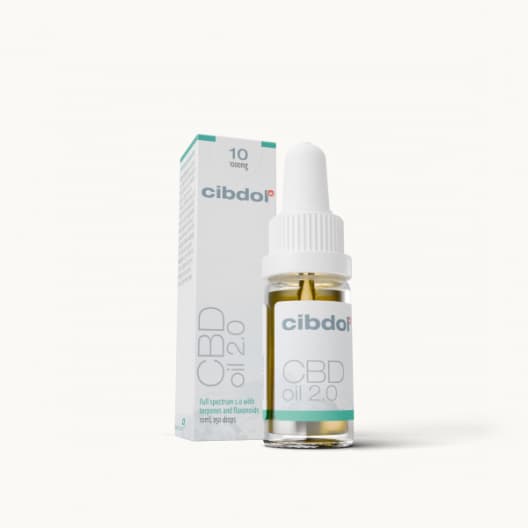

CBD Oil 2.0 10% (1000mg)
The most popular strength — 1000mg full-spectrum CBD oil for balanced, noticeable daily support without going too strong too fast.
- • 1000mg CBD per 10ml bottle
- • Full-spectrum entourage formula
- • Hemp seed oil base
Disclosure: We may earn a commission if you purchase via these links.
CBD + CBN Combinations
CBN (cannabinol) is a minor cannabinoid that forms naturally as THC oxidises — found in small quantities in aged hemp. It's been associated with sedative effects in early research, though controlled human trials are limited. Some sleep-specific products combine CBD with CBN on the reasonable hypothesis that the combination may be more sedating than CBD alone.
CBD + Melatonin Formulas
For people whose primary issue is sleep onset rather than sleep maintenance or early waking, a CBD + melatonin combination may be more targeted than CBD alone. The melatonin handles the circadian signal; the CBD handles the anxiety component. Cibdol's Meladol is the most established European formulation in this category — a sublingual oil combining CBD with pharmaceutical-grade melatonin.
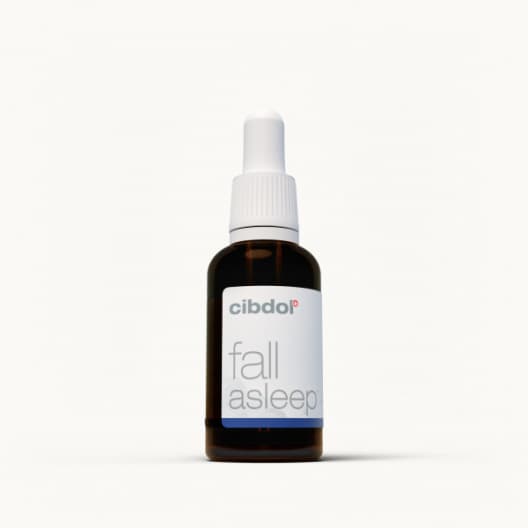
Fall Asleep (Meladol)
Liposomal CBD + melatonin for faster sleep onset.
- • CBD + melatonin
- • Liposomal formula
- • 30ml bottle
Disclosure: We may earn a commission if you purchase via these links.
How Much CBD for Sleep? A Dosage Guide
| Experience Level | Starting Dose | Target Range | Timing |
|---|---|---|---|
| First time | 10–15mg | 15–25mg by week 2 | 60 min before bed |
| Some CBD experience | 25mg | 25–50mg | 45–60 min before bed |
| Regular user, sleep-specific | 40–50mg | 50–75mg | 30–60 min before bed |
| Higher needs | 75mg+ | Up to 150mg (clinical range) | 60 min before bed |
Sublingual beats capsules for sleep. Oral CBD (capsules, gummies) passes through the liver, reducing bioavailability and extending onset to 1–2 hours. Sublingual onset is faster and more consistent. If you prefer capsules, take them 90 minutes before bed.
EFSA context for European consumers. In September 2025, EFSA proposed a provisional tolerable daily intake of 2mg CBD per day — a figure many researchers consider overly conservative given the safety data from clinical trials using doses 10–75x higher. This guidance reflects regulatory caution about Novel Food status rather than a finding that common sleep doses are dangerous. Discuss with a healthcare professional if you have concerns.
For more on different CBD delivery formats, see CBD oil vs CBD capsules.
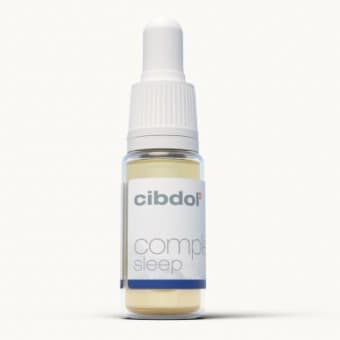
Complete Sleep
CBD, CBN, chamomile, lavender — no melatonin. All-in-one sleep support.
- • CBD + CBN + botanicals
- • No melatonin
- • 10ml or 30ml
Disclosure: We may earn a commission if you purchase via these links.
CBD Sleep Stacking: The Best Combinations
CBD works well as part of a broader evening supplement protocol.
The Core Evening Stack:
- CBD oil 25–50mg (sublingual, 45 min before bed)
- Magnesium glycinate 200–400mg (with dinner or 1 hour before bed)
- L-Theanine 100–200mg (30–45 min before bed)
This stack addresses three distinct sleep mechanisms: CBD for anxiety reduction and ECS modulation, magnesium for GABA activation and muscle relaxation, L-Theanine for alpha-wave promotion and cognitive wind-down. There's no known pharmacological interaction concern between these compounds.
Adding melatonin: If sleep onset is your main issue, add 0.5–1mg melatonin 30 minutes before your target sleep time. Micro-dosing melatonin (0.5–1mg rather than 5–10mg) is increasingly recommended by sleep researchers — lower doses work with your circadian rhythm rather than overriding it.
CBD + Ashwagandha for high-cortisol insomnia: If your sleep problem is clearly stress-driven — trouble winding down after demanding days, waking at 3–4am with racing thoughts — adding ashwagandha (300–600mg KSM-66 extract) to your evening stack addresses the cortisol dimension more directly. Effects build over 4–8 weeks.
Our Smart Supplements 101 guide covers general principles for building and evaluating any supplement stack.
What to Expect: A Realistic Timeline
Week 1: Most people notice subtle relaxation in the hour before bed. Sleep may feel slightly less effortful, but dramatic improvement is unlikely. Some people sleep worse in the first few days — this typically resolves.
Weeks 2–3: The most commonly reported window for noticeable improvement. Anxiety in the evening feels more manageable. Sleep onset may be faster. Waking frequency may decrease.
Month 1+: Users who have found their effective dose often report more consistent sleep quality, reduced anxiety around sleep, and better daytime functioning. Some find they can reduce the dose slightly once their sleep pattern has stabilised.
If you've used CBD consistently for 6 weeks at a reasonable dose and noticed no improvement, reassess: the dose may be too low, the timing off, or your sleep problem may have a cause CBD doesn't address (sleep apnoea, ADHD, thyroid issues).
Sleep
Cibdol sleep supplements: Fall Asleep (Meladol), Complete Sleep, and Stay Asleep. CBD + melatonin, CBN, chamomile, and more.
Disclosure: We may earn a commission if you purchase via these links.
Who Should (and Shouldn't) Use CBD for Sleep
Most likely to benefit: People whose sleep difficulty is primarily driven by anxiety or stress; those with chronic pain that disrupts sleep; people wanting to reduce reliance on prescription sedatives (with doctor guidance); those who find melatonin ineffective or produce morning grogginess.
Use with caution or avoid:
- Blood thinners (warfarin): CBD inhibits CYP2C9 enzymes, which can increase warfarin's blood-thinning effect
- SSRIs and SNRIs: CBD may affect antidepressant metabolism — consult your prescribing doctor
- Anticonvulsants: High-dose CBD can affect plasma levels of some anti-seizure medications
- Pregnancy and breastfeeding: Insufficient safety data — avoid
- Liver conditions: CBD is metabolised hepatically — consult a doctor
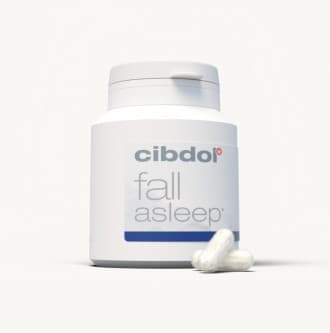
Fall Asleep Capsules
Meladol formula in capsule form. 30 capsules per tub.
- • CBD + melatonin
- • Easy to swallow
- • 30 capsules
Disclosure: We may earn a commission if you purchase via these links.
Frequently Asked Questions
Does CBD actually help you sleep?
Research suggests CBD helps with sleep quality for a meaningful proportion of people — particularly those whose sleeplessness is anxiety- or stress-driven. A 2025 meta-analysis across 1,077 patients found cannabinoids associated with improved subjective sleep quality. However, CBD doesn't work for everyone, and its effects on primary insomnia are less consistent. The current evidence warrants cautious optimism rather than confident claims.
How much CBD should I take for sleep?
Most sleep-focused studies use 25–75mg of CBD, taken 30–60 minutes before bed. Start at 15–25mg and adjust gradually. Sublingual oil is more efficient than capsules — 25mg sublingually may feel equivalent to 40–50mg in capsule form for many people.
Can I take CBD and melatonin together?
Yes, and there's good rationale for it. They work through different mechanisms: melatonin signals sleep timing, CBD addresses the anxiety that prevents acting on that signal. Avoid high melatonin doses (5–10mg) unless specifically indicated — 0.5–2mg is effective and less likely to cause morning grogginess.
When should I take CBD oil for sleep?
30–60 minutes before your intended sleep time for sublingual oil. 60–90 minutes for capsules or gummies. Taking it immediately before lying down rarely gives it enough time to modulate pre-sleep anxiety.
Will CBD make me feel groggy in the morning?
At appropriate doses, CBD typically does not cause next-morning grogginess — a key differentiator from benzodiazepines and Z-drugs. Very high doses (100mg+) may leave slight heaviness. Start low and adjust to find the dose that improves sleep without affecting morning clarity.
Is CBD for sleep legal in the Netherlands?
In the Netherlands, CBD products derived from industrial hemp (less than 0.2% THC) are legal to purchase, possess, and use as food supplements. EU-wide, CBD has Novel Food status — full authorisation hadn't been granted as of early 2026. Always buy from reputable vendors who provide Certificates of Analysis confirming THC content and purity.
Where to Buy CBD for Sleep in Europe
For sleep-focused CBD, Cibdol is the most established European brand with a dedicated sleep product line. Their oils are third-party tested, produced from Swiss hemp, and widely available across the EU. The Meladol (CBD + melatonin sublingual oil) is well-suited for sleep-onset issues; their standard full-spectrum oils work well in an evening stack.
Browse Cibdol's sleep range at cibdol.com.
Affiliate disclosure: Smart Supplements earns a commission on purchases made through partner links. This doesn't affect our editorial content or recommendations.
This article is for informational purposes only and is not intended as medical advice. Always consult a healthcare professional before starting any new supplement, especially if you take prescription medication.
Last updated: March 3, 2026 | Written by Smart Supplements Editorial Team
Related topics
Where to buy
Affiliate links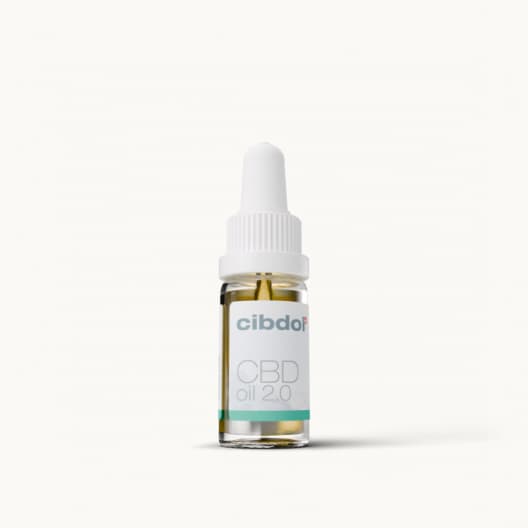
CBD oils
Premium Swiss CBD oils from Cibdol — available in multiple concentrations with full certificates of analysis.
CBD Gummies (25mg)
CBD Gummies — Chill Berry (25mg × 10)
- • 25mg CBD isolate per gummy — strong, precise dose
- • THC-free — CBD isolate, zero psychoactive compounds
- • Vegan formula — pectin-based, no gelatine
CBD capsules
Pre-measured CBD softgels and tablets for precise daily dosing — no taste, no measuring, just consistent CBD.
Disclosure: We may earn a commission if you purchase via these links.
Related articles
CBN: The Sleepy Cannabinoid You Haven't Heard Of
CBN is a minor cannabinoid formed as THC ages — and it's gained a reputation as a sleep aid. But does the science support the hype? Here's an honest look.
CBD vs Melatonin for Sleep: Which Is Better?
CBD vs melatonin for sleep: different mechanisms, different strengths. Compare the evidence and find which one fits your sleep problem.
CBD vs CBN: What's the Difference?
CBD vs CBN: both cannabinoids, both used for sleep — but they work differently. The science, the evidence, and how to choose.