
How Long Does CBD Take to Work? Oils, Capsules, and Topicals Compared
Written by Smart Supplements Editorial Team
Key takeaways
- CBD oil (sublingual) is the fastest format: onset in 15–45 minutes, bioavailability up to 35%
- Capsules and softgels take 30–90 minutes but deliver more consistent effects throughout the day
- Topicals work locally only — no meaningful systemic absorption, but local relief in 15–45 minutes
- CBD often takes 2–4 weeks of consistent use before effects become reliably noticeable
- EFSA's 2 mg/day provisional ADI (Sept 2025) is a regulatory safety floor, not an effective dosing guide
- Match format to purpose: oil for acute needs, capsules for daily maintenance, topicals for localised relief
Table of contents
Most people who "tried CBD and it didn't work" used the wrong format, waited the wrong amount of time, or both. The delivery method you choose changes onset time by a factor of ten — here's what to actually expect from each one.
The Honest Answer: It Depends on the Format
There is no single answer to "how long does CBD take to work?" because the question is incomplete. A better question is: how long does this format of CBD take to work, for this purpose?
The difference in onset time between the fastest format (sublingual oil) and the slowest (an edible taken with a heavy meal) can be anywhere from 15 minutes to two-plus hours. That's not a small margin — it's the difference between feeling calm before a stressful meeting and still waiting when it's already over.
The reason comes down to pharmacokinetics: how CBD gets from the product into your bloodstream and then to its target receptors. Each delivery format takes a completely different route through your body, and each route has its own timeline, efficiency, and duration.
Research published by Millar et al. (2019, Frontiers in Pharmacology) provides a detailed breakdown of how bioavailability varies dramatically by route of administration — oral bioavailability of CBD is notably low (6–19%) compared to sublingual and inhaled routes, largely due to extensive first-pass hepatic metabolism. Understanding this one principle explains almost every onset-time question you'll ever have about CBD.
If you're new to this, it's worth starting with What Is CBD? The Complete Beginner's Guide before diving into format comparisons.
CBD Oil (Sublingual)
Onset: 15–45 minutes | Duration: 4–6 hours | Bioavailability: 12–35%
Sublingual CBD oil is the format most people picture when they think of CBD. You place drops under the tongue, hold for 60–90 seconds, then swallow.
That hold time matters. The tissue under your tongue (the sublingual mucosa) is rich in capillaries that feed directly into the bloodstream, bypassing the digestive system and the liver's first-pass metabolism entirely. This is why the bioavailability is substantially higher than oral routes — studies have estimated sublingual absorption at 12–35%, compared to as low as 6% for standard oral ingestion (Huestis, 2007, Chemistry & Biodiversity).
In practice, most people notice effects within 20–30 minutes. Peak plasma levels typically occur around 1–2 hours after dosing. Duration runs 4–6 hours, though this varies by dose and individual metabolism.
Best for: Acute anxiety, situational stress, sleep (taken 45–60 minutes before bed), or any situation where you need reasonably fast onset with flexibility to adjust timing.
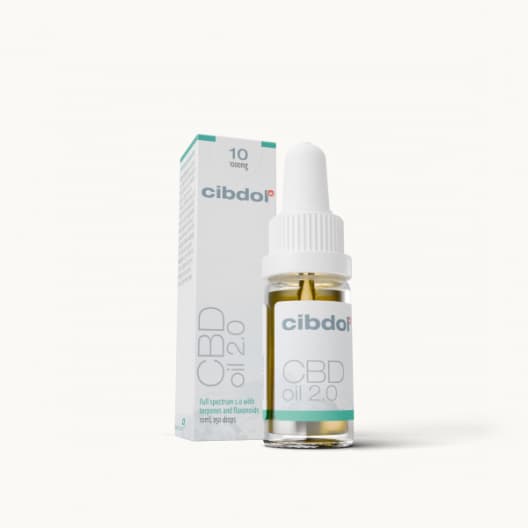

CBD Oil 2.0 10% (1000mg)
The most popular strength — 1000mg full-spectrum CBD oil for balanced, noticeable daily support without going too strong too fast.
- • 1000mg CBD per 10ml bottle
- • Full-spectrum entourage formula
- • Hemp seed oil base
Disclosure: We may earn a commission if you purchase via these links.
For a direct comparison of oil versus capsule formats, see CBD Oil vs CBD Capsules.
CBD Capsules and Softgels
Onset: 30–90 minutes | Duration: 6–8 hours | Bioavailability: 6–19%
Capsules and softgels must travel through your entire digestive system before CBD reaches the bloodstream. The capsule dissolves in your stomach, the contents pass into the small intestine for absorption, and then make their way through the liver before entering systemic circulation. All of that takes time — and the liver actively metabolises a portion of the CBD before it ever reaches your brain.
The upside is consistency. Because the release is slower and more sustained, blood levels of CBD remain more stable throughout the day compared to the sharper peak-and-trough profile of sublingual oil. For daily wellness use, this steadiness is often preferable.
Softgels have a meaningful edge over hard-shell capsules here. Lipid-based softgel formulations (CBD suspended in a carrier oil) absorb more efficiently than powdered capsule contents, because CBD is fat-soluble and benefits from co-ingestion with fats. Briskey et al. (2021, Journal of Pharmacy and Pharmacology) found that lipid-based CBD delivery significantly enhanced bioavailability in human subjects compared to standard oral formats.
Taking capsules with food — particularly a meal containing healthy fats — can further improve absorption.
Best for: Daily wellness, consistent dosing, sleep support taken 1–1.5 hours before bed, situations where you prefer not to taste the oil.
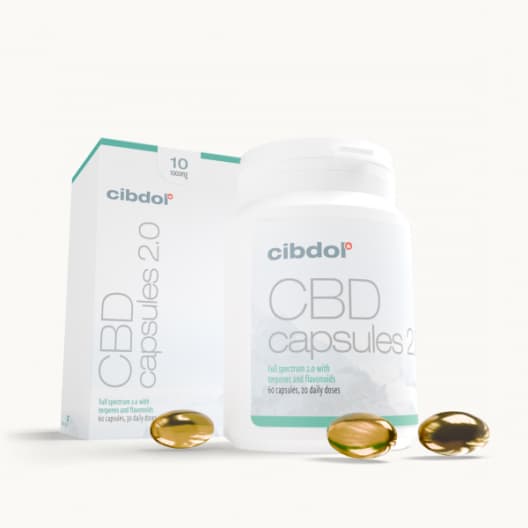
CBD Softgels 10% (1000mg)
The best-selling softgel strength — 1000mg full-spectrum CBD in 60 pre-dosed capsules for convenient daily dosing without any taste or measuring.
- • 1000mg CBD per box (60 caps)
- • Tasteless and odourless
- • Full-spectrum oil formula
Disclosure: We may earn a commission if you purchase via these links.
CBD Gummies and Edibles
Onset: 45–120 minutes | Duration: 6–8 hours | Bioavailability: Variable
Gummies follow the same digestive pathway as capsules, but with added unpredictability. The presence and composition of food in your stomach significantly affects how quickly your gut processes the gummy — a fatty meal can actually increase CBD absorption (via enhanced solubilisation) while also slowing gastric emptying, which delays onset.
This makes gummies the least predictable format in terms of timing. Research suggests that CBD taken in a fed state with a high-fat meal can increase peak plasma concentration by up to fivefold compared to fasted conditions (Birnbaum et al., 2019, Epilepsia) — a finding from pharmaceutical-grade CBD (Epidiolex), but relevant to general understanding.
The practical takeaway: if you take a gummy after a heavy dinner and feel nothing after 45 minutes, don't take another one. It may still be making its way through your system.
Best for: Convenient daily dosing where timing precision isn't critical, or as an approachable entry point for people new to CBD.
CBD Topicals
Onset at application site: 15–45 minutes | Systemic onset: None
Topicals — creams, balms, gels, and roll-ons — are fundamentally different from every other format on this list. They are not designed to enter the bloodstream. Instead, CBD and other cannabinoids in the formulation penetrate the upper layers of skin and interact with cannabinoid receptors (CB1 and CB2) located in peripheral nerve fibres, immune cells, and skin tissue locally.
This means topicals have essentially zero systemic bioavailability under normal use conditions. You will not feel relaxed or sleepy from a CBD muscle balm. What you may experience is localised relief — reduced tension, calmed skin, or eased joint discomfort — at the application site within 15–45 minutes.
A 2020 review by Baswan et al. (La Clinica Terapeutica) found evidence supporting CBD's interaction with skin cannabinoid receptors and its potential for managing localised inflammatory skin conditions, though the authors noted that formulation quality significantly affects percutaneous penetration.
Best for: Localised muscle soreness, joint discomfort, skin issues. Use alongside sublingual oil if you want both local and systemic effects.
Why CBD Seems to 'Not Work' the First Time
This is one of the most common and frustrating CBD experiences, and it almost always has a fixable cause.
1. Wrong format for the goal Swallowing a gummy 20 minutes before a stressful presentation and expecting to feel calm is a timing mismatch, not a failure of CBD. Match the format to the onset time you need.
2. Dose too low Most starter products are conservatively dosed. The endocannabinoid system varies significantly between individuals — genetics, body weight, liver enzyme activity (particularly CYP450 enzymes), and baseline endocannabinoid tone all affect how much CBD you need to notice an effect. Starting at the label dose is sensible, but if nothing happens after a week of consistent use, a gradual dose increase is reasonable.
3. Expecting a drug-like effect CBD does not produce an obvious high or immediate sedation (unlike THC or strong pharmaceutical anxiolytics). Its effects are often described as a reduction — less background noise, less tension, better ability to settle — rather than an addition of something new. This subtlety means some people feel it working without recognising it as CBD.
4. Not enough time for endocannabinoid tone to build Research suggests that consistent daily CBD use over 2–4 weeks may enhance the sensitivity and density of endocannabinoid receptors, making the effects more noticeable over time. A single dose rarely tells you much. Russo (2016, Cannabis and Cannabinoid Research) has written on the concept of "endocannabinoid deficiency" and the potential benefit of consistent cannabinoid supplementation for baseline tone.
5. Product quality issues Not all CBD products contain what the label claims. Third-party tested products from verified manufacturers — with accessible certificates of analysis — are essential, especially in the EU where Novel Food regulation for CBD is still catching up (full EFSA authorisation was not yet in place as of early 2026).
Onset Time Comparison Table
| Format | Onset Time | Duration | Bioavailability | Best For |
|---|---|---|---|---|
| CBD Oil (sublingual) | 15–45 min | 4–6 hours | 12–35% | Acute anxiety, flexible dosing, sleep |
| CBD Softgels | 30–90 min | 6–8 hours | 13–19% (lipid) | Daily wellness, consistent blood levels |
| CBD Capsules (standard) | 45–90 min | 6–8 hours | 6–15% | Daily routine, convenience |
| CBD Gummies / Edibles | 45–120 min | 6–8 hours | Variable (food-dependent) | Convenience, new users |
| CBD Topicals | 15–45 min (local only) | 2–4 hours | Negligible systemic | Localised pain, skin, muscles |
| CBD Vape / Inhaled | 5–15 min | 2–3 hours | 31–56% | Fast relief (not covered here) |
Bioavailability figures are estimates from published pharmacokinetic studies and may vary based on formulation, individual metabolism, and food intake.
Practical Timing Guide
Knowing the onset windows, you can now match format to situation. Here's how to think about it:
Acute anxiety (pre-event) Use sublingual CBD oil. Take it 30–45 minutes before the event. If the event is at 14:00, dose at 13:15. Do not take a gummy at 13:45 and expect results by 14:00.
Sleep support Sublingual oil 45–60 minutes before bed works well for most people. Capsules or softgels, taken 1–1.5 hours before bed, may produce a more sustained effect through the night. See CBD for Sleep for a full breakdown of dosing and timing strategies.
Daily wellness / general supplementation A capsule or softgel taken with breakfast (or a meal containing fat) is a straightforward and consistent approach. The slower onset doesn't matter when you're dosing for daily maintenance rather than acute use.
Localised physical discomfort Apply a topical directly to the affected area for local effect. If you also want systemic support (e.g., for widespread tension or stress-related muscle tightness), combine the topical with sublingual oil. These two formats complement each other well.
Drug interactions note: CBD is metabolised by CYP450 liver enzymes and can interact with certain medications, particularly blood thinners and some anticonvulsants. Always consult a healthcare professional if you take prescription medication — this is not a trivial caveat. For more on this, see our guide to supplement and drug interactions.
For a deeper look at how CBD's chemical form affects all of the above, see Full-Spectrum vs Broad-Spectrum vs CBD Isolate.
Frequently Asked Questions
How long does it take for CBD oil to work under the tongue?
When held under the tongue for 60–90 seconds, CBD oil typically produces noticeable effects within 15–45 minutes. This is because sublingual absorption allows CBD to pass directly into the bloodstream through the capillary-rich mucous membranes, bypassing the liver's first-pass metabolism. Peak effects generally occur 1–2 hours after dosing. If you've held it for the full 60–90 seconds and still feel nothing after an hour, you may need a slightly higher dose.
Why does CBD seem to work differently every time?
Several variables affect CBD onset and intensity on any given day: what and when you last ate, your hydration levels, current stress load, and natural fluctuations in endocannabinoid receptor sensitivity. Sublingual oil is the most consistent performer day-to-day; gummies and edibles are the most variable because food interactions significantly alter absorption speed and extent.
Can I take CBD oil and capsules at the same time?
Yes — combining formats is actually a common strategy. Many people take a capsule in the morning for sustained daytime baseline support and use sublingual oil in the evening for faster-acting sleep preparation. There's no pharmacological issue with using both; just be mindful of your total daily dose.
Is 2 mg of CBD per day enough? (EFSA guidance)
In September 2025, EFSA proposed a provisional acceptable daily intake (ADI) of 2 mg CBD per day as a conservative safety benchmark across the general population. This figure is intended as a tolerable upper limit for "novel food" regulation purposes — not as a recommended effective dose. Most published human studies on CBD's effects on anxiety, sleep, and pain have used significantly higher doses (150–600 mg/day in clinical settings). The EFSA figure reflects regulatory caution, not efficacy research. Context matters: this is a regulatory floor, not a dosing ceiling.
How long does CBD stay in your system?
CBD's half-life varies significantly by dose and frequency of use. A single dose may clear within 24–48 hours, but with regular use, CBD and its metabolites can accumulate in fatty tissue and take up to a week or more to fully clear. This is relevant if you are subject to drug testing — though most standard drug tests screen for THC metabolites, not CBD, it's worth noting that full-spectrum CBD products contain trace amounts of THC (up to 0.2% in EU products).
Does CBD work better on an empty stomach or with food?
It depends on the format. For sublingual oil, food timing matters less because most absorption happens sublingually before you swallow. For capsules, softgels, and gummies, taking them with a fat-containing meal improves absorption and bioavailability significantly — potentially by several multiples compared to a fasted state.
Our Picks for This Category
If you want to test onset times yourself with quality-tested products, these are the two Cibdol formats we recommend:
CBD Oil 2.0 10% (1000mg)
The most popular strength — 1000mg full-spectrum CBD oil for balanced, noticeable daily support without going too strong too fast.
- • 1000mg CBD per 10ml bottle
- • Full-spectrum entourage formula
- • Hemp seed oil base
Disclosure: We may earn a commission if you purchase via these links.
CBD Softgels 10% (1000mg)
The best-selling softgel strength — 1000mg full-spectrum CBD in 60 pre-dosed capsules for convenient daily dosing without any taste or measuring.
- • 1000mg CBD per box (60 caps)
- • Tasteless and odourless
- • Full-spectrum oil formula
Disclosure: We may earn a commission if you purchase via these links.
Both are third-party tested, available to ship across the EU, and formulated with clear certificates of analysis. Cibdol operates under EU Novel Food compliance frameworks.
Related Reading
- What Is CBD? The Complete Beginner's Guide
- CBD Oil vs CBD Capsules — Which Is Right for You?
- Full-Spectrum vs Broad-Spectrum vs CBD Isolate
- CBD for Sleep: Dosing, Timing, and What the Research Says
- Best Natural Sleep Supplements
- What Are Nootropics?
This article is for informational purposes only and is not intended as medical advice. Always consult a healthcare professional before starting any new supplement, especially if you take prescription medication.
Last updated: March 2026
Written by the Smart Supplements editorial team
Related topics
Where to buy
Affiliate links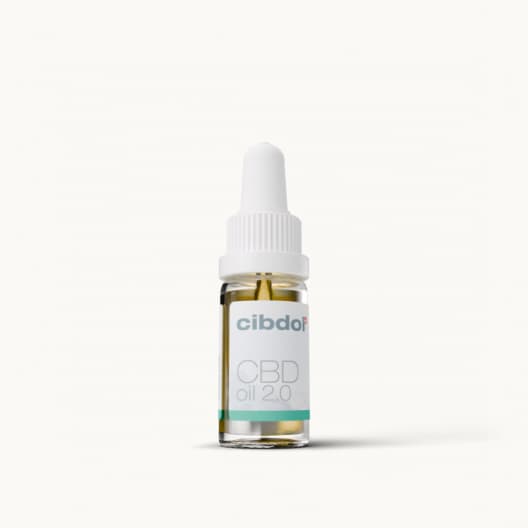
CBD oils
Premium Swiss CBD oils from Cibdol — available in multiple concentrations with full certificates of analysis.
CBD Gummies (25mg)
CBD Gummies — Chill Berry (25mg × 10)
- • 25mg CBD isolate per gummy — strong, precise dose
- • THC-free — CBD isolate, zero psychoactive compounds
- • Vegan formula — pectin-based, no gelatine
CBD capsules
Pre-measured CBD softgels and tablets for precise daily dosing — no taste, no measuring, just consistent CBD.
Disclosure: We may earn a commission if you purchase via these links.
Related articles
How to Choose the Right CBD Dosage: A Practical Guide
Finding your ideal CBD dose takes some experimentation — but starting low and going slow is the approach backed by both research and experienced users.
CBD Oil vs CBD Capsules: Which Is Better for You?
CBD oil or capsules? Compare bioavailability, onset times, dosing precision, cost, and taste to find the right CBD format for your needs.
CBD for Anxiety: What Does the Research Say?
CBD for anxiety: what the research actually supports, how it works, optimal dosage, best products and who it works best for. Science-based, honest guide.