
CBD for Anxiety: What Does the Research Say?
Written by Smart Supplements Editorial Team
Key takeaways
- CBD interacts with serotonin 5-HT1A receptors, offering a plausible anxiolytic mechanism supported by preclinical and some clinical evidence.
- Shannon et al. 2019 found anxiety improved in 79.2% of participants using CBD within one month.
- CBD lacks the addiction risk and withdrawal effects of benzodiazepines and the side-effect profile of SSRIs.
- Effective doses for anxiety typically range from 15-25mg/day for maintenance to 25-75mg sublingually for acute situations.
- CBD is not a replacement for therapy or medication for severe anxiety disorders — it works best for mild to moderate anxiety.
Table of contents
- The Anxiety Epidemic and Why People Are Looking at CBD
- How CBD Might Reduce Anxiety
- What the Research Shows
- CBD vs Pharmaceutical Anxiolytics
- Best CBD Products for Anxiety
- Dosage for Anxiety
- When to Take CBD for Anxiety
- Who CBD Works Best For
- CBD and Medication Interactions
- Frequently Asked Questions
- Try Cibdol CBD Oil for Anxiety
The Anxiety Epidemic and Why People Are Looking at CBD
Anxiety has been climbing steadily for decades. The World Health Organization estimates that one in thirteen people globally lives with an anxiety disorder. In Europe, it is the most common mental health condition, with prevalence rates between 14% and 17% depending on the country and measurement criteria.
Conventional pharmacotherapy has limitations that are difficult to ignore. SSRIs and SNRIs — the first-line treatments — typically require four to six weeks before meaningful symptom relief appears. During that window, some patients experience an initial worsening of anxiety. Long-term use is associated with sexual dysfunction, weight gain, and discontinuation syndrome: a cluster of withdrawal-like symptoms that can persist for weeks when stopping the medication.
Benzodiazepines work quickly — often within 30 minutes — but the dependency risk is substantial. Long-term prescription is now widely discouraged by clinical guidelines across Europe. Yet demand for fast-acting anxiety relief has not gone away.
This gap — between the limitations of existing treatments and the real need for effective anxiety management — is a large part of why interest in CBD has exploded. Global CBD market revenues exceeded €4 billion in 2023, and anxiety relief is consistently cited as the primary reason for use in consumer surveys.
Whether that interest is justified by evidence is the more important question.
How CBD Might Reduce Anxiety
CBD does not produce intoxication, and its mechanisms of action are distinct from THC. Several biological pathways have been identified that could plausibly explain anxiolytic effects.
5-HT1A serotonin receptor agonism is the most studied. CBD acts as a partial agonist at 5-HT1A receptors — the same receptors targeted by buspirone, an approved anti-anxiety medication. Activation of these receptors is associated with reduced fear responses and anxiolytic effects in animal models. This is considered the primary anxiolytic mechanism.
GABA-A receptor modulation is a secondary pathway. CBD has been shown to act as a positive allosteric modulator of GABA-A receptors in some studies, enhancing the effect of GABA — the brain's main inhibitory neurotransmitter. Benzodiazepines also target GABA-A, but CBD's modulation appears to work differently and without the same dependency profile.
Hippocampal neurogenesis may play a role in chronic use. Animal studies have found that repeated CBD administration promotes the growth of new neurons in the hippocampus — a region critical to emotional regulation and stress response. This mechanism parallels how SSRIs are thought to exert long-term antidepressant and anxiolytic effects.
Endocannabinoid tone regulation rounds out the picture. CBD inhibits fatty acid amide hydrolase (FAAH), the enzyme that breaks down anandamide — sometimes called the "bliss molecule." Higher anandamide levels are associated with reduced anxiety and improved stress resilience.
None of these mechanisms are exclusive to CBD, and in most cases the preclinical evidence is stronger than the clinical evidence. But the biological plausibility is solid, which is more than can be said for many supplements.
What the Research Shows
The clinical research on CBD and anxiety is real but limited. Here is an honest assessment of the key studies.
Bergamaschi et al. (2011) — A landmark double-blind, placebo-controlled study examined CBD in patients with Social Anxiety Disorder (SAD) facing a simulated public speaking test. Participants who received 600 mg of CBD showed significantly reduced anxiety, cognitive impairment, and discomfort compared to placebo. Performance scores were comparable to healthy controls. This remains one of the most cited human studies in this area.
Shannon et al. (2019) — A large retrospective case series of 103 adult psychiatric patients found that 79.2% experienced improvement in anxiety scores within the first month of CBD use (25 mg/day in most cases). Anxiety scores decreased from a mean of 6.0 to 3.1 on a 10-point scale. Critically, improvements were sustained over three months of follow-up in the majority of participants. This was not a randomised controlled trial, which is an important limitation, but the consistency of findings across a large and diverse patient group is notable.
Blessing et al. (2015) — A comprehensive preclinical review published in Neurotherapeutics examined the existing animal and human evidence. The authors concluded that CBD has "considerable potential as a treatment for multiple anxiety disorders," citing evidence from models of generalised anxiety, panic disorder, post-traumatic stress disorder, and social anxiety.
Masataka (2019) — A double-blind, crossover RCT in 37 Japanese teenagers with Social Anxiety Disorder found that CBD (300 mg/day for four weeks) significantly reduced self-reported anxiety compared to placebo. This is noteworthy because it is one of the few double-blind RCTs in a clinical anxiety population.
Limitations across the evidence base are real and should be stated clearly. Most studies are short-term (four weeks or less). Many use single high doses rather than the lower daily doses most consumers actually use. There is a shortage of large, long-duration, double-blind RCTs — the gold standard for clinical evidence. Dosing varies enormously between studies, making direct comparison difficult. The evidence is strongest for social anxiety disorder and situational anxiety; data for generalised anxiety disorder (GAD) in controlled settings is thinner.
The honest summary: CBD has a plausible mechanism, consistent preclinical support, and a growing body of clinical evidence — but it is not yet at the level of proof required for a pharmaceutical approval. It is, however, substantially better evidenced than many supplements marketed for anxiety.
CBD vs Pharmaceutical Anxiolytics
A direct comparison is useful for understanding where CBD fits in the landscape.
SSRIs (e.g. sertraline, escitalopram) are effective for many people and appropriate for long-term use. The trade-offs are a slow onset (4–6 weeks), a notable side-effect profile (weight gain, sexual dysfunction, emotional blunting in some cases), and discontinuation syndrome that makes stopping difficult. They are the right choice for moderate-to-severe anxiety disorders, particularly when other conditions like depression are co-present.
Benzodiazepines (e.g. diazepam, lorazepam) provide fast relief — often within 30 minutes — and are genuinely effective for acute anxiety. The problem is dependency: physical and psychological dependence can develop within weeks of regular use. Long-term prescribing is now restricted in most European countries, and withdrawal can be severe. They remain appropriate for short-term use in acute situations under medical supervision.
CBD occupies a different space: a mild but consistent anxiolytic effect, no dependency risk, no reported withdrawal syndrome, and a safety profile that is favourable in most adults. It is not as powerful as either class of pharmaceuticals. The effect size in most studies is modest. But for mild to moderate anxiety — particularly situational anxiety, social anxiety, and anxiety that interferes with sleep — it represents a meaningful option without the risks of the alternatives.
The comparison is not "CBD instead of medication." For anyone with a diagnosed anxiety disorder, medication decisions should be made with a doctor. The more accurate framing is: CBD may be a useful tool within a broader approach to anxiety management that could also include therapy, lifestyle changes, and, where appropriate, medication.
For more on how CBD compares across conditions, see our beginner's guide to CBD.
Best CBD Products for Anxiety
Not all CBD products are equivalent for anxiety management. The delivery method, spectrum, and concentration all matter.
Full-spectrum CBD oil (sublingual) has the strongest evidence base among product types. Sublingual administration — holding oil under the tongue for 60–90 seconds before swallowing — allows direct absorption through the mucous membrane, bypassing first-pass liver metabolism. Onset is typically 30–60 minutes. Full-spectrum products retain the minor cannabinoids and terpenes from the hemp plant, which may contribute via the entourage effect — the hypothesis that cannabinoids work better together than in isolation. See our guide to full-spectrum vs isolate CBD for a deeper look.
For daily maintenance dosing (15–25 mg/day), a 10% oil is practical and cost-effective:
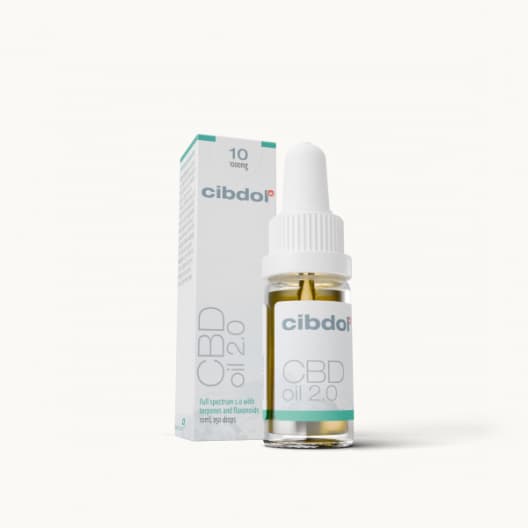

CBD Oil 2.0 10% (1000mg)
The most popular strength — 1000mg full-spectrum CBD oil for balanced, noticeable daily support without going too strong too fast.
- • 1000mg CBD per 10ml bottle
- • Full-spectrum entourage formula
- • Hemp seed oil base
Disclosure: We may earn a commission if you purchase via these links.
For higher-dose protocols or acute situational anxiety (25–75 mg), a 20% oil provides the same serving volume at double the concentration:
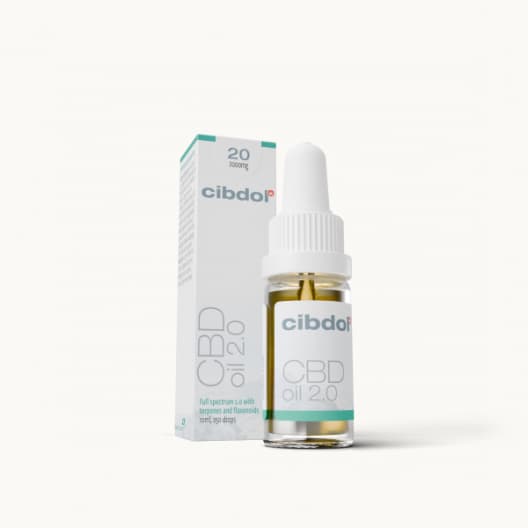
CBD Oil 2.0 20% (2000mg)
Mid-to-high strength full-spectrum CBD oil. 2000mg CBD per 10ml bottle with enhanced cannabinoid ratio for a stronger entourage effect.
- • 2000mg CBD per bottle
- • Full-spectrum entourage formula
- • Hemp seed oil base
Disclosure: We may earn a commission if you purchase via these links.
CBD capsules offer a consistent, pre-measured dose and are well suited to daily maintenance routines. Onset is slower (1–2 hours) and bioavailability slightly lower than sublingual oil, but many people find them easier to incorporate into a daily supplement routine. They are less suitable for acute situational anxiety due to the slower onset.
Broad-spectrum and isolate products remove THC and (in the case of isolate) all other cannabinoids. They may be appropriate for people subject to drug testing or those sensitive to THC, but the entourage effect evidence suggests full-spectrum products may have an edge for anxiety specifically.
Dosage for Anxiety
Dosage is where CBD guidance is often either absent or unhelpfully vague. Here is what the research and clinical experience suggest.
Maintenance dosing for generalised or background anxiety: 15–25 mg/day. This is the dose range used in Shannon et al. 2019 and is consistent with the lower end of doses showing effects in human studies. For most people starting out, 15 mg/day is a reasonable starting point.
Acute situational anxiety (social events, presentations, flights): 25–75 mg sublingually, taken 60–90 minutes before the situation. Bergamaschi et al. used 600 mg — a dose far above what is commercially practical — but smaller doses in the 25–75 mg range have shown effects in other studies and are widely reported anecdotally.
Titration approach: Start at the lower end of the maintenance range and increase by 5–10 mg every one to two weeks until a meaningful effect is observed or until the upper range is reached without benefit (at which point CBD may simply not be the right tool). Individual variation is high — genetics, body weight, metabolism, and the nature of the anxiety all influence response.
Important: Dose-response for CBD is not always linear. Some animal models suggest a bell-shaped curve, where moderate doses are more effective than very high doses. This has not been definitively demonstrated in humans, but it is a reason not to assume more is always better.
For a comprehensive dosage framework, see our CBD dosage guide.
When to Take CBD for Anxiety
Timing matters — but consistency matters more.
For generalised anxiety (background anxiety that is present most of the time), take CBD at the same time each day. Morning dosing is slightly preferred because it establishes a consistent level across the waking hours when anxiety tends to be most active. Evening dosing works if morning causes any sedation, which is uncommon at lower doses.
For situational anxiety (specific events, social situations, performance scenarios), take CBD sublingually 60–90 minutes before the situation. This allows time for absorption and onset. Some people combine a lower daily maintenance dose with a higher situational top-up.
For anxiety that affects sleep, CBD before bed may be particularly useful. Evidence for CBD and sleep is covered in more detail in our guide to CBD for sleep. The overlap between anxiety and sleep disruption is substantial, and addressing one often helps the other.
Consistency over time is the most important variable for maintenance use. CBD's effects on neurogenesis and receptor regulation are thought to build over weeks of consistent use. Many people who try CBD once or twice and conclude "it doesn't work" may not have given it sufficient time at an adequate dose.
Who CBD Works Best For
CBD is not a universal solution for anxiety. Being clear about who is most likely to benefit — and who should look elsewhere — is more useful than overselling it.
Most likely to benefit:
- People with mild to moderate anxiety that does not meet the threshold for a clinical diagnosis
- Those with situational anxiety (social events, performance anxiety, travel)
- People whose anxiety is closely linked to sleep disruption
- Individuals who have tried SSRIs and found the side-effect profile unacceptable
- Those looking for a non-dependency-forming tool to complement therapy
Less likely to benefit, or better served by other approaches:
- People with severe anxiety disorders (panic disorder, severe GAD, PTSD) — clinical treatment is more appropriate
- Those seeking rapid relief equivalent to benzodiazepines — CBD is not a fast sedative
- People with anxiety driven primarily by life circumstances — CBD will not change the circumstances
Not appropriate without medical advice:
- Anyone currently taking prescription medication (see the interactions section below)
- Pregnant or breastfeeding women
- Children and adolescents (despite the Masataka 2019 study, general guidance is to avoid CBD in under-18s without medical supervision)
CBD and Medication Interactions
This section is important and often underemphasised in CBD content.
CBD is metabolised primarily by cytochrome P450 enzymes — specifically CYP3A4 and CYP2C19. These are the same enzymes responsible for metabolising a large number of common medications. When CBD inhibits these enzymes, it can raise blood levels of co-administered drugs, increasing both efficacy and the risk of side effects.
Drug classes to be aware of include:
- Blood thinners (particularly warfarin) — CBD may significantly increase warfarin levels, raising bleeding risk
- Antiepileptic drugs (clobazam, valproate) — interactions are well-documented from clinical trials of Epidiolex (pharmaceutical-grade CBD)
- SSRIs and SNRIs — potential for increased plasma levels; monitor for side effects
- Statins — some are CYP3A4 substrates; theoretical interaction risk
- Calcium channel blockers — CYP3A4 metabolised; similar caution applies
- Immunosuppressants (e.g. cyclosporin) — narrow therapeutic window makes interactions particularly important to manage
Practical guidance: If taking any prescription medication, consult a GP or pharmacist before starting CBD. This is not a formality — for some drug combinations, the interaction is clinically significant. The fact that CBD is available without prescription does not mean it is without pharmacological activity.
Frequently Asked Questions
Does CBD actually help anxiety? The evidence suggests CBD can reduce anxiety, particularly for social anxiety and situational anxiety. Studies show measurable effects at doses ranging from 25 mg to 600 mg. The effect is real but modest — it is not a replacement for therapy or medication in severe cases, but it may be a meaningful tool for mild to moderate anxiety.
How much CBD for anxiety? Most research on daily use has studied doses of 25–300 mg/day. For maintenance, 15–25 mg/day is a reasonable starting point. For acute situational anxiety, 25–75 mg sublingually taken 60–90 minutes before the event is more appropriate. Individual response varies significantly.
Which CBD oil is best for anxiety? Full-spectrum sublingual oil is the format most supported by evidence for anxiety, due to faster onset and the potential entourage effect. A 10% oil is practical for daily maintenance; a 20% oil for those needing higher doses.
How quickly does CBD work for anxiety? Sublingual CBD oil typically produces effects within 30–60 minutes. Capsules take 1–2 hours. Effects from consistent daily use (neurogenesis, receptor adaptation) build over several weeks.
Try Cibdol CBD Oil for Anxiety
If you are looking to try CBD for anxiety, start with a quality full-spectrum oil from a brand that publishes third-party lab results. Cibdol's oils are CO2-extracted, independently tested, and available in multiple concentrations to suit both maintenance and higher-dose protocols.
CBD Oil 2.0 10% (1000mg)
The most popular strength — 1000mg full-spectrum CBD oil for balanced, noticeable daily support without going too strong too fast.
- • 1000mg CBD per 10ml bottle
- • Full-spectrum entourage formula
- • Hemp seed oil base
Disclosure: We may earn a commission if you purchase via these links.
CBD Oil 2.0 20% (2000mg)
Mid-to-high strength full-spectrum CBD oil. 2000mg CBD per 10ml bottle with enhanced cannabinoid ratio for a stronger entourage effect.
- • 2000mg CBD per bottle
- • Full-spectrum entourage formula
- • Hemp seed oil base
Disclosure: We may earn a commission if you purchase via these links.
This article is for informational purposes only and is not intended as medical advice. Always consult a healthcare professional before starting any new supplement, especially if you take prescription medication.
Last updated: March 2026
Related topics
Where to buy
Affiliate links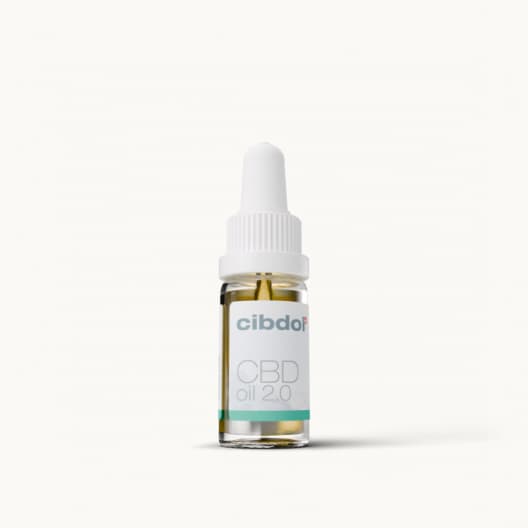
CBD oils
Premium Swiss CBD oils from Cibdol — available in multiple concentrations with full certificates of analysis.
CBD Gummies (25mg)
CBD Gummies — Chill Berry (25mg × 10)
- • 25mg CBD isolate per gummy — strong, precise dose
- • THC-free — CBD isolate, zero psychoactive compounds
- • Vegan formula — pectin-based, no gelatine
CBD capsules
Pre-measured CBD softgels and tablets for precise daily dosing — no taste, no measuring, just consistent CBD.
Disclosure: We may earn a commission if you purchase via these links.
Related articles
Does CBD Show Up on a Drug Test?
Drug tests screen for THC, not CBD — but full-spectrum products contain trace THC that could trigger a positive. Here's what to know.
CBD Oil Side Effects: What to Expect
CBD is considered safe by the WHO, but side effects can occur at higher doses or with certain medications. Here's what to expect.
How to Choose the Right CBD Dosage: A Practical Guide
Finding your ideal CBD dose takes some experimentation — but starting low and going slow is the approach backed by both research and experienced users.