
The Best Natural Sleep Supplements: A Science-Based Guide
Written by Smart Supplements Editorial Team
Key takeaways
- Magnesium glycinate and L-theanine have the most consistent evidence for sleep quality without next-day sedation
- Melatonin is widely misused in Europe — the correct dose is 0.3–1mg, not the 5–10mg in many products
- Ashwagandha KSM-66 at 600mg/day significantly improves sleep onset latency, especially for anxiety-driven insomnia
- Glycine (3g before bed) lowers core body temperature to trigger sleep onset — highly underrated
- Match your supplement stack to your specific sleep problem for best results
- Always check for interactions with SSRIs, benzodiazepines, and blood thinners before stacking
Table of contents
- Why Natural Sleep Supplements?
- How We Ranked These Supplements
- Magnesium: The Foundation of Good Sleep
- L-Theanine: Calm Without Drowsiness
- Glycine: The Underrated Amino Acid
- Ashwagandha (KSM-66): For Anxiety-Driven Insomnia
- Melatonin: The Misunderstood Hormone
- Valerian Root: Traditional, but Complicated
- CBD: A Newer Addition With Caveats
- Tart Cherry Extract: Natural Melatonin Source
- Building Your Sleep Stack
- What to Avoid
- Our Recommended Starting Point
- Related Reading
- Frequently Asked Questions
You don't need prescription sleeping pills to sleep better — but you do need to know which supplements have genuine clinical evidence behind them. This guide ranks the best natural sleep aids by evidence strength, explains how each one works, and shows you how to combine them for your specific sleep problem.
Why Natural Sleep Supplements?
Sleep problems are widespread across Europe. Research suggests that between 30–45% of European adults report poor sleep quality, and chronic insomnia affects roughly 10% of the population. Despite this, prescription sleep medications — benzodiazepines, Z-drugs — come with significant downsides: tolerance, dependence, next-day cognitive impairment, and withdrawal effects.
Natural sleep supplements have grown in popularity precisely because they target sleep through different mechanisms — modulating GABA, lowering cortisol, resetting circadian rhythm — without the hard ceiling effects of pharmaceutical sedatives.
But not all natural sleep aids are equal. Some have solid clinical trial data behind them. Others are riding on traditional use and animal studies. This guide separates the two.
A note on expectations: even the best-evidenced supplements produce moderate effects, not pharmaceutical-strength sedation. They work best as part of a broader sleep hygiene approach — consistent sleep timing, reduced blue light exposure, cool room temperature — rather than as a standalone fix.
How We Ranked These Supplements
Before diving in, here''s the evidence hierarchy we used:
| Evidence Level | Description | Examples |
|---|---|---|
| ⭐⭐⭐ Strong | Multiple RCTs, systematic reviews, consistent results | Magnesium, L-theanine, Melatonin |
| ⭐⭐ Moderate | Several clinical trials, some inconsistency | Ashwagandha, Valerian, Glycine |
| ⭐ Promising | Mechanistic evidence + limited human trials | Tart cherry, CBD |
| ○ Weak | Mostly traditional use or animal data | Passionflower, Lemon balm |
We focused on supplements you can legally and easily access in the Netherlands and wider Europe, and at doses that have actually been tested in humans.
Magnesium: The Foundation of Good Sleep
Evidence: ⭐⭐⭐ Strong
Magnesium is the most underrated sleep supplement, primarily because magnesium deficiency is genuinely common — European dietary surveys suggest that up to 70% of adults consume less than the recommended daily amount. When you''re deficient, sleep suffers directly.
Mechanistically, magnesium regulates NMDA receptors (blocking excitatory signalling) and activates GABA receptors, creating the neurological conditions for relaxation and sleep onset. It also regulates melatonin production and supports healthy cortisol metabolism.
A randomised controlled trial published in Sleep (Nielsen et al., 2010) found that magnesium supplementation significantly improved sleep efficiency, sleep time, and early morning awakening in elderly subjects with insomnia. More recently, a 2024 RCT on magnesium L-threonate — a form specifically designed for brain bioavailability — found improvements in deep and REM sleep stages, alongside better daytime mood and alertness (Pubmed ID: 39252819).
Best forms for sleep:
| Form | Best For | Bioavailability | Notes |
|---|---|---|---|
| Magnesium glycinate | General sleep quality, muscle relaxation | High | Gentle on digestion; most popular for sleep |
| Magnesium L-threonate | Cognitive + sleep benefits combined | Very high (brain) | More expensive; newer research |
| Magnesium citrate | Falls asleep quickly; also addresses constipation | High | Can cause loose stools at higher doses |
| Magnesium oxide | Not recommended for sleep | Low | Cheap but poorly absorbed |
Dosage: 200–400mg elemental magnesium, 30–60 minutes before bed. Start at 200mg and increase as needed.
Who should be cautious: People with kidney disease should consult a doctor before supplementing magnesium.
L-Theanine: Calm Without Drowsiness
Evidence: ⭐⭐⭐ Strong
L-theanine is an amino acid found naturally in green tea. It doesn''t sedate you — it promotes relaxation by increasing GABA, serotonin, and dopamine production while reducing glutamate activity. The result is a state of calm alertness that eases the transition into sleep without blunting next-day cognition.
A 2025 systematic review and meta-analysis (published in Sleep Medicine Reviews, 19 studies, n=897) found that L-theanine significantly improved subjective sleep onset latency, reduced daytime dysfunction, and improved overall sleep quality scores (PubMed: 41176609). An earlier study on the Mg-L-theanine complex also found increases in slow wave power and serotonin/melatonin levels in participants with sleep problems (PMC9017334).
Dosage: 200–400mg, 30–60 minutes before bed. Safe at up to 450mg/day based on current evidence.
What it''s best for: People who struggle to fall asleep due to racing thoughts or low-grade anxiety. Less effective for maintaining sleep through the night.
Stacking note: L-theanine pairs particularly well with magnesium glycinate — they hit overlapping but distinct targets in the same relaxation pathway.
Glycine: The Underrated Amino Acid
Evidence: ⭐⭐ Moderate
Glycine is a non-essential amino acid that works on sleep through a surprisingly elegant mechanism: it lowers core body temperature by promoting peripheral vasodilation. Since falling core body temperature is one of the key physiological triggers for sleep onset, taking glycine before bed effectively mimics what your body does naturally when it''s ready to sleep.
The foundational research here comes from Bannai & Kawai (2012), published in Frontiers in Neurology (DOI: 10.3389/fneur.2012.00061). Their double-blind, placebo-controlled trial found that 3g of glycine before bed:
- Reduced sleep onset latency
- Increased REM sleep duration by approximately 20%
- Reduced next-day fatigue and improved "clear-headedness"
- Produced a 29% reduction in daytime sleepiness in sleep-restricted subjects
A related mechanism paper (published in Neuropsychopharmacology, 2015) confirmed that glycine acts via NMDA receptors in the suprachiasmatic nucleus — the brain''s master circadian clock — which explains its temperature-lowering effect.
Dosage: 3g (one standard serving), 30 minutes before bed. Available as a powder (mild sweet taste) or capsules.
What it''s best for: People who feel warm at night, have trouble staying asleep, and want next-day cognitive clarity. Particularly useful stacked with magnesium.
Ashwagandha (KSM-66): For Anxiety-Driven Insomnia
Evidence: ⭐⭐ Moderate
Ashwagandha (Withania somnifera) is an adaptogenic herb that improves sleep primarily by lowering cortisol and reducing the physiological stress response that keeps many people awake. It doesn''t directly sedate — it removes the obstacle.
The landmark study is Langade et al. (2019), published in Cureus (DOI: 10.7759/cureus.5797): a double-blind, placebo-controlled RCT in 60 insomnia patients. Those taking KSM-66 ashwagandha at 600mg/day for 10 weeks showed significant improvements in sleep onset latency, total sleep time, sleep efficiency, and anxiety (HAM-A scores) compared to placebo (p<0.002). A follow-up study on 80 participants (Langade et al., 2021, Journal of Ethnopharmacology) replicated these findings, with the strongest effects seen in participants with insomnia and anxiety.
A 2021 meta-analysis across 5 RCTs (400 participants) found a "small but significant" overall effect on sleep (SMD -0.59), with larger effects at ≥600mg/day for ≥8 weeks (PMC8462692).
Dosage: 300–600mg standardised KSM-66 root extract, taken in the evening. Look for ≥5% withanolides on the label.
Important: Do not take ashwagandha within 2 hours of thyroid medication. Avoid with autoimmune conditions unless cleared by a doctor.
What it''s best for: People whose sleep is disrupted by anxiety, chronic stress, or high-cortisol lifestyle. If your main problem is purely mechanical (temperature, noise, no wind-down routine), ashwagandha is less likely to help.
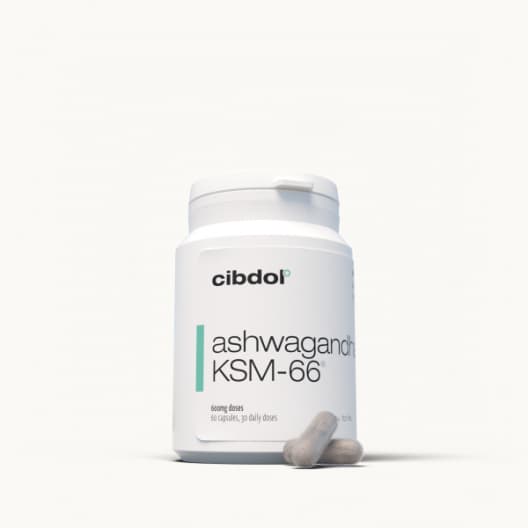

Ashwagandha KSM-66
Clinically studied KSM-66 ashwagandha extract for stress reduction and adrenal support.
- • KSM-66® branded extract
- • Highest concentration full-root extract
- • Reduces cortisol and stress
Disclosure: We may earn a commission if you purchase via these links.
Melatonin: The Misunderstood Hormone
Evidence: ⭐⭐⭐ Strong (for its actual purpose)
Melatonin is one of the most misused supplements in Europe. It is not a sedative. It is a circadian signal — it tells your body when to sleep, not how deeply to sleep. Taking 10mg of melatonin won''t make you sleep better; it will flood your receptors with a signal your body is already sending.
The research is clear: low doses work better than high doses for sleep. Studies consistently show that 0.3–1mg is as effective as 3–5mg for sleep onset, with fewer side effects (grogginess, vivid dreams, next-day sedation). A comprehensive review by Brzezinski et al. (Sleep Medicine Reviews, 2005) established that physiological replacement doses — matching what the pineal gland naturally produces — are optimal.
EU context: In the Netherlands, melatonin is available over the counter. However, EFSA (European Food Safety Authority) has authorised health claims only for 0.5mg doses to ease sleep onset in jet lag, and for circadian rhythm disruption. Products exceeding 1mg are technically subject to prescription requirements in some EU member states. Many products on Dutch shelves are labelled at 1–2mg, which is within the appropriate range.
What melatonin IS good for:
- Jet lag and shift work (resets circadian rhythm)
- Falling asleep at an earlier time (phase-advancing sleep)
- Short-term sleep onset difficulties
What it''s NOT good for:
- Staying asleep (this is a circadian signal, not a maintenance mechanism)
- Deep sleep quality
- Long-term insomnia treatment
Dosage: 0.3–1mg, taken 30–60 minutes before your target bedtime. Timing matters more than dose.
Valerian Root: Traditional, but Complicated
Evidence: ⭐⭐ Moderate
Valerian root has been used in European herbal medicine for centuries, and the clinical evidence is genuinely mixed — which is honest to say, rather than oversell.
The most comprehensive review to date (Shinjyo, Waddell & Green, 2020, Journal of Evidence-Based Integrative Medicine, n=6,894 across 60 studies) found that valerian had a statistically significant effect on subjective sleep quality and reduced anxiety. However, the effect sizes were inconsistent, partly due to variable extract quality and inconsistent standardisation across products (PubMed: 33086877).
The mechanism is plausible: valerenic acid (a key valerian constituent) acts on GABA-A receptors — the same receptors targeted by benzodiazepines, but far more weakly. Valerian also inhibits GABA breakdown, increasing GABAergic tone in a mild, non-habit-forming way.
Important caveat: Benefits require consistent use. Most studies showing positive results ran for 2–4 weeks. Don''t expect single-dose effects.
Dosage: 300–600mg standardised extract (0.8% valerenic acid), 30–60 minutes before bed.
What it''s best for: People with mild sleep difficulties looking for an herbal option. Better data than most herbal sleep aids. Safe for most people, including older adults.

Valerian Root
Traditional European sleep herb — valerian root extract for improved sleep quality and relaxation.
- • Traditional European sleep herb
- • Promotes GABA activity
- • Non-habit forming
Disclosure: We may earn a commission if you purchase via these links.
CBD: A Newer Addition With Caveats
Evidence: ⭐ Promising
CBD (cannabidiol) is increasingly used for sleep, and the mechanism makes sense: it interacts with the endocannabinoid system and reduces anxiety through indirect serotonin receptor modulation — addressing one of the most common causes of poor sleep without the psychoactive effects of THC.
The evidence is more nuanced than much of the marketing suggests. The strongest data is for sleep disturbance secondary to anxiety or pain. A large retrospective study (Shannon et al., 2019, The Permanente Journal) found that 66.7% of patients reported improved sleep in the first month of CBD use, though fluctuations were common.
European regulatory note (important): CBD products in the EU are classified as Novel Foods, meaning full authorisation is still pending as of early 2026. EFSA proposed a provisional acceptable daily intake of just 2mg CBD/day in September 2025 — a figure that is significantly more conservative than typical product dosing. This doesn''t mean CBD is unsafe at higher doses, but it does mean European consumers should be aware that the regulatory landscape is still developing.
Dosage for sleep: 15–50mg, taken 60–90 minutes before bed. Lower doses may be more activating; higher doses more sedating.
For a deeper look at CBD and sleep, see our dedicated guide: CBD for Sleep.
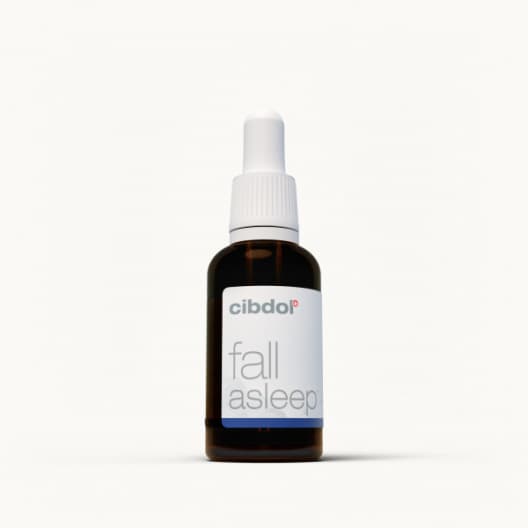
Fall Asleep (Meladol)
Liposomal CBD + melatonin for faster sleep onset.
- • CBD + melatonin
- • Liposomal formula
- • 30ml bottle
Disclosure: We may earn a commission if you purchase via these links.
Tart Cherry Extract: Natural Melatonin Source
Evidence: ⭐ Promising
Montmorency tart cherries are one of the richest dietary sources of naturally occurring melatonin, and a few small studies have shown meaningful sleep benefits. Howatson et al. (2012, European Journal of Nutrition) found that tart cherry juice concentrate (taken twice daily for 7 days) increased melatonin levels, total sleep time, and sleep efficiency in healthy adults.
The appeal is that tart cherry delivers melatonin in a food-matrix context, alongside polyphenols and anti-inflammatory compounds, which may produce a gentler and more sustained effect than supplemental melatonin.
Dosage: 480mg tart cherry extract or 240ml juice concentrate, twice daily (morning and evening).
Best for: Athletes with sleep disruption from muscle soreness and inflammation (the anti-inflammatory effects are an added bonus), and people who want melatonin support from a food source rather than a synthetic capsule.
Building Your Sleep Stack
The most effective approach isn''t taking every supplement on this list — it''s matching supplements to your specific sleep problem.
Stack 1: Can''t Fall Asleep (sleep onset insomnia)
| Supplement | Dose | Timing |
|---|---|---|
| L-theanine | 200–400mg | 45 min before bed |
| Melatonin (low dose) | 0.5–1mg | 60 min before target bedtime |
| Magnesium glycinate | 200mg | 45 min before bed |
This addresses the two most common causes of delayed sleep onset: a busy, anxious mind (L-theanine) and a shifted circadian signal (melatonin).
Fall Asleep Capsules
Meladol formula in capsule form. 30 capsules per tub.
- • CBD + melatonin
- • Easy to swallow
- • 30 capsules
Disclosure: We may earn a commission if you purchase via these links.
Stack 2: Can''t Stay Asleep (sleep maintenance insomnia)
| Supplement | Dose | Timing |
|---|---|---|
| Glycine | 3g | 30 min before bed |
| Magnesium glycinate | 300–400mg | 45 min before bed |
| Valerian root | 400mg | 30 min before bed |
These target core body temperature, GABA tone, and deep sleep architecture — the main drivers of waking through the night.
Stay Asleep Capsules
CBD, CBN, hops, 5-HTP for deeper, uninterrupted sleep.
- • CBD + CBN + 5-HTP
- • 60 capsules
- • For light sleepers
Disclosure: We may earn a commission if you purchase via these links.
Stack 3: Anxiety-Driven Insomnia
| Supplement | Dose | Timing |
|---|---|---|
| Ashwagandha KSM-66 | 600mg | Evening (with food) |
| L-theanine | 200mg | 45 min before bed |
| Magnesium glycinate | 200mg | 45 min before bed |
This combination addresses cortisol dysregulation (ashwagandha), acute pre-sleep anxiety (L-theanine), and the downstream neurological effects of chronic stress on GABA tone (magnesium).
General stacking rules:
- Introduce one supplement at a time. Two weeks per new addition before adding the next. Otherwise you won''t know what''s working.
- Cycle ashwagandha: 8–12 weeks on, 4 weeks off.
- Magnesium and glycine can be used daily long-term.
- Melatonin is best used situationally (jet lag, schedule shifts) rather than nightly for months.
What to Avoid
A few common mistakes worth flagging:
High-dose melatonin (5–10mg): As covered above, this is a circadian signal, not a sedative. High doses can disrupt your natural melatonin production over time and cause vivid dreams, grogginess, and paradoxical wakefulness in some people.
Proprietary sleep blends with undisclosed doses: Many commercial "sleep complex" products contain 15 ingredients at sub-effective doses. You have no idea if any individual component is present at a therapeutic level. Build your own stack from single-ingredient products where possible.
Herbal sedatives with CNS medications: Valerian, kava, and passionflower can interact with benzodiazepines, anticonvulsants, and some antidepressants. See our Supplement and Drug Interactions guide before combining.
Skipping the basics: No supplement will compensate for a bedroom temperature above 19°C, a phone in your hand at 11pm, or a 2am coffee habit. Supplements work best on top of solid sleep hygiene.
Our Recommended Starting Point
If you''re new to sleep supplements and want to keep it simple, start with magnesium glycinate alone — 200mg before bed for two weeks. It''s the supplement with the broadest evidence base, the most benign safety profile, and the highest likelihood of producing noticeable results if you''re among the majority of Europeans with suboptimal magnesium intake.
From there, add L-theanine if falling asleep is your main issue, or glycine if you wake in the night. The stacks above guide you to the right products for each sleep problem.
Affiliate disclosure: Smart Supplements earns a commission on purchases made through partner links. This doesn''t affect our editorial content or recommendations.
Related Reading
- CBD for Sleep: What the Research Says
- Magnesium for Sleep: Which Form Is Best?
- Sleep Supplements: Melatonin, Magnesium & Glycine Deep Dive
- What Is CBD? The Complete Beginner''s Guide
- Supplement and Drug Interactions
- What Are Nootropics?
Frequently Asked Questions
What is the best natural sleep supplement for falling asleep faster?
L-theanine (200–400mg) and low-dose melatonin (0.5–1mg) are the best-evidenced options specifically for sleep onset. L-theanine works by calming the mind without sedation, while melatonin signals your circadian system that it''s time to sleep. Together, they address both the psychological and physiological components of delayed sleep onset. Magnesium glycinate is a useful addition and may be the right starting point if you suspect low magnesium intake.
Is melatonin safe to take every night in Europe?
Short-term use (up to 3 months) at low doses (0.3–1mg) is considered safe based on current evidence. Long-term nightly use is less studied. EFSA has authorised melatonin health claims only for 0.5mg doses in the context of circadian rhythm disruption. There''s some concern that high-dose, long-term melatonin supplementation could downregulate the body''s own melatonin production over time — another reason to use the lowest effective dose.
Can I take multiple sleep supplements together?
Yes, provided you introduce them one at a time and check for interactions. Magnesium, glycine, and L-theanine are very well tolerated in combination. Adding valerian or ashwagandha is generally safe for healthy adults. Combining any sleep supplement with prescription sleep medication, benzodiazepines, or SSRIs requires medical advice first.
How long before bed should I take sleep supplements?
Timing varies by mechanism. Melatonin works best 60 minutes before your target sleep time. L-theanine, magnesium, and valerian are typically taken 30–45 minutes before bed. Ashwagandha should be taken with food in the evening rather than immediately before bed. Glycine can be taken 30 minutes before lying down.
Are natural sleep supplements effective for chronic insomnia?
For mild-to-moderate sleep difficulties, natural supplements can produce meaningful improvements. For diagnosed chronic insomnia (present for >3 months, affecting daily function), Cognitive Behavioural Therapy for Insomnia (CBT-I) has the strongest evidence base — stronger than any supplement or medication. Natural sleep supplements work best as adjuncts to good sleep hygiene and behavioural changes, not as standalone treatments for serious sleep disorders.
Which sleep supplements are legal and available in the Netherlands?
All supplements covered in this article — magnesium, L-theanine, glycine, valerian, ashwagandha, melatonin (up to 1mg), tart cherry, and CBD — are legally available in the Netherlands. Melatonin above certain concentrations may require a pharmacist. CBD products are in the Novel Food registration process; products compliant with EU Novel Food rules can be legally sold. Magic truffles (which contain psilocybin) are a separate category — legal in the Netherlands but handled entirely differently. See our Magic Truffles Guide for more.
This article is for informational purposes only and is not intended as medical advice. Always consult a healthcare professional before starting any new supplement, especially if you take prescription medication.
Last updated: February 23, 2026 | Written by Smart Supplements Editorial Team
Related topics
Where to buy
Affiliate linksMADMONQ ZEN PLUS
Advanced evening drink for sleep and stress recovery — without melatonin or sedatives. Six natural ingredients: Cyracos® (600mg lemon balm extract), Saffron, Magnesium (170mg elemental), Chamomile, L-Theanine, and Myo-Inositol. Dissolve in hot water 30–60 minutes before bed. Zero morning fog, no habit-forming ingredients. 28 sachets per pack.
- • Cyracos® lemon balm — clinically studied for sleep quality
- • No melatonin — zero morning grogginess or dependency
- • Saffron + Chamomile for natural relaxation
Super Sleep
Zamnesia Super Sleep — a fast-acting liposomal sleep formula combining golden-grade CBD (75mg total), melatonin, and liposomal delivery for enhanced absorption. All-natural ingredients from European organic hemp with no detectable THC. 30ml dropper bottle, take before bed.
- • Fast-acting liposomal formula for enhanced CBD absorption
- • Golden-grade CBD + melatonin — dual-action sleep support
- • All-natural ingredients, no detectable THC
Solid Sleep
Zamnesia Solid Sleep — a multi-compound sleep capsule combining CBD (12.5mg), CBN (12.5mg), hops (50mg), and Griffonia simplicifolia (167mg, 30% 5-HTP) per capsule. Designed for deep, uninterrupted sleep with effects in approximately 20 minutes. 30 plant-based HPMC capsules per bottle.
- • CBD + CBN + hops + 5-HTP — four-compound sleep formula
- • Promotes deep, uninterrupted sleep
- • Fast-acting — effects in approximately 20 minutes
Dream Gummies Cherry
Zamnesia Dream Gummies Cherry — vegan sleep gummies combining valerian root extract (25mg, 10:1), passionflower extract (20mg, 10:1), and melatonin (0.29mg) per gummy. Delicious cherry flavour with natural colouring. 60 gummies per tub. Take one gummy 45 minutes before bed.
- • Valerian + passionflower + melatonin — herbal sleep gummies
- • Vegan-friendly pectin-based formula, no gelatine
- • Delicious cherry flavour with natural colouring
Disclosure: We may earn a commission if you purchase via these links.
Related articles
Natural Sleep Aids Without Melatonin: 12 Alternatives That Actually Work
Discover 12 evidence-based natural sleep aids that work without melatonin. From magnesium and glycine to CBD and adaptogens — find the right alternative fo
Building a Sleep Supplement Stack: What to Combine (and What Not To)
Most sleep supplements work better together than alone — but only if you combine them correctly. Here are specific stacks for anxiety-driven insomnia, earl
Ashwagandha for Sleep: How This Adaptogen Fights Insomnia
Learn how ashwagandha fights stress-driven insomnia by reducing cortisol up to 30%. Compare KSM-66 vs Sensoril extracts, get dosing protocols, and discover