
Anti-Inflammatory Supplements: What Works Beyond Turmeric
Written by Smart Supplements Editorial Team
Key takeaways
- EPA-derived resolvins actively resolve inflammation rather than merely suppressing it — making omega-3 the strongest anti-inflammatory supplement
- Boswellia targets the 5-LOX pathway (leukotrienes) while curcumin targets NF-κB and COX-2 — combining them covers both major inflammatory cascades
- Quercetin is both anti-inflammatory and senolytic — it clears damaged zombie cells that drive chronic inflammation and ageing
- Astaxanthin is 6000x stronger than vitamin C as an antioxidant and uniquely spans the entire cell membrane for protection
- The Mediterranean diet reduces CRP by 20-30% — a dietary change that may outperform any individual anti-inflammatory supplement
Table of contents
- Why Chronic Inflammation Is the Health Problem of Our Generation
- The Anti-Inflammatory Evidence Tier List
- Omega-3 Fatty Acids: The Strongest Anti-Inflammatory Supplement
- Curcumin: The Famous One (Quick Summary)
- Quercetin: The Versatile Flavonoid
- Boswellia (Frankincense): The Joint Specialist
- Ginger: The Culinary Anti-Inflammatory
- Astaxanthin: The Antioxidant King
- SPMs: The Cutting Edge of Inflammation Resolution
- Stacking Anti-Inflammatories: What Combines Well
- Diet and Lifestyle: The Anti-Inflammatory Foundation
- Frequently Asked Questions
- Disclaimer
- Related Articles
Why Chronic Inflammation Is the Health Problem of Our Generation
Acute inflammation is a feature, not a bug. When you cut your finger, twist your ankle, or fight off a virus, inflammation is the immune system doing exactly what it's designed to do — deploying white blood cells, increasing blood flow, and clearing damaged tissue. It's painful, but purposeful. And it resolves.
Chronic inflammation is different. It's low-grade, systemic, persistent — and largely invisible. There's no redness, no swelling, no obvious injury. Instead, inflammatory markers (CRP, IL-6, TNF-α) simmer quietly in the background, damaging tissues incrementally over months and years.
The evidence linking chronic inflammation to virtually every major disease of civilisation is now overwhelming:
| Condition | Inflammatory Mechanism |
|---|---|
| Cardiovascular disease | Arterial plaque formation driven by inflammatory macrophages |
| Type 2 diabetes | Inflammation impairs insulin signalling |
| Alzheimer's disease | Neuroinflammation accelerates neurodegeneration |
| Depression | Inflammatory cytokines disrupt neurotransmitter synthesis |
| Cancer | Chronic inflammation promotes DNA damage and tumour growth |
| Osteoarthritis | Inflammatory joint destruction beyond normal wear |
| Autoimmune diseases | Dysregulated inflammatory response attacks own tissue |
| Accelerated ageing | "Inflammageing" — chronic inflammation as a driver of biological ageing |
This is why anti-inflammatory supplements have moved from niche interest to mainstream demand. But while curcumin gets most of the attention, there's an entire arsenal of anti-inflammatory compounds — some of which outperform turmeric for specific conditions.
The Anti-Inflammatory Evidence Tier List
| Tier | Supplements | Evidence Base |
|---|---|---|
| Strong | Omega-3 (EPA+DHA), curcumin (enhanced forms), vitamin D | Multiple large RCTs, meta-analyses, consistent results |
| Good | Quercetin, boswellia (frankincense), ginger | Several positive RCTs, some inconsistency |
| Promising | Astaxanthin, SPMs, bromelain, green tea (EGCG) | Smaller trials, strong mechanistic data, emerging evidence |
| Traditional/Limited | Cat's claw, devil's claw, white willow bark | Traditional use, limited modern trials |
Omega-3 Fatty Acids: The Strongest Anti-Inflammatory Supplement
We've covered omega-3 comprehensively in our dedicated guide, but its anti-inflammatory credentials deserve specific emphasis here. Omega-3 — specifically EPA — is arguably the most potent anti-inflammatory supplement available.
Why EPA Is the Anti-Inflammatory Star
EPA (eicosapentaenoic acid) is the precursor to resolvins and protectins — specialised pro-resolving mediators (SPMs) that actively resolve inflammation rather than merely suppressing it. This is a crucial distinction:
- NSAIDs block COX enzymes, preventing inflammatory prostaglandin production. This suppresses inflammation but doesn't resolve it — the inflammatory debris remains.
- EPA-derived resolvins actively clear inflammatory cells, promote tissue repair, and restore homeostasis. They don't just stop the fire; they clean up the damage.
Anti-Inflammatory Dosing
For measurable anti-inflammatory effects, standard dietary omega-3 intake is insufficient. The evidence supports higher doses:
| Goal | EPA+DHA Dose | Evidence Level |
|---|---|---|
| General anti-inflammatory maintenance | 1000-2000mg/day | Strong |
| Rheumatoid arthritis / joint inflammation | 2000-3000mg/day | Strong |
| High triglycerides (cardiovascular) | 2000-4000mg/day | Strong (REDUCE-IT trial) |
| Post-exercise recovery | 1000-2000mg/day | Moderate |
| Inflammatory bowel conditions | 2000-4000mg/day | Moderate |
Key point: Anti-inflammatory benefits require EPA-dominant formulations. Look for supplements where EPA constitutes at least 60% of the total EPA+DHA content.
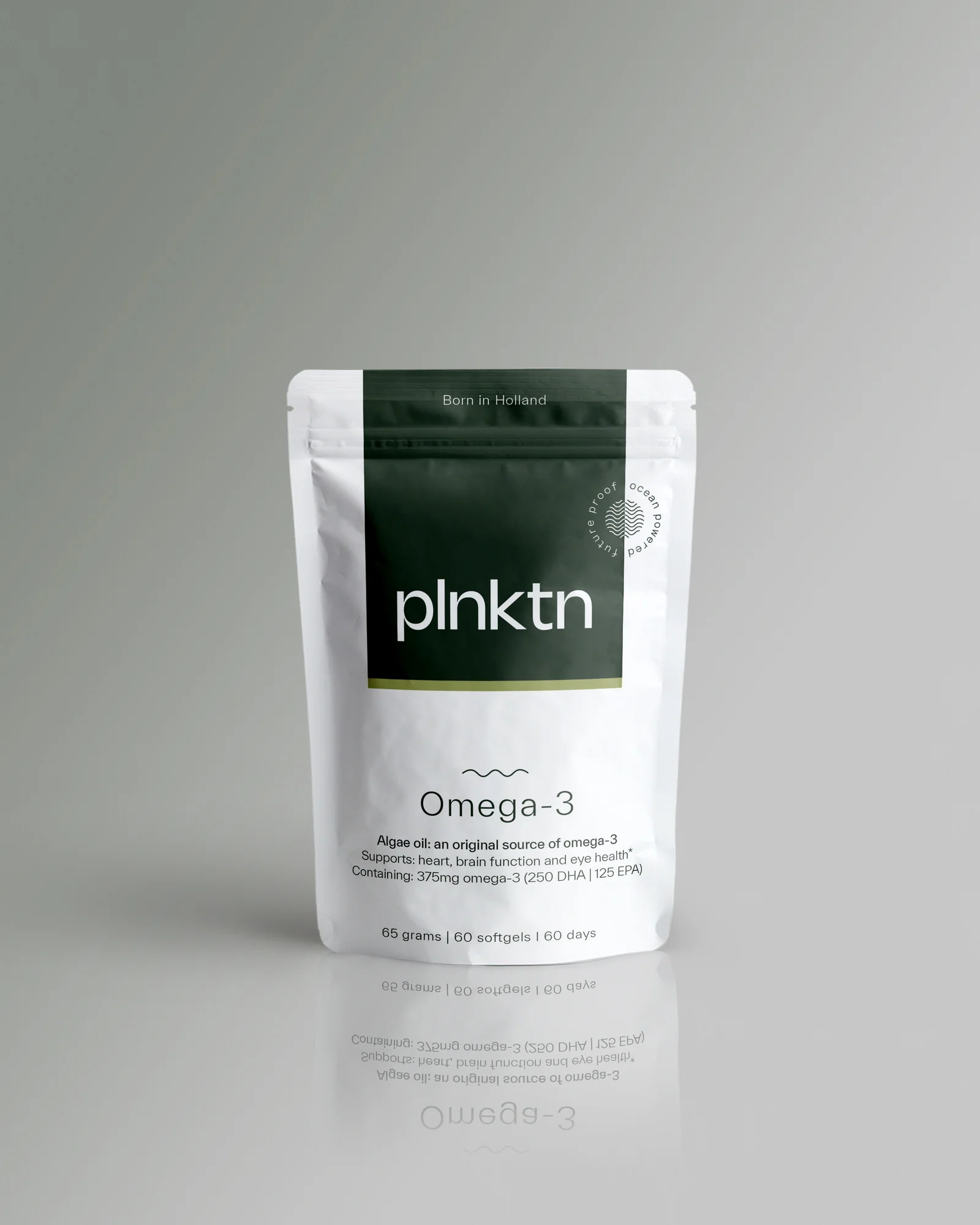

Omega-3 (algenolie)
Daily omega-3 from the original source: algae. With essential EPA and DHA for heart, brain and eyes.
- • 250 mg DHA and 125 mg EPA per capsule
- • 100% fish-free, plant-based algenolie
- • No fishy aftertaste, clean and controlled source
Disclosure: We may earn a commission if you purchase via these links.
Curcumin: The Famous One (Quick Summary)
Curcumin is covered extensively in our dedicated turmeric and curcumin guide. Here are the key anti-inflammatory points:
- Mechanism: Inhibits NF-κB (the master inflammatory transcription factor), COX-2, and LOX-5
- Evidence: Comparable to ibuprofen for osteoarthritis pain in a 367-patient trial; consistently reduces CRP, IL-6, and TNF-α in meta-analyses
- Critical issue: Standard curcumin has just 1-2% bioavailability — enhanced forms (Meriva, Longvida, BCM-95) are essential
- Dose: 500-1000mg enhanced curcumin daily with food
- Best for: Joint inflammation, chronic low-grade inflammation, exercise recovery
Quercetin: The Versatile Flavonoid
Quercetin is a flavonoid found naturally in onions, apples, berries, capers, and green tea. It's increasingly recognised as one of the most versatile anti-inflammatory and anti-ageing compounds available — with particular interest from the longevity research community for its senolytic properties (clearing damaged, "zombie" cells).
Anti-Inflammatory Mechanisms
Quercetin attacks inflammation through multiple pathways simultaneously:
- NF-κB inhibition — directly suppresses the master inflammatory switch
- Mast cell stabilisation — reduces histamine release (relevant for allergies and histamine-driven inflammation)
- COX-2 and LOX-5 inhibition — similar targets to NSAIDs but through different molecular mechanisms
- NLRP3 inflammasome inhibition — blocks a key inflammatory complex involved in conditions from gout to neurodegeneration
- Antioxidant activity — neutralises reactive oxygen species that trigger inflammatory cascades
Clinical Evidence
| Study | Design | Finding |
|---|---|---|
| Javadi et al. (2017) | 50 RA patients, 500mg/day, 8 weeks | Significant reduction in morning stiffness, pain, and hs-CRP |
| Askari et al. (2012) | 40 RA patients, 500mg/day, 8 weeks | Reduced TNF-α and disease activity score |
| Kressler et al. (2011) | Meta-analysis of exercise studies | Modest improvement in VO2 max and exercise performance |
| Heinz et al. (2010) | 1000mg/day, 12 weeks, healthy adults | Reduced upper respiratory tract infection incidence in fit middle-aged adults |
Dosing and Absorption
Standard quercetin has moderate bioavailability (~17%). Strategies to improve absorption:
- Take with a fat source — quercetin is lipophilic
- Combine with vitamin C — ascorbic acid regenerates oxidised quercetin and may improve absorption
- Bromelain co-administration — the enzyme from pineapple may enhance quercetin absorption
- Phytosomal/liposomal forms — significantly improved bioavailability
Dose: 500-1000mg daily, divided into 2 doses. For allergy/histamine: start 2-4 weeks before allergy season.
The Senolytic Angle
Quercetin combined with dasatinib (a prescription drug) is the most studied senolytic combination — clearing senescent cells that drive chronic inflammation and ageing. Quercetin alone has weaker senolytic activity, but combined with fisetin (another flavonoid) or at higher doses, it may contribute to cellular housekeeping. This cross-over with longevity science makes quercetin uniquely interesting.
Purovitalis Liposomal Quercetin Complex
Quercetin 150mg combined with bromelain, zinc, and vitamin C in a liposomal formulation. Targets immune function, antioxidant protection, and senescent cell clearance.
- • 150mg quercetin with bromelain, zinc, and vitamin C
- • Liposomal delivery for improved absorption
- • Synergistic ingredient combination
Disclosure: We may earn a commission if you purchase via these links.
Boswellia (Frankincense): The Joint Specialist
Boswellia serrata — the plant that produces frankincense resin — contains boswellic acids that target a unique inflammatory pathway: the 5-lipoxygenase (5-LOX) enzyme.
Why 5-LOX Matters
Most anti-inflammatory supplements target the COX pathway (the same one NSAIDs target). Boswellia targets 5-LOX — the enzyme that produces leukotrienes, a different class of inflammatory molecules involved in:
- Bronchial constriction (asthma)
- Joint inflammation (particularly cartilage-destructive inflammation)
- Inflammatory bowel disease
- Allergic responses
This makes boswellia complementary to COX-targeting supplements like curcumin and omega-3. Combining boswellia with curcumin targets both major inflammatory enzyme pathways simultaneously.
Clinical Evidence
Osteoarthritis:
- Sengupta et al. (2008): Enriched boswellia extract (5-Loxin, 100mg/day) reduced knee OA pain by 62% and improved physical function by 72% at 90 days
- Kimmatkar et al. (2003): Boswellia extract reduced knee pain and swelling, increased range of motion, and patients could walk further
- Several studies show boswellia comparable to celecoxib (a prescription COX-2 inhibitor) for OA symptom relief
Inflammatory Bowel Disease:
- Gupta et al. (2001): Boswellia extract (350mg, 3x daily) was as effective as mesalazine for maintaining remission in ulcerative colitis
- Holtmeier et al. (2011): Boswellia extract (Boswelan, 800mg 3x daily) showed comparable efficacy to mesalazine for Crohn's disease
Asthma:
- Gupta et al. (1998): 300mg boswellia 3x daily reduced asthma symptoms and improved FEV1 in 70% of patients
Key Compound: AKBA
Not all boswellic acids are equally potent. AKBA (acetyl-11-keto-β-boswellic acid) is the most pharmacologically active — it's the most potent 5-LOX inhibitor in the resin. When choosing a boswellia supplement, look for AKBA content:
- Standard boswellia extract: 3-5% AKBA
- Enriched extracts (5-Loxin, AprèsFlex): 20-30% AKBA
- Higher AKBA = lower dose needed = better results
Dose: 300-500mg boswellic acids daily (from standardised extract with specified AKBA content). For enriched extracts (20%+ AKBA): 100-250mg daily.
Ginger: The Culinary Anti-Inflammatory
Ginger (Zingiber officinale) is familiar to everyone as a culinary spice, but concentrated ginger extracts have genuine anti-inflammatory and analgesic properties.
Mechanisms
Ginger's active compounds — gingerols (in fresh ginger) and shogaols (in dried/cooked ginger) — work through:
- COX-2 inhibition (similar to NSAIDs)
- NF-κB suppression
- Inhibition of pro-inflammatory cytokine production
- Antioxidant activity (reducing oxidative stress-driven inflammation)
Evidence
Exercise-induced inflammation and muscle pain:
- Black et al. (2010): 2g raw ginger daily reduced exercise-induced muscle pain by 25% compared to placebo
- Wilson (2015): Meta-analysis confirmed ginger reduces DOMS (delayed onset muscle soreness) by ~13%
Osteoarthritis:
- Altman & Marcussen (2001): 255mg ginger extract 2x daily reduced knee pain on standing compared to placebo
- Mozaffari-Khosravi et al. (2016): 500mg ginger powder 3x daily reduced inflammatory markers in knee OA patients
Nausea (bonus benefit):
- Ginger is one of the most well-evidenced natural anti-nausea remedies — effective for motion sickness, pregnancy nausea, and chemotherapy-induced nausea
Dosing
- For inflammation: 1-2g dried ginger powder daily, or 250-500mg concentrated extract (standardised to gingerols/shogaols)
- For nausea: 250mg, 4x daily
- Fresh ginger: 2-4cm fresh root grated into food or tea daily provides modest anti-inflammatory benefit
Safety: Ginger has mild blood-thinning properties at high doses (>4g/day). If taking anticoagulants, keep doses moderate and inform your healthcare provider. Ginger can also cause heartburn in some people at high doses.
Astaxanthin: The Antioxidant King
Astaxanthin is a carotenoid pigment produced by the microalga Haematococcus pluvialis — it's the compound that makes salmon, shrimp, and flamingos pink. Its antioxidant potency is extraordinary: 6,000 times stronger than vitamin C and 550 times stronger than vitamin E in laboratory assays.
Anti-Inflammatory Mechanism
Astaxanthin's anti-inflammatory effects work through a dual mechanism:
- NF-κB inhibition — directly suppresses the inflammatory master switch
- COX-2 suppression — reduces inflammatory prostaglandin production
- ROS neutralisation — by quenching reactive oxygen species, it prevents the oxidative stress that triggers inflammatory cascades in the first place
Unlike most antioxidants, astaxanthin spans the entire cell membrane (it's long enough to bridge both lipid bilayers), providing protection on both the inside and outside of the cell.
Clinical Evidence
| Study | Finding |
|---|---|
| Park et al. (2010) | 2mg/day astaxanthin for 8 weeks reduced CRP and DNA damage markers |
| Choi et al. (2011) | 5-20mg/day reduced oxidative stress markers and boosted immune response |
| Earnest et al. (2011) | 12mg/day for 12 weeks reduced CRP in overweight adults |
| Baralic et al. (2015) | 4mg/day reduced exercise-induced muscle damage markers in football players |
Dosing
- General antioxidant/anti-inflammatory: 4-8mg daily
- Athletic recovery / higher inflammation: 8-12mg daily
- Always with fat — astaxanthin is highly lipophilic; absorption requires dietary fat
Safety: Astaxanthin has an excellent safety profile with no known toxicity at supplemental doses. It may cause mild orange-pink skin colouration at very high doses (>40mg/day) — a cosmetic rather than health concern.
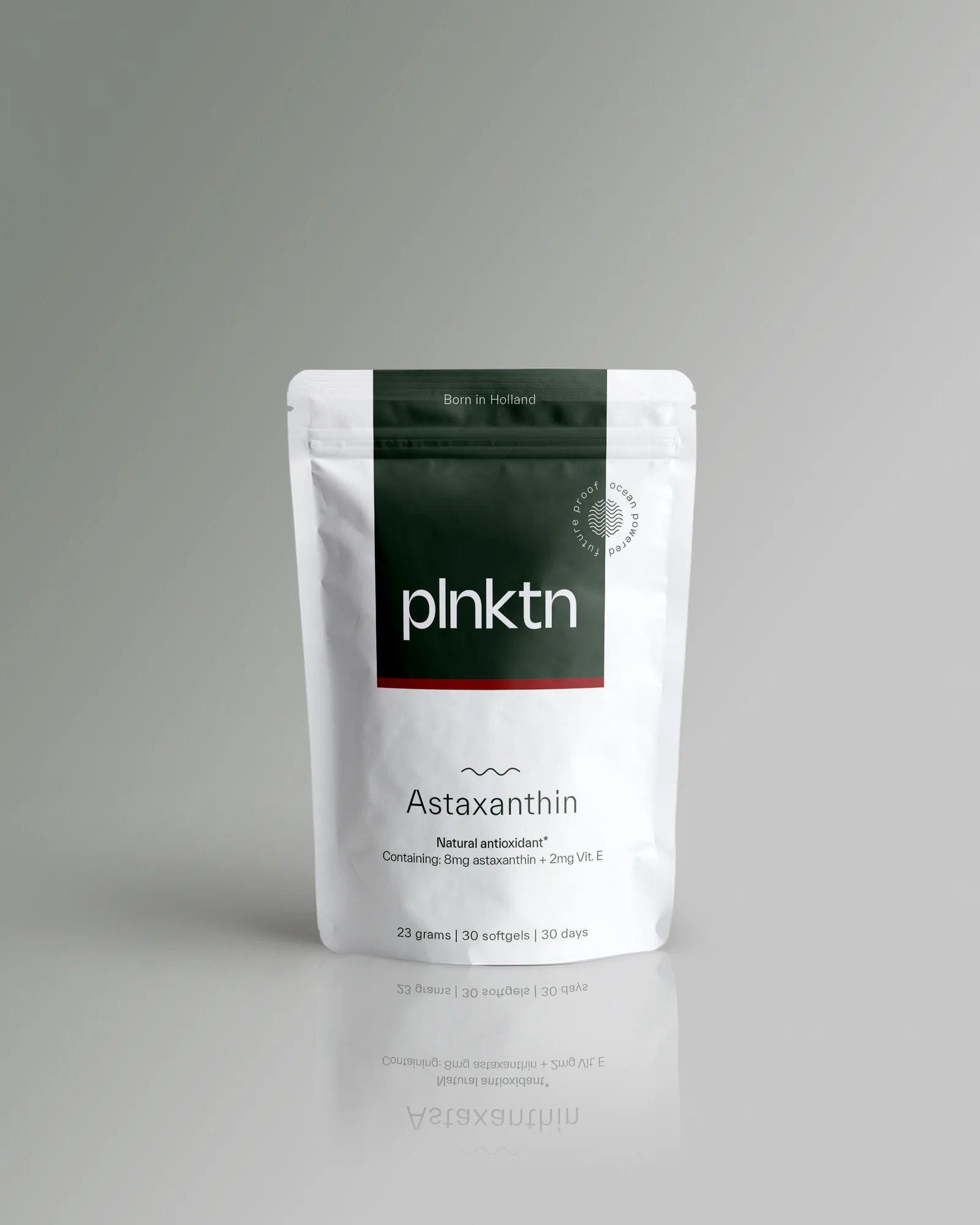
Astaxanthine
Powerful antioxidant from algae for protection from within, supporting skin and cells.
- • Natural astaxanthin from algae
- • Supports protection of cells against oxidative stress
- • Complements omega-3 and plankton in your routine
Disclosure: We may earn a commission if you purchase via these links.
SPMs: The Cutting Edge of Inflammation Resolution
Specialised Pro-Resolving Mediators (SPMs) represent the frontier of inflammation science. Rather than suppressing inflammatory pathways (which can have side effects), SPMs actively resolve inflammation — clearing inflammatory debris, promoting tissue repair, and restoring homeostasis.
What Are SPMs?
SPMs are metabolites of omega-3 fatty acids. Your body produces them naturally from EPA and DHA:
- EPA → Resolvins E-series (RvE1, RvE2)
- DHA → Resolvins D-series (RvD1, RvD2), Protectins (PD1/NPD1), Maresins (MaR1)
These molecules were discovered by Dr. Charles Serhan at Harvard in the early 2000s and represent a paradigm shift in understanding inflammation: it's not just about "turning off" the inflammatory response, but about actively resolving it through dedicated molecular pathways.
Why Supplemental SPMs?
Even with adequate omega-3 intake, SPM production can be impaired by:
- Ageing (enzyme efficiency declines)
- Chronic stress (cortisol impairs SPM synthesis)
- Obesity (adipose tissue inflammatory signalling disrupts SPM pathways)
- Genetic variation in converting enzymes (FADS1/FADS2 polymorphisms)
SPM supplements provide pre-formed resolvins and protectins, bypassing the need for enzymatic conversion from omega-3 precursors.
Current Evidence
SPM research is still early-stage compared to omega-3 or curcumin, but the mechanistic data is compelling:
- Animal studies show dramatic inflammation resolution in models of arthritis, colitis, and periodontitis
- Small human trials show improved resolution of acute inflammation
- Combination with omega-3 may provide synergistic benefits (precursors + pre-formed SPMs)
Status: Promising but limited. If you're already taking adequate omega-3 and want to enhance your anti-inflammatory protocol, SPMs are worth exploring. They're not yet a first-line recommendation.
Stacking Anti-Inflammatories: What Combines Well
The Foundation Stack
For most people with chronic low-grade inflammation:
| Supplement | Daily Dose | Target |
|---|---|---|
| Omega-3 (EPA-dominant) | 1000-2000mg EPA+DHA | Resolvin production, COX pathway |
| Curcumin (enhanced) | 500mg Meriva or equivalent | NF-κB, COX-2 |
| Vitamin D3 | 1000-2000 IU | Immune regulation, inflammatory modulation |
The Enhanced Stack
Adding specificity for joints, allergies, or high inflammation:
| Add | Dose | Best For |
|---|---|---|
| Quercetin | 500mg 2x daily | Allergies, histamine, senolytic benefit |
| Boswellia (AKBA-enriched) | 100-250mg | Joint inflammation (5-LOX pathway) |
| Astaxanthin | 4-8mg | Oxidative stress, exercise recovery |
| Ginger extract | 250-500mg | Muscle soreness, GI inflammation |
What's Redundant
- Curcumin + boswellia — complementary (COX + LOX), not redundant
- Omega-3 + curcumin — complementary (different mechanisms), often synergistic
- Multiple COX inhibitors (curcumin + ginger + high-dose omega-3) — some redundancy; diminishing returns from stacking three COX-targeting supplements
- Quercetin + curcumin — both target NF-κB but through different mechanisms; reasonable combination
Timing for Anti-Inflammatory Stacks
| Time | Supplements | Why |
|---|---|---|
| Morning with breakfast | Omega-3, vitamin D3 (with fat), astaxanthin | Fat-soluble, energising context |
| Midday with lunch | Curcumin (with fat), ginger | Sustained inflammatory coverage |
| Evening | Quercetin, boswellia | Can cause mild drowsiness in some |

5% CBG & 2.5% CBD Oil
Cibdol's CBG & CBD combination oil — 5% CBG (cannabigerol) paired with 2.5% CBD in a full-spectrum formula. CBG is the precursor cannabinoid known as the "mother of cannabinoids", with emerging research pointing to anti-inflammatory, neuroprotective and gut-supportive properties. Swiss-produced, third-party tested.
- • 5% CBG + 2.5% CBD — dual-cannabinoid formula
- • CBG: anti-inflammatory and neuroprotective properties
- • Full-spectrum Swiss-produced oil
Disclosure: We may earn a commission if you purchase via these links.

Reishi Mushroom
Reishi (Ganoderma lucidum) extract for immune support, stress reduction, and sleep quality.
- • Adaptogenic mushroom
- • Immune and stress support
- • Traditional use thousands of years
Disclosure: We may earn a commission if you purchase via these links.
Diet and Lifestyle: The Anti-Inflammatory Foundation
Supplements work best on a foundation of anti-inflammatory lifestyle habits:
The Mediterranean Diet
The Mediterranean dietary pattern — rich in olive oil, fish, vegetables, legumes, nuts, and moderate wine — is the most evidence-based anti-inflammatory diet. A 2018 meta-analysis found that strict Mediterranean diet adherence reduced CRP by 20-30% compared to Western diets. This single dietary change may have more anti-inflammatory impact than any individual supplement.
Exercise (Dose Matters)
- Moderate exercise (150-300 minutes/week of walking, swimming, cycling) is profoundly anti-inflammatory — it reduces CRP, IL-6, and TNF-α long-term
- Intense exercise is acutely inflammatory (muscle damage triggers IL-6 release) but promotes anti-inflammatory adaptations over time
- Excessive exercise without recovery = chronic inflammation. More is not always better.
Stress Reduction
Cortisol drives inflammation through NF-κB activation. Chronic stress = chronic inflammation. See our stress and cortisol guide for evidence-based strategies.
Sleep
Sleep deprivation increases CRP, IL-6, and TNF-α within a single night. Chronic sleep debt is a major inflammation driver. Prioritise 7-9 hours.
Foods to Reduce
| Pro-Inflammatory Food | Mechanism |
|---|---|
| Refined sugar | Drives IL-6 and TNF-α production |
| Trans fats | Directly pro-inflammatory |
| Excess omega-6 vegetable oils | Shifts eicosanoid balance toward pro-inflammatory |
| Ultra-processed foods | Multiple mechanisms (sugar + trans fat + additives) |
| Excessive alcohol | Gut permeability + liver inflammation |
Frequently Asked Questions
Can I take anti-inflammatory supplements with NSAIDs?
Generally yes, at standard supplemental doses. Omega-3, curcumin, and quercetin work through complementary mechanisms to NSAIDs and may allow some people to reduce their NSAID dose over time (with medical guidance). However, combining multiple anti-platelet agents (high-dose omega-3 + curcumin + aspirin) increases bleeding risk. If you're on prescription anti-inflammatories, discuss supplementation with your doctor.
How do I know if I have chronic inflammation?
The simplest screening test is high-sensitivity CRP (hs-CRP). Levels below 1.0 mg/L suggest low cardiovascular and inflammatory risk; 1.0-3.0 mg/L indicates moderate risk; above 3.0 mg/L indicates high risk and warrants investigation. Your GP can order this as part of routine blood work. Other markers (IL-6, TNF-α, fibrinogen) are more specialised and typically ordered by specialists.
How long until anti-inflammatory supplements reduce inflammation?
Omega-3: measurable CRP reduction at 4-6 weeks. Curcumin: inflammatory marker changes at 4-8 weeks. Quercetin: 4-8 weeks for clinical benefit. Boswellia: 4-12 weeks for joint improvement. Astaxanthin: 4-8 weeks for oxidative markers. In general, expect 4-8 weeks for any anti-inflammatory supplement to show measurable effects. Subjective improvements (reduced joint stiffness, less pain) may come sooner.
Are anti-inflammatory supplements safe long-term?
The supplements in this guide have good long-term safety profiles at recommended doses. Omega-3 has been studied in trials lasting 5+ years. Curcumin has centuries of traditional dietary use. Quercetin occurs naturally in food. The main long-term considerations are blood-thinning effects (relevant if on anticoagulants) and potential iron absorption interference from curcumin and quercetin.
Can diet alone reduce chronic inflammation?
For many people, yes — adopting a Mediterranean-style diet, reducing ultra-processed food, managing stress, sleeping well, and exercising moderately can normalise inflammatory markers without any supplementation. Supplements become most valuable when lifestyle optimisation alone isn't sufficient, when specific conditions require targeted anti-inflammatory support, or when practical constraints (time, dietary preferences) limit anti-inflammatory food intake.
Disclaimer
This article is for informational and educational purposes only and does not constitute medical advice. Chronic inflammation can indicate serious underlying conditions requiring medical diagnosis and treatment. Do not use supplements as a replacement for prescribed anti-inflammatory medications without consulting your healthcare provider. If you have an autoimmune condition, take blood-thinning medications, or are scheduled for surgery, discuss supplement use with your doctor.
Related Articles
- Turmeric and Curcumin: Benefits, Bioavailability & How to Actually Absorb It
- Omega-3 Supplements: EPA vs DHA, Fish Oil vs Algae
- Best Supplements for Stress and Cortisol: An Evidence-Based Guide
- Supplement Bioavailability: Why Your Supplements Might Not Be Working
- Supplement and Drug Interactions: What Your Doctor Might Not Tell You
This article is for informational purposes only and is not intended as medical advice. Always consult a healthcare professional before starting any new supplement, especially if you take prescription medication.
Related topics
Where to buy
Affiliate linksUpfront Creatine
Straightforward creatine monohydrate at an unbeatable price. Clean formula, no nonsense.
- • Pure creatine monohydrate
- • Best price in NL (€8)
- • No fillers
Orangefit Protein
Plant-based protein shake made from yellow split peas. Complete amino acid profile, easy to digest, no artificial sweeteners. Available in multiple flavours.
- • 100% plant-based (yellow split peas)
- • Complete amino acid profile
- • No artificial sweeteners
Orangefit Protein Blend
Triple-source plant protein: yellow split peas, fava beans, and pumpkin. 24g protein + 5g BCAAs per shake, with turmeric and bioperine.
- • 24g protein per serving
- • 5g BCAAs included
- • Triple protein source
Upfront Crea PRO
Premium creatine formula with enhanced absorption. For athletes who want more from their creatine.
- • Enhanced absorption formula
- • Premium creatine
- • For serious athletes
Disclosure: We may earn a commission if you purchase via these links.
Related articles
Omega-3 Supplements: EPA vs DHA, Fish Oil vs Algae, and What You Actually Need
A comprehensive guide to omega-3 fatty acids covering EPA vs DHA differences, fish oil vs algae-derived options, supplement forms (triglyceride vs ethyl es
Turmeric and Curcumin: Benefits, Bioavailability & How to Actually Absorb It
An evidence-based guide to turmeric and curcumin — covering the bioavailability crisis, enhanced delivery systems compared (BioPerine, Meriva, Longvida, BC
Best Supplements for Muscle Soreness and Recovery: What the Science Says
A science-backed guide to supplements that actually help with muscle soreness and recovery — including protein, omega-3, magnesium, and collagen — with dos