
Best Supplements for Muscle Soreness and Recovery: What the Science Says
Written by Smart Supplements Editorial Team
Key takeaways
- Protein is the most important recovery supplement — aim for 1.6–2.2g/kg/day with 20–40g post-exercise paired with carbohydrates
- Omega-3 fatty acids reduce DOMS severity by 15–35% when taken daily for 4–6 weeks — this is infrastructure, not first aid
- Magnesium supports recovery indirectly through better sleep quality and correction of deficiency affecting 60%+ of Europeans
- Collagen peptides (5–15g/day with vitamin C) showed 78% improvement in runners with knee pain after 24 weeks
- Some inflammation is necessary for adaptation — aggressively blocking it with NSAIDs or ice baths may impair long-term gains
- No supplement replaces sleep — a single night under 6 hours can increase perceived soreness by up to 30%
Table of contents
- That Post-Workout Soreness Where Stairs Become Your Enemy? Some Supplements Can Genuinely Help.
- What Causes Muscle Soreness (DOMS)?
- Protein — The Foundation of Recovery
- Omega-3 — Your Anti-Inflammatory Ally
- Magnesium — The Recovery Mineral
- Collagen — For Joints and Tendons
- What About Curcumin, Tart Cherry, and Ice Baths?
- The Recovery Protocol — Putting It Together
- The Ibuprofen Question
- Building Your Recovery Stack by Budget
- Frequently Asked Questions
- Related Articles
- References
That Post-Workout Soreness Where Stairs Become Your Enemy? Some Supplements Can Genuinely Help.
You know the feeling. You pushed a little harder than usual — longer run, heavier session, a new class that targeted muscles you forgot you had. The next morning, everything aches. By day two, sitting down onto a toilet becomes a negotiation with gravity.
This is delayed onset muscle soreness (DOMS), and it's one of the most common reasons people reach for supplements. The problem is that the recovery supplement market is enormous, largely unregulated, and full of products making claims that range from "somewhat supported" to "complete nonsense."
This guide cuts through the noise. We'll look at what actually causes muscle soreness, which supplements have genuine evidence behind them, which are overhyped, and how to build a practical recovery protocol that doesn't require remortgaging your flat.
Fair warning: some of what you'll read may contradict popular advice. That's because popular advice is often based on marketing, not research.
What Causes Muscle Soreness (DOMS)?
Before we talk solutions, we need to understand the problem. DOMS — delayed onset muscle soreness — typically peaks 24 to 72 hours after exercise and is caused by a cascade of events that starts with mechanical damage to muscle fibres.
The Damage-Repair Cycle
When you exercise — particularly during eccentric (lengthening) contractions like running downhill, lowering weights, or plyometric movements — you create microscopic tears in muscle fibres. This isn't injury in the clinical sense. It's the stimulus that triggers adaptation.
Here's what happens in sequence:
- Mechanical disruption — sarcomere damage, membrane disruption, calcium leakage
- Inflammatory response — neutrophils and macrophages infiltrate the damaged tissue within hours
- Cytokine release — pro-inflammatory markers (IL-6, TNF-α, CRP) peak at 24–48 hours
- Satellite cell activation — muscle stem cells begin repair and remodelling
- Adaptation — the muscle rebuilds slightly stronger and more resistant to future damage
The critical insight that many supplement companies conveniently ignore: some inflammation is necessary for adaptation. The inflammatory response is not the enemy — it's the repair crew. Completely blocking it (with high-dose NSAIDs, for example) may actually impair long-term muscle growth and strength gains (Schoenfeld, 2012; Trappe et al., 2002).
The goal isn't to eliminate soreness. It's to support the repair process, reduce excessive inflammation that serves no adaptive purpose, and speed up the timeline from "can't walk" to "ready to train again."
| Factor | Effect on DOMS Severity |
|---|---|
| Eccentric vs concentric exercise | Eccentric causes 2–3x more soreness |
| Training novelty | New movements cause more damage than familiar ones |
| Training volume | More sets/reps = more damage (dose-response) |
| Individual variation | Genetics influence inflammatory response significantly |
| Sleep quality | Poor sleep amplifies inflammation and slows repair |
| Nutritional status | Protein and micronutrient deficiencies slow recovery |
Protein — The Foundation of Recovery
If you only take one "supplement" for recovery, make it protein. This isn't glamorous advice, but it's by far the most evidence-supported.
The Evidence
A 2018 meta-analysis in the British Journal of Sports Medicine (Morton et al.) confirmed that protein supplementation significantly enhances muscle recovery and adaptation when total daily intake reaches 1.6g per kg of bodyweight. The effect plateaus around 2.2g/kg/day — going higher doesn't provide additional benefit for most people.
Post-exercise protein is particularly effective when combined with carbohydrates. The combination reduces creatine kinase (a marker of muscle damage) more effectively than protein alone (Cockburn et al., 2008). The carbohydrates trigger an insulin response that enhances amino acid uptake into muscle tissue.
Practical Protocol
| Parameter | Recommendation |
|---|---|
| Daily total protein | 1.6–2.2g per kg bodyweight |
| Post-exercise dose | 20–40g within 2 hours |
| Post-exercise pairing | Add 30–60g carbohydrates (fruit, oats, rice) |
| Protein source | Whey (fastest), casein (sustained), or plant-based blends |
| For a 70kg person | 112–154g protein per day total |
| Timing | Distribute across 3–5 meals; post-exercise window matters most |
What to Look For
Plant-based protein powders have closed the gap significantly. Modern blends combining pea, rice, and/or faba bean protein achieve amino acid profiles comparable to whey. The key is leucine content — you want at least 2.5g leucine per serving to maximally stimulate muscle protein synthesis (MPS).
Orangefit Protein
Plant-based protein shake made from yellow split peas. Complete amino acid profile, easy to digest, no artificial sweeteners. Available in multiple flavours.
- • 100% plant-based (yellow split peas)
- • Complete amino acid profile
- • No artificial sweeteners
Disclosure: We may earn a commission if you purchase via these links.
Bottom line: Before you spend money on exotic recovery supplements, make sure your daily protein intake is adequate. Most Europeans under-consume protein relative to their activity level. Fixing this alone may reduce your DOMS more than any other single intervention.
For a deeper look at protein requirements and timing, see our complete protein guide.
Omega-3 — Your Anti-Inflammatory Ally
Omega-3 fatty acids (specifically EPA and DHA) are the most evidence-backed anti-inflammatory supplement available. Unlike NSAIDs, they modulate inflammation without blocking it entirely — reducing the excessive inflammatory response while preserving the adaptive signalling.
The Evidence
A 2020 systematic review and meta-analysis (Kyriakidou et al., Frontiers in Physiology) found that omega-3 supplementation significantly reduced perceived muscle soreness after eccentric exercise. EPA appears to be the primary driver, reducing pro-inflammatory cytokines (IL-6, TNF-α) and prostaglandins.
Key findings from the literature:
- Reduced DOMS severity: Multiple RCTs show 15–35% reduction in perceived soreness at 24–48 hours post-exercise (Jouris et al., 2011; Tsuchiya et al., 2016)
- Lower inflammatory markers: Significant reductions in CRP and IL-6 with consistent supplementation (Calder, 2017)
- Improved muscle protein synthesis: DHA is incorporated into muscle cell membranes, improving insulin sensitivity and amino acid uptake (Smith et al., 2011)
- Better range of motion retention: Less swelling and stiffness post-exercise (Tartibian et al., 2011)
Critical Detail: Daily, Not Acute
Here's what most people get wrong with omega-3 and recovery: it's not an acute intervention. Taking fish oil immediately after a hard workout won't help with that specific session's soreness. EPA and DHA need to accumulate in cell membranes over weeks of consistent supplementation before they modulate the inflammatory response effectively.
Think of omega-3 as infrastructure, not first aid.
Practical Protocol
| Parameter | Recommendation |
|---|---|
| Daily dose | 2–3g combined EPA+DHA |
| EPA:DHA ratio | Higher EPA for anti-inflammatory focus |
| Timing | With a meal containing fat (any meal) |
| Source | Algae-based for sustainability and purity; avoids heavy metal concerns |
| Loading period | 4–6 weeks of daily use before expecting recovery benefits |
| Maintenance | Indefinite — benefits persist only with continued use |
Algae vs Fish Oil
For European consumers, algae-based omega-3 offers several advantages: no heavy metal contamination risk, sustainable sourcing, vegan-compatible, and increasingly competitive on EPA+DHA concentration. The omega-3 itself is biochemically identical regardless of whether it came from a fish or the algae that the fish ate.
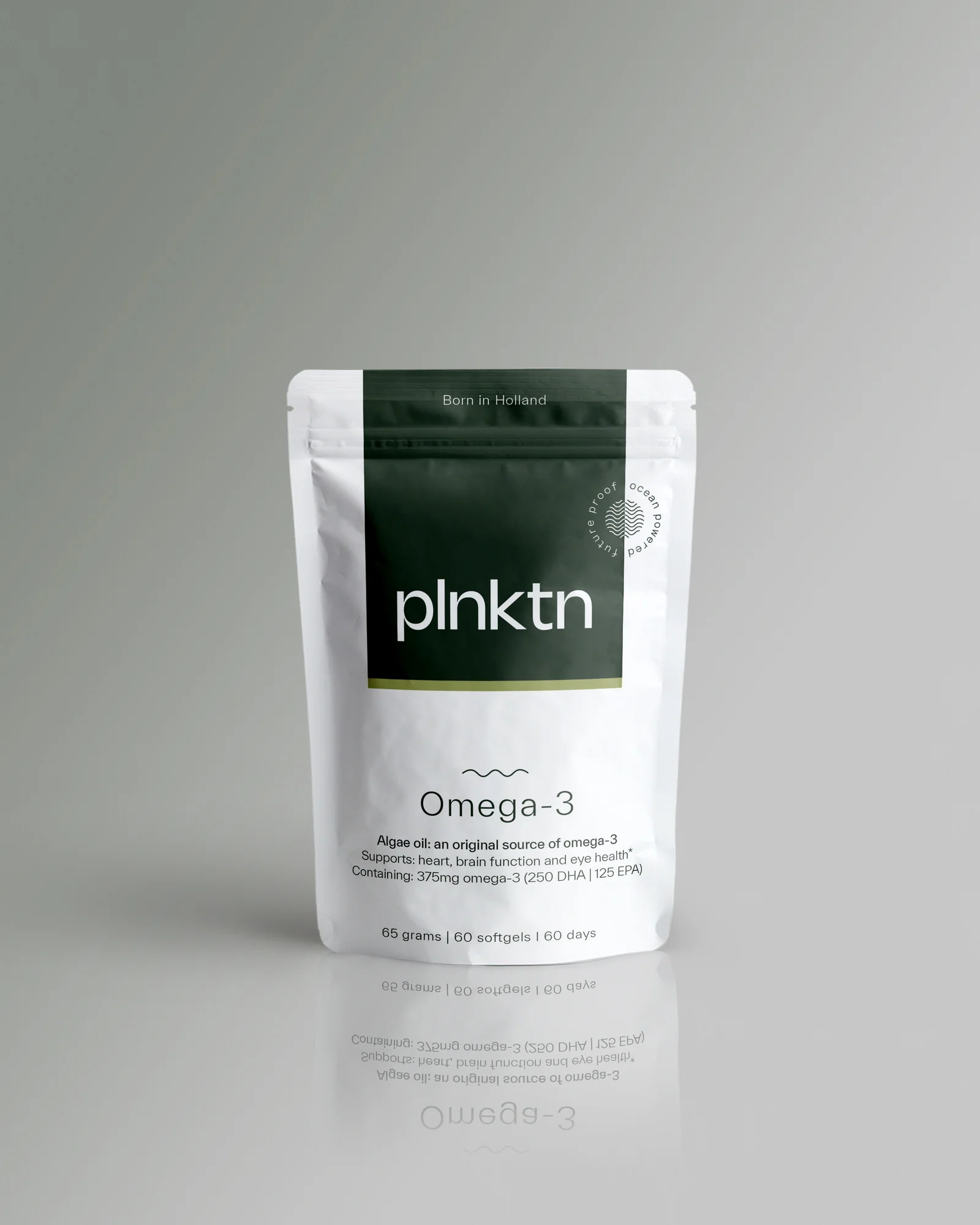

Omega-3 (algenolie)
Daily omega-3 from the original source: algae. With essential EPA and DHA for heart, brain and eyes.
- • 250 mg DHA and 125 mg EPA per capsule
- • 100% fish-free, plant-based algenolie
- • No fishy aftertaste, clean and controlled source
Disclosure: We may earn a commission if you purchase via these links.
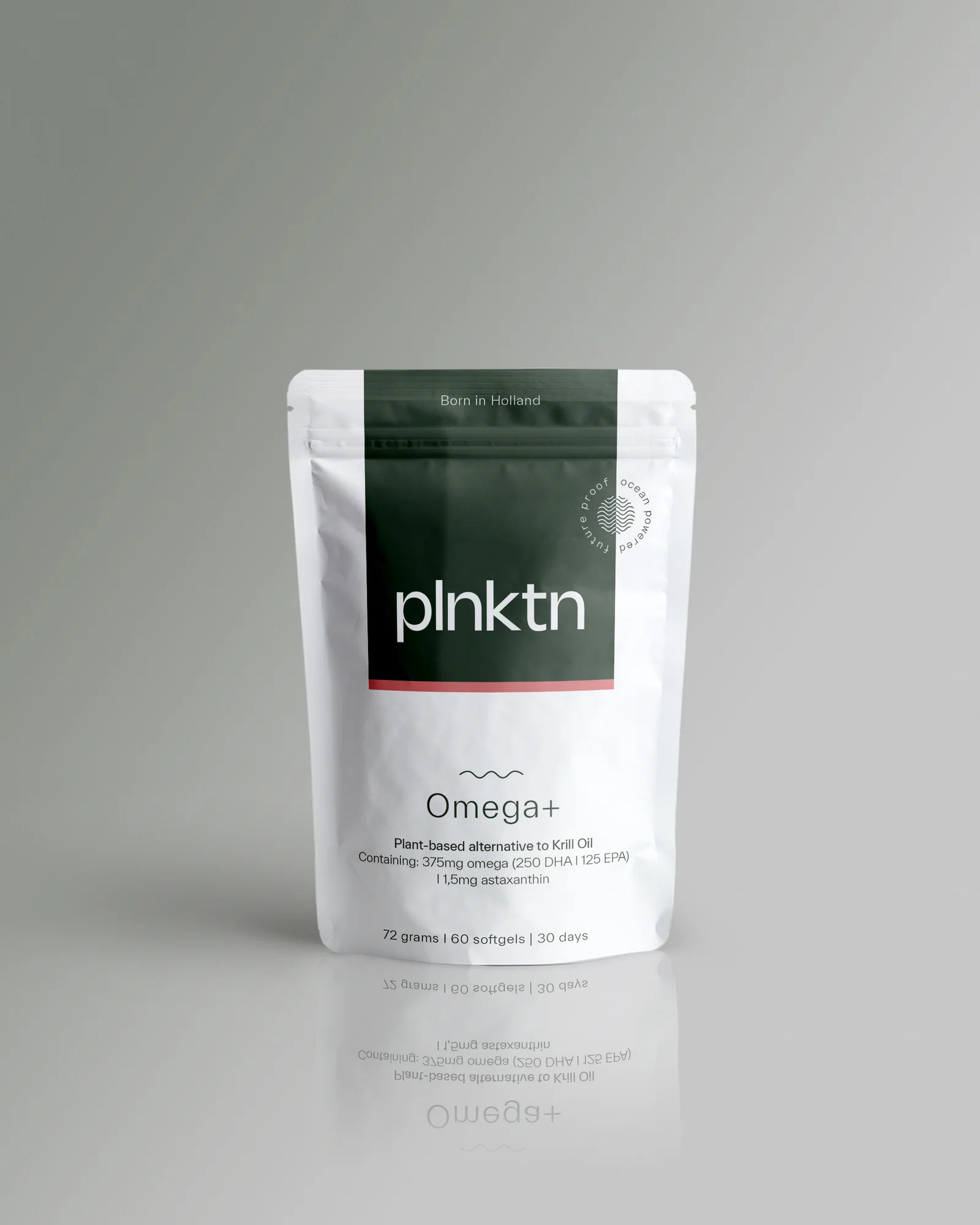
Omega-3 Plus
Combination of algae omega-3 with natural astaxanthin for extra cellular protection.
- • DHA/EPA from algae combined with astaxanthin
- • Supports heart, brain and eyes while helping protect cells
- • Fish-free, vegan and sustainably produced
Disclosure: We may earn a commission if you purchase via these links.
Orangefit Omega 3
Plant-based omega-3 supplement. Supports recovery, reduces inflammation, and aids joint health for active lifestyles.
- • Plant-based omega-3
- • Anti-inflammatory
- • Supports joint health
Disclosure: We may earn a commission if you purchase via these links.
For a comprehensive comparison of omega-3 sources and dosing, see our Omega-3 supplements guide.
Magnesium — The Recovery Mineral
Magnesium doesn't directly reduce DOMS in the way protein or omega-3 does. Instead, it supports recovery through three indirect but powerful mechanisms: muscle relaxation, sleep quality, and correction of widespread deficiency.
Why It Matters for Recovery
Over 60% of Europeans consume less than the recommended daily intake of magnesium (Rosanoff et al., 2012). Exercise increases magnesium loss through sweat and urine, making active individuals even more susceptible to deficiency. Low magnesium status is associated with:
- Increased muscle cramping and spasm
- Poor sleep quality and duration
- Elevated inflammatory markers (CRP)
- Impaired protein synthesis
- Increased perception of pain and fatigue
A 2017 study in the Journal of the American College of Nutrition (Nielsen & Lukaski) found that even marginal magnesium deficiency amplifies the inflammatory response to exercise. Correcting the deficiency doesn't create a "superpower" — it removes a brake on your body's natural recovery processes.
The Sleep Connection
This is arguably magnesium's biggest contribution to recovery. Deep sleep is when growth hormone peaks, muscle protein synthesis is most active, and the nervous system recovers. Magnesium glycinate, in particular, enhances sleep quality through two mechanisms: the magnesium itself supports GABA activity (the calming neurotransmitter), while the glycine component independently promotes deeper sleep.
Poor sleep after hard training is a recovery killer. If magnesium improves your sleep even modestly, the downstream recovery benefits are substantial.
Practical Protocol
| Parameter | Recommendation |
|---|---|
| Form | Magnesium glycinate (sleep + recovery), citrate (budget), or malate (energy) |
| Dose | 200–400mg elemental magnesium |
| Timing | Evening, 30–60 minutes before bed |
| Duration | Ongoing — addresses chronic deficiency |
| Avoid | Magnesium oxide (poor absorption, GI distress) |
Orangefit Magnesium
Plant-based magnesium supplement supporting muscle function, energy production, and recovery.
- • Supports muscle function
- • Aids energy production
- • Plant-based formula
Disclosure: We may earn a commission if you purchase via these links.
For a detailed comparison of magnesium forms and their specific benefits, see our magnesium types guide. For the sleep-recovery connection specifically, our guide on sleep supplements including magnesium glycine covers the evidence in depth.
Collagen — For Joints and Tendons

Collagen is where the recovery conversation shifts from muscle to connective tissue. If your soreness involves joints, tendons, or ligaments — not just muscles — collagen peptides have surprisingly strong evidence.
The Evidence
A landmark 2017 study (Clark et al., Applied Physiology, Nutrition, and Metabolism) found that 78% of runners with functional knee pain showed clinical improvement after 24 weeks of collagen peptide supplementation (5g/day). This wasn't a marginal effect — participants reported significantly reduced pain during activity, and the results were replicated in subsequent trials.
The mechanism: collagen peptides are absorbed as di- and tripeptides that accumulate in cartilage and connective tissue, stimulating fibroblasts to produce new collagen. When combined with vitamin C (a required cofactor for collagen synthesis), the effect is enhanced. A 2017 study by Shaw et al. (American Journal of Clinical Nutrition) showed that 15g of gelatin with 50mg vitamin C, taken 60 minutes before exercise, doubled collagen synthesis rate in ligament tissue.
Who Benefits Most
Collagen isn't for everyone. The strongest evidence is for:
- Runners and athletes with joint pain — especially knee and Achilles issues
- People over 35 — natural collagen production declines approximately 1% per year after 25
- Anyone recovering from tendon or ligament injuries — accelerates tissue remodelling
- High-volume trainers — connective tissue recovery lags behind muscle recovery
If your soreness is purely muscular and you have no joint concerns, protein and omega-3 are higher priorities.
Practical Protocol
| Parameter | Recommendation |
|---|---|
| Type | Hydrolysed collagen peptides (types I and III) |
| Dose | 5–15g daily |
| Vitamin C pairing | 50–100mg, taken together |
| Timing | 30–60 minutes before exercise (for tendon benefit) or any time |
| Duration | 12–24 weeks minimum for joint outcomes |
| Source | Bovine (types I + III) or marine (type I) |
Upfront Collagen
Collagen supplement for joint health, tendons, and recovery. Essential for runners and active lifestyles.
- • Supports joints & tendons
- • Aids recovery
- • Essential for runners
Disclosure: We may earn a commission if you purchase via these links.
What About Curcumin, Tart Cherry, and Ice Baths?
These three get enormous attention in the recovery space. Here's where the evidence actually stands.
Curcumin (Turmeric Extract)
Curcumin is a potent anti-inflammatory in vitro (in the lab). The challenge is bioavailability — standard curcumin is poorly absorbed. Enhanced forms (with piperine, phytosomes, or nanoparticle technology) improve absorption dramatically.
The evidence: A 2015 meta-analysis (Nicol et al.) found that curcumin supplementation reduced DOMS and improved recovery of muscle performance, but effect sizes were moderate. A 2020 RCT (Basham et al., European Journal of Applied Physiology) showed that 6g/day of curcumin for 5 days reduced CK levels and perceived soreness after eccentric exercise.
Verdict: Promising but not first-line. If you're already taking adequate protein, omega-3, and magnesium, curcumin may provide additional modest benefit. Use a bioavailability-enhanced form at 500–1000mg daily.
Tart Cherry Juice
Tart cherry concentrate contains anthocyanins with antioxidant and anti-inflammatory properties.
The evidence: Several small RCTs show reduced soreness and faster strength recovery with tart cherry supplementation around intense exercise (Howatson et al., 2010; Connolly et al., 2006). However, most studies are small (n < 20), and effect sizes are inconsistent.
Verdict: Modestly supported. If you enjoy it, 30ml of tart cherry concentrate twice daily around hard training sessions may help. Don't expect dramatic results.
Ice Baths (Cold Water Immersion)
This is where things get counterintuitive. Ice baths reduce perceived soreness — that part is consistently supported. However, they may do so at a cost.
The paradox: A 2015 study (Roberts et al., Journal of Physiology) found that regular cold water immersion after resistance training reduced muscle growth, strength gains, and satellite cell activation compared to active recovery. The cold suppresses the inflammatory signalling that drives adaptation.
Verdict: Use selectively. Ice baths make sense during competition periods when you need to recover quickly and aren't prioritising adaptation. During normal training blocks, they may actually impair the gains you're working for. The same logic applies to high-dose NSAIDs like ibuprofen.
| Recovery Method | Reduces Soreness? | Supports Adaptation? | Evidence Strength |
|---|---|---|---|
| Protein + carbs | Yes | Yes — directly | Strong (multiple meta-analyses) |
| Omega-3 (daily) | Yes | Neutral to positive | Strong (systematic reviews) |
| Magnesium | Indirectly (via sleep) | Neutral to positive | Moderate |
| Collagen peptides | For joint/tendon pain | Yes (connective tissue) | Strong for joints |
| Curcumin | Modestly | Likely neutral | Moderate |
| Tart cherry | Modestly | Likely neutral | Moderate (small studies) |
| Ice baths | Yes (acutely) | May impair muscle adaptation | Strong (but concerning) |
| NSAIDs (ibuprofen) | Yes (acutely) | Impairs at high doses | Strong (negative for adaptation) |
The Recovery Protocol — Putting It Together

Rather than trying to take everything, here's a prioritised, practical recovery protocol. Start with Tier 1 and add tiers only if your budget and recovery needs justify it.
Tier 1: The Essentials (Everyone)
These are non-negotiable for anyone training regularly:
| Supplement | Dose | Timing | Monthly Cost |
|---|---|---|---|
| Protein | 1.6–2.2g/kg/day total; 20–40g post-exercise | Distributed across meals + post-workout | €20–40 |
| Omega-3 (EPA+DHA) | 2–3g daily | With any fat-containing meal | €15–27 |
| Magnesium glycinate | 200–400mg elemental | Evening, before bed | €10–16 |
Tier 2: Targeted Support (Active Athletes, 35+)
Add these if you train frequently, have joint concerns, or are over 35:
| Supplement | Dose | Timing | Monthly Cost |
|---|---|---|---|
| Collagen peptides | 10–15g with 50mg vitamin C | 30–60 minutes pre-exercise | €20–35 |
| Curcumin (enhanced) | 500mg | With a meal | €15–25 |
Tier 3: The Marginal Gains
Nice to have, but lower priority:
| Supplement | Dose | Timing | Monthly Cost |
|---|---|---|---|
| Tart cherry concentrate | 30ml twice daily | Morning + around training | €15–25 |
| Creatine monohydrate | 3–5g daily | Any time | €8–12 |
The Post-Hard-Session Protocol
After particularly demanding sessions (long runs, heavy lifting, new movement patterns):
- Within 30 minutes: 20–40g protein + 30–60g carbohydrates (shake + banana, or a full meal)
- Evening: Magnesium glycinate before bed; prioritise 8+ hours of sleep
- Next 48 hours: Ensure protein targets are met at every meal; light movement (walking, easy cycling) — not complete rest
- Ongoing: Your daily omega-3 is already working in the background
The Free Recovery Tool: Sleep
No supplement discussion is complete without acknowledging that sleep is the single most powerful recovery tool available, and it costs nothing.
During deep sleep (N3/slow-wave sleep):
- Growth hormone secretion peaks
- Muscle protein synthesis rate increases
- Inflammatory markers decline
- Neural recovery occurs
- Pain threshold increases
A single night of poor sleep (< 6 hours) can increase perceived soreness by up to 30% and impair muscle glycogen replenishment (Dáttilo et al., 2020). If you're spending €100/month on recovery supplements but sleeping 6 hours a night, you're pouring water into a bucket with a hole in it.
For evidence-based strategies to optimise sleep for recovery, see our sleep supplements guide.
The Ibuprofen Question
This deserves its own section because it's so common. Many athletes reach for ibuprofen (or other NSAIDs) before or after training to manage soreness. Here's why that habit may be counterproductive.
Short-Term Relief, Long-Term Cost
NSAIDs work by inhibiting cyclooxygenase (COX) enzymes, blocking prostaglandin synthesis. This reduces inflammation and pain effectively. However:
- Trappe et al. (2002) found that ibuprofen use after eccentric exercise blocked the normal increase in muscle protein synthesis
- Schoenfeld (2012) reviewed the evidence and concluded that chronic NSAID use may blunt muscle hypertrophy and strength adaptation
- Lilja et al. (2018) showed that high-dose NSAID use over 8 weeks impaired muscle growth in young adults by 50–75% compared to low-dose paracetamol
Occasional use (once or twice per month for acute pain) is unlikely to significantly impact long-term adaptation. Regular use (multiple times per week as a preventive measure) is a genuine concern.
If you need pain management beyond occasional use, this is a conversation to have with your doctor — not a problem to solve with over-the-counter medication and hope.
Building Your Recovery Stack by Budget

| Budget | Monthly Spend | What to Prioritise |
|---|---|---|
| Minimal (€25–45) | Protein + magnesium | Fix the two most common deficiencies for recovery |
| Moderate (€50–85) | Protein + omega-3 + magnesium | The evidence-based trio covering muscle repair, inflammation, and sleep |
| Comprehensive (€85–140) | Add collagen + curcumin | Full recovery stack including connective tissue support |
| Maximum (€120–180) | Add tart cherry + creatine | Marginal gains on top of a solid foundation |
The jump from "nothing" to the moderate tier is enormous. The jump from comprehensive to maximum is marginal. Spend accordingly.
Frequently Asked Questions
Should I take ibuprofen after running or training?
Occasional use for genuine acute pain is fine. Regular preventive use (before or after every session) is counterproductive — it may blunt the muscular adaptation you're training for and carries GI and cardiovascular risks with chronic use. If you need NSAIDs frequently, address the underlying cause (training load, recovery, technique) rather than masking the symptoms. See the CBD guide for an alternative approach to exercise-related discomfort.
Can I prevent DOMS entirely?
No, and you probably shouldn't want to. DOMS is a signal that you've provided a novel stimulus — which is necessary for adaptation. However, you can reduce its severity through progressive training (avoid massive jumps in volume or intensity), adequate protein intake, consistent omega-3 supplementation, and quality sleep. Regular training with the same movement patterns also produces a "repeated bout effect" — you'll experience progressively less soreness from familiar exercises.
How long before supplements help with recovery?
It depends on the supplement. Protein has an immediate effect — your post-workout shake supports that session's recovery. Magnesium may improve sleep within 1–2 weeks if you're deficient. Omega-3 requires 4–6 weeks of daily supplementation to accumulate in cell membranes and modulate inflammation. Collagen needs 12–24 weeks for measurable joint and tendon outcomes. There are no overnight solutions for chronic recovery issues.
Do BCAAs help with muscle soreness?
If your total daily protein intake is adequate (1.6g+/kg), BCAAs provide no additional benefit for recovery or muscle soreness. BCAAs (leucine, isoleucine, valine) are simply three of the amino acids already present in complete protein. Supplementing them separately is redundant if you're eating enough protein — and significantly more expensive per gram of usable amino acid. Save your money.
Is there a difference between recovery for runners vs strength athletes?
The fundamental physiology is the same — muscle damage, inflammation, repair. However, runners tend to accumulate more connective tissue stress (tendons, joints, fascia), making collagen supplementation relatively more valuable. Strength athletes typically cause more muscular microtrauma, making protein quantity and timing slightly more critical. Both benefit equally from omega-3, magnesium, and sleep.
What about electrolytes for recovery?
Electrolyte replacement (sodium, potassium, magnesium) is important for rehydration but doesn't directly address muscle soreness or DOMS. If you're sweating heavily, an electrolyte drink during or after exercise supports fluid balance and prevents cramping — but it won't reduce next-day soreness. Think of electrolytes as a separate concern from the recovery supplements discussed in this article.
Related Articles
- Omega-3 Supplements: EPA vs DHA, Fish Oil vs Algae
- Magnesium Types Explained: Glycinate, Threonate, Taurate & Which to Choose
- The Daily Wellness Stack: Morning, Afternoon & Evening Supplements
- Sleep Supplements: Melatonin, Magnesium & Glycine
- What Is CBD? The Complete Beginner's Guide
- Best Supplements for Running Performance
- How to Build a Runner's Supplement Stack
References
- Morton, R.W. et al. (2018). A systematic review, meta-analysis and meta-regression of the effect of protein supplementation on resistance training-induced gains in muscle mass and strength in healthy adults. British Journal of Sports Medicine, 52(6), 376–384.
- Kyriakidou, Y. et al. (2020). The effect of omega-3 polyunsaturated fatty acid supplementation on exercise-induced muscle damage. Frontiers in Physiology, 11, 1–15.
- Jouris, K.B., McDaniel, J.L. & Weiss, E.P. (2011). The effect of omega-3 fatty acid supplementation on the inflammatory response to eccentric strength exercise. Journal of Sports Science & Medicine, 10(3), 432–438.
- Clark, K.L. et al. (2008). 24-Week study on the use of collagen hydrolysate as a dietary supplement in athletes with activity-related joint pain. Current Medical Research and Opinion, 24(5), 1485–1496.
- Shaw, G. et al. (2017). Vitamin C-enriched gelatin supplementation before intermittent activity augments collagen synthesis. American Journal of Clinical Nutrition, 105(1), 136–143.
- Schoenfeld, B.J. (2012). The use of nonsteroidal anti-inflammatory drugs for exercise-induced muscle damage. Sports Medicine, 42(12), 1017–1028.
- Trappe, T.A. et al. (2002). Effect of ibuprofen and acetaminophen on postexercise muscle protein synthesis. American Journal of Physiology-Endocrinology and Metabolism, 282(3), E551–E556.
- Lilja, M. et al. (2018). High doses of anti-inflammatory drugs compromise muscle strength and hypertrophic adaptations to resistance training in young adults. Acta Physiologica, 222(2), e12948.
- Roberts, L.A. et al. (2015). Post-exercise cold water immersion attenuates acute anabolic signalling and long-term adaptations in muscle to strength training. The Journal of Physiology, 593(18), 4285–4301.
- Rosanoff, A., Weaver, C.M. & Rude, R.K. (2012). Suboptimal magnesium status in the United States: are the health consequences underestimated? Nutrition Reviews, 70(3), 153–164.
- Calder, P.C. (2017). Omega-3 fatty acids and inflammatory processes: from molecules to man. Biochemical Society Transactions, 45(5), 1105–1115.
- Dáttilo, M. et al. (2020). Sleep and muscle recovery: Endocrinological and molecular basis for a new and promising hypothesis. Medical Hypotheses, 77(2), 220–222.
- Smith, G.I. et al. (2011). Omega-3 polyunsaturated fatty acids augment the muscle protein anabolic response to hyperinsulinaemia-hyperaminoacidaemia in healthy young and middle-aged men and women. Clinical Science, 121(6), 267–278.
- Cockburn, E. et al. (2008). Acute milk-based protein–CHO supplementation attenuates exercise-induced muscle damage. Applied Physiology, Nutrition, and Metabolism, 33(4), 775–783.
*This article contains affiliate links to products from our partner brands. If you purchase through these links, Smart Supplements may earn a commission at no additional cost to you. This does not influence our editorial recommendations — all products are selected based on evidence and quality. *
This article is for informational and educational purposes only and does not constitute medical advice. Individual recovery needs vary based on training load, age, diet, health status, and genetic factors. Consult a healthcare professional before starting any supplement regimen, particularly if you take prescription medications or have existing health conditions.
Written by the Smart Supplements editorial team. Last reviewed: April 2026.
This article is for informational purposes only and is not intended as medical advice. Always consult a healthcare professional before starting any new supplement, especially if you take prescription medication.
Related topics
Where to buy
Affiliate linksUpfront Creatine
Straightforward creatine monohydrate at an unbeatable price. Clean formula, no nonsense.
- • Pure creatine monohydrate
- • Best price in NL (€8)
- • No fillers
Orangefit Protein
Plant-based protein shake made from yellow split peas. Complete amino acid profile, easy to digest, no artificial sweeteners. Available in multiple flavours.
- • 100% plant-based (yellow split peas)
- • Complete amino acid profile
- • No artificial sweeteners
Orangefit Protein Blend
Triple-source plant protein: yellow split peas, fava beans, and pumpkin. 24g protein + 5g BCAAs per shake, with turmeric and bioperine.
- • 24g protein per serving
- • 5g BCAAs included
- • Triple protein source
Upfront Crea PRO
Premium creatine formula with enhanced absorption. For athletes who want more from their creatine.
- • Enhanced absorption formula
- • Premium creatine
- • For serious athletes
Disclosure: We may earn a commission if you purchase via these links.
Related articles
Supplements That Actually Work: What Science Supports in 2026
We reviewed the evidence on 30+ supplements and sorted them into three tiers: works, promising, and skip. Here is what the research actually says — no hype
Creatine for Runners: Not Just for Bodybuilders
Creatine is the most researched supplement in sports science, yet runners rarely consider it. Here is the evidence for how creatine monohydrate can improve
Anti-Inflammatory Supplements: What Works Beyond Turmeric
A comprehensive guide to anti-inflammatory supplements beyond curcumin — covering omega-3, quercetin, boswellia, ginger, astaxanthin, and SPMs with evidenc