
Bioavailability Explained: Why How You Take a Supplement Matters More Than What You Take
Written by Smart Supplements Editorial Team
Key takeaways
- Bioavailability — the fraction of a supplement that reaches your bloodstream — varies enormously by form: magnesium oxide is ~4% absorbed vs glycinate at ~80%+.
- Standard curcumin has just 1–2% bioavailability; phytosomal curcumin (Meriva®) achieves 29x better absorption, making it dramatically better value despite higher price.
- Liposomal delivery genuinely improves absorption for poorly-absorbed compounds like resveratrol and NMN, but adds little value for well-absorbed compounds like B vitamins.
- Simple tricks can significantly boost absorption: take fat-soluble vitamins with dietary fat, pair vitamin C with iron, and separate competing minerals by 2+ hours.
- Not all supplements need systemic absorption — probiotics, fibre, and digestive enzymes work locally in the gut and do not need to reach the bloodstream.
- Beware bioavailability marketing: always ask "more absorbed than what baseline?" and look for independent human pharmacokinetic studies, not just in vitro data.
Table of contents
- What Is Bioavailability?
- Why Most Supplements Have Poor Bioavailability
- Bioavailability by Supplement Type
- Enhancement Technologies
- Simple Tricks to Boost Absorption
- When Bioavailability Does Not Matter
- The Bioavailability Marketing Problem
- Bioavailability and Cost: Finding the Sweet Spot
- Frequently Asked Questions
- Disclaimer
- Related Articles
You could take the world's most expensive supplement — but if your body cannot absorb it, you are just making expensive urine.
This is not a hypothetical. Standard curcumin has a bioavailability of roughly 1–2%. Standard CoQ10 in its oxidised form has limited absorption that declines with age. Magnesium oxide — the cheapest and most widely sold magnesium supplement — has an absorption rate of approximately 4%.
Millions of Europeans are spending money on supplements their bodies barely register.
Bioavailability is the single most important concept in supplementation, yet it is the one most consumers never learn about. Here is how it works — and how to maximise every dose you take.

What Is Bioavailability?
Bioavailability is defined as the fraction of an administered dose that reaches systemic circulation in an unchanged, active form. In pharmacology, it is expressed as a percentage relative to intravenous (IV) administration, which is considered 100% bioavailable because it bypasses the digestive system entirely.
When you swallow a supplement, it must survive a gauntlet of obstacles before reaching your bloodstream:
- Dissolution — the supplement must dissolve in gastric fluid
- Stability — it must survive stomach acid (pH 1.5–3.5) and digestive enzymes
- Absorption — it must cross the intestinal epithelium into the portal vein
- First-pass metabolism — it must survive processing by the liver before reaching general circulation
Each of these steps reduces the amount of active compound that ultimately reaches your cells. The compound that enters your bloodstream may be a tiny fraction of what you swallowed.
Why This Matters for Supplements
Pharmaceutical drugs are designed with bioavailability in mind — dosages are calibrated to account for absorption losses. Supplement dosages, however, are often based on the total amount of compound per capsule, with little regard for how much actually reaches your tissues.
This creates a paradox: a 1,000mg curcumin capsule may deliver less active compound to your bloodstream than a 200mg phytosomal curcumin capsule. The total milligrams on the label mean almost nothing without understanding the form and its absorption characteristics.
As our guide to reading supplement labels explains, the form listed after the ingredient name is often more important than the dose itself.
Why Most Supplements Have Poor Bioavailability
Several factors conspire to reduce oral bioavailability. Understanding these helps explain why certain delivery technologies exist and why some supplements cost more.
Stomach Acid Degradation
Gastric acid destroys acid-sensitive compounds before they reach the intestine. Probiotics are a well-known example — many strains cannot survive the stomach's hostile environment. But acid degradation also affects certain peptides, enzymes, and some phytonutrients.
Solutions: Enteric coating (acid-resistant capsule shells), spore-based probiotics (naturally acid-resistant), or bypass delivery (sublingual, buccal).
Poor Solubility
Many beneficial compounds are lipophilic (fat-loving) but are delivered in dry capsule or tablet form without accompanying fat. Fat-soluble compounds like curcumin, CoQ10, vitamins D/E/K, resveratrol, and astaxanthin have inherently poor water solubility. Since the intestinal lumen is an aqueous environment, these compounds tend to aggregate rather than dissolve, severely limiting absorption.
Solutions: Take with dietary fat, use micellar or nanoemulsion formulations, or use liposomal delivery.
First-Pass Metabolism
After crossing the intestinal wall, compounds enter the portal vein and travel directly to the liver. The liver's cytochrome P450 enzyme system metabolises many compounds before they reach general circulation — a process called first-pass metabolism.
Curcumin is a prime example: even the fraction that crosses the gut wall is rapidly conjugated (glucuronidated and sulfated) by the liver and excreted. This is why curcumin's systemic bioavailability is so remarkably low despite reasonable intestinal absorption.
Solutions: Piperine (BioPerine®) inhibits glucuronidation, allowing more curcumin to bypass first-pass metabolism. Liposomal delivery can partially bypass the portal system via lymphatic absorption.
Molecular Size
Large molecules struggle to cross the intestinal epithelium. Collagen peptides, for example, must be hydrolysed (broken down) into smaller fragments to be absorbed. Whole proteins are generally too large for intact absorption.
Gut Permeability Factors
Individual variation in gut health affects absorption. Conditions that impair intestinal barrier function (inflammation, dysbiosis, coeliac disease) can paradoxically increase absorption of some compounds while reducing absorption of others. Age-related decline in stomach acid production also reduces mineral absorption.
Bioavailability by Supplement Type
This is where the practical differences become dramatic. The table below compares standard forms with enhanced forms for the most commonly supplemented compounds.
The Bioavailability Comparison Table
| Supplement | Standard Form | Bioavailability | Enhanced Form | Bioavailability | Improvement |
|---|---|---|---|---|---|
| Curcumin | Standard 95% curcuminoids | ~1–2% | Meriva® (phytosomal) | ~29x higher | 2,900% |
| Curcumin | Standard 95% curcuminoids | ~1–2% | Longvida® (SLCP) | ~65x higher | 6,500% |
| Curcumin | Standard 95% curcuminoids | ~1–2% | With BioPerine® (piperine) | ~20x higher | 2,000% |
| CoQ10 | Ubiquinone (oxidised) | Moderate | Ubiquinol (reduced) | ~2x higher | 100% |
| Magnesium | Oxide | ~4% | Glycinate | ~80%+ | 2,000% |
| Magnesium | Oxide | ~4% | L-Threonate (Magtein®) | High (crosses BBB) | Significant |
| Vitamin D | D2 (ergocalciferol) | Lower | D3 (cholecalciferol) | ~87% more effective | 87% |
| Resveratrol | Standard trans-resveratrol | ~1% oral | Liposomal resveratrol | ~5–10x higher | 500–1,000% |
| NMN | Standard oral capsule | Moderate | Liposomal NMN | ~2–3x higher | 200–300% |
| Iron | Ferrous sulfate | 10–15% | Ferrous bisglycinate | 2–4x higher | 200–400% |
| Omega-3 | Ethyl ester (EE) | Lower | Re-esterified triglyceride (rTG) | ~70% higher | 70% |
| Quercetin | Standard quercetin | ~2% | Quercetin phytosome | ~20x higher | 2,000% |
| Ashwagandha | Generic root powder | Variable | KSM-66® (standardised) | Consistent 5%+ withanolides | Reliable |
| Folate (B9) | Folic acid (synthetic) | Variable (MTHFR-dependent) | 5-MTHF (methylfolate) | Directly bioactive | Bypasses conversion |
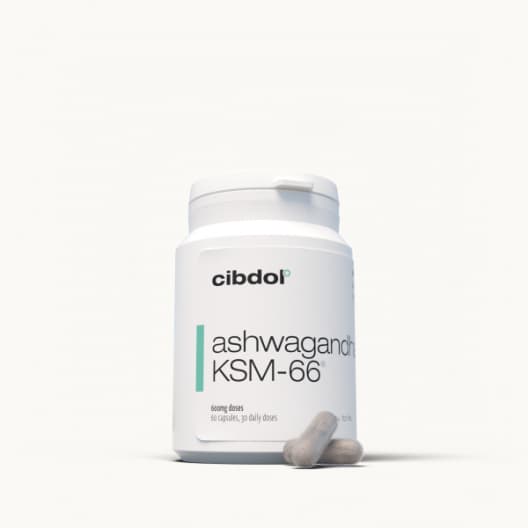

Ashwagandha KSM-66
Clinically studied KSM-66 ashwagandha extract for stress reduction and adrenal support.
- • KSM-66® branded extract
- • Highest concentration full-root extract
- • Reduces cortisol and stress
Disclosure: We may earn a commission if you purchase via these links.
The differences are staggering. A consumer choosing magnesium oxide over magnesium glycinate is receiving approximately 20 times less usable magnesium per milligram. A consumer taking standard curcumin instead of a phytosomal form may be absorbing 29 times less active compound.
This is why price per milligram is a misleading metric. The relevant metric is price per absorbed milligram — and by that measure, the "expensive" enhanced forms are often cheaper.
Enhancement Technologies
The supplement industry has developed several technologies to overcome bioavailability limitations. Understanding these helps you evaluate whether a premium price is justified.
Liposomal Delivery
How it works: Active compounds are encapsulated within tiny phospholipid vesicles (liposomes) — essentially microscopic spheres made of the same material as cell membranes. These liposomes protect the compound from stomach acid and digestive enzymes, and facilitate absorption through the intestinal wall via membrane fusion.
When it matters: Liposomal delivery is most beneficial for compounds with inherently poor oral bioavailability — particularly resveratrol, NMN, vitamin C (at high doses), and glutathione. For compounds that are already well-absorbed orally, liposomal delivery offers marginal improvement.
Quality variation: Not all liposomal products are created equal. True liposomal supplements require sophisticated manufacturing (high-pressure homogenisation, microfluidics). Some products marketed as "liposomal" are simply emulsions with phospholipids added — a practice sometimes called "liposomal washing."
How to identify quality liposomal products:
- Look for particle size specifications (ideally 100–400nm)
- Check for phosphatidylcholine (PC) content — the primary liposomal membrane material
- Reputable brands provide stability data and particle size distribution
Purovitalis Liposomal NMN
European-made NMN capsules using patented liposomal delivery for 2x better absorption. 125mg NMN per capsule, 99% purity, third-party tested for heavy metals and contaminants.
- • Patented liposomal technology for 2x better absorption
- • 99% pure European-sourced NMN
- • GMP-certified, third-party tested
Disclosure: We may earn a commission if you purchase via these links.
Purovitalis Liposomal Resveratrol
Micronised trans-resveratrol in liposomal capsules for enhanced bioavailability. Supports SIRT1 activation, cardiovascular health, and healthy blood sugar levels.
- • Liposomal encapsulation for superior absorption
- • Micronised trans-resveratrol
- • Supports skin health and blood sugar levels
Disclosure: We may earn a commission if you purchase via these links.
Phytosomal Complexes
How it works: Phytosomes are a patented technology (primarily by Indena S.p.A.) where a plant extract is complexed with phosphatidylcholine at the molecular level. Unlike liposomes (which encapsulate), phytosomes bond the active compound to the phospholipid, creating a new molecular complex with enhanced lipophilicity.
Key examples:
- Meriva® — curcumin phytosome (29x better absorption than standard curcumin)
- Quercefit® — quercetin phytosome (~20x improvement)
- Siliphos® — silybin phytosome (milk thistle, ~7x improvement)
Phytosomal technology is particularly effective for polyphenols and flavonoids — compounds that are inherently polar (water-attracted) but need to cross lipophilic (fat-loving) cell membranes.
BioPerine® / Piperine
How it works: Piperine, the active compound in black pepper, inhibits hepatic and intestinal glucuronidation — the metabolic process that deactivates many compounds during first-pass metabolism. By slowing this deactivation, piperine allows more of the active compound to reach systemic circulation.
Proven to enhance:
- Curcumin (2,000% increase — Shoba et al., 1998)
- CoQ10 (~30% increase)
- Resveratrol
- Beta-carotene
- Selenium
- Vitamin B6
Limitations: Piperine's mechanism (enzyme inhibition) also affects pharmaceutical drug metabolism. If you take prescription medications, BioPerine could alter their blood levels. Discuss with your healthcare provider — our drug interactions guide covers this in more detail.
Dose: 5–20mg piperine per dose is typical. BioPerine® is standardised to ≥95% piperine.
Cyclodextrin Complexes
How it works: Cyclodextrins are ring-shaped sugar molecules that form molecular "cages" around hydrophobic compounds, dramatically improving their water solubility. The guest molecule sits inside the cyclodextrin cavity, protected from degradation and rendered water-soluble.
Used for: CoQ10, curcumin, resveratrol, and various phytonutrients. Less common than liposomal or phytosomal technology but effective.
Nanoemulsions and Micellar Formulations
How they work: These technologies reduce the particle size of fat-soluble compounds to nanoscale droplets (typically 20–200nm), dramatically increasing surface area for absorption. Micellar formulations use surfactants to create stable, ultra-small particles that behave as if water-soluble.
Used for: Vitamin D, CoQ10, curcumin, CBD. Some micellar vitamin D products claim near-complete absorption regardless of dietary fat intake.
Consumer note: These are among the most expensive delivery technologies, and independent verification of the claimed particle sizes is not always available.

Simple Tricks to Boost Absorption
You do not always need expensive delivery technologies. Several simple strategies can meaningfully improve the absorption of standard supplements.
Take Fat-Soluble Vitamins With Fat
This is the single highest-impact change most people can make. Vitamins D, E, K, and A, plus CoQ10, curcumin, astaxanthin, and omega-3, all require dietary fat for absorption.
A 2015 study found that vitamin D absorption increased by up to 50% when taken with a fat-containing meal versus an empty stomach (Dawson-Hughes et al., 2015). Even a small amount of fat — a tablespoon of olive oil, a few nuts, or an avocado — is sufficient.
Our supplement timing guide covers the optimal meal pairings for each supplement type.
Pair Vitamin C With Iron
Vitamin C (ascorbic acid) converts ferric iron (Fe³⁺) to ferrous iron (Fe²⁺), the form that is absorbed by the DMT1 transporter in the intestine. This can increase iron absorption by 2–6 times. As little as 25mg of vitamin C (a few strawberries) helps, with optimal enhancement at around 200mg.
Avoid Calcium With Iron and Zinc
Calcium competes with both iron and zinc for absorption via shared transport pathways. Taking a calcium supplement with your iron supplement can reduce iron absorption by up to 50%. Separate these minerals by at least 2 hours.
Take Curcumin With Black Pepper
If you use standard curcumin (not a phytosomal or liposomal form), pairing it with black pepper or a BioPerine® supplement increases absorption approximately 20-fold. Even cooking with both turmeric and black pepper follows this principle.
Consider Warm Water
Some preliminary evidence suggests that taking supplements with warm (not hot) water may improve dissolution rates for certain tablets and capsules, though this effect is modest compared to the strategies above.
Split Large Doses
The intestine has limited absorption capacity for any given compound at one time. Splitting a large dose into 2–3 smaller doses throughout the day can improve total absorption. This is particularly relevant for vitamin C (which has saturable absorption above ~200mg per dose), magnesium, and B vitamins.
When Bioavailability Does Not Matter
Not every supplement needs systemic absorption to work. Several important supplement categories exert their effects locally — in the gut — and do not need to reach the bloodstream.
Probiotics
Probiotic bacteria do not need to be absorbed into the bloodstream. They exert their effects within the gastrointestinal tract — modulating the microbiome, producing short-chain fatty acids, competing with pathogenic bacteria, and influencing the gut-associated immune system.
For probiotics, the relevant question is not "How much reaches the blood?" but "How many viable organisms survive to reach the large intestine?" This is why acid-resistant delivery (enteric coating, spore-based strains) matters for probiotics, but liposomal delivery does not.
Fibre Supplements
Prebiotic fibres (inulin, FOS, GOS, psyllium) work in the colon, where they are fermented by gut bacteria. Systemic absorption is not the goal — in fact, fibre that is absorbed would not serve its purpose.
Certain Antioxidants
Some antioxidants exert significant effects within the gut lumen without needing systemic absorption. Polyphenols from berries, green tea catechins, and certain flavonoids have local antioxidant and anti-inflammatory effects on the intestinal epithelium, even if very little reaches the bloodstream.
Digestive Enzymes
Digestive enzymes work in the stomach and small intestine, breaking down food. They do not need to enter the bloodstream — and indeed, being absorbed would render them useless for their intended purpose.
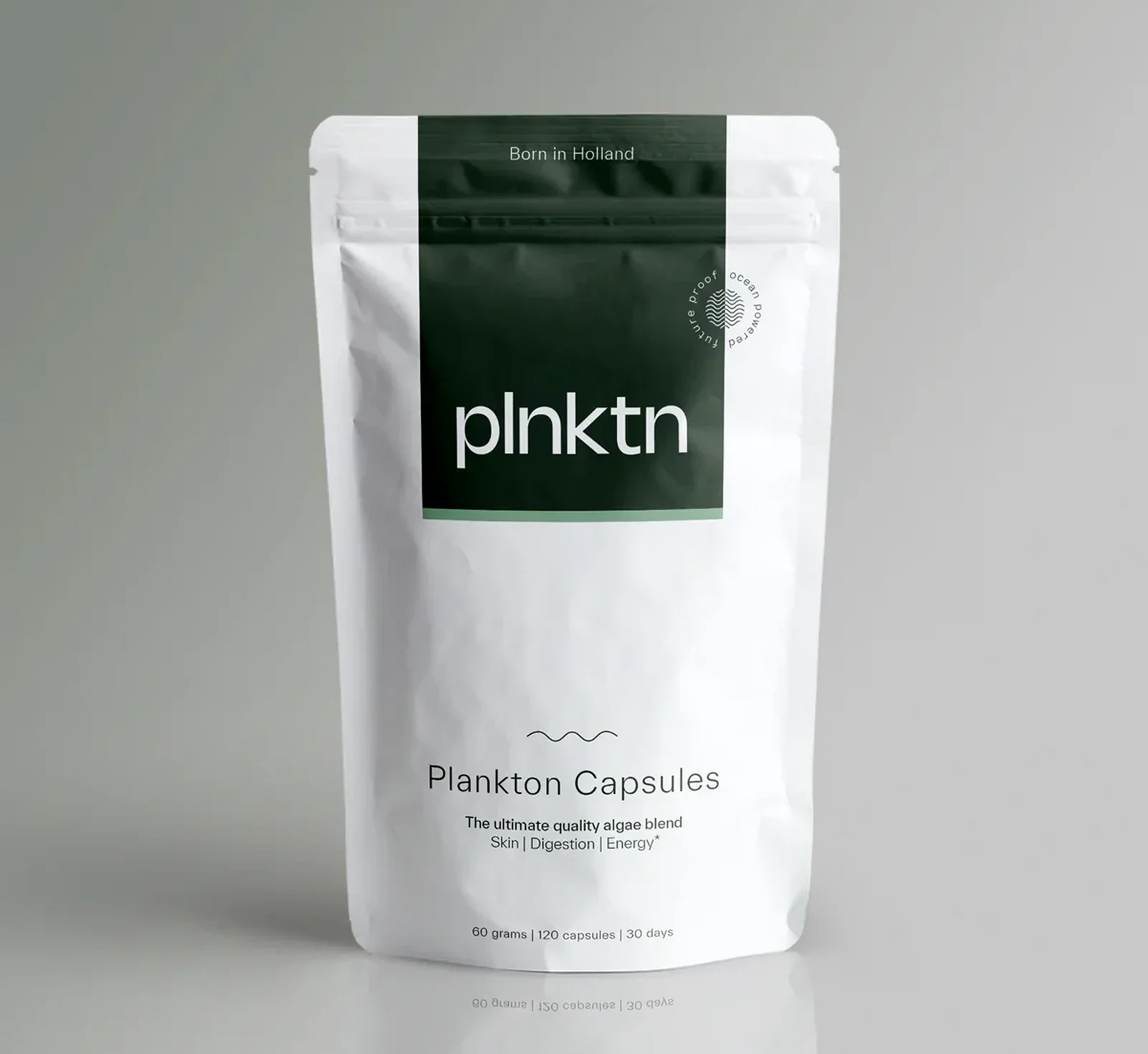

Plankton Capsules
Blend of 4 nutrient-dense micro- and macroalgae from European cultivation. Daily support for gut, skin and energy.
- • 75+ nutrients: minerals, vitamins, pigments, antioxidants and complete proteins
- • 100% natural, plant-based and responsibly grown
- • Supports digestion, energy metabolism and skin health
Disclosure: We may earn a commission if you purchase via these links.
The Bioavailability Marketing Problem
As consumer awareness of bioavailability grows, so does the potential for misleading marketing. Here are the most common tactics to watch for.
The Baseline Problem
"10x more absorbed!" sounds impressive. But 10 times more than what? If the comparison is to a form with 1% bioavailability, 10x means 10% — still leaving 90% unabsorbed. If the comparison is to another enhanced form, the claim may be less dramatic than it appears.
Always ask: "More absorbed than what specific form, at what specific dose, measured how?"
Liposomal Washing
The term "liposomal" is not legally defined or protected in most jurisdictions. Some products add phospholipids to a standard formulation and call it "liposomal" without the sophisticated manufacturing required to actually create liposomes.
Red flags:
- No particle size specifications
- Product is a simple powder in a capsule (true liposomal products are typically liquids or gels)
- Price is similar to standard products (genuine liposomal manufacturing is expensive)
- No stability data or independent testing
Cherry-Picked Studies
Some brands cite a single study showing dramatic absorption improvements, ignoring subsequent research that found more modest effects. This is particularly common with newer delivery technologies.
What to do: Look for multiple independent studies, ideally including human pharmacokinetic data (not just in vitro or animal studies). Examine.com and PubMed are useful resources for verifying claims.
The "We Tested It Ourselves" Problem
Some brands conduct their own bioavailability studies — which is not inherently problematic, but introduces potential bias. Independent, third-party pharmacokinetic studies carry more weight than company-sponsored research.
Practical Evaluation Framework
When evaluating a bioavailability claim, ask:
- Is the base compound known to have poor bioavailability? (If it is already well-absorbed, enhancement technology adds little value)
- What specific technology is used? (Liposomal, phytosomal, piperine, nanoemulsion — or just marketing?)
- Is there human pharmacokinetic data? (Not just in vitro or animal studies)
- Who conducted the study? (Independent researchers, or the company selling the product?)
- What is the comparison baseline? (10x more than standard curcumin is meaningful; 10x more than a different enhanced form may not be)
- Does the price premium reflect the technology? (Genuine liposomal manufacturing is expensive; if the product costs the same as standard forms, question the claim)

Bioavailability and Cost: Finding the Sweet Spot
Enhanced bioavailability often comes with a higher price tag. Is it worth it? The answer depends on the specific compound and the magnitude of improvement.
When Enhanced Forms Are Worth It
| Compound | Standard Form Cost/Effect | Enhanced Form Cost/Effect | Verdict |
|---|---|---|---|
| Curcumin | Cheap but ~1% absorbed | Phytosomal: 29x absorption for ~2x price | Enhanced is dramatically better value |
| Magnesium | Oxide: very cheap, ~4% absorbed | Glycinate: moderate price, ~80% absorbed | Glycinate is better value per absorbed mg |
| CoQ10 | Ubiquinone: moderate price | Ubiquinol: ~1.5x price for ~2x absorption | Worth it, especially over 40 |
| Resveratrol | Standard: very poorly absorbed | Liposomal: 5–10x price for 5–10x absorption | Roughly equivalent per absorbed mg |
| Vitamin D | D2: slightly cheaper | D3: similar price, 87% more effective | D3 is simply the better choice |
When Standard Forms Are Fine
- Vitamin C — well-absorbed in standard form up to ~200mg per dose. Liposomal vitamin C offers marginal improvement for most people (it becomes relevant only at very high doses where intestinal absorption saturates).
- B vitamins — generally well-absorbed in their active (methylated) forms. Liposomal delivery is unnecessary.
- Zinc — chelated forms (picolinate, bisglycinate) are well-absorbed without enhancement technology.
- Probiotics — do not need systemic absorption; acid-resistant strains or enteric coating is sufficient.
Frequently Asked Questions
Are liposomal supplements worth the higher price?
It depends entirely on the compound. For poorly absorbed substances like curcumin, resveratrol, and glutathione, liposomal delivery can dramatically improve efficacy and is often worth the premium. For well-absorbed compounds like vitamin C (at normal doses), B vitamins, and zinc, the improvement is marginal. Always compare price per absorbed milligram, not price per total milligram.
Does sublingual absorption bypass first-pass metabolism?
Partially, yes. Sublingual (under-the-tongue) administration allows compounds to absorb directly into the sublingual vein, which drains into the superior vena cava — bypassing the portal vein and liver. However, only a fraction of a sublingual dose is absorbed this way; much is swallowed and undergoes normal first-pass metabolism. Sublingual delivery is most effective for small, lipophilic molecules.
Can I improve bioavailability by crushing tablets?
Crushing tablets increases surface area, which can modestly speed dissolution. However, this should never be done with enteric-coated or sustained-release tablets, as it destroys the delivery mechanism. For standard tablets, the improvement from crushing is usually marginal compared to simply taking them with food and adequate water.
Why do some supplements smell like fish or rancid oil?
This typically indicates oxidation — the fats in the supplement (often omega-3 or fat-soluble vitamins in oil-based capsules) have degraded. Oxidised supplements are not just unpleasant; they may be less effective and potentially harmful. This is a quality issue, not a bioavailability issue per se, but it highlights the importance of choosing brands with proper stability testing and storage conditions.
Does cooking destroy supplement bioavailability?
Supplements should not be cooked. However, for whole-food sources of nutrients, cooking can either increase or decrease bioavailability depending on the nutrient. Cooking tomatoes increases lycopene bioavailability; boiling vegetables can leach water-soluble vitamins. This is a food science question rather than a supplement question.
Is there a maximum amount the body can absorb at once?
Yes, for many nutrients. The intestine has finite transport capacity. Vitamin C absorption saturates at roughly 200mg per dose — taking 1,000mg at once does not deliver 5 times more than 200mg. Calcium absorption declines above ~500mg per dose. This is why splitting doses throughout the day can improve total daily absorption for many supplements.
Disclaimer
This article is for informational purposes only and does not constitute medical advice. Bioavailability data is drawn from published pharmacokinetic studies, but individual absorption varies based on gut health, age, genetics, co-administered substances, and other factors. Always consult a qualified healthcare professional before making changes to your supplement regimen.
The supplements discussed in this article are not intended to diagnose, treat, cure, or prevent any disease.
Related Articles
- Supplement Timing: When to Take Vitamins and Supplements for Maximum Effect
- How to Read a Supplement Label: What to Look For (and What to Avoid)
- CBD Bioavailability: Why Format Matters More Than Dose
- Smart Supplements 101: A Beginner's Guide to Evidence-Based Supplementation
- How to Build a Supplement Stack: A Step-by-Step Framework
Related topics
Where to buy
Affiliate linksUpfront Creatine
Straightforward creatine monohydrate at an unbeatable price. Clean formula, no nonsense.
- • Pure creatine monohydrate
- • Best price in NL (€8)
- • No fillers
Orangefit Protein
Plant-based protein shake made from yellow split peas. Complete amino acid profile, easy to digest, no artificial sweeteners. Available in multiple flavours.
- • 100% plant-based (yellow split peas)
- • Complete amino acid profile
- • No artificial sweeteners
Orangefit Protein Blend
Triple-source plant protein: yellow split peas, fava beans, and pumpkin. 24g protein + 5g BCAAs per shake, with turmeric and bioperine.
- • 24g protein per serving
- • 5g BCAAs included
- • Triple protein source
Upfront Crea PRO
Premium creatine formula with enhanced absorption. For athletes who want more from their creatine.
- • Enhanced absorption formula
- • Premium creatine
- • For serious athletes
Disclosure: We may earn a commission if you purchase via these links.
Related articles
The Daily Wellness Stack: Morning, Afternoon & Evening Supplements
A practical guide to building a daily supplement stack across three tiers (Foundation, Optimised, Premium) with morning/afternoon/evening timing protocols,
Best Wellness Supplements in Europe: A 2026 Buyer's Guide
An honest buyer's guide to the best wellness supplements available in Europe in 2026 — covering multivitamins, magnesium, omega-3, adaptogens, vitamin D, f
Supplements for Burnout Recovery: Rebuilding Energy, Sleep & Resilience
A phased supplement protocol for burnout recovery — covering the biochemistry of burnout, nutrient depletion patterns, a 12-week recovery framework (Replen