
Best Supplements for Stress and Cortisol: An Evidence-Based Guide
Written by Smart Supplements Editorial Team
Key takeaways
- Ashwagandha KSM-66 reduces serum cortisol by 28% in clinical trials — the strongest evidence of any stress supplement
- Rhodiola rosea excels at stress-related fatigue and burnout where ashwagandha excels at calming anxiety-type stress
- L-theanine produces measurable alpha brain wave increases within 40 minutes and pairs synergistically with caffeine
- Chronic stress depletes magnesium and magnesium deficiency worsens stress — breaking this cycle is foundational
- Supplements modulate physiology but cannot replace therapy, sleep hygiene, exercise, and addressing root causes of stress
Table of contents
- The Cortisol Problem: Why Chronic Stress Is a Physical Emergency
- The Evidence Tiers: What Works, What Might Work, and What Doesn't
- Tier 1: Strong Evidence
- Tier 2: Good Evidence
- Tier 3: Promising but Limited
- The Stress Supplement Stack: Practical Protocols
- Lifestyle Synergies: Supplements Amplify, They Don't Replace
- What to Avoid When Stressed
- How to Measure Your Stress Response
- Frequently Asked Questions
- Disclaimer
- Related Articles
The Cortisol Problem: Why Chronic Stress Is a Physical Emergency
Stress isn't just a feeling. It's a measurable biochemical cascade — and when it becomes chronic, it causes real, quantifiable damage to your body.
At the centre of this cascade sits cortisol, your primary stress hormone. In acute situations — a near-miss on the motorway, a tight deadline, a public speaking engagement — cortisol is your ally. It sharpens focus, mobilises energy, and suppresses non-essential functions (digestion, reproduction, immune response) so you can deal with the immediate threat.
The problem is that your HPA axis (hypothalamic-pituitary-adrenal axis) — the system that produces cortisol — evolved for short-term threats. A predator. A territorial conflict. A famine. These stressors resolved within minutes or hours, and cortisol levels returned to baseline.
Modern stress doesn't resolve. Financial pressure, work overload, relationship strain, social media comparison, 24-hour news cycles — these stressors are chronic, low-grade, and relentless. The HPA axis stays activated. Cortisol stays elevated. And the downstream effects accumulate:
| System | Effect of Chronic Cortisol Elevation | |---|---|---| | Sleep | Disrupted circadian rhythm, difficulty falling asleep, non-restorative sleep | | Weight | Increased visceral fat storage (particularly abdominal), sugar cravings | | Immunity | Suppressed immune function, increased susceptibility to infections | | Cognition | Brain fog, impaired memory consolidation, reduced hippocampal volume | | Gut | Increased intestinal permeability ("leaky gut"), disrupted microbiome | | Mood | Anxiety, irritability, depressive symptoms | | Hormones | Disrupted testosterone, oestrogen, and thyroid hormone production | | Cardiovascular | Elevated blood pressure, increased heart disease risk | | Musculoskeletal | Muscle breakdown (catabolic state), impaired recovery |
Supplements can't eliminate your stressors. But the right ones — backed by clinical evidence — can help recalibrate your stress response, lower cortisol, and reduce the physiological damage of chronic stress while you address the root causes.
The Evidence Tiers: What Works, What Might Work, and What Doesn't
Not all "stress supplements" are created equal. Here's how the evidence stacks up:
Tier 1: Strong Evidence
These supplements have multiple well-designed randomised controlled trials (RCTs) demonstrating measurable cortisol reduction or stress symptom improvement.
Tier 2: Good Evidence
These have some positive RCTs but fewer studies, smaller sample sizes, or less consistent results.
Tier 3: Promising but Limited
These have interesting preliminary data (small trials, animal studies, traditional use) but insufficient evidence for confident recommendation.
Tier 1: Strong Evidence
Ashwagandha (Withania somnifera)
Ashwagandha is the most clinically validated stress supplement available. The root extract — particularly the standardised KSM-66 and Sensoril forms — has been studied in over 20 human trials for stress and cortisol.
Key studies:
| Study | Design | Key Finding |
|---|---|---|
| Chandrasekhar et al. (2012) | 64 adults, 60 days, 300mg KSM-66 2x daily | 28% reduction in serum cortisol vs placebo |
| Salve et al. (2019) | 60 adults, 8 weeks, 240mg KSM-66 daily | Significant reduction in PSS (Perceived Stress Scale) and morning cortisol |
| Lopresti et al. (2019) | 60 adults, 8 weeks, 240mg KSM-66 | Reduced cortisol, improved sleep quality, reduced stress |
| Choudhary et al. (2017) | 50 adults, 8 weeks, 300mg KSM-66 2x daily | Reduced stress, anxiety, cortisol; improved sleep and overall wellbeing |
How it works: Ashwagandha modulates multiple stress pathways simultaneously:
- GABAergic activity (calming neurotransmitter)
- HPA axis regulation (normalises cortisol rhythm rather than simply suppressing it)
- Serotonin pathway modulation
- Anti-inflammatory effects (reduces stress-related neuroinflammation)
Dosing: 300-600mg daily of standardised root extract (KSM-66 at 5% withanolides or Sensoril at 10% withanolides). Most studies use 300mg twice daily.
Timing: Evening or split morning/evening. Many people find ashwagandha mildly sedating, making evening dosing ideal. However, some experience it as energising — trial both timings.
Onset: Stress and cortisol benefits typically emerge at 4-6 weeks, with full effects at 8 weeks. This isn't a rescue remedy — it's a sustained adaptation.
Important considerations:
- May stimulate thyroid hormone production — use with caution if you have hyperthyroidism or take thyroid medication
- Avoid during pregnancy
- May interact with immunosuppressants, sedatives, and blood sugar-lowering medications
- Cycling is often recommended: 8-12 weeks on, 2-4 weeks off (though some studies show continued benefit at 6+ months)
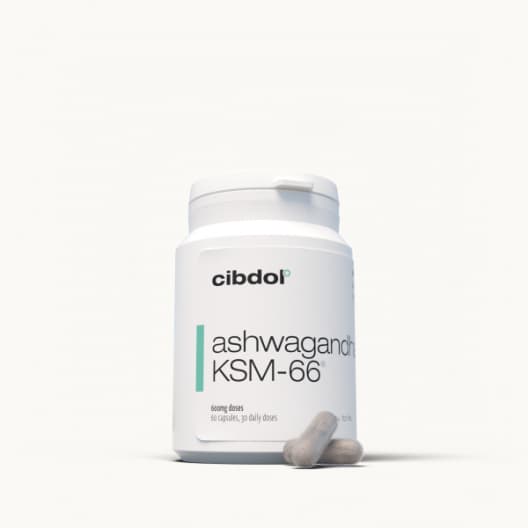

Ashwagandha KSM-66
Clinically studied KSM-66 ashwagandha extract for stress reduction and adrenal support.
- • KSM-66® branded extract
- • Highest concentration full-root extract
- • Reduces cortisol and stress
Disclosure: We may earn a commission if you purchase via these links.

Ashwagandha
Organic ashwagandha root extract for stress resilience, energy, and hormonal balance.
- • Certified organic root extract
- • Adaptogenic stress support
- • Energy and libido
Disclosure: We may earn a commission if you purchase via these links.
Rhodiola Rosea
Rhodiola is the premier anti-fatigue adaptogen — particularly effective for stress-related exhaustion, burnout, and mental fatigue. Where ashwagandha excels at calming, rhodiola excels at resilience under pressure.
Key studies:
| Study | Design | Key Finding |
|---|---|---|
| Darbinyan et al. (2000) | 56 physicians on night duty, single-dose | Improved cognitive function under stress fatigue |
| Olsson et al. (2009) | 60 adults with stress-related fatigue, 28 days | Significant improvement in burnout symptoms, cortisol response |
| Cropley et al. (2015) | 101 adults, 4 weeks, 200mg 2x daily | Reduced self-reported stress, anger, and confusion |
| Lekomtseva et al. (2017) | 118 adults with burnout, 12 weeks | Improved burnout symptoms, emotional exhaustion, and depersonalisation |
How it works: Rhodiola modulates stress through:
- Inhibition of cortisol release (without suppressing the entire HPA axis)
- Monoamine oxidase (MAO) inhibition — mildly increasing serotonin, dopamine, and norepinephrine availability
- AMPK activation (cellular energy regulation)
- Heat shock protein expression (cellular stress resilience)
Dosing: 200-600mg daily of standardised extract (3% rosavins, 1% salidroside — the SHR-5 extract is the most studied). Start with 200mg and increase if needed.
Timing: Morning or early afternoon. Rhodiola is energising and can interfere with sleep if taken too late.
Onset: Faster than ashwagandha — many people notice reduced fatigue within 1-2 weeks, with full stress-resilience benefits at 4-8 weeks.
Important considerations:
- Mild MAO inhibition — use with caution alongside antidepressants, particularly MAOIs
- Stimulating for some — start low if anxiety-prone
- Best suited for stress with fatigue (burnout profile) rather than stress with anxiety (wired-but-tired profile)
Magnesium
Magnesium is covered in depth in our magnesium types guide, but its stress-reduction evidence deserves specific attention here.
Key evidence:
- Boyle et al. (2017): Systematic review of 18 studies found that magnesium supplementation reduced subjective measures of anxiety in vulnerable populations
- Pickering et al. (2020): Review concluded that magnesium, particularly when combined with vitamin B6, has beneficial effects on stress
- Numerous studies link magnesium deficiency to increased anxiety, insomnia, and HPA axis hyperactivity
The stress-magnesium cycle: Chronic stress increases urinary magnesium excretion. Low magnesium amplifies the stress response. This creates a vicious cycle where stress depletes magnesium, and low magnesium worsens the body's stress reactivity.
Best form for stress: Magnesium glycinate — the glycine carrier has independent calming effects. 200-400mg elemental magnesium in the evening.
Why it's Tier 1: While the effect size for magnesium on stress is smaller than ashwagandha, the evidence base is large, the mechanism is well-understood, and given that 60%+ of Europeans are suboptimal, correcting deficiency alone often produces noticeable improvements in stress resilience.
Tier 2: Good Evidence
L-Theanine
L-theanine is an amino acid found almost exclusively in tea leaves (Camellia sinensis). It produces a calm, focused state without drowsiness — sometimes described as "alert relaxation."
How it works:
- Crosses the blood-brain barrier and increases alpha brain wave activity (the wave pattern associated with calm, meditative states)
- Modestly increases GABA, serotonin, and dopamine levels
- Reduces excitatory glutamate activity
- Blunts the cortisol and blood pressure response to acute stress
Key studies:
- Kimura et al. (2007): 200mg L-theanine reduced heart rate and salivary immunoglobulin A (a stress biomarker) responses to an acute stress task
- Hidese et al. (2019): 200mg/day for 4 weeks reduced stress-related symptoms (depression, anxiety, sleep disturbance) in a randomised, placebo-controlled trial
- Nobre et al. (2008): 50mg L-theanine increased alpha wave activity within 40 minutes of ingestion
Dosing: 100-400mg daily. 200mg is the most common study dose. Can be taken as a single dose for acute stress or daily for sustained benefit.
Timing: Flexible. Morning for calm focus (pairs beautifully with caffeine), afternoon for stress relief, evening for relaxation (non-sedating, so won't impair next-day function).
Why Tier 2 and not Tier 1: L-theanine has good evidence for subjective stress reduction and physiological markers (alpha waves, heart rate, blood pressure), but the direct cortisol-lowering evidence is less robust than ashwagandha or rhodiola. It's excellent as a stack component rather than a standalone cortisol intervention.
The caffeine + L-theanine stack: Combining 100-200mg caffeine with 200mg L-theanine is one of the most well-validated nootropic combinations — delivering focused energy without the jitteriness, anxiety, and cortisol spike of caffeine alone. This is relevant because caffeine itself is a cortisol-raiser, and L-theanine buffers that effect.
Phosphatidylserine (PS)
Phosphatidylserine is a phospholipid that constitutes 15% of the brain's total phospholipid pool. It plays a key role in cortisol regulation, particularly the cortisol response to exercise and acute stress.
Key studies:
- Monteleone et al. (1992): 800mg/day PS blunted the cortisol response to physical stress
- Starks et al. (2008): 600mg/day PS reduced cortisol response to moderate-intensity exercise by 20%
- Hellhammer et al. (2014): PS (in combination with omega-3) reduced chronic stress symptoms in a 12-week trial
Dosing: 100-400mg daily. Higher doses (400-800mg) were used in cortisol-specific studies, but 100-200mg daily is more practical and still beneficial for brain health and stress.
Why Tier 2: The cortisol-blunting evidence is solid but based on fewer trials than ashwagandha, and effective doses are relatively high. It's particularly interesting for athletes and people whose stress manifests during physical exertion.
Holy Basil (Tulsi) — Ocimum sanctum
Holy basil is revered in Ayurvedic medicine as an adaptogen and "elixir of life." Modern research is beginning to validate some of these traditional claims.
Key evidence:
- Saxena et al. (2012): 1200mg/day Ocimum sanctum extract for 6 weeks significantly reduced stress symptoms (forgetfulness, sexual dysfunction, sleep problems, exhaustion) compared to placebo — 39% improvement
- Jamshidi & Cohen (2017): Systematic review of 24 studies concluded holy basil shows favourable clinical effects on metabolic, cognitive, and immune-related stress responses
Dosing: 300-600mg of standardised extract, 2x daily.
Why Tier 2: Positive results but limited number of large, rigorous trials. The 2012 Saxena study is promising but needs replication at scale.
CBD (Cannabidiol)
CBD has received enormous attention for anxiety and stress, and the evidence — while still developing — is encouraging:
Key studies:
- Zuardi et al. (2017): 300mg CBD reduced anxiety during a simulated public speaking test
- Linares et al. (2019): 300mg CBD was anxiolytic in a public speaking test — as effective as a positive control
- Shannon et al. (2019): 25-175mg/day CBD improved anxiety scores in 79.2% and sleep scores in 66.7% of participants in the first month
Important context: Most positive anxiety studies use doses of 300-600mg CBD — substantially higher than typical consumer products (10-25mg). At lower doses, the evidence is less clear.
Why Tier 2: The anxiety evidence is genuinely promising, but cortisol-specific data is limited, doses used in studies are impractically high for most consumers, and long-term data is sparse.
5% CBG & 2.5% CBD Oil
Cibdol's CBG & CBD combination oil — 5% CBG (cannabigerol) paired with 2.5% CBD in a full-spectrum formula. CBG is the precursor cannabinoid known as the "mother of cannabinoids", with emerging research pointing to anti-inflammatory, neuroprotective and gut-supportive properties. Swiss-produced, third-party tested.
- • 5% CBG + 2.5% CBD — dual-cannabinoid formula
- • CBG: anti-inflammatory and neuroprotective properties
- • Full-spectrum Swiss-produced oil
Disclosure: We may earn a commission if you purchase via these links.
Tier 3: Promising but Limited
Lemon Balm (Melissa officinalis)
Small studies show GABA-transaminase inhibition (increasing GABA availability). A 2004 study (Kennedy et al.) found 600mg reduced stress and improved calmness. Evidence base is small but mechanism is plausible. Often found in calming blends.
Passionflower (Passiflora incarnata)
GABAergic mechanism. A 2001 study (Akhondzadeh et al.) found passionflower comparable to oxazepam (a benzodiazepine) for generalised anxiety — with fewer side effects. Promising but needs larger trials. Works quickly for acute anxiety.
GABA Supplements
Oral GABA supplements face a fundamental problem: GABA molecules are too large to cross the blood-brain barrier efficiently. Some studies show benefits (stress reduction, alpha wave increase), but whether this is due to peripheral GABA receptors, tiny amounts crossing the BBB, or gut-brain axis effects is debated. Pharma-GABA (a naturally fermented form) may cross more readily.
Reishi Mushroom (Ganoderma lucidum)
Triterpenes in reishi have GABAergic and anti-inflammatory properties. Traditional use as a calming adaptogen is well-documented. Limited human stress trials, but the immune-modulating and sleep-supporting evidence adds indirect stress benefits.
Reishi Mushroom
Reishi (Ganoderma lucidum) extract for immune support, stress reduction, and sleep quality.
- • Adaptogenic mushroom
- • Immune and stress support
- • Traditional use thousands of years
Disclosure: We may earn a commission if you purchase via these links.
The Stress Supplement Stack: Practical Protocols
For Chronic Stress (The "Always On" Pattern)
You're stressed most of the time. Difficulty unwinding. Racing thoughts at night. Constant tension.
| Time | Supplement | Dose | Purpose |
|---|---|---|---|
| Morning | Rhodiola rosea (SHR-5) | 200-400mg | Stress resilience, anti-fatigue |
| Morning | B-complex (methylated) | Per label | Stress-depleted cofactors |
| Afternoon | L-theanine | 200mg | Calm focus, afternoon stress buffer |
| Evening | Ashwagandha (KSM-66) | 300mg | Cortisol reduction, HPA regulation |
| Evening | Magnesium glycinate | 300-400mg elemental | Relaxation, sleep support, calming |
For Acute Stress Events (Presentation, Exam, Difficult Conversation)
| Timing | Supplement | Dose | Purpose |
|---|---|---|---|
| 60 min before | L-theanine | 200-400mg | Alpha waves, calm alertness |
| 60 min before | Passionflower | 250mg extract | GABAergic calming |
| Morning of event | Rhodiola | 200mg | Cognitive performance under stress |
| Evening after | Ashwagandha + magnesium | Standard dose | Recovery, cortisol normalisation |
For Burnout-Pattern Stress (Exhaustion, Flat Cortisol, "Can't Even")
This pattern requires a different approach — your HPA axis is exhausted, not overactive. See our dedicated burnout recovery article for the phased protocol.
| Phase | Duration | Focus | Key Supplements |
|---|---|---|---|
| Replenish | Weeks 1-4 | Fix depletions | Magnesium, B-complex, vitamin D, omega-3 |
| Regulate | Weeks 4-8 | Adaptogenic support | Ashwagandha, rhodiola, reishi |
| Rebuild | Weeks 8-12 | Energy restoration | CoQ10, cordyceps, shilajit |
Chill Caps
Azarius Chill Caps — a herbal blend designed for relaxation and stress relief without sedation. Natural ingredients selected to take the edge off busy days and promote calm focus.
- • Natural herbal relaxation blend
- • Takes the edge off without sedation
- • Ideal for stressful days or social anxiety
Disclosure: We may earn a commission if you purchase via these links.
Lifestyle Synergies: Supplements Amplify, They Don't Replace
This section matters more than the supplement recommendations above. No supplement stack can override poor lifestyle foundations.
Sleep (Non-Negotiable)
Sleep deprivation is the single most potent cortisol-elevator. One night of poor sleep raises next-day cortisol by 37-45%. Chronic sleep debt keeps cortisol permanently elevated. Fix sleep first — magnesium glycinate, L-theanine, and ashwagandha all support this, but sleep hygiene (consistent schedule, dark room, no screens before bed) is the foundation.
Exercise (Dose-Dependent)
Moderate exercise (30-60 minutes, 3-5x/week) is profoundly anti-stress: it reduces baseline cortisol, increases BDNF (brain-derived neurotrophic factor), and improves HPA axis sensitivity. But excessive exercise — overtraining, marathon training without adequate recovery — actually increases cortisol chronically. Match your exercise intensity to your recovery capacity.
Breathwork (Immediate Cortisol Reduction)
Physiological sigh (double inhale through the nose, long exhale through the mouth) reduces cortisol within minutes. Box breathing (4-4-4-4 count) activates the parasympathetic nervous system. These are free, immediate, and evidence-based. Supplements support the stress response over weeks; breathwork changes it in seconds.
Cold Exposure (Hormetic Stress)
Brief cold exposure (cold shower, cold plunge) triggers a controlled stress response that trains HPA axis resilience. It also increases norepinephrine (alertness without anxiety) and activates brown fat (metabolic benefit). Start with 30 seconds of cold water at the end of a shower and build gradually.
Social Connection
Oxytocin — released during positive social interaction, physical touch, and bonding — directly antagonises cortisol. Isolation amplifies the stress response. No supplement replaces human connection.
What to Avoid When Stressed
Some popular supplements and behaviours actually increase cortisol:
| Substance | Effect on Cortisol | Better Alternative |
|---|---|---|
| High-dose caffeine (>300mg/day) | Increases cortisol by 30%+ acutely | L-theanine + moderate caffeine (100-200mg) |
| Alcohol | Disrupts cortisol rhythm, impairs sleep, raises next-day cortisol | Reishi tea, magnesium, passionflower |
| Stimulant nootropics (modafinil, high-dose racetams) | Can amplify stress response | Rhodiola (anti-fatigue without stimulation) |
| Sugar/refined carbohydrates | Blood sugar spikes → cortisol response → crash → more cortisol | Stable blood sugar through protein/fat/fibre meals |
| Doom-scrolling at night | Blue light + stress content = cortisol + suppressed melatonin | Evening screen curfew, magnesium, L-theanine |
How to Measure Your Stress Response
Subjective Tracking
- Perceived Stress Scale (PSS-10): A validated 10-question questionnaire. Take it monthly to track trends.
- Mood journal: Rate stress, anxiety, energy, and sleep quality daily (1-10 scale). Look for patterns over weeks.
Objective Biomarkers
- Heart Rate Variability (HRV): Measured by wearables (Oura Ring, Whoop, Apple Watch, Garmin). Higher HRV = better stress resilience. Track trends, not individual readings.
- Morning cortisol saliva test: Available through home testing services. Best done as a 4-point cortisol curve (waking, midday, afternoon, evening) to assess your diurnal rhythm.
- DHEA-S blood test: DHEA counterbalances cortisol. A low DHEA-S:cortisol ratio suggests chronic stress burden.
When to See a Doctor
Supplements are appropriate for everyday stress management. But seek medical attention if you experience:
- Persistent depressive symptoms lasting more than 2 weeks
- Anxiety that prevents normal daily functioning
- Panic attacks
- Suicidal thoughts
- Physical symptoms (chest pain, severe headaches, unexplained weight changes)
- Stress symptoms that worsen despite lifestyle changes and supplementation
Frequently Asked Questions
Can supplements replace therapy for stress and anxiety?
No. Supplements can modulate your physiological stress response, but they don't address the psychological, behavioural, and situational factors driving your stress. Cognitive behavioural therapy (CBT), counselling, and stress management coaching address root causes in ways that supplements cannot. The ideal approach combines therapeutic support with physiological support (supplements, exercise, sleep).
How long until I feel results from stress supplements?
L-theanine: 30-60 minutes (acute dose). Magnesium: 2-4 weeks for stress benefits. Rhodiola: 1-2 weeks for anti-fatigue, 4 weeks for full stress resilience. Ashwagandha: 4-6 weeks for cortisol reduction, 8 weeks for full effect. Be patient with adaptogens — they work through gradual HPA axis recalibration, not acute sedation.
Can I take stress supplements with antidepressants?
This requires careful consideration. L-theanine and magnesium are generally safe alongside most antidepressants. Ashwagandha has limited interaction data with SSRIs but is generally considered low-risk at standard doses. Rhodiola has mild MAO inhibitory properties — use with caution alongside MAOIs specifically. 5-HTP and St John's Wort should be avoided with SSRIs/SNRIs due to serotonin syndrome risk. Always inform your prescriber about supplement use.
Is "adrenal fatigue" real?
"Adrenal fatigue" is not a recognised medical diagnosis — the Endocrine Society has explicitly stated this. However, HPA axis dysregulation IS real and well-documented. The distinction matters: your adrenal glands aren't "tired," but the signalling cascade that regulates cortisol can genuinely become dysfunctional under chronic stress. The supplements recommended here target HPA axis regulation, not "adrenal repair."
Can cortisol be too low?
Yes. While this article focuses on chronically elevated cortisol, the burnout endpoint is often flat cortisol — where the HPA axis is so depleted that cortisol doesn't rise adequately in the morning (when it should be highest). Symptoms include profound fatigue, inability to cope with any stress, dizziness, and brain fog. If you suspect flat cortisol, a 4-point salivary cortisol test and GP consultation are warranted. Addison's disease (primary adrenal insufficiency) is a rare but serious cause of very low cortisol.
Disclaimer
This article is for informational and educational purposes only and does not constitute medical advice. Chronic stress and anxiety can have serious health consequences and may require professional medical or psychological treatment. Supplements are not a substitute for therapy, medication, or addressing the root causes of stress. Consult your healthcare provider before starting stress supplements, particularly if you take antidepressants, thyroid medication, immunosuppressants, or sedatives.
Related Articles
- What Are Adaptogens? A Guide to Nature's Stress Fighters
- Magnesium Types Explained: Glycinate, Threonate, Taurate & Which to Choose
- When to Take Your Supplements: The Complete Timing Guide
- Supplement and Drug Interactions: What Your Doctor Might Not Tell You
This article is for informational purposes only and is not intended as medical advice. Always consult a healthcare professional before starting any new supplement, especially if you take prescription medication.
Related topics
Where to buy
Affiliate linksUpfront Creatine
Straightforward creatine monohydrate at an unbeatable price. Clean formula, no nonsense.
- • Pure creatine monohydrate
- • Best price in NL (€8)
- • No fillers
Orangefit Protein
Plant-based protein shake made from yellow split peas. Complete amino acid profile, easy to digest, no artificial sweeteners. Available in multiple flavours.
- • 100% plant-based (yellow split peas)
- • Complete amino acid profile
- • No artificial sweeteners
Orangefit Protein Blend
Triple-source plant protein: yellow split peas, fava beans, and pumpkin. 24g protein + 5g BCAAs per shake, with turmeric and bioperine.
- • 24g protein per serving
- • 5g BCAAs included
- • Triple protein source
Upfront Crea PRO
Premium creatine formula with enhanced absorption. For athletes who want more from their creatine.
- • Enhanced absorption formula
- • Premium creatine
- • For serious athletes
Disclosure: We may earn a commission if you purchase via these links.
Related articles
Supplements for Burnout Recovery: Rebuilding Energy, Sleep & Resilience
A phased supplement protocol for burnout recovery — covering the biochemistry of burnout, nutrient depletion patterns, a 12-week recovery framework (Replen
Natural Energy Supplements: Beyond Caffeine for Sustained Vitality
An evidence-based guide to natural energy supplements — covering CoQ10, cordyceps, rhodiola, B-vitamins, iron, shilajit, creatine, and smart caffeine alter
Magnesium Types Explained: Glycinate, Threonate, Taurate & Which to Choose
A comprehensive guide to the 8+ forms of magnesium supplements — glycinate, L-threonate, taurate, citrate, oxide, malate, orotate and chloride — covering a