
Turmeric and Curcumin: Benefits, Bioavailability & How to Actually Absorb It
Written by Smart Supplements Editorial Team
Key takeaways
- Standard curcumin has just 1-2% bioavailability — most turmeric supplements are essentially flushed away without enhanced delivery
- Phytosomal curcumin (Meriva) has the most clinical evidence with 29x better absorption across 30+ human trials
- Curcumin matched ibuprofen for knee osteoarthritis pain in a 367-patient trial with fewer side effects
- Piperine (black pepper) boosts absorption 20x but also affects drug metabolism — choose piperine-free formulations if on medications
- Culinary turmeric provides health benefits but cannot reach the therapeutic doses used in clinical studies
Table of contents
- Turmeric vs Curcumin: Understanding What You're Actually Taking
- The Bioavailability Crisis: Why Standard Curcumin Is Almost Worthless
- Solving the Absorption Problem: Enhanced Curcumin Technologies
- The Evidence: What Curcumin Actually Does
- Dosage Guide: How Much Curcumin Do You Need?
- Safety, Side Effects, and Interactions
- Turmeric in Food vs Supplements: Is Cooking Enough?
- Frequently Asked Questions
- Disclaimer
- Related Articles
Turmeric vs Curcumin: Understanding What You're Actually Taking
Turmeric is the golden spice that gives curry its colour. It's been used in Ayurvedic and Traditional Chinese Medicine for thousands of years, and modern research has generated over 12,000 published studies investigating its health effects. But the conversation about turmeric supplements is rife with confusion — starting with the most basic distinction.
Turmeric is the whole root (rhizome) of Curcuma longa, a plant in the ginger family. Ground turmeric spice — the kind in your kitchen cupboard — contains approximately 3-5% curcuminoids by weight.
Curcuminoids are the active polyphenol compounds within turmeric. There are three main curcuminoids:
- Curcumin (diferuloylmethane) — the most abundant and most studied (~77% of curcuminoid content)
- Demethoxycurcumin (~17%)
- Bisdemethoxycurcumin (~3-6%)
When research refers to "curcumin," it typically means curcumin specifically — not turmeric as a whole. And this distinction is critical because:
A teaspoon of turmeric spice (roughly 3g) contains approximately 90-150mg of curcuminoids. Most clinical studies showing health benefits use 500-2000mg of curcuminoids daily — often in enhanced-absorption formulations. You simply cannot eat enough turmeric to reach therapeutic doses.
This is why curcumin supplements exist. But they come with their own fundamental problem.
The Bioavailability Crisis: Why Standard Curcumin Is Almost Worthless
Curcumin has extraordinary biological activity in laboratory studies — it modulates over 100 molecular targets including NF-κB (the master inflammatory switch), COX-2 (the enzyme that NSAIDs target), and multiple signalling pathways involved in cancer, neurodegeneration, and metabolic disease.
But there's a devastating catch: standard curcumin has approximately 1-2% oral bioavailability. For every 1000mg you swallow, roughly 10-20mg reaches your bloodstream.
Why Curcumin Absorbs So Poorly
Four factors conspire against curcumin absorption:
1. Poor aqueous solubility — Curcumin is lipophilic (fat-loving) but poorly soluble in water. Since the intestinal lumen is an aqueous environment, curcumin tends to precipitate out of solution rather than dissolving for absorption.
2. Rapid metabolism — The curcumin that does absorb faces aggressive first-pass metabolism in the intestinal wall and liver. It's rapidly conjugated (glucuronidated and sulphated) into metabolites with much lower biological activity.
3. Rapid elimination — Curcumin metabolites are quickly excreted in bile and urine, resulting in a very short plasma half-life (under 1 hour for standard curcumin).
4. Intestinal wall efflux — P-glycoprotein pumps in the intestinal wall actively pump curcumin back into the gut lumen, reducing net absorption further.
The result: most of the curcumin in a standard supplement passes through your GI tract unchanged and exits in your stool. You're quite literally flushing it away.
This is why the bioavailability problem isn't just an academic concern — it's the single most important factor in choosing a curcumin supplement. A cheap, high-dose standard curcumin supplement delivering 2000mg with 1-2% absorption provides less circulating curcumin than a premium 500mg enhanced formulation with 30x better absorption.
Solving the Absorption Problem: Enhanced Curcumin Technologies
The supplement industry has responded to the bioavailability crisis with a range of delivery technologies. Here's how they compare:
| Technology | Brand Name | Absorption vs Standard | Mechanism | Key Studies |
|---|---|---|---|---|
| Piperine (black pepper) | BioPerine® | 20x | Inhibits glucuronidation + P-glycoprotein | Shoba et al. (1998) |
| Phytosomal (phospholipid complex) | Meriva® | 29x | Phospholipid carrier improves GI absorption | Cuomo et al. (2011) |
| BCM-95® / Curcugreen® | BCM-95® | 7-8x | Essential oils from turmeric enhance absorption | Antony et al. (2008) |
| Solid lipid particles | Longvida® | 65x (free curcumin) | Lipid particle delivery, crosses BBB | Gota et al. (2010) |
| Colloidal nanoparticles | Theracurmin® | 27x | Nano-sized particles increase surface area | Sasaki et al. (2011) |
| Cyclodextrin complex | CavaMax® | 40x | Molecular encapsulation | Purpura et al. (2018) |
| γ-Cyclodextrin | CurcuWIN® | 46x | Hydrophilic complex | Jäger et al. (2014) |
| Micelle | NovaSOL® | 185x | Micellar solubilisation | Schiborr et al. (2014) |
Which Technology Is Best?
There's no single winner — it depends on your goal:
For general anti-inflammatory use: Meriva® (phytosomal) has the most clinical evidence with over 30 human trials. It's well-absorbed, well-tolerated, and has direct evidence for joint health, liver health, and inflammatory markers.
For brain health: Longvida® is the only formulation specifically demonstrated to cross the blood-brain barrier and deliver free (unconjugated) curcumin to brain tissue. If cognitive health is your goal, Longvida is the rational choice.
For maximum blood levels: NovaSOL® shows the highest absorption multiplier (185x), but has fewer clinical trials than Meriva or Longvida.
For budget-conscious consumers: Standard curcumin + BioPerine® (piperine) provides a meaningful 20x absorption boost at a fraction of the cost of patented formulations. The trade-off: piperine inhibits drug-metabolising enzymes, which can affect medication levels.
A note on piperine: While BioPerine effectively increases curcumin absorption, its mechanism — inhibiting CYP enzymes and glucuronidation — means it also increases the absorption and slows the metabolism of many medications. If you take prescription drugs, piperine-enhanced curcumin may not be appropriate. Discuss with your pharmacist.
The Evidence: What Curcumin Actually Does
Joint Health and Osteoarthritis (Strongest Evidence)
Joint health is where curcumin's clinical evidence is most compelling:
Kuptniratsaikul et al. (2014): 367 patients with knee osteoarthritis — curcumin (1500mg/day Curcuma domestica extracts) was as effective as ibuprofen (1200mg/day) for pain reduction over 4 weeks, with fewer GI side effects.
Henrotin et al. (2019): 150 patients with knee OA — bio-optimised curcumin extract (Flexofytol, 6 capsules/day) significantly reduced pain, stiffness, and improved physical function over 3 months.
Bannuru et al. (2018): Systematic review concluded curcumin showed significant improvement in knee OA symptoms — comparable to NSAIDs for pain with a superior safety profile.
Mechanism: Curcumin inhibits NF-κB (reducing inflammatory cytokine production), COX-2 (the same enzyme targeted by ibuprofen), and matrix metalloproteinases (enzymes that degrade cartilage). It also reduces IL-1β and TNF-α — key inflammatory drivers in osteoarthritis.
Practical dose: 500-1000mg enhanced curcumin daily (Meriva, BCM-95, or equivalent). Benefits typically emerge at 4-8 weeks and improve further over 3 months.
Inflammation Markers (Strong Evidence)
Curcumin consistently reduces measurable inflammatory markers:
| Marker | Effect | Clinical Significance |
|---|---|---|
| CRP (C-reactive protein) | Reduced in multiple meta-analyses | General inflammation biomarker |
| IL-6 (Interleukin-6) | Significantly reduced | Pro-inflammatory cytokine |
| TNF-α (Tumour Necrosis Factor alpha) | Significantly reduced | Key inflammatory mediator |
| MDA (Malondialdehyde) | Reduced | Oxidative stress marker |
| SOD (Superoxide Dismutase) | Increased | Antioxidant defence |
A 2015 meta-analysis by Sahebkar et al., analysing 6 RCTs, confirmed that curcumin supplementation significantly reduces serum CRP levels. This is relevant for anyone with chronic low-grade inflammation — increasingly recognised as a driver of cardiovascular disease, type 2 diabetes, neurodegeneration, and accelerated ageing.
Mood and Depression (Good Evidence)
Curcumin's effects on depression are surprisingly well-documented:
Lopresti et al. (2014): 56 patients with major depressive disorder — curcumin (500mg BCM-95, 2x daily) was as effective as fluoxetine (20mg) for reducing depression scores over 6 weeks. The combination of curcumin + fluoxetine trended toward superiority over either alone.
Sanmukhani et al. (2014): Curcumin (1000mg/day) showed antidepressant effects comparable to fluoxetine in a 6-week RCT.
Mechanism: Curcumin modulates multiple pathways relevant to depression:
- Increases BDNF (brain-derived neurotrophic factor) — reduced BDNF is a consistent finding in depression
- Modulates serotonin and dopamine levels
- Reduces neuroinflammation (increasingly recognised as a depression driver)
- Lowers cortisol (via HPA axis modulation)
Important caveat: These studies were conducted in mild-to-moderate depression. Curcumin is not a substitute for antidepressants in severe depression or crisis situations. It may be most useful as an adjunct to standard treatment.
Gut Health (Emerging Evidence)
Curcumin has shown promise for inflammatory bowel conditions:
- Ulcerative colitis: A 2006 RCT (Hanai et al.) found curcumin (2g/day) plus mesalamine maintained remission better than mesalamine alone
- IBS: Some evidence for symptom reduction, though studies are small
- Gut permeability: Animal studies suggest curcumin strengthens tight junctions, but human data is limited
Interestingly, curcumin's poor systemic absorption may actually be an advantage for gut health — it reaches high local concentrations in the GI tract, exactly where it's needed for bowel inflammation.
Exercise Recovery (Moderate Evidence)
Curcumin shows potential for reducing delayed onset muscle soreness (DOMS) and improving recovery:
- Nicol et al. (2015): 5g/day curcumin reduced muscle damage markers and improved recovery after eccentric exercise
- Drobnic et al. (2014): 200mg curcumin (Meriva) reduced muscle damage markers after downhill running
The anti-inflammatory and antioxidant effects likely explain the recovery benefits. Doses used in exercise studies tend to be higher than general supplementation levels.

5% CBG & 2.5% CBD Oil
Cibdol's CBG & CBD combination oil — 5% CBG (cannabigerol) paired with 2.5% CBD in a full-spectrum formula. CBG is the precursor cannabinoid known as the "mother of cannabinoids", with emerging research pointing to anti-inflammatory, neuroprotective and gut-supportive properties. Swiss-produced, third-party tested.
- • 5% CBG + 2.5% CBD — dual-cannabinoid formula
- • CBG: anti-inflammatory and neuroprotective properties
- • Full-spectrum Swiss-produced oil
Disclosure: We may earn a commission if you purchase via these links.
Dosage Guide: How Much Curcumin Do You Need?
Dosing depends entirely on the formulation:
| Formulation | Daily Dose | Approximate Curcumin Absorbed |
|---|---|---|
| Standard curcumin (95% curcuminoids) | 1500-2000mg + piperine | ~30-40mg |
| Meriva® (phytosomal) | 500-1000mg | ~150-300mg |
| BCM-95® | 500-1000mg | ~70-140mg |
| Longvida® | 400-500mg | ~250-325mg (free curcumin) |
| Theracurmin® | 90-180mg | ~50-100mg |
| NovaSOL® | 67-134mg | ~125-250mg |
Practical recommendation: For most people, 500mg of a phytosomal curcumin (Meriva) or 400mg of Longvida, taken with a meal, is an effective daily dose. This provides meaningful anti-inflammatory activity without the complexity of high-dose standard curcumin + piperine.
Split dosing: Some practitioners recommend splitting the daily dose into two servings (morning and evening) for more consistent blood levels throughout the day. This may be beneficial for joint pain where sustained anti-inflammatory coverage matters.
With food: Always take curcumin with a meal containing dietary fat. Even enhanced formulations absorb better with lipids. Coconut oil, olive oil, avocado, or nuts at the same meal make a meaningful difference.
Safety, Side Effects, and Interactions
Curcumin has an excellent safety profile at recommended doses, but there are important considerations:
Generally Safe
- Well-tolerated at doses up to 8g/day in short-term studies
- No serious adverse events reported in clinical trials at standard supplemental doses
- EFSA has not set a formal upper limit for curcumin (though JECFA suggests an ADI of 3mg/kg/day for curcumin as a food additive)
- Mild GI effects (nausea, diarrhoea) at very high doses in some individuals
Caution Required
Gallbladder issues: Curcumin stimulates bile production and gallbladder contraction. If you have gallstones or bile duct obstruction, curcumin can precipitate a gallbladder attack. Avoid or use only under medical supervision.
Blood-thinning medications: Curcumin has anti-platelet effects and may inhibit CYP2C9 (which metabolises warfarin). If you take anticoagulants or anti-platelet drugs, discuss curcumin supplementation with your doctor. Stop curcumin 2 weeks before surgery.
Iron absorption: Curcumin can chelate (bind) iron, potentially reducing iron absorption. This is relevant for people with iron deficiency — separate curcumin from iron supplements by 2-3 hours.
Pregnancy: High-dose curcumin supplements are not recommended during pregnancy. Culinary turmeric in food is safe, but concentrated curcuminoid supplements may stimulate uterine contractions at high doses.
Drug interactions: Piperine-enhanced curcumin is more problematic than other formulations because piperine inhibits CYP3A4, CYP2C9, and other drug-metabolising enzymes. This can increase blood levels of medications including statins, blood thinners, and some antidepressants. If you take prescription medications, consider piperine-free formulations (Meriva, Longvida, Theracurmin).
EGCG interaction: Green tea catechins (EGCG) compete with curcumin for some absorption pathways. If you take both, separate them by 2 hours.
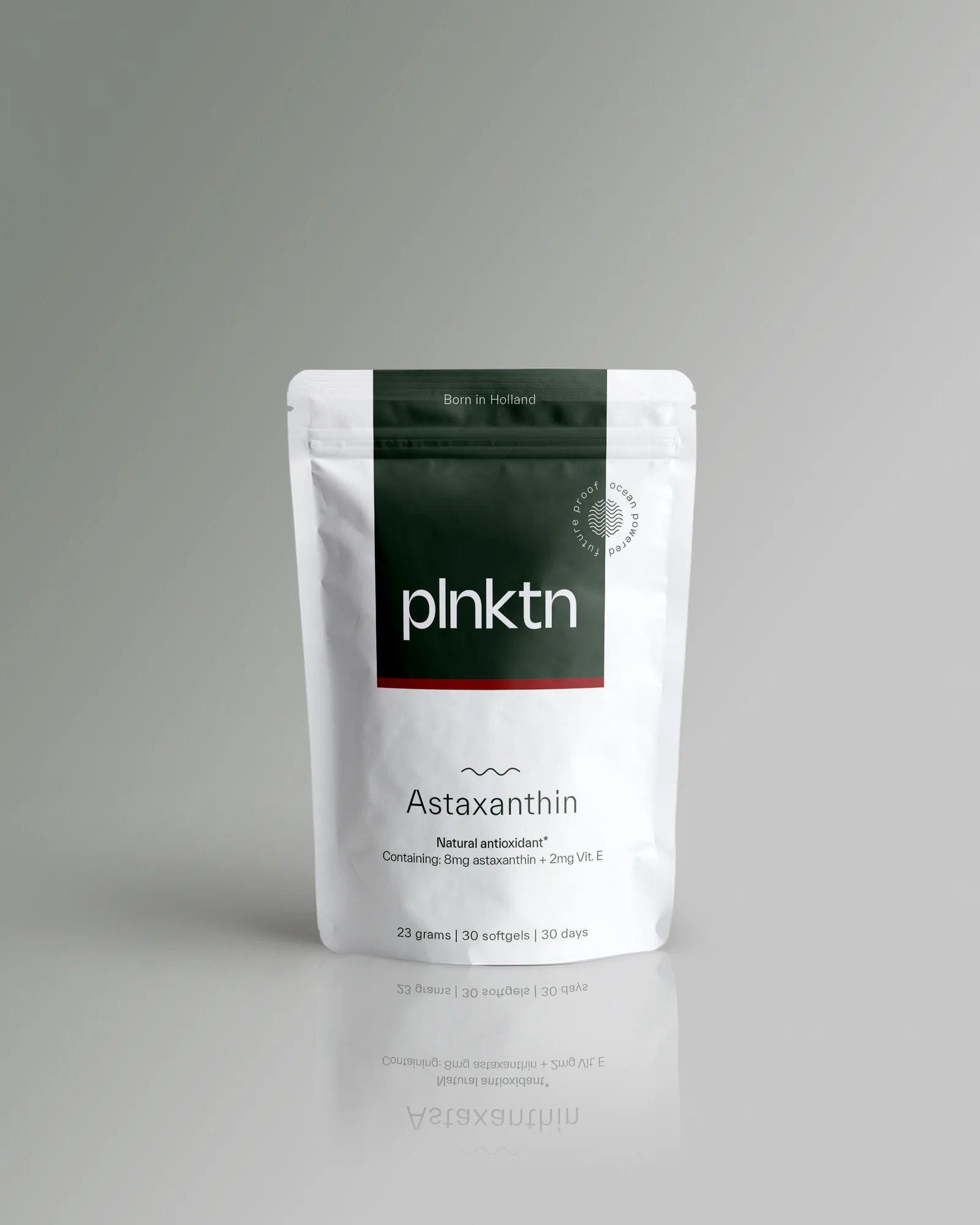

Astaxanthine
Powerful antioxidant from algae for protection from within, supporting skin and cells.
- • Natural astaxanthin from algae
- • Supports protection of cells against oxidative stress
- • Complements omega-3 and plankton in your routine
Disclosure: We may earn a commission if you purchase via these links.
Turmeric in Food vs Supplements: Is Cooking Enough?
A common question: "Can I just eat turmeric instead of supplementing?"
The short answer: culinary turmeric provides health benefits, but at levels far below therapeutic supplement doses.
| Comparison | Turmeric Spice (1 tsp / 3g) | Standard Curcumin Supplement (1000mg) | Enhanced Curcumin (500mg Meriva) |
|---|---|---|---|
| Total curcuminoids | 90-150mg | 950mg | ~100mg curcuminoids |
| Estimated absorbed curcuminoids | 1-3mg | 10-20mg | ~90-150mg |
| Anti-inflammatory dose? | No | Marginal | Yes |
However: Whole turmeric contains compounds beyond curcuminoids — turmerone, ar-turmerone, and other volatile oils that may contribute to health effects through different mechanisms. The BCM-95 formulation actually exploits this by combining curcuminoids with turmeric essential oils.
Golden milk and turmeric lattes: These trendy drinks typically contain 1-2 teaspoons of turmeric (90-300mg curcuminoids), often with black pepper and a fat source (coconut milk). This is better than a supplement-free diet, but still well below therapeutic doses. Think of it as a health-supportive food habit, not a clinical intervention.
Cooking tip: If you do use turmeric in cooking, adding black pepper and a fat source (oil, coconut milk, ghee) meaningfully increases the curcuminoid absorption from food. Heat can both help (releasing curcuminoids from the root matrix) and hinder (degrading curcumin at very high temperatures). Gentle heating with fat is optimal.
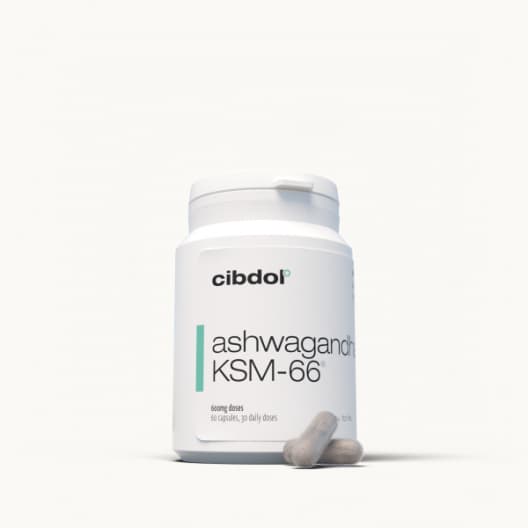
Ashwagandha KSM-66
Clinically studied KSM-66 ashwagandha extract for stress reduction and adrenal support.
- • KSM-66® branded extract
- • Highest concentration full-root extract
- • Reduces cortisol and stress
Disclosure: We may earn a commission if you purchase via these links.
Frequently Asked Questions
Is turmeric tea enough for anti-inflammatory benefits?
Unlikely. Turmeric tea provides a pleasant drink with modest amounts of curcuminoids (typically 20-50mg per cup, depending on preparation), but absorption without a fat source or piperine is minimal. For measurable anti-inflammatory effects, a quality supplement is necessary. Turmeric tea can complement supplementation but shouldn't replace it if you're targeting specific inflammatory conditions.
Can I just eat turmeric with black pepper?
This is better than turmeric alone — piperine from black pepper increases curcumin absorption approximately 20-fold. However, the total curcuminoid dose from dietary turmeric remains low. A teaspoon of turmeric with a generous pinch of black pepper provides roughly 90-150mg curcuminoids with improved absorption. This is health-supportive but below clinical doses for conditions like osteoarthritis or depression.
How long until I notice benefits from curcumin?
Joint pain: typically 4-8 weeks for noticeable improvement, with continued gains over 3 months. Inflammatory markers (CRP, IL-6): measurable changes at 4-8 weeks. Mood: 4-6 weeks in depression studies. Exercise recovery: more immediate (within days of starting, for exercise-related soreness). Don't judge curcumin by the first week — it works through gradual inflammatory pathway modulation.
Can curcumin replace NSAIDs?
For mild-to-moderate osteoarthritis pain, the evidence suggests curcumin can be comparably effective to ibuprofen with fewer GI side effects. However, this comparison applies to chronic use, not acute pain relief — curcumin won't help a sudden headache the way ibuprofen does. For severe inflammation or acute injuries, NSAIDs remain more appropriate. Some people successfully use curcumin as a daily anti-inflammatory base, with occasional NSAID use for flare-ups.
Is it safe to take curcumin long-term?
Current evidence suggests yes, at recommended supplemental doses (500-1000mg enhanced curcumin daily). Studies lasting 3-6 months show no safety concerns. Traditional Ayurvedic use spans centuries. The main long-term cautions are iron absorption interference (particularly relevant for women), gallbladder stimulation, and potential interactions with blood-thinning medications. Annual blood work is prudent if supplementing long-term.
Disclaimer
This article is for informational and educational purposes only and does not constitute medical advice. Curcumin supplements can interact with medications, particularly blood thinners, and may not be suitable for everyone. Consult your healthcare provider before starting curcumin supplementation, especially if you have gallbladder issues, take anticoagulants, are pregnant, or are scheduled for surgery.
Related Articles
- Anti-Inflammatory Supplements: What Works Beyond Turmeric
- Supplement Bioavailability: Why Your Supplements Might Not Be Working
- When to Take Your Supplements: The Complete Timing Guide
- Supplement and Drug Interactions: What Your Doctor Might Not Tell You
This article is for informational purposes only and is not intended as medical advice. Always consult a healthcare professional before starting any new supplement, especially if you take prescription medication.
Related topics
Where to buy
Affiliate linksUpfront Creatine
Straightforward creatine monohydrate at an unbeatable price. Clean formula, no nonsense.
- • Pure creatine monohydrate
- • Best price in NL (€8)
- • No fillers
Orangefit Protein
Plant-based protein shake made from yellow split peas. Complete amino acid profile, easy to digest, no artificial sweeteners. Available in multiple flavours.
- • 100% plant-based (yellow split peas)
- • Complete amino acid profile
- • No artificial sweeteners
Orangefit Protein Blend
Triple-source plant protein: yellow split peas, fava beans, and pumpkin. 24g protein + 5g BCAAs per shake, with turmeric and bioperine.
- • 24g protein per serving
- • 5g BCAAs included
- • Triple protein source
Upfront Crea PRO
Premium creatine formula with enhanced absorption. For athletes who want more from their creatine.
- • Enhanced absorption formula
- • Premium creatine
- • For serious athletes
Disclosure: We may earn a commission if you purchase via these links.
Related articles
Anti-Inflammatory Supplements: What Works Beyond Turmeric
A comprehensive guide to anti-inflammatory supplements beyond curcumin — covering omega-3, quercetin, boswellia, ginger, astaxanthin, and SPMs with evidenc
Omega-3 Supplements: EPA vs DHA, Fish Oil vs Algae, and What You Actually Need
A comprehensive guide to omega-3 fatty acids covering EPA vs DHA differences, fish oil vs algae-derived options, supplement forms (triglyceride vs ethyl es
The Daily Wellness Stack: Morning, Afternoon & Evening Supplements
A practical guide to building a daily supplement stack across three tiers (Foundation, Optimised, Premium) with morning/afternoon/evening timing protocols,