
Supplement Timing: When to Take Vitamins and Supplements for Maximum Effect
Written by Smart Supplements Editorial Team
Key takeaways
- Fat-soluble vitamins (D3, K2, E, A) must be taken with a fat-containing meal — absorption drops by up to 50% without dietary fat.
- Separate competing minerals: calcium and iron use the same transporter, reducing absorption by up to 50% when taken together.
- Morning is best for energising compounds (B vitamins, rhodiola, CoQ10); evening is best for calming ones (magnesium glycinate, reishi, L-theanine).
- Wait at least 1 hour after coffee before taking iron — polyphenols reduce iron absorption by up to 90%.
- Align supplements with your personal wake-sleep cycle, not the clock — especially important for shift workers.
- Consistency over weeks matters more than perfection on any single day — if you miss a dose, just take it when you remember.
Table of contents
Taking the right supplement at the wrong time can slash its effectiveness by up to 50%. Fat-soluble vitamins taken without food pass straight through you. Energising compounds taken at night keep you awake. Minerals that compete for absorption cancel each other out.
Yet most supplement users simply toss everything back with their morning coffee and hope for the best.
Here is the science of supplement timing — and a practical daily schedule you can follow, starting today.

Why Timing Matters
Supplement timing is not just wellness pedantry — it is grounded in pharmacology, circadian biology, and basic chemistry. Several factors determine how effectively your body absorbs and uses a given compound.
Fat-Soluble vs Water-Soluble
The single most important timing distinction is between fat-soluble and water-soluble nutrients.
Fat-soluble vitamins — A, D, E, and K — require dietary fat for absorption. A 2015 study published in the Journal of the Academy of Nutrition and Dietetics found that vitamin D absorption increased by up to 50% when taken with a fat-containing meal compared to an empty stomach (Dawson-Hughes et al., 2015). CoQ10 and curcumin are also fat-soluble and follow the same rule.
Water-soluble vitamins — the B-complex family and vitamin C — dissolve in water and do not require fat. However, because they are not stored in the body (excess is excreted via urine), splitting doses throughout the day maintains more consistent blood levels.
Competition for Absorption
Certain minerals use the same transport pathways in the gut. When taken simultaneously, they compete:
| Competing Pair | Mechanism | Solution |
|---|---|---|
| Calcium + Iron | Compete for DMT1 transporter | Separate by 2+ hours |
| Zinc + Copper | Zinc induces metallothionein, which binds copper | Take at different times of day |
| Calcium + Zinc | Compete for absorption | Separate by 2+ hours |
| Caffeine + Iron | Tannins and polyphenols chelate iron | Wait 1 hour after coffee |
| Fibre + Minerals | Phytates bind minerals | Take minerals away from high-fibre meals |
Circadian Rhythm Alignment
Your body's internal clock influences hormone production, enzyme activity, and metabolic processes throughout the day. Aligning supplement intake with these rhythms can significantly improve outcomes:
- Cortisol peaks in the early morning (6–8 AM) and declines throughout the day. Energising supplements work best when they ride this natural wave.
- Melatonin rises in the evening (typically after 9 PM). Sleep-supporting supplements should be timed to complement — not compete with — this rise.
- Stomach acid production peaks after meals. Acid-sensitive supplements (like certain probiotics) may benefit from being taken with food, when gastric pH is somewhat buffered.
- Growth hormone is released primarily during deep sleep. Compounds that support this process (magnesium, zinc, certain amino acids) are best taken in the evening.
The "With Food" Rule
Beyond fat-solubility, many supplements are simply better tolerated with food. Iron, zinc, and certain herbal extracts can cause nausea on an empty stomach. Conversely, some supplements (like certain amino acids) are better absorbed without food because they compete with dietary proteins for absorption.
The general rule: when in doubt, take with food. The modest reduction in absorption is almost always outweighed by better tolerance and consistent compliance.
Morning Supplements (With Breakfast)
The morning window — ideally with a fat-containing breakfast — is the optimal time for energising, metabolism-supporting, and fat-soluble compounds.
Fat-Soluble Vitamins: D3, K2, E, A
Take all fat-soluble vitamins with your first meal of the day, provided it contains some dietary fat (eggs, avocado, nuts, olive oil, butter, or even full-fat yoghurt).
Vitamin D3 is the most important fat-soluble supplement for most Europeans. A 2019 meta-analysis in the British Medical Journal confirmed that vitamin D supplementation reduced the risk of acute respiratory infections, with the greatest benefit seen in those with baseline deficiency (Martineau et al., 2019). Given that 40–60% of Northern Europeans are deficient, morning D3 is practically non-negotiable.
Vitamin K2 (MK-7 form) works synergistically with D3, directing calcium into bones rather than arteries. Always pair these together.
Why morning? Some evidence suggests vitamin D taken late in the day may interfere with melatonin production, potentially disrupting sleep. Morning intake avoids this entirely.
B Vitamins
The B-complex family — B1 (thiamine), B2 (riboflavin), B3 (niacin), B5 (pantothenic acid), B6, B7 (biotin), B9 (folate), and B12 — are energy metabolism cofactors. They help your body convert food into cellular energy (ATP).
Take B vitamins in the morning. Several B vitamins — particularly B6 and B12 — can be mildly stimulating. Anecdotal reports of vivid dreams or disrupted sleep from evening B-vitamin intake are common enough to warrant morning dosing.
For those with MTHFR polymorphisms, methylated forms (methylfolate, methylcobalamin) are better utilised than synthetic folic acid or cyanocobalamin. Check your label — our guide to reading supplement labels covers how to spot these differences.
Iron (If Needed)
Iron is best absorbed on an empty stomach, but many people find it causes nausea without food. The compromise:
- Ideal: Take iron 30 minutes before breakfast with 200mg vitamin C (or a glass of orange juice) to enhance absorption.
- Practical: Take with a light breakfast if you experience stomach upset. Avoid taking with coffee, tea, or calcium-rich foods.
Important: Do not take iron unless you have a confirmed deficiency. Excess iron causes oxidative damage and is especially risky for men and post-menopausal women. Test your ferritin levels first.
CoQ10 / Ubiquinol
Coenzyme Q10 is a mitochondrial cofactor involved in cellular energy production. It is fat-soluble and mildly energising.
- Take in the morning with a fat-containing meal.
- The reduced form (ubiquinol) has better bioavailability than the oxidised form (ubiquinone), particularly in those over 40 when the body's conversion capacity declines.
- Typical dose: 100–200mg.
If you take statins, CoQ10 supplementation is particularly important — statins inhibit the mevalonate pathway that produces both cholesterol and CoQ10. Read more about this interaction in our supplement and drug interactions guide.
Energising Adaptogens
Adaptogens with stimulating or anti-fatigue properties belong in the morning:
- Rhodiola Rosea — best taken 30 minutes before breakfast on an empty stomach. Rhodiola's anti-fatigue effects are most pronounced in the first half of the day (Darbinyan et al., 2000).
- Cordyceps — traditionally used for energy and oxygen utilisation. Morning or pre-workout.
- Lion's Mane — cognitive support via NGF (nerve growth factor). Morning with breakfast.
These adaptogens complement the body's natural cortisol peak, amplifying energy without the crash associated with stimulants. Our guide to adaptogens covers the full range of options.
MADMONQ CHAMPION
Chewable multivitamin 2.0 with 24+ nutrients covering immunity, bone health, eye health, detox, and hormonal balance. Includes Vitamins A, C, D3, E, K2, full B-complex, plus Lutein, Zeaxanthin, Milk Thistle, Maqui Berry, L-Glutathione, and Pine Bark extract. Designed for desk workers and gamers who need comprehensive daily nutrition in one chewable tablet.
- • 24+ vitamins, minerals, and plant extracts in one tablet
- • Chewable format — also available as effervescent
- • Lutein + Zeaxanthin for screen-strained eyes
Disclosure: We may earn a commission if you purchase via these links.
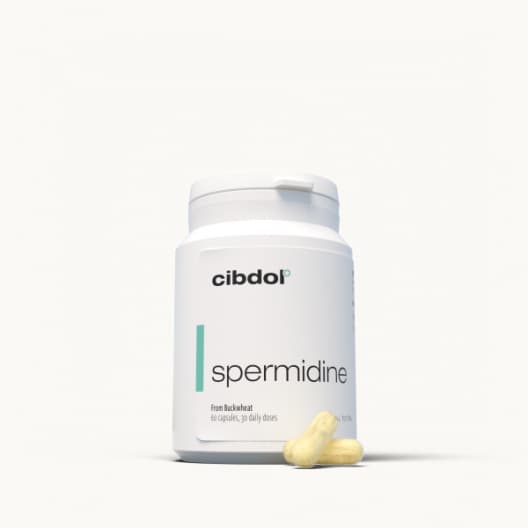

Spermidine
Spermidine supplement to support autophagy, cellular renewal, and healthy aging.
- • Promotes autophagy
- • Supports cellular renewal
- • Wheat germ extract source
Disclosure: We may earn a commission if you purchase via these links.
Midday / Afternoon Supplements
The midday window works well for supplements that benefit from being taken with food and that support stress resilience during the working day.
Omega-3 Fatty Acids
Omega-3s (EPA and DHA) are fat-soluble and best absorbed with a fat-containing meal. Lunch is ideal for several reasons:
- It provides dietary fat for absorption.
- It spaces omega-3 intake away from morning supplements, reducing the total pill burden at breakfast.
- Some people experience "fish burps" — taking omega-3 with a larger meal minimises this.
The EFSA recommends a minimum of 250mg combined EPA+DHA daily. Therapeutic doses for inflammation or mood support range from 1–3g.
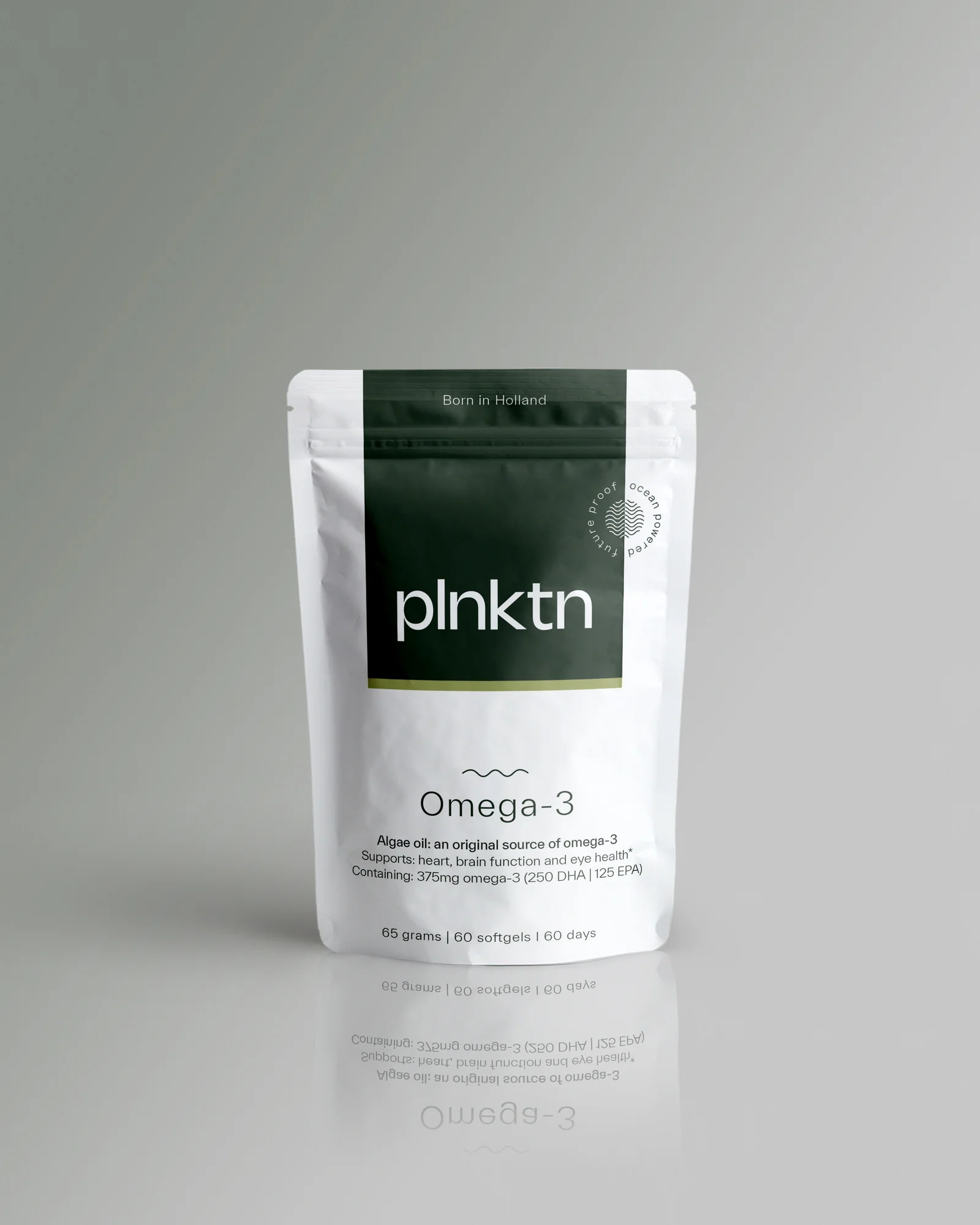

Omega-3 (algenolie)
Daily omega-3 from the original source: algae. With essential EPA and DHA for heart, brain and eyes.
- • 250 mg DHA and 125 mg EPA per capsule
- • 100% fish-free, plant-based algenolie
- • No fishy aftertaste, clean and controlled source
Disclosure: We may earn a commission if you purchase via these links.
Stress-Modulating Adaptogens
If you use ashwagandha primarily for stress management (rather than sleep), midday or early afternoon is a reasonable window:
- Ashwagandha (KSM-66) — a 2012 study by Chandrasekhar et al. found that 600mg/day of KSM-66 ashwagandha reduced serum cortisol by 27.9% over 60 days. Whether it is stimulating or calming varies by individual. If it energises you, take it in the morning. If it calms you, take it in the evening (see below).
- Holy Basil (Tulsi) — traditionally used for stress relief in Ayurvedic medicine. Midday with food.
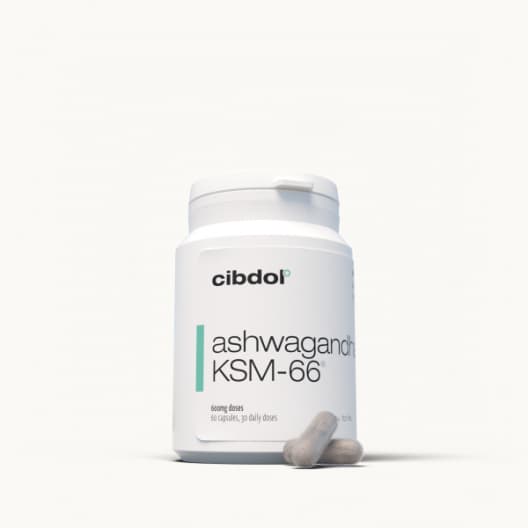
Ashwagandha KSM-66
Clinically studied KSM-66 ashwagandha extract for stress reduction and adrenal support.
- • KSM-66® branded extract
- • Highest concentration full-root extract
- • Reduces cortisol and stress
Disclosure: We may earn a commission if you purchase via these links.
Turmeric / Curcumin
Curcumin is fat-soluble with notoriously poor bioavailability (2–3% in standard form). To maximise absorption:
- Take with a fat-containing meal.
- Choose a bioavailability-enhanced form (phytosomal, BioPerine-enhanced, or Longvida).
- Pair with black pepper (piperine) if using standard curcumin — Shoba et al. (1998) demonstrated a 2,000% increase in curcumin bioavailability with piperine.
Lunch with some dietary fat is the ideal time. Our bioavailability guide covers the different curcumin technologies in detail.
Digestive Enzymes
If you use digestive enzymes, take them immediately before or at the very start of your largest meal — typically lunch or dinner. They need to be present in the stomach when food arrives.
Evening Supplements
The evening window is for calming, sleep-supporting, and recovery-focused compounds that align with your body's natural wind-down.
Magnesium
Magnesium is arguably the single most important evening supplement. It supports muscle relaxation, GABA activity, and melatonin production. But the form matters enormously:
| Magnesium Form | Best For | Absorption | Notes |
|---|---|---|---|
| Glycinate | Sleep, anxiety, relaxation | High (~80%) | Glycine is calming; gentle on stomach |
| L-Threonate | Brain health, cognitive function | High (crosses BBB) | Patented as Magtein® |
| Taurate | Heart health, blood pressure | Good | Taurine adds cardiovascular benefit |
| Citrate | General use, constipation | Moderate (~30%) | Mild laxative effect |
| Oxide | Avoid for supplementation | Very low (~4%) | Essentially a laxative |
Take magnesium 30–60 minutes before bed. The typical dose is 200–400mg elemental magnesium (not compound weight — check the label). Our guide to magnesium for sleep covers dosing in detail.
Magnesium Citrate
Zamnesia Magnesium Citrate — 100% natural magnesium supplement providing 200mg magnesium per tablet (53% reference intake). Supports muscle and nerve function, reduces fatigue, contributes to normal psychological functioning and bone health. 100 tablets per bottle.
- • 200mg magnesium citrate per tablet — 53% reference intake
- • Reduces fatigue and supports normal energy metabolism
- • Supports muscle function, nerve function, and bone health
Disclosure: We may earn a commission if you purchase via these links.
Zinc
Zinc is best taken in the evening, away from calcium-containing foods and supplements (they compete for absorption). Take with a small amount of food to prevent nausea.
- Dose: 15–30mg daily (do not exceed 40mg long-term without medical supervision).
- Zinc depletes copper over time — consider a zinc supplement that includes a small amount of copper, or cycle zinc intake.
Melatonin (If Used)
Melatonin is a hormone, not a vitamin — and it should be used judiciously. If you do use it:
- Take 30–60 minutes before your target bedtime.
- Start with the lowest effective dose: 0.3–0.5mg. Most commercial melatonin is dramatically overdosed at 3–10mg.
- Melatonin is best for circadian rhythm disorders (jet lag, shift work), not chronic insomnia.
Calming Adaptogens
- Ashwagandha — if it calms you (it does for most people), the evening is ideal. The Salve et al. (2019) study found significant improvements in sleep quality with 600mg KSM-66 taken at night. See our dedicated ashwagandha for sleep article.
- Reishi mushroom — traditionally used as a calming, sleep-promoting adaptogen. Take 1–2g extract in the evening.
- L-Theanine — 200mg promotes alpha brain wave activity associated with calm alertness during the day, but also supports sleep quality when taken in the evening.
- 5-HTP — a serotonin precursor that supports both mood and sleep. Take 100–200mg 30 minutes before bed. Do not combine with SSRIs or other serotonergic medications — see our drug interactions guide.
Collagen
Collagen peptides do not compete with other supplements for absorption and can be taken at any time. However, some practitioners recommend evening intake, as collagen synthesis is upregulated during sleep (when growth hormone peaks).
Supplements You Can Take Any Time
Some supplements have no strong timing dependency. Take them whenever is most convenient for consistency.
Probiotics
The "best time for probiotics" debate is surprisingly unsettled:
- Some research suggests taking probiotics 30 minutes before a meal or with food provides a gastric pH buffer, improving bacterial survival.
- Other research suggests an empty stomach (with just water) allows faster transit through the hostile stomach environment.
- Spore-based probiotics (Bacillus coagulans, Bacillus subtilis) are acid-resistant and truly can be taken any time.
The most honest answer: consistency matters more than timing. Pick a time you will not forget and stick with it. Our gut health guide covers probiotic selection in detail.
Vitamin C
Water-soluble, non-stimulating, and well-tolerated. Take whenever is convenient. Splitting into 2–3 smaller doses throughout the day may maintain more consistent blood levels, but the practical difference is marginal for most people.
The only timing consideration: if you take iron, pairing vitamin C with your iron dose significantly enhances absorption.
Quercetin
This flavonoid antioxidant has anti-inflammatory and senolytic properties. No strong timing preference — take with food to enhance absorption. Some longevity practitioners take it in the morning alongside other senolytic compounds.
Spermidine
This autophagy activator is typically taken in the morning, but there is no strong evidence that timing significantly affects its action. Morning with breakfast is conventional.
What NOT to Combine at the Same Time
Understanding negative interactions is just as important as optimising timing. Here are the combinations to avoid:
The Major Conflicts
| Combination | Problem | Solution |
|---|---|---|
| Calcium + Iron | Calcium inhibits iron absorption by up to 50% via DMT1 competition | Separate by 2+ hours |
| Zinc + Copper | High-dose zinc induces metallothionein, trapping copper | Take at different meals |
| Caffeine + Iron | Coffee/tea tannins bind iron, reducing absorption by 60–90% | Wait 1 hour after coffee |
| Calcium + Magnesium | High-dose calcium may reduce magnesium absorption | Take at different times |
| Calcium + Thyroid medication | Calcium chelates levothyroxine | Take thyroid medication 4 hours before calcium |
| Fibre supplements + Medications | Fibre can bind medications, reducing efficacy | Take 2+ hours apart |
| Fat-soluble vitamins + No fat | D3, K2, E, A need dietary fat for absorption | Always take with a fat-containing meal |
| 5-HTP + SSRIs | Risk of serotonin syndrome | Never combine without medical supervision |
The Caffeine Problem
Many supplement users take their morning stack with coffee. This is problematic for several nutrients:
- Iron: Polyphenols in coffee reduce iron absorption by 60–90%. Wait at least 1 hour after coffee before taking iron.
- Calcium: Caffeine modestly increases calcium excretion via urine.
- B vitamins: Caffeine may interfere with B-vitamin absorption, though evidence is limited.
Practical solution: Take your morning supplements with breakfast, then have your coffee 30–60 minutes later. Or simply take iron at a separate time entirely.
The Ideal Daily Supplement Schedule
Here is a practical daily schedule for someone taking a comprehensive supplement regimen. Not everyone needs all of these — refer to our guide to building a supplement stack to determine what is right for you.

Morning (With Breakfast Containing Fat)
| Supplement | Dose | Why Morning? |
|---|---|---|
| Vitamin D3 + K2 | 2,000–4,000 IU D3 + 100–200mcg K2 (MK-7) | Fat-soluble; may disrupt sleep if taken late |
| B-Complex | Per label | Energy metabolism; stimulating for some |
| CoQ10 / Ubiquinol | 100–200mg | Mildly energising; fat-soluble |
| Rhodiola Rosea | 200–400mg (3% rosavins) | Anti-fatigue; complements morning cortisol |
| Lion's Mane | 500–1,000mg | Cognitive support for the day ahead |
| Spermidine | 1–6mg | Autophagy activator; conventional morning dose |
| Iron (if deficient) | 18–27mg with vitamin C | Best absorbed AM; separate from coffee |
Lunch (With Food Containing Fat)
| Supplement | Dose | Why Midday? |
|---|---|---|
| Omega-3 (EPA/DHA) | 1,000–2,000mg | Fat-soluble; reduces morning pill burden |
| Curcumin/Turmeric | 500–1,000mg (enhanced form) | Fat-soluble; needs food for absorption |
| Ashwagandha (if energising for you) | 300–600mg KSM-66 | Stress support during working day |
Evening (30–60 Minutes Before Bed)
| Supplement | Dose | Why Evening? |
|---|---|---|
| Magnesium Glycinate | 200–400mg elemental | Calming; supports sleep via GABA |
| Zinc | 15–30mg | Away from calcium; supports overnight recovery |
| Ashwagandha (if calming for you) | 300–600mg KSM-66 | Cortisol reduction; sleep quality |
| Reishi | 1,000–2,000mg | Calming adaptogen; immune support |
| L-Theanine | 200mg | Alpha wave promotion; sleep quality |
| Melatonin (if needed) | 0.3–1mg | 30–60 min before bed; lowest effective dose |
Any Time
| Supplement | Dose | Notes |
|---|---|---|
| Probiotics | Per label | Consistency > timing |
| Vitamin C | 200–500mg | Split doses if desired |
| Quercetin | 500mg | With food for absorption |
| Collagen | 5–15g | No timing dependency |
Special Situations
Fasted Training
If you exercise in a fasted state (morning, before breakfast):
- Pre-workout (30 min before): Caffeine + L-theanine, cordyceps, creatine (these do not break a fast in any meaningful sense)
- Post-workout (with first meal): Protein, fat-soluble vitamins, omega-3, CoQ10
- Avoid pre-workout: Iron and fat-soluble vitamins (need food for absorption)
Shift Workers
Shift workers face unique challenges because their circadian rhythm is chronically disrupted:
- Melatonin becomes especially important — take 0.5–1mg before your designated sleep period, regardless of clock time.
- Vitamin D should be taken with your first substantial meal after waking, even if that is at 7 PM.
- Magnesium before your sleep period, whenever that falls.
- B vitamins at the start of your "day" (your wake time), not necessarily in the morning.
The key principle: align supplements with your personal wake-sleep cycle, not the clock. Our article on supplements for shift workers covers this in depth.
Travelling Across Time Zones
When crossing time zones:
- Gradually shift your supplement timing to match the destination time zone over 2–3 days.
- Melatonin is particularly useful for jet lag — take at the destination's bedtime, starting the evening you arrive.
- Vitamin D at the destination's breakfast time helps reset circadian rhythm.
- Missing a dose is not catastrophic for most supplements. Simply resume at the next scheduled time — do not double up.
Intermittent Fasting
If you follow a 16:8 or similar protocol:
- During the fast: You can take water-soluble supplements (B vitamins, vitamin C, creatine, electrolytes) without breaking your fast.
- Fat-soluble vitamins should wait until your eating window — they need dietary fat and technically provide a tiny caloric load.
- Coffee + supplements: If you drink black coffee during your fast, remember the iron and calcium interactions above.
Common Timing Mistakes
Mistake 1: Taking Everything at Once
The "handful" approach — swallowing 8–10 supplements simultaneously with breakfast — causes multiple problems:
- Mineral competition (calcium vs iron vs zinc)
- Overwhelming the gut's absorption capacity
- Some compounds need different conditions (fat vs empty stomach)
Fix: Split into morning, midday, and evening windows as described above.
Mistake 2: Energising Supplements Before Bed
B vitamins, rhodiola, cordyceps, and even vitamin D can interfere with sleep when taken in the evening. If you have started a new supplement and noticed sleep disruption, check if timing is the culprit before abandoning the supplement entirely.
Mistake 3: Fat-Soluble Vitamins on an Empty Stomach
This is surprisingly common — especially among intermittent fasters who take their vitamins during the fasting window. Vitamin D, K2, E, and CoQ10 need dietary fat. Without it, you are wasting a significant portion of your dose.
Mistake 4: Iron with Coffee
The morning coffee ritual and the morning supplement ritual collide head-on for iron users. Coffee's polyphenols reduce iron absorption by up to 90%. Wait at least one hour.
Mistake 5: Ignoring Medication Interactions
Timing supplements relative to medications is critical. Some examples:
- Thyroid medication (levothyroxine): take on empty stomach, 30–60 minutes before any supplements
- Antibiotics: separate from minerals (calcium, iron, zinc, magnesium) by 2+ hours
- Blood thinners: be consistent with vitamin K intake (do not wildly vary day to day)
For a comprehensive overview, see our supplement and drug interactions guide.

Frequently Asked Questions
Does it really matter if I take everything at once?
For most people taking just 2–3 supplements, timing is a minor optimisation. The biggest gains come from the basics: fat-soluble vitamins with food, separating competing minerals, and not taking energising compounds before bed. If you take 5+ supplements daily, a structured schedule becomes more meaningful.
Can I take supplements with coffee?
You can take most supplements with coffee, but avoid taking iron and calcium within an hour of coffee. The polyphenols in coffee (and tea) significantly reduce mineral absorption. B vitamins, adaptogens, and most other supplements are fine with coffee.
What if I forget my morning supplements?
Take them when you remember — even if it means taking morning supplements at lunch. The exception is energising compounds (rhodiola, B12, CoQ10) late in the evening, which may disrupt sleep. For those, simply skip to the next day. Consistency over weeks matters more than perfection on any single day.
Should I take supplements on an empty stomach?
Most supplements are better tolerated with food. The exceptions are: iron (better absorbed on empty stomach, but causes nausea for many), certain amino acids (L-tyrosine, L-tryptophan — compete with dietary protein), and thyroid medications (which are not supplements but are often taken alongside them).
Do I need to take supplements at the exact same time every day?
No. A 1–2 hour variation is completely irrelevant for supplement efficacy. What matters is the general pattern: morning vs evening, with food vs without, and avoiding conflicting combinations. Do not stress about clock precision.
Can I take all my supplements with a meal replacement shake?
Yes, provided the shake contains some dietary fat (most do). Meal replacement shakes are actually excellent vehicles for supplement absorption because they typically contain protein, fat, carbohydrates, and fibre — covering all the absorption requirements for different supplement types.
Disclaimer
This article is for informational purposes only and does not constitute medical advice. Supplement timing recommendations are based on published research and general pharmacological principles, but individual responses may vary. Always consult a qualified healthcare professional before starting any new supplement, especially if you are pregnant, breastfeeding, taking prescription medications, or managing a medical condition.
The supplements discussed in this article are not intended to diagnose, treat, cure, or prevent any disease.
Related Articles
- Smart Supplements 101: A Beginner's Guide to Evidence-Based Supplementation
- How to Build a Supplement Stack: A Step-by-Step Framework
- What Are Adaptogens? A Guide to Nature's Stress Fighters
- Magnesium for Sleep: Which Form Is Best?
- Bioavailability Explained: Why How You Take a Supplement Matters More Than What You Take
Related topics
Where to buy
Affiliate linksUpfront Creatine
Straightforward creatine monohydrate at an unbeatable price. Clean formula, no nonsense.
- • Pure creatine monohydrate
- • Best price in NL (€8)
- • No fillers
Orangefit Protein
Plant-based protein shake made from yellow split peas. Complete amino acid profile, easy to digest, no artificial sweeteners. Available in multiple flavours.
- • 100% plant-based (yellow split peas)
- • Complete amino acid profile
- • No artificial sweeteners
Orangefit Protein Blend
Triple-source plant protein: yellow split peas, fava beans, and pumpkin. 24g protein + 5g BCAAs per shake, with turmeric and bioperine.
- • 24g protein per serving
- • 5g BCAAs included
- • Triple protein source
Upfront Crea PRO
Premium creatine formula with enhanced absorption. For athletes who want more from their creatine.
- • Enhanced absorption formula
- • Premium creatine
- • For serious athletes
Disclosure: We may earn a commission if you purchase via these links.
Related articles
The Daily Wellness Stack: Morning, Afternoon & Evening Supplements
A practical guide to building a daily supplement stack across three tiers (Foundation, Optimised, Premium) with morning/afternoon/evening timing protocols,
The Best Vitamins for Energy: What Actually Works?
Your guide to the vitamins and minerals that actually affect energy production — B12, iron, magnesium, vitamin D, and CoQ10 — plus who benefits, who does n
Best Wellness Supplements in Europe: A 2026 Buyer's Guide
An honest buyer's guide to the best wellness supplements available in Europe in 2026 — covering multivitamins, magnesium, omega-3, adaptogens, vitamin D, f