
Best Supplements for Runners: What Actually Works (Evidence-Based Guide)
Written by Smart Supplements Editorial Team
Key takeaways
- Food comes first — supplements fill nutritional gaps but never replace a well-planned diet rich in whole foods.
- Creatine (3-5g/day) improves sprint performance, hill repeats, and recovery — not just for bodybuilders.
- Electrolytes matter for runs over 60 minutes or in hot conditions; plain water is fine for shorter runs.
- Caffeine (3-6mg/kg) is the most reliable legal performance enhancer, improving endurance by 2-4%.
- Total daily protein intake (1.6-2.2g/kg) matters far more than precise post-run timing.
- Up to 60% of adults do not meet magnesium RDA — runners lose additional magnesium through sweat.
Table of contents
- Do Runners Even Need Supplements?
- Protein — The Recovery Foundation
- Creatine — Not Just for Bodybuilders
- Electrolytes — When You Actually Need Them
- Magnesium — The Underrated Mineral
- Caffeine — The Proven Performance Booster
- Omega-3 — For Recovery, Not Speed
- What About [Popular Supplement]?
- The Runner's Supplement Stack — Putting It Together
- What You Do Not Need
- Frequently Asked Questions
- The Bottom Line
Most "best supplements for runners" lists are written by supplement companies trying to sell you something. This one is different. We looked at what the peer-reviewed research actually says — and we are honest when the evidence is weak, conflicting, or simply not there yet.
The truth? You probably need fewer supplements than you think. But the ones that do work can make a genuine difference to your training, recovery, and how you feel on race day.
Last updated: April 1, 2026 | Written by Smart Supplements Editorial Team
Affiliate disclosure: Some links in this article are affiliate links. We may earn a small commission if you purchase through them, at no extra cost to you. This does not influence our editorial recommendations — we only feature products we have independently evaluated.
Do Runners Even Need Supplements?
Let us start with the uncomfortable truth that the supplement industry would rather you did not hear: most recreational runners eating a varied diet do not strictly need supplements.
Your body is remarkably good at extracting nutrients from food. A plate of salmon, sweet potatoes, and steamed broccoli delivers protein, omega-3s, complex carbohydrates, magnesium, vitamin C, and dozens of micronutrients in a form your body recognises and absorbs efficiently. No capsule replicates that complexity.
So Who Actually Benefits?
That said, certain groups of runners have genuine nutritional gaps that are difficult to close through food alone:
- High-volume trainers (60+ km/week) — increased calorie burn and sweat loss can deplete stores of iron, magnesium, and electrolytes faster than diet alone replenishes them.
- Plant-based athletes — may need supplemental B12, iron, omega-3 (EPA/DHA), and creatine, which are either absent or poorly bioavailable from plant foods.
- Runners with diagnosed deficiencies — if blood work shows low iron, vitamin D, or magnesium, targeted supplementation under medical guidance is appropriate.
- Masters runners (40+) — age-related declines in nutrient absorption, particularly vitamin D and B12, can justify supplementation.
- Those training in extreme conditions — heat, altitude, or ultra-distance running all increase specific nutrient demands.
A 2018 position statement from the International Society of Sports Nutrition (ISSN) concluded that while a food-first approach is ideal, "strategic use of supplements can help athletes meet nutritional goals when food alone is insufficient" (Kerksick et al., 2018, Journal of the International Society of Sports Nutrition).
The Honest Framework
Throughout this guide, we rate each supplement on three criteria:
| Criteria | What It Means |
|---|---|
| Evidence strength | How robust is the research? RCTs and meta-analyses rank highest. |
| Relevance to runners | Does it specifically help endurance performance, recovery, or health? |
| Practical value | Is it affordable, safe, and easy to incorporate? |
If a supplement scores poorly on any of these, we will tell you.

Protein — The Recovery Foundation
Protein is not glamorous, but it is foundational. Every training run creates micro-tears in your muscle fibres. Protein provides the amino acids your body needs to repair and strengthen those fibres — the process that actually makes you fitter.
How Much Do Runners Need?
The old recommendation of 0.8 g/kg/day is for sedentary adults. Runners need substantially more:
| Training Level | Protein Target (g/kg/day) | Example (70 kg runner) |
|---|---|---|
| Recreational (20–40 km/week) | 1.2–1.6 | 84–112 g/day |
| Competitive (40–80 km/week) | 1.6–2.0 | 112–140 g/day |
| High-volume / ultra (80+ km/week) | 1.8–2.2 | 126–154 g/day |
A meta-analysis by Morton et al. (2018) in the British Journal of Sports Medicine found that protein supplementation significantly augmented resistance training-induced gains in muscle mass and strength, with benefits plateauing around 1.6 g/kg/day (Morton et al., 2018, BJSM).
Timing: Does the Anabolic Window Exist?
The 30-minute "anabolic window" has been heavily marketed, but research suggests it is far wider than originally claimed. A systematic review by Schoenfeld, Aragon, and Krieger (2013) concluded that total daily protein intake is a stronger predictor of muscle outcomes than precise timing (Schoenfeld et al., 2013, Journal of the International Society of Sports Nutrition).
That said, having protein within a few hours of a hard session is still sensible — it just does not need to be within minutes of crossing the finish line.
Plant vs Whey: The Evidence
Good news for plant-based runners: when the amino acid profile is matched (particularly leucine content), plant protein appears to perform comparably to whey. A 2019 study found that rice protein supplementation produced similar body composition and performance outcomes to whey (Joy et al., 2013, Nutrition Journal).
The practical consideration is that many plant proteins are lower in leucine, so you may need a slightly larger serving (30–40 g vs 20–25 g for whey) to hit the leucine threshold that stimulates muscle protein synthesis.
Orangefit Protein
Plant-based protein shake made from yellow split peas. Complete amino acid profile, easy to digest, no artificial sweeteners. Available in multiple flavours.
- • 100% plant-based (yellow split peas)
- • Complete amino acid profile
- • No artificial sweeteners
Disclosure: We may earn a commission if you purchase via these links.
For more detail on protein needs and sources, see our complete protein guide for runners.
Creatine — Not Just for Bodybuilders
If there is one supplement runners overlook, it is creatine. Most people associate it with bodybuilders and weight gain — but the research tells a different story for endurance athletes.
What Does Creatine Actually Do?
Creatine increases your muscles' stores of phosphocreatine, which your body uses to regenerate ATP (your cells' energy currency) during high-intensity efforts. For runners, this translates to:
- Faster sprint finishes — that kick at the end of a 5K or 10K
- Better hill repeats — improved performance in repeated high-intensity intervals
- Enhanced recovery between sessions — less muscle damage and faster glycogen replenishment
- Potential cognitive benefits — creatine also supports brain energy metabolism
The Research
Creatine is the most studied supplement in sports science. A comprehensive review by Kreider et al. (2017) in the Journal of the International Society of Sports Nutrition concluded that creatine monohydrate is the most effective ergogenic nutritional supplement for increasing high-intensity exercise capacity and lean body mass (Kreider et al., 2017, JISSN).
For runners specifically, research suggests creatine improves performance in efforts lasting up to about 150 seconds — which covers interval training, tempo surges, and race finishes.
Dosing and Safety
| Protocol | Dose | Duration |
|---|---|---|
| Loading (optional) | 20 g/day in 4 doses | 5–7 days |
| Maintenance | 3–5 g/day | Ongoing |
Loading is not necessary — it simply fills your stores faster. Taking 3–5 g daily will reach the same saturation level within about 3–4 weeks.
Regarding weight gain: creatine causes water retention in muscle cells, typically adding 1–2 kg. This is intramuscular water, not fat, and for most runners the performance benefits outweigh the minor weight increase. If you are a competitive runner where every gram matters on race day, you might choose to cycle off creatine 4–6 weeks before your target race.
Creatine monohydrate has an excellent long-term safety profile. The ISSN has stated it is "one of the most well-studied and safest supplements available" with no adverse effects reported in studies lasting up to five years.
Orangefit Creatine
Simple, clean, and effective creatine monohydrate. Plant-based and free from fillers. Supports strength, power output, and recovery.
- • Clean creatine monohydrate
- • 100% plant-based
- • No fillers or additives
Disclosure: We may earn a commission if you purchase via these links.
We wrote a deep dive on this topic: Creatine for Runners — The Complete Guide.
Electrolytes — When You Actually Need Them
Electrolytes are minerals that carry an electrical charge in your body — sodium, potassium, magnesium, and calcium being the most important for runners. They regulate fluid balance, muscle contraction, and nerve signalling.
When Do You Need to Supplement?
Here is the honest answer: not as often as sports drink companies want you to believe.
| Scenario | Electrolyte Needs |
|---|---|
| Easy run under 60 min, mild weather | Water is fine |
| Run 60–90 min, moderate weather | Optional — sip electrolytes if you feel like it |
| Run 90+ min, any weather | Recommended — aim for 300–600 mg sodium/hour |
| Any run in hot/humid conditions | Recommended, even if under 60 min |
| Heavy sweater (visible salt residue) | Recommended for most runs |
The Science of Sweat
Sweat rate varies enormously between individuals — from 0.5 to 2.5 litres per hour. Sodium concentration in sweat ranges from about 200 to 1,800 mg/L. This means two runners doing the same session might lose vastly different amounts of sodium.
A position stand by the American College of Sports Medicine recommends sodium replacement during exercise lasting longer than one hour, particularly in the heat (Sawka et al., 2007, Medicine & Science in Sports & Exercise).
The Overlooked Risk: Hyponatremia
Over-drinking plain water during long runs can actually be dangerous. Exercise-associated hyponatremia (low blood sodium) occurs when you drink so much water that your sodium levels become diluted. Symptoms range from nausea and headaches to, in severe cases, seizures.
This is why electrolyte drinks exist — not to sell you something, but because plain water alone is insufficient for extended exercise in certain conditions.
What to Look For
A good electrolyte supplement for runners should contain:
- Sodium: 300–600 mg per serving (the primary electrolyte lost in sweat)
- Potassium: 50–100 mg
- Magnesium: 25–50 mg
- Minimal sugar (unless you also need energy, in which case a carb-electrolyte mix is appropriate)
Orangefit Hydrate
Electrolyte formula for optimal hydration before, during, and after exercise. Clean ingredients, no artificial sweeteners.
- • Optimal electrolyte ratio
- • No artificial sweeteners
- • Plant-based
Disclosure: We may earn a commission if you purchase via these links.
For the full breakdown, check our electrolytes guide for runners.
Magnesium — The Underrated Mineral
Magnesium is involved in over 300 enzymatic reactions in your body, including ATP production, muscle contraction and relaxation, protein synthesis, and nervous system regulation. For runners, it is arguably the most important mineral after iron — and most people do not get enough.
The Deficiency Problem
Research suggests that up to 60% of adults in Western countries do not meet the recommended daily intake of magnesium (DiNicolantonio et al., 2018, Open Heart). Runners face an additional challenge: magnesium is lost through sweat, and intense exercise can increase urinary magnesium excretion.
How Magnesium Helps Runners
- Energy production — magnesium is essential for ATP synthesis; without adequate magnesium, your cells literally cannot produce energy efficiently.
- Muscle function — helps muscles contract and relax properly, potentially reducing cramping (though the cramp connection is debated in the literature).
- Sleep quality — adequate magnesium supports deeper sleep, which is when most recovery happens.
- Stress response — exercise is a physical stressor; magnesium modulates the cortisol response.
Forms and Dosing
Not all magnesium supplements are equal. The form matters for absorption:
| Form | Bioavailability | Best For |
|---|---|---|
| Magnesium glycinate | High | Sleep, muscle relaxation, general supplementation |
| Magnesium citrate | High | General use, also has mild laxative effect |
| Magnesium threonate | Moderate-high | Cognitive function (crosses blood-brain barrier) |
| Magnesium oxide | Low | Cheap but poorly absorbed — not recommended |
Recommended dose: 200–400 mg elemental magnesium per day, ideally taken in the evening (supports sleep).
For runners interested in the magnesium-sleep connection, we cover this in detail in our guide on sleep supplements including magnesium glycine.
Want more on this topic? Read our full article on magnesium for runner performance.
Caffeine — The Proven Performance Booster
If any supplement deserves the label "evidence-based performance enhancer," it is caffeine. The research is extensive, consistent, and applicable to runners at every level.
How It Works
Caffeine primarily works by blocking adenosine receptors in the brain, reducing your perception of effort. In practical terms, the same pace feels easier — or you can sustain a faster pace at the same perceived effort. It also enhances fat oxidation, which can spare glycogen during longer efforts.
The Numbers
A meta-analysis by Guest et al. (2021) in the British Journal of Sports Medicine found that caffeine improved endurance performance by an average of 2–4%, with benefits observed across running, cycling, and swimming (Guest et al., 2021, BJSM).
For a 4-hour marathon runner, a 2–4% improvement translates to roughly 5–10 minutes. That is significant.
Optimal Dosing
| Factor | Recommendation |
|---|---|
| Dose | 3–6 mg/kg body weight |
| Timing | 45–60 minutes before the run |
| Example (70 kg runner) | 210–420 mg (roughly 2–4 cups of coffee) |
| Upper limit | Do not exceed 6 mg/kg — side effects increase with no additional benefit |
The Trade-Offs
We would not be honest if we did not mention the downsides:
- Sleep disruption — caffeine has a half-life of 5–6 hours. An afternoon training run fuelled by caffeine can impair sleep quality, which undermines recovery.
- Tolerance — regular caffeine users may experience reduced performance benefits over time. Some athletes cycle caffeine (abstaining for 7–14 days before a race) to restore sensitivity.
- GI distress — caffeine stimulates gut motility. For some runners, this causes stomach issues mid-run. Test any caffeine strategy in training, never on race day.
- Individual variation — genetic differences (CYP1A2 gene variants) mean some people metabolise caffeine quickly and benefit more, while slow metabolisers may experience anxiety and heart palpitations.
Natural Sources
If you prefer a whole-food approach to caffeine, guarana is a natural source that releases caffeine more gradually than coffee, potentially reducing the spike-and-crash effect.

Guarana
Natural guarana seed extract — sustained caffeine and theophylline for smooth, long-lasting energy and focus.
- • Natural caffeine + theophylline
- • Slower release than coffee
- • Sustained focus and energy
Disclosure: We may earn a commission if you purchase via these links.

For a deeper look at caffeine and athletic performance, read our caffeine performance guide.
Omega-3 — For Recovery, Not Speed
Omega-3 fatty acids (specifically EPA and DHA) will not make you faster on race day. But they play a meaningful role in the recovery and long-term health side of running.
What the Research Shows
- Reduced inflammation — omega-3s modulate the inflammatory response after exercise, potentially reducing excessive inflammation that slows recovery.
- Less muscle soreness — a meta-analysis by Tsuchiya et al. (2019) found that omega-3 supplementation reduced delayed-onset muscle soreness (DOMS) after eccentric exercise (Tsuchiya et al., 2019, Journal of Sports Science & Medicine).
- Joint health — evidence indicates omega-3s may reduce joint stiffness and support cartilage health, which is relevant for runners putting repeated impact through their knees and ankles.
- Heart health — endurance athletes are not immune to cardiovascular issues; omega-3s support healthy heart rhythm and blood vessel function.
Dosing
The minimum effective dose appears to be around 250 mg combined EPA/DHA per day, though many studies showing benefits in athletes used 1,000–3,000 mg/day. The European Food Safety Authority (EFSA) considers up to 5,000 mg/day as safe.
Plant-Based Option
Runners who avoid fish can get EPA and DHA from algae-based omega-3 supplements. This is actually where fish get their omega-3s in the first place — from the algae they eat. Cutting out the middlefish is both effective and more sustainable.
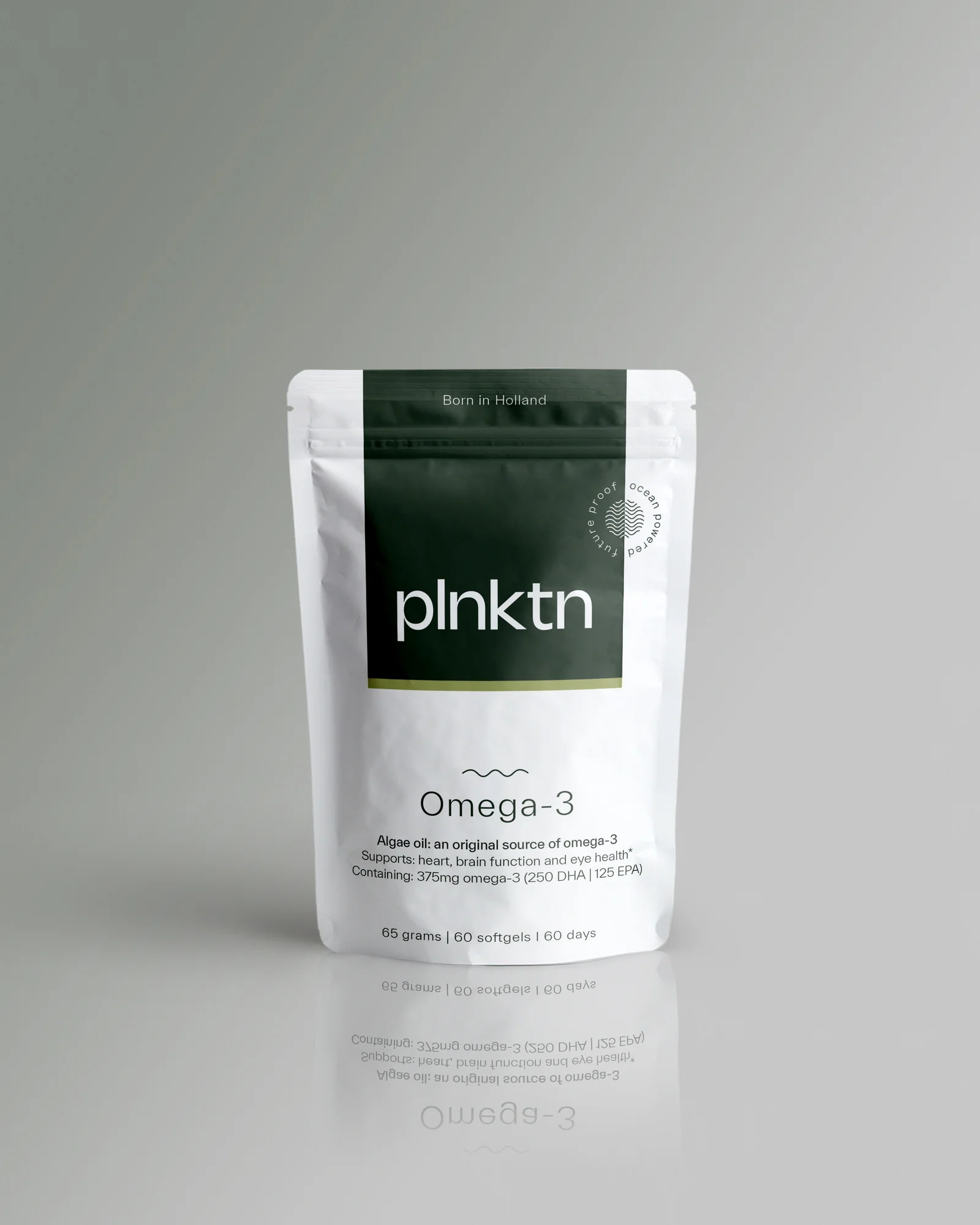

Omega-3 (algenolie)
Daily omega-3 from the original source: algae. With essential EPA and DHA for heart, brain and eyes.
- • 250 mg DHA and 125 mg EPA per capsule
- • 100% fish-free, plant-based algenolie
- • No fishy aftertaste, clean and controlled source
Disclosure: We may earn a commission if you purchase via these links.
For more on managing muscle soreness, see our guide to supplements for muscle soreness.
What About [Popular Supplement]?
Every runner eventually asks about one of these. Here are our quick evidence-based takes:
BCAAs (Branched-Chain Amino Acids)
Verdict: Unnecessary if protein intake is adequate.
BCAAs (leucine, isoleucine, valine) are already present in any complete protein source. If you are hitting 1.6+ g/kg/day of protein from food and/or a protein supplement, additional BCAAs provide no measurable benefit. A systematic review by Wolfe (2017) in the Journal of the International Society of Sports Nutrition concluded that BCAAs alone do not maximally stimulate muscle protein synthesis (Wolfe, 2017, JISSN).
Save your money.
Beta-Alanine
Verdict: Niche use for efforts lasting 1–4 minutes.
Beta-alanine increases muscle carnosine levels, which buffers hydrogen ions during intense exercise. This is relevant for 800 m and 1500 m runners, but offers minimal benefit for distances beyond about 4 minutes of effort. If you race short distances and do a lot of interval work, it may be worth considering at 3–6 g/day. Otherwise, skip it.
Beetroot Juice / Nitrates
Verdict: Moderate evidence, mostly benefits non-elite runners.
Dietary nitrates (found in beetroot juice) convert to nitric oxide, which improves blood vessel dilation and oxygen efficiency. Several studies show 1–3% performance improvements, but the effects appear more pronounced in recreational runners than in highly trained athletes. If you want to try it, 300–500 mg of nitrate (about 500 ml of beetroot juice) taken 2–3 hours before exercise is the typical protocol.
Collagen
Verdict: Promising for joints and tendons, limited evidence for muscle.
Collagen supplementation (15 g with vitamin C, taken 30–60 minutes before exercise) may support tendon and ligament health. A study by Shaw et al. (2017) found increased collagen synthesis markers when combining collagen peptides with vitamin C (Shaw et al., 2017, American Journal of Clinical Nutrition). For injury-prone runners, this is worth considering. For general performance? Not enough evidence yet.
Nootropics
Some runners are exploring nootropics for the mental side of running — focus during long runs, motivation for early mornings, and managing race-day nerves. The evidence is still emerging, but ingredients like L-theanine paired with caffeine show some promise for calm focus.

The Runner's Supplement Stack — Putting It Together
Theory is nice, but what does this look like in practice? Here is a sensible evidence-based stack for a serious recreational runner:
Before Your Run (30–60 Minutes Prior)
- Caffeine: 3–6 mg/kg if it is a key session or race (not every run)
- Electrolytes: Only if the run will be 60+ minutes or in hot conditions
During Your Run
- Electrolytes: Sip every 15–20 minutes for runs over 60 minutes
- Energy gels/carbs: For runs over 90 minutes (this is fuelling, not supplementation)
After Your Run (Within 1–3 Hours)
- Protein: 20–40 g from food or supplement
- Magnesium: 200–400 mg (many runners take this in the evening instead)
Daily (With or Without Running)
- Creatine: 3–5 g at any time of day with water
- Omega-3: 250–1,000 mg EPA/DHA with a meal containing fat
- Magnesium: 200–400 mg in the evening
Sample Daily Supplement Schedule
| Time | Supplement | Notes |
|---|---|---|
| Morning with breakfast | Omega-3 (1,000 mg EPA/DHA) | Take with food for absorption |
| Pre-run (45–60 min before) | Caffeine (200–400 mg) | Only for key sessions |
| Pre-run (30 min before, if long run) | Electrolyte drink | Runs >60 min or hot weather |
| During run (if >60 min) | Electrolyte sips | Every 15–20 min |
| Post-run meal | Protein-rich meal or shake (30 g+) | Within 1–3 hours |
| Evening | Creatine (5 g) + Magnesium (300 mg) | Creatine timing is flexible |

Upfront Creatine
Straightforward creatine monohydrate at an unbeatable price. Clean formula, no nonsense.
- • Pure creatine monohydrate
- • Best price in NL (€8)
- • No fillers
Disclosure: We may earn a commission if you purchase via these links.
For a more detailed breakdown, see our full runner supplement stack guide.
What You Do Not Need
Just as important as knowing what works is knowing what to skip. Here are supplements commonly marketed to runners that are not worth the investment for most people:
- Glutamine — your body produces enough; supplementation shows no benefit for healthy, well-fed athletes
- CLA (Conjugated Linoleic Acid) — minimal evidence for fat loss or performance in runners
- Vitamin C megadoses — may actually blunt training adaptations by interfering with the oxidative stress that signals your body to get stronger
- Testosterone boosters — the "natural" ones (tribulus, fenugreek, etc.) do not meaningfully raise testosterone in healthy individuals
- Detox supplements — your liver and kidneys are already excellent at this job
Frequently Asked Questions
Do I need supplements to run a marathon?
No, you do not strictly need supplements to complete a marathon. Thousands of runners finish marathons on food and water alone. However, strategic supplementation — particularly electrolytes during the race, adequate protein for recovery during training, and possibly caffeine on race day — can meaningfully support your performance and recovery. The higher your training volume and the more ambitious your time goal, the more relevant supplementation becomes.
Can creatine make me gain weight?
Yes, creatine typically causes 1–2 kg of water retention within the first few weeks. This is intramuscular water (water held inside your muscle cells), not fat. Some runners find this acceptable given the performance benefits; others prefer to cycle off creatine before goal races. The weight gain is reversible — it disappears within a few weeks of stopping supplementation.
When should I take electrolytes?
The simplest guideline: if your run is under 60 minutes in mild conditions, water is enough. For runs over 60 minutes, in hot or humid weather, or if you are a heavy sweater (you notice salt stains on your clothing after running), electrolyte supplementation is recommended. Aim for 300–600 mg of sodium per hour during extended exercise.
Upfront Electrolytes
Electrolyte sachets for hydration during and after exercise. Affordable and effective.
- • Essential electrolytes
- • Convenient sachets
- • Great value (€8 for 10)
Disclosure: We may earn a commission if you purchase via these links.
Is caffeine cheating?
No. Caffeine is legal under World Athletics rules and is not considered doping. It was removed from the World Anti-Doping Agency (WADA) prohibited list in 2004. That said, WADA does monitor caffeine levels, and extremely high doses (above roughly 12 mg/kg) could potentially trigger a monitoring threshold. At the recommended performance dose of 3–6 mg/kg, you are well within acceptable limits.
Should I take iron supplements?
Only if blood work shows you are deficient or trending low. Iron is the one supplement where self-prescribing can be harmful — excess iron is toxic and cannot be easily excreted. Female runners, vegetarian/vegan runners, and high-volume trainers are at higher risk of iron deficiency and should have their ferritin levels checked annually. If your ferritin is below 30 ng/mL, speak with a sports-medicine doctor about supplementation.
Are supplements regulated in Europe?
In the European Union, food supplements are regulated under Directive 2002/46/EC. Products sold in the Netherlands must comply with the Warenwet (Commodities Act) and are overseen by the NVWA (Netherlands Food and Consumer Product Safety Authority). This means supplements must be safe and accurately labelled, but manufacturers are not required to prove efficacy before selling. Always look for third-party testing certifications (Informed Sport, NSF Certified for Sport) if purity is a concern.

The Bottom Line
Supplements for running are exactly that — supplementary. They work best when layered on top of consistent training, adequate sleep, good nutrition, and proper recovery practices. No pill or powder compensates for skipping runs, sleeping five hours a night, or living on processed food.
That said, the evidence is clear that a handful of supplements — creatine, protein, electrolytes, caffeine, magnesium, and omega-3s — can provide genuine, measurable benefits for runners who use them appropriately.
Start with food. Get blood work done. Address any deficiencies. Then, and only then, consider adding the supplements that align with your specific goals and training demands.
Your legs do the work. Supplements just help them do it a little better.
Medical disclaimer: This article is for informational purposes only and does not constitute medical advice. Always consult a qualified healthcare professional before starting any new supplement regimen, especially if you have pre-existing health conditions, are pregnant or breastfeeding, or are taking medication. Individual needs vary — what works for one runner may not be appropriate for another.
Related topics
Where to buy
Affiliate linksUpfront Creatine
Straightforward creatine monohydrate at an unbeatable price. Clean formula, no nonsense.
- • Pure creatine monohydrate
- • Best price in NL (€8)
- • No fillers
Orangefit Protein
Plant-based protein shake made from yellow split peas. Complete amino acid profile, easy to digest, no artificial sweeteners. Available in multiple flavours.
- • 100% plant-based (yellow split peas)
- • Complete amino acid profile
- • No artificial sweeteners
Orangefit Protein Blend
Triple-source plant protein: yellow split peas, fava beans, and pumpkin. 24g protein + 5g BCAAs per shake, with turmeric and bioperine.
- • 24g protein per serving
- • 5g BCAAs included
- • Triple protein source
Upfront Crea PRO
Premium creatine formula with enhanced absorption. For athletes who want more from their creatine.
- • Enhanced absorption formula
- • Premium creatine
- • For serious athletes
Disclosure: We may earn a commission if you purchase via these links.
Related articles
The Runner's Supplement Stack: What to Take Before, During, and After
A practical, timing-based guide to the 5-6 supplements runners actually need — organised by daily essentials, pre-run, during-run, and post-run protocols,
Protein for Runners: How Much You Need, When to Take It, and Which Type Works Best
How much protein do runners actually need? We break down the science — daily targets by body weight, timing around runs, whey vs plant protein, and the mos
Natural vs Pharmaceutical: When Supplements Make Sense (and When They Don't)
A balanced, evidence-based guide to when supplements are appropriate alternatives to medication and when pharmaceuticals are non-negotiable — covering the