
Supplements for Burnout Recovery: Rebuilding Energy, Sleep & Resilience
Written by Smart Supplements Editorial Team
Key takeaways
- Burnout systematically depletes magnesium, B vitamins, vitamin C, zinc, and omega-3 — replenishing these is the essential first step
- The three-phase protocol (Replenish → Regulate → Rebuild) matches supplement strategy to recovery stage over 12 weeks
- Rhodiola rosea is specifically studied for burnout — not just general stress — with significant improvements in exhaustion and depersonalisation
- Adrenal fatigue is not a real diagnosis but HPA axis dysregulation IS real — the distinction guides effective treatment
- Supplements are roughly 20% of burnout recovery — sleep, boundaries, lifestyle change, and professional support provide the other 80%
Table of contents
What Burnout Does to Your Body
Burnout isn't just being tired. It's not something a weekend lie-in or a week's holiday can fix. The World Health Organisation recognises burnout as an "occupational phenomenon" characterised by three dimensions: emotional exhaustion, depersonalisation (cynicism toward work), and reduced personal accomplishment.
But burnout is also a measurable physiological state. Chronic, unrelenting stress doesn't just make you feel depleted — it systematically depletes your body at the biochemical level. Understanding these mechanisms is essential for effective recovery, because burnout recovery isn't about motivation or willpower. It's about rebuilding systems that have been genuinely damaged.
The HPA Axis Trajectory
Your stress response follows a predictable trajectory under chronic stress:
Phase 1 — Alarm (weeks to months): The HPA axis activates. Cortisol is elevated. You feel wired, anxious, and hypervigilant but still functional. You're running on adrenaline. Sleep may be disturbed but you can push through. Coffee consumption increases. You tell yourself it's temporary.
Phase 2 — Resistance (months to years): The HPA axis stays activated but starts showing signs of strain. Cortisol remains elevated but the morning cortisol awakening response (CAR) begins to flatten. You start experiencing afternoon crashes. Brain fog appears. Memory suffers. Weight accumulates around the midsection. You're functioning but at diminished capacity.
Phase 3 — Exhaustion (the burnout state): The HPA axis can no longer sustain the elevated output. Cortisol production flattens — instead of the healthy diurnal rhythm (high morning, low evening), cortisol is low and flat throughout the day. The morning spike that gives you get-up-and-go disappears. You wake exhausted and stay exhausted. Your body has essentially downregulated its stress response because maintaining it became unsustainable.
What Gets Depleted
Chronic stress doesn't just exhaust your HPA axis. It depletes specific nutrients through increased utilisation, reduced absorption, and enhanced excretion:
| Nutrient | Depletion Mechanism | Consequences |
|---|---|---|
| Magnesium | Stress increases urinary magnesium excretion; magnesium is consumed as a cofactor in 300+ stress-responsive enzymatic reactions | Amplified anxiety, muscle tension, insomnia, further stress sensitivity |
| B vitamins (especially B5, B6, B12) | B vitamins are coenzymes in cortisol synthesis and neurotransmitter production; chronic stress burns through reserves | Fatigue, impaired mood, reduced stress tolerance, poor energy metabolism |
| Vitamin C | Adrenal glands contain the highest vitamin C concentration in the body; vitamin C is consumed during cortisol synthesis | Impaired immune function, reduced collagen synthesis, slower wound healing |
| Zinc | Stress increases zinc excretion; zinc is required for immune function and neurotransmitter synthesis | Immune suppression, impaired cognitive function, mood disturbance |
| Omega-3 fatty acids | Inflammatory cascade from chronic stress depletes omega-3 reserves used to produce anti-inflammatory resolvins | Increased inflammation, impaired neuronal membrane fluidity, mood dysregulation |
| Iron (especially women) | Stress-induced inflammation elevates hepcidin, sequestering iron; stress may worsen menstrual irregularities increasing losses | Compounding fatigue — burnout + iron deficiency creates a particularly severe exhaustion pattern |
| Vitamin D | Indoor lifestyle during burnout (withdrawal, social isolation, reduced outdoor time) eliminates sun exposure | Further mood deterioration, immune suppression, fatigue amplification |
This depletion pattern explains why burnout feels so profoundly physical. It's not "all in your head" — it's in your magnesium stores, your B vitamin reserves, your cortisol rhythm, and your mitochondrial function.
The Three-Phase Recovery Protocol
Burnout recovery through supplementation should follow a phased approach — because what your body needs in month one is different from what it needs in month three.
Phase 1: Replenish (Weeks 1-4)
Goal: Correct the depletions that chronic stress has caused. This isn't about optimisation — it's about restoring baseline function.
Priority: Fix the foundation before adding anything fancy.
| Supplement | Dose | Timing | Why |
|---|---|---|---|
| Magnesium glycinate | 300-400mg elemental | Evening | Most critical depletion; glycine carrier supports sleep; calms overactive nervous system |
| B-complex (methylated) | Per label (look for methylfolate + methylcobalamin + P5P) | Morning | Replenishes stress-burned B vitamin reserves; supports energy metabolism and neurotransmitter synthesis |
| Vitamin D3 + K2 | 2000-4000 IU D3 + 100-200µg K2 (MK-7) | Morning with fat | Almost certainly depleted (indoor lifestyle during burnout); immune and mood support |
| Omega-3 (EPA+DHA) | 1000-2000mg (EPA-dominant) | With lunch | Anti-inflammatory; neuronal membrane repair; mood support (EPA is the anti-depressant omega-3) |
| Vitamin C | 500-1000mg | Morning | Adrenal replenishment; immune support; collagen synthesis |
Blood testing recommended at this stage: Request serum ferritin, vitamin D (25-OH-D), B12, folate, and a full blood count from your GP. Correcting a confirmed deficiency is more powerful than blind supplementation.
What NOT to do in Phase 1:
- Don't add adaptogens yet — your system needs to stabilise before you ask it to adapt
- Don't take stimulants (including high-dose caffeine) — you'll deepen the exhaustion cycle
- Don't start 10 supplements at once — add one new supplement every 3-5 days to monitor tolerance
Magnesium Citrate
Zamnesia Magnesium Citrate — 100% natural magnesium supplement providing 200mg magnesium per tablet (53% reference intake). Supports muscle and nerve function, reduces fatigue, contributes to normal psychological functioning and bone health. 100 tablets per bottle.
- • 200mg magnesium citrate per tablet — 53% reference intake
- • Reduces fatigue and supports normal energy metabolism
- • Supports muscle function, nerve function, and bone health
Disclosure: We may earn a commission if you purchase via these links.
Phase 2: Regulate (Weeks 4-8)
Goal: Support HPA axis recalibration with adaptogens. Now that foundational nutrients are being restored, your body can respond to adaptogenic modulation.
| Supplement | Dose | Timing | Why |
|---|---|---|---|
| Ashwagandha KSM-66 | 300mg 2x daily | Morning + evening | The most evidence-based adaptogen for cortisol normalisation (28% cortisol reduction in RCTs); helps restore healthy diurnal rhythm |
| Rhodiola rosea (SHR-5) | 200-400mg | Morning only | Specifically studied for burnout (Olsson 2009: significant improvement in burnout symptoms at 4 weeks); anti-fatigue without stimulation |
| Reishi mushroom | Per label (standardised extract) | Evening | Calming adaptogen; supports sleep quality; immune modulation; traditionally used for exhaustion states |
Choose 1-2 adaptogens, not all three. A common effective combination:
- Morning: Rhodiola (anti-fatigue, energy)
- Evening: Ashwagandha + magnesium (cortisol regulation, sleep)
Or, if anxiety is the dominant symptom:
- Evening: Ashwagandha (calming, cortisol-lowering)
- Skip rhodiola if it feels too stimulating
The Olsson burnout study deserves emphasis: This 2009 RCT specifically studied rhodiola in people with stress-related burnout — not general stress, but actual burnout. 400mg/day SHR-5 rhodiola extract for 28 days significantly improved burnout symptoms, emotional exhaustion, and depersonalisation scores. This is one of the few supplement studies directly targeting burnout rather than general stress.
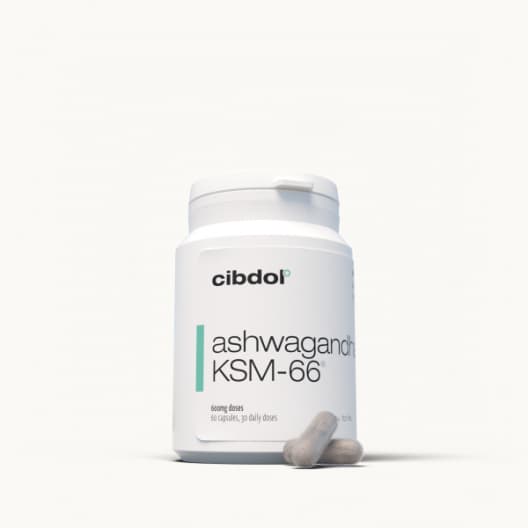

Ashwagandha KSM-66
Clinically studied KSM-66 ashwagandha extract for stress reduction and adrenal support.
- • KSM-66® branded extract
- • Highest concentration full-root extract
- • Reduces cortisol and stress
Disclosure: We may earn a commission if you purchase via these links.

Reishi Mushroom
Reishi (Ganoderma lucidum) extract for immune support, stress reduction, and sleep quality.
- • Adaptogenic mushroom
- • Immune and stress support
- • Traditional use thousands of years
Disclosure: We may earn a commission if you purchase via these links.
Phase 3: Rebuild (Weeks 8-12)
Goal: Restore mitochondrial function and energy production capacity. By now, depletions are being corrected and the HPA axis is stabilising. The body is ready for energy optimisation.
| Supplement | Dose | Timing | Why |
|---|---|---|---|
| CoQ10 or ubiquinol | 100-200mg (CoQ10) or 100mg (ubiquinol) | Morning with food | Mitochondrial electron transport chain support; often depleted by stress and statin use; cellular energy production |
| Cordyceps militaris | 1-2g extract | Morning | Improves oxygen utilisation and ATP production; enhances exercise capacity; supports the return to physical activity |
| Creatine monohydrate | 3-5g | Any time (consistent daily) | Brain energy buffer (phosphocreatine); improved cognitive performance under fatigue; supports return to exercise |
| Optional: Shilajit | 250-500mg purified | Morning | Fulvic acid enhances mitochondrial function; works synergistically with CoQ10; traditional rejuvenation compound |
Phase 3 is about rebuilding capacity, not masking fatigue. These supplements target genuine mitochondrial energy production — the cellular machinery that converts food into ATP. Burnout leaves this machinery damaged and underperforming.
Cordyceps Extract
Concentrated Cordyceps militaris extract from Azarius. Traditionally used by Tibetan highlanders, cordyceps is known for energy, endurance, and oxygen utilisation. Each batch third-party tested for potency.
- • Cordyceps militaris — premium fruiting body extract
- • Supports energy, endurance and VO2 utilisation
- • Third-party tested for beta-glucan content
Disclosure: We may earn a commission if you purchase via these links.
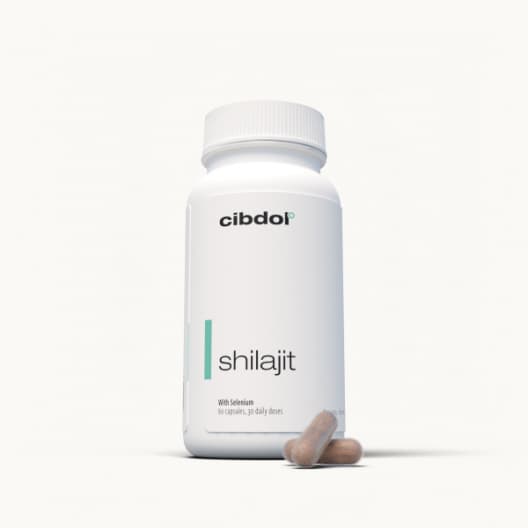
Shilajit
Purified Himalayan Shilajit resin rich in fulvic acid for energy, testosterone, and vitality.
- • High fulvic acid content
- • Purified Himalayan source
- • Energy and testosterone support
Disclosure: We may earn a commission if you purchase via these links.
The Sleep Recovery Stack
Sleep disruption is both a cause and consequence of burnout. The cortisol rhythm distortion — loss of the morning peak, evening cortisol staying inappropriately elevated — directly sabotages sleep architecture.
The Problem
In burnout, sleep typically suffers in specific ways:
- Difficulty falling asleep — residual evening cortisol prevents the descent into sleep
- Non-restorative sleep — reduced deep (slow-wave) sleep; waking feeling unrefreshed
- Early morning waking — often 3-5am, unable to return to sleep (cortisol rises too early)
- Anxiety-driven insomnia — racing thoughts, rumination, catastrophising
The Stack
| Supplement | Dose | Timing | Purpose |
|---|---|---|---|
| Magnesium glycinate | 300-400mg elemental | 1 hour before bed | GABA enhancement + glycine for sleep onset; muscle relaxation |
| L-theanine | 200mg | 30-60 min before bed | Alpha waves; reduces racing thoughts without sedation |
| Reishi mushroom | Per label | Evening | Calming triterpenes; traditional sleep-supporting adaptogen |
What About Melatonin?
Melatonin is effective for circadian rhythm disorders (jet lag, shift work) but is not ideal for burnout-related insomnia because:
- Burnout sleep problems are typically cortisol-driven, not melatonin-deficient
- Exogenous melatonin can suppress endogenous production with long-term use
- It doesn't address the root cause (HPA axis dysregulation)
If you use melatonin, keep doses low (0.5-1mg), use it short-term (2-4 weeks), and don't rely on it as a long-term solution. Fixing the cortisol rhythm through adaptogens, sleep hygiene, and light exposure is a more sustainable approach.
Sleep Hygiene (Non-Negotiable)
No supplement can overcome poor sleep hygiene. During burnout recovery:
- Consistent wake time (even weekends) — this is the single most powerful circadian rhythm reset
- Morning light exposure (10-20 minutes within 1 hour of waking) — triggers cortisol awakening response and sets the melatonin timer
- Screen curfew (1 hour before bed) — blue light suppresses melatonin
- Cool bedroom (16-18°C) — core temperature drop facilitates sleep onset
- No caffeine after midday — caffeine half-life is 5-6 hours; even afternoon caffeine affects sleep architecture
MADMONQ ZEN PLUS
Advanced evening drink for sleep and stress recovery — without melatonin or sedatives. Six natural ingredients: Cyracos® (600mg lemon balm extract), Saffron, Magnesium (170mg elemental), Chamomile, L-Theanine, and Myo-Inositol. Dissolve in hot water 30–60 minutes before bed. Zero morning fog, no habit-forming ingredients. 28 sachets per pack.
- • Cyracos® lemon balm — clinically studied for sleep quality
- • No melatonin — zero morning grogginess or dependency
- • Saffron + Chamomile for natural relaxation
Disclosure: We may earn a commission if you purchase via these links.
The "Adrenal Fatigue" Debate
You'll encounter the term "adrenal fatigue" frequently in wellness circles. It's important to understand the controversy.
What Wellness Culture Says
"Adrenal fatigue" is described as a state where the adrenal glands become "exhausted" from chronic stress and can no longer produce adequate cortisol and other hormones. Symptoms include profound fatigue, brain fog, salt cravings, difficulty handling stress, and reliance on caffeine.
What Medical Science Says
The Endocrine Society has formally stated that "adrenal fatigue" is not a recognised medical diagnosis. The adrenal glands do not become "tired" in the way described — they remain capable of producing cortisol on demand (a cortisol stimulation test typically shows normal adrenal response even in severely burned-out individuals).
What's Actually Happening
HPA axis dysregulation IS real and well-documented. The problem isn't the adrenal glands themselves — it's the signalling cascade from the hypothalamus and pituitary that regulates cortisol release. Chronic stress can:
- Downregulate CRH and ACTH receptors
- Alter the cortisol diurnal rhythm (flattening it)
- Reduce cortisol awakening response
- Change cortisol sensitivity at tissue level
The distinction matters because "adrenal fatigue" implies the solution is supporting the adrenals (often with dubious "adrenal support" supplements containing glandular extracts). HPA axis dysregulation implies the solution is cortisol rhythm recalibration — through sleep, light exposure, adaptogens, and stress management. The supplements in this article target HPA axis function, not "adrenal repair."
Addison's Disease: The Real Adrenal Insufficiency
Primary adrenal insufficiency (Addison's disease) is a genuine, serious medical condition where the adrenal glands are damaged (usually by autoimmune destruction) and cannot produce adequate cortisol. Symptoms include extreme fatigue, weight loss, hyperpigmentation, low blood pressure, and salt cravings. It is diagnosed by cortisol stimulation testing and requires lifelong corticosteroid replacement. If you suspect true adrenal insufficiency, see your GP — this is not a supplement situation.
What NOT to Do During Burnout Recovery
Stimulant Overuse
The most common mistake. When you're exhausted, the impulse to reach for caffeine, energy drinks, or stimulant nootropics is overwhelming. But stimulants during burnout are like whipping an exhausted horse — you get a temporary burst of activity followed by deeper collapse.
Caffeine specifically:
- Increases cortisol production (the opposite of what your depleted HPA axis needs)
- Disrupts sleep (compounding the core problem)
- Creates tolerance (requiring more for the same effect)
- Masks fatigue signals (preventing you from resting when you need to)
During Phase 1-2 of recovery, limit caffeine to one moderate serving in the morning (100-150mg). Consider replacing afternoon caffeine with L-theanine or rhodiola.
Starting Too Many Supplements at Once
Enthusiasm for recovery leads people to order 15 supplements and start everything simultaneously. This is counterproductive because:
- You can't identify what's helping vs causing side effects
- Your depleted system may struggle to process multiple new inputs
- The cost is demoralising and unsustainable
- Simplicity is more important than comprehensiveness during recovery
Follow the phased protocol. Phase 1 first. Wait 4 weeks. Then Phase 2. Then Phase 3.
Ignoring Root Causes
The most effective burnout supplement protocol will fail if you return to the conditions that caused burnout. Supplements support physiological recovery — they don't fix:
- Unsustainable workloads
- Toxic work environments
- Poor boundaries with work/life balance
- Lack of autonomy and control
- Values misalignment with your role
- Unprocessed emotional trauma
If you're supplementing for burnout while continuing to work 70-hour weeks in a toxic environment, you're bailing water from a sinking ship. Address the structural causes alongside the physiological recovery.
Excessive Exercise
Counter-intuitively, intense exercise during burnout recovery can worsen the situation. Your body is already in a catabolic (breakdown) state. High-intensity exercise adds physical stress on top of existing stress, further depleting cortisol reserves and nutrients.
During Phase 1-2: Gentle movement only — walking, yoga, swimming, tai chi. 20-30 minutes daily. No HIIT, heavy lifting, or marathon training. During Phase 3: Gradually reintroduce moderate exercise — strength training, moderate cycling/running. Listen to your body. If a workout leaves you feeling worse the next day (not just normally tired, but deeply exhausted), you've done too much.
Lifestyle Integration: The Other 80%
Supplements are perhaps 20% of burnout recovery. The other 80% is lifestyle modification:
Sleep (most important single factor) — See sleep recovery stack above. Prioritise 8-9 hours during recovery — more than the standard 7-8. Your body has repair work to do.
Nature exposure — Shinrin-yoku (forest bathing) reduces cortisol measurably. Even 20 minutes in a park reduces stress hormones. The burnout tendency is to withdraw indoors — resist it.
Social connection — Oxytocin (from positive social interaction) directly antagonises cortisol. Burnout often causes social withdrawal, which deepens the problem. Prioritise connection, even when you don't feel like it.
Boundaries — Learn to say no. Delegate. Set work hours and stick to them. Turn off email notifications outside work hours. These aren't luxuries during burnout recovery — they're medical necessities.
Professional support — Therapy (particularly CBT and ACT) is highly effective for burnout. A therapist can help you identify and modify the patterns that led to burnout. Consider it a complement to, not a replacement for, the supplement protocol.
Breathwork — Box breathing (4-4-4-4), physiological sighing (double inhale, long exhale), and extended exhale breathing all activate the parasympathetic nervous system within minutes. Practice daily, especially before sleep.
Timeline: What to Expect
Burnout recovery isn't linear. Here's a realistic timeline:
| Timeframe | What to Expect |
|---|---|
| Week 1-2 | Minimal change. Supplements are being absorbed but tissue repletion takes time. This is normal. |
| Week 2-4 | Sleep begins improving (magnesium + glycine effect). Some energy improvement. Mood slightly better. Still significantly fatigued. |
| Week 4-6 | Adaptogens beginning to take effect. Cortisol rhythm showing signs of normalisation. Better stress tolerance. Less afternoon crashing. |
| Week 6-8 | Noticeable improvement in energy and cognitive function. Sleep more restorative. Anxiety reducing. Still not 100% but trajectory is clearly positive. |
| Week 8-12 | Mitochondrial support taking effect. Exercise tolerance improving. Brain fog clearing. Emotional resilience rebuilding. Approaching baseline function. |
| Month 3-6 | Continued improvement. Full recovery for most people, though some take 6-12 months. The deepest burnout requires the longest recovery. |
Critical point: Recovery is not a straight line. You will have good days and bad days. Weeks of progress may be followed by a setback. This is normal HPA axis recalibration — the system oscillates before finding its new equilibrium. Don't panic during setbacks or abandon the protocol. Consistency over months is what matters.
Frequently Asked Questions
How long does burnout recovery take?
For mild burnout: 1-3 months with proper intervention. For moderate burnout: 3-6 months. For severe burnout (years of chronic stress, complete HPA axis exhaustion): 6-12 months or longer. The depth and duration of the stress determine the recovery timeline. People who intervene early recover faster. Those who push through until collapse face longer recoveries.
Can supplements cure burnout?
No. Supplements support physiological recovery — correcting depletions, modulating the HPA axis, and restoring mitochondrial function. But burnout has psychological, social, and structural components that supplements cannot address. Recovery requires supplements + sleep + lifestyle changes + boundary setting + often professional support. Supplements are a critical piece, not the whole picture.
Should I see a doctor for burnout?
Yes — at minimum, get blood work done (ferritin, B12, vitamin D, thyroid function, full blood count) to rule out underlying conditions that mimic burnout (hypothyroidism, anaemia, diabetes, chronic infection). If your symptoms include persistent depression, anxiety that prevents functioning, or suicidal thoughts, seek medical attention immediately. A GP can also refer you for counselling or occupational health support.
Is burnout the same as depression?
They overlap significantly but aren't identical. Burnout is typically work/context-specific — you feel depleted in the area of overload but may retain interest in other aspects of life. Depression is more pervasive — loss of interest in everything, including activities you once enjoyed. However, prolonged burnout frequently develops into clinical depression. If you're unsure, a mental health professional can help differentiate. The supplement protocol here supports both conditions.
Can I take burnout supplements with antidepressants?
Magnesium, B vitamins, vitamin D, omega-3, and vitamin C are generally safe alongside antidepressants. CoQ10, cordyceps, and creatine also have no known interactions with SSRIs/SNRIs. Ashwagandha has limited interaction data with SSRIs but is generally considered low-risk at standard doses. Rhodiola has mild MAO-inhibiting properties — use cautiously alongside MAOIs specifically (not SSRIs). Always inform your prescriber about supplement use.
Disclaimer
This article is for informational and educational purposes only and does not constitute medical advice. Burnout can share symptoms with serious medical conditions including hypothyroidism, chronic fatigue syndrome, anaemia, depression, and diabetes. If you experience persistent exhaustion, seek medical evaluation before attributing symptoms to burnout. Do not discontinue prescribed medications in favour of supplements. If you experience suicidal thoughts, severe depression, or inability to function, seek immediate medical attention.
Related Articles
- Best Supplements for Stress and Cortisol: An Evidence-Based Guide
- What Are Adaptogens? A Guide to Nature's Stress Fighters
- Magnesium Types Explained: Glycinate, Threonate, Taurate & Which to Choose
- Natural Energy Supplements: Beyond Caffeine for Sustained Vitality
This article is for informational purposes only and is not intended as medical advice. Always consult a healthcare professional before starting any new supplement, especially if you take prescription medication.
Related topics
Where to buy
Affiliate linksUpfront Creatine
Straightforward creatine monohydrate at an unbeatable price. Clean formula, no nonsense.
- • Pure creatine monohydrate
- • Best price in NL (€8)
- • No fillers
Orangefit Protein
Plant-based protein shake made from yellow split peas. Complete amino acid profile, easy to digest, no artificial sweeteners. Available in multiple flavours.
- • 100% plant-based (yellow split peas)
- • Complete amino acid profile
- • No artificial sweeteners
Orangefit Protein Blend
Triple-source plant protein: yellow split peas, fava beans, and pumpkin. 24g protein + 5g BCAAs per shake, with turmeric and bioperine.
- • 24g protein per serving
- • 5g BCAAs included
- • Triple protein source
Upfront Crea PRO
Premium creatine formula with enhanced absorption. For athletes who want more from their creatine.
- • Enhanced absorption formula
- • Premium creatine
- • For serious athletes
Disclosure: We may earn a commission if you purchase via these links.
Related articles
Best Supplements for Stress and Cortisol: An Evidence-Based Guide
A comprehensive, evidence-based guide to supplements for stress and cortisol management — covering ashwagandha, rhodiola, magnesium, L-theanine, phosphatid
Natural Energy Supplements: Beyond Caffeine for Sustained Vitality
An evidence-based guide to natural energy supplements — covering CoQ10, cordyceps, rhodiola, B-vitamins, iron, shilajit, creatine, and smart caffeine alter
The Daily Wellness Stack: Morning, Afternoon & Evening Supplements
A practical guide to building a daily supplement stack across three tiers (Foundation, Optimised, Premium) with morning/afternoon/evening timing protocols,