
What Are Adaptogens? A Guide to Nature's Stress Fighters
Written by Smart Supplements Editorial Team
Key takeaways
- Adaptogens are a defined category of herbs that help the body resist stress non-specifically — calming when overstimulated, energising when depleted
- They work primarily by modulating the HPA axis, the body's central stress-response system, and regulating cortisol
- Ashwagandha has the strongest clinical evidence base: a 2025 meta-analysis confirmed significant reductions in cortisol, stress, and anxiety
- Rhodiola rosea is the best-studied adaptogen for fatigue and mental performance under pressure
Table of contents
Adaptogens don't just reduce stress — they help your body adapt to it. That subtle distinction explains why these herbs have been used for thousands of years and why scientists are now running clinical trials to understand exactly how they work.
The word "adaptogen" gets thrown around a lot in wellness circles, often used as a vague synonym for "herbal supplement." But it has a specific, rigorous meaning — one that actually sets a high bar for what qualifies. Understanding what adaptogens really are, how they work, and which ones have genuine evidence behind them is the difference between a supplement that helps and one that just sounds good on a label.
What Are Adaptogens?
The concept of an adaptogen was formalised in 1947 by Soviet pharmacologist Nikolai Lazarev, who was looking for substances that could increase soldiers' resistance to stress, fatigue, and physical hardship. His colleague Israel Brekhman later refined the definition, establishing the criteria that still hold today.
To qualify as an adaptogen, a substance must:
- Be non-toxic — safe for regular use at effective doses
- Act non-specifically — increase resistance to a broad range of stressors (physical, chemical, biological, psychological)
- Support homeostasis — help normalise physiological function regardless of whether the body is over- or under-active
That third point is key. A true adaptogen doesn't just sedate or stimulate — it calibrates. Ashwagandha, for example, has been shown to lower cortisol in stressed individuals while also improving energy in fatigued ones. The same herb, different directions, depending on what the body needs.
This bidirectional action is what distinguishes adaptogens from simple stimulants (caffeine) or sedatives (valerian), and it's the reason they've been used in Ayurvedic medicine, Traditional Chinese Medicine, and Scandinavian folk medicine for millennia — long before anyone understood the mechanisms.
How Do Adaptogens Work?
The primary mechanism centres on the hypothalamic-pituitary-adrenal (HPA) axis — the chain of glands and hormones that orchestrates your body's response to stress.
When you perceive a threat (physical danger, deadline pressure, emotional conflict), the hypothalamus signals the pituitary, which signals the adrenal glands to release cortisol. Short-term, this is useful — it sharpens focus, mobilises energy, suppresses non-urgent processes. Long-term, chronically elevated cortisol is associated with impaired memory, disrupted sleep, weight gain, immune suppression, and increased anxiety.
Adaptogens appear to modulate this cascade at multiple points:
- HPA axis regulation — reducing the amplitude and duration of the cortisol stress response without eliminating it entirely
- Heat shock protein modulation — proteins that help cells survive stress; adaptogens appear to upregulate these
- Mitochondrial support — improving cellular energy efficiency, which underlies resilience to physical stressors
- Neurotransmitter balance — several adaptogens influence GABA, serotonin, and dopamine pathways, contributing to mood and anxiety effects
The result, across multiple systems, is an organism that responds to stress more proportionately — mounting an appropriate response when needed, then returning to baseline more quickly.
The Top Evidence-Based Adaptogens
Not everything marketed as an adaptogen has clinical evidence to back it up. Here are the ones that do.
Ashwagandha (Withania somnifera)
Ashwagandha is the most thoroughly researched adaptogen and has the strongest evidence base of any herb in this category. Its active compounds — withanolides, sitoindosides, and alkaloids — modulate the HPA axis, inhibit NF-κB (an inflammatory signalling protein), and interact with GABAergic pathways to produce anxiolytic effects.
The clinical data is genuinely impressive. A 2025 meta-analysis published in BJPsych Open, drawing on randomised controlled trials through September 2024, concluded that ashwagandha supplementation is safe and effective in reducing stress and anxiety in adults, with statistically significant reductions in cortisol levels. A 2023 systematic review and meta-analysis found that 250–500mg of standardised ashwagandha extract daily for 4–13 weeks produced significant decreases in morning cortisol and Perceived Stress Scale scores in adults experiencing high stress.
Beyond stress, human trials have shown ashwagandha improves sleep quality and onset latency, supports physical performance and muscle recovery, and may benefit thyroid and reproductive hormone balance.
Key form: KSM-66 (root extract, most studied) or Sensoril (root and leaf extract) Typical dose: 300–600mg standardised extract daily

Ashwagandha
Organic ashwagandha root extract for stress resilience, energy, and hormonal balance.
- • Certified organic root extract
- • Adaptogenic stress support
- • Energy and libido
Disclosure: We may earn a commission if you purchase via these links.
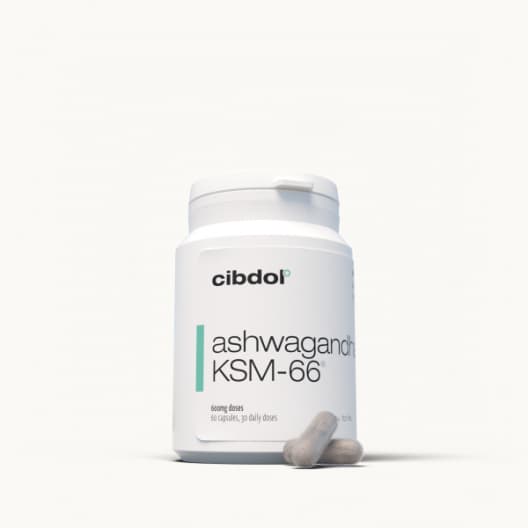

Ashwagandha KSM-66
Clinically studied KSM-66 ashwagandha extract for stress reduction and adrenal support.
- • KSM-66® branded extract
- • Highest concentration full-root extract
- • Reduces cortisol and stress
Disclosure: We may earn a commission if you purchase via these links.
Rhodiola Rosea
Rhodiola rosea, also called Arctic root or golden root, has been used in Scandinavian and Russian traditional medicine for centuries. Its active compounds — rosavins and salidroside — appear to influence serotonin, dopamine, and norepinephrine pathways, making it particularly well-suited for mental fatigue, mood, and cognitive performance under stress.
A landmark 2000 double-blind study by Darbinyan et al. found that Rhodiola supplementation significantly reduced stress-induced fatigue and improved mental performance in physicians during night duty shifts. A 2012 open-label trial (Olsson et al.) in subjects with stress-related fatigue found improvements in burnout symptoms, concentration, and quality of life. More recent research confirms these effects, particularly for fatigue, exam stress, and work-related exhaustion.
Rhodiola is often described as more energising and stimulating compared to ashwagandha's calmer profile — making it better suited to morning use or high-demand periods.
Typical dose: 200–400mg standardised extract (standardised to 3% rosavins, 1% salidroside)
Lion's Mane (Hericium erinaceus)
Lion's Mane occupies a unique position as both a nootropic and an adaptogen. Its hericenones and erinacines stimulate Nerve Growth Factor (NGF), supporting neuronal growth, repair, and cognitive function. As an adaptogen, it appears to modulate neuroinflammation and support resilience to cognitive stress.
A 2009 RCT by Mori et al. demonstrated cognitive improvements in adults with mild cognitive impairment; animal studies show anti-anxiety effects through modulation of hippocampal neurogenesis. It overlaps significantly with the nootropics category — the distinction between "cognitive adaptogen" and "nootropic" blurs here.
Typical dose: 500–1,000mg standardised extract daily
Lion's Mane Mushroom
Lion's Mane (Hericium erinaceus) extract for cognitive support and neuroprotection. Key ingredient in the Stamets Stack.
- • Supports Nerve Growth Factor (NGF) production
- • Key component of the Stamets Stack protocol
- • Available as capsules and powder
Disclosure: We may earn a commission if you purchase via these links.
Reishi (Ganoderma lucidum)
Reishi is one of the most revered mushrooms in Traditional Chinese Medicine — used for thousands of years under the name lingzhi ("spiritual potency"). Its active compounds include triterpenes (ganoderic acids) and polysaccharides, which together produce anti-inflammatory, immunomodulatory, and anxiolytic effects.
Clinical evidence supports Reishi's role in improving sleep quality, reducing fatigue in cancer patients, and supporting immune function. It's generally considered calming rather than energising — well-suited for evening use or for those dealing with immune stress or chronic fatigue.
Typical dose: 1,500–3,000mg dried mushroom or 500mg extract daily
Reishi Mushroom
Reishi (Ganoderma lucidum) extract for immune support, stress reduction, and sleep quality.
- • Adaptogenic mushroom
- • Immune and stress support
- • Traditional use thousands of years
Disclosure: We may earn a commission if you purchase via these links.
Cordyceps (Cordyceps sinensis / militaris)
Cordyceps is notable for its performance-oriented adaptogenic effects. Research, including studies on VO2 max and aerobic capacity, suggests it improves oxygen utilisation and ATP production in cells — particularly relevant for physical performance and altitude adaptation. It's less studied for psychological stress but well-supported for physical resilience and energy metabolism.
Typical dose: 1,000–3,000mg daily
Holy Basil / Tulsi (Ocimum sanctum)
A cornerstone of Ayurvedic medicine, Holy Basil's adaptogenic properties centre on cortisol modulation, blood sugar stabilisation, and anti-inflammatory activity. A multi-herb study including Holy Basil found that 86.8% of participants experienced clinically relevant reductions in perceived stress after 60 days, compared to 42.1% in the placebo group. It's mild, generally well-tolerated, and can be consumed as tea.
Adaptogens for Specific Goals
| Goal | Best Adaptogen | Notes |
|---|---|---|
| Stress & anxiety | Ashwagandha | Strongest clinical evidence; calming, evening-friendly |
| Mental fatigue & focus | Rhodiola rosea | Most energising; best morning/daytime use |
| Cognitive health | Lion's Mane | Neurogenesis and NGF support; also nootropic |
| Immune support | Reishi | Immunomodulatory; calming, evening use |
| Physical performance | Cordyceps | ATP and VO2 max support; pre-workout timing |
| General stress + sleep | Ashwagandha | Improves both simultaneously |
| Mood & depression | Rhodiola | Serotonin/dopamine pathway support |
How to Take Adaptogens
Timing
- Ashwagandha: Morning or evening. Due to its GABAergic activity it can be mildly sedating at higher doses — evening use suits those targeting sleep
- Rhodiola: Morning or early afternoon only. Stimulating effects can disrupt sleep if taken late
- Lion's Mane: Morning; cognitive effects work best during active hours
- Reishi: Evening; its calming effects suit wind-down routines
- Cordyceps: Pre-workout or morning for energy support
Cycling
Most practitioners recommend cycling adaptogens rather than taking them continuously. A common approach is 6–8 weeks on, 2 weeks off. This maintains receptor sensitivity and prevents the body from recalibrating baseline around the supplement.
This isn't as important for mild adaptogens like Holy Basil, but becomes more relevant for potent extracts like KSM-66 ashwagandha or high-dose Rhodiola.
With or without food?
Most adaptogens are better tolerated with food. Ashwagandha in particular can cause mild GI discomfort on an empty stomach.
Dosage forms
Standardised extracts — where the concentration of active compounds is specified on the label — are significantly more reliable than simple dried mushroom powders or non-standardised herbal products. When comparing products, look for:
- Ashwagandha: KSM-66 (minimum 5% withanolides) or Sensoril (10% withanolides)
- Rhodiola: standardised to 3% rosavins and 1% salidroside
- Lion's Mane: specifying hericenone/erinacine content where possible
Combining Adaptogens
Some combinations are particularly synergistic:
Ashwagandha + Rhodiola — complementary mechanisms: ashwagandha modulates cortisol and sleep, Rhodiola targets fatigue and mental performance. Covers different aspects of stress resilience. Take ashwagandha in the evening, Rhodiola in the morning.
Lion's Mane + Cordyceps — cognitive + physical energy. Popular in biohacker circles and supported by their complementary mechanisms (NGF vs ATP production).
Reishi + Ashwagandha — calming, immune-supporting evening stack. Well suited to periods of illness, chronic stress, or disrupted sleep.
What to avoid combining with adaptogens:
- Immunosuppressant medications (Reishi and some others stimulate immune activity)
- Thyroid medications — ashwagandha can influence thyroid hormone levels; discuss with a prescriber
- Sedatives or anxiolytics — additive effects possible, especially with ashwagandha
Adaptogens vs Nootropics: What's the Difference?
There's meaningful overlap between the two categories — Lion's Mane and Rhodiola are regularly cited in both. The distinction is primarily one of mechanism and intent:
- Adaptogens act broadly on stress response systems (HPA axis, cortisol, inflammation), building resilience over time
- Nootropics target cognitive function more directly — memory, focus, processing speed, neuroplasticity
Some compounds do both: Lion's Mane supports NGF (nootropic) and modulates neuroinflammatory stress (adaptogenic). Rhodiola improves mental performance under fatigue (nootropic) via HPA axis modulation (adaptogenic). The categories aren't mutually exclusive — they describe overlapping territories.
For a deeper dive, see our guide to nootropics and our nootropic stack guide.
Who Should Be Cautious with Adaptogens?
Adaptogens are generally well-tolerated, but some situations warrant caution:
- Autoimmune conditions — Reishi, Cordyceps, and some others stimulate immune activity, which could theoretically exacerbate autoimmune flares
- Thyroid conditions / medication — ashwagandha influences thyroid hormones; discuss with an endocrinologist before use
- Pregnancy and breastfeeding — insufficient safety data for most adaptogens; avoid unless cleared by a healthcare provider
- Pre-surgery — some adaptogens affect blood pressure and blood sugar; pause 2 weeks before planned procedures
- Hormone-sensitive conditions — ashwagandha has mild androgenic and estrogenic activity; discuss with a doctor if relevant
Affiliate disclosure: Smart Supplements may earn a commission on purchases made through partner links. This does not affect our editorial independence.
Frequently Asked Questions
Do adaptogens actually work, or is it just marketing?
For ashwagandha and Rhodiola specifically, yes — there is genuine clinical evidence from randomised controlled trials. Ashwagandha in particular has a robust evidence base including multiple meta-analyses. For some other adaptogens, the evidence is more limited, relying on traditional use and preclinical data. The category as a whole is not merely marketing, but quality of evidence varies significantly by compound.
How long does it take for adaptogens to work?
Most clinical trials measure effects at 4–8 weeks of consistent daily use. Unlike stimulants (caffeine) or sedatives (melatonin), adaptogens work gradually by recalibrating stress response systems. Expect 2–4 weeks before noticeable effects, with fuller benefits building over 6–8 weeks.
What is the most powerful adaptogen?
Based on clinical evidence, ashwagandha is the most extensively studied and consistently effective adaptogen for stress, anxiety, and cortisol reduction. It has shown results equal to or better than Rhodiola, Siberian ginseng, and Panax ginseng in comparative research. "Most powerful" depends on the goal — for fatigue and mental performance, Rhodiola often outperforms ashwagandha.
Can I take adaptogens every day?
Most practitioners recommend cycling rather than continuous daily use — 6–8 weeks on, 2 weeks off. Daily use within a cycle is standard and how most clinical trials are structured.
Are adaptogens the same as nootropics?
Not exactly. There's overlap (Lion's Mane, Rhodiola), but adaptogens primarily target stress resilience via the HPA axis and cortisol, while nootropics target cognitive function more directly. Some compounds qualify as both.
Can I take adaptogens with my other supplements?
Most adaptogens are safe alongside common supplements (omega-3s, magnesium, vitamins). Exercise caution with immunosuppressants, thyroid medications, sedatives, and anticoagulants. When in doubt, discuss with a healthcare provider.
The Bottom Line
Adaptogens aren't a wellness trend — they're a pharmacologically defined category of herbs with thousands of years of traditional use and, for the leading compounds, a growing body of rigorous clinical evidence.
Ashwagandha's cortisol-lowering effects are among the most consistently replicated findings in the entire supplement literature. Rhodiola's benefits for fatigue and cognitive performance under stress are well-supported. Lion's Mane, Reishi, and Cordyceps each bring specific mechanisms that extend from stress resilience into cognitive health, immunity, and physical performance.
The key to getting value from adaptogens is specificity: know what you're targeting, choose the right compound, use a standardised extract at an effective dose, and give it time. They're not quick fixes. They're long-game tools for building resilience — which, given that stress isn't going anywhere, seems like a worthwhile investment.
This content is for informational purposes only and is not medical advice. Consult a healthcare professional before starting any supplement.
Written by Smart Supplements Editorial Team Last updated: March 2026
Home / Blog / Wellness
Related topics
Where to buy
Affiliate linksUpfront Creatine
Straightforward creatine monohydrate at an unbeatable price. Clean formula, no nonsense.
- • Pure creatine monohydrate
- • Best price in NL (€8)
- • No fillers
Orangefit Protein
Plant-based protein shake made from yellow split peas. Complete amino acid profile, easy to digest, no artificial sweeteners. Available in multiple flavours.
- • 100% plant-based (yellow split peas)
- • Complete amino acid profile
- • No artificial sweeteners
Orangefit Protein Blend
Triple-source plant protein: yellow split peas, fava beans, and pumpkin. 24g protein + 5g BCAAs per shake, with turmeric and bioperine.
- • 24g protein per serving
- • 5g BCAAs included
- • Triple protein source
Upfront Crea PRO
Premium creatine formula with enhanced absorption. For athletes who want more from their creatine.
- • Enhanced absorption formula
- • Premium creatine
- • For serious athletes
Disclosure: We may earn a commission if you purchase via these links.
Related articles
Best Supplements for Muscle Soreness and Recovery: What the Science Says
A science-backed guide to supplements that actually help with muscle soreness and recovery — including protein, omega-3, magnesium, and collagen — with dos
Protein for Runners: How Much You Need, When to Take It, and Which Type Works Best
How much protein do runners actually need? We break down the science — daily targets by body weight, timing around runs, whey vs plant protein, and the mos
Electrolytes for Runners: When You Need Them and When You Don't
Most runs don't require electrolyte supplementation — but when they do, getting the timing and dose right can mean the difference between a strong finish a