
Natural Energy Supplements: Beyond Caffeine for Sustained Vitality
Written by Smart Supplements Editorial Team
Key takeaways
- Fix deficiencies first — iron, vitamin D, B12, and magnesium are the most common causes of unexplained fatigue in Europe
- CoQ10 and cordyceps enhance real mitochondrial energy production rather than masking fatigue like caffeine
- Rhodiola is uniquely anti-fatigue rather than stimulating — it prevents you from running down rather than revving you up
- The L-theanine + caffeine stack (200mg + 100mg) outperforms either compound alone for focused energy without jitters
- Creatine is not just for muscles — it provides rapid ATP regeneration for brain energy and improves cognitive performance under stress
Table of contents
Why You're Tired (And Why More Coffee Isn't the Answer)
Reaching for another espresso. Cracking open an energy drink at 3pm. Counting the hours until you can collapse on the sofa. If this sounds familiar, you're not alone — chronic fatigue is one of the most common complaints in European GP surgeries, and the default response (more caffeine) is a band-aid that makes the underlying problem worse over time.
Caffeine doesn't create energy. It blocks adenosine receptors — the brain's "sleepiness" signal — creating the illusion of alertness while your body's actual energy reserves continue to deplete. Over time, your brain upregulates adenosine receptors to compensate, requiring more caffeine for the same effect. The result: dependence, tolerance, withdrawal headaches, disrupted sleep (which causes more fatigue), and a cycle that's exhausting to maintain.
The smarter approach is to identify why you're tired and address the root cause. Sometimes that's a simple nutrient deficiency. Sometimes it's mitochondrial decline. Sometimes it's chronic stress depleting your reserves. And sometimes — often — it's poor sleep.
This guide covers the evidence-based supplements that target genuine energy production pathways, repair mitochondrial function, address common deficiencies, and provide sustained vitality without the crash-and-burn cycle of stimulant overuse.
Fix Deficiencies First: The Low-Hanging Fruit
Before reaching for exotic supplements, check whether a simple deficiency is draining your energy. These four deficiencies are extraordinarily common in Europe and cause fatigue as a primary symptom:
Iron Deficiency
The most underdiagnosed cause of fatigue, particularly in women. Iron is essential for haemoglobin — without it, oxygen delivery to every cell in your body is compromised.
- Who's at risk: Menstruating women (33% of European women are deficient), vegetarians/vegans, endurance athletes, frequent blood donors
- Test: Serum ferritin (below 30µg/L = depleted stores, even without anaemia)
- Fix: Ferrous bisglycinate (15-25mg) with vitamin C (100-200mg) — alternate day dosing
- Timeline: Energy improvement typically begins at 4-6 weeks
See our iron and vitamin C guide for the complete protocol.
Vitamin D Deficiency
Fatigue is one of the most common — and most frequently missed — symptoms of low vitamin D. Up to 60% of Northern Europeans are deficient during winter.
- Who's at risk: Everyone in Northern Europe from October to March, office workers, darker-skinned individuals
- Test: Serum 25(OH)D (target: 75-125 nmol/L)
- Fix: 1000-4000 IU vitamin D3 daily with food containing fat
- Timeline: Energy improvement over 4-8 weeks as levels normalise
See our vitamin D deficiency guide for detailed dosing.
Vitamin B12 Deficiency
B12 is essential for red blood cell formation, neurological function, and energy metabolism. Deficiency causes profound fatigue, brain fog, and can progress to neurological damage if untreated.
- Who's at risk: Vegans and vegetarians (B12 is found almost exclusively in animal products), adults over 50 (reduced absorption), people on metformin or PPIs
- Test: Serum B12 (below 200 pg/mL = deficient; some experts use 400 pg/mL as the optimal threshold)
- Fix: Methylcobalamin or hydroxocobalamin 1000µg daily (sublingual for better absorption)
- Timeline: Energy improvement within 2-4 weeks for mild deficiency
Magnesium Deficiency
Magnesium is a cofactor in over 300 enzymatic reactions, including ATP (energy) production. Depletion causes fatigue, muscle weakness, and impaired exercise tolerance.
- Who's at risk: 60%+ of Europeans (processed food, depleted soils, stress-driven excretion)
- Fix: Magnesium malate (morning — energy) or glycinate (evening — sleep)
- Timeline: 2-4 weeks for energy improvement
See our magnesium types guide for form selection.
Key message: If you have unexplained fatigue, get blood work done before spending money on supplements. A simple deficiency is both the most common cause and the easiest to fix.
The Best Natural Energy Supplements
CoQ10 / Ubiquinol: The Mitochondrial Electron Shuttle
Coenzyme Q10 is fundamental to cellular energy production. It sits in the inner mitochondrial membrane, shuttling electrons through the electron transport chain — the process that produces roughly 95% of your body's ATP (energy currency).
Why supplementation matters:
- CoQ10 levels decline with age (peak at ~20, declining steadily thereafter)
- Statins block CoQ10 synthesis (the same enzyme pathway — HMG-CoA reductase — produces both cholesterol and CoQ10)
- Heart, brain, and muscle tissue — the most energy-demanding organs — are most affected by CoQ10 depletion
- Supplementation has been shown to improve subjective energy, exercise capacity, and reduce statin-related fatigue
CoQ10 vs Ubiquinol:
| Factor | CoQ10 (Ubiquinone) | Ubiquinol |
|---|---|---|
| Form | Oxidised (must be converted to ubiquinol in the body) | Reduced (active form, ready to use) |
| Absorption | Lower (requires conversion) | Higher (~2x better bioavailability) |
| Best for | Under-40s (efficient conversion) | Over-40s, statin users, those with high oxidative stress |
| Cost | Lower | Higher |
Dosing: 100-200mg CoQ10 daily, or 100mg ubiquinol. Take with a fat-containing meal (CoQ10 is fat-soluble). Morning dosing is preferred — CoQ10 can be mildly energising.
Evidence: A 2018 systematic review found CoQ10 supplementation reduced fatigue severity in patients with chronic fatigue, fibromyalgia, and cardiovascular conditions. Improvements were typically seen at 4-8 weeks.
Cordyceps: The Oxygen Optimiser
Cordyceps (Cordyceps militaris, formerly Cordyceps sinensis) is a medicinal mushroom with a long history in Traditional Chinese Medicine as an energy and vitality tonic. Modern research reveals a specific mechanism: improved oxygen utilisation.
How it works:
- Increases ATP production through enhanced mitochondrial efficiency
- Improves VO2 max (maximum oxygen consumption during exercise)
- Contains cordycepin, which modulates adenosine receptors (ironic — it's structurally similar to adenosine but has stimulant-like effects)
- Enhances lactate clearance during exercise
Key studies:
- Chen et al. (2010): Cordyceps supplementation improved exercise performance and oxygen uptake in elderly subjects
- Hirsch et al. (2017): 3g/day Cordyceps militaris for 3 weeks improved VO2 max in young adults
- Yi et al. (2004): Cordyceps supplementation increased ATP production and improved fatigue resistance
Dosing: 1-3g daily of Cordyceps militaris extract (hot water or dual extract). Look for beta-glucan content specification and fruiting body extract (not mycelium on grain).
Timing: Morning or pre-exercise. Cordyceps can be mildly stimulating — avoid evening dosing if sensitive.

Cordyceps Extract
Concentrated Cordyceps militaris extract from Azarius. Traditionally used by Tibetan highlanders, cordyceps is known for energy, endurance, and oxygen utilisation. Each batch third-party tested for potency.
- • Cordyceps militaris — premium fruiting body extract
- • Supports energy, endurance and VO2 utilisation
- • Third-party tested for beta-glucan content
Disclosure: We may earn a commission if you purchase via these links.
Rhodiola Rosea: The Anti-Fatigue Adaptogen
We covered rhodiola in our stress and cortisol guide, but its anti-fatigue properties deserve emphasis in an energy context.
Rhodiola is unique among adaptogens because its primary benefit is fatigue reduction under stress — not stimulation. It doesn't rev you up; it prevents you from running down. This makes it particularly valuable for:
- Mental fatigue (knowledge workers, students)
- Burnout-pattern exhaustion
- Physical fatigue during endurance activities
- Stress-depleted energy (when you're tired because you're stressed, not because you lack stimulation)
Key anti-fatigue evidence:
- Darbinyan et al. (2000): Single-dose rhodiola improved cognitive function in fatigued physicians on night duty
- Shevtsov et al. (2003): 370-555mg rhodiola improved mental work capacity and reduced fatigue during night duty
- Olsson et al. (2009): 400mg/day for 4 weeks reduced burnout-related fatigue
Dosing: 200-400mg standardised extract (3% rosavins, 1% salidroside) in the morning. Start at 200mg and increase if needed.
Important distinction: Rhodiola is anti-fatigue, not pro-energy. If your fatigue is caused by stress, overwork, or burnout, rhodiola is ideal. If your fatigue is caused by nutrient deficiency or poor sleep, fix those first.
B-Complex Vitamins: The Energy Metabolism Cofactors
The B vitamins — B1 (thiamine), B2 (riboflavin), B3 (niacin), B5 (pantothenic acid), B6 (pyridoxine), B7 (biotin), B9 (folate), and B12 (cobalamin) — are coenzymes in virtually every energy-producing metabolic pathway.
Why a complex rather than individual Bs:
- B vitamins work synergistically — supplementing one in isolation can create relative deficiencies in others
- Stress depletes multiple B vitamins simultaneously
- Processed food is stripped of B vitamins during refinement
- Certain medications (PPIs, metformin, oral contraceptives) deplete multiple B vitamins
Methylated forms matter:
- Look for methylfolate (5-MTHF) instead of folic acid — approximately 30-40% of Europeans carry MTHFR polymorphisms that impair folic acid conversion
- Look for methylcobalamin instead of cyanocobalamin — directly bioactive, no conversion required
- Look for pyridoxal-5-phosphate (P5P) instead of pyridoxine — active form of B6
Dosing: One quality B-complex daily, taken in the morning (B vitamins can be energising and may disrupt sleep if taken late). Don't mega-dose — 100-200% of NRV is sufficient.
Note: B vitamins turn urine bright yellow (riboflavin). This is normal and harmless.
Shilajit: The Mitochondrial Rejuvenator
Shilajit is a tarry, mineral-rich substance found in the Himalayan and other mountain ranges, formed over centuries from decomposed plant material. It's been used in Ayurvedic medicine for millennia as a rejuvenating tonic.
How it works:
- Contains fulvic acid — a potent electron carrier that enhances mitochondrial electron transport chain efficiency
- Works synergistically with CoQ10 — fulvic acid + CoQ10 may produce greater ATP increases than either alone
- Contains over 85 minerals in ionic form (highly bioavailable)
- Supports mitochondrial membrane integrity
Evidence:
- Surapaneni et al. (2012): Purified shilajit (250mg 2x daily) increased testosterone, DHEA-S, and improved fatigue resistance in healthy volunteers
- Keller et al. (2019): Shilajit enhanced CoQ10 activity and increased ATP production in cellular models
- Sharma et al. (2003): 2g/day shilajit improved exercise performance and oxygen carrying capacity at altitude
Dosing: 250-500mg purified shilajit resin daily, typically morning. Ensure purified/lab-tested product (raw shilajit can contain heavy metals and other contaminants).
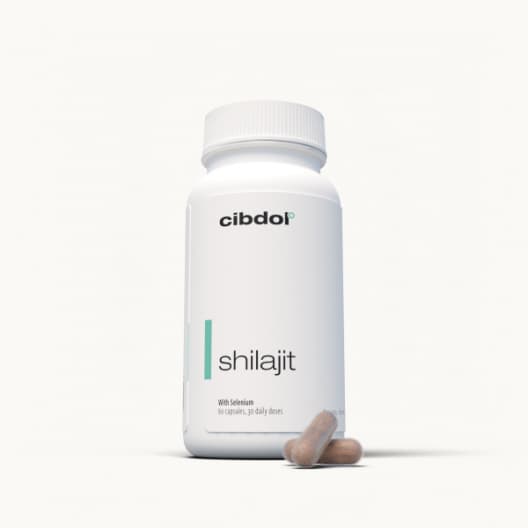

Shilajit
Purified Himalayan Shilajit resin rich in fulvic acid for energy, testosterone, and vitality.
- • High fulvic acid content
- • Purified Himalayan source
- • Energy and testosterone support
Disclosure: We may earn a commission if you purchase via these links.
Creatine: Not Just for Muscles
Creatine monohydrate is one of the most well-studied supplements in existence — with over 500 peer-reviewed studies. While known primarily for muscle performance, creatine's role in brain energy is increasingly recognised.
Beyond muscles:
- The brain uses approximately 20% of total body energy. Creatine provides a rapid phosphate buffer for ATP regeneration.
- Supplementation improves cognitive performance under stress, sleep deprivation, and demanding mental tasks
- McMorris et al. (2006): 20g/day creatine for 7 days improved cognitive performance during sleep deprivation
- Rae et al. (2003): 5g/day for 6 weeks improved working memory and processing speed
Dosing: 3-5g creatine monohydrate daily (no loading phase necessary at this dose). Mix into any liquid. Timing doesn't matter — consistent daily intake is what counts.
Important: Creatine causes modest water retention initially (1-2kg). This is intracellular water in muscle, not bloating, and stabilises within 2-3 weeks. Stay well-hydrated.
PQQ (Pyrroloquinoline Quinone): The Mitochondrial Biogenesis Factor
PQQ is a novel nutrient that does something no other supplement does reliably: it stimulates mitochondrial biogenesis — the creation of new mitochondria.
Why this matters: Mitochondrial decline is a primary driver of age-related energy loss. You don't just have less efficient mitochondria as you age — you have fewer of them. PQQ activates PGC-1α, the master regulator of mitochondrial biogenesis, potentially reversing this decline.
Evidence: Still early-stage but mechanistically compelling:
- Harris et al. (2013): 20mg/day PQQ improved sleep quality, reduced fatigue, and improved mood in a small trial
- Nakano et al. (2012): PQQ + CoQ10 showed synergistic improvements in cognitive function
Dosing: 10-20mg daily, taken with CoQ10 for synergistic effect. Morning dosing preferred.
Status: Promising but limited human data. Best viewed as an add-on to a CoQ10 regimen for those interested in mitochondrial optimisation.
Smart Caffeine Alternatives
If you're not ready to abandon caffeine entirely, these alternatives provide cleaner, more sustained energy:
L-Theanine + Caffeine Stack
The most validated "smart caffeine" combination. L-theanine (200mg) combined with caffeine (100mg) delivers:
- Focused alertness without jitteriness
- Reduced anxiety and cortisol response from caffeine
- Improved attention and task-switching accuracy
- Smoother energy curve without a sharp crash
This combination outperforms either compound alone in multiple cognitive studies. It's the foundation of many nootropic products for good reason.
Guarana (Paullinia cupana)
Guarana contains caffeine bound within a seed matrix that releases more slowly than coffee caffeine. The result: a gentler, more sustained energy curve lasting 4-6 hours compared to coffee's 2-3 hour spike.
Guarana also contains theobromine and theophylline — related xanthines with their own mild stimulant and bronchodilator effects, contributing to the subjective "cleaner" energy compared to coffee.
See our guarana vs caffeine comparison for the full breakdown.
Guarana
Natural guarana seed extract — sustained caffeine and theophylline for smooth, long-lasting energy and focus.
- • Natural caffeine + theophylline
- • Slower release than coffee
- • Sustained focus and energy
Disclosure: We may earn a commission if you purchase via these links.
Yerba Maté
Yerba maté provides a unique stimulant trifecta — caffeine (85mg per cup), theobromine (smooth energy, mood elevation), and theophylline (bronchodilation) — along with polyphenols and saponins. Users consistently report smoother, longer-lasting energy compared to coffee, with less anxiety and fewer jitters.
Energy Caps
Natural energy capsules with guarana and ginseng for sustained mental and physical energy.
- • Guarana + ginseng formula
- • Sustained energy release
- • No crash
Disclosure: We may earn a commission if you purchase via these links.
Energy Stacks by Situation
Morning Energy (Replacing or Reducing Coffee)
| Supplement | Dose | Purpose |
|---|---|---|
| Cordyceps extract | 1-2g | ATP production, oxygen utilisation |
| B-complex (methylated) | Per label | Metabolic cofactors |
| CoQ10 or ubiquinol | 100-200mg | Mitochondrial electron transport |
| Optional: L-theanine + low-dose caffeine | 200mg + 100mg | Focused alertness without anxiety |
Afternoon Slump
| Supplement | Dose | Purpose |
|---|---|---|
| Rhodiola | 200mg | Anti-fatigue without stimulation |
| L-theanine | 200mg | Calm focus |
| Optional: guarana | Per label | Slow-release caffeine if needed |
Pre-Workout / Physical Energy
| Supplement | Dose | Purpose |
|---|---|---|
| Cordyceps | 1-2g | VO2 max, oxygen utilisation |
| Creatine | 3-5g (daily, not timed) | ATP buffer |
| CoQ10 | 100-200mg | Mitochondrial function |
| Beta-alanine | 3-6g (daily, not timed) | Endurance (separate topic) |
Study / Cognitive Energy
| Supplement | Dose | Purpose |
|---|---|---|
| Creatine | 3-5g (daily) | Brain ATP regeneration |
| L-theanine + caffeine | 200mg + 100mg | Focused alertness |
| Rhodiola | 200mg | Mental stamina |
| Lion's mane | Per label | NGF support, cognitive focus |
MADMONQ PULSE (v4.0)
The original gaming nootropic — a chewable tablet engineered for laser-sharp focus and clean mental energy lasting 4–6 hours. Formulated with patented Cereboost® (American Ginseng), SaraPEPP™ Nu (Timut Berry), and Brainberry® (Aronia extract), plus L-Theanine, L-Tyrosine, Rhodiola, and targeted-release caffeine from organic coffee beans. 14+ natural ingredients, zero sugar, fully vegan.
- • Patented Cereboost® for clinically-backed focus
- • 4–6 hours of clean energy without crash
- • Chewable format — no water needed
Disclosure: We may earn a commission if you purchase via these links.
Revive Caps
Azarius Revive Caps — an energising herbal capsule blend to combat fatigue and get you back on track. Natural pick-me-up without the jitteriness of stimulant-heavy energy products.
- • Natural energy and fatigue recovery blend
- • No harsh stimulants or crash
- • Ideal post-exertion or for low-energy days
Disclosure: We may earn a commission if you purchase via these links.
What to Avoid
The Stimulant Trap
Relying on escalating stimulant doses is the most common energy mistake:
| Avoid | Why |
|---|---|
| High-dose caffeine (>400mg/day) | Tolerance, adrenal stress, sleep disruption, anxiety |
| Synephrine / bitter orange | Cardiovascular risk, banned in some EU markets |
| DMAA / DMHA | Dangerous stimulants, regulatory action in EU |
| Sugar-based "energy" | Blood glucose spike → crash → more fatigue |
| Unlimited energy drinks | Caffeine + sugar + taurine + B vitamins in uncontrolled doses |
The Perpetual Stimulant Cycle
More caffeine → worse sleep → more fatigue → more caffeine → worse sleep. Breaking this cycle requires:
- Gradually reducing caffeine (cut by 25% per week)
- Supporting energy through foundational supplements (CoQ10, B-complex, magnesium)
- Prioritising sleep (the single most impactful energy intervention)
- Adding adaptogens (rhodiola, cordyceps) for sustained energy without stimulation
Frequently Asked Questions
What's the best supplement for energy without caffeine?
Cordyceps and CoQ10 are the best options for genuine energy enhancement without any stimulant effect. Cordyceps improves mitochondrial ATP production and oxygen utilisation; CoQ10 optimises the electron transport chain. Neither acts on adenosine receptors (like caffeine) or dopamine/norepinephrine (like stimulants). They support real energy production rather than masking fatigue.
How long do energy supplements take to work?
Caffeine alternatives (L-theanine + caffeine, guarana): within 30-60 minutes. Rhodiola: 1-2 weeks for noticeable anti-fatigue effect. CoQ10: 2-4 weeks for subjective energy improvement. Cordyceps: 2-3 weeks. B vitamins: 1-2 weeks if deficient. Iron: 4-6 weeks. The timeline depends on whether you're correcting a deficiency (faster results) or optimising already-adequate function (slower, subtler improvement).
Can I take energy supplements with coffee?
Yes, most energy supplements are safe with moderate coffee consumption (1-3 cups/day). CoQ10, B vitamins, cordyceps, and creatine have no interaction with caffeine. L-theanine actually improves coffee's effect (reducing jitters while preserving alertness). The only caution: don't stack caffeine-containing supplements (guarana, yerba maté) on top of heavy coffee consumption — total caffeine should stay below 400mg/day.
Should I take energy supplements every day or cycle them?
Creatine, CoQ10, B vitamins, and iron: take daily (these are nutrients, not drugs). Rhodiola and cordyceps: daily use is fine for 8-12 week cycles, with 2-4 week breaks. Caffeine and caffeine-containing supplements: consider periodic "caffeine holidays" (1-2 weeks off) to reset adenosine receptor sensitivity. PQQ and shilajit: daily use is fine at standard doses.
Why am I tired even though I sleep enough?
If you're sleeping 7-9 hours and still chronically fatigued, consider: (1) Sleep quality — are you getting adequate deep sleep? Track with a wearable. (2) Nutrient deficiency — iron, B12, vitamin D, magnesium. Get blood work. (3) Thyroid function — hypothyroidism causes fatigue; request TSH + free T4 testing. (4) Chronic stress — cortisol dysregulation causes fatigue even with adequate sleep. (5) Sleep apnoea — often undiagnosed, especially in men. (6) Post-viral fatigue — increasingly common post-COVID. See your GP if fatigue persists despite addressing sleep and nutrition.
Disclaimer
This article is for informational and educational purposes only and does not constitute medical advice. Chronic fatigue can be a symptom of serious medical conditions including thyroid disorders, anaemia, diabetes, depression, and chronic fatigue syndrome. If you experience persistent, unexplained fatigue, consult your GP for appropriate investigation before relying on supplements. Do not discontinue prescribed medications in favour of supplements without medical guidance.
Related Articles
- Guarana vs Caffeine: What's the Difference?
- What Are Adaptogens? A Guide to Nature's Stress Fighters
- Best Supplements for Stress and Cortisol: An Evidence-Based Guide
- Magnesium Types Explained: Glycinate, Threonate, Taurate & Which to Choose
- Iron and Vitamin C: The Absorption Combo You Need to Know About
This article is for informational purposes only and is not intended as medical advice. Always consult a healthcare professional before starting any new supplement, especially if you take prescription medication.
Related topics
Where to buy
Affiliate linksUpfront Creatine
Straightforward creatine monohydrate at an unbeatable price. Clean formula, no nonsense.
- • Pure creatine monohydrate
- • Best price in NL (€8)
- • No fillers
Orangefit Protein
Plant-based protein shake made from yellow split peas. Complete amino acid profile, easy to digest, no artificial sweeteners. Available in multiple flavours.
- • 100% plant-based (yellow split peas)
- • Complete amino acid profile
- • No artificial sweeteners
Orangefit Protein Blend
Triple-source plant protein: yellow split peas, fava beans, and pumpkin. 24g protein + 5g BCAAs per shake, with turmeric and bioperine.
- • 24g protein per serving
- • 5g BCAAs included
- • Triple protein source
Upfront Crea PRO
Premium creatine formula with enhanced absorption. For athletes who want more from their creatine.
- • Enhanced absorption formula
- • Premium creatine
- • For serious athletes
Disclosure: We may earn a commission if you purchase via these links.
Related articles
Supplements for Burnout Recovery: Rebuilding Energy, Sleep & Resilience
A phased supplement protocol for burnout recovery — covering the biochemistry of burnout, nutrient depletion patterns, a 12-week recovery framework (Replen
Yerba Maté: The Social Stimulant That's More Than Just Caffeine
A comprehensive guide to yerba maté — covering its unique stimulant profile (caffeine + theobromine + theophylline), health benefits, comparison with coffe
Best Supplements for Stress and Cortisol: An Evidence-Based Guide
A comprehensive, evidence-based guide to supplements for stress and cortisol management — covering ashwagandha, rhodiola, magnesium, L-theanine, phosphatid