
Sleep Supplements for Shift Workers: Survive and Thrive on Any Schedule
Written by Smart Supplements Editorial Team
Key takeaways
- Shift work disrupts your suprachiasmatic nucleus, creating a mismatch between when you need sleep and when biology allows it
- Melatonin timing is critical — 0.5-1 mg taken 30 minutes before desired daytime sleep with blue-light blocking glasses
- Magnesium and glycine work through non-circadian mechanisms, making them especially effective for daytime sleep
- Different shift patterns (permanent nights, rotating, early mornings) require different supplement and timing strategies
- Light management combined with supplements is far more effective than either approach alone
Table of contents
- The Shift Worker's Sleep Challenge
- How Shift Work Disrupts Your Circadian Rhythm
- Melatonin Timing for Shift Workers
- Best Supplements for Night Shift Recovery
- Supplements for Rotating Shifts
- Light Exposure + Supplements: The Combined Strategy
- Building a Shift-Work Sleep Protocol
- When to See a Sleep Specialist
- Frequently Asked Questions
- Take Control of Your Shift Work Sleep
You finished your night shift at 7 AM. The sun is blazing, birds are singing, and your body is screaming for sleep while your brain thinks it's morning. You draw the blackout curtains, climb into bed, and lie there for 45 minutes — exhausted but wired — before finally drifting into a shallow, fragmented sleep that leaves you feeling worse than before.
This is the shift worker's curse: your body needs sleep, but your circadian biology is fighting you every step of the way. Standard sleep advice doesn't apply to you. And most sleep supplement guides are written for people who sleep at normal hours. This one isn't.
The Shift Worker's Sleep Challenge
Shift Work Sleep Disorder (SWSD)
Shift Work Sleep Disorder is a recognised circadian rhythm disorder affecting an estimated 10–40% of shift workers. It's characterised by:
- Excessive sleepiness during work hours
- Insomnia when attempting to sleep outside normal hours
- Total sleep reduction of 1–4 hours per 24-hour period
- Chronic fatigue that doesn't resolve with "catching up" on days off
Who's Affected
| Profession | Estimated Night/Rotating Workers | SWSD Prevalence |
|---|---|---|
| Nurses and healthcare | 35–40% work shifts | 25–30% |
| Emergency services | 50%+ work rotating | 20–35% |
| Factory/manufacturing | 25–30% work shifts | 15–25% |
| Transport/logistics | 20–25% work nights | 20–30% |
| Hospitality | 30–40% work late/night | 15–25% |
| IT/tech (on-call) | Variable | 10–20% |
Why It's More Than Tiredness
Chronic circadian disruption from shift work is associated with:
- 40% increased risk of cardiovascular disease
- Higher rates of metabolic syndrome and type 2 diabetes
- Increased risk of certain cancers (WHO classifies night shift work as a "probable carcinogen")
- Mental health impacts: depression, anxiety, relationship strain
- Cognitive decline: impaired reaction time, decision-making, and memory
This isn't about being a bit sleepy — it's a genuine health risk that demands proactive management.
How Shift Work Disrupts Your Circadian Rhythm
Your Master Clock
Your suprachiasmatic nucleus (SCN) — a tiny region in the hypothalamus — is your body's master clock. It coordinates roughly 24-hour cycles of:
- Hormone release (cortisol, melatonin, growth hormone)
- Body temperature fluctuations
- Digestive enzyme production
- Immune system activity
- Alertness and sleep drive
The SCN is primarily synchronised by light exposure through specialised retinal cells (intrinsically photosensitive retinal ganglion cells, or ipRGCs) that detect blue light.
The Fundamental Problem
When you work nights and sleep days, you're asking your body to do the opposite of what millions of years of evolution programmed it for. Your SCN receives conflicting signals:
- Light says: "It's daytime — be awake, produce cortisol, suppress melatonin"
- You say: "I need to sleep now"
This conflict never fully resolves for most shift workers. Even permanent night shift workers rarely achieve complete circadian adaptation because:
- Days off revert to normal light exposure
- Social obligations occur during daytime hours
- Even blackout curtains can't prevent all light exposure during commutes

Melatonin Timing for Shift Workers
Melatonin is the most evidence-based supplement for shift workers, but timing is everything. Taken incorrectly, melatonin can actually worsen your sleep issues.
The Phase-Shifting Principle
Melatonin doesn't just make you sleepy — it signals your SCN about when "night" is. By taking melatonin at strategic times, you can shift your circadian rhythm to better align with your work schedule.
Timing Protocols by Shift Type
Permanent Night Shift (e.g., 11 PM – 7 AM)
| Time | Action | Purpose |
|---|---|---|
| End of shift (7 AM) | Wear blue-light blocking glasses during commute | Prevents morning light from "resetting" your clock |
| 30 min before desired sleep (7:30 AM) | Take 0.5–1 mg melatonin | Signals "nighttime" to your SCN |
| Sleep period | 8 AM – 4 PM (aim for 7–8 hours) | Core sleep window |
| Wake up (4 PM) | Bright light exposure for 30 min | Helps establish your shifted "morning" |
Rotating Shifts (e.g., 3 days, 3 nights, 3 off)
Rotating shifts are the hardest to manage because your rhythm never stabilises.
| Phase | Melatonin Strategy |
|---|---|
| Transitioning to nights | Take 0.5 mg melatonin at your target sleep time on the day before your first night shift |
| During night shifts | 0.5–1 mg melatonin 30 min before daytime sleep |
| Transitioning back to days | Skip melatonin; use bright morning light to re-anchor normal rhythm |
| Days off | Try to maintain a compromise schedule (sleep midnight–8 AM) to reduce total shifting |
Early Morning Shifts (e.g., 5 AM – 1 PM)
| Time | Action |
|---|---|
| 8–9 PM | Take 0.5 mg melatonin (advances sleep onset) |
| 9–9:30 PM | Go to bed |
| 3:30–4 AM | Wake up |
| Upon waking | Bright light exposure immediately |
Critical Melatonin Rules for Shift Workers
- Use LOW doses (0.3–1 mg). Higher doses don't phase-shift better and cause more grogginess
- Timing matters more than dose. The same dose taken at the wrong time can shift your rhythm in the wrong direction
- Be consistent during your shift block. Erratic melatonin timing prevents adaptation
- Don't take melatonin during your natural night (if you're on day shifts) — it's redundant
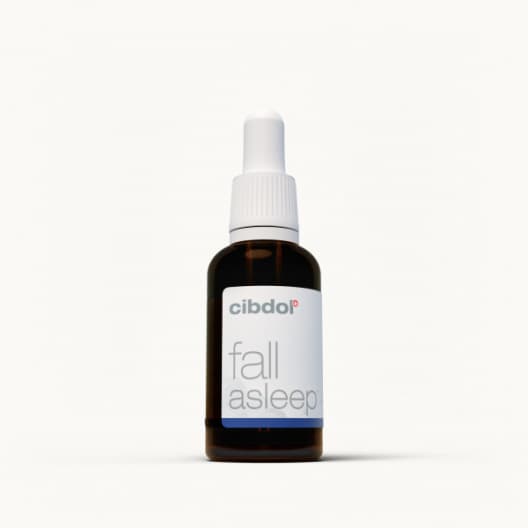

Fall Asleep (Meladol)
Liposomal CBD + melatonin for faster sleep onset.
- • CBD + melatonin
- • Liposomal formula
- • 30ml bottle
Disclosure: We may earn a commission if you purchase via these links.
For comprehensive melatonin guidance, see our melatonin dosage guide.
Best Supplements for Night Shift Recovery
Beyond melatonin, several supplements address the non-circadian challenges of daytime sleep.
Magnesium (300–400 mg)
Why it's essential for shift workers: Magnesium promotes sleep through GABA activation and muscle relaxation — mechanisms that work regardless of circadian timing. Unlike melatonin, magnesium doesn't need to be timed precisely relative to your circadian phase.
Shift workers are also at higher risk of magnesium deficiency due to:
- Irregular eating patterns
- Higher stress levels
- Increased cortisol (which depletes magnesium)
- Disrupted digestive function
Protocol: 300–400 mg magnesium glycinate, taken 30–60 minutes before your daytime sleep window.
Magnesium Citrate
Zamnesia Magnesium Citrate — 100% natural magnesium supplement providing 200mg magnesium per tablet (53% reference intake). Supports muscle and nerve function, reduces fatigue, contributes to normal psychological functioning and bone health. 100 tablets per bottle.
- • 200mg magnesium citrate per tablet — 53% reference intake
- • Reduces fatigue and supports normal energy metabolism
- • Supports muscle function, nerve function, and bone health
Disclosure: We may earn a commission if you purchase via these links.
See our full magnesium for sleep guide.
Glycine (3,000 mg)
Why it's excellent for shift workers: Glycine lowers core body temperature through peripheral vasodilation. This is particularly valuable for daytime sleep, when your core temperature is naturally elevated (opposing sleep). Glycine effectively overrides this thermal barrier.
A 2015 open-label study (Kawai et al.) specifically tested glycine in nurses working rotating shifts and found improved sleep quality.
Protocol: 3g dissolved in water, 30 minutes before daytime sleep.
For the deep dive, see our glycine for sleep guide.
L-Theanine (200 mg)
Why it works for shift workers: The mental hyperarousal after a stimulating night shift (emergency responses, critical decisions, caffeine) makes it hard to "switch off." L-theanine promotes alpha brain waves that facilitate the wakefulness-to-sleep transition — without the sedative hangover that would impair your next shift.
Protocol: 200 mg, taken immediately after arriving home from night shift.
For more, see our L-theanine for sleep guide.
CBD Oil (25–50 mg)
Why it helps shift workers: CBD addresses multiple shift work challenges simultaneously — anxiety about sleeping during the day, muscle tension from physical work, and inflammation from circadian disruption.
Protocol: 25 mg sublingual, 30 minutes before daytime sleep.
5% CBN & 2.5% CBD Oil
Cibdol's CBN & CBD combination oil — 5% CBN (cannabinol) paired with 2.5% CBD. CBN is the cannabinoid most associated with sedation and sleep support, making this oil a strong choice for evening use and sleep quality improvement. Swiss-produced, third-party tested.
- • 5% CBN + 2.5% CBD — cannabinoid combination for sleep
- • CBN is the cannabinoid most associated with sedation and rest
- • Ideal for evening use and sleep quality support
Disclosure: We may earn a commission if you purchase via these links.
5-HTP (100–200 mg)
Why it's relevant: 5-HTP is a serotonin precursor, and serotonin converts to melatonin. Shift workers often have depleted serotonin due to light exposure disruption and stress. 5-HTP supports your body's ability to produce its own melatonin when needed.
Caution: Don't combine 5-HTP with SSRIs or other serotonergic medications.
5-HTP (75mg)
Zamnesia 5-HTP — a natural serotonin precursor extracted from Griffonia simplicifolia seeds. 75mg 5-HTP per capsule enriched with vitamin B6 (1.4mg, 100% RI) for enhanced absorption. Supports mood, stress response, and sleep quality. 100% vegan, 60 capsules per tub. Take 1–2 capsules 30 minutes before sleep.
- • 75mg 5-HTP from Griffonia simplicifolia — natural serotonin precursor
- • Enriched with vitamin B6 for enhanced serotonin synthesis
- • Supports mood, stress response, and sleep quality
Disclosure: We may earn a commission if you purchase via these links.
For the role of 5-HTP in sleep, see our 5-HTP for sleep guide.
Supplements for Rotating Shifts
Rotating shifts present the unique challenge of constantly shifting circadian demands. The best supplement strategy focuses on flexibility rather than trying to lock in a single rhythm.
The Rotation Protocol
| Supplement | When Transitioning to Nights | During Nights | Transitioning Back to Days |
|---|---|---|---|
| Melatonin (0.5 mg) | Day before first night, at target sleep time | 30 min before each daytime sleep | Skip — use light instead |
| Magnesium (300 mg) | Before every sleep period | Before every sleep period | Before every sleep period |
| Glycine (3g) | Before daytime sleep only | Before daytime sleep only | Not needed |
| L-theanine (200 mg) | If wired after first night shift | After each night shift | Not needed |
The Anchoring Strategy
Sleep researchers recommend maintaining a 2–3 hour "anchor sleep" at the same time every day, regardless of shift. For example:
- Always sleep from midnight–3 AM (whether it's the start or end of your main sleep period)
- This gives your SCN a stable reference point
- Supplements taken consistently during this anchor period reinforce the signal

Light Exposure + Supplements: The Combined Strategy
Supplements alone are only half the equation. Strategic light management amplifies their effectiveness dramatically.
The Light Protocol
| Situation | Light Strategy | Why |
|---|---|---|
| Before night shift | Bright light (10,000 lux lightbox) for 30 min before leaving | Boosts alertness, delays melatonin |
| During night shift | Bright overhead lighting | Maintains alertness |
| End of night shift | Blue-light blocking glasses (amber/orange lenses) | Prevents morning light from resetting clock |
| Commute home | Keep glasses on; avoid direct sunlight | Protects melatonin supplement efficacy |
| Sleep environment | Total blackout (curtains + eye mask) | Prevents any light from reaching ipRGCs |
| Upon waking (evening) | Bright light for 20–30 min | Establishes your shifted "morning" |
Why This Matters for Supplements
Melatonin supplements are fighting against a much more powerful signal: light. If you take melatonin at 8 AM but expose yourself to bright sunlight during your commute, the light signal overrides the melatonin signal. Blue-light blocking glasses during the morning commute are arguably more important than the melatonin itself.
Equipment Recommendations
| Item | Purpose | Approx. Cost |
|---|---|---|
| Blue-light blocking glasses (amber/orange) | Morning commute after night shift | €15–30 |
| 10,000 lux light therapy box | Pre-shift alertness boost | €50–100 |
| Blackout curtains + roller | Complete darkness for daytime sleep | €40–80 |
| Sleep mask (contoured) | Additional light blocking | €10–20 |
| White noise machine | Masks daytime environmental noise | €20–40 |
Building a Shift-Work Sleep Protocol
Complete Night Shift Protocol
Before shift (6–7 PM):
- 30 min bright light exposure (lightbox or outdoor)
- Light, balanced meal
During shift (11 PM – 7 AM):
- Caffeine only in the first half (before 3 AM) — none in the last 4 hours
- Bright overhead lighting when possible
- Short strategic nap if allowed (10–20 min between 3–5 AM)
After shift (7 AM):
- Put on blue-light blocking glasses immediately
- Minimal sunlight exposure during commute
Pre-sleep (7:30 AM):
| Supplement | Dose |
|---|---|
| Melatonin | 0.5–1 mg |
| Magnesium glycinate | 300 mg |
| Glycine | 3,000 mg |
| L-theanine | 200 mg (if wired) |
Sleep (8 AM – 3/4 PM):
- Blackout curtains + eye mask
- White noise machine
- Phone on silent
- Cool room (18–20°C)
Post-sleep (4 PM):
- Bright light exposure (30 min outdoors or lightbox)
- Exercise if possible (helps consolidate circadian signal)
- Balanced meal
The Minimum Effective Protocol
If the full protocol feels overwhelming, start with these three essentials:
- Blue-light blocking glasses after your night shift (free/cheap, highest impact)
- 0.5 mg melatonin 30 minutes before daytime sleep
- Blackout curtains or a quality sleep mask
Add magnesium and glycine once the basics are established.
SleepDeep Oral Spray (Foodsporen)
Foodsporen SleepDeep — a functional mushroom sleep spray combining reishi extract (200mg), L-theanine (50mg), lemon balm extract (50mg), melatonin (1.9mg), and lavender essential oil (0.5mg) per 1ml dose. GMO-free, vegan, 30 daily servings. Spray sublingually before bed.
- • Reishi + L-theanine + lemon balm + melatonin — functional mushroom sleep formula
- • 1.9mg melatonin per dose — EU-compliant dosage
- • GMO-free and vegan-suitable
Disclosure: We may earn a commission if you purchase via these links.
When to See a Sleep Specialist
Consult a sleep medicine specialist if:
- You've tried light management + supplements for 4+ weeks without improvement
- You experience excessive sleepiness that endangers yourself or others (driving, operating machinery)
- You have symptoms of sleep apnoea (snoring, gasping, observed pauses in breathing)
- You're experiencing depression or persistent mood changes
- You need to discuss prescription options (modafinil for wakefulness, tasimelteon for circadian disorders)
- Your employer offers occupational health screening — take advantage of it
Prescription Options Your Doctor May Consider
| Medication | Purpose | For Shift Workers |
|---|---|---|
| Tasimelteon | Melatonin receptor agonist | Circadian re-entrainment |
| Modafinil/armodafinil | Wakefulness promotion | Alertness during shift (not a sleep aid) |
| Ramelteon | Melatonin receptor agonist | Sleep onset for daytime sleep |
| Short-acting hypnotics | Sleep initiation | Short-term only; dependency risk |
These are not replacements for the foundational strategies above — they're additions when supplements and light management aren't sufficient.
Frequently Asked Questions
What is the best supplement for night shift workers?
Melatonin (0.5–1 mg) timed correctly is the most evidence-based option for circadian shifting. For the quality of daytime sleep itself, magnesium glycinate + glycine addresses the physiological barriers to sleeping during the day. The combination of all three is optimal.
When should I take melatonin if I work nights?
Take 0.5–1 mg melatonin 30 minutes before your desired daytime sleep time (e.g., 7:30 AM if you want to sleep at 8 AM). Crucially, wear blue-light blocking glasses from the end of your shift through to bedtime — otherwise light exposure undermines the melatonin.
How can I improve daytime sleep quality?
The three most impactful interventions: (1) Total darkness (blackout curtains + eye mask), (2) Melatonin at the right time with blue-light glasses, (3) Glycine (3g) to lower core body temperature, which is unnaturally elevated during daytime. Add magnesium for GABA support and muscle relaxation.
Do shift workers need more supplements than regular sleepers?
Shift workers benefit from a more comprehensive approach because they're fighting against circadian biology, not just lifestyle factors. The combination of circadian support (melatonin, light management) plus non-circadian sleep aids (magnesium, glycine, L-theanine) covers both dimensions.
Is it safe to take melatonin every day as a shift worker?
At low doses (0.3–1 mg), daily melatonin use is generally considered safe. However, try to limit use to your shift block periods. On days off, rely more on natural light exposure to re-anchor your rhythm. Periodic breaks (1 week off per 2–3 months) may help maintain sensitivity.
How do rotating shifts affect supplement timing?
Rotating shifts require flexible supplement strategies. Use melatonin only when transitioning to or during night shifts. Magnesium and glycine can be taken before any sleep period regardless of timing. The key is adjusting melatonin timing to match your current shift phase.
Can supplements prevent the health risks of shift work?
Supplements can mitigate some risks — magnesium addresses cardiovascular stress, anti-inflammatory compounds (CBD, tart cherry) combat chronic inflammation, and improved sleep quality supports immune function. However, they can't fully counteract the health impacts of chronic circadian disruption. Minimising total years of shift work and optimising sleep hygiene remain the most important long-term strategies.
Take Control of Your Shift Work Sleep
You can't change your schedule, but you can dramatically improve how your body handles it. Start with the three essentials (blue-light glasses, low-dose melatonin, blackout curtains), then add magnesium and glycine for daytime sleep quality. Give the protocol 2–3 shift cycles to evaluate.
For the broader sleep supplement picture, explore our best natural sleep supplements guide, the melatonin dosage guide for detailed timing protocols, and our sleep hygiene tips adapted for shift workers. The sleep supplement stack guide covers optimal combinations for any sleep challenge.
Super Sleep
Zamnesia Super Sleep — a fast-acting liposomal sleep formula combining golden-grade CBD (75mg total), melatonin, and liposomal delivery for enhanced absorption. All-natural ingredients from European organic hemp with no detectable THC. 30ml dropper bottle, take before bed.
- • Fast-acting liposomal formula for enhanced CBD absorption
- • Golden-grade CBD + melatonin — dual-action sleep support
- • All-natural ingredients, no detectable THC
Disclosure: We may earn a commission if you purchase via these links.

This article is for informational purposes only and does not constitute medical advice. Shift work sleep disorder is a recognised medical condition — consult a sleep specialist if symptoms persist. Always discuss supplements with your healthcare provider, especially if you operate machinery or vehicles.
Last updated: March 2026 | Author: Smart Supplements Editorial Team
Related topics
Where to buy
Affiliate linksMADMONQ ZEN PLUS
Advanced evening drink for sleep and stress recovery — without melatonin or sedatives. Six natural ingredients: Cyracos® (600mg lemon balm extract), Saffron, Magnesium (170mg elemental), Chamomile, L-Theanine, and Myo-Inositol. Dissolve in hot water 30–60 minutes before bed. Zero morning fog, no habit-forming ingredients. 28 sachets per pack.
- • Cyracos® lemon balm — clinically studied for sleep quality
- • No melatonin — zero morning grogginess or dependency
- • Saffron + Chamomile for natural relaxation
Super Sleep
Zamnesia Super Sleep — a fast-acting liposomal sleep formula combining golden-grade CBD (75mg total), melatonin, and liposomal delivery for enhanced absorption. All-natural ingredients from European organic hemp with no detectable THC. 30ml dropper bottle, take before bed.
- • Fast-acting liposomal formula for enhanced CBD absorption
- • Golden-grade CBD + melatonin — dual-action sleep support
- • All-natural ingredients, no detectable THC
Solid Sleep
Zamnesia Solid Sleep — a multi-compound sleep capsule combining CBD (12.5mg), CBN (12.5mg), hops (50mg), and Griffonia simplicifolia (167mg, 30% 5-HTP) per capsule. Designed for deep, uninterrupted sleep with effects in approximately 20 minutes. 30 plant-based HPMC capsules per bottle.
- • CBD + CBN + hops + 5-HTP — four-compound sleep formula
- • Promotes deep, uninterrupted sleep
- • Fast-acting — effects in approximately 20 minutes
Dream Gummies Cherry
Zamnesia Dream Gummies Cherry — vegan sleep gummies combining valerian root extract (25mg, 10:1), passionflower extract (20mg, 10:1), and melatonin (0.29mg) per gummy. Delicious cherry flavour with natural colouring. 60 gummies per tub. Take one gummy 45 minutes before bed.
- • Valerian + passionflower + melatonin — herbal sleep gummies
- • Vegan-friendly pectin-based formula, no gelatine
- • Delicious cherry flavour with natural colouring
Disclosure: We may earn a commission if you purchase via these links.
Related articles
Sleep Supplements vs Prescription Sleep Aids: A Complete Comparison
A balanced comparison of natural sleep supplements versus prescription sleep aids. Covers effectiveness, side effects, dependency risks, costs, and when ea
Sleep Supplements for Anxiety: Calm Your Mind, Improve Your Sleep
Find the best supplements that target both anxiety and sleep simultaneously. Evidence-based guide covering GABAergic supplements, adaptogens, and CBD with
Passionflower for Sleep: Benefits, Dosage, and Research
Learn how passionflower improves sleep through GABA-A receptor modulation. Clinically shown to match benzodiazepines for anxiety, get dosage guides for tea