
How to Build a Supplement Stack: A Step-by-Step Framework
Written by Smart Supplements Editorial Team
Key takeaways
- Start by defining one or two primary goals — a stack built for focus is different from one built for sleep or longevity
- Fix the foundation first: sleep, diet, and exercise amplify supplements; supplements can't compensate for their absence
- Introduce new compounds one at a time with at least two weeks between additions — this is the only way to know what's actually working
- Time your supplements around their mechanisms: energising compounds in the morning, sleep support in the evening, fat-soluble vitamins with meals
Table of contents
Most supplement cabinets are a graveyard of good intentions. A bag of protein powder from two years ago, a half-empty bottle of vitamin C, three different magnesium products bought at different times. Sound familiar? Building a supplement stack isn't about buying more — it's about buying smarter.
A well-built stack works because each piece earns its place. The compounds are chosen for your specific goals, taken at the right time, introduced one at a time so you actually know what's working, and periodically reviewed so you stop paying for things that aren't pulling weight. This guide gives you that framework — a step-by-step process that applies whether you're starting from nothing or trying to make sense of what you're already taking.
What Is a Supplement Stack?
A supplement stack is a deliberate combination of compounds taken together to support a specific goal — the operative word being deliberate. Random collections of supplements aren't stacks; they're noise.
The logic behind stacking is twofold. First, most meaningful physiological goals require support across multiple mechanisms. Deep sleep, for example, involves adenosine clearance, cortisol wind-down, GABA activity, and circadian temperature regulation — no single compound addresses all of these. A sleep stack addresses them together.
Second, some supplements work better in combination than alone. Vitamin D3 and K2 are the canonical example: D3 increases calcium absorption from the gut, while K2 directs that calcium into bones rather than arteries. Without K2, high-dose D3 can theoretically increase cardiovascular calcification risk. Together, they're both more effective and safer.
But the principle cuts both ways. The same transport mechanisms that make some nutrients synergistic can make others competitive. Calcium, zinc, and iron all share gut transporters — take them together at high doses and they compete, reducing absorption of all three. Understanding these dynamics is what separates a well-built stack from an expensive and redundant one.
Step 1: Define Your Goals
Before you buy anything, write down what you're actually trying to change. Be specific. "I want to be healthier" produces a random shopping list. "I want to fall asleep faster and sleep through the night" produces a focused, evaluable stack.
The most common supplement goals and what they typically require:
| Goal | Primary mechanisms to support |
|---|---|
| Focus & cognitive performance | Neurotransmitter support, cerebral blood flow, neuroplasticity |
| Sleep quality | Cortisol wind-down, GABA activity, melatonin regulation |
| Stress resilience | HPA axis modulation, cortisol management |
| Energy & physical performance | Mitochondrial function, ATP production, recovery |
| Mood support | Serotonin pathway support, inflammation reduction |
| Longevity & cellular health | NAD+ metabolism, mitochondrial biogenesis, antioxidant defence |
| Gut health | Microbiome diversity, gut barrier integrity |
| Immune support | Innate and adaptive immune modulation |
Pick one or two primary goals. Not five. Not "all of the above." A stack built to chase too many goals simultaneously becomes expensive, hard to evaluate, and prone to interaction problems. Once your primary stack is working and stable, you can layer in secondary goals.
Step 2: Fix the Foundation First
This is the step most supplement guides skip, so it's worth being blunt about: supplements amplify a functioning system. They don't rescue a broken one.
If you're sleeping five hours a night, eating largely processed food, and sitting for twelve hours a day, no supplement stack will meaningfully move the needle on focus, energy, or mood. The physiology doesn't work that way.
The foundation is three things:
Sleep. Not optimised sleep — just enough sleep. Aim for 7–9 hours in a dark room. This is the single highest-return intervention for cognition, mood, immune function, and metabolic health. Everything built on top of poor sleep is compromised.
Nutrition. Enough protein (roughly 1.2–1.6g per kg of bodyweight if active), plenty of vegetables and whole foods, and regular meals. Supplements fill gaps — they can't replace a missing dietary structure.
Movement. Regular exercise upregulates BDNF, improves insulin sensitivity, reduces inflammation, and supports sleep quality. Many of the benefits attributed to nootropics and adaptogens are achieved more reliably through consistent moderate exercise.
Once the foundation is reasonably solid, three supplements make sense for almost everyone in northern Europe regardless of goal — because they address near-universal gaps in diet and environment:
Vitamin D3 + K2. Vitamin D deficiency is endemic in northern European populations. Research consistently links adequate D3 to immune function, mood regulation, bone health, and reduced all-cause mortality. The daily reference value is 600–800 IU but many practitioners suggest 1,000–2,000 IU for those with low sun exposure. Always pair with K2 (MK-7 form) to ensure the calcium D3 mobilises is directed correctly.
Omega-3 (DHA/EPA). The Western diet is profoundly omega-3 deficient. DHA is a structural component of neuronal cell membranes; EPA has anti-inflammatory properties. Meta-analyses show consistent benefits for cardiovascular markers, depression risk reduction, and cognitive function. Minimum effective dose: 1,000mg EPA+DHA combined daily. For vegetarians and vegans, algae-based DHA/EPA is the preferable form — it bypasses the fish entirely and goes directly to the same source (fish accumulate DHA from algae).
Magnesium. Involved in over 300 enzymatic processes, magnesium is widely under-consumed due to soil depletion and low intake of its richest sources (leafy greens, legumes, nuts). Deficiency presents as poor sleep, muscle cramping, anxiety, and fatigue — symptoms that overlap with almost every other goal you might be targeting. Magnesium glycinate or bisglycinate is the best-tolerated form for sleep and stress; magnesium malate for energy and muscle function. Typical dose: 200–400mg elemental magnesium daily, taken in the evening.
These three form the floor. Once they're in place, everything else you add is building on solid ground.
Step 3: Choose Your Core Compounds
With the foundation established, now you match compounds to your primary goal. Here are evidence-tiered recommendations for the most common goals — each limited to two or three compounds that have meaningful clinical support.
Goal: Focus & Cognitive Performance
Lion's Mane (Hericium erinaceus) — stimulates Nerve Growth Factor (NGF), supporting neuronal maintenance and cognitive resilience. The 2009 Mori et al. RCT showed cognitive improvements in adults with mild cognitive impairment. Long-term, cumulative benefits. Dose: 500–1,000mg standardised extract daily.
L-Theanine + Caffeine — the most validated nootropic stack in existence. L-Theanine (200mg) taken with caffeine (100mg) consistently outperforms caffeine alone in studies measuring sustained attention, reaction time, and working memory, with reduced jitteriness and anxiety. Available cheaply, works within 30–60 minutes.
Bacopa monnieri — slower-acting but well-evidenced for memory consolidation and learning. A 2001 RCT showed improvements in verbal learning rate and memory consolidation after 12 weeks. Requires consistent daily use for 8–12 weeks. Dose: 300mg standardised extract (45% bacosides).

Lion's Mane Mushroom
Lion's Mane (Hericium erinaceus) extract for cognitive support and neuroprotection. Key ingredient in the Stamets Stack.
- • Supports Nerve Growth Factor (NGF) production
- • Key component of the Stamets Stack protocol
- • Available as capsules and powder
Disclosure: We may earn a commission if you purchase via these links.
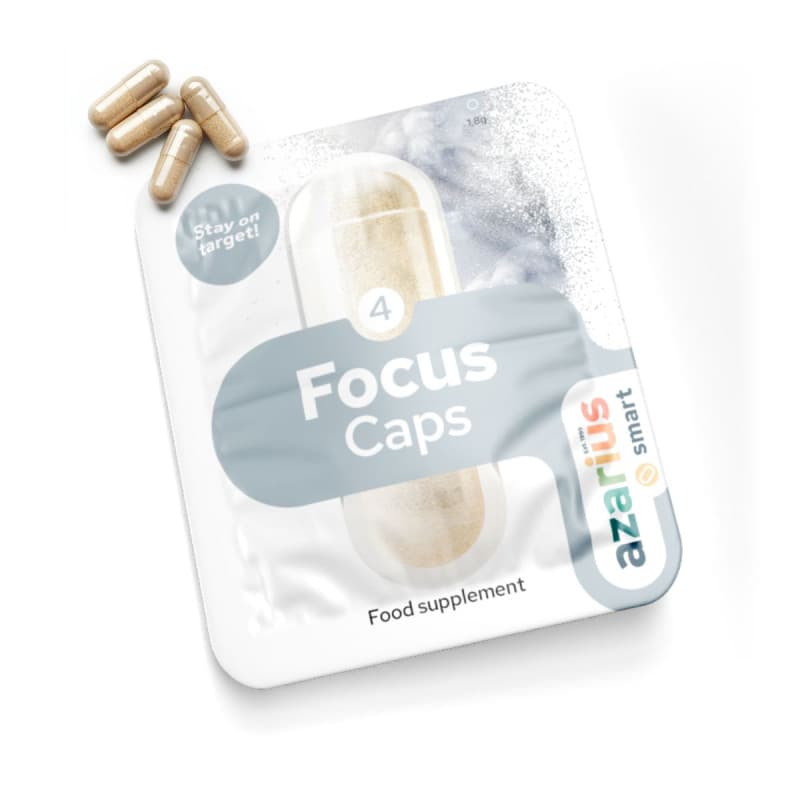
Focus Caps
Natural focus and concentration capsules with ginseng, guarana, and ginkgo biloba.
- • Ginseng + guarana + ginkgo blend
- • Fast-acting formula
- • No jitters
Disclosure: We may earn a commission if you purchase via these links.
Goal: Sleep Quality
Magnesium glycinate (already in foundation, but if sleep is your primary goal, ensure you're taking it and taking it in the evening).
L-Theanine (100–200mg, evening dose) — promotes alpha brainwave activity without sedation. Reduces the mental chatter that prevents sleep onset. Often well-tolerated even by people who find melatonin too heavy.
Ashwagandha KSM-66 — works over time rather than acutely. Multiple RCTs show improvements in sleep quality, onset latency, and morning alertness after 6–8 weeks of consistent use. Dose: 300–600mg standardised extract, evening. Particularly useful if poor sleep is stress-driven.
Low-dose melatonin (0.5–1mg) — useful for circadian rhythm disruption (shift work, jet lag, irregular sleep schedules) but overused for general insomnia. The commonly sold 5–10mg doses are pharmacological rather than physiological. Start at 0.5mg and don't exceed 1–2mg for routine use.

Complete Sleep
CBD, CBN, chamomile, lavender — no melatonin. All-in-one sleep support.
- • CBD + CBN + botanicals
- • No melatonin
- • 10ml or 30ml
Disclosure: We may earn a commission if you purchase via these links.
Fall Asleep Capsules
Meladol formula in capsule form. 30 capsules per tub.
- • CBD + melatonin
- • Easy to swallow
- • 30 capsules
Disclosure: We may earn a commission if you purchase via these links.
Goal: Stress Resilience
Ashwagandha KSM-66 — the best-evidenced adaptogen for HPA axis regulation and cortisol reduction. A 2025 meta-analysis (BJPsych Open) confirmed significant reductions in perceived stress and serum cortisol. Dose: 300–600mg standardised extract daily, morning or evening.
Rhodiola rosea — better for stress-related fatigue and mental performance under pressure than for general anxiety. More stimulating than ashwagandha; take in the morning. Dose: 200–400mg standardised extract (3% rosavins, 1% salidroside).
CBD oil — has a regulatory interaction with the endocannabinoid system that influences stress response and anxiety. Evidence for anxiety from several RCTs; mechanism is well-characterised. Dose: 15–50mg daily, sublingual, consistent timing.
Ashwagandha KSM-66
Clinically studied KSM-66 ashwagandha extract for stress reduction and adrenal support.
- • KSM-66® branded extract
- • Highest concentration full-root extract
- • Reduces cortisol and stress
Disclosure: We may earn a commission if you purchase via these links.
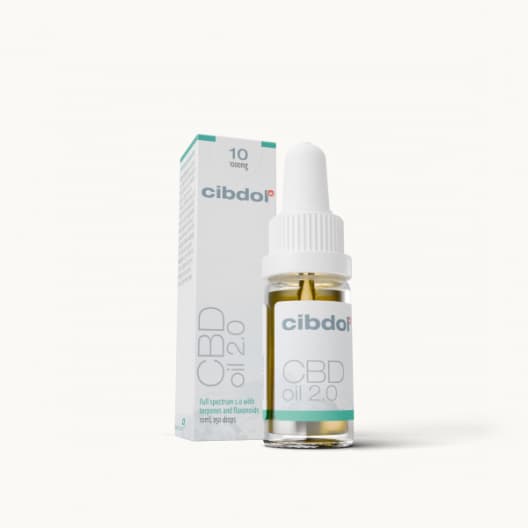
CBD Oil 2.0 10% (1000mg)
The most popular strength — 1000mg full-spectrum CBD oil for balanced, noticeable daily support without going too strong too fast.
- • 1000mg CBD per 10ml bottle
- • Full-spectrum entourage formula
- • Hemp seed oil base
Disclosure: We may earn a commission if you purchase via these links.
Goal: Longevity & Cellular Health
NMN (Nicotinamide Mononucleotide) — a precursor to NAD+, a coenzyme critical to DNA repair, mitochondrial function, and cellular energy metabolism. NAD+ levels decline with age; NMN supplementation aims to restore them. Human trials are emerging and promising; mechanistic case is strong. Dose: 250–500mg daily.
Omega-3 DHA/EPA (already in foundation — doubly important here).
Vitamin D3 + K2 (ditto — K2's role in arterial and bone calcium management becomes more important with age).
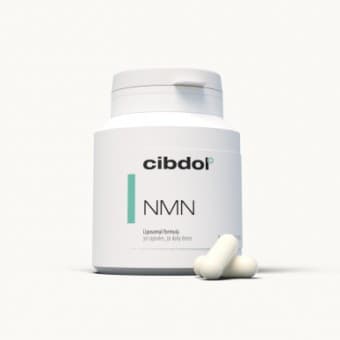
NMN (Nicotinamide Mononucleotide)
High-purity NMN supplement supporting NAD+ production and cellular energy metabolism.
- • Pharmaceutical-grade NMN
- • Supports NAD+ levels
- • Cellular energy and repair
Disclosure: We may earn a commission if you purchase via these links.
Step 4: Add One at a Time
This is the most important and most commonly ignored rule in supplementation — and the one that determines whether you actually learn anything from the process.
The principle is simple: introduce one new compound every 2–4 weeks, keep everything else constant.
Why? Because if you start five new supplements simultaneously and feel better (or worse), you have no idea which one is responsible. You might be paying for four things that do nothing, sustained by one compound that's actually working. Or you might be tolerating a compound that's causing a side effect masked by others. You simply can't know.
The two-to-four week window matters because:
- Some supplements (adaptogens, Bacopa) require sustained use before effects emerge
- Baseline mood, energy, and sleep fluctuate naturally — you need enough time to distinguish supplement effect from normal variation
- Side effects often appear in the first week then resolve, or conversely, emerge after longer-term exposure
Keep a simple log. You don't need a sophisticated system. Rate mood, energy, sleep quality, and focus on a 1–10 scale each morning. Note any new symptoms. After two to four weeks, you have actual data rather than impressions.
This journaling discipline pays dividends beyond just tracking — it builds self-knowledge about how your system responds to specific compounds, information no clinical study can give you because it's individualised.
Step 5: Optimise Timing
When you take supplements affects both their efficacy and how they interact with each other. The core principles:
Morning (with or after breakfast):
- Fat-soluble vitamins — D3, K2, omega-3, vitamin A, E. These require dietary fat for absorption; take with your largest meal of the day
- Energising adaptogens — Rhodiola rosea (stimulating; afternoon doses disrupt sleep)
- Nootropics — Lion's Mane, Bacopa, L-Theanine + caffeine stack
- NMN — NAD+ precursors work with the circadian cycle; morning dosing appears more effective in emerging research
Afternoon (with food):
- Ashwagandha — can be split between morning and evening if taking higher doses
- Vitamin C — water-soluble, spread across the day if taking higher doses
Evening (1–2 hours before bed):
- Magnesium glycinate — the timing that most consistently supports sleep
- Ashwagandha — evening dosing suits those using it primarily for sleep
- L-Theanine (sleep dose) — lower, calming dose
- CBD oil — if using for sleep or anxiety wind-down
- Melatonin — 30–60 minutes before target sleep time
Key separations:
- Calcium, zinc, and iron all compete for absorption — never take high doses of these together; separate by at least 2 hours if taking therapeutic doses of any
- Iron absorbs better on an empty stomach but causes nausea for many — with a small amount of food and vitamin C is a reasonable compromise
- Coffee and tea contain tannins and polyphenols that inhibit iron and zinc absorption — space supplements at least 1 hour from coffee
| Time | Supplement | Reason |
|---|---|---|
| Morning with breakfast | D3 + K2, Omega-3, Lion's Mane, Rhodiola, NMN | Fat-soluble absorption, cognitive and energy timing |
| Morning | Caffeine + L-Theanine stack | Acute focus window |
| Evening with food | Ashwagandha (if stress/sleep), Bacopa | Better tolerance; sleep overlap |
| Evening, 1–2h before bed | Magnesium glycinate, CBD, Melatonin (if used) | Sleep architecture support |
Step 6: Evaluate and Adjust
A supplement stack is not a set-and-forget system. Monthly reviews keep it lean, cost-effective, and actually working.
What to review each month:
Have your primary symptoms or goals improved? Rate them objectively against your log from when you started.
Is each supplement still earning its cost? Divide what you spend monthly on it by the benefit you can actually attribute to it. "I'm not sure if it's doing anything" is a reason to pause it for a month and see if anything changes.
Are you approaching any upper limits? This matters most for fat-soluble vitamins (A, D, E, K) which accumulate. The tolerable upper intake level for vitamin D is 4,000 IU/day for adults; for vitamin A it's 3,000 μg/day. If you're also taking a multivitamin, check for overlap.
Have your circumstances changed? Seasonal shift (less sun = more D3), increased stress (add ashwagandha), improved sleep quality (sleep stack may no longer be needed at full dose) — your stack should respond to what's actually going on in your life.
Biomarkers worth tracking annually:
- Vitamin D serum levels (25-OH vitamin D) — target 75–150 nmol/L
- Full blood count — catches deficiencies (iron, B12, folate)
- Fasting glucose and HbA1c — metabolic baseline
- Lipid panel — relevant if taking omega-3 at therapeutic doses
Most Dutch GPs will run these on request; many private labs offer affordable panel testing.
Sample Stacks by Goal
These are starting points, not prescriptions. Adjust based on your baseline and what you learn in the one-at-a-time testing phase.
The Focus Stack (€30–50/month)
- Vitamin D3 + K2 (foundation)
- Omega-3 (foundation)
- Magnesium malate (morning, energy-oriented form)
- Lion's Mane 500mg (morning)
- L-Theanine 200mg + caffeine 100mg (morning, on demand)
The Sleep Stack (€25–40/month)
- Vitamin D3 + K2 (foundation)
- Omega-3 (foundation)
- Magnesium glycinate 300–400mg (evening)
- Ashwagandha KSM-66 400mg (evening)
- L-Theanine 100mg (evening)
- Low-dose melatonin 0.5mg (if needed, 30 min before bed)
The Stress & Resilience Stack (€35–55/month)
- Vitamin D3 + K2 (foundation)
- Omega-3 (foundation)
- Magnesium glycinate (evening)
- Ashwagandha KSM-66 300mg (morning or evening)
- Rhodiola rosea 200mg (morning only)
- CBD oil 15–25mg (evening)
The Longevity Stack (€60–90/month)
- Vitamin D3 + K2 (foundation)
- Omega-3 DHA/EPA from algae (foundation)
- Magnesium (evening)
- NMN 250–500mg (morning)
- Spermidine (cellular autophagy support; emerging evidence)
- Lion's Mane (neurological longevity)
Budget Tiers
Supplementation doesn't have to be expensive. The marginal returns on more expensive compounds are often smaller than the returns from getting the basics right.
Essential tier (€20–35/month) Vitamin D3 + K2, Omega-3, Magnesium. These three address the most common deficiencies and underpin every other goal. If budget is limited, this is your entire stack — and it's a good one.
Optimised tier (€50–80/month) Foundation three plus two to three goal-specific compounds from the lists above. This is the sweet spot for most people — meaningful, targeted support without diminishing returns.
Premium tier (€100+/month) Foundation plus advanced compounds like NMN, high-dose standardised adaptogens, specialised mushroom extracts, and pharmaceutical-grade CBD oils. Worth considering if budget allows and the basics are solid. Not worth considering if the foundation isn't established first.
Common Stacking Mistakes
Chasing too many goals at once. A focus stack and a sleep stack and a longevity stack simultaneously means fourteen supplements, a confusing protocol, and no way to evaluate what's working. Pick one goal, nail it, then expand.
Redundant ingredients. Many supplements contain overlapping compounds — especially when combining a multivitamin with individual supplements. Adding a B-complex on top of a multivitamin often pushes B6 and B3 above sensible daily amounts. Always check total intake across all products.
Ignoring tolerable upper limits for fat-solubles. Vitamins A, D, E, and K accumulate in tissue and can cause toxicity above certain levels. If you're taking D3 at 2,000+ IU daily, don't also take a multivitamin with 800 IU D3 without accounting for the total. Get your D levels tested if you've been supplementing for more than 6 months.
Starting without a baseline. Without knowing where you started, you can't evaluate whether anything is working. Spend a week logging mood, energy, and sleep before adding anything. This baseline is what your supplement's performance gets measured against.
Expecting immediate results from slow-acting compounds. Bacopa, Ashwagandha, and Lion's Mane all require weeks of consistent use before measurable effects emerge. People who stop after ten days and declare them ineffective have simply not waited long enough. The testing period matters.
Buying based on social media rather than mechanism. A supplement trending on TikTok might be genuinely useful or might be pure marketing. Always ask: what is the proposed mechanism, is there human clinical data, and is the evidence from the specific form and dose in this product?
Frequently Asked Questions
How many supplements should I take at once?
For most people, three to six compounds is the right range — enough to address your goals meaningfully, few enough to know what's doing what. There's no benefit to a twelve-supplement stack if you can't evaluate any of it.
Do I need to cycle supplements?
Some — yes. Adaptogens like ashwagandha and Rhodiola are typically recommended on a cycling pattern (6–8 weeks on, 2 weeks off) to maintain receptor sensitivity. Stimulating compounds (caffeine, Rhodiola) benefit from breaks to prevent tolerance buildup. Foundation supplements like D3, omega-3, and magnesium are generally taken year-round without cycling.
Can I take all my supplements together in the morning?
For most foundation and nootropic supplements, yes — especially if they're taken with a meal containing dietary fat. However, sleep-support compounds (magnesium glycinate, ashwagandha for sleep, L-Theanine at sleep doses, melatonin) are more effective taken in the evening.
How do I know if a supplement is actually working?
The one-at-a-time rule combined with a simple daily log is the only reliable method. If you add a compound in isolation and your target metric (mood, sleep quality, focus) improves consistently over two to four weeks, that''s meaningful signal. If nothing changes, that''s a reason to deprioritise it.
Is it safe to combine adaptogens with CBD?
Generally yes — they have different mechanisms and there''s no known adverse interaction between ashwagandha or Rhodiola and CBD. That said, both have mild effects on stress-response systems, so some people find the combination more sedating than expected. Start at lower doses when combining.
Do supplements interact with medications?
Some do — and this is important to take seriously. St John''s Wort affects liver enzymes that metabolise many medications. Kanna and other SRI-active herbs interact with SSRIs. Vitamin K at high doses interacts with anticoagulants. Ashwagandha affects thyroid hormone levels. If you take any prescription medication, run your stack by a pharmacist or GP before starting — this is a five-minute conversation that can prevent a serious interaction.
The Bottom Line
Building a supplement stack well is an exercise in restraint as much as selection. The temptation is to add — more compounds, more goals, more products. The discipline is to subtract: to keep only what''s earning its place, to fix the foundation before the superstructure, and to test rigorously enough to actually know what''s working.
The six-step framework here gives you that structure. Define a goal. Lay the foundation. Choose three to five evidence-backed compounds for that goal. Add them one at a time. Time them correctly. Review monthly and cut what isn''t working.
Done well, a supplement stack is a low-cost, low-risk tool for meaningful improvement in specific areas. Done poorly, it''s an expensive monthly outgoing that sits on a shelf making you feel proactive without actually doing anything.
The difference is the process.
Further reading:
- What Are Nootropics? A Beginner''s Guide to Smart Supplements
- The Best Nootropic Stack for Focus and Productivity
- The Best Natural Sleep Supplements: A Science-Based Guide
- What Are Adaptogens? A Guide to Nature''s Stress Fighters
- Smart Supplements 101: A Beginner''s Guide to Evidence-Based Supplementation
This content is for informational purposes only and is not medical advice. Consult a healthcare professional before starting any supplement regimen, particularly if you take prescription medication.
Written by Smart Supplements Editorial Team Last updated: March 2026
Home / Blog / Guides
Related topics
Where to buy
Affiliate linksUpfront Creatine
Straightforward creatine monohydrate at an unbeatable price. Clean formula, no nonsense.
- • Pure creatine monohydrate
- • Best price in NL (€8)
- • No fillers
Orangefit Protein
Plant-based protein shake made from yellow split peas. Complete amino acid profile, easy to digest, no artificial sweeteners. Available in multiple flavours.
- • 100% plant-based (yellow split peas)
- • Complete amino acid profile
- • No artificial sweeteners
Orangefit Protein Blend
Triple-source plant protein: yellow split peas, fava beans, and pumpkin. 24g protein + 5g BCAAs per shake, with turmeric and bioperine.
- • 24g protein per serving
- • 5g BCAAs included
- • Triple protein source
Upfront Crea PRO
Premium creatine formula with enhanced absorption. For athletes who want more from their creatine.
- • Enhanced absorption formula
- • Premium creatine
- • For serious athletes
Disclosure: We may earn a commission if you purchase via these links.
Related articles
Best Supplements for Muscle Soreness and Recovery: What the Science Says
A science-backed guide to supplements that actually help with muscle soreness and recovery — including protein, omega-3, magnesium, and collagen — with dos
Protein for Runners: How Much You Need, When to Take It, and Which Type Works Best
How much protein do runners actually need? We break down the science — daily targets by body weight, timing around runs, whey vs plant protein, and the mos
Electrolytes for Runners: When You Need Them and When You Don't
Most runs don't require electrolyte supplementation — but when they do, getting the timing and dose right can mean the difference between a strong finish a