
Supplement Myths Debunked: 10 Things You've Been Told That Aren't True
Written by Smart Supplements Editorial Team
Key takeaways
- EU supplements ARE regulated — the Food Supplements Directive, Novel Food Regulation, and Health Claims Regulation provide comprehensive oversight.
- More is not better: fat-soluble vitamins (A, D, E) accumulate and can cause toxicity; always respect EFSA Upper Tolerable Intake Levels.
- Natural does not mean safe — comfrey, kava, and ephedra are all natural and all dangerous. Evidence, not origin, determines safety.
- Form matters more than dose: 400mg magnesium oxide (4% absorbed) delivers less than 200mg glycinate (80%+ absorbed) — making the "expensive" option cheaper per absorbed milligram.
- Most supplements take 4–12 weeks to show effects; abandoning ashwagandha after 2 weeks means you never gave it a chance to recalibrate your HPA axis.
- A good multivitamin is nutritional insurance, not a replacement for targeted supplementation of individual deficiencies.
Table of contents
- Myth 1: "Supplements Are Unregulated"
- Myth 2: "You Can Get Everything You Need From Food"
- Myth 3: "More Is Better"
- Myth 4: "Natural Always Means Safe"
- Myth 5: "All Supplements Are the Same"
- Myth 6: "If I Take a Multivitamin, I'm Covered"
- Myth 7: "Expensive Supplements Are Always Better"
- Myth 8: "Supplements Work Immediately"
- Myth 9: "You Don't Need Supplements if You're Young and Healthy"
- Myth 10: "Supplement Companies Are All Scams"
- How to Be a Smart Supplement Consumer
- Frequently Asked Questions
- Disclaimer
- Related Articles
"Supplements are unregulated." "More is better." "Natural always means safe." You have heard these claims a thousand times — from well-meaning friends, from clickbait headlines, and from supplement sceptics and evangelists alike.
The truth, as usual, lies somewhere in the middle. Supplements are neither miracle pills nor elaborate scams. The science is nuanced, the regulation is more robust than most people realise (at least in Europe), and the difference between wasting money and genuinely improving your health often comes down to understanding a few key principles.
Here are ten persistent supplement myths — and what the evidence actually says.

Myth 1: "Supplements Are Unregulated"
This is the most pervasive myth, and it is flatly wrong — at least in Europe.
The EU Reality
The European Union regulates food supplements through a comprehensive legislative framework:
- Food Supplements Directive (2002/46/EC) — establishes rules for vitamins and minerals used in supplements, including purity criteria, maximum and minimum amounts, and labelling requirements.
- Novel Food Regulation (EU 2015/2283) — any ingredient without a significant history of consumption in the EU before 1997 requires pre-market safety assessment by EFSA before it can be sold.
- Health Claims Regulation (EC 1924/2006) — arguably the strictest in the world. Brands cannot make health claims unless they have been specifically evaluated and authorised by EFSA. Claims like "boosts immunity" or "burns fat" are illegal unless backed by approved evidence.
- General Food Law (EC 178/2002) — supplements must be safe, properly labelled, and not misleading.
- GMP Requirements — EU supplement manufacturers must comply with Good Manufacturing Practice standards.
EU vs US: A Meaningful Difference
| Aspect | European Union | United States |
|---|---|---|
| Pre-market ingredient approval | Required for novel ingredients | Not required (GRAS self-affirmation) |
| Health claims | Only EFSA-approved claims permitted | Structure/function claims with disclaimer |
| Maximum doses | Some member states set limits | No federal maximums |
| Novel ingredients | Must be authorised (Novel Food) | Manufacturer self-certifies |
| Enforcement | Active market surveillance | Primarily reactive (post-market) |
The US system under DSHEA (1994) is genuinely less restrictive — the FDA does not review supplements before they reach the market. The EU system requires pre-market approval for novel ingredients, strictly controls health claims, and conducts active market surveillance.
The bottom line: When someone says "supplements are unregulated," they are either referring specifically to the US (where the criticism has some merit) or simply repeating a claim they have never investigated. In Europe, supplements are regulated as food products with significant oversight.
That said, regulation does not guarantee quality. A legally compliant product can still be poorly formulated with cheap ingredients. Understanding labels — covered in our supplement label guide — remains essential.
Myth 2: "You Can Get Everything You Need From Food"
In theory, a perfectly designed diet could provide all essential nutrients. In practice, almost no one achieves this — and for certain nutrients, it may be structurally impossible in modern Europe.
The Deficiency Reality
| Nutrient | European Deficiency Prevalence | Why Diet Fails |
|---|---|---|
| Vitamin D | 40–60% of Northern Europeans | Latitude above 37°N = zero UVB synthesis October–March; very few food sources |
| Magnesium | ~60% do not meet RDA | Soil depletion, processed food, stress increases excretion |
| Omega-3 (EPA/DHA) | Majority below optimal | Declining fish consumption; ALA→DHA conversion is only 5–10% |
| Vitamin B12 | 10–30% of over-60s; nearly universal in vegans | Age-related absorption decline; absent from plant foods |
| Iron | 33% of women of reproductive age globally | Menstrual losses; plant-based iron (non-heme) poorly absorbed |
| Iodine | Variable by country; significant in some EU regions | Declining dairy consumption; not all EU salt is iodised |
The Soil Depletion Factor
Multiple studies have documented declining mineral content in crops over the past 50–70 years. A landmark 2004 study by Davis et al. in the Journal of the American College of Nutrition found statistically significant declines in protein, calcium, phosphorus, iron, riboflavin, and vitamin C in 43 garden crops between 1950 and 1999.
Modern agriculture optimises for yield, appearance, and shelf life — not nutrient density. You would need to eat significantly more vegetables today to obtain the same mineral content as in 1950.
The Practical Reality
Even nutrition-conscious Europeans who eat a varied, whole-food diet often fall short on vitamin D (latitude), magnesium (stress + soil depletion), and omega-3 (unless eating oily fish 2–3 times per week). Vegans face near-certain B12 deficiency without supplementation.
The honest position: A good diet is the foundation. Supplements are not a substitute for whole foods. But the claim that supplementation is universally unnecessary ignores both population-level deficiency data and the realities of modern food systems.
Myth 3: "More Is Better"
This myth kills more supplement credibility than any other. The idea that if 1,000 IU of vitamin D is good, 10,000 IU must be five times better, is not just wrong — it can be dangerous.
The Upper Tolerable Intake Levels
The European Food Safety Authority (EFSA) sets Upper Tolerable Intake Levels (ULs) — the maximum daily intake unlikely to cause adverse health effects. Exceeding these carries real risks:
| Nutrient | EFSA UL (Adults) | Risk of Chronic Excess |
|---|---|---|
| Vitamin A | 3,000 mcg RAE | Liver toxicity, teratogenicity (birth defects), bone fractures |
| Vitamin D | 100 mcg (4,000 IU) | Hypercalcaemia, kidney stones, soft tissue calcification |
| Vitamin E | 300 mg | Increased haemorrhagic stroke risk; may increase all-cause mortality |
| Iron | 45 mg | GI distress, oxidative damage, organ toxicity (haemochromatosis risk) |
| Zinc | 25 mg (EFSA) | Copper depletion, immune suppression, HDL reduction |
| Selenium | 300 mcg | Selenosis: hair loss, nail brittleness, GI disturbance, neurological damage |
| Vitamin B6 | 25 mg | Peripheral neuropathy (nerve damage in hands and feet) |
The U-Shaped Curve
Many nutrients follow a U-shaped dose-response curve: both too little and too much cause harm. The optimal range sits in the middle. This is especially true for:
- Vitamin D — deficiency causes rickets and immune suppression; excess causes hypercalcaemia
- Iron — deficiency causes anaemia; excess causes oxidative damage
- Selenium — deficiency impairs thyroid and immune function; excess causes toxicity
The lesson: Target the optimal range, not the maximum dose. Blood testing is the most reliable way to determine your individual needs. Our guide to building a supplement stack covers dose-finding strategies.
Myth 4: "Natural Always Means Safe"
The appeal to nature is one of the most dangerous fallacies in supplement discourse. "Natural" tells you nothing about safety.
Dangerous "Natural" Substances
- Comfrey — contains pyrrolizidine alkaloids that cause hepatic veno-occlusive disease (liver failure). Banned in oral supplement form in most EU countries.
- Kava — associated with severe hepatotoxicity. Banned or restricted in multiple EU member states following reports of liver failure.
- Aristolochic acid — found in certain traditional Chinese herbal preparations. Causes kidney failure and is a potent carcinogen. Banned in the EU.
- Ephedra (Ma Huang) — natural stimulant associated with heart attacks, strokes, and deaths. Banned in the EU for supplement use.
- St John's Wort — a natural antidepressant that is genuinely effective for mild depression, but interacts dangerously with dozens of medications including oral contraceptives, SSRIs, blood thinners, and immunosuppressants via CYP3A4 enzyme induction.
The Dose Makes the Poison
Even safe compounds become toxic at high enough doses. Water itself causes fatal hyponatraemia when consumed in extreme excess. Vitamin A from liver — an entirely "natural" food source — can cause toxicity when consumed in large quantities.
The balanced view: "Natural" is not inherently good or bad. What matters is the specific compound, the dose, the form, and the individual's health context. Arsenic is natural. So is vitamin C. The distinction is not the source but the evidence.
For a detailed guide to safe supplementation practices, see our supplement harm reduction guide.
Myth 5: "All Supplements Are the Same"
This myth costs consumers enormous amounts of money — because buying the cheapest version of a supplement is often the most expensive decision per unit of actual benefit.
Form Dictates Efficacy
Two products may both list "Magnesium 400mg" on the label, yet deliver vastly different results:
| Product A | Product B |
|---|---|
| Magnesium Oxide 400mg | Magnesium Glycinate 400mg |
| ~4% absorbed = ~16mg usable | ~80% absorbed = ~320mg usable |
| Price: €5 for 90 capsules | Price: €15 for 90 capsules |
| Cost per absorbed mg: €0.35 | Cost per absorbed mg: €0.05 |
Product B costs three times more per bottle but delivers 20 times more usable magnesium. Per absorbed milligram, the "expensive" supplement is seven times cheaper.
This principle applies across supplements — vitamin D2 vs D3, ubiquinone vs ubiquinol, folic acid vs methylfolate, ethyl ester vs triglyceride omega-3. Our bioavailability guide covers these differences in exhaustive detail.
Manufacturing Quality Varies
Independent testing by organisations like ConsumerLab and NSF International regularly finds that some supplements:
- Contain less active ingredient than the label claims
- Contain contaminants (heavy metals, pesticides, microbial)
- Use forms different from what is listed on the label
- Fail dissolution tests (tablets that do not break down properly)
Third-party certification (GMP, ISO, HACCP, NSF, Informed Sport) provides meaningful quality assurance. A product with no certifications and no COAs (Certificates of Analysis) is a gamble.
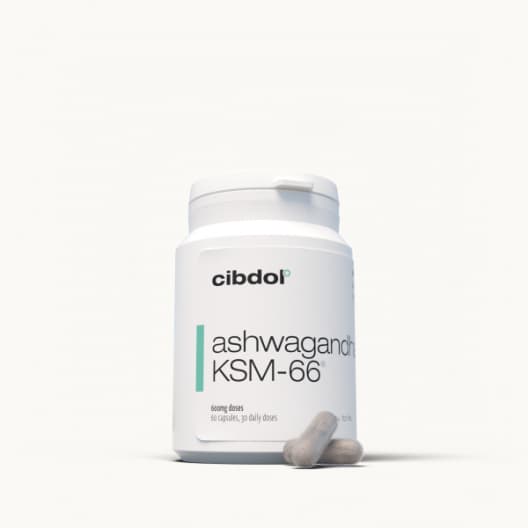

Ashwagandha KSM-66
Clinically studied KSM-66 ashwagandha extract for stress reduction and adrenal support.
- • KSM-66® branded extract
- • Highest concentration full-root extract
- • Reduces cortisol and stress
Disclosure: We may earn a commission if you purchase via these links.
Myth 6: "If I Take a Multivitamin, I'm Covered"
The multivitamin is the Swiss Army knife of supplements — it does many things, but few of them well.
The Kitchen-Sink Problem
Most multivitamins cram 20–30 ingredients into 1–2 capsules. Given the physical space constraints, this means many ingredients are present at sub-therapeutic doses. A multivitamin listing 50mg of magnesium is providing roughly 13% of the RDA — barely worth including.
Absorption Competition
When you swallow a multivitamin containing calcium, iron, zinc, and magnesium simultaneously, these minerals compete for the same intestinal transporters. The net result is reduced absorption of all of them compared to taking each separately at different times.
What Multivitamins Are Good For
Multivitamins serve as "nutritional insurance" — covering baseline requirements for people who may have dietary gaps. They are reasonable for:
- General population members who do not eat a varied diet
- Pregnant women (prenatal formulations)
- Elderly individuals with declining nutrient absorption
- Travellers with disrupted eating patterns
What Multivitamins Cannot Replace
They cannot provide therapeutic doses of individual nutrients. If you are magnesium-deficient, a multivitamin's 50mg will not resolve it — you need 200–400mg of a well-absorbed form. If you need high-dose omega-3 for inflammation, a multivitamin's 100mg fish oil is meaningless.
The practical approach: A good multivitamin covers the basics. Targeted individual supplements address specific needs. They are complementary, not interchangeable.
MADMONQ GREENS
Superfood powder with 77 nutrients — fruits, vegetables, vitamins, minerals, DigeZyme® digestive enzymes, and prebiotics. Each sachet delivers the equivalent of 1 serving of real vegetables and fruits using organic EU-grown ingredients. Includes Vitaberry® and Vitaveggie® proprietary blends, Spirulina, Kale, Broccoli, and Acai Berry.
- • 77 nutrients in one daily sachet
- • DigeZyme® enzymes for digestive support
- • Organic, EU-grown ingredients
Disclosure: We may earn a commission if you purchase via these links.
Myth 7: "Expensive Supplements Are Always Better"
Price is a signal, but not a reliable one. Some expensive supplements are worth every cent. Others are overpriced marketing exercises.
When Price Reflects Quality
Higher prices are justified when they reflect:
- Patented extracts with clinical evidence (KSM-66® ashwagandha, Meriva® curcumin, Magtein® magnesium L-threonate)
- Advanced delivery technology (genuine liposomal, phytosomal)
- Third-party testing for every batch (heavy metals, potency, microbial)
- Premium ingredient sourcing (European-manufactured, traceable supply chain)
- Bioavailable forms (ubiquinol vs ubiquinone, methylfolate vs folic acid)
When Price Is Just Marketing
Higher prices are not justified when they reflect:
- Fancy packaging without superior ingredients
- Celebrity endorsements or influencer partnerships
- "Proprietary blends" that hide underdosed ingredients behind impressive names
- Unnecessary ingredients (gold flakes in a vitamin, anyone?)
- Multi-level marketing (MLM) distribution — where the price covers the commissions of multiple levels of distributors
The Sweet Spot
The best value supplements are typically mid-priced products from brands that invest in ingredient quality, transparent labelling, and manufacturing certifications — but do not spend heavily on celebrity marketing or pyramid distribution structures.
Magnesium Citrate
Zamnesia Magnesium Citrate — 100% natural magnesium supplement providing 200mg magnesium per tablet (53% reference intake). Supports muscle and nerve function, reduces fatigue, contributes to normal psychological functioning and bone health. 100 tablets per bottle.
- • 200mg magnesium citrate per tablet — 53% reference intake
- • Reduces fatigue and supports normal energy metabolism
- • Supports muscle function, nerve function, and bone health
Disclosure: We may earn a commission if you purchase via these links.
Myth 8: "Supplements Work Immediately"
This myth creates unrealistic expectations that lead people to abandon effective supplements too early.
Adaptation Timelines
| Supplement | Time to Noticeable Effects | Why |
|---|---|---|
| Ashwagandha | 4–8 weeks | HPA axis recalibration is gradual; Chandrasekhar et al. (2012) measured effects at 60 days |
| Vitamin D (correcting deficiency) | 2–3 months | Loading phase + tissue saturation takes time |
| Magnesium | 1–4 weeks | Depends on severity of depletion; sleep benefits often noticed within 1–2 weeks |
| Omega-3 | 6–12 weeks | Cell membrane incorporation takes time; anti-inflammatory effects build gradually |
| Probiotics | 2–4 weeks | Microbiome remodelling is not instant |
| Creatine | 2–4 weeks (with loading) | Muscle creatine saturation takes approximately 28 days at 3–5g/day |
| Bacopa Monnieri | 8–12 weeks | Memory and cognitive effects require chronic use; Stough et al. (2001) measured at 12 weeks |
| Iron (correcting deficiency) | 2–3 months | Red blood cell turnover takes approximately 120 days |
| Caffeine + L-Theanine | 30–60 minutes | Acute effects; an exception to the general rule |
| Melatonin | 30–60 minutes | Acute effects; another exception |
The Patience Principle
Most supplements that require weeks or months to show effects are working through systemic, structural, or hormonal changes — not producing an acute pharmacological "hit." Ashwagandha recalibrates the HPA axis. Omega-3 incorporates into cell membranes. Vitamin D saturates tissue stores. These processes cannot be rushed.
Practical advice: Give any new supplement at least 6–8 weeks (adaptogens) or 2–3 months (vitamins, minerals, omega-3) before evaluating efficacy. Acute-effect supplements like caffeine or melatonin are exceptions.
Myth 9: "You Don't Need Supplements if You're Young and Healthy"
Youth does not protect against nutrient deficiency. Several factors make supplementation relevant even for healthy 20- and 30-somethings.
Vitamin D Deficiency Hits All Ages
A 2019 study published in the European Journal of Clinical Nutrition found that 40% of European adults aged 18–39 had insufficient vitamin D levels (below 50 nmol/L), with the highest rates in Northern Europe during winter. Being young does not generate UVB sunlight at latitudes above 37°N.
Stress Depletes Key Nutrients
Chronic stress — common in university students, early-career professionals, and new parents — increases magnesium excretion, depletes B vitamins (which are cofactors in the stress response), and raises demand for vitamin C (consumed by adrenal cortisol production).
The modern lifestyle of high stress, poor sleep, processed food, and limited sun exposure creates nutrient demands that often exceed dietary supply — regardless of age.
Preventive vs Reactive Supplementation
Waiting until you are symptomatic to address deficiencies means waiting until damage has already occurred. Correcting severe vitamin D deficiency takes months. Rebuilding depleted iron stores takes 3–6 months. Proactive, evidence-based supplementation is a legitimate preventive health strategy.
The balanced view: Not every young person needs supplements. But blanket dismissal based on age ignores the evidence of widespread deficiency across all age groups.
Myth 10: "Supplement Companies Are All Scams"
Supplement cynicism is understandable — the industry has its share of bad actors. But dismissing all supplementation as fraudulent ignores decades of robust evidence.
What the Evidence Actually Supports
The scientific evidence for supplementation is not uniformly strong, but it is not uniformly weak either. A more accurate picture:
| Evidence Level | Supplements |
|---|---|
| Strong evidence of benefit (multiple RCTs, meta-analyses, Cochrane reviews) | Vitamin D for deficient populations, omega-3 for cardiovascular risk, folic acid in pregnancy, iron for deficiency anaemia, probiotics for antibiotic-associated diarrhoea |
| Good evidence of benefit (RCTs with consistent findings) | Magnesium for sleep and blood pressure, ashwagandha for stress/cortisol, creatine for strength and cognition, CoQ10 with statins |
| Promising but preliminary (limited RCTs, strong mechanistic rationale) | NMN for NAD+, spermidine for autophagy, lion's mane for nerve growth factor |
| Insufficient evidence / overhyped | Most "detox" supplements, colloidal silver, homeopathic preparations, mega-dose antioxidants |
How to Identify Trustworthy Brands
- ✅ Transparent labelling (no proprietary blends)
- ✅ Third-party testing with published COAs
- ✅ GMP/ISO/HACCP certified manufacturing
- ✅ Use of clinically studied forms and standardised extracts
- ✅ Appropriate dosing (clinical doses, not pixie-dusted)
- ✅ Evidence-based health claims only
- ✅ Clear company information and contact details
The bottom line: The supplement industry includes both exceptional companies and cynical profiteers. Dismissing all supplements is as irrational as accepting all of them. The skill is in discernment — which is what our Smart Supplements 101 guide is designed to develop.
How to Be a Smart Supplement Consumer
Having debunked the myths, here is a positive framework for evidence-based supplementation:
1. Start With Deficiency Testing
Blood tests for vitamin D, B12, ferritin (iron stores), and magnesium (though serum magnesium is a poor marker) provide a rational starting point. Supplement what you are deficient in, not what an influencer recommends.
2. Use the Evidence Hierarchy
Not all evidence is equal:
- Systematic reviews and meta-analyses (strongest)
- Randomised controlled trials (RCTs)
- Cohort and observational studies
- Animal and in vitro studies
- Traditional use and anecdotal reports (weakest)
Resources like Examine.com, PubMed, and the Cochrane Library help you evaluate the evidence tier for any supplement.
3. Prioritise Form Over Dose
As myth #5 illustrated, the form of a supplement often matters more than the total milligrams. Choose well-absorbed forms even if they cost more per bottle — they are usually cheaper per effective dose.
4. Introduce One at a Time
Adding five supplements simultaneously makes it impossible to identify which one is responsible for any benefit (or side effect). Introduce one new supplement every 2–4 weeks, note any changes, then decide whether to continue.
5. Consult Healthcare Professionals
Particularly if you take prescription medications, have a chronic condition, or are pregnant/breastfeeding. The interactions between supplements and medications are real — our drug interactions guide covers the most important ones.
6. Review Regularly
Not every supplement you start needs to continue indefinitely. Review your regimen quarterly. If a supplement is not providing noticeable benefit after a reasonable trial period, it may not be worth the ongoing cost.

Frequently Asked Questions
Do supplements actually work?
Some do, with strong clinical evidence. Others do not, or lack sufficient evidence to know. The answer depends entirely on the specific supplement, the dose, the form, and the condition being addressed. Vitamin D for deficiency has excellent evidence. "Detox" supplements have essentially none. Evaluate each supplement individually against the evidence.
Are European supplements better than American ones?
Not necessarily at the individual product level — quality varies within both markets. However, the EU regulatory framework provides stronger consumer protections overall, particularly regarding health claims, novel food requirements, and manufacturing standards. A well-made US supplement can be excellent; a poorly-made EU one can be substandard.
How do I know if a supplement is right for me?
Start with blood testing to identify actual deficiencies. Consider your diet, lifestyle (stress, sleep, exercise), life stage (pregnancy, ageing), and any medications. Consult a healthcare professional. Do not supplement based solely on social media recommendations.
Is it possible to take too many supplements?
Yes. Polypharmacy with supplements carries the same risks as polypharmacy with medications — increased interaction risk, cumulative effects on liver metabolism, and potential for exceeding safe upper limits when multiple products contain the same ingredient. More supplements is not better; targeted supplementation is.
Are "natural" supplements safer than synthetic ones?
Not inherently. Some synthetic forms (folic acid) are less optimal than natural forms (methylfolate), but this is about bioavailability, not safety. Some natural substances (kava, ephedra, comfrey) are genuinely dangerous. And some synthetic forms are identical to natural ones at the molecular level. Judge each compound on its own evidence, not its marketing label.
Should I believe supplement reviews online?
Approach with healthy scepticism. Amazon and social media reviews are easily manipulated. Look for reviews from independent testing organisations (ConsumerLab, NSF) and evidence-based resources (Examine.com). User testimonials can provide real-world context but should never replace clinical evidence.
Disclaimer
This article is for informational purposes only and does not constitute medical advice. The information presented is based on published research, EU regulatory frameworks, and established pharmacological principles. Individual supplement needs vary based on diet, health status, medications, and other factors. Always consult a qualified healthcare professional before starting or modifying any supplement regimen.
The supplements discussed in this article are not intended to diagnose, treat, cure, or prevent any disease.
Related Articles
- Smart Supplements 101: A Beginner's Guide to Evidence-Based Supplementation
- How to Read a Supplement Label: What to Look For (and What to Avoid)
- Bioavailability Explained: Why How You Take a Supplement Matters More Than What You Take
- What Are Adaptogens? A Guide to Nature's Stress Fighters
- Supplement and Drug Interactions: What Your Doctor Might Not Tell You
Related topics
Where to buy
Affiliate linksUpfront Creatine
Straightforward creatine monohydrate at an unbeatable price. Clean formula, no nonsense.
- • Pure creatine monohydrate
- • Best price in NL (€8)
- • No fillers
Orangefit Protein
Plant-based protein shake made from yellow split peas. Complete amino acid profile, easy to digest, no artificial sweeteners. Available in multiple flavours.
- • 100% plant-based (yellow split peas)
- • Complete amino acid profile
- • No artificial sweeteners
Orangefit Protein Blend
Triple-source plant protein: yellow split peas, fava beans, and pumpkin. 24g protein + 5g BCAAs per shake, with turmeric and bioperine.
- • 24g protein per serving
- • 5g BCAAs included
- • Triple protein source
Upfront Crea PRO
Premium creatine formula with enhanced absorption. For athletes who want more from their creatine.
- • Enhanced absorption formula
- • Premium creatine
- • For serious athletes
Disclosure: We may earn a commission if you purchase via these links.
Related articles
Smart Supplements 101: A Beginner's Guide to Evidence-Based Supplementation
The supplement industry is worth over €200 billion globally — and a significant chunk of it is built on underdosed products and misleading labels. This is
The Daily Wellness Stack: Morning, Afternoon & Evening Supplements
A practical guide to building a daily supplement stack across three tiers (Foundation, Optimised, Premium) with morning/afternoon/evening timing protocols,
Best Wellness Supplements in Europe: A 2026 Buyer's Guide
An honest buyer's guide to the best wellness supplements available in Europe in 2026 — covering multivitamins, magnesium, omega-3, adaptogens, vitamin D, f