
Sleep Supplements vs Prescription Sleep Aids: A Complete Comparison
Written by Smart Supplements Editorial Team
Key takeaways
- Prescription sleep aids work faster but carry higher risks of dependency, side effects, and disrupted sleep architecture
- Natural supplements preserve sleep architecture, have minimal side effects, and carry virtually no dependency risk
- CBT-I outperforms both approaches long-term and is the recommended first-line treatment for chronic insomnia
- The optimal approach is layered: CBT-I first, supplements as support, prescription only as short-term bridge when needed
- Never stop prescription sleep medication abruptly — always taper gradually under medical supervision
Table of contents
- The Sleep Aid Spectrum
- How Prescription Sleep Aids Work
- How Natural Sleep Supplements Work
- Effectiveness Comparison
- Side Effect Profiles Compared
- Dependency and Withdrawal Risks
- Cost Comparison in Europe
- When Supplements Are Enough
- When You Need Prescription Help
- Transitioning from Prescription to Natural
- The Optimal Combined Approach
- Frequently Asked Questions
- Make an Informed Choice
You can't sleep. Your doctor offers a prescription. Your health-conscious friend swears by magnesium and CBD. The internet is full of strong opinions in both directions. So which is actually right — prescription sleep medications or natural supplements?
The honest answer: it depends entirely on your situation. This guide provides a balanced, evidence-based comparison of both approaches — not to push you toward either, but to help you make an informed decision with your healthcare provider.
The Sleep Aid Spectrum
Sleep interventions exist on a spectrum from lifestyle changes to pharmaceutical intervention. Understanding where each option falls helps you choose appropriately.
| Level | Intervention | When Appropriate | Evidence Level |
|---|---|---|---|
| 1. Lifestyle | Sleep hygiene, exercise, light management | Always (foundation for everything) | Strong |
| 2. Behavioural | CBT-I, relaxation training, sleep restriction | Chronic insomnia (first-line treatment) | Very strong |
| 3. Supplements | Magnesium, glycine, L-theanine, CBD, herbs | Mild-moderate insomnia, as CBT-I adjunct | Moderate |
| 4. OTC medications | Antihistamines (diphenhydramine, doxylamine) | Short-term, occasional insomnia | Moderate |
| 5. Prescription | Benzodiazepines, Z-drugs, orexin antagonists | Severe/acute insomnia, under medical supervision | Strong (short-term) |
The key principle: start at Level 1 and only move up as needed. Most people with insomnia can achieve meaningful improvement without ever reaching Level 5.
How Prescription Sleep Aids Work
Benzodiazepines
Examples: Temazepam (Restoril), nitrazepam (Mogadon), diazepam (Valium) Mechanism: Bind to GABA-A receptors, dramatically increasing inhibitory neural signalling Onset: 15–30 minutes Duration: 6–12 hours (varies by drug)
Pros: Fast, reliable, effective for acute insomnia Cons: High dependency risk (physical and psychological), tolerance develops within 2–4 weeks, severe withdrawal syndrome, disrupts sleep architecture (reduces deep sleep and REM), cognitive impairment, increased fall risk in elderly
Z-Drugs (Non-Benzodiazepine Hypnotics)
Examples: Zolpidem (Stilnox/Ambien), zopiclone (Imovane), eszopiclone (Lunesta), zaleplon (Sonata) Mechanism: Selectively bind GABA-A receptor subtypes (more targeted than benzodiazepines) Onset: 15–30 minutes Duration: 3–8 hours (varies; zaleplon is ultra-short)
Pros: Faster onset than benzodiazepines, less disruption to sleep architecture, shorter duration options available Cons: Still carry dependency risk (lower than benzodiazepines but real), associated with complex sleep behaviours (sleepwalking, sleep-driving, sleep-eating), next-day impairment, tolerance possible
Orexin Receptor Antagonists (DORAs)
Examples: Suvorexant (Belsomra), lemborexant (Dayvigo) Mechanism: Block orexin receptors — the neurotransmitters that promote wakefulness Onset: 30 minutes Duration: 6–8 hours
Pros: Newer mechanism with potentially lower dependency risk, preserves sleep architecture better, effective for sleep maintenance Cons: Expensive, potential next-day drowsiness, limited long-term data, possible sleep paralysis
Melatonin Receptor Agonists
Examples: Ramelteon (Rozerem), tasimelteon (Hetlioz) Mechanism: Activate MT1 and MT2 melatonin receptors (mimic melatonin) Onset: 30–60 minutes Duration: 4–6 hours
Pros: No dependency risk, no abuse potential, preserves sleep architecture, specifically targets circadian mechanism Cons: Modest efficacy for general insomnia, most effective for circadian disorders, not as powerful as GABA drugs
Low-Dose Antidepressants
Examples: Trazodone, doxepin (Silenor), amitriptyline (low-dose) Mechanism: Varies — serotonin modulation, histamine blocking Onset: 30–60 minutes Duration: 6–8 hours
Pros: Low abuse potential, can address comorbid depression/anxiety, long-term safety data Cons: Side effects (weight gain, dry mouth, morning sedation), may not be appropriate for non-depressed insomniacs
How Natural Sleep Supplements Work
Natural supplements operate through fundamentally different mechanisms than prescription drugs. Rather than forcefully altering brain chemistry, they generally support and enhance your body's existing sleep systems.
Mechanism Comparison
| Supplement | Primary Mechanism | Speed | Intensity |
|---|---|---|---|
| Magnesium | GABA activation, muscle relaxation | Moderate (days) | Gentle |
| Glycine | Core temperature reduction via vasodilation | Fast (same night) | Moderate |
| L-theanine | Alpha brain waves, GABA synthesis | Fast (30–40 min) | Gentle |
| Melatonin (OTC) | Circadian rhythm signalling | Fast (30–60 min) | Moderate |
| CBD | ECS modulation, serotonin receptor activation | Moderate (15–60 min) | Moderate |
| Valerian | GABA-A receptor binding (gentle) | Slow (2–4 weeks) | Gentle-moderate |
| Passionflower | GABA-A modulation via chrysin | Fast (30–60 min) | Gentle |
| Ashwagandha | Cortisol reduction, HPA axis modulation | Slow (2–4 weeks) | Moderate |
For detailed guides on each supplement, explore our best natural sleep supplements overview.
Effectiveness Comparison
Head-to-Head Evidence
Direct comparisons between supplements and prescription medications are rare, but we can draw conclusions from the broader evidence base.
| Measure | Prescription (Benzodiazepines/Z-drugs) | Natural Supplements | Winner |
|---|---|---|---|
| Sleep onset reduction | 10–20 min faster (strong evidence) | 5–15 min faster (moderate evidence) | Prescription |
| Total sleep time increase | 30–60 min (strong evidence) | 15–45 min (moderate evidence) | Prescription (slightly) |
| Subjective sleep quality | Significant improvement (short-term) | Significant improvement (builds over time) | Tie (different timeframes) |
| Sleep architecture preservation | Disrupted (less deep sleep, altered REM) | Preserved or improved | Supplements |
| Next-day function | Often impaired (cognitive, psychomotor) | Usually improved or neutral | Supplements |
| Long-term efficacy | Declines with tolerance (weeks-months) | Maintained or improved over time | Supplements |
| Rebound insomnia upon stopping | Common and sometimes severe | Not reported | Supplements |
The Nuance
Prescription medications are more powerful in the short term — if you need to sleep tonight, a Z-drug will probably outperform magnesium. But supplements are more sustainable — they don't lose effectiveness over time and don't create a dependency that makes stopping difficult.

Side Effect Profiles Compared
Prescription Sleep Aid Side Effects
| Side Effect | Benzodiazepines | Z-Drugs | Orexin Antagonists |
|---|---|---|---|
| Next-day drowsiness | Very common | Common | Moderate |
| Cognitive impairment | Common | Common (complex behaviours) | Rare |
| Falls (elderly) | High risk | Moderate risk | Low risk |
| Memory impairment | Common | Common (amnesia) | Rare |
| Complex sleep behaviours | Rare | Reported (sleepwalking, driving) | Rare |
| GI disturbance | Moderate | Moderate | Low |
| Paradoxical reactions | Rare (agitation, aggression) | Rare | Very rare |
| Respiratory depression | Risk (especially with alcohol) | Lower risk | Very low |
Natural Supplement Side Effects
| Supplement | Common Side Effects | Serious Side Effects |
|---|---|---|
| Magnesium | Loose stools (citrate form) | Rare (very high doses only) |
| Glycine | Virtually none | None reported |
| L-theanine | None at standard doses | None reported |
| Melatonin (OTC) | Morning grogginess (high doses), vivid dreams | None reported |
| CBD | Dry mouth, mild drowsiness | CYP450 drug interactions |
| Valerian | Occasional headache, GI upset | None reported |
| Passionflower | Rare mild drowsiness | None reported |
| Ashwagandha | Mild GI discomfort (5–10%) | Thyroid interaction, immune stimulation |
The Clear Difference
The side effect gap between prescriptions and supplements is one of the most dramatic differences in this comparison. Prescription sleep aids carry genuine risks — particularly around dependency, cognitive impairment, and fall risk in older adults. Supplements carry minimal risk at standard doses, with most side effects being mild and self-limiting.
Dependency and Withdrawal Risks
This is arguably the most important factor in the comparison.
Prescription Dependency
| Drug Class | Physical Dependency Risk | Psychological Dependency Risk | Withdrawal Severity | Withdrawal Timeline |
|---|---|---|---|---|
| Benzodiazepines | High | High | Severe (can be dangerous) | Days to months |
| Z-drugs | Moderate | Moderate-high | Moderate | Days to weeks |
| Orexin antagonists | Low | Low | Mild | Days |
| Melatonin agonists | None | Very low | None | N/A |
Benzodiazepine Withdrawal
Benzodiazepine withdrawal can be medically dangerous — severe cases can cause seizures, psychosis, and in rare instances, death. Withdrawal should always be medically supervised with a gradual taper over weeks to months. This is one of the strongest arguments against using benzodiazepines for chronic insomnia.
Z-Drug Withdrawal
Z-drug withdrawal is typically less severe than benzodiazepine withdrawal but still unpleasant: rebound insomnia, anxiety, tremor, and sweating are common. Medical supervision during tapering is recommended.
Supplement Dependency
No natural sleep supplement in this guide has demonstrated physical or psychological dependency. This includes:
- No tolerance development (maintaining effectiveness over time)
- No withdrawal symptoms upon discontinuation
- No rebound insomnia when stopping
- No dose escalation needed
This is a fundamental advantage of the supplement approach for long-term sleep management.
Cost Comparison in Europe
| Treatment | Monthly Cost (Approximate) | Insurance Coverage | Notes |
|---|---|---|---|
| CBT-I (digital) | €0–40/month | Sometimes | Apps like Sleepstation, Sleepio |
| CBT-I (in-person) | €80–300/month (4–8 sessions total) | Often covered | Gold standard treatment |
| Magnesium glycinate | €8–15 | No | Very affordable foundation |
| L-theanine | €10–20 | No | Moderate cost |
| CBD oil (mid-range) | €30–60 | No | More expensive |
| Melatonin (OTC) | €5–15 | No | Inexpensive |
| Zolpidem (generic) | €10–25 (with prescription) | Usually covered | Requires GP visit |
| Zopiclone (generic) | €8–20 (with prescription) | Usually covered | Requires GP visit |
| Suvorexant | €80–120 (with prescription) | Variable | Newest, most expensive |
Long-Term Cost Analysis
| Approach | Year 1 Cost | Year 5 Cost | Notes |
|---|---|---|---|
| Supplements only | €150–400 | €750–2,000 | Consistent, no escalation |
| Prescription only | €120–300 + GP visits | €600–1,500 + GP visits | May need dose increases |
| CBT-I + supplements | €200–600 (CBT-I front-loaded) | €750–2,000 | CBT-I costs concentrated in first 8–12 weeks |
| CBT-I + occasional Rx | €300–700 (CBT-I front-loaded) | €500–1,000 | Minimal ongoing Rx needed |
The most cost-effective long-term strategy is CBT-I + supplements — CBT-I addresses root causes (reducing ongoing need), while supplements provide physiological support at modest cost.
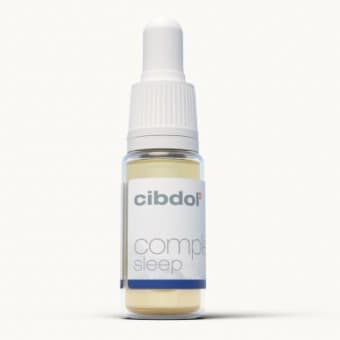

Complete Sleep
CBD, CBN, chamomile, lavender — no melatonin. All-in-one sleep support.
- • CBD + CBN + botanicals
- • No melatonin
- • 10ml or 30ml
Disclosure: We may earn a commission if you purchase via these links.
When Supplements Are Enough
Supplements are likely sufficient when:
- Your insomnia is mild to moderate (difficulty sleeping 2–3 nights per week)
- There's an identifiable cause (stress, travel, schedule change, nutritional deficiency)
- You sleep well on holidays or when relaxed (suggesting behavioural/environmental factors)
- Your insomnia is recent (weeks to a few months, not years)
- You have no underlying medical conditions contributing to insomnia
- You're willing to combine supplements with lifestyle changes (sleep hygiene, stress management)
Best First-Line Supplements
| Your Situation | Start With | Why |
|---|---|---|
| General poor sleep | Magnesium glycinate (300 mg) | Corrects common deficiency, broad mechanism |
| Racing thoughts at bedtime | L-theanine (200 mg) + magnesium | Calms mental hyperactivity |
| Stress-related insomnia | Ashwagandha (600 mg/day) + magnesium | Addresses cortisol root cause |
| Can't fall asleep | Glycine (3g) + low-dose melatonin (0.5 mg) | Temperature + circadian signalling |
| Wake during the night | CBD (25 mg) + magnesium (400 mg) | Anti-anxiety + GABA + muscle relaxation |
Super Sleep
Zamnesia Super Sleep — a fast-acting liposomal sleep formula combining golden-grade CBD (75mg total), melatonin, and liposomal delivery for enhanced absorption. All-natural ingredients from European organic hemp with no detectable THC. 30ml dropper bottle, take before bed.
- • Fast-acting liposomal formula for enhanced CBD absorption
- • Golden-grade CBD + melatonin — dual-action sleep support
- • All-natural ingredients, no detectable THC
Disclosure: We may earn a commission if you purchase via these links.
For detailed supplement selection guidance, see our insomnia supplements guide.
When You Need Prescription Help
Prescription sleep medications may be appropriate when:
- Insomnia is severe and acute (total sleep deprivation affecting safety or health)
- You need immediate relief while CBT-I or supplements take effect (bridge therapy)
- An underlying condition (sleep apnoea, restless leg syndrome, chronic pain) requires medical treatment
- Insomnia is secondary to a psychiatric condition (depression, PTSD, bipolar disorder) that needs pharmacological management
- You've tried CBT-I + supplements for 8+ weeks without adequate improvement
- Your insomnia is endangering yourself or others (e.g., driving impairment, job safety)
Prescription Best Practices
If you and your doctor decide on prescription sleep medication:
- Use the lowest effective dose
- Plan for short-term use (2–4 weeks ideally, rarely more than 12 weeks)
- Combine with CBT-I to address root causes while medication provides relief
- Plan the taper from the start — know how you'll eventually come off the medication
- Avoid benzodiazepines if possible — newer options (orexin antagonists, melatonin agonists) have better risk profiles
- Never combine with alcohol — this can cause dangerous respiratory depression
Transitioning from Prescription to Natural
If you're currently on prescription sleep medication and want to explore natural alternatives, this must be done gradually and under medical supervision.
Why You Can't Just Stop
Abruptly stopping benzodiazepines or Z-drugs can cause:
- Severe rebound insomnia (worse than your original insomnia)
- Anxiety and panic attacks
- Tremors and sweating
- Seizures (benzodiazepine withdrawal, in severe cases)
A Sample Transition Framework
Note: This is illustrative only. Your doctor will create a personalised plan.
| Phase | Duration | Prescription | Supplements | CBT-I |
|---|---|---|---|---|
| 1. Foundation | Weeks 1–2 | Full dose | Add magnesium + L-theanine | Begin programme |
| 2. Stabilise | Weeks 3–4 | Full dose | Add CBD or glycine | Continue |
| 3. First reduction | Weeks 5–8 | Reduce by 25% | Maintain supplement stack | Continue |
| 4. Second reduction | Weeks 9–12 | Reduce by another 25% | Adjust supplements as needed | Continue |
| 5. Third reduction | Weeks 13–16 | Reduce to 25% of original | Full supplement protocol | Maintenance |
| 6. Final taper | Weeks 17–20+ | Taper to zero | Supplement protocol | Maintenance |
Key Principles
- Never rush — slow tapers (over months) are safer and more comfortable than fast ones
- One change at a time — don't reduce medication and change supplements simultaneously
- Track sleep quality throughout with a diary
- Accept temporary setbacks — some nights will be worse during transition; this is normal
- Your doctor is your partner — keep them informed of every change

The Optimal Combined Approach
For most people with insomnia, the evidence supports a layered approach:
Layer 1: Foundation (Always)
- Sleep hygiene optimisation
- Light management
- Exercise (morning or afternoon)
- Stress management
Layer 2: Behavioural (First-Line Treatment)
- CBT-I (digital or in-person)
- Sleep restriction therapy
- Stimulus control
Layer 3: Nutritional/Supplement (Ongoing Support)
- Correct magnesium deficiency
- Targeted supplements based on insomnia type
- Herbal support (valerian, passionflower, chamomile)
Layer 4: Pharmacological (When Needed, Short-Term)
- Prescription medications for acute crises
- Bridge therapy while CBT-I takes effect
- Medical management of underlying conditions
This approach uses the minimum intervention necessary at each stage, preserving prescription medications for situations where gentler approaches are genuinely insufficient.
For the complete supplement selection guide, see our best natural sleep supplements.
Frequently Asked Questions
Are natural sleep supplements as effective as prescription sleep aids?
For mild-to-moderate insomnia, supplements can be comparably effective — with fewer side effects and no dependency risk. For severe acute insomnia, prescription medications are more powerful in the short term. Long-term, supplements maintain their effectiveness while prescription medications often lose efficacy due to tolerance.
Can I take supplements and prescription sleep medication at the same time?
Some combinations are safe, but you should always discuss with your doctor first. CBD in particular can interact with many medications through CYP450 enzyme inhibition. Magnesium, glycine, and L-theanine are generally safe alongside prescription sleep aids at standard doses.
Why doesn't my doctor recommend supplements?
Many doctors receive limited training in nutritional supplementation. Additionally, supplements have less rigorous clinical trial data compared to pharmaceuticals. This doesn't mean supplements don't work — it means the evidence base is structured differently. Consider a doctor with integrative medicine training for a more supplement-informed perspective.
What is better for long-term use: supplements or prescription sleep aids?
Supplements are clearly better for long-term use. They don't cause tolerance, dependency, or withdrawal. Prescription sleep aids (especially benzodiazepines and Z-drugs) are explicitly recommended for short-term use only. For long-term insomnia management, CBT-I + supplements is the evidence-based standard.
Can supplements help me get off sleeping pills?
Supplements can be part of a medically supervised tapering plan. They provide alternative sleep support as prescription doses are gradually reduced. However, this process should always be guided by your healthcare provider — never attempt to replace prescription sleep medication with supplements on your own.
Is melatonin a supplement or a medication in Europe?
It's both, depending on the dose and country. In most EU countries, low-dose melatonin (0.5–2 mg) is available as a food supplement. Higher doses or prolonged-release formulations (like Circadin 2 mg PR) are classified as prescription medications. See our sleep supplements in Europe guide for country-by-country details.
What should I try first if I can't sleep?
Start with sleep hygiene improvements and magnesium supplementation — these address the most common modifiable factors. If that's insufficient after 2 weeks, add CBT-I. If you need faster relief while CBT-I takes effect, L-theanine and glycine provide same-night support without sedation. See our sleep hygiene guide for the foundation.
Make an Informed Choice
The supplements-vs-prescription debate isn't really a debate at all — it's a spectrum of tools, each appropriate for different situations. The vast majority of people with insomnia can achieve meaningful improvement through lifestyle changes, CBT-I, and targeted supplementation. Prescription medications serve a genuine purpose for severe or acute cases, but they're best used as short-term bridges rather than long-term solutions.
Whatever path you choose, make it an informed decision in partnership with your healthcare provider. Explore our best natural sleep supplements guide for detailed supplement recommendations, our insomnia supplements guide for type-specific protocols, and our sleep supplement stack guide for evidence-based combinations.
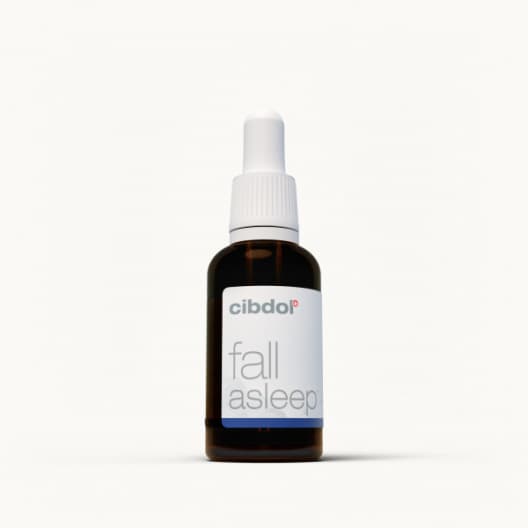
Fall Asleep (Meladol)
Liposomal CBD + melatonin for faster sleep onset.
- • CBD + melatonin
- • Liposomal formula
- • 30ml bottle
Disclosure: We may earn a commission if you purchase via these links.

This article is for informational purposes only and does not constitute medical advice. Never stop or modify prescription medication without consulting your healthcare provider. If you experience severe insomnia, depression, or thoughts of self-harm, seek professional help immediately.
Last updated: March 2026 | Author: Smart Supplements Editorial Team
Related topics
Where to buy
Affiliate linksMADMONQ ZEN PLUS
Advanced evening drink for sleep and stress recovery — without melatonin or sedatives. Six natural ingredients: Cyracos® (600mg lemon balm extract), Saffron, Magnesium (170mg elemental), Chamomile, L-Theanine, and Myo-Inositol. Dissolve in hot water 30–60 minutes before bed. Zero morning fog, no habit-forming ingredients. 28 sachets per pack.
- • Cyracos® lemon balm — clinically studied for sleep quality
- • No melatonin — zero morning grogginess or dependency
- • Saffron + Chamomile for natural relaxation
Super Sleep
Zamnesia Super Sleep — a fast-acting liposomal sleep formula combining golden-grade CBD (75mg total), melatonin, and liposomal delivery for enhanced absorption. All-natural ingredients from European organic hemp with no detectable THC. 30ml dropper bottle, take before bed.
- • Fast-acting liposomal formula for enhanced CBD absorption
- • Golden-grade CBD + melatonin — dual-action sleep support
- • All-natural ingredients, no detectable THC
Solid Sleep
Zamnesia Solid Sleep — a multi-compound sleep capsule combining CBD (12.5mg), CBN (12.5mg), hops (50mg), and Griffonia simplicifolia (167mg, 30% 5-HTP) per capsule. Designed for deep, uninterrupted sleep with effects in approximately 20 minutes. 30 plant-based HPMC capsules per bottle.
- • CBD + CBN + hops + 5-HTP — four-compound sleep formula
- • Promotes deep, uninterrupted sleep
- • Fast-acting — effects in approximately 20 minutes
Dream Gummies Cherry
Zamnesia Dream Gummies Cherry — vegan sleep gummies combining valerian root extract (25mg, 10:1), passionflower extract (20mg, 10:1), and melatonin (0.29mg) per gummy. Delicious cherry flavour with natural colouring. 60 gummies per tub. Take one gummy 45 minutes before bed.
- • Valerian + passionflower + melatonin — herbal sleep gummies
- • Vegan-friendly pectin-based formula, no gelatine
- • Delicious cherry flavour with natural colouring
Disclosure: We may earn a commission if you purchase via these links.
Related articles
Best Supplements for Insomnia: Evidence-Based Guide
Find the best supplements for insomnia matched to your sleep pattern. Evidence-based guide covering sleep-onset, maintenance, and stress-related insomnia w
Sleep Supplements for Shift Workers: Survive and Thrive on Any Schedule
The definitive supplement guide for shift workers. Learn melatonin timing protocols by shift type, the best supplements for daytime sleep, and how to combi
Sleep Supplements for Anxiety: Calm Your Mind, Improve Your Sleep
Find the best supplements that target both anxiety and sleep simultaneously. Evidence-based guide covering GABAergic supplements, adaptogens, and CBD with