
Best Supplements for Insomnia: Evidence-Based Guide
Written by Smart Supplements Editorial Team
Key takeaways
- Insomnia has three distinct types — onset, maintenance, and early-morning waking — each responding to different supplements
- Sleep-onset insomnia responds best to glycine, melatonin, and L-theanine with fast-acting pre-sleep mechanisms
- Sleep-maintenance insomnia benefits from magnesium, CBD, and sustained-release formulas
- Stress-related insomnia requires adaptogens like ashwagandha that address cortisol and the HPA axis
- Supplements work best alongside CBT-I — cognitive behavioural therapy for insomnia — not as replacements
Table of contents
- Understanding Insomnia Types
- How Supplements Differ from Sleep Medications
- Best Supplements for Sleep-Onset Insomnia
- Best Supplements for Sleep-Maintenance Insomnia
- Best Supplements for Stress-Related Insomnia
- When to See a Doctor About Insomnia
- CBT-I + Supplements: The Combined Approach
- Building Your Insomnia Supplement Protocol
- What the Research Says: Evidence Ratings by Supplement
- Frequently Asked Questions
- Take Action Tonight
There's a difference between a few rough nights and actual insomnia. If you've been lying awake for 30+ minutes most nights, waking at 3 AM unable to fall back asleep, or dragging through days in a fog of exhaustion for weeks on end — you're dealing with something that generic "sleep better" advice won't fix.
Insomnia affects roughly 10–15% of European adults chronically and up to 30% intermittently. The good news: targeted supplements can meaningfully improve specific types of insomnia when matched to the right mechanism. The key word is "targeted" — because insomnia isn't one condition, it's at least three.
Understanding Insomnia Types
Not all insomnia is the same. Identifying your pattern is the first step to choosing the right supplement.
Sleep-Onset Insomnia
Pattern: You can't fall asleep. You lie in bed for 30+ minutes, mind racing or body restless, unable to initiate sleep.
Root causes: Anxiety, circadian misalignment, insufficient sleep pressure, elevated cortisol, hyperarousal
Supplement targets: Compounds that promote relaxation, lower body temperature, or signal the circadian system
Sleep-Maintenance Insomnia
Pattern: You fall asleep fine but wake up during the night — often between 2–4 AM — and struggle to return to sleep.
Root causes: Blood sugar fluctuations, pain/inflammation, hormonal shifts (especially perimenopause), GABA deficiency, sleep apnoea
Supplement targets: Sustained-release compounds, GABA modulators, anti-inflammatories, and minerals that support continuous sleep architecture
Early-Morning Waking Insomnia
Pattern: You wake up at 4–5 AM, well before your alarm, and cannot fall back asleep despite feeling tired.
Root causes: Depression, cortisol rhythm dysfunction, advanced circadian phase, light exposure issues
Supplement targets: Compounds that support the late-sleep cortisol curve and REM stability
Mixed Insomnia
Many people experience a combination of these patterns. If that's you, a multi-ingredient approach targeting several mechanisms simultaneously often works best.
| Insomnia Type | When It Hits | Primary Mechanism | First-Line Supplements |
|---|---|---|---|
| Sleep onset | Bedtime (30+ min to sleep) | Hyperarousal, anxiety | Glycine, L-theanine, melatonin |
| Sleep maintenance | 2–4 AM wakings | GABA deficit, inflammation | Magnesium, CBD, valerian |
| Early morning | 4–5 AM (can't return) | Cortisol dysregulation | Ashwagandha, phosphatidylserine |
| Mixed | Multiple patterns | Multiple pathways | Multi-ingredient stacks |
How Supplements Differ from Sleep Medications
Understanding this distinction is critical for setting realistic expectations.
Prescription Sleep Medications
| Drug Class | Examples | Mechanism | Onset | Dependency Risk |
|---|---|---|---|---|
| Benzodiazepines | Temazepam, nitrazepam | GABA-A agonist | Fast (15–30 min) | High |
| Z-drugs | Zolpidem, zopiclone | GABA-A subtype selective | Fast (15–30 min) | Moderate |
| Orexin antagonists | Suvorexant, lemborexant | Orexin receptor blocking | Moderate (30 min) | Low |
| Antihistamines | Doxepin (low-dose) | H1 receptor blocking | Moderate | Low |
Supplements: A Different Paradigm
Supplements typically:
- Work more gradually — effects build over days to weeks rather than minutes
- Address root causes rather than overriding brain chemistry
- Have minimal dependency risk — no tolerance, withdrawal, or rebound insomnia
- Preserve natural sleep architecture — your sleep stages remain normal
- Have fewer side effects — no next-day impairment at proper doses
- Can be combined safely — stacking multiple supplements is generally safe
The trade-off: supplements rarely produce the immediate "knockout" effect of prescription sleep aids. They're a longer-term strategy for sustainable sleep improvement.
Best Supplements for Sleep-Onset Insomnia
If your primary issue is taking too long to fall asleep, these supplements target the mechanisms that initiate sleep.
Glycine (3,000 mg)
How it helps onset: Glycine lowers core body temperature through peripheral vasodilation — mimicking the natural temperature drop that triggers sleep onset. It also modulates NMDA receptors in the suprachiasmatic nucleus.
Evidence: Multiple double-blind studies show glycine shortens sleep onset latency and accelerates transition to deep sleep (Inagawa et al., 2006; Bannai et al., 2012).
Timing: 30–60 minutes before bed Onset of effect: Same night (acute mechanism)
For the full deep dive, see our glycine for sleep guide.
L-Theanine (200 mg)
How it helps onset: Promotes alpha brain wave activity — the relaxed-but-alert state that transitions naturally into sleep. Reduces the mental hyperarousal that keeps onset-insomnia sufferers awake.
Evidence: Hidese et al. (2019) demonstrated improved sleep quality scores. Kim et al. (2019) found reduced sleep latency in boys with ADHD — suggesting efficacy for hyperactive minds.
Timing: 30–60 minutes before bed Onset of effect: Same night
Low-Dose Melatonin (0.3–1 mg)
How it helps onset: Signals the suprachiasmatic nucleus that it's time to initiate sleep. Most effective when circadian timing is disrupted.
Key point: Lower doses (0.3–0.5 mg) are often MORE effective than high doses (3–10 mg) for sleep onset. High doses can cause paradoxical wakefulness in some people.
Timing: 30–60 minutes before bed (or 2–3 hours for circadian shifting) Onset of effect: Same night
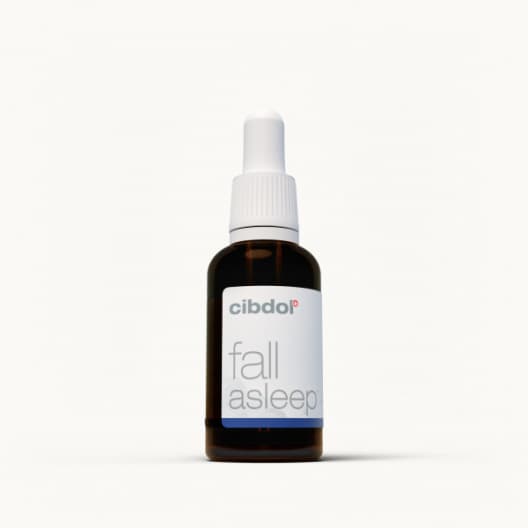

Fall Asleep (Meladol)
Liposomal CBD + melatonin for faster sleep onset.
- • CBD + melatonin
- • Liposomal formula
- • 30ml bottle
Disclosure: We may earn a commission if you purchase via these links.
Read our full melatonin dosage guide.
Best Supplements for Sleep-Maintenance Insomnia
If you fall asleep fine but wake up during the night, these supplements support sustained sleep.
Magnesium (300–400 mg)
How it helps maintenance: Activates GABA receptors for sustained inhibitory tone throughout the night. Relaxes muscles that might otherwise cause micro-arousals. Helps regulate blood sugar stability (glucose crashes trigger night wakings).
Evidence: Abbasi et al. (2012) found magnesium supplementation significantly improved sleep efficiency and reduced early morning awakening in elderly insomniacs.
Best form: Magnesium glycinate — slow absorption provides sustained levels through the night.
Timing: With dinner or 60 minutes before bed
Magnesium Citrate
Zamnesia Magnesium Citrate — 100% natural magnesium supplement providing 200mg magnesium per tablet (53% reference intake). Supports muscle and nerve function, reduces fatigue, contributes to normal psychological functioning and bone health. 100 tablets per bottle.
- • 200mg magnesium citrate per tablet — 53% reference intake
- • Reduces fatigue and supports normal energy metabolism
- • Supports muscle function, nerve function, and bone health
Disclosure: We may earn a commission if you purchase via these links.
See our comprehensive magnesium for sleep guide.
CBD Oil (25–50 mg)
How it helps maintenance: Reduces anxiety-driven micro-arousals, modulates pain that causes nighttime waking, and has anti-inflammatory effects that stabilise sleep architecture.
Evidence: Shannon et al. (2019) found that 66.7% of patients had improved sleep scores sustained over multiple months. CBD's effects on maintenance insomnia may be partly due to anxiety reduction and pain modulation.
Timing: 30–60 minutes before bed
5% CBN & 2.5% CBD Oil
Cibdol's CBN & CBD combination oil — 5% CBN (cannabinol) paired with 2.5% CBD. CBN is the cannabinoid most associated with sedation and sleep support, making this oil a strong choice for evening use and sleep quality improvement. Swiss-produced, third-party tested.
- • 5% CBN + 2.5% CBD — cannabinoid combination for sleep
- • CBN is the cannabinoid most associated with sedation and rest
- • Ideal for evening use and sleep quality support
Disclosure: We may earn a commission if you purchase via these links.
Our best CBD oil for sleep guide covers product selection in detail.
Valerian Root (300–600 mg)
How it helps maintenance: Binds GABA-A receptors with a slow, sustained profile. Unlike benzodiazepines, valerian doesn't suppress deep sleep — it may actually enhance slow-wave sleep duration.
Evidence: Meta-analyses show modest but consistent improvements, particularly with regular use over 2–4 weeks.
Timing: 30 minutes to 2 hours before bed

Valerian Root
Traditional European sleep herb — valerian root extract for improved sleep quality and relaxation.
- • Traditional European sleep herb
- • Promotes GABA activity
- • Non-habit forming
Disclosure: We may earn a commission if you purchase via these links.
Full evidence review: valerian root for sleep.

Best Supplements for Stress-Related Insomnia
If stress, anxiety, or rumination drive your insomnia, these supplements target the hypothalamic-pituitary-adrenal (HPA) axis.
Ashwagandha KSM-66 (300–600 mg)
How it helps: Directly reduces cortisol levels by up to 30%. Ashwagandha's triethylene glycol has independent sleep-inducing properties. Particularly effective when insomnia is driven by chronic stress, work pressure, or life transitions.
Evidence: Langade et al. (2019) — double-blind RCT showing significant improvements in sleep onset latency, total sleep time, and sleep quality (PSQI scores) with 300 mg KSM-66 twice daily.
Timeline: Noticeable within 2 weeks, full effects at 6–8 weeks Timing: 300 mg with breakfast + 300 mg with dinner, OR 600 mg in the evening
Passionflower (250–500 mg)
How it helps: Modulates GABA-A receptors through chrysin and related flavonoids. Clinically shown to be as effective as oxazepam (a benzodiazepine) for generalised anxiety — without cognitive impairment.
Evidence: Akhondzadeh et al. (2001) demonstrated comparable efficacy to prescription anxiolytics. Ngan & Conduit (2011) showed passionflower tea improved subjective sleep quality.
Timing: 30–60 minutes before bed (or as tea in the evening)
Passionflower Leaves
Dried Passionflower leaves (Passiflora incarnata) from Azarius — a well-researched calming herb used for anxiety, sleep and nervous tension. GABA-A modulating activity. Brew as tea or encapsulate.
- • Passiflora incarnata — well-researched anxiolytic herb
- • GABA-A modulating calming effect
- • Brew as tea or make your own capsules
Disclosure: We may earn a commission if you purchase via these links.
Phosphatidylserine (100–300 mg)
How it helps: Specifically blunts the cortisol response to stress. Particularly useful for early-morning waking driven by premature cortisol spikes.
Evidence: Studies show PS supplementation reduces cortisol response to physical and mental stress. The sleep application is extrapolated from this cortisol-blunting mechanism.
Timing: 100 mg with dinner
When to See a Doctor About Insomnia
Supplements are not appropriate for all insomnia. Consult a healthcare professional if:
- Insomnia persists for more than 3 months despite lifestyle and supplement interventions
- You experience loud snoring, gasping, or breathing pauses during sleep (possible sleep apnoea)
- Insomnia is accompanied by severe depression or anxiety
- You're using prescription sleep medications and want to transition to supplements
- You have restless leg syndrome or periodic limb movements
- Insomnia began after starting a new medication
- You experience excessive daytime sleepiness despite adequate time in bed
Insomnia can be a symptom of underlying medical conditions including sleep apnoea, thyroid disorders, chronic pain, and depression. A sleep specialist can identify these root causes.
CBT-I + Supplements: The Combined Approach
Cognitive Behavioural Therapy for Insomnia (CBT-I) is the gold-standard treatment for chronic insomnia — recommended as first-line therapy over medications by every major sleep medicine society. It works by restructuring the thoughts and behaviours that perpetuate insomnia.
Core CBT-I Components
| Technique | What It Does |
|---|---|
| Sleep restriction | Consolidates sleep by limiting time in bed to actual sleep time |
| Stimulus control | Re-associates the bed with sleep (not wakefulness, screens, worry) |
| Cognitive restructuring | Challenges catastrophic thoughts about sleep ("I'll never sleep again") |
| Sleep hygiene | Optimises environment, timing, and pre-sleep routine |
| Relaxation training | Progressive muscle relaxation, breathing exercises, body scans |
Why Supplements + CBT-I Is the Optimal Combination
- CBT-I addresses the behavioural and cognitive drivers of insomnia
- Supplements address the physiological drivers (nutrient deficiencies, neurotransmitter imbalances, inflammation)
- Together, they cover more of the insomnia picture than either alone
- Supplements can provide immediate relief while CBT-I effects build over 4–8 weeks
- CBT-I reduces the need for supplements long-term as behavioural patterns normalise
Access to CBT-I in Europe
- In-person: Available through sleep clinics and psychologists across the EU
- Digital CBT-I: Apps like Sleepstation (UK), Sleepio, and SomnoMedics provide guided programmes
- Self-guided: Books like "Say Good Night to Insomnia" by Gregg Jacobs offer evidence-based protocols
Building Your Insomnia Supplement Protocol
Step 1: Identify Your Insomnia Pattern
Track your sleep for 1–2 weeks using a simple sleep diary:
- What time did you get into bed?
- How long did it take to fall asleep? (onset)
- How many times did you wake up? (maintenance)
- What time did you wake for good? (early morning)
- How did you feel upon waking? (quality)
Step 2: Match Supplements to Your Pattern
Primarily onset insomnia:
| Supplement | Dose | Timing |
|---|---|---|
| Glycine | 3,000 mg | 30 min before bed |
| L-theanine | 200 mg | 60 min before bed |
| Low-dose melatonin | 0.5 mg | 30 min before bed |
Primarily maintenance insomnia:
| Supplement | Dose | Timing |
|---|---|---|
| Magnesium glycinate | 400 mg | With dinner |
| CBD oil | 25–50 mg | 30 min before bed |
| Valerian | 450 mg | 60 min before bed |
Primarily stress-related:
| Supplement | Dose | Timing |
|---|---|---|
| Ashwagandha KSM-66 | 600 mg | 300 mg AM + 300 mg PM |
| Passionflower | 500 mg | 60 min before bed |
| Magnesium glycinate | 300 mg | With dinner |
Complete Sleep
CBD, CBN, chamomile, lavender — no melatonin. All-in-one sleep support.
- • CBD + CBN + botanicals
- • No melatonin
- • 10ml or 30ml
Disclosure: We may earn a commission if you purchase via these links.
Step 3: Evaluate and Adjust
- Give each supplement 2–4 weeks before judging effectiveness
- Add one supplement at a time so you can identify what's working
- Keep your sleep diary to track objective improvements
- If no improvement after 4 weeks with a well-matched supplement, consult a sleep professional

What the Research Says: Evidence Ratings by Supplement
| Supplement | Evidence Level | Number of RCTs | Effect Size | Confidence |
|---|---|---|---|---|
| Melatonin (low-dose) | Strong | 20+ | Moderate (onset) | High |
| Magnesium | Strong | 5+ | Moderate (quality) | High |
| Ashwagandha (KSM-66) | Strong | 3+ | Large (stress-insomnia) | High |
| Glycine | Strong | 3 | Moderate (onset) | High |
| L-theanine | Moderate | 4+ | Small-moderate | Moderate |
| Valerian | Moderate | 15+ (variable quality) | Small-moderate | Moderate |
| CBD | Moderate | 3+ | Moderate (anxiety-insomnia) | Moderate |
| Passionflower | Moderate | 3+ | Moderate (anxiety) | Moderate |
| Tart cherry | Moderate | 3 | Moderate (time/efficiency) | Moderate |
| GABA (PharmaGABA) | Emerging | 2 | Small-moderate | Low-moderate |
| Reishi | Emerging | 1 (human) | Unknown | Low |
| Phosphatidylserine | Emerging | 2 (cortisol focus) | Small (cortisol) | Low |
How to Read This Table
- Strong evidence: Multiple well-designed RCTs with consistent results
- Moderate evidence: Some RCTs plus mechanistic support; results mostly positive
- Emerging evidence: Limited human data but strong mechanistic rationale
Frequently Asked Questions
What is the most effective supplement for insomnia?
It depends on your insomnia type. For sleep-onset insomnia, glycine (3g) has the strongest acute evidence. For stress-related insomnia, ashwagandha KSM-66 shows the largest effect sizes. For general sleep quality, magnesium is the most broadly effective. There's no single "best" — matching the supplement to your pattern is what matters.
Can supplements cure chronic insomnia?
Supplements can significantly improve insomnia symptoms, but "cure" requires addressing root causes. For chronic insomnia, the evidence strongly supports combining supplements with CBT-I (cognitive behavioural therapy for insomnia), which addresses the behavioural and cognitive patterns that perpetuate the condition.
Are insomnia supplements safe to take with prescription sleep medications?
Some combinations are safe, but you should always consult your doctor before combining supplements with prescription sleep aids. CBD, in particular, can interact with many medications through cytochrome P450 enzyme inhibition. Never stop prescribed medication without medical guidance.
How long do insomnia supplements take to work?
Fast-acting supplements (glycine, L-theanine, melatonin) can produce effects the first night. Adaptogens (ashwagandha, reishi) typically need 2–4 weeks. Herbal remedies (valerian, passionflower) improve with 2–4 weeks of consistent use. The full benefit of any protocol usually emerges within 4–8 weeks.
Should I take insomnia supplements every night?
For most supplements, nightly use during an insomnia episode is appropriate. Magnesium, glycine, and L-theanine are safe for indefinite daily use. For melatonin, periodic breaks (1 week off every 2–3 months) may help maintain sensitivity. Adaptogens are typically used in 8–12 week cycles.
What supplements help with 3 AM waking?
Middle-of-the-night waking often involves blood sugar fluctuations or GABA insufficiency. Magnesium glycinate (400 mg with dinner) addresses both pathways. CBD oil before bed may reduce anxiety-driven micro-arousals. If cortisol spikes are the cause, ashwagandha and phosphatidylserine taken earlier in the day can help.
Can I take melatonin with other insomnia supplements?
Yes. Low-dose melatonin (0.3–1 mg) combines safely with most supplements including magnesium, glycine, L-theanine, and valerian. Products like Cibdol Meladol combine melatonin with CBD in a single formula designed for this purpose.
Take Action Tonight
Start by identifying your insomnia pattern — then select the first-line supplement for that type. Don't try to fix everything at once. Pick one supplement, give it 2 weeks, and track your results.
For a broader view of sleep supplementation, explore our best natural sleep supplements guide, learn about melatonin-free alternatives, or read how to build a complete sleep supplement stack. And prioritise sleep hygiene — even the best supplement can't overcome a chaotic sleep environment.
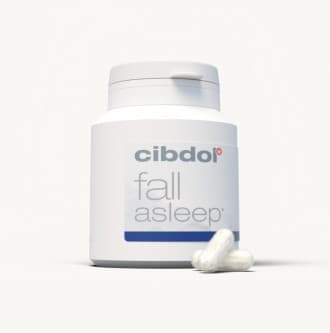
Fall Asleep Capsules
Meladol formula in capsule form. 30 capsules per tub.
- • CBD + melatonin
- • Easy to swallow
- • 30 capsules
Disclosure: We may earn a commission if you purchase via these links.

This article is for informational purposes only and does not constitute medical advice. Chronic insomnia may indicate underlying health conditions requiring professional evaluation. Always consult a qualified healthcare professional before starting any new supplement, especially if you take medications or have existing health conditions.
Last updated: March 2026 | Author: Smart Supplements Editorial Team
Related topics
Where to buy
Affiliate linksMADMONQ ZEN PLUS
Advanced evening drink for sleep and stress recovery — without melatonin or sedatives. Six natural ingredients: Cyracos® (600mg lemon balm extract), Saffron, Magnesium (170mg elemental), Chamomile, L-Theanine, and Myo-Inositol. Dissolve in hot water 30–60 minutes before bed. Zero morning fog, no habit-forming ingredients. 28 sachets per pack.
- • Cyracos® lemon balm — clinically studied for sleep quality
- • No melatonin — zero morning grogginess or dependency
- • Saffron + Chamomile for natural relaxation
Super Sleep
Zamnesia Super Sleep — a fast-acting liposomal sleep formula combining golden-grade CBD (75mg total), melatonin, and liposomal delivery for enhanced absorption. All-natural ingredients from European organic hemp with no detectable THC. 30ml dropper bottle, take before bed.
- • Fast-acting liposomal formula for enhanced CBD absorption
- • Golden-grade CBD + melatonin — dual-action sleep support
- • All-natural ingredients, no detectable THC
Solid Sleep
Zamnesia Solid Sleep — a multi-compound sleep capsule combining CBD (12.5mg), CBN (12.5mg), hops (50mg), and Griffonia simplicifolia (167mg, 30% 5-HTP) per capsule. Designed for deep, uninterrupted sleep with effects in approximately 20 minutes. 30 plant-based HPMC capsules per bottle.
- • CBD + CBN + hops + 5-HTP — four-compound sleep formula
- • Promotes deep, uninterrupted sleep
- • Fast-acting — effects in approximately 20 minutes
Dream Gummies Cherry
Zamnesia Dream Gummies Cherry — vegan sleep gummies combining valerian root extract (25mg, 10:1), passionflower extract (20mg, 10:1), and melatonin (0.29mg) per gummy. Delicious cherry flavour with natural colouring. 60 gummies per tub. Take one gummy 45 minutes before bed.
- • Valerian + passionflower + melatonin — herbal sleep gummies
- • Vegan-friendly pectin-based formula, no gelatine
- • Delicious cherry flavour with natural colouring
Disclosure: We may earn a commission if you purchase via these links.
Related articles
Sleep Supplements vs Prescription Sleep Aids: A Complete Comparison
A balanced comparison of natural sleep supplements versus prescription sleep aids. Covers effectiveness, side effects, dependency risks, costs, and when ea
Ashwagandha for Sleep: How This Adaptogen Fights Insomnia
Learn how ashwagandha fights stress-driven insomnia by reducing cortisol up to 30%. Compare KSM-66 vs Sensoril extracts, get dosing protocols, and discover
Best CBD Oil for Sleep: Europe's Top Picks for 2026
Discover the best CBD oils for sleep available in Europe. We compare full-spectrum, broad-spectrum, and isolate options with dosage guides, clinical eviden