
Phycocyanin: The Blue Pigment in Spirulina That Fights Inflammation
Written by Smart Supplements Editorial Team
Key takeaways
- Phycocyanin is a blue pigment-protein complex unique to spirulina with selective COX-2 inhibition — a mechanism shared with ibuprofen but without GI side effects.
- Not all spirulina contains equal phycocyanin: closed-system cultivated, cold-processed spirulina retains 15-20% versus 5-10% in standard products.
- Clinical studies show phycocyanin scavenges free radicals, modulates NF-κB inflammatory pathways, and enhances NK cell immune activity.
- Phycocyanin degrades above 60°C — add spirulina to smoothies and cold foods, never to hot dishes.
- 3-5g of quality spirulina daily provides approximately 150-500mg of phycocyanin, the range used in most clinical studies.
Table of contents
What Is Phycocyanin?
Phycocyanin (specifically C-phycocyanin, the predominant form) is a pigment-protein complex that serves as an accessory light-harvesting molecule in the photosynthetic apparatus of cyanobacteria. In simple terms: it helps spirulina capture light energy for photosynthesis. It is the compound responsible for spirulina's characteristic blue-green colour — the blue component comes entirely from phycocyanin.
Chemical Profile
| Property | Detail |
|---|---|
| Chemical class | Phycobiliprotein (pigment-protein complex) |
| Molecular weight | ~37 kDa per monomer |
| Structure | Protein backbone + phycocyanobilin chromophore |
| Colour | Brilliant blue (absorption peak: 620 nm) |
| Solubility | Water-soluble |
| Heat stability | Degrades above 60°C |
| Found in | Cyanobacteria (spirulina, blue-green algae) |
Phycocyanin is not a small molecule like most phytochemicals — it is a protein. This is unusual for a bioactive compound, and it raises the question: can a protein survive digestion intact? Research suggests that phycocyanobilin (the chromophore — the light-absorbing part of phycocyanin) is released during digestion and retains biological activity. This means you do not need to absorb the entire protein to benefit from it.

Anti-Inflammatory Mechanism: The COX-2 Connection
The most clinically significant property of phycocyanin is its anti-inflammatory activity, which operates through a mechanism that will be familiar to anyone who has taken ibuprofen.
How NSAIDs Work (and Why They Cause Side Effects)
Non-steroidal anti-inflammatory drugs (NSAIDs) like ibuprofen work by inhibiting cyclooxygenase (COX) enzymes:
- COX-1 — constitutively expressed; protects stomach lining, supports platelet function, maintains kidney blood flow
- COX-2 — induced during inflammation; produces prostaglandins that cause pain, swelling, and fever
Traditional NSAIDs inhibit both COX-1 and COX-2. This is why they reduce inflammation but also cause GI side effects (stomach irritation, ulcers) — they suppress the protective COX-1 as well.
How Phycocyanin Differs
Shih et al. (2009) — Journal of Agricultural and Food Chemistry
- Demonstrated that phycocyanin selectively inhibits COX-2 activity while having minimal effect on COX-1
- Also showed inhibition of prostaglandin E2 (PGE2) production — the key inflammatory mediator
- Additionally reduced TNF-α — a major pro-inflammatory cytokine
This selective COX-2 inhibition is the same principle behind celecoxib (Celebrex), a prescription anti-inflammatory designed to avoid the GI side effects of traditional NSAIDs. Phycocyanin achieves a similar selectivity profile through a natural compound.
The NF-κB Pathway
Beyond COX-2, phycocyanin modulates the NF-κB signalling pathway — the master regulator of inflammatory gene expression. NF-κB activation triggers the production of pro-inflammatory cytokines, chemokines, and adhesion molecules. By inhibiting NF-κB translocation:
| Target | Effect | Clinical Relevance |
|---|---|---|
| NF-κB | Reduced nuclear translocation | Broad anti-inflammatory effect |
| COX-2 | Selective inhibition | Pain and swelling reduction |
| PGE2 | Reduced synthesis | Anti-inflammatory |
| TNF-α | Reduced production | Systemic inflammation reduction |
| iNOS | Reduced expression | Reduced nitric oxide in inflammation |
Important caveat: The anti-inflammatory effects of phycocyanin are milder than pharmaceutical NSAIDs. Phycocyanin is not a replacement for prescription anti-inflammatory medication. It functions as a gentle, daily anti-inflammatory support — suitable for chronic low-grade inflammation, not acute pain management.
Antioxidant Activity
Phycocyanin is a potent antioxidant through multiple mechanisms:
Key Study
Bhat & Madyastha (2000) — Biochemical and Biophysical Research Communications
- Demonstrated dose-dependent free radical scavenging by C-phycocyanin
- Phycocyanin inhibited lipid peroxidation in liver microsomes
- Activity was attributed to both the protein component and the phycocyanobilin chromophore
Antioxidant Mechanisms
| Mechanism | Description |
|---|---|
| Direct ROS scavenging | Phycocyanobilin directly neutralises superoxide and hydroxyl radicals |
| Lipid peroxidation inhibition | Protects cell membrane fatty acids from oxidative damage |
| Iron chelation | Binds free iron, preventing Fenton reaction (a source of hydroxyl radicals) |
| NADPH oxidase inhibition | Reduces enzymatic ROS production |
The NADPH oxidase inhibition is particularly interesting. Phycocyanobilin is structurally similar to biliverdin — the body's natural NADPH oxidase inhibitor. This structural analogy means phycocyanobilin can "plug into" the same regulatory pathway, providing antioxidant protection through a mechanism the body already recognises.
Immune Modulation
Phycocyanin's effects on the immune system go beyond simple "immune boosting" — it modulates immune function in a more nuanced way.
NK Cell Enhancement
Selmi et al. (2011) — Cellular & Molecular Immunology
- Spirulina supplementation (containing phycocyanin) enhanced natural killer (NK) cell activity
- Increased production of interferon-gamma (IFN-γ) — a key antiviral cytokine
- Modulated cytokine balance toward a Th1 (cellular immunity) response
NK cells are the immune system's first-line defence against viral-infected and cancerous cells. Enhanced NK cell activity represents genuine immunomodulation — not the vague "immune support" found on most supplement labels.
Allergic Rhinitis (Hay Fever)
One of the more surprising applications is for allergic rhinitis:
Cingi et al. (2008) — European Archives of Oto-Rhino-Laryngology
- 150 patients with allergic rhinitis
- 2g spirulina daily for 6 months
- Results: significant reduction in nasal discharge, sneezing, nasal congestion, and itching compared to placebo
The proposed mechanism: phycocyanin inhibits histamine release from mast cells and reduces IgE-mediated allergic responses. For hay fever sufferers, this is a potential complementary approach alongside conventional antihistamines.

Neuroprotection
Phycocyanin's ability to cross the blood-brain barrier opens up neuroprotective applications that most dietary antioxidants cannot achieve.
Key Research
Rimbau et al. (1999) — Neuroscience Letters
- Demonstrated neuroprotective effects of phycocyanin against ischaemia-induced oxidative damage in rat brain
- Reduced infarct volume when administered before ischaemic insult
- Mechanism: direct scavenging of ROS in neural tissue + anti-inflammatory effect
Marín-Prida et al. (2013) — Toxicology and Applied Pharmacology
- Phycocyanobilin (the chromophore) reduced neuroinflammation in a Parkinson's disease model
- Attenuated dopaminergic neuron loss
- Mechanism: NADPH oxidase inhibition in microglial cells
This research is still primarily preclinical. Human neuroprotection trials are needed before clinical recommendations can be made. However, the mechanistic evidence is robust, and the ability to cross the blood-brain barrier is a prerequisite that many proposed neuroprotective compounds fail to meet.
Exercise and Recovery
The anti-inflammatory and antioxidant properties of phycocyanin translate to measurable benefits for exercise recovery:
Evidence Summary
| Study | Protocol | Finding |
|---|---|---|
| Lu et al. (2006) | Spirulina before exhaustive exercise | Reduced CK and LDH (muscle damage markers) |
| Kalafati et al. (2010) | 6g spirulina/day, 4 weeks, runners | Improved time to fatigue, reduced oxidative stress |
| Sandhu et al. (2010) | Spirulina supplementation in active males | Reduced exercise-induced lipid peroxidation |
The mechanism is straightforward: intense exercise generates significant reactive oxygen species and triggers COX-2-mediated inflammation. Phycocyanin addresses both pathways simultaneously — antioxidant scavenging of exercise-induced ROS and COX-2 inhibition of post-exercise inflammation.
This is not a performance-enhancing effect in the traditional sense. Rather, it supports recovery between training sessions — potentially allowing higher training frequency or intensity over time.
Phycocyanin Content: Not All Spirulina Is Equal
This is where consumer education matters most. The phycocyanin content of spirulina products varies by a factor of 3–5x depending on cultivation method and processing.
Content Comparison
| Product Type | Phycocyanin Content | Notes |
|---|---|---|
| Open-pond spirulina powder | 5–10% | Standard quality, heat-dried |
| Closed-system spirulina powder | 12–18% | Higher quality, controlled environment |
| Cold-processed spirulina | 15–20% | Preserved by avoiding heat degradation |
| Blue spirulina extract | 30–50%+ | Concentrated phycocyanin isolate |
| Spirulina nibs (PLNKTN) | ~15–20% (est.) | Cold-processed crunchy format |
Why Processing Matters
Phycocyanin is a protein. Proteins denature (unfold and lose function) when exposed to heat. The critical temperature for phycocyanin is approximately 60°C — above this point, the protein structure breaks down and biological activity is lost.
This means:
- Spray-dried spirulina (high-temperature industrial drying) may lose 30–50% of its phycocyanin content
- Freeze-dried or cold-processed spirulina retains maximum phycocyanin
- Adding spirulina to hot food (soup, cooked dishes) destroys phycocyanin
For maximum phycocyanin benefit, use spirulina in smoothies, cold drinks, salads, or as raw nibs. Never add it to anything above 60°C.
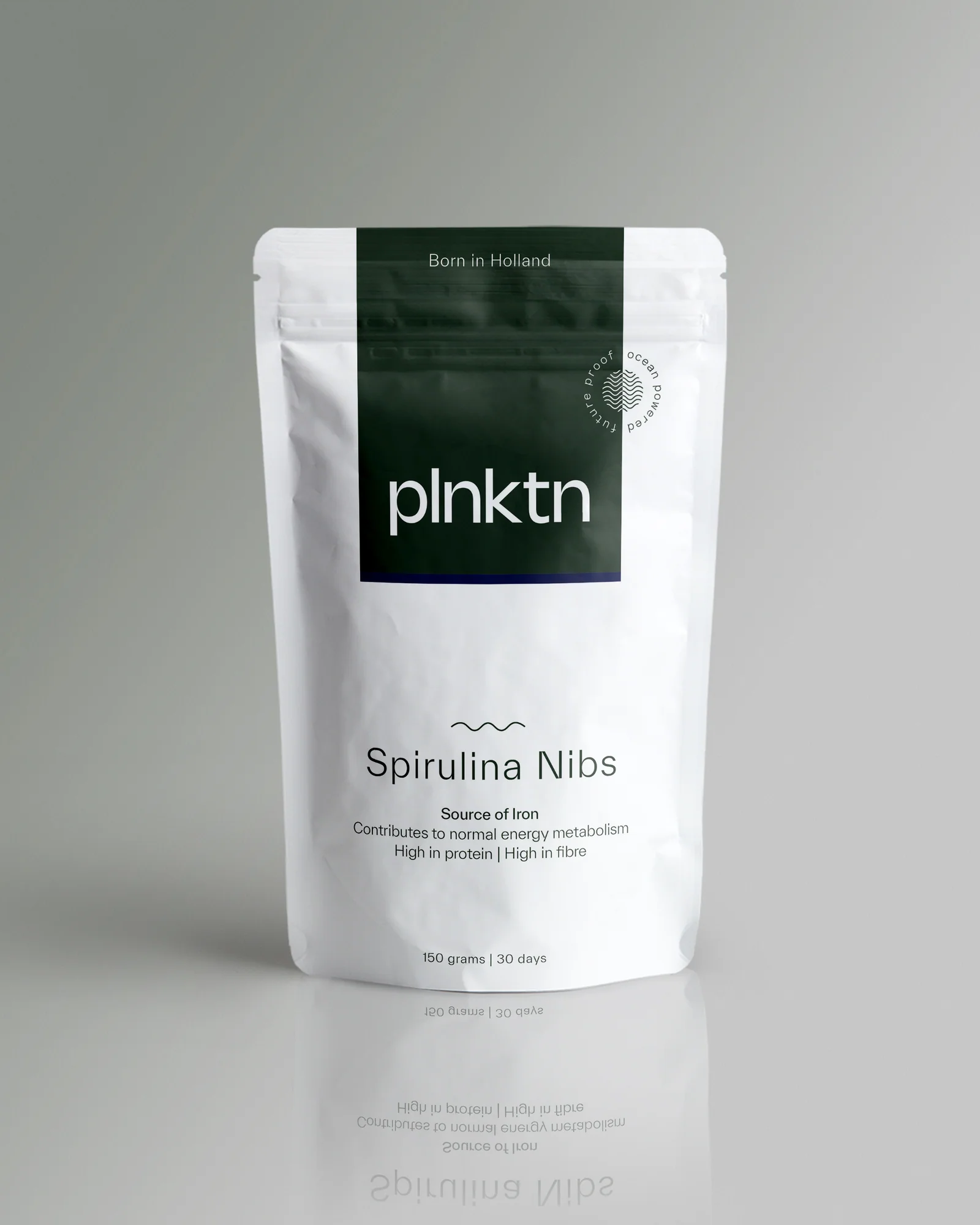

Spirulina Nibs
Crunchy spirulina nibs as an extra natural protein source from algae.
- • High in plant-based protein from spirulina
- • Easy to sprinkle over yoghurt, smoothies or bowls
- • Natural way to add algae to daily meals
Disclosure: We may earn a commission if you purchase via these links.
How to Get More Phycocyanin
Dietary Strategies
| Strategy | Phycocyanin Dose (est.) | Notes |
|---|---|---|
| 3g quality spirulina powder | 150–450 mg | Standard daily dose |
| 5g quality spirulina powder | 250–750 mg | Research-level dose |
| PLNKTN Spirulina Nibs (daily serving) | ~200–400 mg (est.) | Cold-processed, convenient format |
| Blue spirulina extract (500mg) | 150–250 mg | Concentrated but expensive |
| Blue spirulina latte | Variable | Trendy but dose uncertain |
Maximising Phycocyanin Absorption
- Keep it cold — smoothies, cold yoghurt, raw toppings
- Choose cold-processed products — check the label for processing method
- Take with vitamin C — some evidence suggests ascorbic acid stabilises phycocyanin in the digestive tract
- Consistent daily dosing — anti-inflammatory effects accumulate over 2–4 weeks
- Store properly — keep spirulina sealed, cool, and away from light
Dosage
| Goal | Spirulina Dose | Estimated Phycocyanin |
|---|---|---|
| General wellness | 3 g/day | 150–450 mg |
| Anti-inflammatory support | 5 g/day | 250–750 mg |
| Allergic rhinitis | 2 g/day | 100–300 mg |
| Exercise recovery | 6 g/day | 300–900 mg |
| Concentrated phycocyanin extract | 500 mg–1 g extract | 150–500 mg |
There is no established upper limit for phycocyanin. In clinical studies, spirulina doses up to 10g/day (providing up to 1,500mg phycocyanin) have been well tolerated. Most people will find 3–5g of quality spirulina daily to be both effective and practical.
Safety
Phycocyanin (via spirulina) has an excellent safety profile:
- No serious adverse effects reported in clinical trials
- No drug interactions documented at standard doses
- No pro-oxidant risk — phycocyanin does not become pro-oxidant at high concentrations
- GRAS status for spirulina by the US FDA
Cautions
- Phenylketonuria (PKU) — spirulina contains phenylalanine; avoid if you have PKU
- Autoimmune conditions — spirulina's immune-stimulating effects may be inappropriate for some autoimmune diseases
- Blood thinners — spirulina may have mild anticoagulant effects at high doses
- Contamination risk — as with all algae supplements, source quality matters. Choose closed-system cultivated, third-party tested products

Frequently Asked Questions
What does phycocyanin do?
Phycocyanin is an anti-inflammatory, antioxidant, and immunomodulatory compound found exclusively in spirulina and other cyanobacteria. Its primary mechanism is selective COX-2 inhibition — the same anti-inflammatory pathway targeted by ibuprofen — combined with free radical scavenging and NK cell immune enhancement.
Is phycocyanin the same as spirulina?
No. Phycocyanin is one compound within spirulina, typically comprising 5–20% of the dry weight depending on quality and processing. Spirulina also contains protein (60–70%), iron, GLA (gamma-linolenic acid), B vitamins, and other nutrients. "Blue spirulina" is an extracted phycocyanin concentrate — it is spirulina with everything except the phycocyanin removed.
How much phycocyanin is in spirulina?
Standard spirulina powder contains 5–10% phycocyanin. High-quality, cold-processed spirulina contains 15–20%. Blue spirulina extract contains 30–50%+. A 3g serving of quality spirulina provides approximately 150–450mg of phycocyanin.
Can phycocyanin replace ibuprofen?
No. Phycocyanin has a similar mechanism (selective COX-2 inhibition) but is significantly milder. It is best understood as a daily anti-inflammatory support compound for chronic low-grade inflammation — not an acute pain reliever. Do not discontinue prescribed anti-inflammatory medication in favour of spirulina.
Does cooking destroy phycocyanin?
Yes. Phycocyanin denatures above 60°C. Adding spirulina to hot soup, baked goods, or cooked dishes destroys most of the phycocyanin content. Always use spirulina in cold or room-temperature preparations for maximum benefit.
Is blue spirulina better than green spirulina?
Blue spirulina is a concentrated phycocyanin extract — it provides more phycocyanin per gram but lacks spirulina's other nutrients (protein, iron, GLA, chlorophyll). Green spirulina is the whole food with a broader nutritional profile. If you specifically want phycocyanin, blue spirulina is more concentrated. If you want overall nutrition, standard green spirulina is more complete.
Where to Buy
Affiliate disclosure: Smart Supplements earns a commission on purchases made through partner links. This doesn't affect our editorial content or recommendations.
When choosing spirulina for its phycocyanin content, prioritise cold-processed products from closed-system cultivation. The processing method matters as much as the source.
For the broader context on algae supplements, including how spirulina compares to chlorella and other algae, see our algae supplements beginner's guide and spirulina vs chlorella comparison.
This article is for informational purposes only and is not intended as medical advice. Always consult a healthcare professional before starting any new supplement, especially if you take prescription medication.
Related topics
Where to buy
Affiliate links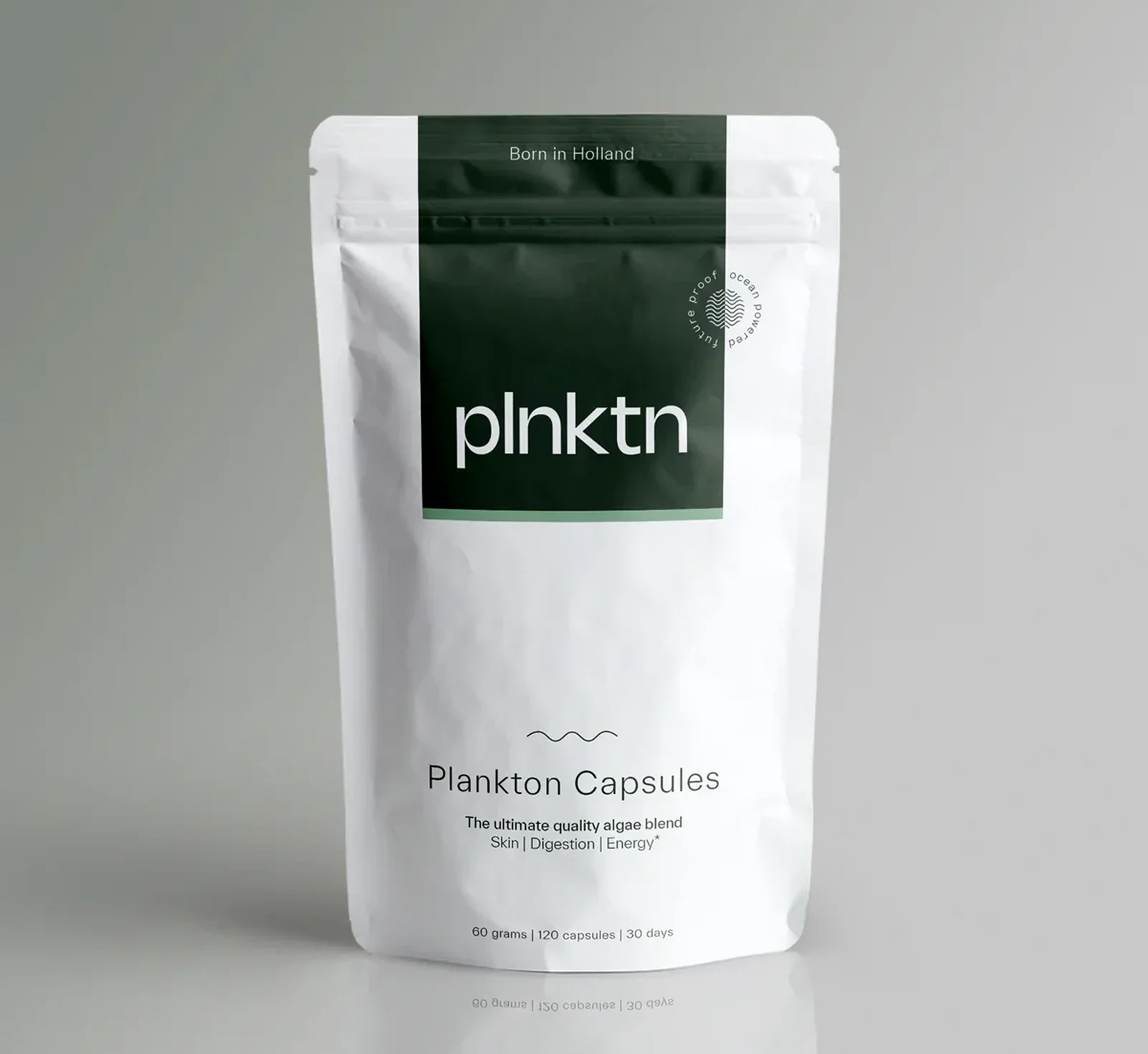
Plankton Capsules
Blend of 4 nutrient-dense micro- and macroalgae from European cultivation. Daily support for gut, skin and energy.
- • 75+ nutrients: minerals, vitamins, pigments, antioxidants and complete proteins
- • 100% natural, plant-based and responsibly grown
- • Supports digestion, energy metabolism and skin health
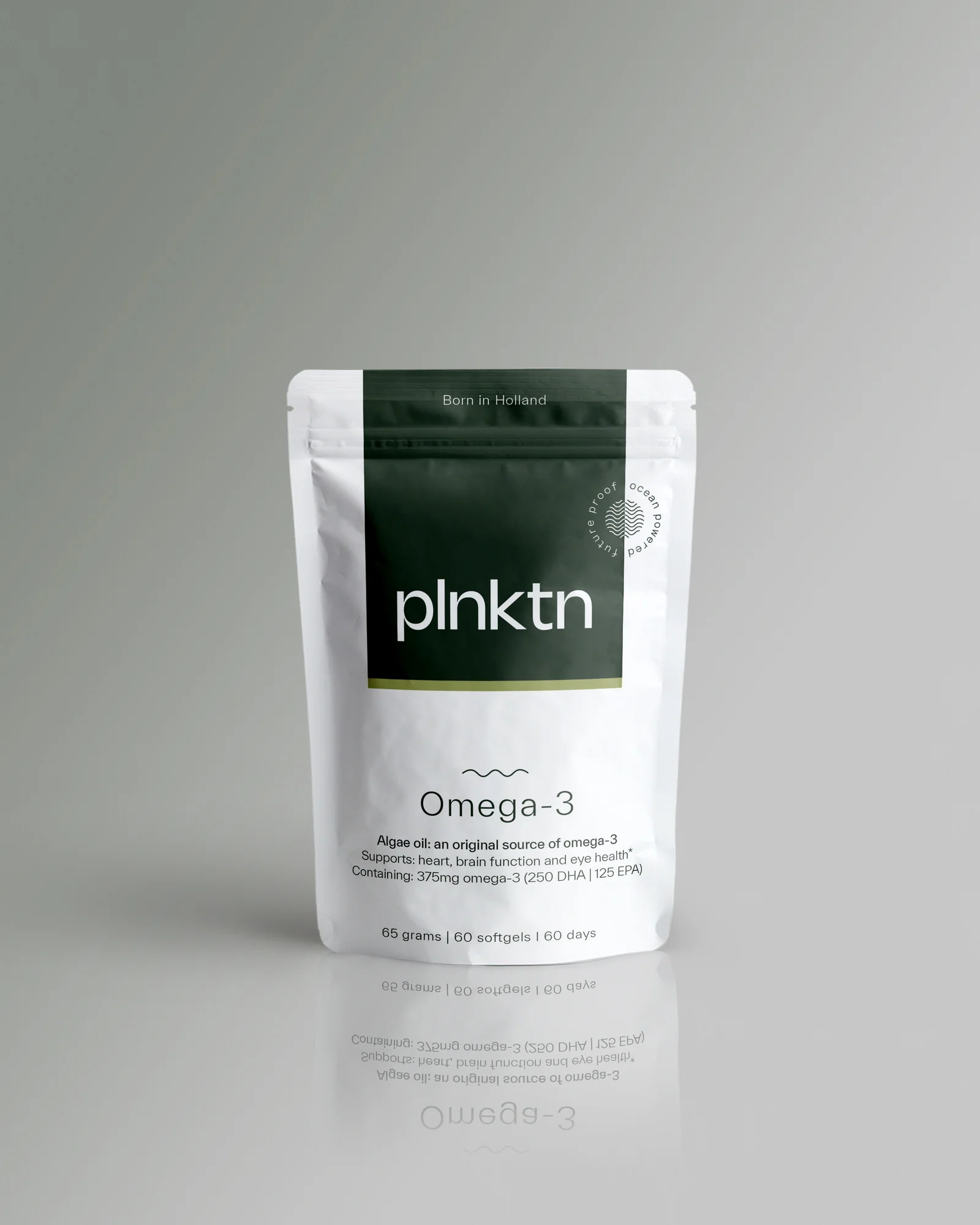
Omega-3 (algenolie)
Daily omega-3 from the original source: algae. With essential EPA and DHA for heart, brain and eyes.
- • 250 mg DHA and 125 mg EPA per capsule
- • 100% fish-free, plant-based algenolie
- • No fishy aftertaste, clean and controlled source

Vitamine D3 (algen)
Daily vitamin D3 from algae with omega-3 for optimal absorption. Supports immune system, muscles and bones.
- • Vitamine D3 uit algen, geschikt voor vegetariërs en veganisten
- • Ondersteunt immuunsysteem, spieren en sterk botweefsel
- • Bevat ook 250 mg omega-3 DHA per capsule

Magnesium (algen)
Magnesium supplement for an active lifestyle, derived from marine algae.
- • Supports normal muscle function and energy metabolism
- • Plant-based source, gentle on stomach
- • Designed for active lifestyles and recovery
Disclosure: We may earn a commission if you purchase via these links.
Related articles
Spirulina vs Chlorella: Which Algae Supplement Is Better?
Spirulina and chlorella are both algae superfoods — but they are not interchangeable. Here is the definitive side-by-side comparison: nutrition, benefits,
The Best Algae Supplements in Europe: A Buyer's Guide
The European algae supplement market has exploded — but quality varies enormously. Here is how to cut through the noise: quality criteria, category breakdo
Astaxanthin: The King of Antioxidants You've Never Heard Of
Astaxanthin from algae is 6,000x more powerful than vitamin C as an antioxidant. Here is the evidence for skin, eyes, brain, heart, and exercise recovery —