
Iron and Vitamin C: The Absorption Combo You Need to Know About
Written by Smart Supplements Editorial Team
Key takeaways
- Vitamin C increases non-heme iron absorption by 2-6x through chemical reduction and chelation — take 50-200mg simultaneously with iron
- Ferrous bisglycinate absorbs 2-4x better than ferrous sulphate with 70% fewer side effects
- Alternate-day iron dosing is more effective than daily dosing due to hepcidin suppression cycles
- Never supplement iron without a blood test — iron overload (haemochromatosis) affects 1 in 200 Northern Europeans
- Tea and coffee reduce iron absorption by 40-70% — separate from iron-rich meals by at least one hour
Table of contents
- The Iron Deficiency Epidemic
- Who's at Risk for Iron Deficiency?
- Why Iron Is So Hard to Absorb
- How Vitamin C Supercharges Iron Absorption
- Iron Supplement Forms Compared
- The Optimal Iron Supplementation Protocol
- Plant-Based Iron Sources and Vitamin C Pairing
- When Testing Reveals Something Unexpected
- Frequently Asked Questions
- Disclaimer
- Related Articles
The Iron Deficiency Epidemic
Iron deficiency is the most common nutritional deficiency worldwide, and Europe is far from immune. Roughly 33% of women of reproductive age across the EU have insufficient iron stores, and 5-10% have outright iron deficiency anaemia. Even in affluent Northern European countries with excellent healthcare systems, iron deficiency remains stubbornly prevalent.
The consequences are significant. Iron is essential for haemoglobin — the protein in red blood cells that carries oxygen to every cell in your body. Without adequate iron, oxygen delivery falters. The result: persistent fatigue, brain fog, exercise intolerance, weakened immunity, and poor temperature regulation. Many people attribute these symptoms to stress, poor sleep, or simply "getting older" when the real culprit is sitting in a simple blood test they've never requested.
What makes iron particularly frustrating is that it's one of the most poorly absorbed minerals. Non-heme iron — the form found in plants and most supplements — has an absorption rate of just 5-12%. That means up to 95% of the iron in your supplement may pass through your body unused.
But there's a simple, evidence-based solution that can dramatically improve this number: vitamin C. The pairing of iron and ascorbic acid is one of the best-documented nutrient synergies in nutritional science. Here's exactly how it works and how to use it.
Who's at Risk for Iron Deficiency?
Iron deficiency doesn't affect everyone equally. Certain groups face disproportionate risk:
| Population | Risk Level | Why |
|---|---|---|
| Menstruating women | High | Monthly blood loss depletes iron stores; average loss of 1mg iron/day during menstruation |
| Pregnant women | Very High | Blood volume increases 50%; foetal development demands iron; WHO recommends universal supplementation |
| Vegetarians and vegans | Moderate-High | Plant-based iron (non-heme) has 5-12% absorption vs 15-35% for meat-based heme iron |
| Endurance athletes | Moderate-High | "Foot strike haemolysis," sweat losses, GI bleeding from intense exercise, increased red cell turnover |
| Adolescents (especially girls) | Moderate | Growth spurts increase iron demand; menstruation begins; dietary habits often poor |
| Frequent blood donors | Moderate-High | Each donation removes ~250mg iron; stores may not recover between donations |
| People with GI conditions | High | Coeliac disease, IBD, H. pylori reduce iron absorption; GI bleeding increases losses |
| Older adults on PPIs | Moderate | Proton pump inhibitors reduce stomach acid, impairing iron absorption |
| Heavy tea and coffee drinkers | Mild-Moderate | Tannins and polyphenols inhibit non-heme iron absorption |
If you fall into multiple categories — say, a vegetarian woman who runs marathons and drinks strong tea — your risk multiplies considerably.
Why Iron Is So Hard to Absorb
Heme vs Non-Heme Iron
Dietary iron comes in two forms, and the difference is enormous:
Heme iron is found exclusively in animal products — red meat, poultry, and fish. It's embedded within haemoglobin and myoglobin molecules and is absorbed intact through a dedicated receptor (HCP1) in the small intestine. Absorption rate: 15-35%, and it's relatively unaffected by other dietary components.
Non-heme iron is found in plants, fortified foods, and iron supplements. It exists as inorganic iron (Fe²⁺ ferrous or Fe³⁺ ferric) and must be actively transported across the intestinal wall via the DMT1 transporter. Absorption rate: 5-12%, and it's highly susceptible to both enhancers and inhibitors in the diet.
| Factor | Heme Iron | Non-Heme Iron |
|---|---|---|
| Sources | Red meat, poultry, fish | Beans, lentils, spinach, fortified cereals, supplements |
| Absorption rate | 15-35% | 5-12% |
| Affected by inhibitors | Minimally | Highly |
| Enhanced by vitamin C | Minimally | Dramatically (2-6x increase) |
| Affected by calcium | Slightly | Yes — calcium reduces absorption |
| Contributed by supplements | No | Yes — all iron supplements are non-heme |
Here's the critical implication: every iron supplement on the market contains non-heme iron, which means every iron supplement is subject to the absorption challenges that non-heme iron faces. This is precisely why vitamin C pairing is so important for supplementation.
What Blocks Iron Absorption
Several common dietary components actively interfere with non-heme iron uptake:
Phytates (phytic acid) — Found in whole grains, legumes, nuts, and seeds. Phytates bind iron into insoluble complexes in the gut. Soaking, sprouting, and fermenting these foods reduces phytate content and improves iron availability.
Tannins and polyphenols — Found in tea, coffee, wine, and chocolate. A single cup of tea consumed with a meal can reduce iron absorption by 60-70%. Coffee reduces it by approximately 40%. The effect is dose-dependent — stronger brews inhibit more.
Calcium — Competes directly with iron for absorption through shared transport mechanisms. A glass of milk or calcium supplement taken with an iron-rich meal or iron supplement significantly reduces iron uptake. Separate calcium and iron by at least 2 hours.
Phosphates — Found in processed foods, fizzy drinks, and food additives. They form insoluble iron-phosphate complexes.
Certain medications — Antacids, proton pump inhibitors (omeprazole, lansoprazole), and H2 blockers reduce stomach acid, which is needed to convert Fe³⁺ to the absorbable Fe²⁺ form.
How Vitamin C Supercharges Iron Absorption
The vitamin C–iron interaction is one of the most robust findings in nutritional science, supported by decades of research.
The Mechanism
Vitamin C (ascorbic acid) enhances non-heme iron absorption through two complementary mechanisms:
1. Chemical reduction: Non-heme iron exists primarily as Fe³⁺ (ferric iron) in food and supplements. But the intestinal transporter (DMT1) only accepts Fe²⁺ (ferrous iron). Vitamin C donates an electron, converting Fe³⁺ → Fe²⁺, making the iron transportable.
2. Chelation: Vitamin C forms a soluble iron-ascorbate complex in the acidic environment of the stomach. This complex remains soluble as it moves into the more alkaline duodenum (where iron is absorbed), preventing iron from precipitating into insoluble forms that the body can't use.
How Much Vitamin C Do You Need?
The dose-response relationship is well-characterised:
| Vitamin C Dose (with iron) | Iron Absorption Increase | Practical Source |
|---|---|---|
| 25mg | 1.5-2x increase | Half an orange, small glass of juice |
| 50mg | 2-3x increase | One orange, one kiwi |
| 100mg | 3-4x increase | Large glass of orange juice, 1 bell pepper |
| 200mg | 4-6x increase | Supplement or large vitamin C-rich meal |
| >200mg | Diminishing returns | No significant additional benefit |
The sweet spot is 50-200mg of vitamin C taken at the same time as your iron supplement or iron-rich meal. Below 25mg, the effect is modest. Above 200mg, you get diminishing returns.
Timing is critical. The vitamin C must be present in the stomach simultaneously with the iron. Taking vitamin C two hours before or after your iron supplement provides little benefit — the chemical reaction happens in the gut, in real-time.
The Evidence
A landmark study by Hallberg et al. (1989) demonstrated that adding 200mg ascorbic acid to a meal increased non-heme iron absorption from 3.7% to 10.4% — nearly a threefold increase. Subsequent studies have consistently replicated this finding across different populations and dietary contexts.
For iron-deficient vegetarians, the effect is particularly pronounced. A study of Indian women (Thankachan et al., 2008) found that consuming vitamin C-rich foods with meals increased iron absorption by 2-3x and improved iron status markers over 8 weeks.
Iron Supplement Forms Compared
Not all iron supplements are created equal. The form of iron dramatically affects both absorption and side effects.
| Form | Elemental Iron (%) | Absorption | GI Side Effects | Best For |
|---|---|---|---|---|
| Ferrous sulphate | 20% | Moderate | High — nausea, constipation, black stools | Budget option; most prescribed |
| Ferrous gluconate | 12% | Moderate | Moderate | Those who can't tolerate sulphate |
| Ferrous fumarate | 33% | Moderate | Moderate-High | Higher elemental iron per tablet |
| Ferrous bisglycinate (chelated) | 20% | High | Low | Best overall — high absorption, gentle |
| Iron polysaccharide complex | varies | Moderate | Low | Alternative for sensitive stomachs |
| Carbonyl iron | 98% | Slow, sustained | Low | Slow-release option |
| Heme iron polypeptide (HIP) | varies | High | Low | Most "food-like" — best tolerated |
Why Ferrous Bisglycinate Stands Out
Ferrous bisglycinate (iron chelated with glycine) is increasingly recognised as the superior supplemental form:
- 2-4x higher absorption than ferrous sulphate at equivalent doses
- Dramatically fewer GI side effects — less constipation, nausea, and cramping
- Less affected by inhibitors — phytates and tannins have reduced impact on chelated iron
- Can be taken with food — unlike ferrous sulphate, which absorbs best on an empty stomach (but causes more nausea that way)
A 2014 study comparing ferrous bisglycinate to ferrous sulphate found that bisglycinate provided equivalent iron repletion at half the dose, with 70% fewer side effects. This means you can take 25mg of bisglycinate and get similar results to 50mg of sulphate — with far better tolerance.
The downside: Ferrous bisglycinate supplements cost 2-3x more than basic ferrous sulphate. But given the dramatically improved tolerability and absorption, the per-milligram value is actually better.
MADMONQ CHAMPION
Chewable multivitamin 2.0 with 24+ nutrients covering immunity, bone health, eye health, detox, and hormonal balance. Includes Vitamins A, C, D3, E, K2, full B-complex, plus Lutein, Zeaxanthin, Milk Thistle, Maqui Berry, L-Glutathione, and Pine Bark extract. Designed for desk workers and gamers who need comprehensive daily nutrition in one chewable tablet.
- • 24+ vitamins, minerals, and plant extracts in one tablet
- • Chewable format — also available as effervescent
- • Lutein + Zeaxanthin for screen-strained eyes
Disclosure: We may earn a commission if you purchase via these links.
The Optimal Iron Supplementation Protocol
Based on current evidence, here's the most effective approach to iron supplementation:
Step 1: Confirm Deficiency
Don't supplement iron without evidence of need. Iron is unusual among minerals because your body has no active excretion mechanism — excess iron accumulates and can cause oxidative damage, organ stress, and worsen conditions like haemochromatosis (genetic iron overload affecting 1 in 200 people of Northern European descent).
Key blood tests:
- Serum ferritin — the gold standard for iron stores. Below 30µg/L suggests depletion; below 15µg/L confirms deficiency. Optimal: 50-150µg/L.
- Haemoglobin — below 120g/L (women) or 130g/L (men) indicates anaemia
- Transferrin saturation — below 20% suggests iron-deficient erythropoiesis
- CRP — ferritin is an acute-phase reactant (rises with inflammation), so checking CRP alongside ferritin helps avoid false "normal" ferritin readings
Step 2: Choose Your Form
For most people, ferrous bisglycinate (15-25mg elemental iron) is the best starting point. If cost is a concern, ferrous sulphate (65mg elemental iron) is effective but expect more GI side effects.
Step 3: Time It Right
Ideal timing: First thing in the morning, 30-60 minutes before breakfast, with 50-200mg vitamin C (a glass of orange juice works perfectly).
If morning empty-stomach causes nausea: Take with a light breakfast that contains vitamin C but avoid calcium-rich foods, tea, and coffee at that meal.
Alternate-day dosing (new evidence): A series of studies from ETH Zurich (Stoffel et al., 2017-2020) demonstrated that alternate-day iron dosing is more effective than daily dosing. The mechanism: taking iron triggers a surge of hepcidin (the hormone that regulates iron absorption), which suppresses iron absorption for 24-48 hours. By dosing every other day, you avoid this hepcidin block.
| Protocol | Daily Iron Absorption | 14-Day Total Absorption |
|---|---|---|
| 60mg daily (14 days) | ~8% (declining over time) | ~67mg |
| 60mg alternate days (7 doses) | ~12% (maintained) | ~50mg |
| 120mg alternate days (7 doses) | ~10% | ~84mg |
The alternate-day protocol absorbed nearly as much total iron from half the doses, with fewer side effects. This is now considered the evidence-based best practice for non-anaemic iron deficiency.
Step 4: Avoid Absorption Blockers
For 2 hours either side of your iron supplement:
- No tea or coffee (tannins)
- No calcium supplements or dairy (competition)
- No antacids (reduced stomach acid)
- No high-fibre supplements (binding)
- No zinc supplements (competition)
Step 5: Retest at 3 Months
Iron stores replenish slowly. Recheck serum ferritin after 3 months of consistent supplementation. If ferritin is still below 30µg/L, continue for another 3 months. If ferritin hasn't budged, investigate absorption issues (coeliac screening, H. pylori testing, GI referral).
MADMONQ GREENS
Superfood powder with 77 nutrients — fruits, vegetables, vitamins, minerals, DigeZyme® digestive enzymes, and prebiotics. Each sachet delivers the equivalent of 1 serving of real vegetables and fruits using organic EU-grown ingredients. Includes Vitaberry® and Vitaveggie® proprietary blends, Spirulina, Kale, Broccoli, and Acai Berry.
- • 77 nutrients in one daily sachet
- • DigeZyme® enzymes for digestive support
- • Organic, EU-grown ingredients
Disclosure: We may earn a commission if you purchase via these links.
Plant-Based Iron Sources and Vitamin C Pairing
For vegetarians and vegans, strategic food combining can meaningfully improve iron status:
| Iron-Rich Food | Iron per Serving | Best Vitamin C Pairing |
|---|---|---|
| Lentils, cooked (200g) | 6.6mg | Squeeze of lemon, side of tomato salad |
| Chickpeas, cooked (200g) | 4.7mg | Red pepper hummus, lemon tahini dressing |
| Spinach, cooked (150g) | 4.5mg | Lemon juice dressing, strawberry side |
| Tofu, firm (150g) | 4.0mg | Stir-fry with bell peppers and broccoli |
| Quinoa, cooked (200g) | 3.0mg | Topped with mango salsa, lime juice |
| Kidney beans (200g) | 4.4mg | Chilli with fresh tomatoes and peppers |
| Fortified breakfast cereal (40g) | 4-8mg | Glass of orange juice |
| Pumpkin seeds (30g) | 2.5mg | Trail mix with dried apricots |
| Dark chocolate, 70%+ (30g) | 3.4mg | Pair with vitamin C-rich fruit |
Practical tips for plant-based iron optimisation:
- Soak and sprout legumes and grains to reduce phytate content (8-24 hour soak reduces phytates by 30-50%)
- Cook in cast iron — small amounts of iron leach into acidic foods
- Ferment where possible — sourdough bread has better iron bioavailability than conventional bread
- Don't drink tea or coffee with meals — save them for between meals (1+ hour gap)
- Include vitamin C at every main meal — bell peppers, tomatoes, citrus, broccoli, strawberries
When Testing Reveals Something Unexpected
Iron Overload: The Opposite Problem
While iron deficiency is far more common, iron overload is not rare — and it's dangerous. Hereditary haemochromatosis affects approximately 1 in 200 people of Northern European (especially Celtic/Nordic) descent, causing excessive iron absorption from food.
Never supplement iron without testing first. If your ferritin is already above 200µg/L (men) or 150µg/L (women), supplementation could be harmful. Symptoms of overload include joint pain, fatigue (paradoxically), abdominal pain, and bronze/grey skin discolouration.
Iron Deficiency Without Anaemia
You can be iron-depleted without being anaemic. Ferritin levels between 15-30µg/L represent depleted stores even though haemoglobin may still be normal. This "latent" deficiency causes fatigue, reduced exercise performance, and impaired cognitive function — but won't show up as anaemia on a standard blood count.
If you have symptoms of iron deficiency but your GP says your blood count is "normal," specifically ask for a serum ferritin test. Many GPs check haemoglobin but not ferritin, missing the early stages of depletion.
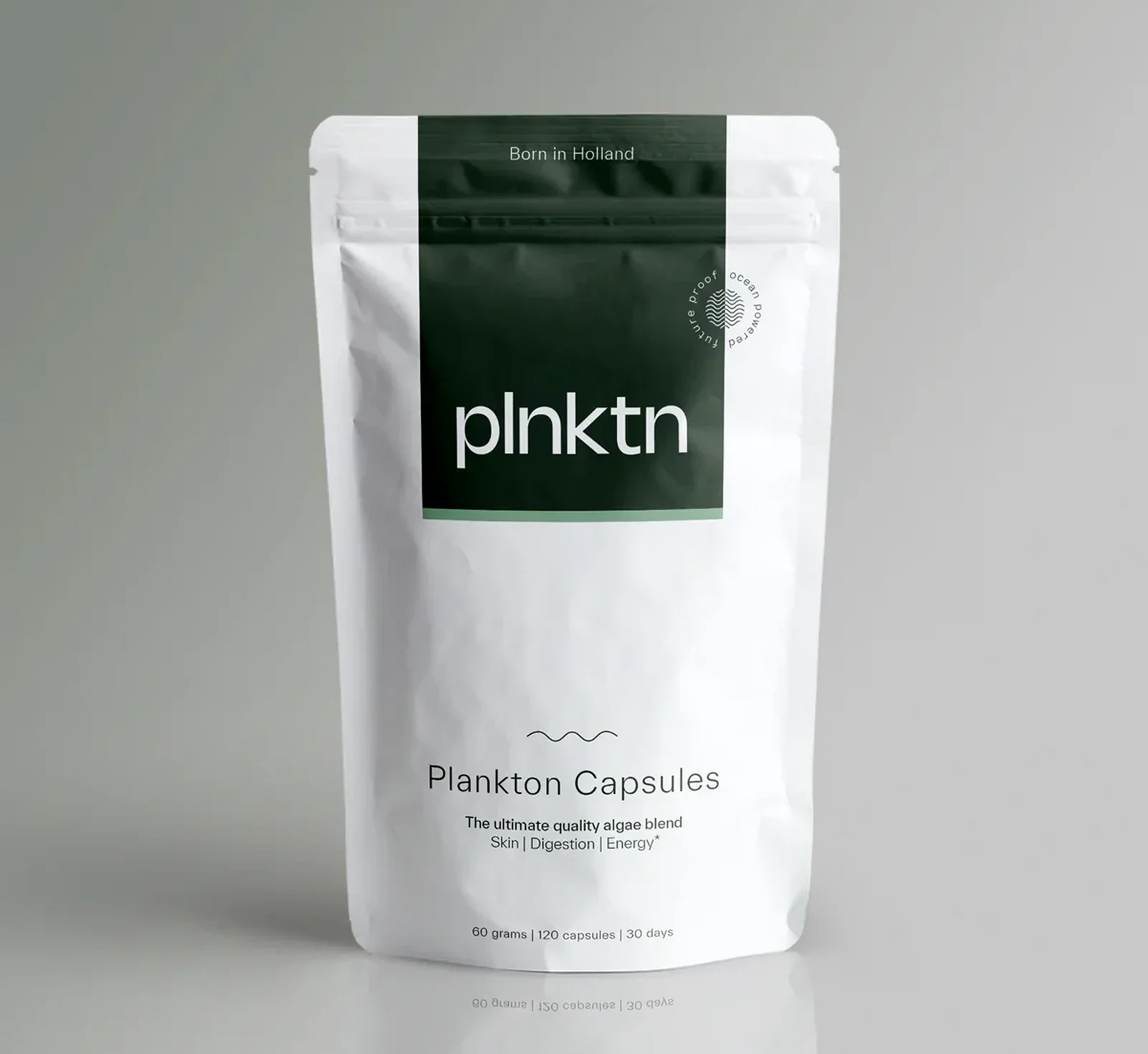

Plankton Capsules
Blend of 4 nutrient-dense micro- and macroalgae from European cultivation. Daily support for gut, skin and energy.
- • 75+ nutrients: minerals, vitamins, pigments, antioxidants and complete proteins
- • 100% natural, plant-based and responsibly grown
- • Supports digestion, energy metabolism and skin health
Disclosure: We may earn a commission if you purchase via these links.
Frequently Asked Questions
Can you take too much iron?
Yes. Unlike most minerals, excess iron cannot be easily excreted. Chronic iron overload causes oxidative damage to the liver, heart, and pancreas. Acute overdose (especially in children) can be fatal. Always confirm deficiency before supplementing, and don't exceed recommended doses without medical supervision. Men and post-menopausal women rarely need iron supplements unless a blood test shows deficiency.
Why does iron make my stomach hurt?
Most GI side effects come from unabsorbed iron irritating the intestinal lining. Ferrous sulphate is the worst offender. Strategies: switch to ferrous bisglycinate (dramatically fewer side effects), take with food (reduces absorption slightly but improves tolerance), try alternate-day dosing, or reduce the dose. If none of these help, speak to your doctor about IV iron infusion.
Should men take iron supplements?
Generally not without confirmed deficiency. Men lose very little iron (about 1mg/day through skin, GI tract, and urine), and a balanced diet usually replaces this easily. Male iron overload is more common than male iron deficiency. The exceptions: male endurance athletes, frequent blood donors, vegetarians/vegans, and those with GI conditions affecting absorption. Always test first.
How long does it take to replenish iron stores?
With consistent supplementation and adequate vitamin C, serum ferritin typically begins rising within 4-6 weeks. Full repletion of iron stores (ferritin >50µg/L) usually takes 3-6 months. Haemoglobin levels, if anaemic, typically improve within 6-8 weeks. Don't stop supplementing when you "feel better" — continue until ferritin is well within the optimal range.
Can I get enough iron from food alone?
It depends on your situation. A varied omnivorous diet providing 2000+ kcal/day typically delivers 10-18mg of iron — enough for most men and post-menopausal women. But menstruating women need 18mg/day, pregnant women need 27mg/day, and plant-based eaters absorb 5-12% vs 15-35% for meat-eaters. For these groups, meeting requirements through food alone is challenging without deliberate planning and vitamin C pairing.
Is it safe to take iron and vitamin C supplements together?
Yes — this is one of the most well-established and safe nutrient combinations in nutritional science. Vitamin C enhances iron absorption without any adverse interaction. A typical pairing of 15-25mg ferrous bisglycinate with 100-200mg vitamin C is safe, effective, and well-tolerated.
Disclaimer
This article is for informational and educational purposes only and does not constitute medical advice. Iron supplementation carries genuine risks if taken without confirmed deficiency — particularly for men, post-menopausal women, and those with hereditary haemochromatosis. Always test your iron status (serum ferritin, haemoglobin, transferrin saturation) before supplementing. Consult your GP or a registered dietitian for personalised guidance.
Related Articles
- When to Take Your Supplements: The Complete Timing Guide
- How to Read Supplement Labels: A Complete Guide
- Vitamin D Deficiency in Europe: Why You're Probably Not Getting Enough
- Supplement and Drug Interactions: What Your Doctor Might Not Tell You
This article is for informational purposes only and is not intended as medical advice. Always consult a healthcare professional before starting any new supplement, especially if you take prescription medication.
Related topics
Where to buy
Affiliate linksUpfront Creatine
Straightforward creatine monohydrate at an unbeatable price. Clean formula, no nonsense.
- • Pure creatine monohydrate
- • Best price in NL (€8)
- • No fillers
Orangefit Protein
Plant-based protein shake made from yellow split peas. Complete amino acid profile, easy to digest, no artificial sweeteners. Available in multiple flavours.
- • 100% plant-based (yellow split peas)
- • Complete amino acid profile
- • No artificial sweeteners
Orangefit Protein Blend
Triple-source plant protein: yellow split peas, fava beans, and pumpkin. 24g protein + 5g BCAAs per shake, with turmeric and bioperine.
- • 24g protein per serving
- • 5g BCAAs included
- • Triple protein source
Upfront Crea PRO
Premium creatine formula with enhanced absorption. For athletes who want more from their creatine.
- • Enhanced absorption formula
- • Premium creatine
- • For serious athletes
Disclosure: We may earn a commission if you purchase via these links.
Related articles
Zinc, Vitamin C & Elderberry: What Actually Works for Immune Support
An evidence-based guide to immune support supplements — separating science from marketing hype. Covers vitamin C, zinc, vitamin D, elderberry, functional m
The Daily Wellness Stack: Morning, Afternoon & Evening Supplements
A practical guide to building a daily supplement stack across three tiers (Foundation, Optimised, Premium) with morning/afternoon/evening timing protocols,
Best Wellness Supplements in Europe: A 2026 Buyer's Guide
An honest buyer's guide to the best wellness supplements available in Europe in 2026 — covering multivitamins, magnesium, omega-3, adaptogens, vitamin D, f