
Supplements That Actually Work: What Science Supports in 2026
Written by Smart Supplements Editorial Team
Key takeaways
- Only about 8 supplements have strong, replicated evidence from meta-analyses and RCTs — vitamin D, magnesium, omega-3, creatine, caffeine, protein, iron (if deficient), and fibre.
- Several popular supplements like ashwagandha, lion's mane, and NMN are promising but need more human trial data before broad recommendations.
- Multivitamins, BCAAs, testosterone boosters, and most fat burners show weak or no benefit in healthy, well-nourished adults.
- A simple blood panel (vitamin D, ferritin, B12) is more valuable than any influencer recommendation — test before you supplement.
- A solid evidence-based supplement stack costs €30–60/month, not the €150+ that companies want you to spend.
- EU regulations (EFSA health claims, Novel Food) affect supplement availability and claims in the Netherlands and across Europe.
Table of contents
The global supplement industry is worth over €150 billion. Most of that money funds marketing, not science. We went through the research on 30+ popular supplements and sorted them into three buckets: works, promising, and skip — so you can spend smarter.
If you have ever stood in a health shop wondering which of the 200 bottles on the shelf actually do anything, this guide is for you. We graded every supplement by the same criteria: quality of evidence, effect size, safety profile, and practical relevance for everyday people in Europe.
How We Ranked These Supplements
Not all evidence is created equal. A single rat study and a meta-analysis of 20 human RCTs are not in the same league. Here is how we categorised the evidence:
Our Three Evidence Tiers
| Tier | What It Means | Type of Evidence |
|---|---|---|
| Tier 1 — Strong | Consistently supported by high-quality human research | Multiple meta-analyses and/or large RCTs with clinically meaningful effect sizes |
| Tier 2 — Promising | Positive signals, but gaps remain | Some positive RCTs, but limited sample sizes, mixed results, or mostly mechanistic data |
| Tier 3 — Weak/None | Failed to show consistent benefit in humans | Animal/in-vitro only, failed replication, or no meaningful effect over placebo |
We also weighed safety (a supplement with marginal benefits but real risks drops a tier), practical dosing (can you actually get an effective dose from a normal product?), and relevance (does it matter for people who already eat reasonably well?).
This is not an exhaustive pharmacology review. It is a practical ranking for people who want to spend their money on things that actually work.
Tier 1 — Strong Evidence (These Actually Work)
These supplements have been tested in dozens to hundreds of human trials. The effects are real, replicated, and clinically meaningful.
| Supplement | What It Does | Who Benefits Most | Effective Dosage | Key Evidence |
|---|---|---|---|---|
| Vitamin D | Supports bone health, immune function, mood regulation | People in northern latitudes (Netherlands gets limited UVB Oct–Mar), those with dark skin, elderly | 1000–2000 IU/day (25–50 mcg) | Autier et al., 2017, JAMA Internal Medicine (PubMed) |
| Magnesium | Muscle function, sleep quality, blood pressure, stress response | Athletes, poor sleepers, people on processed-food diets (widespread sub-clinical deficiency) | 200–400 mg/day (glycinate or citrate for absorption) | Zhang et al., 2016, BMC Medicine (PubMed) |
| Omega-3 (EPA/DHA) | Cardiovascular health, triglyceride reduction, anti-inflammatory | General population, especially those eating little fatty fish | 1000–2000 mg combined EPA+DHA/day | Hu et al., 2019, Journal of the American Heart Association (PubMed) |
| Creatine | Strength, power output, lean mass, cognitive function under stress | Strength athletes, vegetarians/vegans (lower baseline stores), aging adults | 3–5 g/day (monohydrate) | Kreider et al., 2017, Journal of the International Society of Sports Nutrition (PubMed) |
| Caffeine | Alertness, endurance, power output, reaction time | Athletes, shift workers, anyone who tolerates it | 3–6 mg/kg body weight, 30–60 min before exercise | Guest et al., 2021, British Journal of Sports Medicine (PubMed) |
| Protein (whey/plant) | Muscle protein synthesis, recovery, satiety | Anyone not hitting 1.6–2.2 g/kg from food, especially active people and older adults | 20–40 g per serving, total daily intake matters more | Morton et al., 2018, British Journal of Sports Medicine (PubMed) |
| Iron | Oxygen transport, energy, cognitive function | Menstruating women, endurance athletes, vegetarians/vegans — only if deficient | 18–45 mg/day (with vitamin C for absorption) | Pasricha et al., 2021, The Lancet (PubMed) |
| Fibre (psyllium husk) | Cholesterol reduction, blood sugar control, gut motility | Most adults (average European intake is below recommendations) | 5–10 g/day, with plenty of water | McRorie & McKeown, 2017, Nutrition Today (PubMed) |
A few important notes on Tier 1:
- Vitamin D is the closest thing to a universal recommendation in northern Europe. The Dutch Health Council (Gezondheidsraad) advises supplementation for anyone under limited sun exposure, which is effectively everyone from October to March.
- Iron supplementation without confirmed deficiency is not recommended. Excess iron causes oxidative damage. Get your ferritin tested first.
- Creatine is the most studied sports supplement in history — and it is not just for bodybuilders. Emerging evidence supports cognitive benefits, especially under sleep deprivation or stress. Read our deep dive on creatine for runners.


Vitamine D3 (algen)
Daily vitamin D3 from algae with omega-3 for optimal absorption. Supports immune system, muscles and bones.
- • Vitamine D3 uit algen, geschikt voor vegetariërs en veganisten
- • Ondersteunt immuunsysteem, spieren en sterk botweefsel
- • Bevat ook 250 mg omega-3 DHA per capsule
Disclosure: We may earn a commission if you purchase via these links.
Magnesium: The Most Underrated Supplement
Magnesium deserves a special mention. Sub-clinical deficiency is remarkably common — estimates suggest 50–80% of Western populations do not reach optimal intake. Symptoms are vague (poor sleep, muscle cramps, anxiety, fatigue), which is why it often goes unnoticed.
For athletes, the case is even stronger. Magnesium is lost through sweat, and intense training increases requirements. We covered this extensively in our guide on magnesium for runners' performance.
The form matters: magnesium oxide is cheap but poorly absorbed. Glycinate and citrate are better options.
Orangefit Magnesium
Plant-based magnesium supplement supporting muscle function, energy production, and recovery.
- • Supports muscle function
- • Aids energy production
- • Plant-based formula
Disclosure: We may earn a commission if you purchase via these links.
Omega-3: Dose Matters More Than You Think
Most people who "take fish oil" are underdosing. A standard 1000 mg fish oil capsule typically contains only 300 mg of actual EPA+DHA. You need the combined EPA+DHA number, not the total oil weight.
Plant-based omega-3 from algae is equally effective and avoids the sustainability concerns of fish oil. The evidence for cardiovascular benefits is strongest at 2000+ mg EPA+DHA daily, though 1000 mg is a reasonable baseline.
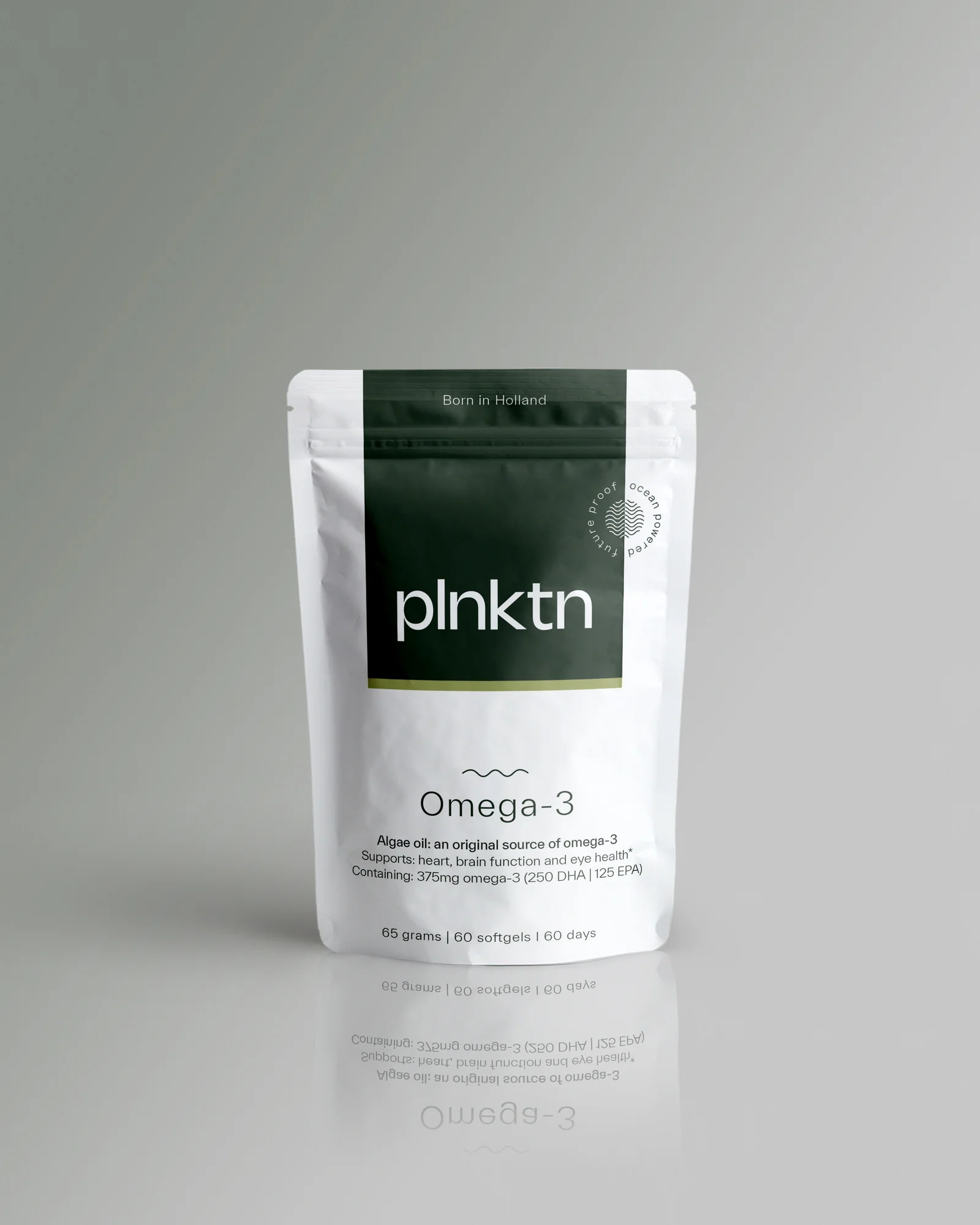
Omega-3 (algenolie)
Daily omega-3 from the original source: algae. With essential EPA and DHA for heart, brain and eyes.
- • 250 mg DHA and 125 mg EPA per capsule
- • 100% fish-free, plant-based algenolie
- • No fishy aftertaste, clean and controlled source
Disclosure: We may earn a commission if you purchase via these links.

Tier 2 — Promising but Incomplete
These supplements have genuine scientific interest behind them, but the evidence is not yet strong enough to make blanket recommendations. Some may graduate to Tier 1 as research matures.
| Supplement | The Promise | The Caveats | Current Evidence |
|---|---|---|---|
| Ashwagandha | Cortisol reduction (−15–25%), improved VO2max, reduced anxiety | Heterogeneous study quality, most trials are small (n<100), mechanism not fully understood | Positive RCTs for stress and athletic performance, but effect sizes vary widely |
| Melatonin | Reduces sleep onset latency by ~7 minutes on average | Low-dose (0.5–1 mg) works as well as high-dose, most benefit is for sleep onset — not staying asleep | Well-studied but modest effect; best for jet lag and shift work |
| Lion's Mane | Nerve Growth Factor stimulation, potential cognitive benefits | Most compelling data is from animal and cell studies; limited human RCTs | Mori et al. (2009) showed cognitive improvement in older adults, but few replication studies |
| NMN / NAD+ | Cellular energy, potential anti-aging via sirtuin activation | Early human trials show NAD+ elevation but clinical endpoints are still unclear | Yi et al. (2023) meta-analysis shows promise; long-term data missing |
| Curcumin | Anti-inflammatory, joint pain, potential neuroprotection | Abysmal bioavailability without piperine or lipid formulations; many studies used enhanced forms not found in cheap products | Positive for joint pain (comparable to NSAIDs in some trials), but formulation matters enormously |
| Collagen peptides | Skin elasticity, joint comfort, tendon health | Benefits may be partly explained by providing glycine/proline rather than collagen-specific mechanisms | De Luca et al. (2023) meta-analysis shows modest skin and joint benefits |
| Probiotics | Gut health, immune modulation, IBS symptom relief | Extremely strain-specific — Lactobacillus rhamnosus GG is not interchangeable with random Lactobacillus | Effective for specific conditions with specific strains; "general gut health" claims are mostly unsubstantiated |
Ashwagandha: Real Effects, Messy Evidence
Ashwagandha (Withania somnifera) is having a moment, and not without reason. Multiple RCTs show cortisol reduction and improvements in perceived stress. A 2021 systematic review found meaningful reductions in anxiety scores.
The problem is consistency. Studies use different extracts (KSM-66, Sensoril, generic root powder), different doses (300–600 mg), and measure different outcomes. Some trials are industry-funded with small sample sizes.
Our take: if stress management is your goal and you want to try a supplement alongside the basics (sleep, exercise, therapy), ashwagandha is a reasonable option. Just manage your expectations — it is a mild adaptogen, not a replacement for addressing root causes.
For more on ashwagandha and other cognitive-support supplements, see our guide on what nootropics actually are.
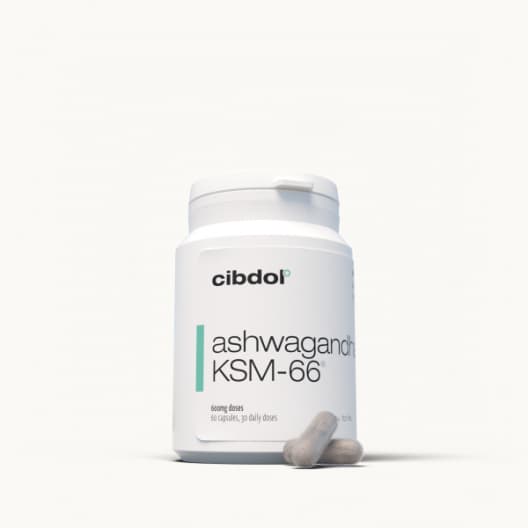

Ashwagandha KSM-66
Clinically studied KSM-66 ashwagandha extract for stress reduction and adrenal support.
- • KSM-66® branded extract
- • Highest concentration full-root extract
- • Reduces cortisol and stress
Disclosure: We may earn a commission if you purchase via these links.
Lion's Mane: Fascinating Biology, Limited Human Data
Lion's mane (Hericium erinaceus) is one of the most interesting supplements in the nootropics space. The mechanism — stimulating Nerve Growth Factor (NGF) production — is well-established in cell and animal studies.
The human evidence is thinner. Mori et al. (2009) showed cognitive improvement in older Japanese adults with mild cognitive impairment over 16 weeks, but the study was small (n=30). A few other small trials have shown improvements in mood and concentration.
We are watching this one closely. The biological plausibility is strong, and several larger trials are underway. But recommending it broadly based on current evidence would be premature.

Lion's Mane Mushroom
Lion's Mane (Hericium erinaceus) extract for cognitive support and neuroprotection. Key ingredient in the Stamets Stack.
- • Supports Nerve Growth Factor (NGF) production
- • Key component of the Stamets Stack protocol
- • Available as capsules and powder
Disclosure: We may earn a commission if you purchase via these links.
Melatonin and Sleep: Less Is More
One of the most common mistakes with melatonin is taking too much. Doses of 5–10 mg (common in US-imported products) can cause next-day grogginess and may actually disrupt sleep architecture.
The research suggests 0.5–1 mg taken 30–60 minutes before bed is the sweet spot for most people. It is most effective for circadian rhythm issues (jet lag, shift work, delayed sleep phase) rather than general insomnia.
For a deeper look at sleep supplements, read our full guide on melatonin, magnesium, and glycine for sleep.

Tier 3 — Weak or No Evidence (Save Your Money)
This is where marketing budgets exceed research budgets. These supplements are heavily promoted but lack convincing evidence of benefit in healthy, well-nourished adults.
| Supplement | The Claim | What the Evidence Actually Shows |
|---|---|---|
| Multivitamins | "Nutritional insurance" for overall health | No reduction in all-cause mortality, cancer, or cardiovascular events in well-nourished populations. The largest meta-analyses (Fortmann et al., 2013; Khan et al., 2019) consistently find no benefit. |
| BCAAs | Muscle recovery, reduced soreness | Redundant if you consume adequate protein. Whey protein already contains BCAAs in optimal ratios. Isolated BCAAs may actually impair muscle protein synthesis by creating amino acid imbalances. |
| Testosterone boosters | Boost natural testosterone levels | Tribulus terrestris, D-aspartic acid, fenugreek — none consistently raise testosterone in healthy young men in controlled trials. |
| Thermogenic fat burners | Accelerate fat loss | Marginal effects (50–100 kcal/day at best) with real side effects (elevated heart rate, anxiety, insomnia). Not worth the risk-benefit trade-off. |
| Glutamine | Gut health, immune support, muscle recovery | May benefit ICU patients, but shows no meaningful effect in healthy, active people who eat adequate protein. |
| Greens powders | Replace vegetable intake, "alkalise" the body | Most provide trivial amounts of actual nutrients compared to eating vegetables. No evidence for alkalisation claims. Read our full analysis: Are greens powders worth the hype? |
| Hair/skin/nails gummies | Biotin for beauty | Biotin deficiency is extremely rare. Supplementing in non-deficient people has no demonstrated effect on hair, skin, or nails. |
The Multivitamin Myth
This is the biggest sacred cow in the supplement world. Multivitamins feel responsible — like an insurance policy. But the data consistently says otherwise.
The US Preventive Services Task Force concluded in 2022 that there is insufficient evidence to recommend multivitamin supplementation for the prevention of cardiovascular disease, cancer, or mortality. The COSMOS trial found a small signal for cognitive decline in older adults, but this was a secondary endpoint and needs replication.
If you eat a varied diet with vegetables, fruit, protein, and whole grains, a multivitamin is likely giving you expensive urine. If your diet is poor, fixing the diet will always outperform a pill.
The exception: specific populations (pregnant women need folate, vegans need B12, elderly may need targeted supplementation). But that is targeted supplementation, not a multivitamin.
BCAAs: The Supplement Industry's Greatest Trick
BCAAs (leucine, isoleucine, valine) are sold as muscle-building essentials. The problem? Whey protein — which costs less per serving — contains all three BCAAs plus the other essential amino acids needed for complete muscle protein synthesis.
Taking isolated BCAAs without the other essential amino acids can actually create a bottleneck effect, where muscle protein synthesis is limited by the missing aminos. It is like buying premium petrol but only filling half your tank.
If you are already consuming adequate protein (1.6–2.2 g/kg bodyweight), additional BCAAs provide zero measurable benefit.
The 'Test, Don't Guess' Principle
Here is the uncomfortable truth the supplement industry does not want you to hear: most supplements only help if you are actually deficient in something.
Taking 5000 IU of vitamin D when your levels are already at 80 nmol/L is wasteful and potentially counterproductive. Taking iron when your ferritin is normal is actively harmful.
The Three Blood Tests Worth Getting
Before building any supplement stack, get these tested:
| Test | What It Tells You | Optimal Range | If Low |
|---|---|---|---|
| 25-OH Vitamin D | Your vitamin D status | 75–125 nmol/L (30–50 ng/mL) | Supplement 1000–4000 IU/day depending on severity |
| Ferritin | Iron stores | 30–100 µg/L (higher end for athletes) | Investigate cause, supplement under medical guidance |
| Vitamin B12 | B12 status (especially important for vegans/vegetarians) | >300 pmol/L | Supplement 1000 mcg/day or injections if severely low |
In the Netherlands, you can request these through your huisarts (GP). Some direct-to-consumer services also offer panels, though quality varies.
The broader point: food first, test second, supplement third. This order matters. No supplement compensates for a poor diet, inadequate sleep, or chronic stress.
For more on targeted supplementation for energy, see our guide on the best vitamins for energy.

How to Build a Science-Based Stack
Based on the evidence tiers above, here are practical stacks for different goals — all using Tier 1 and select Tier 2 supplements.
General Wellness Stack (€30–40/month)
| Supplement | Dose | When |
|---|---|---|
| Vitamin D3 | 1000–2000 IU | Morning, with fat-containing meal |
| Magnesium glycinate | 200–400 mg | Evening, 30–60 min before bed |
| Omega-3 (EPA+DHA) | 1000–2000 mg | With any meal |
This covers the three most common sub-clinical deficiencies in northern Europe and has the strongest risk-benefit profile.
Active / Athletic Stack (€45–60/month)
| Supplement | Dose | When |
|---|---|---|
| Everything in General Wellness | — | — |
| Creatine monohydrate | 5 g | Any time, daily (timing does not matter) |
| Protein (whey or plant) | 20–40 g | Post-training or whenever convenient to hit daily target |
| Caffeine (optional) | 3–6 mg/kg | 30–60 min before training |
Creatine and protein are the two most evidence-backed sports supplements in existence. If you are training regularly, these are not optional — they are foundational. For runners specifically, see our guides on supplements for running and caffeine for athletic performance.
Upfront Creatine
Straightforward creatine monohydrate at an unbeatable price. Clean formula, no nonsense.
- • Pure creatine monohydrate
- • Best price in NL (€8)
- • No fillers
Disclosure: We may earn a commission if you purchase via these links.
Orangefit Protein
Plant-based protein shake made from yellow split peas. Complete amino acid profile, easy to digest, no artificial sweeteners. Available in multiple flavours.
- • 100% plant-based (yellow split peas)
- • Complete amino acid profile
- • No artificial sweeteners
Disclosure: We may earn a commission if you purchase via these links.
Longevity / Cognitive Stack (€50–80/month)
| Supplement | Dose | When |
|---|---|---|
| Everything in General Wellness | — | — |
| NMN | 250–500 mg | Morning (based on current trial protocols) |
| Lion's mane | 500–1000 mg | Morning |
| Ashwagandha (KSM-66) | 300–600 mg | Morning or evening |
Important caveat: this stack is more speculative. NMN and lion's mane are Tier 2 — the science is promising but not conclusive. Consider this an informed bet, not a proven protocol.
Sleep Stack (€15–25/month)
| Supplement | Dose | When |
|---|---|---|
| Magnesium glycinate | 300–400 mg | 30–60 min before bed |
| Melatonin | 0.5–1 mg | 30 min before bed |
Simple, cheap, and backed by decent evidence. Start with magnesium alone — many people find it sufficient. Add low-dose melatonin only if sleep onset is the specific issue.
The European Context
Buying supplements in Europe is different from the US, and it matters for what you can find and what claims you should trust.
EU Novel Food Regulation
Several supplements that are freely sold in the US require Novel Food authorisation in the EU. This affects:
- NMN — currently in a regulatory grey area. Some member states allow sales; the EU-wide status is still being resolved. Several Novel Food applications are pending.
- CBD — authorised as Novel Food in 2023 after extensive safety review. Available but with strict THC limits (<0.2% in most member states).
- Some mushroom extracts — traditional preparations may be exempt, but concentrated extracts of certain species may require authorisation.
EFSA Health Claims
The European Food Safety Authority (EFSA) maintains a register of authorised health claims. This means:
- Claims like "vitamin D contributes to normal immune function" are authorised and evidence-based.
- Claims like "this greens powder detoxifies your body" are not authorised and should be treated as marketing.
When evaluating a supplement in Europe, check whether the health claim is in the EFSA register. If it is not, the company is either breaking the rules or being deliberately vague.
Dutch Health Council Recommendations
The Gezondheidsraad provides specific supplementation advice for the Netherlands:
- Vitamin D: 10 mcg/day recommended for everyone aged 0–70 with inadequate sun exposure; 20 mcg/day for those over 70.
- Folic acid: 400 mcg/day for women planning pregnancy (starting 4 weeks before conception through the first 10 weeks).
- Vitamin K: recommended for newborns.
These are conservative, evidence-based recommendations. They notably do not include multivitamins.

Frequently Asked Questions
Should I take a multivitamin just in case?
For most healthy adults eating a varied diet, the evidence says no. The large meta-analyses (Fortmann et al., 2013; Khan et al., 2019) found no benefit for mortality, cardiovascular disease, or cancer prevention. You are better off testing for specific deficiencies and supplementing targeted nutrients. The exception is if you have a genuinely restricted diet (very low calorie, elimination diet, or limited food access) — in that case, a multivitamin may serve as a temporary safety net while you work on dietary improvements.
Does expensive mean better quality?
Not necessarily. Price often reflects marketing spend, packaging, and brand positioning rather than ingredient quality. What matters is: (1) third-party testing (look for certifications like NSF, Informed Sport, or NZVT in the Netherlands), (2) the specific form of the ingredient (magnesium glycinate vs. oxide, for example), and (3) whether the dose matches what was used in clinical trials. A €15 bottle of well-dosed creatine monohydrate from a reputable brand is superior to a €50 "premium blend" with proprietary formulas that hide actual doses.
How do I check if a supplement is legitimate?
Look for three things. First, check if the health claims are authorised by EFSA — this is a legal requirement in the EU. Second, look for third-party testing certification (NZVT, NSF International, or Informed Sport). Third, verify that the label lists actual doses of active ingredients, not just "proprietary blend" weights. In the Netherlands, the NVWA (Nederlandse Voedsel- en Warenautoriteit) maintains oversight of supplement safety and can be a resource if you suspect a product is non-compliant.
Can supplements replace medication?
No. Supplements are not substitutes for prescribed medication. If you are taking statins, blood pressure medication, antidepressants, or any other prescription drug, do not stop or reduce your medication in favour of supplements without consulting your physician. Some supplements can also interact with medications — St. John's wort with antidepressants, omega-3 at high doses with blood thinners, and vitamin K with warfarin are well-known examples. Always inform your huisarts about any supplements you take.
How long do supplements take to work?
It depends entirely on the supplement and what you are measuring. Caffeine works within 30–60 minutes. Creatine takes 2–4 weeks to saturate muscle stores. Vitamin D can take 8–12 weeks to meaningfully change blood levels. Collagen peptide studies typically run 8–12 weeks before measuring skin or joint outcomes. If someone promises you will "feel the difference" from a supplement within days, be sceptical — with the exception of stimulants and sleep aids, most supplements work gradually and their effects are subtle.
Is it safe to combine multiple supplements?
Generally yes, if you stick to evidence-based doses of well-studied supplements. The stacks we outlined above (vitamin D + magnesium + omega-3, etc.) are widely used combinations with no known negative interactions. However, be cautious about combining supplements that affect the same system — multiple stimulants, for example, or stacking several supplements that all lower blood pressure. More is not always better, and the "mega-dose everything" approach has no scientific support.
This article was last updated on 1 April 2026 by the Smart Supplements editorial team. We review and update our evidence-based guides quarterly as new research is published.
Medical Disclaimer: This article is for informational purposes only and does not constitute medical advice. Always consult a qualified healthcare provider before starting any supplement regimen, especially if you are pregnant, nursing, taking medication, or have a pre-existing health condition. Individual results may vary, and supplements are not intended to diagnose, treat, cure, or prevent any disease.
Affiliate Disclosure: Smart Supplements is reader-supported. Some links in this article are affiliate links — if you purchase through them, we may earn a small commission at no extra cost to you. This does not influence our editorial recommendations. We only recommend products that meet our evidence-based criteria, and all supplement evaluations are based on published research, not commercial partnerships.
Related topics
Where to buy
Affiliate linksUpfront Creatine
Straightforward creatine monohydrate at an unbeatable price. Clean formula, no nonsense.
- • Pure creatine monohydrate
- • Best price in NL (€8)
- • No fillers
Orangefit Protein
Plant-based protein shake made from yellow split peas. Complete amino acid profile, easy to digest, no artificial sweeteners. Available in multiple flavours.
- • 100% plant-based (yellow split peas)
- • Complete amino acid profile
- • No artificial sweeteners
Orangefit Protein Blend
Triple-source plant protein: yellow split peas, fava beans, and pumpkin. 24g protein + 5g BCAAs per shake, with turmeric and bioperine.
- • 24g protein per serving
- • 5g BCAAs included
- • Triple protein source
Upfront Crea PRO
Premium creatine formula with enhanced absorption. For athletes who want more from their creatine.
- • Enhanced absorption formula
- • Premium creatine
- • For serious athletes
Disclosure: We may earn a commission if you purchase via these links.
Related articles
Smart Supplements 101: A Beginner's Guide to Evidence-Based Supplementation
The supplement industry is worth over €200 billion globally — and a significant chunk of it is built on underdosed products and misleading labels. This is
Best Supplements for Muscle Soreness and Recovery: What the Science Says
A science-backed guide to supplements that actually help with muscle soreness and recovery — including protein, omega-3, magnesium, and collagen — with dos
The Best Vitamins for Energy: What Actually Works?
Your guide to the vitamins and minerals that actually affect energy production — B12, iron, magnesium, vitamin D, and CoQ10 — plus who benefits, who does n