
Natural vs Pharmaceutical: When Supplements Make Sense (and When They Don't)
Written by Smart Supplements Editorial Team
Key takeaways
- Supplements shine in prevention, deficiency correction, and mild-to-moderate conditions — medications are non-negotiable for severe conditions and emergencies
- Curcumin matched ibuprofen for knee OA pain, and ashwagandha reduced cortisol by 28% — some supplements have pharmaceutical-grade evidence
- The most effective approach is often integrative: supplements for prevention and support, medications for acute or severe conditions
- Never stop prescribed medication to switch to supplements without medical supervision — especially anticoagulants, insulin, or psychiatric drugs
- 50-70% of supplement users don't disclose use to their doctors — creating dangerous blind spots for drug interactions
Table of contents
- The False Dichotomy
- Where Supplements Shine
- Where Medication Is Non-Negotiable
- The Grey Zone: Condition by Condition
- When Supplements Complement Medications
- Red Flags: When "Natural" Becomes Dangerous
- How to Talk to Your Doctor About Supplements
- The Decision Framework
- Frequently Asked Questions
- Disclaimer
- Related Articles
The False Dichotomy
Walk into any health forum and you'll find two entrenched camps. One insists that natural supplements can replace virtually any medication. The other dismisses all supplements as expensive placebo. Both are wrong — and both positions can cause genuine harm.
The "natural is always better" camp delays necessary medical treatment, sometimes with devastating consequences. People have died from replacing insulin with cinnamon supplements, refusing antibiotics for serious infections, or abandoning cancer treatment in favour of unproven herbal protocols.
The "supplements are all nonsense" camp ignores a substantial and growing evidence base. Omega-3 fatty acids have stronger cardiovascular evidence than many prescription heart medications. Ashwagandha has demonstrated cortisol reduction comparable to some anxiolytics. Curcumin matched ibuprofen for knee osteoarthritis in a 367-patient trial. Dismissing all of this as placebo isn't scepticism — it's scientific illiteracy.
The truth — as usual — is nuanced. Some conditions absolutely require pharmaceutical intervention. Some respond well to supplements. Many benefit from both working together. And the decision depends on severity, individual biology, evidence quality, and personal values.
This guide maps out that landscape honestly.
Where Supplements Shine
Supplements are most appropriate — and often most effective — in specific contexts:
Prevention and Maintenance
Supplements excel at keeping healthy people healthy. This is fundamentally different from treating disease:
| Context | Supplement Approach | Evidence Level |
|---|---|---|
| Vitamin D deficiency prevention (Northern Europe) | D3 1000-2000 IU daily | Strong |
| Cardiovascular risk reduction | Omega-3 1000-2000mg EPA+DHA | Strong |
| Bone density maintenance | Calcium + D3 + K2 | Strong |
| Cognitive maintenance in ageing | Omega-3 DHA + magnesium L-threonate | Moderate-Good |
| Stress resilience | Ashwagandha + magnesium | Good |
| Gut microbiome support | Strain-specific probiotics | Moderate (strain-dependent) |
Pharmaceuticals are generally designed for treating existing conditions, not prevention. Supplements fill the prevention gap effectively.
Addressing Nutritional Deficiencies
This is the most straightforward use case. If your body lacks a nutrient, a supplement providing that nutrient is the logical intervention — not a medication:
- Iron deficiency → iron supplement (not a drug)
- B12 deficiency → B12 supplement (though severe deficiency may require injections)
- Magnesium depletion → magnesium supplement
- Omega-3 insufficiency → omega-3 supplement
- Vitamin D deficiency → D3 supplement
Many symptoms attributed to "getting older" or "just stress" are actually correctable deficiencies. Fatigue, brain fog, muscle cramps, mood changes, poor sleep — all common presentations of nutrient insufficiency.
Mild-to-Moderate Conditions
For conditions that are troublesome but not dangerous, supplements often provide meaningful relief with fewer side effects than pharmaceuticals:
| Condition | Supplement Option | Pharmaceutical Option | Evidence Comparison |
|---|---|---|---|
| Mild anxiety | Ashwagandha, L-theanine, magnesium | Benzodiazepines, SSRIs | Supplements: fewer side effects, slower onset; drugs: faster, stronger, more side effects |
| Mild-moderate depression | Omega-3 (EPA), curcumin, vitamin D | SSRIs, SNRIs | Supplements as adjunct or for mild cases; drugs essential for severe depression |
| Joint pain (mild OA) | Curcumin, boswellia, omega-3 | NSAIDs, celecoxib | Comparable pain relief, better GI safety profile for supplements |
| Insomnia (short-term) | Magnesium glycinate, L-theanine, melatonin | Z-drugs, benzodiazepines | Supplements: milder but safer long-term; drugs: effective but dependency risk |
| Mild hypertension | CoQ10, magnesium, omega-3, lifestyle | ACE inhibitors, ARBs, CCBs | Supplements as first-line with lifestyle changes; drugs if BP remains elevated |
| High cholesterol (borderline) | Berberine, omega-3, plant sterols | Statins | Supplements for borderline cases with lifestyle changes; statins for high-risk patients |
Long-Term Optimisation
Many supplements support long-term health optimisation in ways that pharmaceuticals don't address:
- Mitochondrial function (CoQ10, PQQ, creatine) — no pharmaceutical equivalent
- Cellular autophagy (spermidine, fasting-mimicking nutrients) — no pharmaceutical equivalent
- Adaptogenic stress resilience (ashwagandha, rhodiola) — fundamentally different mechanism from anxiolytics
- Antioxidant defence (astaxanthin, quercetin) — no pharmaceutical equivalent at this level
Where Medication Is Non-Negotiable
Some conditions require pharmaceutical intervention. Replacing these medications with supplements is dangerous — potentially fatal. This isn't a matter of personal philosophy. It's a matter of biochemical reality.
Absolute Non-Negotiables
Type 1 Diabetes: Insulin is life-sustaining. No supplement produces insulin or replaces its function. People have died attempting to manage type 1 diabetes with cinnamon, berberine, or chromium. These supplements may modestly support blood sugar regulation in type 2 diabetes, but they cannot replace insulin in type 1.
Severe Mental Health Crises: Acute suicidal ideation, psychotic episodes, severe bipolar mania, and acute panic disorder require psychiatric medication and professional intervention. Ashwagandha and L-theanine are not substitutes for lithium, antipsychotics, or crisis-level anxiolytics. Supplements may support long-term mental wellness, but they cannot manage psychiatric emergencies.
Active Infections Requiring Antibiotics: Bacterial meningitis, sepsis, pneumonia, severe urinary tract infections, and other serious bacterial infections require antibiotics. Oregano oil, colloidal silver, and garlic cannot sterilise a bloodstream infection. Delaying antibiotics in sepsis increases mortality by approximately 8% per hour.
Cancer Treatment: Chemotherapy, radiation, immunotherapy, and surgery are evidence-based cancer treatments. No supplement has been demonstrated to cure cancer in clinical trials. Some supplements may support quality of life during treatment (with oncologist approval), but they are adjuncts, never replacements.
Organ Transplant Immunosuppression: Immunosuppressant drugs prevent organ rejection. St John's Wort — one of the most popular herbal supplements — has caused organ rejection by reducing immunosuppressant blood levels. This is a well-documented, potentially fatal interaction.
Epilepsy and Seizure Disorders: Anticonvulsant medications prevent seizures. While some supplements (magnesium, CBD in pharmaceutical form — Epidiolex) have anti-seizure properties, they are not reliable replacements for established anticonvulsants. Uncontrolled seizures can cause brain damage and death.
Severe Hypertension: Blood pressure consistently above 160/100 mmHg requires medication. Magnesium and CoQ10 may lower BP by 3-5 mmHg — meaningful for borderline cases, but insufficient for severe hypertension where untreated BP leads to stroke, heart attack, and kidney failure.
The Grey Zone: Condition by Condition
Most health situations fall between the extremes. Here's an honest comparison for common grey-zone conditions:
Mild-to-Moderate Depression
Supplement approach:
- Omega-3 (1000-2000mg EPA-dominant): significant effect in meta-analyses, EPA ≥ 60% of total
- Curcumin (500mg enhanced form): matched fluoxetine in one RCT for mild-moderate depression
- Vitamin D3 (if deficient): correcting deficiency often improves mood
- Exercise: equivalent to SSRIs for mild-moderate depression in multiple trials
Pharmaceutical approach:
- SSRIs (sertraline, fluoxetine, escitalopram): first-line, 4-6 weeks to full effect
- SNRIs (venlafaxine, duloxetine): second-line
- Psychotherapy (CBT, ACT): equivalent or superior to medication for mild-moderate depression
Honest assessment: For mild depression, lifestyle changes + supplements are a reasonable first-line approach for 6-8 weeks. If symptoms persist, medication should be considered. For moderate-severe depression, start with medication +/- therapy and consider supplements as adjuncts. For severe depression with functional impairment, medication is essential. Never stop antidepressants abruptly to switch to supplements — taper under medical supervision.
Mild Anxiety
Supplement approach:
- Ashwagandha KSM-66 (300-600mg): 28% cortisol reduction, significant anxiety reduction in multiple RCTs
- L-theanine (200-400mg): rapid onset (30-60 minutes), calm alertness without sedation
- Magnesium glycinate (200-400mg): particularly effective in deficient individuals
Pharmaceutical approach:
- SSRIs (first-line for generalised anxiety)
- Benzodiazepines (short-term crisis management only — high dependency risk)
- Buspirone (non-addictive anxiolytic)
Honest assessment: For mild, situational anxiety, supplements are often sufficient and carry far less risk than benzodiazepines. For generalised anxiety disorder that impairs daily functioning, medication typically provides more reliable relief. An integrative approach — supplements for daily management, medication for severe episodes — is often optimal.
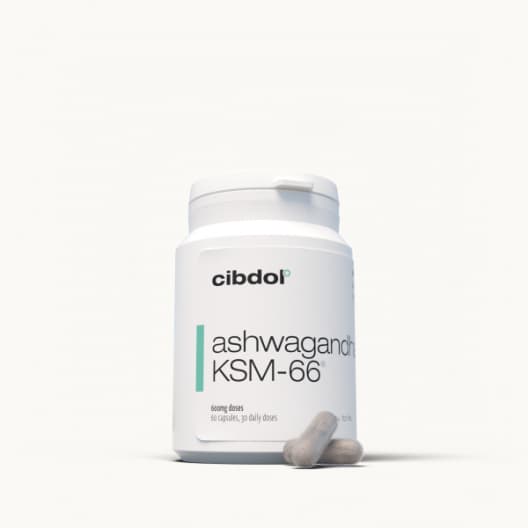

Ashwagandha KSM-66
Clinically studied KSM-66 ashwagandha extract for stress reduction and adrenal support.
- • KSM-66® branded extract
- • Highest concentration full-root extract
- • Reduces cortisol and stress
Disclosure: We may earn a commission if you purchase via these links.
Joint Pain and Osteoarthritis
Supplement approach:
- Curcumin (500-1000mg enhanced): comparable to ibuprofen for knee OA in clinical trials
- Boswellia (300-500mg boswellic acids): comparable to celecoxib in some studies
- Omega-3 (2000-3000mg EPA+DHA): reduces joint stiffness and inflammation
- Glucosamine/chondroitin: mixed evidence, possibly disease-modifying in some patients
Pharmaceutical approach:
- NSAIDs (ibuprofen, naproxen): effective but GI, cardiovascular, and renal risks with long-term use
- COX-2 inhibitors (celecoxib): better GI profile than NSAIDs, cardiovascular concerns remain
- Paracetamol: modest pain relief, safer but less effective than NSAIDs
- Corticosteroid injections: temporary relief, limited number recommended
- Joint replacement: definitive for severe OA
Honest assessment: For mild-moderate OA, supplements are a genuinely attractive option — similar pain relief to NSAIDs with dramatically better safety for long-term use. For severe OA, supplements alone are usually insufficient. Many rheumatologists now recommend curcumin and omega-3 as baseline, with NSAIDs for flare-ups rather than continuous use.
Sleep Issues
Supplement approach:
- Magnesium glycinate (300-400mg): improves sleep quality through GABA and glycine
- L-theanine (200mg): relaxation without sedation
- Melatonin (0.5-3mg): effective for circadian rhythm issues, jet lag; less evidence for general insomnia
Pharmaceutical approach:
- Z-drugs (zolpidem, zopiclone): effective but dependency risk, next-day impairment
- Benzodiazepines: effective but high dependency risk, rebound insomnia
- Trazodone (low-dose): sedating antidepressant, less dependency concern
- Suvorexant/lemborexant: orexin receptor antagonists, newer class
Honest assessment: For occasional or mild sleep issues, supplements + sleep hygiene is the appropriate first-line approach. Z-drugs and benzodiazepines should be short-term solutions (2-4 weeks) due to dependency risk. Many sleep specialists now recommend magnesium and L-theanine as baseline interventions before considering medication.
Borderline High Cholesterol
Supplement approach:
- Berberine (500mg 2-3x daily): reduces LDL by 20-25% in clinical trials
- Omega-3 (2-4g EPA+DHA): reduces triglycerides by 15-30%
- Plant sterols/stanols (2g daily): reduces LDL by 10-15%
- Red yeast rice: contains natural lovastatin (but facing EU regulatory ban)
Pharmaceutical approach:
- Statins (atorvastatin, rosuvastatin): reduce LDL by 30-50%, strongest cardiovascular mortality evidence
- Ezetimibe: reduces LDL by 15-20%, different mechanism
- PCSK9 inhibitors: reduce LDL by 50-60%, expensive, injectable
Honest assessment: For borderline cases (LDL 130-160 mg/dL) with low cardiovascular risk, lifestyle changes + supplements (berberine, plant sterols, omega-3) may be sufficient. For high-risk patients (existing cardiovascular disease, diabetes, very high LDL), statins have the strongest mortality-reduction evidence and should not be replaced with supplements. Note: if on statins, CoQ10 supplementation is often warranted (statins deplete CoQ10).
When Supplements Complement Medications
Some of the most valuable supplement applications are as adjuncts to prescribed medications — addressing side effects, filling depletions, or enhancing efficacy:
| Medication | Common Issue | Supplement Solution | Evidence |
|---|---|---|---|
| Statins | CoQ10 depletion → muscle pain | CoQ10 100-200mg/day | Moderate — mixed but promising |
| Metformin | B12 depletion | B12 1000µg/day | Strong — well-established |
| PPIs (omeprazole) | Magnesium + calcium depletion | Magnesium + calcium supplements | Strong — guideline-recommended monitoring |
| Corticosteroids (long-term) | Bone density loss | Calcium + D3 + K2 | Strong — standard of care |
| Antibiotics | Microbiome disruption | Strain-specific probiotics (during + 2 weeks after) | Moderate-Strong |
| SSRIs | Sexual dysfunction, weight gain | No reliable supplement solution for these specific effects | Weak |
| Diuretics (loop/thiazide) | Potassium + magnesium depletion | Potassium + magnesium (with monitoring) | Strong — often co-prescribed |
| Methotrexate | Folate depletion | Folic acid (as directed by rheumatologist) | Strong — standard co-prescription |
| Oral contraceptives | B6, folate, magnesium depletion | B-complex + magnesium | Moderate |
This integrative approach — medication for the primary condition, supplements for depletion and support — is increasingly adopted by forward-thinking clinicians.
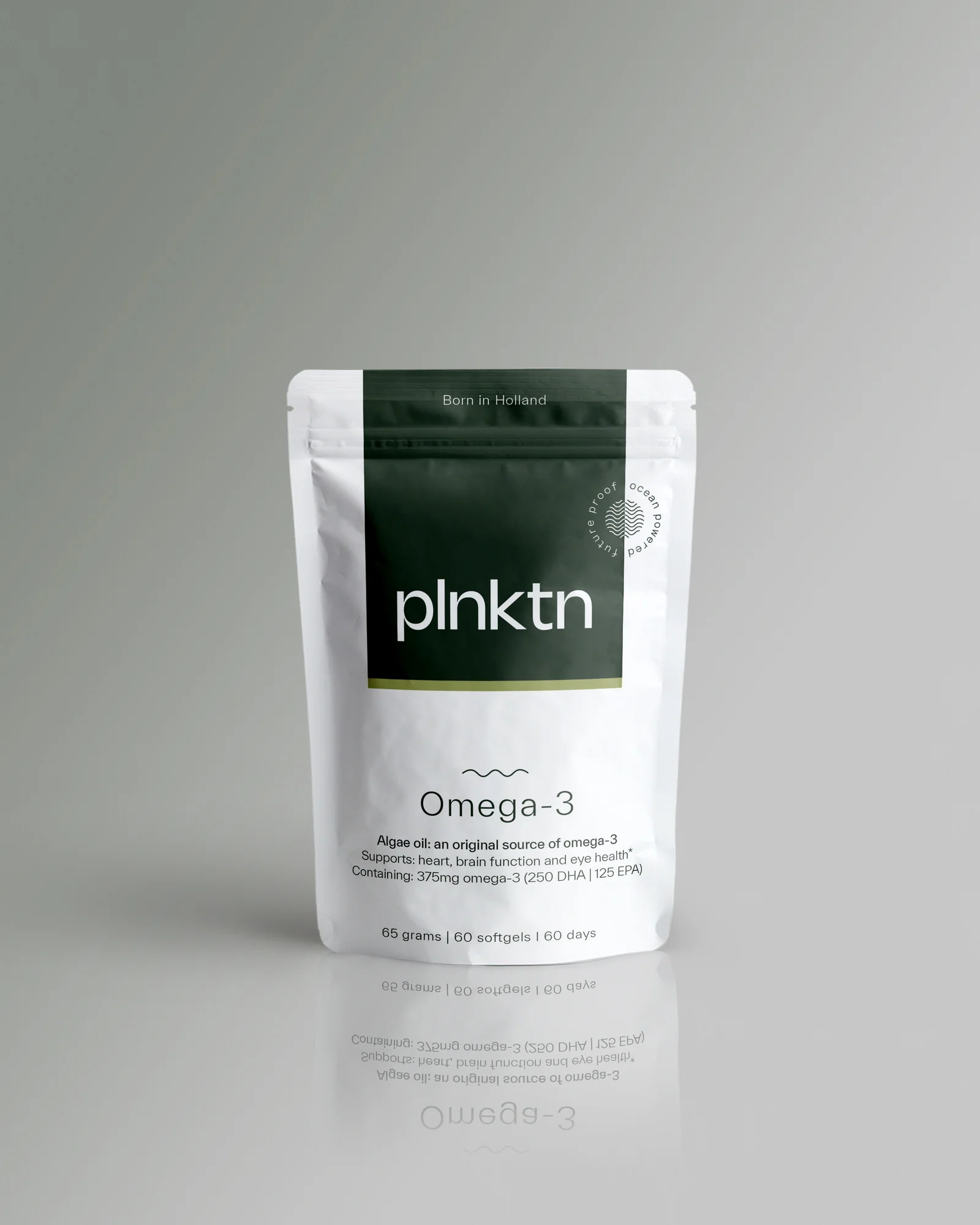

Omega-3 (algenolie)
Daily omega-3 from the original source: algae. With essential EPA and DHA for heart, brain and eyes.
- • 250 mg DHA and 125 mg EPA per capsule
- • 100% fish-free, plant-based algenolie
- • No fishy aftertaste, clean and controlled source
Disclosure: We may earn a commission if you purchase via these links.
Red Flags: When "Natural" Becomes Dangerous
Delaying Necessary Treatment
The most dangerous aspect of the "natural is always better" philosophy is treatment delay. Warning signs that someone is delaying appropriate medical care:
- Refusing antibiotics for a confirmed bacterial infection
- Stopping anticoagulants after a blood clot to try nattokinase
- Attempting to manage type 1 diabetes with berberine instead of insulin
- Replacing anticonvulsant medication with CBD oil without medical supervision
- Using supplements as sole cancer treatment
- Refusing psychiatric medication during a mental health crisis
Unproven Cancer "Cures"
A particularly harmful area where the "natural" narrative causes real damage. Laetrile (amygdalin), high-dose intravenous vitamin C, Essiac tea, Hoxsey formula, and various herbal "protocols" have been promoted as cancer cures. None have demonstrated efficacy in controlled clinical trials. People have died — not from cancer, but from delaying proven treatment in pursuit of unproven alternatives.
What supplements CAN do during cancer treatment (with oncologist approval):
- Support quality of life (ginger for chemotherapy nausea)
- Address treatment-related deficiencies (B12, D3, iron)
- Potentially enhance treatment efficacy (some evidence for vitamin D, omega-3)
- Support recovery after treatment (probiotics, adaptogens)
What supplements CANNOT do:
- Cure cancer
- Replace chemotherapy, radiation, or immunotherapy
- Reliably prevent cancer recurrence (though vitamin D and omega-3 show promise for risk reduction in observational data)
The Herb-Drug Interaction Trap
Some people take supplements alongside medications without informing their doctor, assuming "natural" means "won't interact." This is false. See our drug interaction guide for the full picture, but the most dangerous interactions include:
- St John's Wort + virtually any CYP3A4-metabolised drug
- 5-HTP + SSRIs (serotonin syndrome)
- Ginkgo/garlic/omega-3 (high dose) + anticoagulants (bleeding)
- Potassium supplements + ACE inhibitors (hyperkalaemia)
- Ashwagandha + thyroid medication (thyroid hormone potentiation)
How to Talk to Your Doctor About Supplements
Why This Conversation Matters
Studies show that 50-70% of supplement users don't disclose their supplement use to their doctors. This creates dangerous blind spots:
- Drug interactions go undetected
- Symptoms caused by supplements are misattributed
- Duplicate supplementation (doctor prescribes what you're already taking)
- Treatment decisions are made without full information
Navigating a Dismissive Doctor
Many doctors receive limited training in supplement science (often fewer than 10 hours in medical school). Some dismiss all supplements reflexively. If you encounter this:
Do:
- Bring specific research (named studies, not blog posts)
- Ask about specific interactions rather than requesting approval
- Frame it as "I'm already taking this — what should I know about interactions?"
- Request referral to a pharmacist for interaction review
- Consider finding an integrative medicine practitioner
Don't:
- Present supplements as replacements for prescribed medication
- Take medical advice from supplement shop employees or social media
- Stop prescribed medication without discussing it first
- Feel ashamed about using supplements — it's your right, but transparency matters
Finding Integrative Practitioners
Integrative medicine combines conventional medicine with evidence-based complementary approaches. In Europe:
- UK: British Society of Integrative Medicine (BSIM), registered integrative GPs
- Germany: Heilpraktiker system (naturopathic practitioners) alongside conventional doctors; many GPs incorporate supplements
- Netherlands: Increasingly integrative GPs, especially in larger cities
- EU-wide: European Society of Integrative Medicine (ESIM)
The Decision Framework
When deciding between supplements, medication, or both, consider:
1. Severity Assessment
| Severity | Appropriate First-Line |
|---|---|
| Mild (noticeable but not impairing) | Lifestyle changes + supplements |
| Moderate (some daily impairment) | Supplements + consider medication; reassess at 6-8 weeks |
| Severe (significant impairment, safety concern) | Medication first; supplements as adjunct |
| Emergency (life-threatening) | Medical treatment immediately; supplements irrelevant |
2. Evidence Quality
Ask: "Is there RCT evidence for this supplement at this dose for this condition?" If the answer is yes (omega-3 for depression, curcumin for OA, ashwagandha for anxiety), the supplement is a reasonable option. If the evidence is limited to animal studies, in vitro data, or anecdote, proceed with lower expectations.
3. Risk-Benefit Analysis
| Factor | Favours Supplements | Favours Medication |
|---|---|---|
| Condition severity | Mild-moderate | Moderate-severe |
| Timeline | Can wait 4-8 weeks for effect | Needs rapid relief |
| Side effect tolerance | Prefer lower side effect burden | Can manage side effects for stronger efficacy |
| Long-term use | Yes (better safety profile for chronic use) | Short-term or monitored long-term |
| Pregnancy/special populations | Depends on specific supplement | Established safety data for many medications |
| Cost | Variable (often not insurance-covered) | Often insurance-covered in EU |
4. The Integration Question
The most sophisticated approach isn't choosing one or the other — it's combining them strategically:
- Foundation: Supplements for prevention, optimisation, and deficiency correction
- Condition-specific: Best-evidence option (supplement or medication) for specific health concerns
- Support: Supplements to manage medication side effects and depletions
- Monitoring: Regular blood work and clinical review regardless of approach
Frequently Asked Questions
Can I replace my medication with supplements?
This depends entirely on the medication and the condition. For some situations (mild insomnia currently managed with Z-drugs, mild anxiety on benzodiazepines), a supervised transition to supplements may be appropriate. For others (insulin, anticoagulants, anticonvulsants, immunosuppressants), absolutely not. Never stop prescribed medication without discussing it with your prescriber first. A gradual, monitored transition is always safer than an abrupt switch.
Do doctors know about supplement evidence?
It varies enormously. Medical training includes limited nutrition and supplement education. Some doctors are well-informed and open to integrative approaches; others reflexively dismiss supplements. Pharmacists often have better training in supplement interactions specifically. Integrative medicine practitioners combine both perspectives. The best approach: seek out healthcare providers who are evidence-based but open-minded.
What if my doctor dismisses supplements entirely?
You have options: (1) Request a referral to a pharmacist for interaction review — this is a reasonable request regardless of the doctor's supplement views. (2) Seek a second opinion from an integrative medicine practitioner. (3) Continue supplements but ensure your doctor knows about them for safety reasons. (4) Bring specific published research to the conversation. You don't need your doctor's permission to take supplements, but you do need their awareness for safety.
Are supplements regulated in Europe?
Yes — significantly more than in the US. EU supplements are regulated under the Food Supplements Directive (2002/46/EC), Novel Food Regulation, and the Health Claims Regulation (EC 1924/2006). This means: ingredients must be on an approved list, health claims must be authorised by EFSA, GMP manufacturing is required, and novel ingredients need pre-market safety assessment. The EU regulatory environment is one of the strongest arguments for European supplements being trustworthy.
Is it safe to combine supplements with medication long-term?
Many combinations are safe and even beneficial long-term (CoQ10 + statins, B12 + metformin, calcium + D3 + corticosteroids). Others require monitoring (omega-3 + anticoagulants, magnesium + blood pressure medication). Some should be avoided entirely (St John's Wort + most medications). The key is transparency with your healthcare team and periodic review. Our drug interaction guide covers the specific combinations in detail.
Disclaimer
This article is for informational and educational purposes only and does not constitute medical advice. Never discontinue prescribed medication without consulting your healthcare provider. The decision between supplements and medication should be made in partnership with qualified healthcare professionals who understand your individual health situation, medical history, and risk factors. Supplements are not a substitute for medical treatment of serious health conditions.
Related Articles
- Supplement and Drug Interactions: What Your Doctor Might Not Tell You
- Harm Reduction for Supplement Users: How to Supplement Safely
- Best Supplements for Stress and Cortisol: An Evidence-Based Guide
- 10 Supplement Myths Debunked by Science
This article is for informational purposes only and is not intended as medical advice. Always consult a healthcare professional before starting any new supplement, especially if you take prescription medication.
Related topics
Where to buy
Affiliate linksUpfront Creatine
Straightforward creatine monohydrate at an unbeatable price. Clean formula, no nonsense.
- • Pure creatine monohydrate
- • Best price in NL (€8)
- • No fillers
Orangefit Protein
Plant-based protein shake made from yellow split peas. Complete amino acid profile, easy to digest, no artificial sweeteners. Available in multiple flavours.
- • 100% plant-based (yellow split peas)
- • Complete amino acid profile
- • No artificial sweeteners
Orangefit Protein Blend
Triple-source plant protein: yellow split peas, fava beans, and pumpkin. 24g protein + 5g BCAAs per shake, with turmeric and bioperine.
- • 24g protein per serving
- • 5g BCAAs included
- • Triple protein source
Upfront Crea PRO
Premium creatine formula with enhanced absorption. For athletes who want more from their creatine.
- • Enhanced absorption formula
- • Premium creatine
- • For serious athletes
Disclosure: We may earn a commission if you purchase via these links.
Related articles
Harm Reduction for Supplement Users: How to Supplement Safely
A practical harm reduction framework for supplement users — covering the 8 rules of safe supplementation, upper tolerable limits, cycling protocols, qualit
Supplement and Drug Interactions: What Your Doctor Might Not Tell You
A comprehensive, evidence-based guide to supplement-drug interactions covering CYP450 enzymes, blood thinners, antidepressants, blood pressure and diabetes
Best Supplements for Runners: What Actually Works (Evidence-Based Guide)
An evidence-based guide to the best supplements for runners. Covers protein, creatine, electrolytes, magnesium, caffeine, and omega-3s — what actually work