
Supplements for Endurance vs Strength Training: Different Goals, Different Stacks
Written by Smart Supplements Editorial Team
Key takeaways
- Endurance and strength training use fundamentally different energy systems — aerobic vs ATP-PC — requiring different supplement priorities
- Four supplements work for both: creatine (3-5g/day), protein, magnesium (200-400mg), and caffeine (3-6mg/kg)
- Endurance athletes should prioritise electrolytes, omega-3, intra-workout carbs, and iron testing — strength athletes need higher protein (1.6-2.2g/kg), collagen, and beta-alanine
- Hybrid athletes face a recovery bottleneck: prioritise protein at strength-athlete levels (1.6-2.0g/kg) and magnesium for sleep quality
- Stage your stack over 4-8 weeks — start with shared fundamentals, then add sport-specific supplements to assess individual response
Table of contents
- A Marathon Runner and a Powerlifter Walk Into a Supplement Store
- How Endurance and Strength Training Differ (Metabolically)
- Supplements That Work for Both
- Endurance-Specific Supplements
- Strength-Specific Supplements
- The Hybrid Athlete: Running and Lifting
- Sample Stacks: Endurance, Strength, and Hybrid
- Timing Your Stack Around Training
- Common Mistakes Athletes Make With Supplements
- Frequently Asked Questions
- Building Your Stack: Where to Start
- Disclaimer
A Marathon Runner and a Powerlifter Walk Into a Supplement Store
They browse the same shelves. They pick up some of the same products. But if they leave with identical bags, at least one of them is making a mistake.
Endurance training and strength training place fundamentally different demands on your body — different energy systems, different muscle fibre recruitment, different recovery timelines, different nutrient depletion patterns. It follows that the supplements supporting each should look different too.
Not entirely different, mind you. There is genuine overlap, and we will get to that. But the doses, priorities, and timing shift meaningfully depending on whether your primary goal is running a half-marathon or adding 20kg to your squat.
This guide breaks down the metabolic science behind both training modalities, identifies the supplements that serve everyone, and builds sport-specific stacks for endurance athletes, strength athletes, and the increasingly popular hybrid approach.
How Endurance and Strength Training Differ (Metabolically)
Before talking supplements, it helps to understand what is actually happening inside your muscles during each type of training.
Endurance: The Aerobic Engine
Endurance exercise — running, cycling, swimming, rowing at moderate intensity for extended periods — relies primarily on the aerobic energy system. Your body oxidises carbohydrates (glycogen) and fats to produce ATP over long durations. This process is efficient but relatively slow.
Key metabolic characteristics:
- Primary fuel: Muscle glycogen and fatty acids
- Dominant fibre type: Type I (slow-twitch) — fatigue-resistant, oxygen-dependent
- Energy system: Oxidative phosphorylation (mitochondrial)
- Limiting factors: Glycogen depletion, electrolyte loss, oxidative stress, iron status
- Recovery profile: Moderate muscle damage, high metabolic waste, significant fluid and mineral loss
Strength: The Anaerobic Powerhouse
Strength training — heavy compound lifts, explosive movements, short maximal efforts — depends on the ATP-PC (phosphocreatine) and glycolytic energy systems. These systems produce energy rapidly but deplete quickly.
Key metabolic characteristics:
- Primary fuel: Phosphocreatine and muscle glycogen
- Dominant fibre type: Type II (fast-twitch) — powerful but fatigue-prone
- Energy system: ATP-PC (first 10 seconds) and anaerobic glycolysis (up to ~90 seconds)
- Limiting factors: Phosphocreatine stores, muscle protein synthesis capacity, mechanical tissue damage
- Recovery profile: Higher structural muscle damage, greater protein turnover, less fluid loss
Why This Matters for Supplementation
| Factor | Endurance | Strength |
|---|---|---|
| Primary energy system | Aerobic (oxidative) | Anaerobic (ATP-PC, glycolytic) |
| Muscle fibre emphasis | Type I (slow-twitch) | Type II (fast-twitch) |
| Glycogen use | Very high (depleted in 60-90 min) | Moderate (localised depletion) |
| Sweat/electrolyte loss | Very high | Moderate |
| Protein turnover | Moderate (0.8-1.2g/kg/day) | High (1.6-2.2g/kg/day) |
| Oxidative stress | High (increased O2 throughput) | Moderate |
| Key nutrient demands | Carbs, electrolytes, iron, omega-3 | Protein, creatine, collagen |
Understanding these differences is what separates a well-designed supplement stack from a generic one. Let us start with the common ground.
Supplements That Work for Both
Some supplements earn their place regardless of training modality. These are the universal performers — backed by evidence across both endurance and strength contexts.
Creatine Monohydrate
Creatine is the single most researched sports supplement in history, with over 500 peer-reviewed studies supporting its efficacy (Kreider et al., 2017, Journal of the International Society of Sports Nutrition). While traditionally associated with strength athletes, emerging research confirms benefits for endurance performance too — particularly in repeated sprint efforts, high-intensity intervals, and cognitive function during fatigue.
- Dose: 3-5g daily (no loading necessary)
- Mechanism: Replenishes phosphocreatine stores, buffers ATP during high-intensity efforts
Upfront Creatine
Straightforward creatine monohydrate at an unbeatable price. Clean formula, no nonsense.
- • Pure creatine monohydrate
- • Best price in NL (€8)
- • No fillers
Disclosure: We may earn a commission if you purchase via these links.
Protein
Both training types require adequate protein for recovery and adaptation. The difference is in the dose (more on that in the sport-specific sections). But the principle is universal: exercise creates muscle damage, protein provides the amino acids for repair and growth.
- Endurance athletes: 1.2-1.6g protein per kg bodyweight daily (Thomas et al., 2016, Medicine & Science in Sports & Exercise)
- Strength athletes: 1.6-2.2g/kg/day
Orangefit Protein
Plant-based protein shake made from yellow split peas. Complete amino acid profile, easy to digest, no artificial sweeteners. Available in multiple flavours.
- • 100% plant-based (yellow split peas)
- • Complete amino acid profile
- • No artificial sweeteners
Disclosure: We may earn a commission if you purchase via these links.
Magnesium
Involved in over 300 enzymatic reactions including muscle contraction, energy metabolism, and electrolyte balance. Exercise increases magnesium requirements, and deficiency is common across European populations — up to 60% are suboptimal (Workinger et al., 2018, Nutrients).
- Dose: 200-400mg elemental magnesium daily
- Best forms: Glycinate (recovery/sleep), citrate (general), malate (energy)
Orangefit Magnesium
Plant-based magnesium supplement supporting muscle function, energy production, and recovery.
- • Supports muscle function
- • Aids energy production
- • Plant-based formula
Disclosure: We may earn a commission if you purchase via these links.
Caffeine
One of the most reliable ergogenic aids across all sports. Caffeine improves endurance time-to-exhaustion by 2-4% and strength output by 2-7% (Grgic et al., 2020, British Journal of Sports Medicine). It works through adenosine receptor antagonism, reducing perceived effort and fatigue.
- Dose: 3-6mg/kg bodyweight, 30-60 minutes pre-exercise
- Caveat: Tolerance develops; cycle usage for maximum effect
Shared Supplements Summary
| Supplement | Dose | Benefit | Notes |
|---|---|---|---|
| Creatine monohydrate | 3-5g/day | ATP regeneration, recovery | Works for both; more pronounced for strength |
| Protein | 1.2-2.2g/kg/day | Muscle repair and adaptation | Dose varies by training type |
| Magnesium | 200-400mg/day | Muscle function, recovery, sleep | Glycinate for evening; citrate budget option |
| Caffeine | 3-6mg/kg pre-exercise | Reduced fatigue, improved output | Cycle to maintain sensitivity |

Endurance-Specific Supplements
Endurance athletes face unique challenges: prolonged glycogen depletion, heavy sweat losses, increased oxidative stress from sustained aerobic metabolism, and (especially in female runners) iron depletion.
Electrolytes
This is arguably the most important endurance-specific supplement. During prolonged exercise (60+ minutes), you lose 500-1500mg of sodium per litre of sweat, plus meaningful amounts of potassium, magnesium, and chloride. Replacing only water without electrolytes risks hyponatraemia — a potentially dangerous condition where blood sodium drops too low.
A good electrolyte supplement provides sodium, potassium, and magnesium in ratios that match sweat composition.
- When: During sessions over 60 minutes, and in the 2 hours post-exercise
- Key minerals: Sodium (500-1000mg/hour during exercise), potassium, magnesium
Orangefit Hydrate
Electrolyte formula for optimal hydration before, during, and after exercise. Clean ingredients, no artificial sweeteners.
- • Optimal electrolyte ratio
- • No artificial sweeteners
- • Plant-based
Disclosure: We may earn a commission if you purchase via these links.
Omega-3 Fatty Acids (EPA + DHA)
While beneficial for everyone, omega-3s are particularly valuable for endurance athletes. Prolonged aerobic exercise generates substantial oxidative stress and inflammatory signalling. EPA and DHA modulate inflammation, support cardiovascular function, and may improve oxygen delivery efficiency (Hingley et al., 2017, European Journal of Sport Science).
- Dose: 1000-2000mg EPA+DHA daily
- Form: Triglyceride or algae-based for sustainability
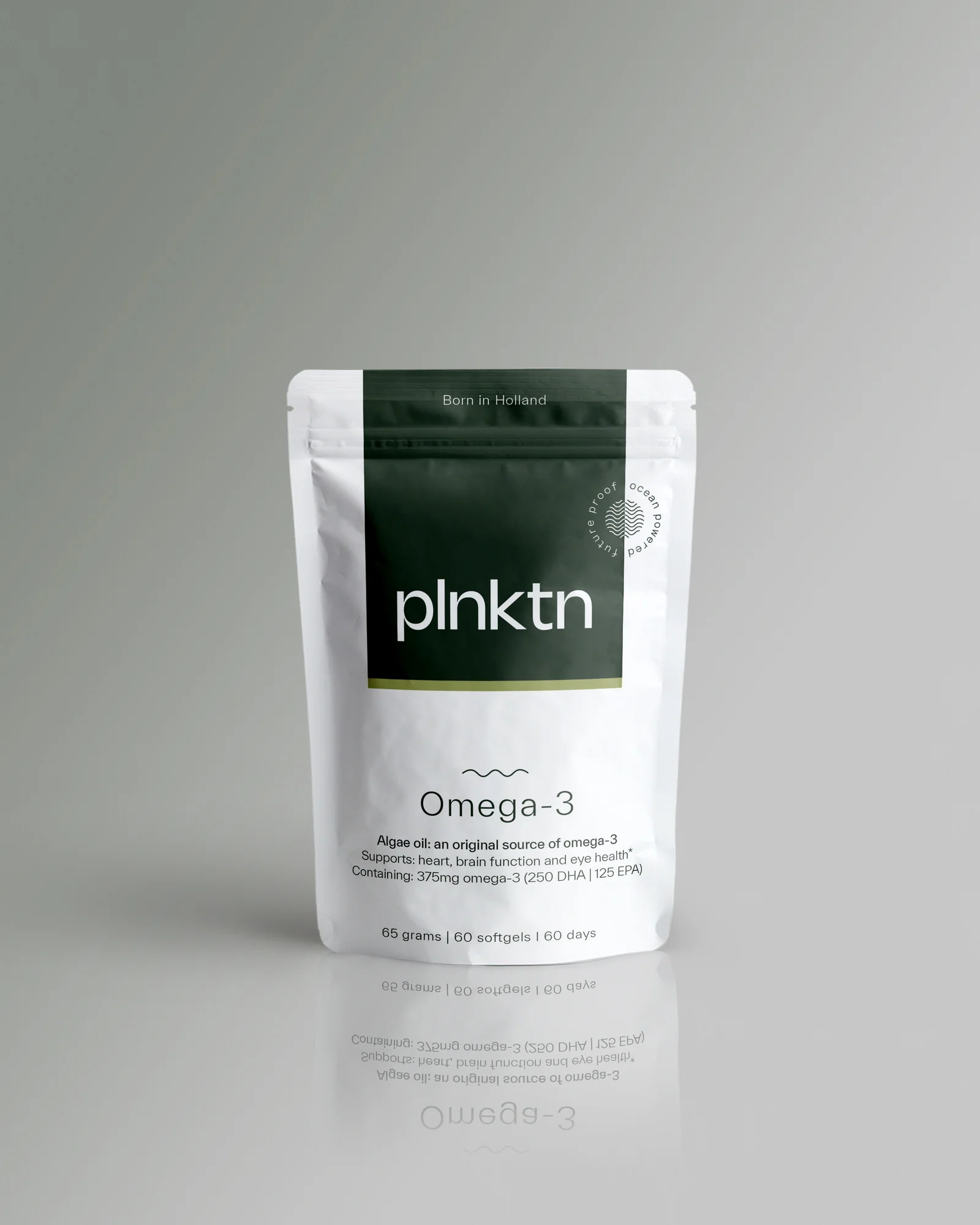

Omega-3 (algenolie)
Daily omega-3 from the original source: algae. With essential EPA and DHA for heart, brain and eyes.
- • 250 mg DHA and 125 mg EPA per capsule
- • 100% fish-free, plant-based algenolie
- • No fishy aftertaste, clean and controlled source
Disclosure: We may earn a commission if you purchase via these links.
Energy Gels and Intra-Workout Carbohydrates
For sessions exceeding 90 minutes, exogenous carbohydrate intake during exercise delays glycogen depletion and maintains blood glucose. Current sports nutrition guidelines recommend 30-60g of carbohydrates per hour for moderate-duration efforts, and up to 90g/hour for ultra-endurance events using glucose-fructose blends (Jeukendrup, 2014, Sports Medicine).
Energy gels provide a concentrated, easily digestible carbohydrate source without the GI burden of solid food.
- When: Every 30-45 minutes during sessions over 90 minutes
- Tip: Practice in training — never try a new gel on race day
Upfront Energy Gel
Quick energy gel for mid-run or mid-workout fuel. Compact and easy to carry.
- • Fast-acting energy
- • Easy to carry
- • Mid-run fuel
Disclosure: We may earn a commission if you purchase via these links.
Iron (Especially Female Runners)
Endurance athletes, particularly menstruating women, are at elevated risk of iron deficiency. "Foot strike haemolysis" (mechanical destruction of red blood cells), GI blood loss during prolonged exercise, and increased iron demands for red blood cell production all contribute. Up to 35% of female endurance athletes may be iron deficient (Sim et al., 2019, Nutrients).
- Dose: Only supplement if blood work confirms low ferritin (<30ng/mL for athletes)
- Form: Bisglycinate (better absorbed, less GI distress)
- Important: Do not supplement iron without testing — excess iron causes oxidative damage
Endurance Stack Summary
| Supplement | Dose | Timing |
|---|---|---|
| Electrolytes | Per sweat rate | During and post-exercise |
| Omega-3 | 1000-2000mg EPA+DHA | With meal containing fat |
| Energy gels | 30-60g carbs/hour | During sessions >90 min |
| Iron (if deficient) | Per blood work | Morning, away from coffee/calcium |
| + Shared stack | See above | See above |

Strength-Specific Supplements
Strength athletes prioritise muscle protein synthesis, connective tissue integrity, and the phosphocreatine energy system. Their supplement needs reflect these priorities.
Higher Protein Intake (1.6-2.2g/kg/day)
While endurance athletes need protein, strength athletes need meaningfully more. A 2018 meta-analysis by Morton et al. in the British Journal of Sports Medicine (Morton et al., 2018) established 1.6g/kg/day as the threshold for maximising resistance-training-induced muscle gains, with potential additional benefit up to 2.2g/kg for experienced lifters in a caloric surplus.
For an 80kg strength athlete, that is 128-176g of protein daily. Most people cannot consistently hit this through whole food alone — especially on training days when appetite may be suppressed post-workout.
- Strategy: 20-40g high-quality protein per meal, 4-5 meals/day
- Post-workout: 20-40g within 2 hours of training (the "anabolic window" is wider than you have been told)
Orangefit Protein
Plant-based protein shake made from yellow split peas. Complete amino acid profile, easy to digest, no artificial sweeteners. Available in multiple flavours.
- • 100% plant-based (yellow split peas)
- • Complete amino acid profile
- • No artificial sweeteners
Disclosure: We may earn a commission if you purchase via these links.
Creatine (More Pronounced Benefits)
Creatine appears in the shared section, but its effects are substantially more pronounced for strength athletes. The phosphocreatine system is the primary ATP source for sets of 1-10 reps at high intensity — exactly the rep ranges that drive strength and hypertrophy adaptations.
Creatine supplementation typically increases maximal strength by 5-10% and lean body mass by 1-2kg over 4-12 weeks (Rawson & Volek, 2003, Journal of Strength and Conditioning Research).
Beta-Alanine
Beta-alanine increases intramuscular carnosine, which buffers hydrogen ions during high-intensity exercise. This delays the "burning" sensation that forces you to stop a set. Most relevant for sets lasting 60-240 seconds (think: sets of 8-15 reps, supersets, metabolic conditioning).
- Dose: 3.2-6.4g/day (split into 2-3 doses to minimise paraesthesia — the harmless tingling sensation)
- Timeline: Takes 4-6 weeks of daily supplementation to saturate carnosine stores
- Evidence: Meta-analyses show a 2.85% improvement in exercise capacity for efforts lasting 1-4 minutes (Saunders et al., 2017, British Journal of Sports Medicine)
Collagen Peptides
Strength training places significant stress on tendons, ligaments, and joints — connective tissues that adapt more slowly than muscle. Collagen peptide supplementation (particularly with vitamin C) has been shown to increase collagen synthesis and may support tendon health and injury prevention (Shaw et al., 2017, American Journal of Clinical Nutrition).
- Dose: 10-15g collagen peptides + 50mg vitamin C
- Timing: 30-60 minutes before training for optimal collagen synthesis stimulation
Upfront Collagen
Collagen supplement for joint health, tendons, and recovery. Essential for runners and active lifestyles.
- • Supports joints & tendons
- • Aids recovery
- • Essential for runners
Disclosure: We may earn a commission if you purchase via these links.
Caloric Surplus Considerations
Strength athletes pursuing muscle gain need a caloric surplus (typically 200-500kcal above maintenance). Supplements that add calories without requiring additional meal preparation — protein shakes, mass gainers, creatine (which increases intracellular water retention) — become practical tools rather than just nutritional ones.
Strength Stack Summary
| Supplement | Dose | Timing |
|---|---|---|
| Protein | 1.6-2.2g/kg/day total | Spread across 4-5 meals |
| Creatine | 5g/day | Any time (consistency matters) |
| Beta-alanine | 3.2-6.4g/day | Split into 2-3 doses |
| Collagen + vitamin C | 10-15g + 50mg C | 30-60 min pre-training |
| + Shared stack | See above | See above |
The Hybrid Athlete: Running and Lifting
The hybrid athlete — someone who runs seriously and lifts seriously — is the fastest-growing training archetype in European fitness. CrossFit popularised the concept, but modern hybrid training is more nuanced: think running 30-50km per week while maintaining a structured strength programme.
The Recovery Bottleneck
The fundamental challenge of hybrid training is not the training itself — it is the recovery. You are asking your body to adapt to two competing stimuli simultaneously. Endurance training triggers mitochondrial biogenesis and capillary density. Strength training triggers myofibrillar protein synthesis and neural adaptations. These pathways partially interfere with each other (the so-called "interference effect" described by Hickson, 1980).
What this means for supplementation: the hybrid athlete needs to prioritise recovery above all else.
Protein Is Non-Negotiable
Hybrid athletes should aim for 1.6-2.0g/kg/day — essentially strength-athlete protein levels, because the combined training volume creates substantial muscle protein breakdown. Skimping on protein is the single fastest way to stall progress in both domains.
Sleep and Magnesium
Recovery happens during sleep. Hybrid athletes training 8-12 hours per week need 7.5-9 hours of quality sleep. Magnesium glycinate (300-400mg evening) supports sleep quality and muscle relaxation — arguably the most underrated supplement for this population.
Carbohydrate and Electrolyte Support
Hybrid athletes burn through glycogen rapidly. Adequate carbohydrate intake (5-8g/kg/day depending on training volume) and electrolyte replacement during longer sessions are essential.

Sample Stacks: Endurance, Strength, and Hybrid
Here is where it all comes together. Three complete stacks, tailored to each training modality, using products available from European partner brands.
| Supplement | Endurance Stack | Strength Stack | Hybrid Stack |
|---|---|---|---|
| Creatine | 3g/day | 5g/day | 5g/day |
| Protein | 1.2-1.4g/kg/day | 1.8-2.2g/kg/day | 1.6-2.0g/kg/day |
| Magnesium | 300mg (glycinate) | 300mg (glycinate) | 400mg (glycinate) |
| Caffeine | 3-4mg/kg pre-session | 3-6mg/kg pre-session | 3-5mg/kg pre-session |
| Electrolytes | Every session >60min | Hot days / heavy sessions | Every running session >45min |
| Omega-3 | 1500-2000mg EPA+DHA | 1000mg EPA+DHA | 1500mg EPA+DHA |
| Energy gels | Sessions >90min | Not needed | Long runs >90min |
| Beta-alanine | Optional (for intervals) | 3.2-6.4g/day | 3.2g/day |
| Collagen | Optional (joint support) | 10-15g pre-training | 10-15g pre-training |
| Iron | Test and supplement if low | Usually not needed | Test if running >40km/week |
Recommended Products by Stack
Endurance athletes: Orangefit Hydrate (electrolytes), Upfront Energy Gel (intra-workout carbs), PLNKTN Omega-3 (recovery), Orangefit Protein (post-run), Orangefit Magnesium (sleep/recovery)
Strength athletes: Upfront Creatine (ATP regeneration), Orangefit Protein (muscle synthesis), Upfront Collagen (connective tissue), Orangefit Magnesium (muscle function)
Hybrid athletes: All of the above — the hybrid approach genuinely benefits from the widest supplement range

Timing Your Stack Around Training
Getting the right supplements is only half the equation. When you take them matters — especially around training sessions.
Pre-Training (30-60 Minutes Before)
- Caffeine: 3-6mg/kg for ergogenic effect
- Collagen + vitamin C: If strength training (collagen synthesis window)
- Energy gel: First gel 15 minutes before endurance sessions >90 minutes
- Beta-alanine: One of your daily doses can be pre-training
During Training
- Electrolytes: Sip throughout sessions over 60 minutes (endurance) or in hot conditions (strength)
- Energy gels: Every 30-45 minutes during prolonged endurance sessions
- Water: 400-800ml per hour depending on sweat rate and conditions
Post-Training (Within 2 Hours)
- Protein: 20-40g to initiate muscle protein synthesis
- Creatine: Can be taken post-workout (timing is flexible — daily consistency matters more)
- Carbohydrates: 1-1.2g/kg for endurance athletes to replenish glycogen
Evening
- Magnesium glycinate: 200-400mg, 1 hour before bed
- Omega-3: With dinner (fat improves absorption)
Common Mistakes Athletes Make With Supplements
Prioritising Supplements Over Nutrition
No supplement stack compensates for poor dietary habits. If you are not eating enough total calories, getting adequate protein from food, sleeping 7+ hours, and managing training load sensibly, supplements will provide marginal returns at best. Fix the fundamentals first.
Copying Someone Else's Stack
The marathon runner's Instagram stack is designed for marathon training. Taking the same supplements while training for powerlifting is like wearing running shoes to squat — technically possible, but you are missing the point.
Ignoring Iron Status (Endurance Athletes)
Many endurance athletes — especially women — train for months with unexplained fatigue that turns out to be iron deficiency. Annual blood work (ferritin, haemoglobin, transferrin saturation) is essential. Do not supplement iron without testing, but do get tested.
Skipping Electrolytes in "Short" Sessions
Even 45-60 minute sessions in warm conditions can create meaningful sodium deficits. If you feel dizzy, get headaches post-run, or experience muscle cramps, electrolytes are likely the answer before any other supplement.
Frequently Asked Questions
Should runners take creatine?
Yes — with nuance. The old concern that creatine causes weight gain that harms running performance has been largely debunked. The initial 1-2kg of water weight typically stabilises within 2-3 weeks. Meanwhile, creatine supports repeated sprint capacity (useful for interval training), cognitive function during fatigue, and recovery between sessions. For distance runners, 3g/day is a reasonable dose that minimises water retention while providing benefits. We covered this topic in depth in our creatine for runners guide.
How much protein do endurance athletes actually need?
More than most think. The ISSN and ACSM both recommend 1.2-1.6g/kg/day for endurance athletes — meaningfully above the general population RDA of 0.8g/kg. For a 70kg runner, that is 84-112g daily. The higher end applies during intense training blocks or when running in a caloric deficit. Our protein guide for runners covers this in detail.
Can I use the same supplements for both endurance and strength?
Partially. Creatine, protein, magnesium, caffeine, and omega-3 serve both modalities. But the doses and additional supplements differ. Endurance athletes prioritise electrolytes and intra-workout carbs; strength athletes prioritise higher protein, collagen, and beta-alanine. The sample stacks above give you the specifics.
Do I need a separate supplement stack for race day vs training?
For endurance events, yes. Race day nutrition — particularly carbohydrate loading, caffeine timing, and intra-race fuelling — should be practiced extensively in training but follows a more aggressive protocol on race day. Never try new supplements on race day.
Are electrolytes only necessary for long runs?
Not exclusively. Any session where you sweat significantly benefits from electrolyte replacement. Short, intense sessions in hot conditions can produce substantial sodium losses. As a general rule: if you sweat enough that your shirt is wet, you should be replacing electrolytes. See our electrolytes for runners guide for detailed protocols.
Is beta-alanine useful for runners?
It can be. Beta-alanine primarily benefits efforts lasting 1-4 minutes — making it most relevant for middle-distance runners (800m-1500m) and during high-intensity interval sessions. For pure long-distance runners, the benefits are less pronounced, though it may help during the sprint finish of a race.
How does caffeine affect endurance vs strength differently?
Caffeine benefits both, but through slightly different mechanisms. In endurance, it primarily reduces perceived exertion, allowing you to maintain pace longer. In strength, it enhances motor unit recruitment and force production. The dose is similar (3-6mg/kg), but endurance athletes may benefit from a slightly lower dose to avoid GI distress during prolonged exercise. For a deep dive, read our caffeine and athletic performance guide.
Building Your Stack: Where to Start
If you are new to sport-specific supplementation, do not buy everything at once. Start with the shared fundamentals and add sport-specific supplements over 4-8 weeks:
Week 1-2: Creatine (3-5g/day) + protein (hit your daily target)
Week 3-4: Add magnesium (evening) + omega-3 (with meals)
Week 5-6 (endurance): Add electrolytes for sessions over 60 minutes
Week 5-6 (strength): Add collagen pre-training + beta-alanine
Week 7-8: Fine-tune caffeine timing and dosing
This staged approach lets you assess each addition individually and build a stack you actually understand and trust.
For more context on building a complete supplement stack for running, see our runner supplement stack guide. And for a broader look at supplements and running, our supplements for running overview covers the full picture.
Disclaimer
This article is for informational and educational purposes only and does not constitute medical advice. Individual supplement needs vary based on training history, health status, medications, and personal goals. Some supplements featured include affiliate relationships with partner brands — this helps support our editorial work at no extra cost to you. Consult a qualified healthcare provider or sports dietitian before starting a supplement regimen, particularly if you take prescription medications, are pregnant or breastfeeding, or have existing health conditions.
Written by the Smart Supplements editorial team. Last reviewed: April 2026.
This article is for informational purposes only and is not intended as medical advice. Always consult a healthcare professional before starting any new supplement, especially if you take prescription medication.
Related topics
Where to buy
Affiliate linksUpfront Creatine
Straightforward creatine monohydrate at an unbeatable price. Clean formula, no nonsense.
- • Pure creatine monohydrate
- • Best price in NL (€8)
- • No fillers
Orangefit Protein
Plant-based protein shake made from yellow split peas. Complete amino acid profile, easy to digest, no artificial sweeteners. Available in multiple flavours.
- • 100% plant-based (yellow split peas)
- • Complete amino acid profile
- • No artificial sweeteners
Orangefit Protein Blend
Triple-source plant protein: yellow split peas, fava beans, and pumpkin. 24g protein + 5g BCAAs per shake, with turmeric and bioperine.
- • 24g protein per serving
- • 5g BCAAs included
- • Triple protein source
Upfront Crea PRO
Premium creatine formula with enhanced absorption. For athletes who want more from their creatine.
- • Enhanced absorption formula
- • Premium creatine
- • For serious athletes
Disclosure: We may earn a commission if you purchase via these links.
Related articles
Creatine for Runners: Not Just for Bodybuilders
Creatine is the most researched supplement in sports science, yet runners rarely consider it. Here is the evidence for how creatine monohydrate can improve
The Runner's Supplement Stack: What to Take Before, During, and After
A practical, timing-based guide to the 5-6 supplements runners actually need — organised by daily essentials, pre-run, during-run, and post-run protocols,
Best Supplements for Muscle Soreness and Recovery: What the Science Says
A science-backed guide to supplements that actually help with muscle soreness and recovery — including protein, omega-3, magnesium, and collagen — with dos