Psilocybin Retreats in the Netherlands: What to Know Before You Go
Written by Smart Supplements Editorial Team
Key takeaways
- Psilocybin truffle retreats are legal in the Netherlands due to the truffle loophole in Dutch drug law
- Prices range from €150 for group ceremonies to €5,000+ for luxury therapeutic programmes
- Screening quality is the most important indicator of a good retreat — avoid those that accept everyone
- Integration support after the ceremony is what separates therapeutic retreats from recreational ones
- Retreats use full-dose truffles (15-45g), not microdoses — expect a genuine psychedelic experience
- People with psychosis history, bipolar disorder, or on SSRIs should not attend any psilocybin retreat
Table of contents
The Netherlands is one of the only places in the world where you can legally consume psilocybin — and an entire retreat industry has grown around that fact. From luxury wellness centres to intimate guided ceremonies, Dutch psilocybin retreats offer supervised psychedelic experiences for people who want something more structured (and legal) than self-directed microdosing. But the quality varies enormously, prices range from €150 to €5,000+, and not every retreat is right for every person. Here is your honest guide.
Why the Netherlands?
The Netherlands' unique legal position makes it the global hub for legal psilocybin experiences. Here is the context:
The Legal Framework
In 2008, the Netherlands banned psilocybin mushrooms (the fruiting bodies). However, psilocybin truffles (sclerotia — the underground food reserves of the same fungi) were not included in the ban because they are biologically distinct from the mushroom itself. This technicality created the world's only legal market for psilocybin-containing products.
Truffles are:
- Legal to sell in licensed smartshops
- Legal to possess in any quantity for personal use
- Legal to consume — including in organised group settings
- Taxed at the standard 21% VAT rate
This means retreat operators can legally purchase truffles, serve them to guests, and charge for the facilitation — all within Dutch law. No medical licence is required. There is no formal regulatory framework specifically for truffle retreats, which means quality varies dramatically.
For a complete legal overview, see our country-by-country guide.
Why Not Microdosing Retreats?
Most psilocybin retreats in the Netherlands offer full-dose experiences, not microdosing. The reason is practical: a microdose produces sub-perceptual effects — there is nothing to "facilitate" because you should not feel significantly altered. The value of a retreat is having trained guides present during an intense, potentially transformative experience that warrants support.
That said, some retreats include microdosing education and supply as part of multi-day programmes, teaching participants how to continue an ongoing practice after the retreat.
Types of Psilocybin Retreats
The Dutch retreat landscape spans a wide spectrum:
Group Ceremonies (Budget)
Price: €150–€500 per person Duration: Single evening or day (4–8 hours) Group size: 10–30 participants Setting: Rented venue, community centre, or private home
These are the most accessible option. A facilitator (or facilitators) guide a group through a shared truffle experience, typically with music, dim lighting, and minimal verbal instruction. Preparation may be a brief phone call or questionnaire.
Pros: Affordable, communal energy, low barrier to entry Cons: Limited individual attention, variable screening, minimal integration support, quality is highly variable
Guided Retreats (Mid-Range)
Price: €500–€1,500 per person Duration: 1–3 days Group size: 6–15 participants Setting: Rural retreat centres, converted farmhouses, nature-adjacent properties
The most common format. A multi-day programme typically includes:
- Day 1: Arrival, group introduction, intention setting, preparation workshop
- Day 2: Truffle ceremony with trained facilitators (6–8 hours), plus rest and reflection
- Day 3: Integration session (group sharing, guidance for continuing the process at home)
Pros: Structured preparation and integration, trained facilitators, smaller groups, rural/nature settings Cons: More expensive, group setting means less individual focus, quality still varies
Luxury / Therapeutic Retreats (Premium)
Price: €1,500–€5,000+ per person Duration: 3–7 days Group size: 4–8 participants, sometimes 1-on-1 Setting: Boutique wellness centres, luxury estates
Premium retreats offer the most comprehensive experience:
- Pre-retreat consultations (video calls, health questionnaires, intention work)
- Multiple preparation sessions
- Ceremony with high facilitator-to-participant ratio (sometimes 1:1 or 1:2)
- Multiple integration sessions (often including follow-up calls weeks later)
- Accommodations, meals, and additional wellness activities (yoga, breathwork, massage)
Pros: Most support, best screening, strongest integration, personalised attention Cons: Expensive, may carry a "wellness industry" atmosphere that feels inauthentic to some
How to Evaluate a Retreat
Not all retreats are created equal, and the absence of regulation means you need to do your own quality assessment. Here are the key indicators:
Screening (Most Important)
Green flags:
- Mandatory health questionnaire that asks about psychiatric history, medications, and family mental health history
- Phone or video screening call before acceptance
- Willingness to turn people away who are not suitable candidates
- Clear contraindication list (psychosis, bipolar, SSRIs, lithium)
Red flags:
- No screening whatsoever — "everyone is welcome"
- No questions about medications
- Defensive or dismissive when you ask about their screening process
- No mention of contraindications anywhere on their website
A retreat that accepts everyone without screening is prioritising revenue over safety. This is the single most important quality indicator.
Facilitator Qualifications
There is no official certification for psychedelic facilitators in the Netherlands. However, good facilitators typically have:
- Training in psychedelic-assisted therapy or facilitation (programmes by MAPS, Grof Transpersonal Training, CIIS, or Dutch equivalents)
- Background in psychology, counselling, social work, or a related field
- Personal experience with psychedelics (this is considered important in the field)
- First aid / emergency response training
- Years of practice (ask how many ceremonies they have facilitated)
Red flags: No training disclosed, no background in mental health, fewer than 2 years of experience, unwillingness to discuss their qualifications.
Integration Support
The ceremony itself is only part of the process. How you process and integrate the experience afterward is arguably more important. Good retreats offer:
- Structured sharing/reflection sessions the day after ceremony
- Written or video integration guidance to take home
- Follow-up calls or sessions (1–4 weeks post-retreat)
- Resources for ongoing integration (books, therapist referrals, community)
Red flags: No integration component, no follow-up contact, "the medicine does the work" attitude.
Medical Safety
Even though these are not medical facilities, responsible retreats should have:
- A medical questionnaire and review process
- Knowledge of drug interactions (especially SSRIs and psilocybin)
- Emergency protocols
- A "trip stopper" (benzodiazepine or similar) available for crisis situations
- At least one facilitator with first aid training
What to Expect During a Ceremony
If you have never done a full-dose psychedelic experience, here is a realistic picture of what a truffle ceremony involves:
Before the Ceremony
- Dietary guidelines: Many retreats recommend light eating on ceremony day, sometimes a specific diet for 24–48 hours prior (no alcohol, reduced caffeine, light meals)
- Intention setting: You will be asked to consider what you want to explore, heal, or understand. This is not a goal to "achieve" during the trip — it is a direction for your attention
- Group introduction: Sharing names, backgrounds, and intentions with fellow participants (in group settings)
The Ceremony Itself
- Truffle dosing: Fresh truffles are served, typically 15–25g for a moderate experience, up to 35–45g for a strong one (strain-dependent — see our strain guide). Some retreats offer graduated dosing where you start lower and add more after an hour if desired
- Onset (30–60 minutes): Physical sensations begin — tingling, warmth, nausea (common and usually passes). Emotional sensitivity increases. Perception starts to shift
- Peak (1–3 hours): The most intense phase. Visual changes, deep emotional experiences, altered sense of time and self. Music plays a central role. Facilitators are present but non-intrusive
- Plateau and descent (2–4 hours): Intensity gradually reduces. Insights may crystallise. A feeling of openness and connection is common
- Total duration: 4–6 hours, depending on dose and individual metabolism
What Can Happen
The range of experiences is enormous:
- Bliss: Feelings of deep love, connection, gratitude, awe
- Insight: Sudden clarity about relationships, patterns, purpose
- Emotional release: Crying, laughing, grieving — sometimes all three
- Visual phenomena: Geometric patterns, colour enhancement, dream-like imagery
- Challenging moments: Anxiety, fear, confrontation with painful memories or aspects of self
- Physical effects: Nausea, body temperature changes, muscular tension
Challenging experiences are not "bad trips" in the retreat context — they are often the most therapeutically valuable moments when properly supported. Good facilitators know how to help you navigate difficulty rather than flee from it.
After the Ceremony
- Rest: Most retreats allow for quiet time, sleep, or gentle movement
- Sharing circle: Group discussion of experiences (optional sharing, mandatory listening)
- Integration guidance: How to carry insights forward into daily life
Who Should Consider a Retreat
A psilocybin retreat may be appropriate if:
- You want to experience full-dose psilocybin in a safe, supervised setting
- You are curious about psychedelics but do not want to navigate the experience alone
- You have done some microdosing and want to explore deeper
- You are working through grief, existential questions, creative blocks, or life transitions
- You want the legal security of a Dutch setting
- You are open to a structured programme with preparation and integration
Who Should NOT Attend
A psilocybin retreat is NOT appropriate if:
- You have a history of psychosis or schizophrenia — psilocybin can trigger psychotic episodes
- You have bipolar disorder — risk of manic episodes
- You take SSRIs, lithium, or MAOIs — dangerous interactions
- You are seeking a cure for a serious mental illness — retreats are not medical treatment
- You are under 18 — brain development considerations
- You are pregnant or breastfeeding — no safety data
- You are not in a stable emotional place — acute crisis requires professional support, not psychedelics
- You feel pressured — psychedelic experiences require genuine willingness and readiness
Any retreat that would accept you despite these contraindications is not a retreat you should attend.
The Microdosing Connection
Many people who attend retreats also maintain a microdosing practice — either before, after, or both:
Microdosing Before a Retreat
Some participants microdose in the weeks leading up to a retreat as a way to build familiarity with psilocybin's subtle effects. This is like warming up before exercise — it reduces novelty anxiety and helps you understand your sensitivity before taking a full dose.
Microdosing After a Retreat
More commonly, people begin microdosing after a retreat as a way to sustain integration. The full-dose experience opens doors; microdosing helps keep them open while you build new patterns and process insights. A structured cycling protocol can support this transition.

Microdosing XP Truffles
Pre-portioned psilocybin truffle strips designed specifically for microdosing — consistent dosing without a scale.
- • Pre-portioned for accurate microdosing
- • No scale needed — ready to use
- • Consistent psilocybin content per portion
Disclosure: We may earn a commission if you purchase via these links.
Cost Comparison: Retreats vs Self-Directed Approaches
| Approach | Cost | Supervision | Legal Risk (NL) | Depth of Experience |
|---|---|---|---|---|
| Microdosing (truffles) | €15–20/month | None | None | Subtle, builds over weeks |
| Group ceremony | €150–500 | Moderate | None | Full psychedelic experience |
| Guided retreat | €500–1,500 | Good | None | Full + preparation/integration |
| Luxury retreat | €1,500–5,000+ | Excellent | None | Full + comprehensive support |
| Self-directed truffles | €15–25 per session | None (unless you arrange it) | None | Depends on dose and setting |
| Grow kit mushrooms | €45 (multiple sessions) | None | Grey zone | Depends on dose and setting |
Practical Information
Getting There
Most retreats are in or near Amsterdam, though some are in rural areas of Noord-Holland, Utrecht, or Gelderland. International participants typically fly into Schiphol Airport. Some retreats offer airport transfers; others provide directions for public transit.
What to Bring
- Comfortable, loose-fitting clothes
- A journal or notebook
- An eye mask (many retreats provide these, but bring your own for comfort)
- Water bottle
- Any prescribed medications (even if you will not take them during ceremony, have them available)
- An open mind and a clear intention
How to Book
Most retreats accept bookings through their websites. Expect:
- A health questionnaire (mandatory at good retreats)
- A screening call (often required)
- A deposit (usually 30–50% at booking)
- Preparation materials sent in advance
After You Return Home
The real work begins after the retreat. Integration means:
- Journaling your experience and insights
- Discussing your experience with a therapist, trusted friend, or integration circle
- Making concrete, small changes aligned with your insights (not dramatic life overhauls)
- Being patient — integration is a process, not an event
- Consider a microdosing protocol to support ongoing integration
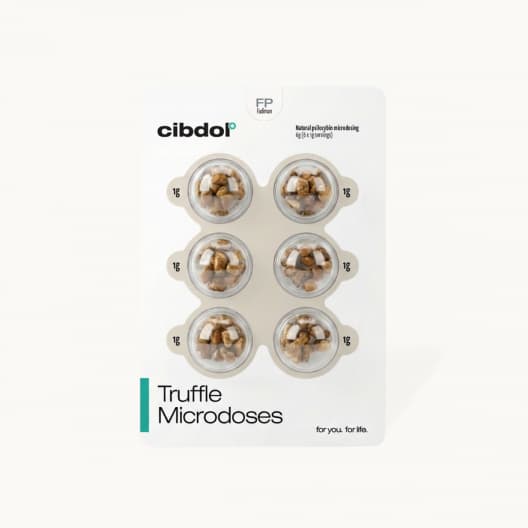

Truffle Microdoses (FP)
Cibdol Truffle Microdoses (FP), carefully prepared microdosing truffles designed for the Fadiman Protocol. Made with mild Psilocybe mexicana truffles, each pack contains 6 × 1g portions for subtle, non-psychoactive support. Ideal for those seeking inner calm through a gentle, structured microdosing approach.
- • For inner calm and emotional balance
- • Up to 1.0 mg psilocybin per dose (6×)
- • Up to 1.8 mg active tryptamines per dose
Disclosure: We may earn a commission if you purchase via these links.
Frequently Asked Questions
Are psilocybin retreats legal in the Netherlands?
Yes. Because psilocybin truffles are legal in the Netherlands, retreats that use truffles operate within Dutch law. There is no specific retreat regulation, so quality varies — do your research before booking.
How much do psilocybin retreats cost?
Prices range from €150 for a basic group ceremony to €5,000+ for a multi-day luxury programme with 1-on-1 facilitation, meals, accommodation, and integration support. Mid-range guided retreats (€500–€1,500) offer the best value for most people.
Is a retreat better than microdosing?
They are different tools. Retreats offer a deep, acute experience over hours. Microdosing offers subtle shifts over weeks or months. Many people find the combination valuable — a retreat for breakthrough insights, followed by microdosing for integration and sustained benefit.
What if I have a bad experience during the ceremony?
Good retreats are prepared for this. Facilitators are trained to support challenging experiences through verbal guidance, physical reassurance, and breathing techniques. In rare cases, a trip stopper (typically a benzodiazepine) can reduce the intensity. Challenging experiences, when properly supported, often become the most valuable ones in retrospect.
Can I attend a retreat while on antidepressants?
No. SSRIs and other serotonergic medications interact with psilocybin and must be tapered off before a retreat — a process that takes weeks to months and must be supervised by your prescribing doctor. Any retreat that accepts you while on SSRIs is not following basic safety protocols.
How do I choose between retreats?
Prioritise: thorough screening process, trained facilitators with disclosed qualifications, integration support, and reasonable group size (under 15). Read independent reviews (Trustpilot, Google, retreat review sites). Contact the retreat directly with questions — how they respond tells you a lot about their professionalism.
Further Reading
- Microdosing Psilocybin: The Complete Beginner's Guide — the subtle alternative
- Magic Truffle Strain Guide — understanding what you will consume
- Microdosing Side Effects — safety considerations that also apply to full doses
- Is Microdosing Legal? — the broader legal landscape
- How to Start Microdosing — if you want to start small first
This article is for informational purposes only. While psilocybin truffle retreats operate legally in the Netherlands, the psychedelic experience carries inherent psychological risks. Always disclose your full medical history, follow screening recommendations, and consult a healthcare professional if you have any concerns. Smart Supplements does not endorse or partner with any specific retreat provider.
Last updated: March 2026
Related topics
Where to buy
Affiliate linksMicrodosing Truffles
Cibdol microdosing truffle kits: FP (Fadiman), SP (Stamets), and OP (One-day-on/off). Lab-tested, 6×1g servings per pack. Choose by protocol and goal — inner calm, mental flexibility, or daily sharpness.
Microdosing XP Truffles
Pre-portioned psilocybin truffle strips designed specifically for microdosing — consistent dosing without a scale.
- • Pre-portioned for accurate microdosing
- • No scale needed — ready to use
- • Consistent psilocybin content per portion
Magic Truffles
Legal psilocybin truffles (sclerotia) available over the counter in the Netherlands. Multiple strains from mild to strong.
Mushroom Grow Kits
All-in-one psilocybin mushroom grow kits — just add water. Multiple strains available for home cultivation in the Netherlands.
Disclosure: We may earn a commission if you purchase via these links.
Related articles
How to Prepare for Your First Psychedelic Trip: A Practical Guide
Everything you need to know before your first psychedelic trip — from set and setting to dose selection, trip sitters, navigating difficult moments, and in
Microdosing Magic Truffles vs Dried Mushrooms: What's the Difference?
Microdosing truffles vs dried mushrooms: psilocybin content, potency variability, legal status, and practical differences. Which is better for microdosing
Is Microdosing Legal? A Country-by-Country Guide for Europe
Is microdosing legal? Country-by-country guide to psilocybin and LSD microdosing laws in Europe — Netherlands, Czechia, Germany, UK, and more. Updated for 2026.