
Kratom Withdrawal: What to Expect and How to Manage It
Written by Smart Supplements Editorial Team
Key takeaways
- Withdrawal onset is typically 12–24h after last dose; peak at 48–72h; acute phase 5–7 days
- Tapering (10–20% dose reduction per week) is significantly easier than cold turkey
- Magnesium glycinate and L-Theanine are the two most useful OTC supports during withdrawal
- Post-acute mood and energy effects can last 2–3 weeks — this is normal
- Prevention is far easier than treatment: 2–3x/week maximum prevents significant dependence
Table of contents
Introduction
Kratom withdrawal is real — but it's manageable when you know what to expect. This is the honest guide most kratom sites won't write.
If you're reading this, you're probably already dealing with withdrawal, trying to anticipate it, or helping someone who is. Whatever the situation, this article gives you the full picture: what happens, when it happens, how long it lasts, and — most importantly — what actually helps.
No moralising. No scare tactics. Just practical information to help you get through it.
Does Kratom Cause Withdrawal?
Yes — for regular users, kratom withdrawal is real and well-documented.
Kratom's active alkaloids (mitragynine and 7-hydroxymitragynine) bind to the same opioid receptors as morphine and heroin, though with different affinity and effect profiles. Because of this mechanism, the body adapts to regular kratom use in ways that overlap with opioid dependence. When you stop, those adaptations create the discomfort we call withdrawal (Boyer et al., 2008, CNS Drugs; Prozialeck et al., 2012, JAOA).
How severe is it? That depends on several factors:
- Frequency of use — Daily users are far more likely to experience significant withdrawal than occasional users
- Dose — Higher doses increase physiological dependence
- Duration — Months or years of daily use creates stronger adaptation than weeks
- Individual physiology — Some people are simply more sensitive than others
A useful rule of thumb from the research:
- Daily users: Meaningful withdrawal is likely (Singh et al., 2016, PLOS ONE)
- 2–3x per week users: Typically mild to none
- Occasional users (once a week or less): Unlikely to experience withdrawal
It's also worth framing this correctly: kratom withdrawal is generally milder than classic opioid withdrawal (heroin, methadone, oxycodone). That doesn't mean it's nothing — it can be genuinely uncomfortable for days — but it is rarely medically dangerous for an otherwise healthy person, and it does end.
Kratom Withdrawal Timeline
Understanding the timeline helps enormously. Withdrawal feels endless when you're in it, but it follows a predictable pattern.
| Phase | Timing | What's Happening |
|---|---|---|
| Onset | 12–24 hours after last dose | First symptoms appear — restlessness, yawning, anxiety |
| Peak | 48–72 hours | Symptoms at their most intense |
| Acute phase ends | 5–7 days | Physical symptoms largely resolve |
| Post-acute phase | 2–3 weeks (heavy daily users) | Residual low mood, sleep disruption, reduced energy |
For context, classic heroin withdrawal peaks within 36–48 hours and typically resolves in 5–7 days. Kratom's timeline is similar but usually less severe in intensity — particularly for people who weren't using very high doses.
If you're tapering (more on this below), you effectively slow this timeline down, reducing the peak intensity significantly.
Withdrawal Symptoms: What to Expect
Physical Symptoms
These are the symptoms driven directly by your nervous system readjusting:
- Muscle aches and pains — often described as flu-like; the legs are commonly affected
- Excessive sweating — particularly at night
- Runny nose and watery eyes — another opioid receptor signature
- Yawning — frequent and involuntary
- Gastrointestinal disturbance — diarrhoea and stomach cramping are very common
- Insomnia — difficulty falling and staying asleep, often despite exhaustion
- Restless legs — an uncomfortable urge to move the legs, worst at night
Psychological Symptoms
These can be just as challenging as the physical ones, particularly in the later stages:
- Anxiety — often disproportionate to circumstances; your nervous system is dysregulated
- Irritability — small frustrations feel amplified
- Low mood — a flat, grey feeling rather than acute sadness
- Cravings — the urge to use, often strongest during peak withdrawal
Severity Scale
| Use Pattern | Expected Severity |
|---|---|
| Occasional (1–2x/week) | Mild to none |
| Regular (daily, low dose, < 3 months) | Mild to moderate |
| Heavy (daily, moderate–high dose, 6+ months) | Moderate to severe |
| Very heavy (multiple doses/day, years) | Severe; medical support worth considering |
Research by Swogger & Walsh (2018) documented withdrawal symptoms reported by kratom users and found a wide range of experience — most manageable, some requiring support. The most commonly reported symptoms were muscle aches, insomnia, and irritability.
How to Make It Easier
You can't eliminate withdrawal entirely, but you can make it significantly more manageable. Here are the interventions that actually have a basis in evidence or widespread user experience.
1. Taper Rather Than Going Cold Turkey
This is the single most effective thing you can do. A gradual taper reduces the peak intensity of withdrawal by allowing your nervous system to adjust incrementally rather than all at once.
Target: reduce your dose by 10–20% per week. It takes longer, but the difference in how you feel is substantial. See the full tapering protocol in the next section.
2. Hydration and Electrolytes
Sweating and GI disturbance both deplete fluids and electrolytes. Drink more water than usual and consider an electrolyte drink or supplement — this directly helps with muscle cramping and fatigue.
3. Magnesium Glycinate (400mg at Night)
Magnesium is one of the most useful over-the-counter supports for withdrawal. It addresses two of the most disruptive symptoms simultaneously:
- Muscle aches: Magnesium supports muscle relaxation
- Sleep: Magnesium glycinate in particular has a calming, sleep-supportive effect
400mg taken 30–60 minutes before bed is the standard approach. If you're also dealing with general sleep difficulties during this period, the sleep supplements guide covers your options in more detail.
4. L-Theanine for Anxiety
L-Theanine (an amino acid found naturally in green tea) promotes calm focus without sedation. For the anxiety and irritability component of withdrawal, 200–400mg taken as needed can provide noticeable relief. It's non-addictive and well-tolerated.
5. Light Exercise
When you feel capable of it — even a 20-minute walk — exercise helps. It releases endorphins (which are in short supply during withdrawal), improves mood, and aids sleep quality. Don't push it if you feel genuinely unwell, but gentle movement earlier in the process helps.
6. OTC Loperamide for GI Issues
Loperamide (Imodium) acts peripherally on gut opioid receptors and can significantly reduce diarrhoea and cramping during withdrawal. Use it short-term only (a few days) and at standard doses — it is not a substitute for kratom and should not be used in high doses.
7. Plan Your First 3–5 Days
The acute phase is much easier to get through with distractions lined up in advance. Films, audiobooks, games, friends who know what you're doing — whatever keeps your mind occupied. Isolation and boredom make withdrawal much harder.
Tapering Protocol
Tapering is the preferred method for most people. Here is a practical example schedule.
Starting dose: 5g per day
| Week | Dose |
|---|---|
| Week 1 | 4g/day |
| Week 2 | 3g every other day (≈1.5g/day average) |
| Week 3 | 2g every third day |
| Week 4 | Stop |
Adjust proportionally for your actual starting dose. The principle is the same: reduce by roughly 10–20% of your original dose each week.
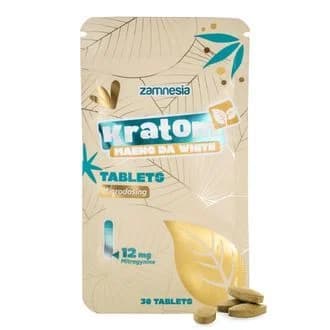
Kratom Tablets (12mg) are ideal for tapering — each tablet is a fixed unit, making 10–20% reductions precise and trackable.
Kratom Tablets
Mild kratom tablets with 12mg of Red, White and Green Maeng Da leaf powder blend. Pre-dosed and easy to use.
- • 12mg mitragynine — mild microdose-friendly tablet
- • Red, White & Green Maeng Da blend
- • 30 tablets per pack
Disclosure: We may earn a commission if you purchase via these links.
Cold turkey is faster but harsher. It may be appropriate if:
- You've been using for a relatively short time (weeks rather than months)
- Your dose has been low
- You have a specific reason to get through it quickly (e.g., upcoming event)
- You've tried tapering and found it difficult to stick to
Who should taper?
- Daily users, especially those using for more than 3 months
- Anyone who has previously experienced difficult withdrawal
- Anyone with significant anxiety or health sensitivities
Who might opt for cold turkey?
- Shorter-term or lower-dose users who want a clean break
- People who find gradual reduction psychologically harder than committing fully
Either approach works. The goal is the same; the path is different.
For more context on how tolerance and dose escalation develop — which affects your withdrawal severity — see the kratom tolerance guide.
What Doesn't Work
"Just a Little Bit" to Take the Edge Off
This is extremely tempting in peak withdrawal and almost universally counterproductive. A small dose provides temporary relief, but it resets the clock — your withdrawal will restart from the beginning when you stop again. This is the mechanism behind prolonged, chronic low-level withdrawal that traps people for months.
Alcohol as a Substitute
Alcohol is not an effective withdrawal management tool. It may temporarily dull some symptoms, but it impairs sleep quality significantly, adds its own withdrawal risk if used heavily, and generally makes the recovery period longer and more difficult.
"Kratom Withdrawal Supplement" Blends
Various products are marketed specifically for kratom withdrawal. The honest assessment: most are unproven and most contain generic herbal or amino acid ingredients that you could source individually at much lower cost. The interventions listed above (magnesium, L-theanine, electrolytes) are more evidence-based than most of what's being sold.
Kratom + Opioids to Manage Withdrawal
Using prescription or illicit opioids to manage kratom withdrawal is genuinely dangerous. It significantly increases dependence risk and the potential severity of any subsequent withdrawal. If your withdrawal feels severe enough to consider this, please seek professional support instead — see the section below.
Post-Acute Symptoms
Once the acute phase (5–7 days) passes, most physical symptoms resolve substantially. But many people — particularly those who were using daily at significant doses — experience a post-acute phase lasting 2–3 weeks:
- Low mood / flat affect — the world feels grey; motivation and pleasure are reduced
- Reduced energy — not exhaustion, but a persistent flatness
- Sleep disruption — difficulty maintaining sleep, vivid dreams, early waking
This is normal. It reflects the brain's gradual re-regulation of dopamine and opioid signalling systems. It's uncomfortable, but it is temporary, and it does resolve.
What helps during post-acute:
- Exercise — the most consistently helpful intervention for mood
- Sleep hygiene — regular sleep/wake times, limiting screens before bed
- Magnesium glycinate — continued at night if it helped during acute phase
- Patience — this phase has a built-in end date; it feels permanent but isn't
If low mood is severe or you're having thoughts of self-harm, please speak to a healthcare provider. Post-acute withdrawal does not cause severe clinical depression in most people, but if it does in your case, that warrants professional support.
When to Seek Help
Most kratom withdrawal can be managed at home. But there are situations where professional support is the right call:
- Symptoms are severe and unmanageable — very high heart rate, extreme anxiety, inability to keep fluids down
- Multiple failed attempts to stop — if you've tried repeatedly and keep returning to use, that's a pattern worth addressing with professional support
- You've been using kratom to manage withdrawal from other opioids — this creates a complex dependency picture that benefits from specialist input
- Significant underlying mental health issues — depression, anxiety disorders, or other conditions can complicate withdrawal
If you need to source kratom while managing a taper or planned reduction, using a verified vendor ensures consistent product quality — which matters when you're tracking doses carefully.

Kratom
Kratom powders, capsules, and extracts from established suppliers. Multiple strains for different effects.
Disclosure: We may earn a commission if you purchase via these links.
Dutch resources:
- Jellinek — 0900–0990 (addiction counselling helpline)
- Trimbos-instituut — trimbos.nl (national expertise centre for mental health and addiction)
- Your GP (huisarts) can refer you to addiction services if needed
There's no shame in asking for help. Kratom dependence is a physiological process, not a moral failing, and support is available.
Prevention Is Better Than Treatment
If you're currently going through withdrawal, this section is for after you're through it. If you're reading this before becoming dependent, this is the most valuable part of the article.
The 2–3x per week rule: Using kratom no more than 2–3 times per week is the most reliable way to prevent significant physical dependence. At this frequency, the body doesn't have time to fully adapt between doses.
Dose management: More is not better with kratom. Lower doses preserve sensitivity and reduce dependence risk. See how to take kratom for dosing guidance.
Strain rotation: Using different kratom strains helps prevent specific receptor tolerance from developing, which in turn helps keep doses low. Full guidance in the kratom tolerance guide.
Tolerance breaks every 6–8 weeks: A planned 5–7 day break every couple of months resets tolerance and prevents the dose escalation that precedes dependence. Planned breaks are easier than forced ones.
Read the harm reduction guide: The kratom harm reduction guide covers all of this in detail and is worth bookmarking as a reference.
Frequently Asked Questions
How long does kratom withdrawal last?
Acute symptoms (the physical phase) typically last 5–7 days. Post-acute residual symptoms — mainly low mood, low energy, and sleep disruption — can persist for 2–3 weeks in heavy daily users. For lighter users, the process is often shorter and milder.
What helps with kratom withdrawal?
The most effective interventions are: tapering gradually rather than stopping abruptly, magnesium glycinate (400mg at night) for muscle aches and sleep, L-theanine for anxiety, hydration with electrolytes, and light exercise when possible. Planning your first few days in advance with distractions also helps significantly.
Is kratom withdrawal dangerous?
For most otherwise healthy people, kratom withdrawal is uncomfortable but not medically dangerous. It does not carry the same risk of life-threatening complications as alcohol or benzodiazepine withdrawal. That said, severe symptoms, inability to keep fluids down, or extreme cardiovascular symptoms warrant medical attention.
Can you die from kratom withdrawal?
Kratom withdrawal itself is not considered life-threatening for healthy individuals. Unlike alcohol or benzo withdrawal, it does not carry a risk of seizures or similar medical emergencies. However, if you have significant underlying health conditions, or if you're in very poor physical condition from long-term heavy use, seeking medical supervision is wise.
How do I stop using kratom?
The most effective approach for daily users is a gradual taper: reduce your dose by 10–20% per week until you reach zero. This minimises peak withdrawal intensity. Support your body during the process with hydration, magnesium glycinate, L-theanine, and light exercise. If you've tried and struggled, consider talking to your GP or a counsellor at Jellinek (0900–0990).
For the full picture on safe kratom use, see our kratom harm reduction guide and what is kratom. For context on why withdrawal severity varies, the kratom tolerance guide explains the underlying mechanisms.
This article is for informational purposes only and is not intended as medical advice. Always consult a healthcare professional before starting any new supplement, especially if you take prescription medication.
Related topics
Where to buy
Affiliate links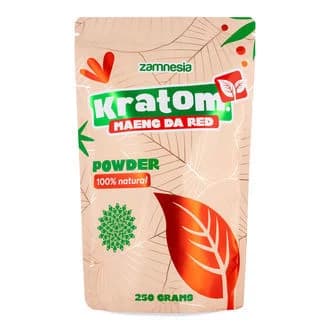
Red Maeng Da Kratom Powder
100% natural Red Maeng Da Kratom Powder from true red-veined Thai kratom leaves. Strong relaxation and sedating profile — one of the most popular red vein strains for evening use and sleep. Available in 25g, 50g, 100g and 250g. 271 reviews, 4.5/5. Zamnesia house brand.
- • Red Maeng Da — premium Thai strain
- • Strong relaxation and sedation
- • 4 sizes from 25g to 250g
Kratom
Kratom powders, capsules, and extracts from established suppliers. Multiple strains for different effects.
Kratom Extract
A concentrated kratom extract powder that delivers stronger effects in smaller quantities than regular leaf powder. Made from Maeng Da leaves, this extract offers enhanced focus, clean energy, and a sense of well-being — ideal for experienced kratom users looking for a more potent and efficient format.
- • Highly concentrated — stronger effects than standard powder
- • Maeng Da variety — known for focus, energy, and well-being
- • Versatile powder format — mix into tea, smoothie, or capsules
Kratom Gummies
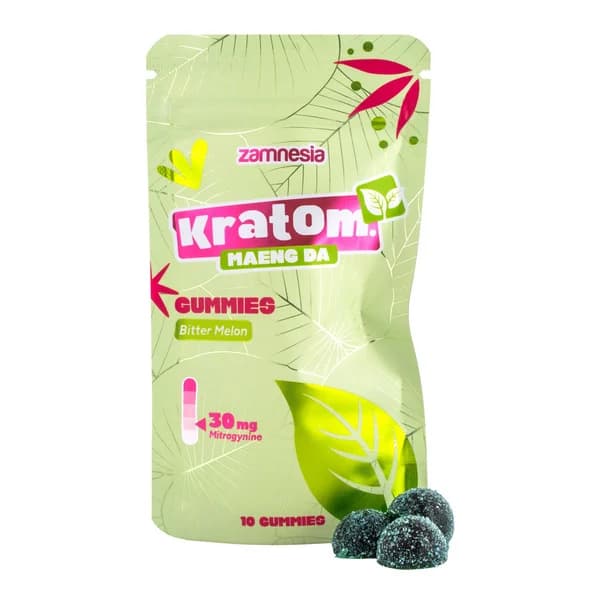
Full-spectrum Maeng Da kratom gummies with 30mg mitragynine each. No powder, no capsules — just bold natural flavour and clean effects.
- • 30mg mitragynine per gummy
- • Full-spectrum kratom extract
- • 4 fruit flavours with 33%+ real fruit content
Disclosure: We may earn a commission if you purchase via these links.
Related articles
Kratom Tolerance and Dependence: What You Should Know
Kratom tolerance and dependence: how it develops, signs of dose creep, how to reset with tolerance breaks, and what real withdrawal looks like.
Kratom and Drug Interactions: What You Must Know Before Mixing
Kratom can interact dangerously with opioids, SSRIs, MAOIs, benzodiazepines, and other medications. This evidence-based guide covers every major kratom drug interaction, the liver enzyme mechanisms behind them, and a practical safety checklist.
Kratom Microdosing: What It Is, How to Do It, and Whether It Works
Kratom microdosing: what counts as a microdose, the 12mg tablet protocol, who it is for, and honest expectations about sub-threshold use.