
Kratom and Drug Interactions: What You Must Know Before Mixing
Written by Smart Supplements Editorial Team
Key takeaways
- Kratom inhibits liver enzymes CYP2D6 and CYP3A4, which means it can increase the strength and duration of many common medications.
- Combining kratom with opioids is the most dangerous interaction — respiratory depression and fatal overdoses have been documented.
- Kratom and SSRIs together raise the risk of serotonin syndrome, a potentially life-threatening condition with symptoms including confusion, rapid heart rate, and seizures.
- Alcohol and benzodiazepines combined with kratom multiply central nervous system depression, leading to over-sedation and breathing problems.
- Always list every medication and supplement you take before trying kratom, and consult a pharmacist or doctor — especially if you use antidepressants, pain medication, or sedatives.
Table of contents
- Why Kratom Interactions Matter
- Kratom + Opioids — The Most Dangerous Combination
- Kratom + SSRIs and Antidepressants
- Kratom + Benzodiazepines
- Kratom + Stimulants
- Kratom + Alcohol
- How Kratom Affects Liver Metabolism
- Interaction Severity Summary
- A Practical Safety Checklist
- Frequently Asked Questions
- Understanding Different Kratom Strains and Interaction Risk
- The Bigger Picture: Why Kratom Interaction Research Is Still Limited
- Where to Find Help
Why Kratom Interactions Matter
Kratom (Mitragyna speciosa) contains over 40 alkaloids, but two dominate its pharmacological profile: mitragynine and 7-hydroxymitragynine. These compounds bind to mu-opioid receptors in the brain, producing pain relief and euphoria at higher doses. But unlike conventional opioids, kratom alkaloids also interact with adrenergic, serotonergic, and dopaminergic pathways (Kruegel & Bhowmik, 2016, ACS Chemical Neuroscience).
This multi-receptor activity is what makes kratom both versatile and unpredictable when combined with other drugs.
Equally important is kratom's effect on liver metabolism. Mitragynine is a potent inhibitor of cytochrome P450 enzymes, particularly CYP2D6 and CYP3A4 (Hanapi et al., 2013, Journal of Ethnopharmacology). These two enzymes are responsible for metabolising roughly 50% of all pharmaceutical drugs. When kratom blocks them, other medications are broken down more slowly, effectively making them stronger and longer-lasting in your body.
This is the core mechanism behind most kratom drug interactions: kratom does not just add its own effects — it amplifies the effects of whatever else you are taking.
If you are new to kratom and want a broader overview first, start with our complete guide to kratom.
Kratom + Opioids — The Most Dangerous Combination
Risk level: Extreme. Do not combine. Ever.
This is the single most dangerous kratom interaction. Both kratom and opioid medications activate mu-opioid receptors. When combined, their effects on the central nervous system (CNS) are additive — and potentially fatal.
What happens
- Respiratory depression: Both substances slow breathing. Together, they can suppress respiration to the point of death.
- Excessive sedation: Profound drowsiness leading to loss of consciousness.
- Fatal overdose: Post-mortem toxicology reports have found mitragynine alongside opioids (oxycodone, fentanyl, methadone, tramadol) in fatal cases (Olsen et al., 2019, Journal of Analytical Toxicology).
Opioids to never combine with kratom
| Opioid | Brand names | Risk with kratom |
|---|---|---|
| Oxycodone | OxyContin, Percocet | Extreme — additive respiratory depression |
| Methadone | Dolophine, Methadose | Extreme — long half-life compounds risk |
| Morphine | MS Contin, Kadian | Extreme — direct mu-agonist stacking |
| Tramadol | Ultram, Tramal | Extreme — also raises serotonin |
| Fentanyl | Duragesic, Actiq | Extreme — even tiny doses can be fatal |
| Codeine | Various | High — CYP2D6-dependent activation |
Tramadol deserves special attention because it carries a dual risk: it is both an opioid agonist and a serotonin-norepinephrine reuptake inhibitor. Combining it with kratom creates simultaneous opioid and serotonergic overload.
The bottom line: never take kratom if you are currently using any opioid medication — prescription or otherwise. If you are using kratom as part of an opioid tapering strategy, this must be done under medical supervision. See our guide on kratom and harm reduction for context.
Kratom + SSRIs and Antidepressants
Risk level: High. Medical supervision essential.
Kratom has documented serotonergic activity. When combined with selective serotonin reuptake inhibitors (SSRIs) or other serotonergic antidepressants, the result can be serotonin syndrome — a potentially life-threatening condition.
What is serotonin syndrome?
Serotonin syndrome occurs when there is too much serotonergic activity in the central nervous system. Symptoms range from mild (agitation, diarrhoea, tremor) to severe and include:
- Confusion and disorientation
- Rapid heart rate (tachycardia)
- High blood pressure
- Hyperthermia (dangerously elevated body temperature)
- Muscle rigidity and clonus (involuntary muscle contractions)
- Seizures
- In severe cases, death
A case report documented serotonin syndrome in a patient using kratom alongside the SSRI fluoxetine (Nelsen et al., 2010, Clinical Toxicology).
Antidepressants that interact with kratom
| Antidepressant class | Examples | Risk mechanism |
|---|---|---|
| SSRIs | Fluoxetine (Prozac), sertraline (Zoloft), paroxetine (Paxil), citalopram (Cipramil) | Serotonin syndrome; CYP2D6 competition |
| SNRIs | Venlafaxine (Effexor), duloxetine (Cymbalta) | Serotonin syndrome; norepinephrine overload |
| MAOIs | Phenelzine (Nardil), tranylcypromine (Parnate) | Highest risk — MAOIs prevent serotonin breakdown entirely |
| Tricyclics | Amitriptyline, nortriptyline | Serotonin syndrome; CYP2D6 competition; cardiac effects |
MAOIs are the most dangerous class to combine with kratom. Because MAOIs block the enzyme that breaks down serotonin (monoamine oxidase), adding any serotonergic substance on top — including kratom — can trigger rapid, severe serotonin toxicity.
If you take any antidepressant and want to try kratom, talk to your prescribing doctor or pharmacist first. Do not stop your antidepressant to try kratom — SSRI withdrawal can itself be dangerous. For more on kratom and mental health, see our article on kratom for anxiety.
Kratom + Benzodiazepines
Risk level: High. Avoid this combination.
Benzodiazepines (benzos) are CNS depressants prescribed for anxiety, insomnia, and seizures. Kratom, particularly at higher doses, also acts as a CNS depressant. Combining the two creates additive sedation that can lead to:
- Profound drowsiness and loss of coordination
- Respiratory depression
- Loss of consciousness
- Coma in severe cases
Common benzodiazepines and kratom risk
| Benzodiazepine | Brand names | Half-life | Kratom risk |
|---|---|---|---|
| Diazepam | Valium | 20–100 hours | High — long-acting, accumulates |
| Alprazolam | Xanax | 6–12 hours | High — potent, rapid onset |
| Clonazepam | Klonopin, Rivotril | 18–50 hours | High — long-acting depressant |
| Lorazepam | Ativan | 10–20 hours | High — additive sedation |
Diazepam is metabolised primarily by CYP3A4 and CYP2C19. Because kratom inhibits CYP3A4, it can slow diazepam clearance, effectively increasing the dose in your system (Tanna et al., 2022, Pharmacology Research & Perspectives).
If you take benzodiazepines regularly and are considering kratom, discuss this with your prescriber. For general dosing guidance, see our kratom dosage guide.
Kratom + Stimulants
Risk level: Moderate to high, depending on the stimulant.
The interaction profile between kratom and stimulants varies significantly by substance.
Caffeine
Caffeine and kratom is a common combination, and at normal caffeine doses (100–200 mg, roughly one to two cups of coffee), the risk is generally low. Some users report that caffeine offsets kratom's sedative edge at moderate doses. However, high caffeine intake combined with kratom may increase heart rate and anxiety.
Amphetamines (Adderall, dexamphetamine)
This combination is more concerning. Kratom's effects on heart rate and blood pressure, combined with the cardiovascular stimulation from amphetamines, can create:
- Elevated heart rate (tachycardia)
- Dangerously high blood pressure
- Cardiac arrhythmias
- Anxiety and agitation
Amphetamines are also partially metabolised by CYP2D6, meaning kratom may increase their effective concentration.
MDMA (ecstasy)
MDMA is a potent serotonin releaser. Combined with kratom's serotonergic properties, the risk of serotonin syndrome applies here as well. This combination should be avoided.
Kratom + Alcohol
Risk level: High. Strongly discouraged.
Both kratom and alcohol are CNS depressants. Combining them produces additive effects:
- Increased sedation and drowsiness
- Impaired coordination and judgement
- Nausea and vomiting (both substances are emetogenic)
- Increased risk of losing consciousness
- Greater strain on the liver
Alcohol is metabolised primarily by alcohol dehydrogenase, but CYP2E1 plays a significant role at higher consumption levels. The additional burden of kratom's alkaloids being metabolised through CYP3A4 and CYP2D6 means your liver is processing two complex substances simultaneously. Chronic use of both can accelerate liver damage.
A safer approach: if you choose to use kratom, do so on days when you are not drinking alcohol. Separate the two entirely. For broader harm reduction strategies, visit our kratom harm reduction guide.
How Kratom Affects Liver Metabolism
Understanding the enzyme mechanism behind kratom interactions helps you assess risk with any medication — not just the ones listed above.
The CYP enzyme system
Your liver uses a family of enzymes called cytochrome P450 (CYP) to break down drugs and foreign substances. Two enzymes are particularly relevant:
- CYP2D6: Metabolises approximately 25% of all clinically used drugs.
- CYP3A4: The most abundant liver enzyme, responsible for metabolising roughly 30–50% of all drugs.
Mitragynine and 7-hydroxymitragynine inhibit both enzymes (Kamble et al., 2020, Drug Metabolism and Disposition). This means that if you take kratom alongside a drug metabolised by CYP2D6 or CYP3A4, that drug may accumulate to higher-than-expected levels in your blood.
Common drugs metabolised by CYP2D6 and CYP3A4
| Enzyme | Drug class | Examples |
|---|---|---|
| CYP2D6 | SSRIs | Fluoxetine, paroxetine |
| CYP2D6 | Opioids | Codeine, tramadol, oxycodone |
| CYP2D6 | Beta-blockers | Metoprolol, propranolol |
| CYP2D6 | Antipsychotics | Haloperidol, risperidone |
| CYP2D6 | Antihistamines | Diphenhydramine, promethazine |
| CYP3A4 | Benzodiazepines | Diazepam, alprazolam, midazolam |
| CYP3A4 | Statins | Atorvastatin, simvastatin |
| CYP3A4 | Calcium channel blockers | Amlodipine, diltiazem |
| CYP3A4 | HIV antivirals | Ritonavir, saquinavir |
| CYP3A4 | Immunosuppressants | Ciclosporin, tacrolimus |
| CYP3A4 | Oral contraceptives | Ethinylestradiol (partial) |
| Both | Antidepressants | Venlafaxine, amitriptyline |
If your medication appears on this table, kratom may alter how your body processes it. This does not automatically mean the combination is dangerous, but it does mean you should consult a pharmacist before combining.
For a broader look at supplement-drug interactions beyond kratom, see our guide on supplement drug interactions.
Interaction Severity Summary
The following table summarises the risk level for each major category of interaction:
| Combination | Risk level | Primary mechanism | Recommendation |
|---|---|---|---|
| Kratom + Opioids | Extreme | Additive mu-opioid agonism, respiratory depression | Never combine |
| Kratom + MAOIs | Extreme | Serotonin toxicity (serotonin cannot be broken down) | Never combine |
| Kratom + SSRIs/SNRIs | High | Serotonin syndrome risk, CYP2D6 competition | Medical supervision only |
| Kratom + Benzodiazepines | High | Additive CNS depression, CYP3A4 inhibition | Avoid; discuss with doctor |
| Kratom + Alcohol | High | Additive CNS depression, liver burden | Avoid combining |
| Kratom + Tramadol | Extreme | Dual opioid + serotonin risk | Never combine |
| Kratom + Amphetamines | Moderate–High | Cardiovascular strain, CYP2D6 effects | Caution; medical advice |
| Kratom + MDMA | High | Serotonin syndrome risk | Avoid combining |
| Kratom + Caffeine | Low | Mild cardiovascular addition | Generally acceptable at normal doses |
| Kratom + Statins | Moderate | CYP3A4 inhibition increases statin levels | Discuss with pharmacist |
| Kratom + Birth control | Low–Moderate | Partial CYP3A4 metabolism | Likely minimal; monitor |
A Practical Safety Checklist
If you are considering kratom and you take any medication, follow these steps:
- List every medication and supplement you currently take. Include over-the-counter drugs, vitamins, and herbal supplements.
- Check the list above. If any of your medications are metabolised by CYP2D6 or CYP3A4, there is potential for interaction.
- Never combine kratom with opioids. This is non-negotiable. The risk of fatal respiratory depression is real.
- Consult your pharmacist if you take SSRIs or SNRIs. Pharmacists often have better drug interaction databases than general practitioners. In the Netherlands, your apotheek can check interactions for you.
- Start with a low kratom dose. If you and your healthcare provider agree it is safe to try kratom alongside your medication, start at the lowest effective dose and observe for side effects over several days. See our kratom dosage guide for benchmarks.
- Space kratom and medications apart. While timing alone does not eliminate interaction risk (CYP inhibition can last hours), it may reduce peak overlap.
- Watch for warning signs. Seek immediate medical help if you experience: confusion, rapid or irregular heartbeat, difficulty breathing, extreme drowsiness, muscle rigidity, or high fever.
- Tell your doctor you use kratom. Even if it feels awkward, your prescriber needs this information to make safe decisions about your medication.
For a broader perspective on staying safe with kratom, read our kratom harm reduction guide.
Frequently Asked Questions
Can I take kratom with blood pressure medication?
It depends on the medication. Beta-blockers like metoprolol and propranolol are metabolised by CYP2D6 and could be affected by kratom. Calcium channel blockers like amlodipine are CYP3A4 substrates. ACE inhibitors (lisinopril, enalapril) are generally less affected by CYP enzymes and may pose lower interaction risk. Regardless, discuss with your prescriber before combining.
Is kratom safe with gabapentin?
Gabapentin is not metabolised by the liver — it is excreted unchanged by the kidneys. This means kratom is unlikely to alter gabapentin levels through CYP enzyme inhibition. However, both substances have sedative properties, so combined CNS depression is still a concern. Use caution and start with low doses of both.
Does kratom interact with birth control?
Oral contraceptives containing ethinylestradiol are partially metabolised by CYP3A4. In theory, kratom could slightly affect hormone levels, but the clinical significance is unknown. There are no published case reports of kratom-related contraceptive failure. If concerned, use a backup method and discuss with your gynaecologist.
Should I tell my doctor I use kratom?
Yes — always. Your doctor needs a complete picture of what you are taking to prescribe safely. Kratom's CYP enzyme inhibition can alter the levels of many prescription drugs in unpredictable ways. This is particularly critical if you are prescribed medications with a narrow therapeutic index (where small changes in blood levels matter), such as warfarin, ciclosporin, or certain anti-epileptics.
How long after stopping medication is it safe to take kratom?
This depends entirely on the medication's half-life — the time it takes for half the drug to leave your body. Most drugs are considered cleared after five half-lives. For example, fluoxetine has an exceptionally long half-life (4–6 days for the active metabolite), meaning it could take 4–6 weeks to fully clear your system. Consult your pharmacist for specific guidance on your medication.
What are the signs of serotonin syndrome?
The classic triad is mental status changes (confusion, agitation), autonomic instability (rapid heart rate, sweating, high blood pressure, fever), and neuromuscular abnormalities (tremor, clonus, rigidity). If you experience these symptoms after combining kratom with a serotonergic drug, seek emergency medical attention immediately. For more on kratom withdrawal and what to expect when stopping.
Understanding Different Kratom Strains and Interaction Risk
Not all kratom products carry identical risk. Different strains and vein colours contain varying ratios of alkaloids, which can affect interaction potential.
Higher-potency strains — particularly those marketed as "enhanced" or "extract" products — contain concentrated levels of mitragynine and 7-hydroxymitragynine. These pose greater interaction risk because enzyme inhibition is dose-dependent: more alkaloid means more CYP blockade.
If you are concerned about interactions, choosing lower-potency products and keeping doses minimal reduces (but does not eliminate) risk. For a full breakdown of strains and their properties, see our kratom strains guide.
The Bigger Picture: Why Kratom Interaction Research Is Still Limited
Much of what we know about kratom drug interactions comes from in vitro studies (lab tests on human liver enzymes), case reports, and post-mortem toxicology. Large-scale clinical trials studying kratom interactions in living subjects are scarce, partly because kratom occupies a regulatory grey area in many countries.
This means our current understanding likely underestimates the full range of interactions. The absence of a published interaction does not mean that interaction is safe — it may simply mean it has not been studied or reported yet.
The European Monitoring Centre for Drugs and Drug Addiction (EMCDDA) continues to monitor kratom-related adverse events across EU member states (EMCDDA, 2021, Kratom Drug Profile). In the Netherlands, kratom remains legal but is not regulated as a medicine, which means quality and potency can vary between products.
Where to Find Help
If you experience a suspected drug interaction involving kratom:
- In the Netherlands: Call the National Poisons Information Centre (NVIC) at 088-755 8000 or contact your huisarts.
- EU-wide: Contact your local poison control centre or emergency services (112).
- Online: The Drugs Information Line (DIMS) in the Netherlands offers free substance testing and advice.
If you or someone you know is struggling with kratom dependence, see our guide on kratom withdrawal for what to expect and how to get support.
Affiliate disclosure: Smart Supplements earns a commission on purchases made through partner links. This doesn't affect our editorial content or recommendations.
This article is for informational purposes only and is not intended as medical advice. Always consult a healthcare professional before starting any new supplement, especially if you take prescription medication.
Related topics
Where to buy
Affiliate links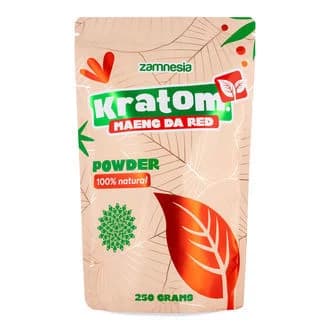
Red Maeng Da Kratom Powder
100% natural Red Maeng Da Kratom Powder from true red-veined Thai kratom leaves. Strong relaxation and sedating profile — one of the most popular red vein strains for evening use and sleep. Available in 25g, 50g, 100g and 250g. 271 reviews, 4.5/5. Zamnesia house brand.
- • Red Maeng Da — premium Thai strain
- • Strong relaxation and sedation
- • 4 sizes from 25g to 250g

Kratom
Kratom powders, capsules, and extracts from established suppliers. Multiple strains for different effects.
Kratom Extract
A concentrated kratom extract powder that delivers stronger effects in smaller quantities than regular leaf powder. Made from Maeng Da leaves, this extract offers enhanced focus, clean energy, and a sense of well-being — ideal for experienced kratom users looking for a more potent and efficient format.
- • Highly concentrated — stronger effects than standard powder
- • Maeng Da variety — known for focus, energy, and well-being
- • Versatile powder format — mix into tea, smoothie, or capsules
Kratom Gummies
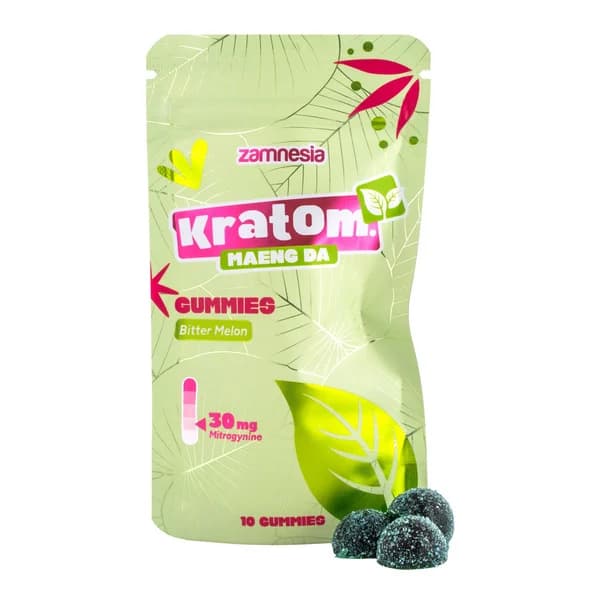
Full-spectrum Maeng Da kratom gummies with 30mg mitragynine each. No powder, no capsules — just bold natural flavour and clean effects.
- • 30mg mitragynine per gummy
- • Full-spectrum kratom extract
- • 4 fruit flavours with 33%+ real fruit content
Disclosure: We may earn a commission if you purchase via these links.