
Is Kratom Legal? A Guide to Kratom Laws by Country
Written by Smart Supplements Editorial Team
Key takeaways
- Kratom is legal in the Netherlands, Belgium, France, Spain, Italy, and Austria as of early 2026
- Kratom is illegal in the UK (Psychoactive Substances Act 2016), Sweden, Denmark, and Romania
- Germany is a grey area — not explicitly banned but not authorised as a novel food
- The WHO's 2021 critical review found insufficient evidence to recommend international scheduling
- Thailand legalised kratom in August 2021; laws vary widely across US states
- Always verify current local laws before purchasing or travelling with kratom
Table of contents
Kratom's legal status is one of the most frequently Googled supplement questions in Europe — and for good reason. The rules vary dramatically from one country to the next, can change with little warning, and sit in an uncomfortable gap between food supplement law and drug control legislation. Here's a country-by-country breakdown as of early 2026, written to help you understand where things actually stand.
Last Reviewed: March 2026. This is an evergreen legal guide. Laws can and do change — always verify the current rules in your country before purchasing or travelling with kratom.
Why Kratom's Legal Status Is So Complicated
Kratom (Mitragyna speciosa) is a tropical tree native to Southeast Asia. Its leaves contain active alkaloids — primarily mitragynine and 7-hydroxymitragynine — that interact with opioid receptors at higher doses and produce stimulant effects at lower doses. That dual pharmacological profile is exactly what makes regulators nervous, and it's why kratom doesn't fit neatly into any existing legal category.
Most European countries regulate substances through one of two frameworks: food supplement law (governing things like vitamins and herbal extracts) or controlled substance law (governing drugs with abuse potential). Kratom technically belongs to neither — or arguably to both — depending on how you look at it.
The EU's Novel Food Regulation (EU 2015/2283) adds another layer of complexity. Any food ingredient not widely consumed in the EU before May 1997 requires authorisation before it can be marketed. Kratom clearly meets that definition, yet no EU member state has formally submitted it for authorisation. The result: it sits in a legal limbo where it is neither explicitly approved nor explicitly banned at the EU level, leaving each member state to make its own call.
The World Health Organization (WHO) conducted a pre-review of kratom in 2021. After reviewing the available evidence, the WHO Expert Committee on Drug Dependence (ECDD) concluded there was insufficient evidence to recommend international scheduling under the UN drug control conventions. That decision removed significant pressure for a coordinated global ban — at least for now.
For a deeper look at what kratom actually is and how it works, see our guide: What Is Kratom? Benefits, Risks, Everything You Need to Know.
Where Kratom Is Legal in Europe
As of early 2026, the following countries permit the sale and possession of kratom, though the regulatory picture in each varies slightly. Laws may change — verify locally before purchasing.
| Country | Legal Status | Notes |
|---|---|---|
| Netherlands | ✅ Legal | Sold in licensed smartshops and online; no explicit age law but most vendors enforce 18+ |
| Belgium | ✅ Legal | Not a controlled substance; sold as a botanical |
| France | ✅ Legal | Not explicitly banned; sold as a herbal product |
| Spain | ✅ Legal | Widely available; no specific scheduling |
| Italy | ✅ Legal | Not listed as a controlled substance |
| Austria | ✅ Legal | Available as a herbal supplement |
| Portugal | ✅ Legal | Decriminalisation framework does not restrict kratom |
Netherlands — The most permissive and commercially developed kratom market in Europe. Licensed smartshops in Amsterdam and across the country carry powders, capsules, and extracts. Reputable Dutch vendors apply self-regulatory standards: lab testing, accurate labelling, and informal age restrictions (typically 18+). This is where most EU-sourced kratom originates.
Belgium, France, Spain, Italy, Austria — Kratom is not scheduled or explicitly prohibited in these countries. It is sold primarily through online herbal vendors and, in some cases, in supplement shops. As with all unscheduled substances in the EU, the Novel Food grey area technically applies, but enforcement is minimal.
Kratom
Kratom powders, capsules, and extracts from established suppliers. Multiple strains for different effects.
Disclosure: We may earn a commission if you purchase via these links.
Where Kratom Is Illegal or Restricted
| Country | Legal Status | Legal Basis |
|---|---|---|
| United Kingdom | ❌ Illegal | Psychoactive Substances Act 2016 |
| Sweden | ❌ Illegal | Listed as a hazardous substance (hälsofarlig vara) since 2011 |
| Denmark | ❌ Illegal | Controlled under the Euphoric Substances Act |
| Romania | ❌ Illegal | Scheduled under national drug control law |
| Germany | ⚠️ Grey area | Novel Food status; not explicitly banned but not authorised |
| Poland | ⚠️ Grey area | Listed as a "new psychoactive substance" in some interpretations |
| Lithuania | ❌ Illegal | Scheduled substance |
United Kingdom — The UK's Psychoactive Substances Act 2016 is one of the broadest drug laws in the world. It bans the production, supply, and importation of any substance that produces a psychoactive effect — with exceptions for alcohol, tobacco, caffeine, and medicines. Kratom's alkaloids clearly produce psychoactive effects, so it falls squarely under this prohibition. Possession is not a criminal offence, but supply and importation are. Do not order kratom online to a UK address.
Sweden — Sweden has classified kratom as a hälsofarlig vara (hazardous substance) since 2011. This does not carry the same criminal penalties as a narcotics listing, but the sale and supply of kratom is prohibited.
Germany — Germany is the interesting case. Kratom is not listed in Germany's Betäubungsmittelgesetz (BtMG, the narcotics law), so possession is not a criminal offence. However, Germany applies the Novel Food regulation strictly: marketing kratom as a food or supplement is not permitted without authorisation. In practice, German vendors operate cautiously or not at all, and importing larger quantities carries risk. This is genuinely a grey area — not illegal to possess, but commercially problematic.
The Netherlands as Kratom Hub
If you're in a legal EU country and wondering where to source kratom, the Netherlands is the answer — and it's worth understanding why.
The Netherlands takes a pragmatic, harm-reduction approach to many psychoactive substances. The same framework that regulates cannabis in licensed coffeeshops also allows kratom to be sold in smartshops. Kratom is not scheduled under the Dutch Opiumwet (Opium Act), and it is not on the government's banned substances list.
What this creates is a functioning regulated market: shops that sell kratom must operate within their licence, and reputable vendors apply quality standards — third-party lab testing for alkaloid content and contamination, transparent labelling, and age restrictions (typically 18+, though this is self-regulatory rather than statutory).
Dutch online vendors like Azarius and Zamnesia ship to EU countries where kratom is legal, and both are established businesses with track records in the regulated herbal supplement space.
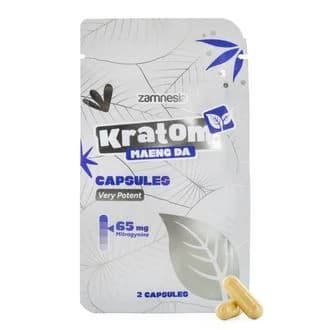
Kratom Capsules 65mg
Maeng Da kratom extract capsules — 65mg mitragynine per plant-based capsule. Ideal for daily use.
- • 65mg mitragynine — most popular daily strength
- • Pre-dosed for consistent effects
- • Plant-based capsule shell
Disclosure: We may earn a commission if you purchase via these links.
For context on how Dutch smartshop regulation works across different products, see our guide to Magic Truffles Explained.
Traveling With Kratom in Europe
Travelling with kratom across EU borders is, in theory, allowed where kratom is legal in both the origin and destination countries. In practice, it carries real risks:
What the rules say: Within the Schengen Area, there are no systematic customs checks between member states. Kratom is not on any EU-wide prohibited substances list. Technically, carrying a personal supply from the Netherlands to France or Spain is not illegal.
What the risks are:
- Customs officials are not always familiar with kratom's legal status and may confiscate it pending review.
- Some border checks do occur, particularly on routes between the Netherlands and Germany, or in the context of wider drug enforcement operations.
- If you are travelling to the UK, Sweden, Denmark, Romania, or Lithuania — do not carry kratom. Full stop.
Practical advice:
- Carry only a clearly personal-use quantity (a few days' supply, not bulk).
- Keep products in their original, labelled packaging from a reputable vendor.
- Have a printout or link to the vendor's lab test results if challenged.
- If questioned, you are not obliged to answer questions, but cooperation and transparency tend to resolve situations faster than confrontation.
If you are genuinely unsure about the laws at your destination, the safest option is to not travel with kratom and order from a local or EU-based vendor upon arrival.
The Global Picture
Kratom's legal status outside Europe is just as fragmented.
| Region/Country | Legal Status | Notes |
|---|---|---|
| USA | ⚠️ Varies by state | Legal federally but banned in 6+ states (Alabama, Arkansas, Indiana, Rhode Island, Vermont, Wisconsin) |
| Canada | ✅ Legal | Not scheduled federally; sold as a supplement |
| Australia | ❌ Illegal | Classified as Schedule 9 (prohibited substance) |
| New Zealand | ❌ Illegal | Classified substance |
| Thailand | ✅ Legal (since 2021) | Removed from narcotics list in August 2021 |
| Malaysia | ❌ Illegal | Despite being native to the region |
| Indonesia | ✅ Legal (export) | Major global exporter, domestic use restricted |
| Japan | ❌ Illegal | Designated stimulant |
Thailand's 2021 legalisation is one of the most significant developments in kratom's recent history. Thailand, one of kratom's countries of origin, removed it from the national narcotics list in August 2021 — partly driven by recognition that kratom has traditional cultural uses and that criminalisation was disproportionate. This also gave the global kratom industry a boost of legitimacy.
The USA remains a patchwork. At the federal level, kratom is not a scheduled substance — the DEA considered scheduling it in 2016 but backed down after significant public pushback. Several states have banned it independently, and the Kratom Consumer Protection Act (KCPA), which has been adopted in some US states, establishes a regulatory framework rather than prohibition.
Australia is the strictest major market — kratom is Schedule 9 under the Poisons Standard, the same category as heroin and MDMA.
Is Kratom Going to Be Banned?
This is the question every kratom user in Europe is quietly asking. The honest answer: it's not imminent, but the regulatory environment is not stable.
The WHO decision is the most important recent development. In its 2021 critical review, the WHO's Expert Committee on Drug Dependence reviewed the available evidence on kratom's pharmacology, dependence potential, and public health impact. The committee found that the evidence was insufficient to recommend that kratom be placed under international control. This was a significant outcome — had the WHO recommended scheduling, it would have created strong pressure on member states to ban it.
The EU Novel Food situation remains unresolved. As of early 2026, no kratom product has been submitted for or received Novel Food authorisation in the EU. This means kratom technically cannot be legally marketed as food or a supplement in the EU — yet it continues to be sold in multiple member states with minimal enforcement. It is possible that a future regulatory push could use Novel Food status as the mechanism to restrict kratom across the EU without classifying it as a drug.
The realistic outlook: The UK ban is not going to reverse. Germany's grey area is unlikely to resolve in kratom's favour. But in the Netherlands and other currently-legal EU markets, the status quo is likely to persist in the short-to-medium term, particularly given the WHO's 2021 finding.
If you're interested in how legal frameworks apply to other natural psychoactives, our Microdosing Psilocybin Guide covers similar regulatory complexity.
How to Stay Compliant
Whether you're a regular kratom user or just curious, here's how to stay on the right side of the law as of early 2026:
1. Check your local law before ordering. This guide is accurate as of March 2026 but laws change. Before placing an order — especially from a foreign vendor — confirm that kratom is currently legal in your country.
2. Buy from reputable EU vendors. Dutch-based vendors like Azarius and Zamnesia operate within a regulated framework, test their products, and ship only to countries where kratom is legal. Buying from established vendors reduces your legal risk and ensures product quality.
3. Never claim medicinal use. Kratom is not an authorised medicine anywhere in the EU. Making or sharing medicinal claims — even casually — creates legal exposure for vendors and potentially undermines kratom's regulatory status. Describe it as a herbal supplement.
4. Don't order internationally across prohibited borders. Ordering from a Dutch vendor to a UK or Swedish address is not a grey area — it is illegal. The legal risk falls primarily on the supplier, but importation can carry penalties for recipients too.
5. Keep up with developments. Follow reputable sources like the American Kratom Association (which tracks global developments despite the name) and check government health agency websites in your country periodically.
For more on responsible kratom use, see our guides on Kratom Strains Explained and Kratom for Energy and Focus.
Affiliate CTA
If you're in a country where kratom is legal, the two most reputable Dutch vendors for EU customers are Azarius and Zamnesia — both established names in the regulated European herbal supplement market, with lab-tested products and transparent sourcing.
- Browse kratom at Azarius — powders, capsules, and extracts, shipped across legal EU countries
- Browse kratom capsules at Zamnesia — 65mg standardised capsules, convenient for travel within legal markets
Frequently Asked Questions
Is kratom legal in the Netherlands?
Yes — as of early 2026, kratom is legal in the Netherlands. It is sold in licensed smartshops and by online vendors. Kratom is not listed under the Dutch Opium Act, and the Netherlands has not introduced any separate legislation to ban it. Most reputable Dutch vendors apply informal age restrictions (18+) as a self-regulatory standard. Laws can change, so verify before purchasing.
Is kratom legal in Germany?
Germany sits in a grey area. Kratom is not listed in the German narcotics law (Betäubungsmittelgesetz), so personal possession is not a criminal offence. However, marketing kratom as a food or supplement is not permitted under EU Novel Food regulations, which Germany applies strictly. Commercially, this means kratom is difficult to buy through German vendors — and importing large quantities carries risk. It is not as straightforwardly illegal as in the UK, but it is not freely available either.
Can I travel with kratom in Europe?
Within the Schengen Area, travelling with a personal supply of kratom between two countries where it is legal is technically permitted. However, customs officials may not be familiar with kratom's legal status, and confiscation is a real possibility. Never travel with kratom to the UK, Sweden, Denmark, Romania, or Lithuania. Always carry products in original, labelled packaging from a reputable vendor, and only carry a clearly personal-use quantity.
Why did the WHO not ban kratom internationally?
The WHO's Expert Committee on Drug Dependence conducted a critical review of kratom in 2021 and concluded that the available evidence was insufficient to recommend placing kratom under international control (i.e., adding it to the UN drug control conventions). Key factors included limited evidence of serious public health harm at a population level and recognition that more research was needed. This decision was significant because international scheduling would have created strong pressure on all member countries to ban kratom domestically.
Where can I buy kratom legally in Europe?
The Netherlands is the most developed and regulated market for kratom in Europe. Dutch vendors like Azarius and Zamnesia ship to EU countries where kratom is legal. If you are in a legal EU country (Netherlands, Belgium, France, Spain, Italy, Austria, Portugal), you can order from these vendors. Always confirm that kratom is currently legal in your specific country before placing an order, as laws can change.
Is kratom more dangerous than other supplements?
Kratom is more pharmacologically active than most conventional supplements, and it does carry real risks — particularly at high doses, with frequent use, or when combined with other substances. It is not in the same risk category as, say, a multivitamin. But the WHO's 2021 review also found that the evidence did not support treating it as a high-risk controlled substance in the same category as opioids or stimulants. For a balanced look at benefits and risks, see our guide: What Is Kratom? Benefits, Risks, Everything You Need to Know. For context on how kratom compares to other options, see Kratom vs CBD.
Sources
- UK Psychoactive Substances Act 2016 — legislation.gov.uk
- WHO ECDD 2021 Pre-Review: Kratom — World Health Organization
- Thailand removes kratom from narcotics list, August 2021 — Bangkok Post
- EU Novel Food Regulation (EU) 2015/2283 — EUR-Lex
- Australia Poisons Standard — Therapeutic Goods Administration
- Kratom Consumer Protection Act — American Kratom Association
- Sweden's classification of kratom as hazardous substance — Folkhälsomyndigheten
This article is for informational purposes only and is not intended as medical advice. Always consult a healthcare professional before starting any new supplement, especially if you take prescription medication.
Last updated: March 2026 Written by the Smart Supplements editorial team
Related topics
Where to buy
Affiliate links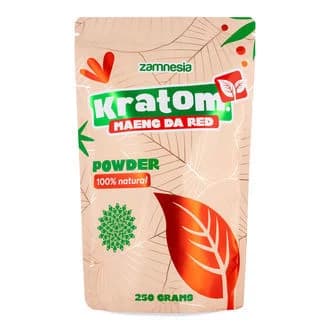
Red Maeng Da Kratom Powder
100% natural Red Maeng Da Kratom Powder from true red-veined Thai kratom leaves. Strong relaxation and sedating profile — one of the most popular red vein strains for evening use and sleep. Available in 25g, 50g, 100g and 250g. 271 reviews, 4.5/5. Zamnesia house brand.
- • Red Maeng Da — premium Thai strain
- • Strong relaxation and sedation
- • 4 sizes from 25g to 250g
Kratom
Kratom powders, capsules, and extracts from established suppliers. Multiple strains for different effects.
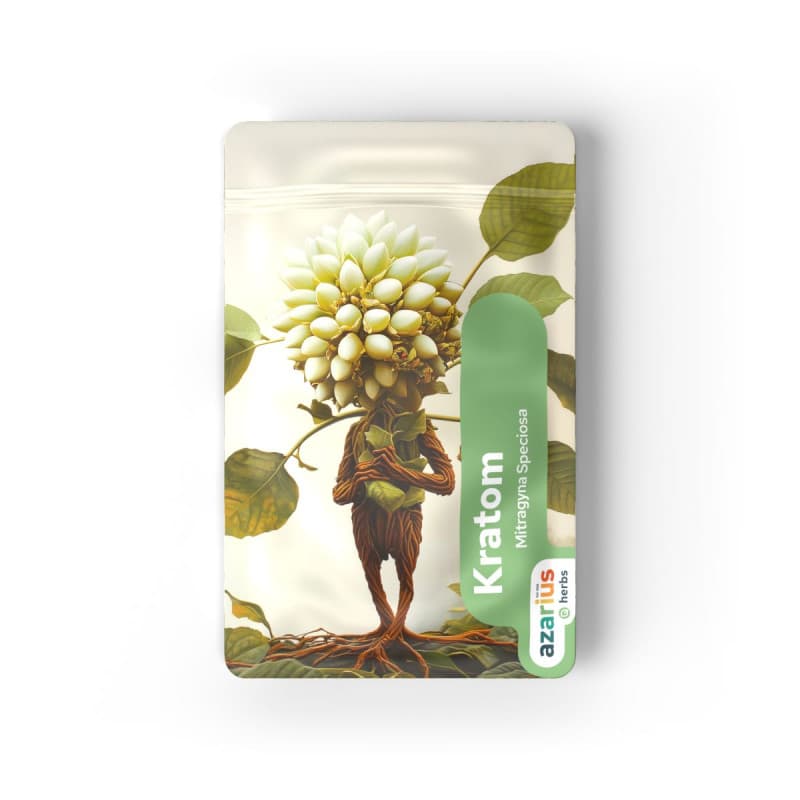
Kratom Extract
A concentrated kratom extract powder that delivers stronger effects in smaller quantities than regular leaf powder. Made from Maeng Da leaves, this extract offers enhanced focus, clean energy, and a sense of well-being — ideal for experienced kratom users looking for a more potent and efficient format.
- • Highly concentrated — stronger effects than standard powder
- • Maeng Da variety — known for focus, energy, and well-being
- • Versatile powder format — mix into tea, smoothie, or capsules
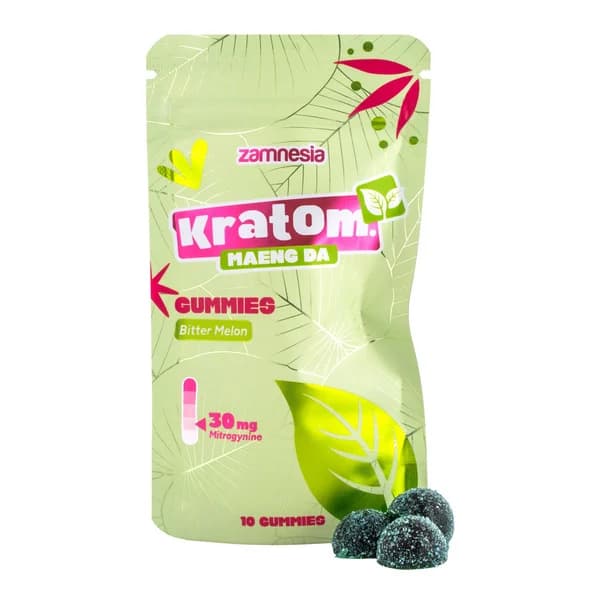
Kratom Gummies
Full-spectrum Maeng Da kratom gummies with 30mg mitragynine each. No powder, no capsules — just bold natural flavour and clean effects.
- • 30mg mitragynine per gummy
- • Full-spectrum kratom extract
- • 4 fruit flavours with 33%+ real fruit content
Disclosure: We may earn a commission if you purchase via these links.
Related articles
Kratom vs Kava: Two Paths to Natural Relaxation
Kratom and kava both promise relaxation, but they work through completely different mechanisms. We compare effects, safety, legal status in Europe, and who should choose which.
Kratom Alternatives in Europe: Legal Options That Work Similarly
Kratom is banned or restricted in several European countries, but legal alternatives exist. We honestly compare kanna, Mitragyna hirsuta, blue lotus, akuam
Best Kratom in Europe: Top 5 Brands Reviewed (2026)
The 5 best kratom brands in Europe in 2026 — ranked by quality, testing standards, strain range, and shipping. Includes Zamnesia and Azarius.