
Natural Sleep Aids Without Melatonin: 12 Alternatives That Actually Work
Written by Smart Supplements Editorial Team
Key takeaways
- At least 12 evidence-based melatonin alternatives exist, each with distinct sleep mechanisms
- Magnesium glycinate and glycine are the strongest non-melatonin options backed by clinical trials
- L-theanine promotes relaxation without sedation — ideal for racing-mind insomnia
- Adaptogens like ashwagandha and reishi address stress-driven sleep problems at the root cause
- Stacking 2-3 complementary supplements often outperforms any single sleep ingredient
Table of contents
- Why Some People Avoid Melatonin
- Magnesium — The Mineral Your Sleep Depends On
- L-Theanine — Calm Without Drowsiness
- Glycine — The Amino Acid Sleep Hack
- Valerian Root — Europe's Classic Sleep Herb
- Passionflower — GABA-Boosting Botanical
- CBD Oil — Cannabinoid Sleep Support
- Reishi Mushroom — Adaptogenic Sleep Aid
- Tart Cherry — Natural Melatonin Precursor
- Ashwagandha — Stress-to-Sleep Pathway
- Apigenin (Chamomile Extract)
- GABA Supplements
- Lemon Balm — The Gentle Sleep Herb
- How to Stack Non-Melatonin Sleep Aids
- The Complete Comparison
- Frequently Asked Questions
- Your Next Steps
Melatonin is the world's most popular sleep supplement — but it's not for everyone. Maybe you've experienced the morning grogginess. Maybe you're concerned about long-term hormonal effects. Or perhaps melatonin simply doesn't work for you, as is the case for roughly 30% of users.
The good news? A growing body of research supports at least a dozen non-melatonin sleep aids that work through entirely different mechanisms. From minerals and amino acids to adaptogens and cannabinoids, these alternatives target the root causes of poor sleep — stress, muscle tension, neurotransmitter imbalances, and inflammation — rather than simply mimicking your body's sleep hormone.
Why Some People Avoid Melatonin
Before diving into alternatives, it helps to understand why melatonin isn't universal.
Common Concerns
- Morning grogginess: Melatonin's half-life means it can linger in your system, especially at doses above 1 mg
- Hormonal considerations: As a hormone, exogenous melatonin may theoretically affect reproductive hormones, cortisol rhythms, and thyroid function with prolonged use
- Tolerance potential: Some users report needing increasing doses over time
- Vivid dreams/nightmares: Melatonin intensifies REM sleep, which some people find disturbing
- Regulation gaps in Europe: Melatonin dosing varies dramatically by country — from 0.3 mg (evidence-based) to 10 mg (over-the-counter in some regions)
If melatonin works for you, there's no reason to stop. But if you're among those seeking alternatives, here are 12 backed by science.
For those who do use melatonin, our melatonin dosage guide covers optimal protocols.
Magnesium — The Mineral Your Sleep Depends On
Evidence level: Strong | Mechanism: GABA activation, muscle relaxation, cortisol reduction
Magnesium is arguably the single most important mineral for sleep, yet an estimated 50–60% of Europeans don't get enough through diet alone. It activates the parasympathetic nervous system (your "rest and digest" mode) and regulates GABA — the calming neurotransmitter essential for sleep initiation.
The Research
A 2012 double-blind, placebo-controlled study in the Journal of Research in Medical Sciences found that magnesium supplementation significantly improved:
- Subjective insomnia severity (ISI scores)
- Sleep time and sleep efficiency
- Serum melatonin and renin concentrations (magnesium actually helps your body produce its own melatonin)
Best Forms for Sleep
Not all magnesium is equal. For sleep, opt for:
- Magnesium glycinate/bisglycinate — best absorbed, plus the glycine component adds its own sleep benefits
- Magnesium threonate — crosses the blood-brain barrier most effectively
- Magnesium citrate — good absorption, though may cause loose stools at higher doses
Dosage: 200–400 mg elemental magnesium, taken 30–60 minutes before bed.
Magnesium Citrate
Zamnesia Magnesium Citrate — 100% natural magnesium supplement providing 200mg magnesium per tablet (53% reference intake). Supports muscle and nerve function, reduces fatigue, contributes to normal psychological functioning and bone health. 100 tablets per bottle.
- • 200mg magnesium citrate per tablet — 53% reference intake
- • Reduces fatigue and supports normal energy metabolism
- • Supports muscle function, nerve function, and bone health
Disclosure: We may earn a commission if you purchase via these links.
For a deep dive, read our full guide on magnesium for sleep.
L-Theanine — Calm Without Drowsiness
Evidence level: Moderate–Strong | Mechanism: Alpha brain waves, GABA and serotonin modulation
Found naturally in green tea, L-theanine is unique among sleep supplements because it promotes relaxation without causing sedation. It increases alpha brain wave activity — the same brain state associated with meditation and calm alertness.
Why It Works for Sleep
L-theanine doesn't knock you out. Instead, it quiets the mental chatter that keeps you awake. This makes it particularly effective for people whose insomnia stems from an inability to "switch off."
A 2019 randomised controlled trial (Hidese et al.) found that 200 mg L-theanine improved sleep quality scores on multiple measures, with participants reporting less sleep disturbance and reduced need for sleep medication.
How to Use It
- Dosage: 100–400 mg, 30–60 minutes before bed
- Form: Capsules or powder (dissolves easily in warm water for a calming evening drink)
- Stacks well with: Magnesium, GABA, CBD
Solid Sleep
Zamnesia Solid Sleep — a multi-compound sleep capsule combining CBD (12.5mg), CBN (12.5mg), hops (50mg), and Griffonia simplicifolia (167mg, 30% 5-HTP) per capsule. Designed for deep, uninterrupted sleep with effects in approximately 20 minutes. 30 plant-based HPMC capsules per bottle.
- • CBD + CBN + hops + 5-HTP — four-compound sleep formula
- • Promotes deep, uninterrupted sleep
- • Fast-acting — effects in approximately 20 minutes
Disclosure: We may earn a commission if you purchase via these links.
Glycine — The Amino Acid Sleep Hack
Evidence level: Strong | Mechanism: Core body temperature reduction, NMDA receptor modulation
Glycine is having a moment in the biohacking community, and for good reason. This non-essential amino acid improves sleep through a fascinating mechanism: it lowers your core body temperature by increasing blood flow to the extremities.
Clinical Evidence
Three well-designed Japanese studies demonstrate glycine's sleep benefits:
- Bannai et al. (2012): 3g glycine before bed improved subjective sleep quality and reduced daytime sleepiness
- Inagawa et al. (2006): Glycine shortened sleep onset latency and improved sleep efficacy
- Yamadera et al. (2007): Glycine improved fatigue and cognitive performance the next day
How to Use It
- Dosage: 3g (3,000 mg), taken 30–60 minutes before bed
- Form: Powder dissolves easily in water with a slightly sweet taste
- Bonus: Magnesium bisglycinate delivers both magnesium AND glycine

Valerian Root — Europe's Classic Sleep Herb
Evidence level: Moderate | Mechanism: GABA-A receptor binding, anxiolytic effects
Valerian (Valeriana officinalis) has been used as a sleep aid across Europe for over 2,000 years. It works by binding to GABA-A receptors — the same target as benzodiazepines — but with a much gentler effect.
What the Research Shows
A 2020 meta-analysis of 60 studies concluded that valerian "could be a safe and useful herb in improving sleep quality." Effects are modest but consistent, and valerian shines most when used over 2–4 weeks rather than as a one-off remedy.
How to Use It
- Dosage: 300–600 mg standardised extract, 30 minutes–2 hours before bed
- Note: Valerian has a distinctive strong smell — capsules mask this effectively
- Pairs well with: Passionflower, hops, lemon balm

Valerian Root
Traditional European sleep herb — valerian root extract for improved sleep quality and relaxation.
- • Traditional European sleep herb
- • Promotes GABA activity
- • Non-habit forming
Disclosure: We may earn a commission if you purchase via these links.
For the full evidence review, see our valerian root for sleep guide.
Passionflower — GABA-Boosting Botanical
Evidence level: Moderate | Mechanism: GABA-A receptor modulation via chrysin and related flavonoids
Passionflower (Passiflora incarnata) is one of the best-studied herbal sleep aids in European phytotherapy. Its active compounds, particularly chrysin, increase GABA activity in the brain.
Clinical Highlights
- Ngan & Conduit (2011): Passionflower tea consumed before bed significantly improved subjective sleep quality versus placebo
- Akhondzadeh et al. (2001): Passionflower was as effective as oxazepam (a benzodiazepine) for generalised anxiety, with fewer side effects
How to Use It
- As tea: 1–2 teaspoons dried herb, steeped 10 minutes
- As extract: 250–500 mg standardised extract before bed
- Stacks well with: Valerian, lemon balm, chamomile
Passionflower Leaves
Dried Passionflower leaves (Passiflora incarnata) from Azarius — a well-researched calming herb used for anxiety, sleep and nervous tension. GABA-A modulating activity. Brew as tea or encapsulate.
- • Passiflora incarnata — well-researched anxiolytic herb
- • GABA-A modulating calming effect
- • Brew as tea or make your own capsules
Disclosure: We may earn a commission if you purchase via these links.
CBD Oil — Cannabinoid Sleep Support
Evidence level: Moderate | Mechanism: Endocannabinoid system modulation, 5-HT1A receptor activation
CBD addresses sleep through a multi-target approach — reducing anxiety, modulating pain, and regulating cortisol levels. For people whose insomnia has multiple contributing factors, CBD's broad mechanism is a distinct advantage.
Key Benefits for Sleep
- Reduces anxiety-driven insomnia via serotonin receptor activation
- May reduce REM sleep behaviour disorder symptoms
- Anti-inflammatory effects improve overall sleep quality
- Non-habit-forming with no next-day grogginess
Dosage: 15–50 mg CBD, taken 30–60 minutes before bed.
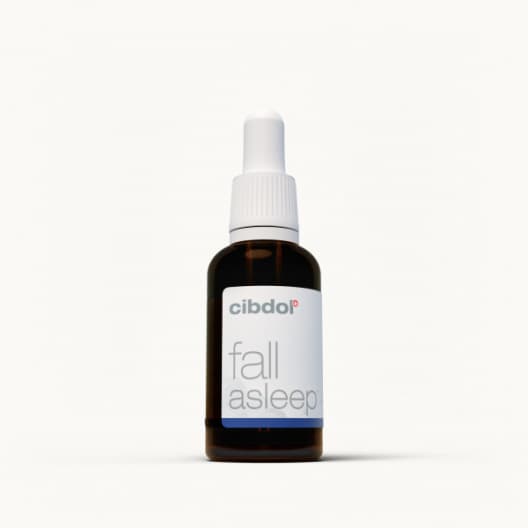

Fall Asleep (Meladol)
Liposomal CBD + melatonin for faster sleep onset.
- • CBD + melatonin
- • Liposomal formula
- • 30ml bottle
Disclosure: We may earn a commission if you purchase via these links.
For product recommendations, see our guide to the best CBD oil for sleep.
Reishi Mushroom — Adaptogenic Sleep Aid
Evidence level: Emerging | Mechanism: Triterpenes, TNF-alpha modulation, nervous system calming
Reishi (Ganoderma lucidum) has been called the "mushroom of immortality" in traditional Chinese medicine. For sleep, its triterpene compounds appear to promote relaxation and reduce the time it takes to fall asleep.
Research Snapshot
A 2012 study in the Journal of Ethnopharmacology found that reishi extract significantly increased total sleep time and non-REM sleep in animal models. While human trials are limited, traditional use spanning over 2,000 years and growing modern evidence make reishi a compelling option.
How to Use It
- Dosage: 1,000–3,000 mg reishi extract (look for dual-extraction, fruiting body products)
- Timeline: Allow 2–4 weeks for effects to build
- Best for: Stress-related sleep issues, overall sleep quality
Tart Cherry — Natural Melatonin Precursor
Evidence level: Moderate | Mechanism: Natural melatonin content, anti-inflammatory proanthocyanidins
Here's the twist — tart cherry (Montmorency variety) actually contains natural melatonin, but in much smaller, food-based quantities that your body processes differently than supplemental melatonin. It also provides powerful anti-inflammatory compounds that improve sleep quality independently.
Clinical Evidence
- Howatson et al. (2012): Tart cherry juice increased melatonin levels, sleep time (+25 minutes), and sleep efficiency
- Pigeon et al. (2010): Older adults with insomnia experienced significant improvement in insomnia severity after 2 weeks of tart cherry juice
How to Use It
- Juice: 30 ml (1 oz) concentrated tart cherry juice, twice daily
- Capsule: 500–1,000 mg tart cherry extract
- Timing: Morning and evening doses for best melatonin rhythm support
Ashwagandha — Stress-to-Sleep Pathway
Evidence level: Strong | Mechanism: Cortisol reduction, GABAergic activity, triethylene glycol
If stress is the primary driver of your insomnia, ashwagandha (Withania somnifera) addresses the root cause rather than just the symptom. This powerful adaptogen has been shown to reduce cortisol levels by up to 30% in clinical trials.
Key Study
Langade et al. (2019) conducted a double-blind, placebo-controlled study finding that 300 mg KSM-66 ashwagandha extract twice daily significantly improved:
- Sleep onset latency
- Total sleep time
- Sleep quality (Pittsburgh Sleep Quality Index)
- Sleep efficiency
How to Use It
- Dosage: 300–600 mg KSM-66 or Sensoril extract
- Timeline: Effects build over 2–8 weeks
- Best for: Stress-related insomnia, cortisol-driven wakefulness

Apigenin (Chamomile Extract)
Evidence level: Moderate | Mechanism: Benzodiazepine receptor binding, mild sedation
Apigenin is the active compound in chamomile responsible for its calming effects. Popularised by neuroscientist Andrew Huberman, who recommends 50 mg before bed, apigenin binds to benzodiazepine receptors in the brain with a mild, non-habit-forming sedative effect.
How to Use It
- Dosage: 50 mg apigenin or 3–4 cups chamomile tea
- Form: Standardised extract capsules provide more consistent dosing than tea
- Stacks well with: Magnesium, L-theanine
For a deeper look, see our guide on chamomile and lavender for sleep.
GABA Supplements
Evidence level: Emerging | Mechanism: Direct GABA receptor activation (debated)
GABA (gamma-aminobutyric acid) is your brain's primary inhibitory neurotransmitter — it's literally the "off switch" for neural activity. The debate around GABA supplements centres on whether oral GABA crosses the blood-brain barrier effectively.
The Evidence
Some studies suggest that certain forms of GABA (particularly PharmaGABA, a naturally-fermented form) do improve sleep quality:
- A 2015 study found PharmaGABA reduced sleep latency and increased total non-REM sleep time
- Subjective reports consistently show improved relaxation and reduced time to fall asleep
How to Use It
- Dosage: 100–300 mg PharmaGABA before bed
- Note: Look specifically for PharmaGABA (fermented) rather than synthetic GABA
Lemon Balm — The Gentle Sleep Herb
Evidence level: Moderate | Mechanism: GABA transaminase inhibition, anxiolytic
Lemon balm (Melissa officinalis) works by inhibiting the enzyme that breaks down GABA, effectively increasing your brain's natural GABA levels. It's particularly effective when combined with valerian.
How to Use It
- Dosage: 300–600 mg extract, or brew as tea
- Combination: Valerian + lemon balm is one of the most well-studied herbal sleep combinations in European phytotherapy
How to Stack Non-Melatonin Sleep Aids
Combining 2–3 complementary supplements often produces better results than any single ingredient. Here are proven stacking strategies based on your sleep issue.
For Racing Thoughts / Anxiety-Driven Insomnia
| Supplement | Dose | Timing |
|---|---|---|
| L-theanine | 200 mg | 60 min before bed |
| Magnesium glycinate | 300 mg | 60 min before bed |
| CBD oil | 25 mg | 30 min before bed |
For Difficulty Falling Asleep (Sleep Onset)
| Supplement | Dose | Timing |
|---|---|---|
| Glycine | 3,000 mg | 30–60 min before bed |
| L-theanine | 200 mg | 60 min before bed |
| Passionflower | 500 mg | 30 min before bed |
For Waking Up During the Night (Sleep Maintenance)
| Supplement | Dose | Timing |
|---|---|---|
| Magnesium glycinate | 400 mg | With dinner |
| Ashwagandha (KSM-66) | 300 mg | With dinner |
| Reishi | 1,500 mg | 60 min before bed |
For Stress-Related Insomnia
| Supplement | Dose | Timing |
|---|---|---|
| Ashwagandha (KSM-66) | 600 mg | 300 mg morning + 300 mg evening |
| Magnesium glycinate | 300 mg | 60 min before bed |
| CBD oil | 25–50 mg | 30 min before bed |
Super Sleep
Zamnesia Super Sleep — a fast-acting liposomal sleep formula combining golden-grade CBD (75mg total), melatonin, and liposomal delivery for enhanced absorption. All-natural ingredients from European organic hemp with no detectable THC. 30ml dropper bottle, take before bed.
- • Fast-acting liposomal formula for enhanced CBD absorption
- • Golden-grade CBD + melatonin — dual-action sleep support
- • All-natural ingredients, no detectable THC
Disclosure: We may earn a commission if you purchase via these links.
For the complete stacking guide, see building a sleep supplement stack.

The Complete Comparison
| Supplement | Mechanism | Onset | Evidence | Best For | Side Effects |
|---|---|---|---|---|---|
| Magnesium | GABA, muscle relaxation | 30–60 min | Strong | General sleep quality | Loose stools (citrate) |
| L-theanine | Alpha waves, GABA | 30–45 min | Moderate-strong | Racing mind | Rare |
| Glycine | Temperature regulation | 30–60 min | Strong | Sleep onset | Rare |
| Valerian | GABA-A receptor | 30–120 min | Moderate | Traditional herbal | Headache (rare) |
| Passionflower | GABA-A (chrysin) | 30–60 min | Moderate | Anxiety-insomnia | Rare |
| CBD oil | ECS modulation | 15–60 min | Moderate | Multi-factor insomnia | Dry mouth |
| Reishi | Triterpenes, TNF-alpha | 2–4 weeks | Emerging | Stress-related sleep | Rare |
| Tart cherry | Natural melatonin, anti-inflammatory | 1–2 weeks | Moderate | Overall sleep quality | None typical |
| Ashwagandha | Cortisol reduction | 2–8 weeks | Strong | Stress insomnia | Rare GI upset |
| Apigenin | Benzo receptor binding | 30–45 min | Moderate | Mild sedation | Rare |
| GABA | Direct GABA activation | 20–40 min | Emerging | Relaxation | Rare |
| Lemon balm | GABA preservation | 30–60 min | Moderate | Gentle support | Rare |
Frequently Asked Questions
What is the best sleep supplement that isn't melatonin?
Magnesium glycinate is the most broadly effective non-melatonin sleep aid. It addresses multiple sleep pathways (GABA activation, muscle relaxation, cortisol reduction) and has strong clinical evidence. For anxiety-driven insomnia, L-theanine or CBD may be more targeted.
Why doesn't melatonin work for me?
Melatonin is a circadian rhythm signal, not a sedative. If your sleep issues stem from anxiety, pain, stress, or neurotransmitter imbalances rather than circadian misalignment, melatonin won't address the root cause. The alternatives in this guide target these different mechanisms.
Can I take multiple non-melatonin sleep aids together?
Yes — stacking 2–3 complementary supplements is often more effective than taking one. Choose supplements that work through different mechanisms (e.g., magnesium + L-theanine + ashwagandha) for synergistic effects. See our stacking recommendations above.
Are non-melatonin sleep aids safe long-term?
Most supplements in this guide have good long-term safety profiles. Magnesium, glycine, and L-theanine are naturally present in food and well-tolerated. Herbal supplements like valerian and ashwagandha have centuries of traditional use. Always consult your healthcare provider for personalised advice.
How long do non-melatonin sleep aids take to work?
It varies by supplement. Magnesium, L-theanine, and glycine can produce effects the first night. Adaptogens like ashwagandha and reishi typically need 2–4 weeks of consistent use to reach full effectiveness. Herbal remedies like valerian also improve with regular use over 2–4 weeks.
Do any of these alternatives help with jet lag?
For jet lag specifically, tart cherry (which contains small amounts of natural melatonin) may help reset circadian rhythms. However, if your primary concern is jet lag, low-dose melatonin (0.3–0.5 mg) remains the most targeted solution.
Your Next Steps
Start with the supplement that best matches your sleep issue. If you're unsure, magnesium glycinate is the safest starting point — it's affordable, well-tolerated, and addresses the most common nutritional deficiency linked to poor sleep.
Explore our complete guide to natural sleep supplements for the full picture, or learn about combining supplements in our sleep stack guide. And remember — supplements work best alongside solid sleep hygiene habits.
Complete Sleep
CBD, CBN, chamomile, lavender — no melatonin. All-in-one sleep support.
- • CBD + CBN + botanicals
- • No melatonin
- • 10ml or 30ml
Disclosure: We may earn a commission if you purchase via these links.

This article is for informational purposes only and does not constitute medical advice. Always consult a qualified healthcare professional before starting any new supplement, especially if you have existing health conditions or take medications. Individual results may vary.
Last updated: March 2026 | Author: Smart Supplements Editorial Team
Related topics
Where to buy
Affiliate linksMADMONQ ZEN PLUS
Advanced evening drink for sleep and stress recovery — without melatonin or sedatives. Six natural ingredients: Cyracos® (600mg lemon balm extract), Saffron, Magnesium (170mg elemental), Chamomile, L-Theanine, and Myo-Inositol. Dissolve in hot water 30–60 minutes before bed. Zero morning fog, no habit-forming ingredients. 28 sachets per pack.
- • Cyracos® lemon balm — clinically studied for sleep quality
- • No melatonin — zero morning grogginess or dependency
- • Saffron + Chamomile for natural relaxation
Super Sleep
Zamnesia Super Sleep — a fast-acting liposomal sleep formula combining golden-grade CBD (75mg total), melatonin, and liposomal delivery for enhanced absorption. All-natural ingredients from European organic hemp with no detectable THC. 30ml dropper bottle, take before bed.
- • Fast-acting liposomal formula for enhanced CBD absorption
- • Golden-grade CBD + melatonin — dual-action sleep support
- • All-natural ingredients, no detectable THC
Solid Sleep
Zamnesia Solid Sleep — a multi-compound sleep capsule combining CBD (12.5mg), CBN (12.5mg), hops (50mg), and Griffonia simplicifolia (167mg, 30% 5-HTP) per capsule. Designed for deep, uninterrupted sleep with effects in approximately 20 minutes. 30 plant-based HPMC capsules per bottle.
- • CBD + CBN + hops + 5-HTP — four-compound sleep formula
- • Promotes deep, uninterrupted sleep
- • Fast-acting — effects in approximately 20 minutes
Dream Gummies Cherry
Zamnesia Dream Gummies Cherry — vegan sleep gummies combining valerian root extract (25mg, 10:1), passionflower extract (20mg, 10:1), and melatonin (0.29mg) per gummy. Delicious cherry flavour with natural colouring. 60 gummies per tub. Take one gummy 45 minutes before bed.
- • Valerian + passionflower + melatonin — herbal sleep gummies
- • Vegan-friendly pectin-based formula, no gelatine
- • Delicious cherry flavour with natural colouring
Disclosure: We may earn a commission if you purchase via these links.
Related articles
The Best Natural Sleep Supplements: A Science-Based Guide
You don't need prescription sleep meds — these natural supplements have real science behind them. Here's what actually works, at what dose, and for which s
Ashwagandha for Sleep: How This Adaptogen Fights Insomnia
Learn how ashwagandha fights stress-driven insomnia by reducing cortisol up to 30%. Compare KSM-66 vs Sensoril extracts, get dosing protocols, and discover
L-Theanine for Sleep: The Calming Amino Acid Guide
Learn how L-theanine promotes sleep through alpha brain waves without sedation. Get the clinically validated 200mg dosage, stacking protocols with magnesiu